Overview
1. Overview
- School type: Catholic, co-educational primary school serving families in Vermont South and surrounding areas.
- School size: small-to-medium; fosters a close-knit school community.
- Class size: typically around 20–25 students per class, enabling more focused teacher attention.
- Atmosphere/culture: nurturing, inclusive, faith-based community with an emphasis on pastoral care and student well-being.
2. Academics & Learning
- Academic strengths: solid focus on literacy and numeracy with integrated learning across STEM concepts, rich religious education, and opportunities for leadership development.
- Special programs: Catholic religious education and sacramental preparation; enrichment and extension opportunities may be available; some schools offer gifted/talented programs or targeted support as needed.
- NAPLAN trends: generally steady performance with ongoing emphasis on improving literacy, numeracy and overall fluency year over year.
- Student-teacher ratios: small-class environment typical, with a favourable student-teacher ratio that supports individual attention.
- Support for diverse learners: dedicated support for EAL students and students with SEN; inclusion practices and in-class or targeted support as required.
3. Sports & Extracurricular Strengths
- Sports offered: a range of primary-age sports such as soccer, basketball, cricket, AFL-style activities, athletics, and swimming where applicable; participation in local inter-school events is common.
- Strong teams or achievements: involvement in inter-school competitions and representative-age group events; emphasis on teamwork and school spirit.
- Music, arts, drama programs: school music programs and opportunities for performing arts; regular opportunities for choir, drama, and performances.
- Clubs: robotics, chess, coding, debating and other co-curricular activities available to broaden skills and interests.
- Partnerships: connections with local clubs, sporting bodies, and regional competitions to extend opportunities beyond the classroom.
4. Wellbeing & Pastoral Care
- Anti-bullying approach: clear policies and programs promoting respectful behavior, with restorative practices and ongoing student education.
- House system: house-based activities and competitions to build community and morale.
- Counsellors / wellbeing officers: access to a school wellbeing officer or counsellor for student support and well-being.
- Transition support for new students: orientation activities, buddy programs and targeted transition support to help new students settle in.
5. Facilities
- Sports grounds: open playing fields or courts suitable for physical education and inter-school events.
- Libraries: dedicated library for reading programs and research skills.
- Science labs: equipped spaces for hands-on science inquiry and experiments.
- Music/performing arts centers: facilities to support music, drama and performance activities.
- Tech/innovation labs: spaces for technology and digital learning experiences.
- Cafeteria: on-site canteen or lunch facilities supporting healthy options.
- Updated playgrounds: well-maintained outdoor play areas and recreational spaces.
6. School Values & Community Culture
- School values / mission: faith-centered education emphasizing compassion, service, integrity, respect and community.
- Leadership style: collaborative and inclusive; opportunities for student leadership and input into school life.
- Behaviour expectations: positive-behaviour framework with clear expectations and restorative approaches.
- Community reputation: strongly connected with the local parish and families; supportive and involved parent community.
- Diversity & inclusion: welcoming environment for families from diverse backgrounds; inclusive practices across the school community.
7. School Logistics & Daily Operations
- School hours: typical school day from morning to mid-afternoon; start and finish times aligned with local arrangements.
- Before/after school care: after-school care and care programs may be available via on-site or partnered providers.
- Uniform requirements: school uniform expected; details provided by the school and uniform shop.
- Transport: access to public transport options (bus routes, nearby train/tram options where relevant); car drop-off/pick-up areas; parking considerations advised.
- Canteen availability: canteen or lunch program available on certain days or with specific arrangements.
- Fees (ranges): fees exist for tuition, uniforms, excursions and activities; generally positioned in the mid-range for Catholic primary settings; financial assistance may be available.
8. Enrolment & Admissions
- What is the enrolment process and timeline? Typically: submit an enrolment application, attend information/open day events, complete required forms, and participate in any school interviews or information sessions; timeline varies by year level and intake year.
- Is there a waiting list, and how does it work? Yes, many Catholic primary schools maintain a waiting list; placement can depend on year level availability, parish considerations, and sibling or community priorities.
- Are there any entry requirements, tests, or interviews? Entry often involves an information session or interview; some schools consider baptism or Catholic faith alignment as part of their enrolment process; testing is not always required but may occur for certain programs.
- Does the school accept mid-year transfers? Mid-year transfers are possible if places are available; school will advise on required documentation and transition supports.
9. Frequently Asked Questions
- Why Parents Choose This School? Often chosen for a faith-based, nurturing environment with strong pastoral care, solid academic foundations, and a sense of community.
- What type of student thrives at this school? Students who benefit from smaller class sizes, structured support, and a values-driven environment with opportunities for leadership and service.
- What opportunities are available to extend skills (academics, sports, arts)? Access to enrichment in literacy/numeracy, STEM opportunities, leadership roles, sports teams, music and performing arts, and various clubs (robotics, coding, debating).
- How does the school communicate with parents? Regular newsletters, emails, parent-teacher interviews, school app or portal updates, and open days; opportunities for feedback and involvement via the P&F or similar groups.
- What is the school’s approach to teaching and learning? Balanced, student-centered approach with emphasis on foundational literacy and numeracy, faith education, and development of critical thinking and collaboration.
- How does the school support students who need extra academic help? In-class supports, targeted interventions, and access to SEN or EAL support as required.
- What support is available for academic challenges? Individual or small-group interventions, learning plans, and collaboration with families to set goals and monitor progress.
- How does the school communicate with parents? See above; multi-channel communication is common.
- What are the class sizes and how much individual attention do students receive? Class sizes are small-to-medium, enabling more opportunities for individual attention from teachers.
- What extracurricular and sports opportunities are available? A range of sports, music and arts programs, and clubs such as robotics, chess, coding and debating.
- What facilities does the school offer (sports, science, arts)? Sports grounds, library, science labs, music/performing arts spaces, tech/innovation labs, and canteen facilities.
- What is the school’s approach to technology and digital learning? Integrated digital learning with technology in classrooms, computer/lab access and safe online practices; depends on year level and policy.
- What transport and accessibility options are available? Public transport options in the area; school pickup/drop-off arrangements and parking guidance; accessibility considerations discussed during enrolment.
- What are the typical school fees or additional costs? Ongoing fees for tuition, uniforms, excursions and activities; information on subsidies or financial assistance typically available through the school.
10. Short Pros & Cons list
Pros
- Catholic, values-driven education with a nurturing, inclusive community
- Small-to-medium class sizes enabling individual attention
- Strong focus on literacy and numeracy alongside religious education
- Broad extra-curricular program (sports, music, arts, clubs)
- Supportive wellbeing and pastoral care with transition assistance for new students
Cons
- As a faith-based school, religious alignment is important and may influence priorities
- Fees and uniform costs apply; additional costs for excursions and activities
- Availability for entry depends on year level and may involve waiting lists
- Mid-year transfers depend on space; not guaranteed at all times
If you’d like, I can tailor this content further with more specific details once you confirm exact current offerings, policies, and numbers from the school’s latest communications.













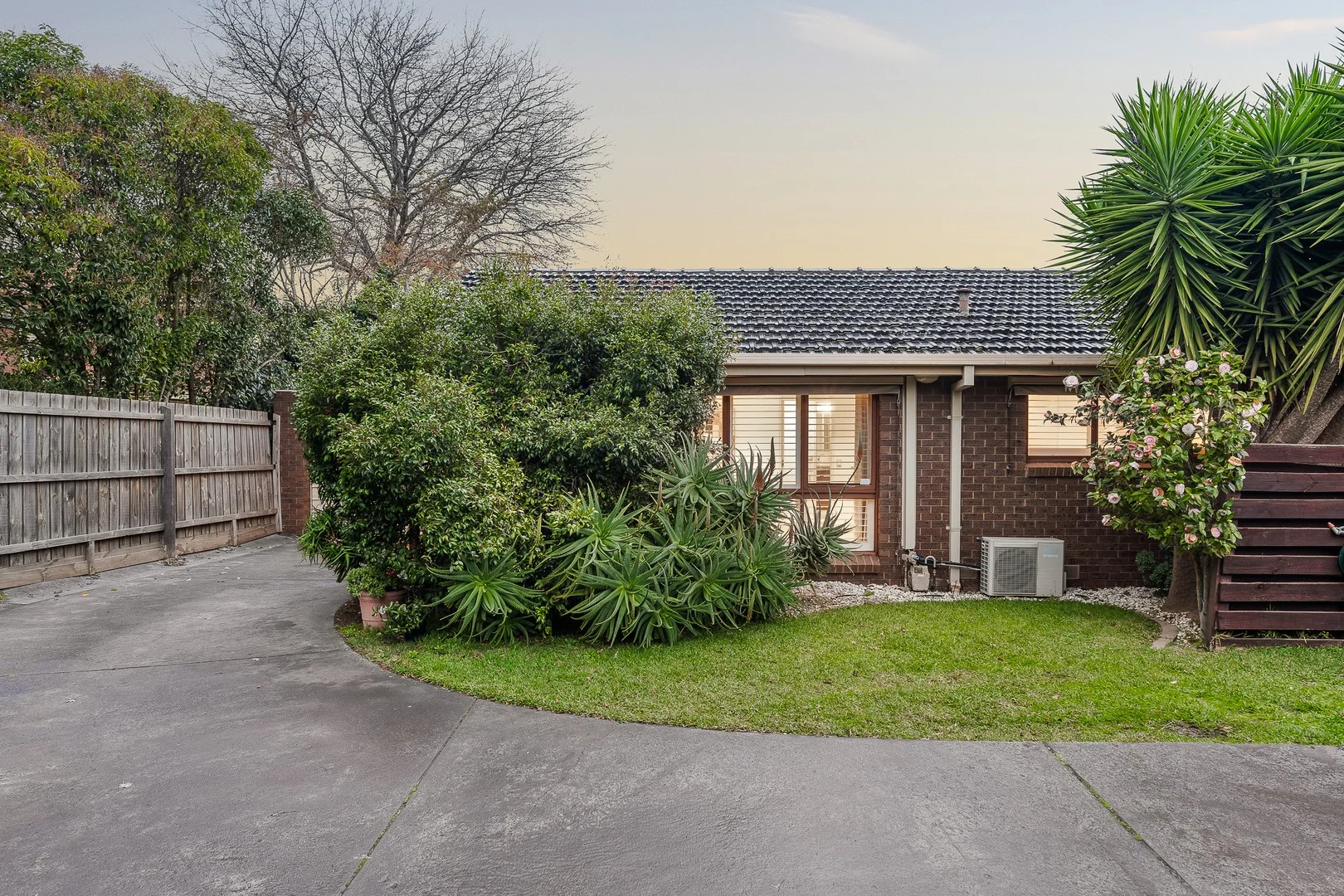 $770,000 - $820,000
Apartment / Unit / Flat
$770,000 - $820,000
Apartment / Unit / Flat
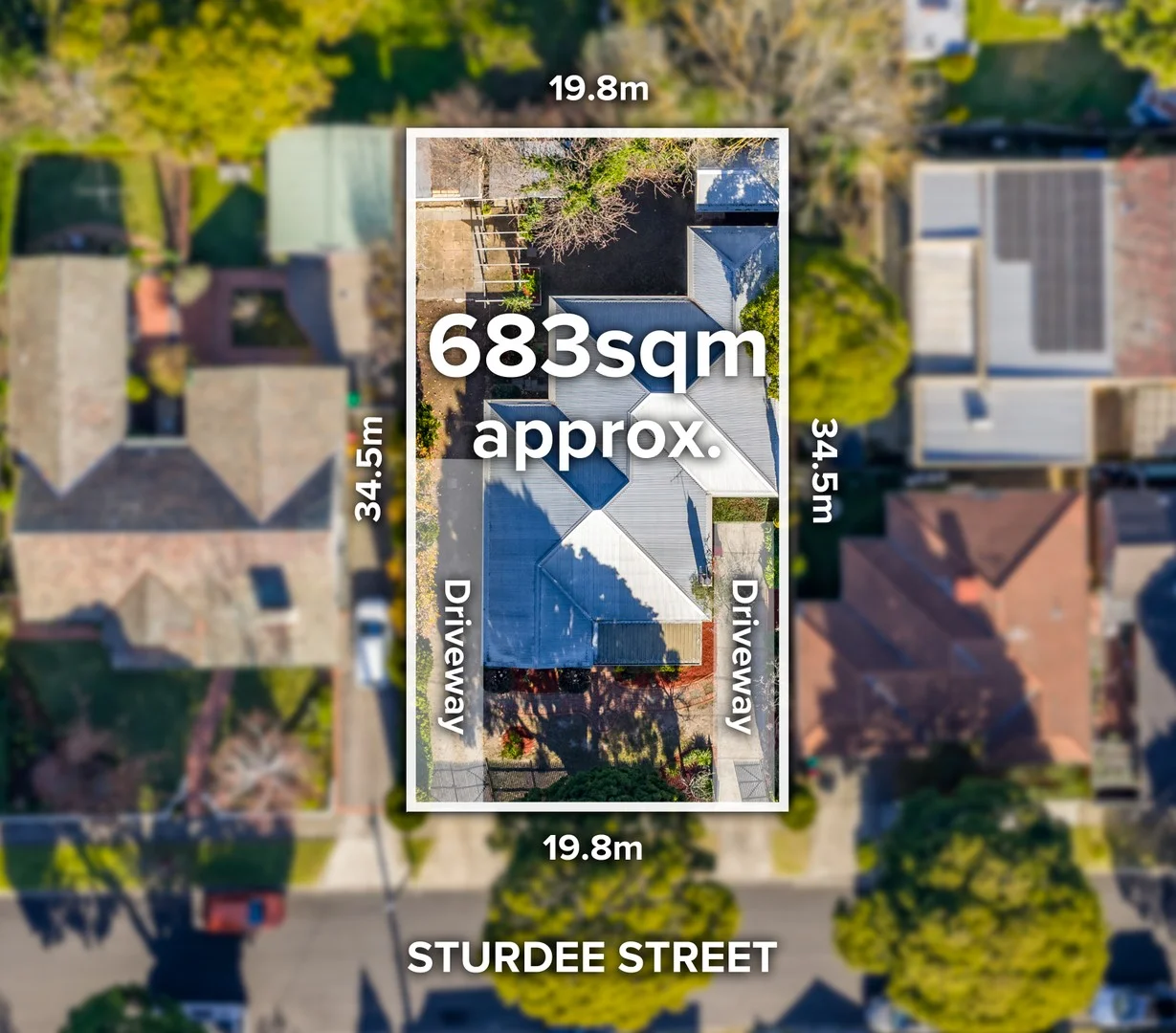 $2,000,000
House
$2,000,000
House
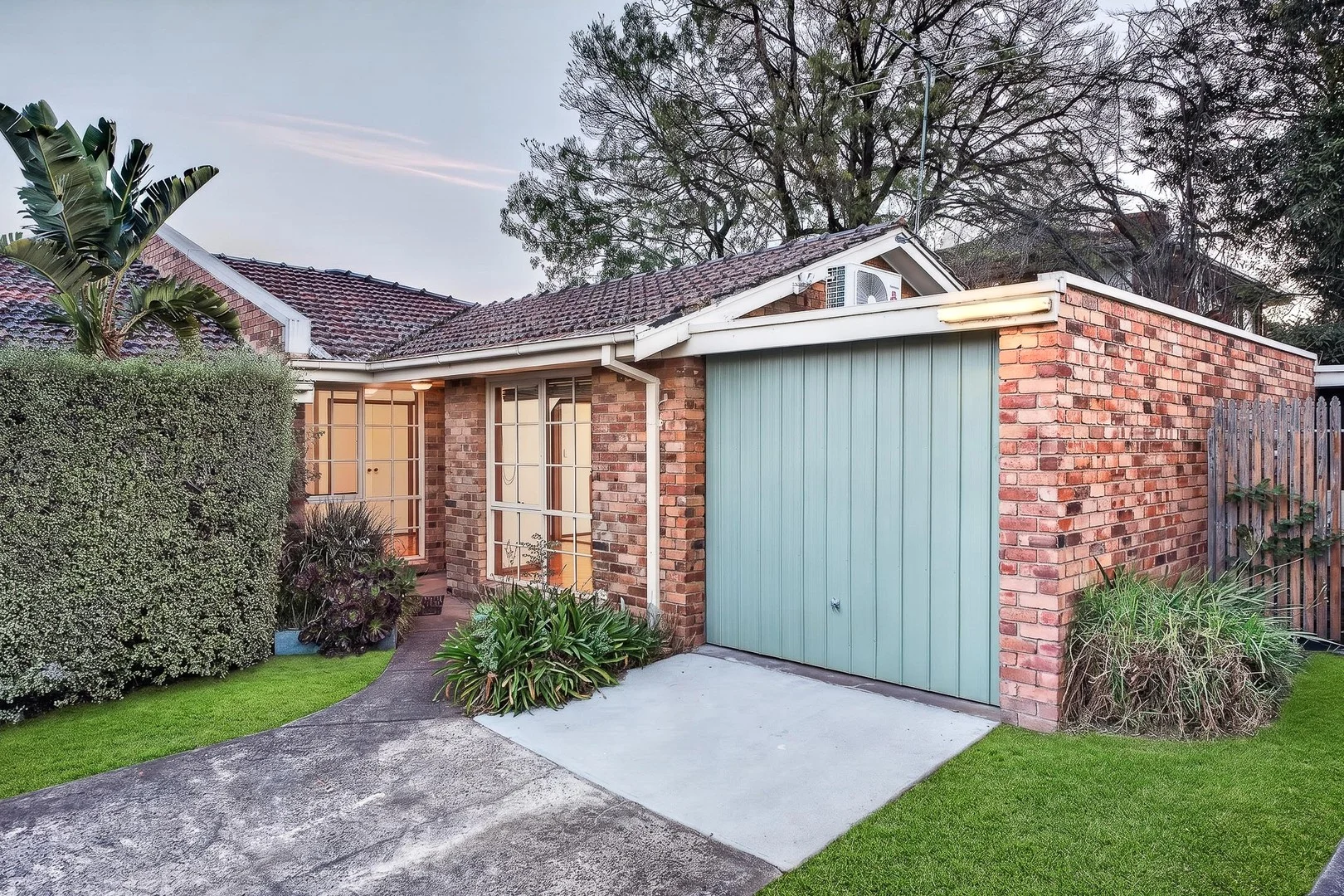 $765,000 - $825,000
Apartment / Unit / Flat
$765,000 - $825,000
Apartment / Unit / Flat
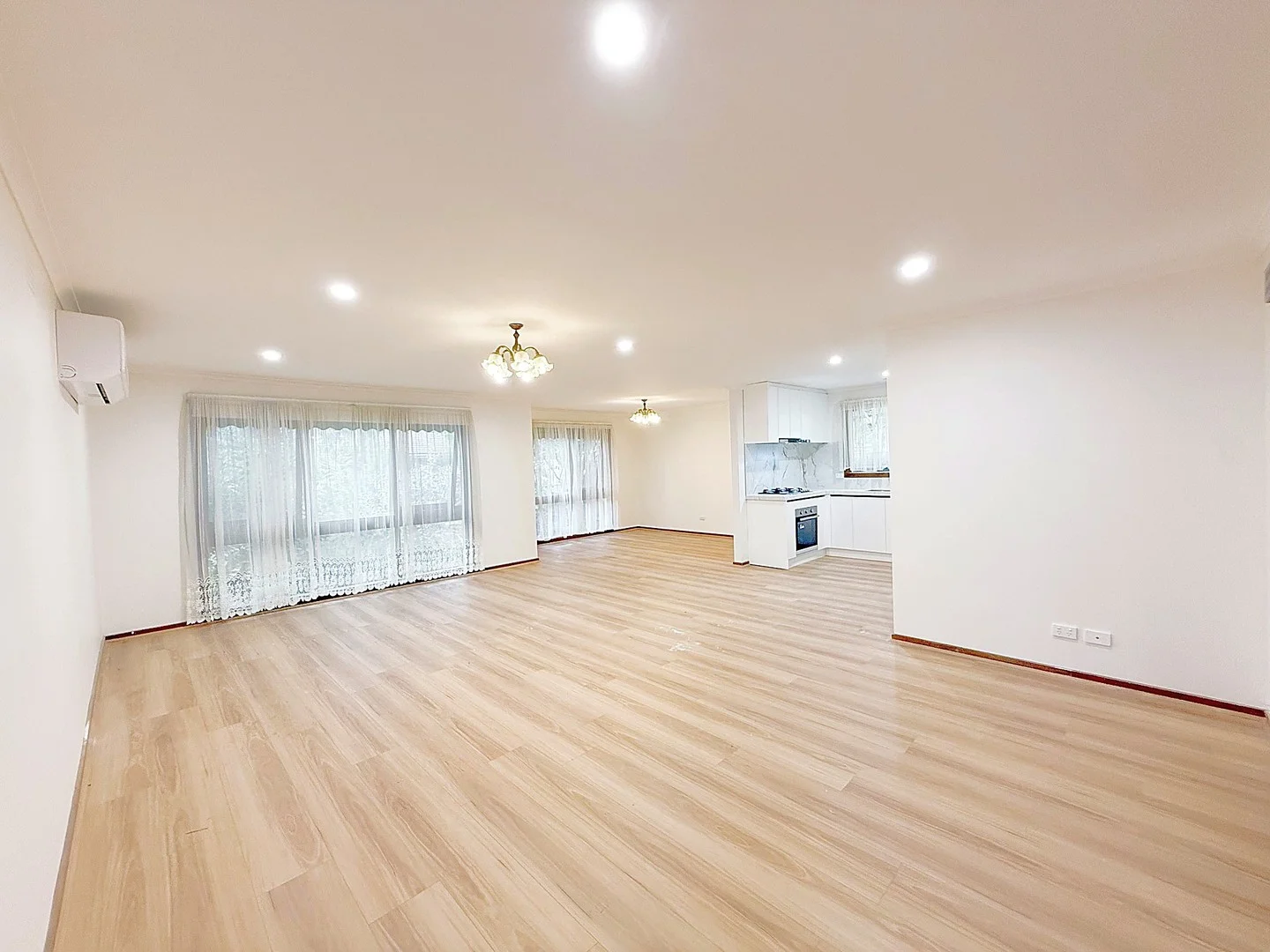 $1,100
House
$1,100
House
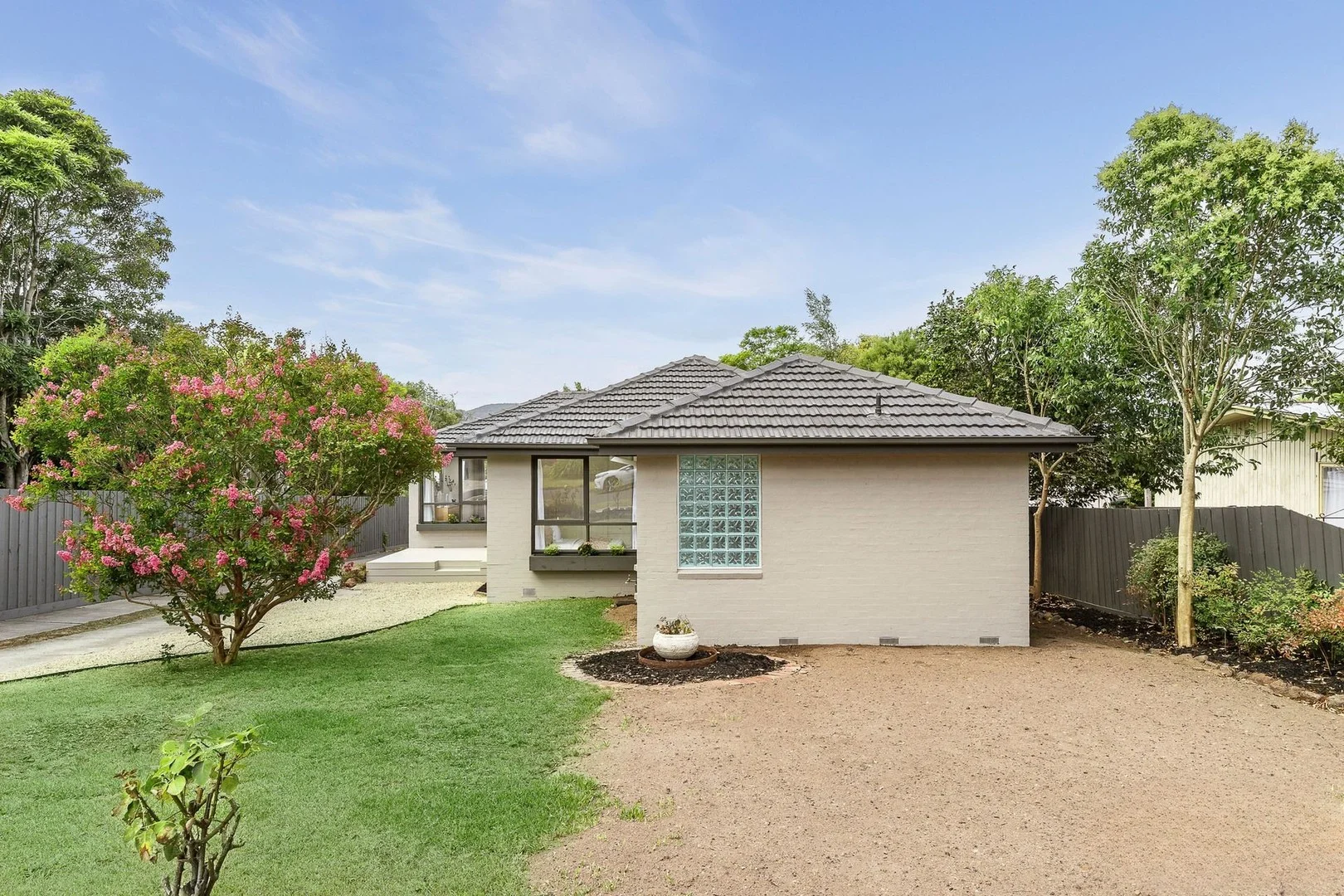 $700
Apartment / Unit / Flat
$700
Apartment / Unit / Flat
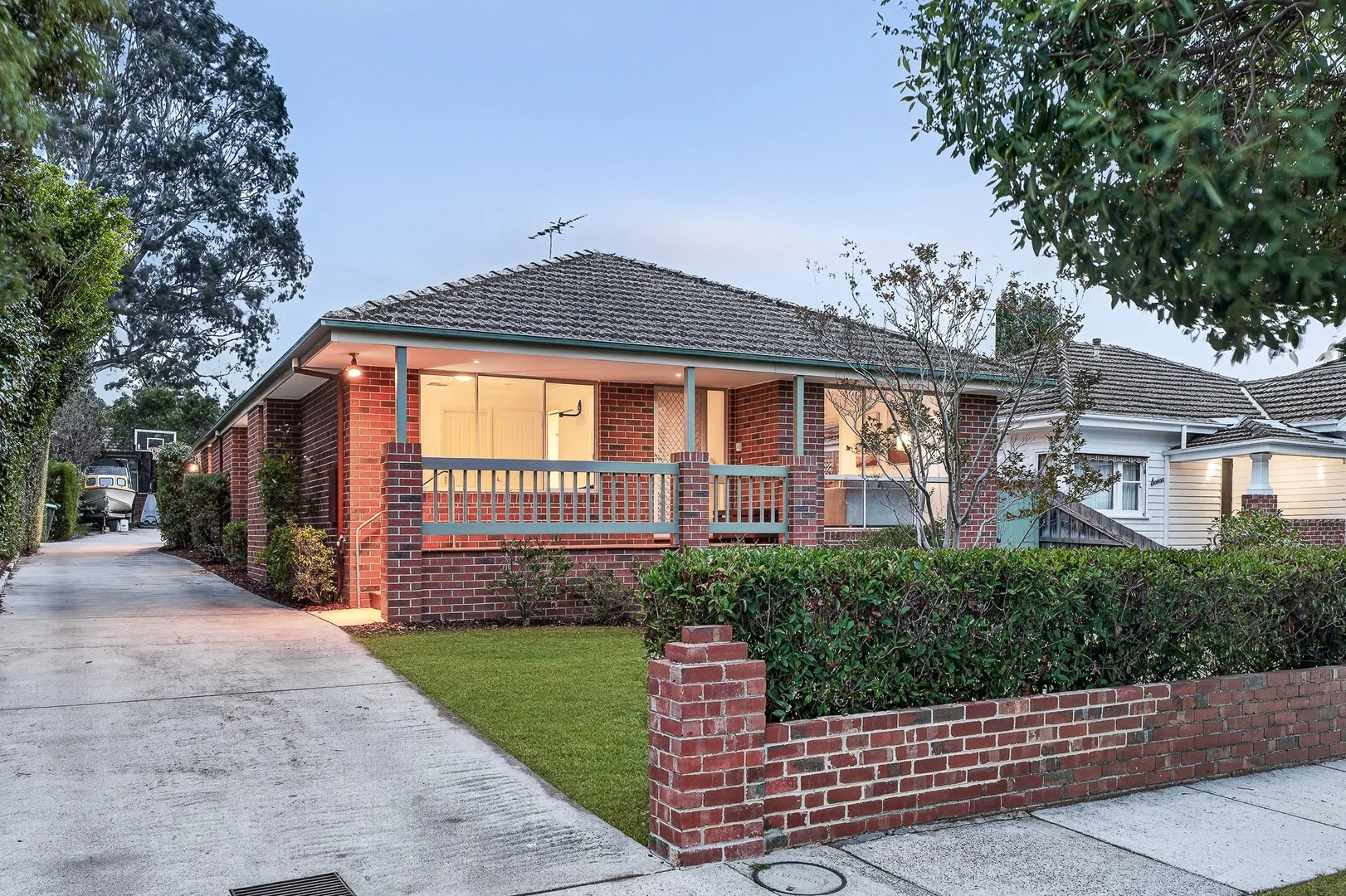 $1,200,000 - $1,300,000
House
$1,200,000 - $1,300,000
House
 $630,000 - $680,000
Apartment / Unit / Flat
$630,000 - $680,000
Apartment / Unit / Flat
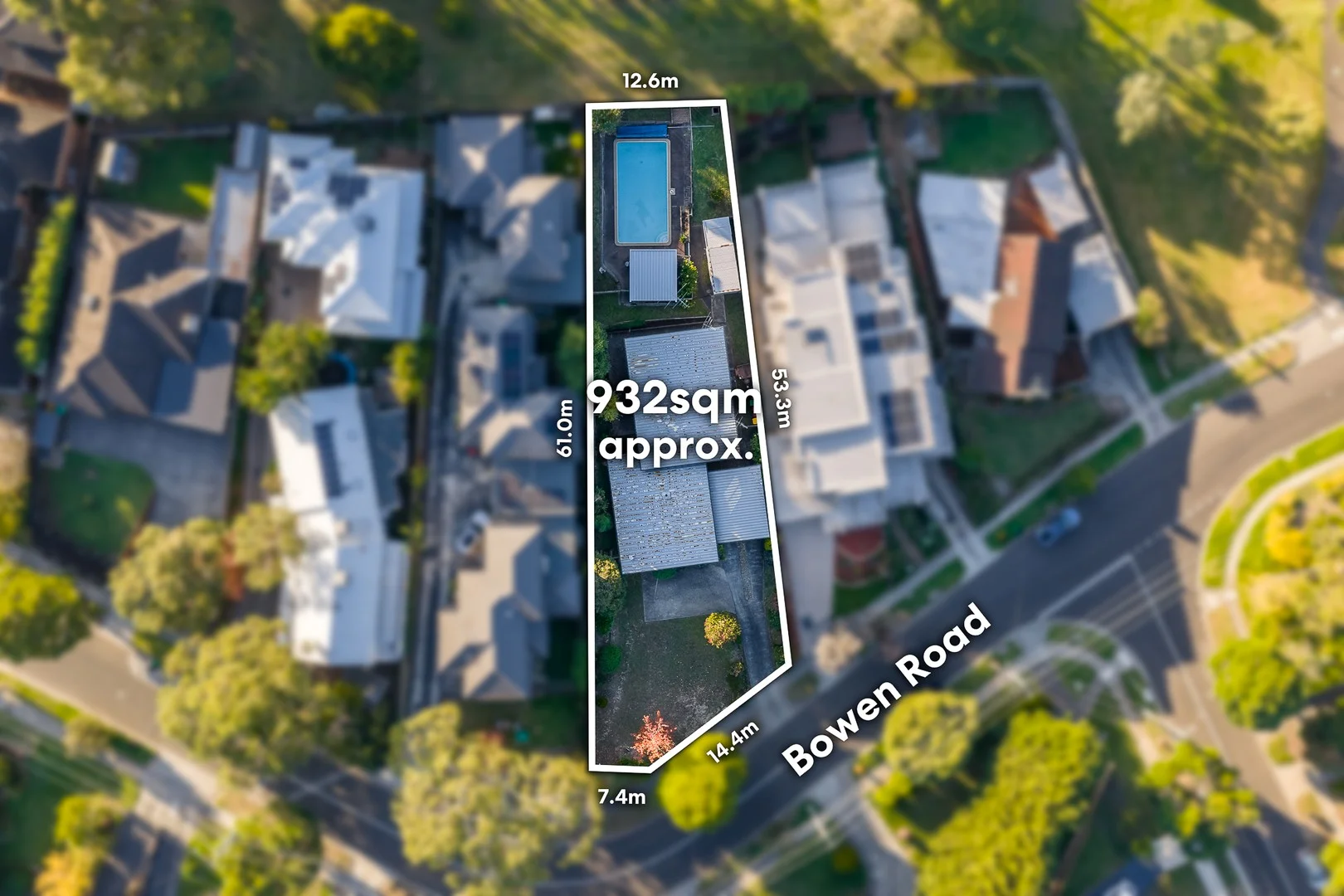 $1,300,000 - $1,400,000
House
$1,300,000 - $1,400,000
House
 $1,300,000
House
$1,300,000
House