1. Overview
Livingstone Primary School is a public, co-educational primary school located in Vermont South. The school aims to create a welcoming, inclusive learning community where students are supported to develop strong literacy and numeracy skills, pursue interests across the arts and sport, and grow as confident, responsible learners.
Size and environment: the school is medium-sized, with multi-age classroom experiences and a focus on small-group support where needed. Class sizes are typically in the 20s, allowing teachers to give individual attention within a collaborative, respectful atmosphere. The atmosphere is generally nurturing, inclusive, and student-centered, with an emphasis on wellbeing, community involvement, and positive relationships.
⸻
2. Academics & Learning
Academic strengths: the school prioritises literacy and numeracy, with opportunities to extend thinking through STEM activities and problem-solving projects. English language development and comprehension are supported across year levels, alongside initiatives to develop mathematical reasoning and critical thinking.
Special programs: there may be targeted programs such as Gifted and Talented pathways or accelerated learning options, programming for students with diverse needs, and English as an Additional Language (EAL) support where required.
NAPLAN / trends: schools report trends over time rather than scores; Livingstone Primary would typically track improvements in literacy and numeracy, with a focus on growth year over year and across strands.
Student-teacher ratios: classroom ratios are commonly around 1:20–1:25, with additional support staff or specialist teachers for targeted interventions.
Support for diverse learners: comprehensive support for diverse learners includes EAL assistance, SEN support, and access to allied health referrals where appropriate, ensuring students receive differentiated instruction and targeted interventions.
⸻
3. Sports & Extracurricular Strengths
Sports offered: a range of team and individual sports are typically available, including ball games, athletics, swimming programs, and inter-school competitions.
Strong teams or achievements: participation in district or regional events is common, with opportunities for students to contribute to school-wide sport programs and represent the school in various age groups.
Music, arts, drama programs: robust arts and music offerings support creativity and performance, including school productions, ensembles, and classroom arts activities.
Clubs: robotics, coding, chess, debating, and other clubs provide enrichment beyond the core curriculum.
Partnerships: connections with local clubs, community groups, and regional competitions help broaden opportunities for students to engage in sport, music, and science-technology initiatives.
⸻
4. Wellbeing & Pastoral Care
Anti-bullying approach: the school typically implements a whole-school anti-bullying policy, with restorative practices, proactive supervision, and age-appropriate education on respectful behavior.
House system: a house structure for events and celebrations supports belonging, healthy competition, and peer mentoring.
Counsellors / wellbeing officers: a dedicated wellbeing team or school counsellor helps with social-emotional learning, stress management, and transition support.
Transition support for new students: orientation activities, buddy systems, and gradual integration programs help new students settle in smoothly and build confidence.
⸻
5. Facilities
Sports grounds: outdoor spaces for physical education and recess activities.
Libraries: an amplifying space for reading, research, and quiet study.
Science labs: dedicated spaces for hands-on science exploration and experiments.
Music/performing arts centers: facilities to support music education, drama, and performances.
Tech/innovation labs: practical spaces for coding, robotics, and digital projects.
Cafeteria: on-site dining or lunch facilities with healthy options.
Updated playgrounds: modern, safely designed play areas to encourage active play and exploration.
⸻
6. School Values & Community Culture
School values / mission: the school typically emphasises values such as respect, responsibility, inclusion, and resilience, guiding daily routines and expectations.
Leadership style: a collaborative, student-inclusive leadership approach is common, with opportunities for student voice through councils or representative groups.
Behaviour expectations: clear behavioural expectations and consistent routines support a safe, orderly environment that fosters learning.
Community reputation: the school often strives to be viewed as a trusted, community-oriented place that communicates openly with families.
Diversity & inclusion: active commitment to diversity and inclusive practices, ensuring access to programs and supports for all students.
⸻
7. School Logistics & Daily Operations
School hours: typical day runs from around 9:00 am to 3:30 pm, with variations for excursions or early dismissals.
Before/after school care: some schools offer OSHC or after-school programs; availability may vary by term and year level.
Uniform requirements: school uniform policies are common, including practical daily wear with logo or specific colour guidelines.
Transport (train/bus routes): students may access public transport or bus services; school pick-up/drop-off arrangements and walking/bike routes are often coordinated with local transport providers.
Canteen availability: a canteen or lunch program is usually available, with daily options and pre-order systems in place.
Fees (low/medium/high ranges): public primary schools generally have low to medium costs for materials, incursions, and optional activities; there may be uniform costs and voluntary contributions.
⸻
8. Enrolment & Admissions
11. What is the enrolment process and timeline?
- Applications are typically submitted through the school's intake process in line with Victorian Department of Education guidelines. Parents prepare documentation (proof of address, child’s birth certificate, immunisation status, and any relevant health or visa documentation). Open days or information sessions may be offered. Once documents are reviewed, families are advised of the next steps and key dates for enrolment confirmation, orientation, and the start of the school year.
12. Is there a waiting list, and how does it work?
- There can be a waiting list if enrolments exceed places available, especially for non-local catchment applicants. Waiting lists are usually managed by the school and align with Department of Education policies, with priority given to local catchment families. You may be asked to express continued interest and confirm your contact details periodically.
13. Are there any entry requirements, tests, or interviews?
- Generally, primary school enrolment does not require entrance tests or interviews. Some programs (e.g., gifted education pathways) or language support considerations may involve additional assessments or documentation, but these are typically arranged through the school or district as needed.
14. Does the school accept mid-year transfers?
- Mid-year transfers are possible if there are vacancies and the family provides required documentation (previous school reports, immunisation status, and enrolment forms). Availability depends on current enrolment numbers and staffing, so it’s best to contact the school early to discuss possibilities and timing.
⸻
9. Frequently Asked Questions
- Why Parents Choose This School?
Families often value a supportive, inclusive community, focus on wellbeing, strong literacy and numeracy foundations, and opportunities across sport, arts, and STEM.
- What type of student thrives at this school?
Students who are curious, collaborative, and engaged in both academics and extracurriculars tend to flourish. The school supports varied strengths, from leadership and creativity to athletic or artistic talents.
- What opportunities are available for students to extend their skills (academics, sports, arts)?
Extended learning may include gifted and talented pathways, enrichment clubs (robotics, coding, chess, debates), competitive sport, music ensembles, drama, and special projects in science and technology.
- How does the school communicate with parents?
Regular newsletters, emails, phone calls, parent-teacher interviews, and online portals are common. Open days and information nights keep families informed about programs and events.
- What is the school’s approach to teaching and learning?
Teaching typically combines explicit instruction with student-centered inquiry, differentiated tasks to meet diverse needs, and ongoing assessment to guide next steps.
- How does the school support students who need extra academic help?
Targeted interventions, reading/j maths support, EAL services, and collaboration with families to develop personalised learning plans are typical approaches.
- What support is available for academic challenges?
Additional tutoring, small-group instruction, and coordinated support from specialists help students overcome difficulties and stay on track.
- How does the school communicate with parents?
See above—multiple channels (newsletters, portals, calls, and meetings) to keep families informed and engaged.
- What are the class sizes and how much individual attention do students receive?
Class sizes are commonly in the 20s, with teacher-led instruction and opportunities for small-group or one-on-one support as needed.
- What extracurricular and sports opportunities are available?
A broad range of sports, arts, and clubs (robotics, coding, chess, debating) are typically offered, with additional opportunities through inter-school events and partnerships.
- What facilities does the school offer (sports, science, arts)?
Facilities generally include well-equipped libraries, science labs, music and performing arts spaces, tech/innovation labs, gym/play areas, and canteens.
- What is the school’s approach to technology and digital learning?
ICT integration across year levels, computer labs or devices in classrooms, online learning platforms, and digital citizenship education are common.
- What transport and accessibility options are available?
Access via public transport and school-supported drop-off zones, with considerations for walking or cycling to school; accessibility features are typically in place where needed.
- What are the typical school fees or additional costs?
Fees usually cover materials, excursions, and optional activities; uniform costs apply, and families may contribute to voluntary programs or fundraising activities.
⸻
10. Short Pros & Cons list
Pros
- Supportive, inclusive school culture and strong wellbeing focus
- Balanced emphasis on academics, arts, and sports
- Variety of enrichment and extracurricular opportunities
- Clear communication channels with families
- Positive facilities for learning, creativity, and collaboration
Cons
- Enrolment demand can lead to waiting lists or limited places for non-local families
- Some programs or activities may incur optional costs
- Availability of mid-year transfers depends on vacancies and timing
⸻

 $22+
$22+










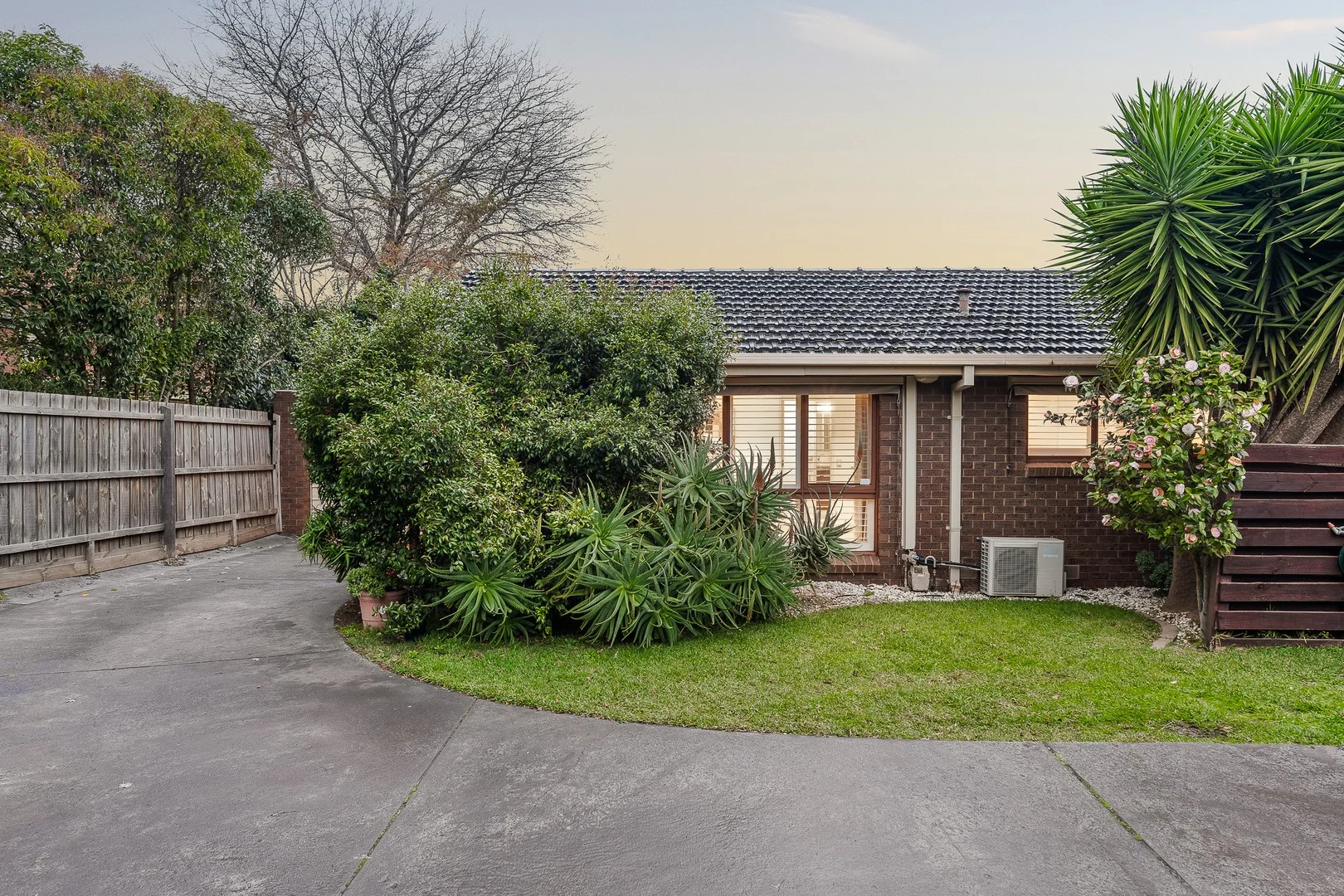 $770,000 - $820,000
Apartment / Unit / Flat
$770,000 - $820,000
Apartment / Unit / Flat
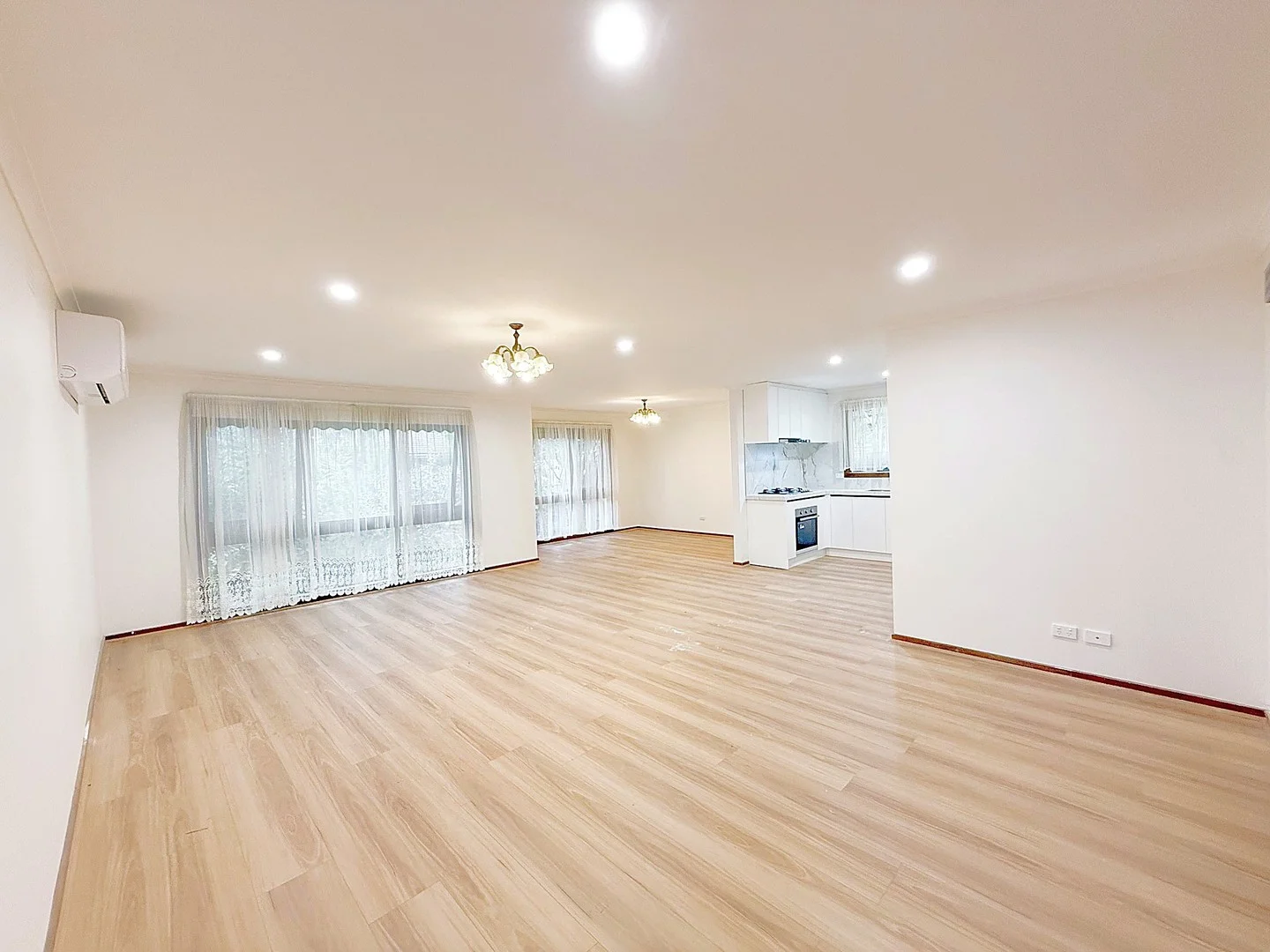 $1,100
House
$1,100
House
 $1,200,000
House
$1,200,000
House
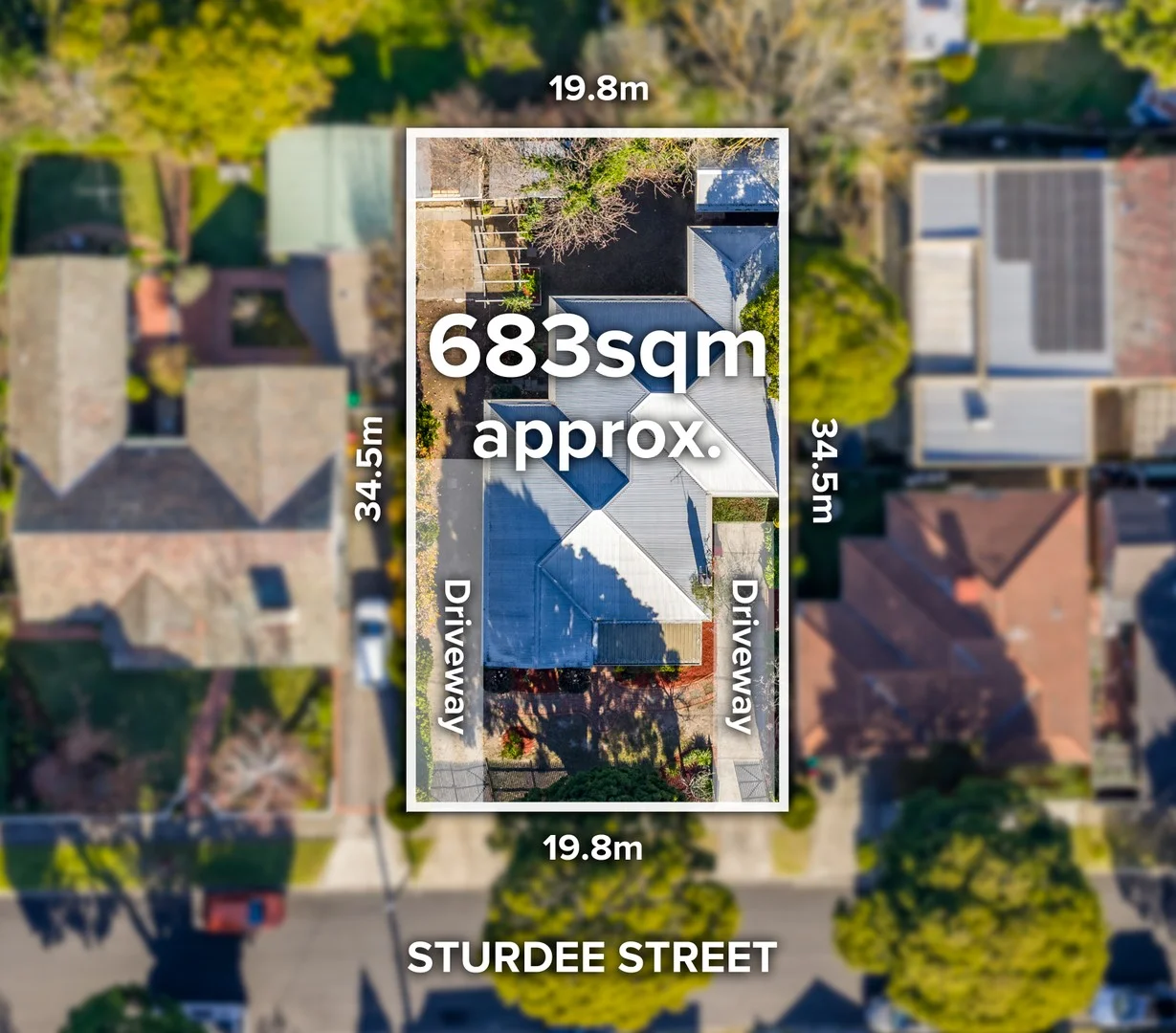 $2,000,000
House
$2,000,000
House
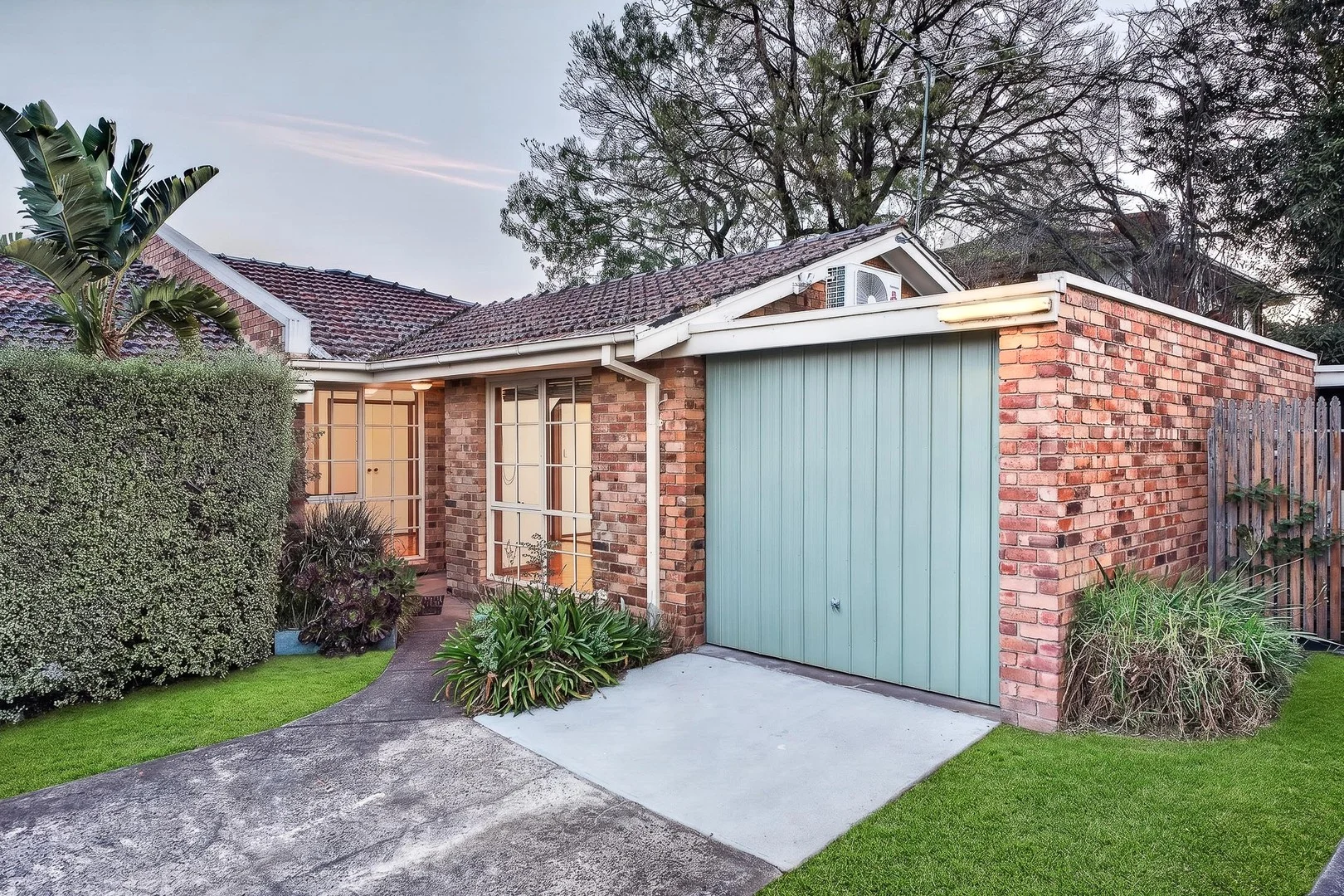 $765,000 - $825,000
Apartment / Unit / Flat
$765,000 - $825,000
Apartment / Unit / Flat
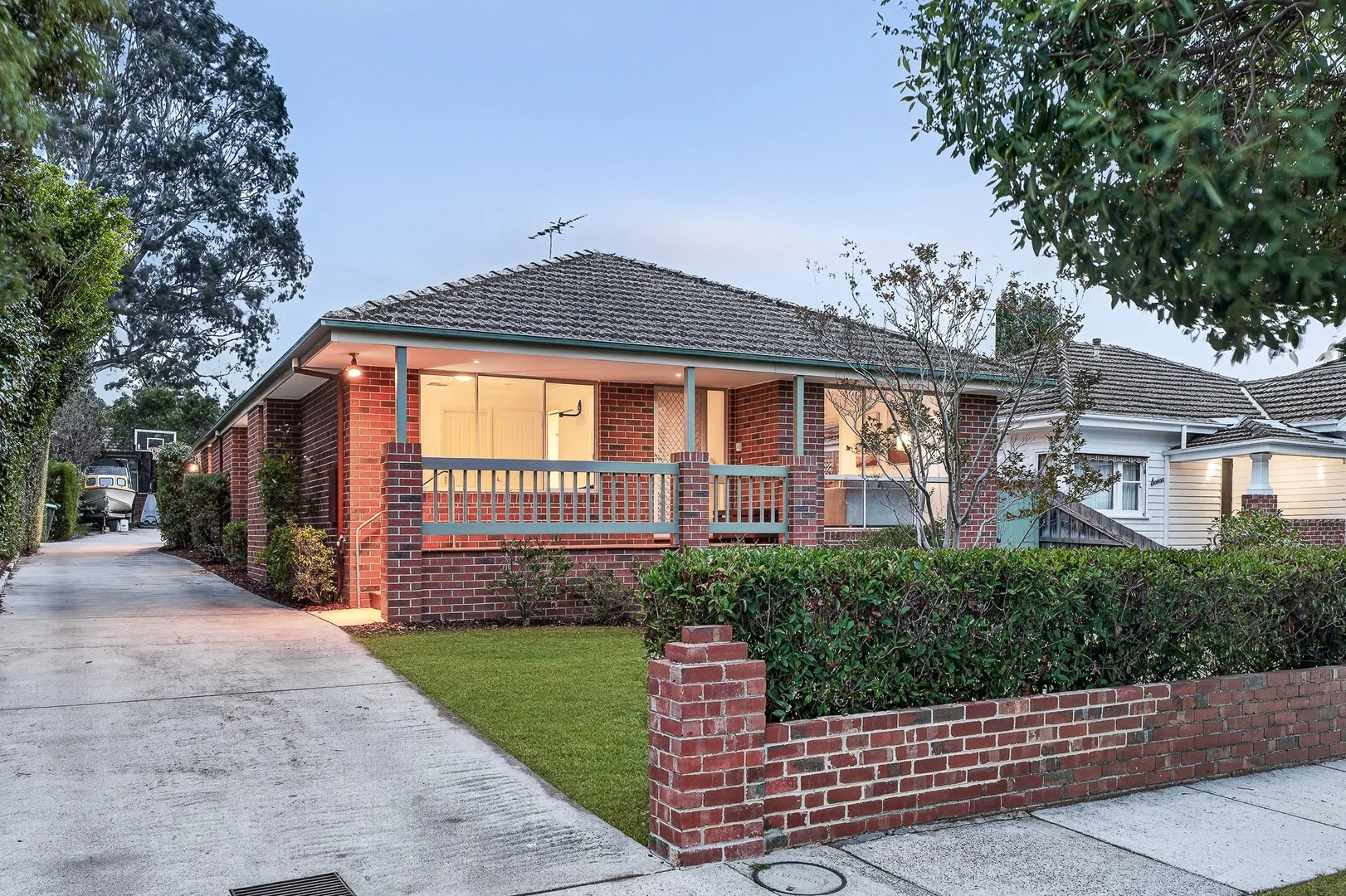 $1,200,000 - $1,300,000
House
$1,200,000 - $1,300,000
House
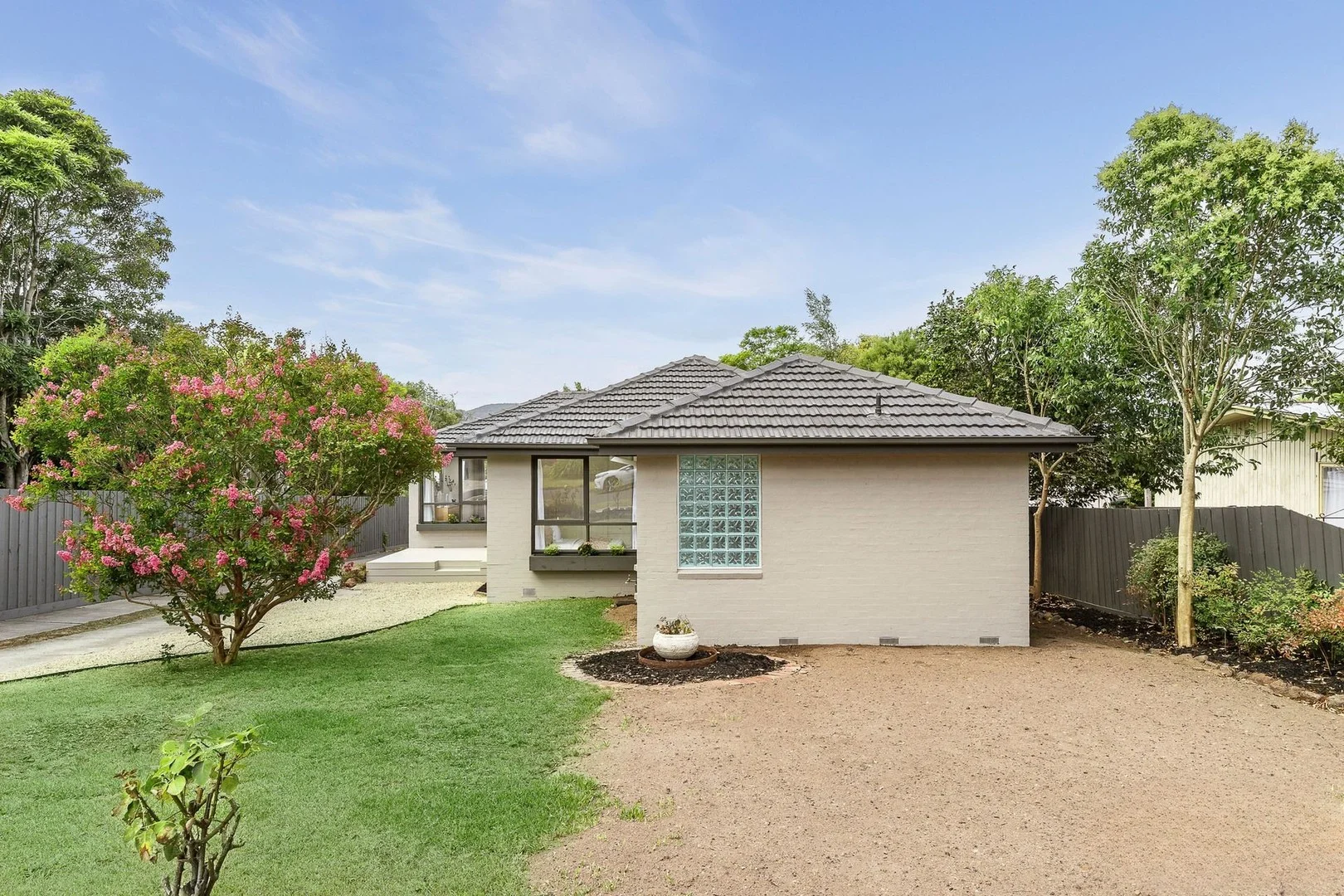 $700
Apartment / Unit / Flat
$700
Apartment / Unit / Flat
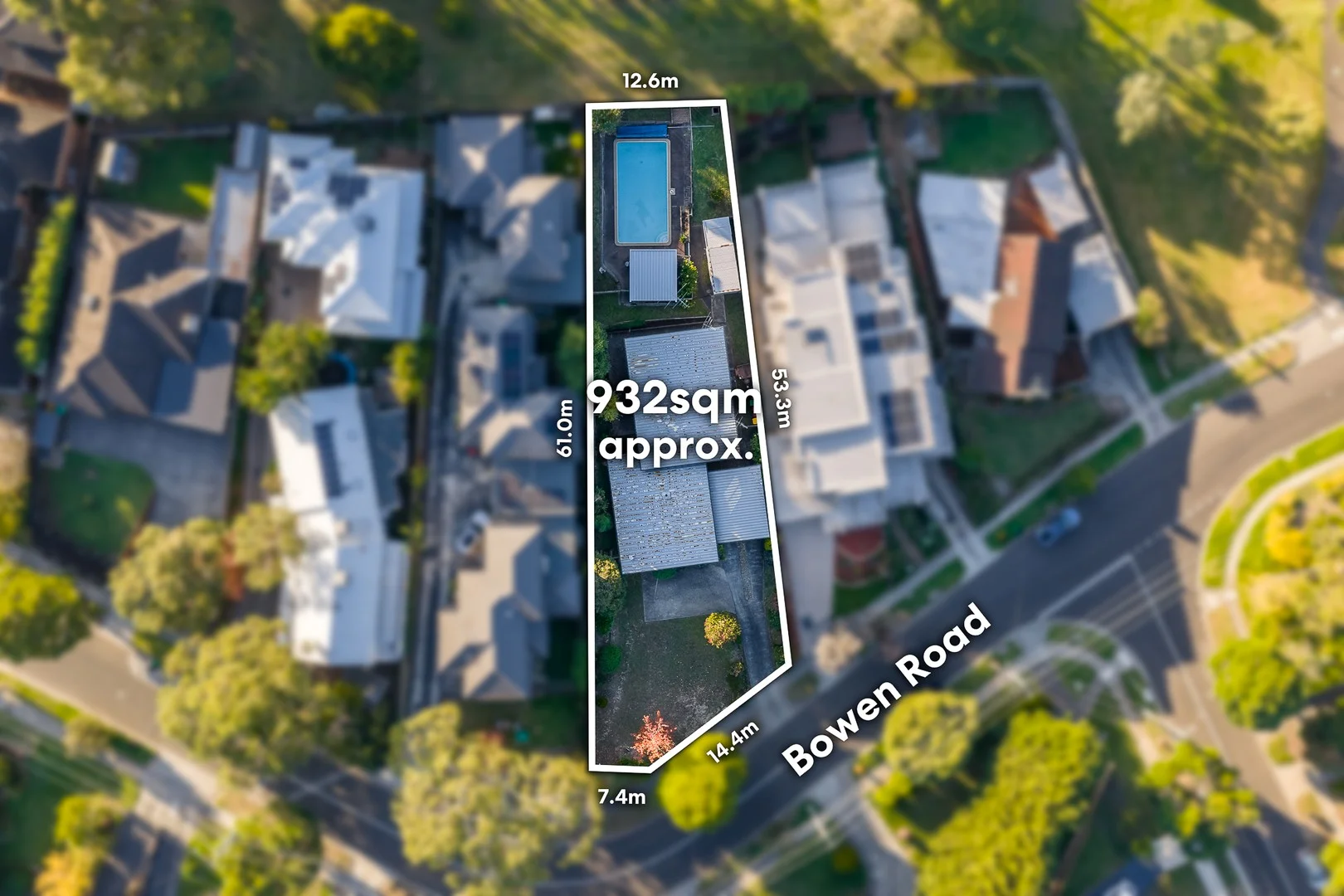 $1,300,000 - $1,400,000
House
$1,300,000 - $1,400,000
House
 $2,550,000
House
$2,550,000
House


