Overview
Roseville College is an independent, private day school for girls on the Lower North Shore of Sydney, serving families on the North Shore and surrounding areas. The school combines strong academic programs with a focus on character development, community involvement, and wide-ranging co-curricular opportunities, all within a supportive, close-knit environment.
A medium-sized school, it balances personalised attention with a broad range of programs. The atmosphere is nurturing and aspirational, emphasising academic achievement while fostering inclusivity, resilience, and leadership among students.
Academics & Learning
- Academic strengths: English, STEM, languages, and opportunities for leadership development are core focuses, with a curriculum designed to prepare students for further study and real-world success.
- Special programs: Gifted and Talented initiatives, accelerated learning paths, and leadership development programs are available to stretch high-achieving students.
- Support for diverse learners: Dedicated EAL (English as an Additional Language) support and SEN (Special Educational Needs) consideration within mainstream classrooms, with targeted interventions where needed.
- Sports offered: Netball, basketball, soccer, tennis, swimming, athletics, and recreational games across codes are supported by structured programs and teams.
- Strong teams or achievements: A robust inter-school sport program with competitive teams and achievements in district and regional competitions.
- Music, arts, drama programs: Comprehensive music program (instrumental and choir), regular drama productions, and opportunities in visual and performing arts.
- Clubs: Robotics, chess, coding, and debating are active, with opportunities to engage in competitions and showcases.
- Partnerships: Local clubs and inter-school competitions provide additional pathways for performance, sport, and coding/robotics experiences.
Wellbeing & Pastoral Care
- Anti-bullying approach: Proactive, explicitly taught anti-bullying strategies, clear policies, and supportive reporting mechanisms.
- House system: A house-based framework fosters belonging, healthy competition, mentorship, and peer support.
- Counsellors / wellbeing officers: Access to school counsellors and wellbeing staff to support academic, social, and emotional needs.
- Transition support for new students: Orientation programs, buddy systems, and targeted support to help new entrants settle in smoothly.
Facilities
- Sports grounds: On-site playing fields and court facilities to support physical education and team sports.
- Libraries: Well-stocked libraries with quiet study spaces and digital resources.
- Science labs: Modern, well-equipped laboratories for practical science learning.
- Music/performing arts centers: Dedicated spaces for music ensembles, rehearsals, and performances.
- Tech/innovation labs: Computer and technology labs to support coding, robotics, and digital learning.
- Cafeteria: On-site dining facilities with healthy meal options.
- Updated playgrounds: Contemporary play areas that support active breaks and outdoor learning.
- School values / mission: Emphasis on respect, integrity, excellence, compassion, and a commitment to helping girls develop as confident, responsible citizens.
- Leadership style: Student-centered and collaborative, with opportunities for student voice through councils, committees, and leadership roles.
- Behaviour expectations: Clear codes of conduct that promote respectful interactions, self-discipline, and accountability.
- Community reputation: A strong sense of community and longstanding involvement with families, alumnae, and local partners.
- Diversity & inclusion: Welcoming environment that values diverse perspectives and inclusive practices across all year levels.
School Logistics & Daily Operations
- School hours: Typical day runs from morning start around 8:15–8:30am to early afternoon finish, with occasional after-school activities.
- Before/after school care: Wrap-around care or supervision options commonly available to support working families.
- Uniform requirements: Formal school uniform with seasonal variations; sports uniform for PE and extracurricular activities.
- Transport: Access to public transport options and convenient bus routes; proximity to local train services on the North Shore.
- Canteen availability: On-site canteen or cafeteria providing lunch options and snacks.
- Fees: Fees generally fall in the mid-to-high range for NSW independent girls’ schools, reflecting facilities, programs, and staffing.
Enrolment & Admissions
- What is the enrolment process and timeline?
- Submit an online application with required documents (academic records, references, any requested forms).
- Attend any required assessments and interviews (year-level dependent).
- Participate in short admissions steps (e.g., information sessions or campus tours).
- Receive offer, confirm enrolment, and complete any associated paperwork and fees. Timeline varies by year and availability, but families should expect several months from initial inquiry to confirmation.
- Is there a waiting list, and how does it work?
- Yes, there is often a waiting list for popular year groups, with priority often given to siblings and then on a first-come, first-served basis as vacancies arise.
- Are there any entry requirements, tests, or interviews?
- Entrance assessments or interviews are commonly used, along with verification of academic records and references. Some year levels or scholarship considerations may include additional steps.
- Does the school accept mid-year transfers?
- Mid-year transfers are considered where vacancies exist and appropriate academic placement can be found, subject to the school’s processes and timelines.
Frequently Asked Questions
- Why Parents Choose This School?
- A balanced focus on academics, character development, and a wide range of extracurriculars within a supportive community.
- What type of student thrives at this school?
- Motivated, curious, collaborative students who value both academics and leadership or service opportunities.
- What opportunities are available for students to extend their skills (academics, sports, arts)?
- Advanced coursework, leadership programs, competitive sport teams, music and drama productions, robotics, debating, and other clubs.
- How does the school communicate with parents?
- Regular newsletters, parent portals, emails, app notifications, and annual/termly parent-teacher meetings.
- What is the school’s approach to teaching and learning?
- Student-centered, differentiated instruction with a focus on literacy, numeracy, critical thinking, and real-world application.
- How does the school support students who need extra academic help?
- In-class differentiation, targeted tutoring, EAL support, and access to SEN services where appropriate.
- What support is available for academic challenges?
- Early intervention, actionable feedback, targeted tutoring, and continuity of support through the appropriate staff.
- How does the school communicate with parents? (Repeated)
- See above: portals, newsletters, meetings, and direct updates from teachers and coordinators.
- What extracurricular and sports opportunities are available?
- Sports teams (netball, basketball, soccer, tennis, swimming, athletics), music, drama, and clubs (robotics, chess, coding, debating) with competitions and showcases.
- What facilities does the school offer (sports, science, arts)?
- Comprehensive facilities including sports grounds, libraries, science labs, music/performing arts centers, tech/innovation labs, cafeteria, and updated playgrounds.
- What is the school’s approach to technology and digital learning?
- Integration of digital tools, age-appropriate technology use, and a curriculum that includes coding, digital literacy, and responsible online behavior.
- What transport and accessibility options are available?
- Access to public transport routes, proximity to train/bus services, and convenient drop-off/pick-up arrangements where possible.
- What are typical school fees or additional costs?
- Fees are generally in the mid-to-high range for NSW independent schools, with additional costs for uniforms, extracurriculars, and activities as applicable.
Short Pros & Cons list
- Independent/private school with a strong balance of academics, wellbeing, and extracurriculars.
- Supportive, inclusive culture and structured wellbeing programs.
- Broad range of clubs, sports, arts, and leadership opportunities.
- Well-equipped facilities across science, arts, and technology.
- Fees are higher than public options and may be a consideration for some families.
- Competitive environment in some year levels may require strong student motivation.
- Availability of places can be limited in popular year groups; late applications may face longer wait times.
 $95+
$95+











 $2,824,000
Apartment / Unit / Flat
$2,824,000
Apartment / Unit / Flat
 $1,525,000
Apartment / Unit / Flat
$1,525,000
Apartment / Unit / Flat
 $36,000,000 - $39,500,000
Vacant Land
$36,000,000 - $39,500,000
Vacant Land
 $26,550,000
propertyType.NEW APARTMENTS / OFF THE PLAN
$26,550,000
propertyType.NEW APARTMENTS / OFF THE PLAN
 $8,630,000
propertyType.NEW APARTMENTS / OFF THE PLAN
$8,630,000
propertyType.NEW APARTMENTS / OFF THE PLAN
 $12,980,000
propertyType.NEW APARTMENTS / OFF THE PLAN
$12,980,000
propertyType.NEW APARTMENTS / OFF THE PLAN
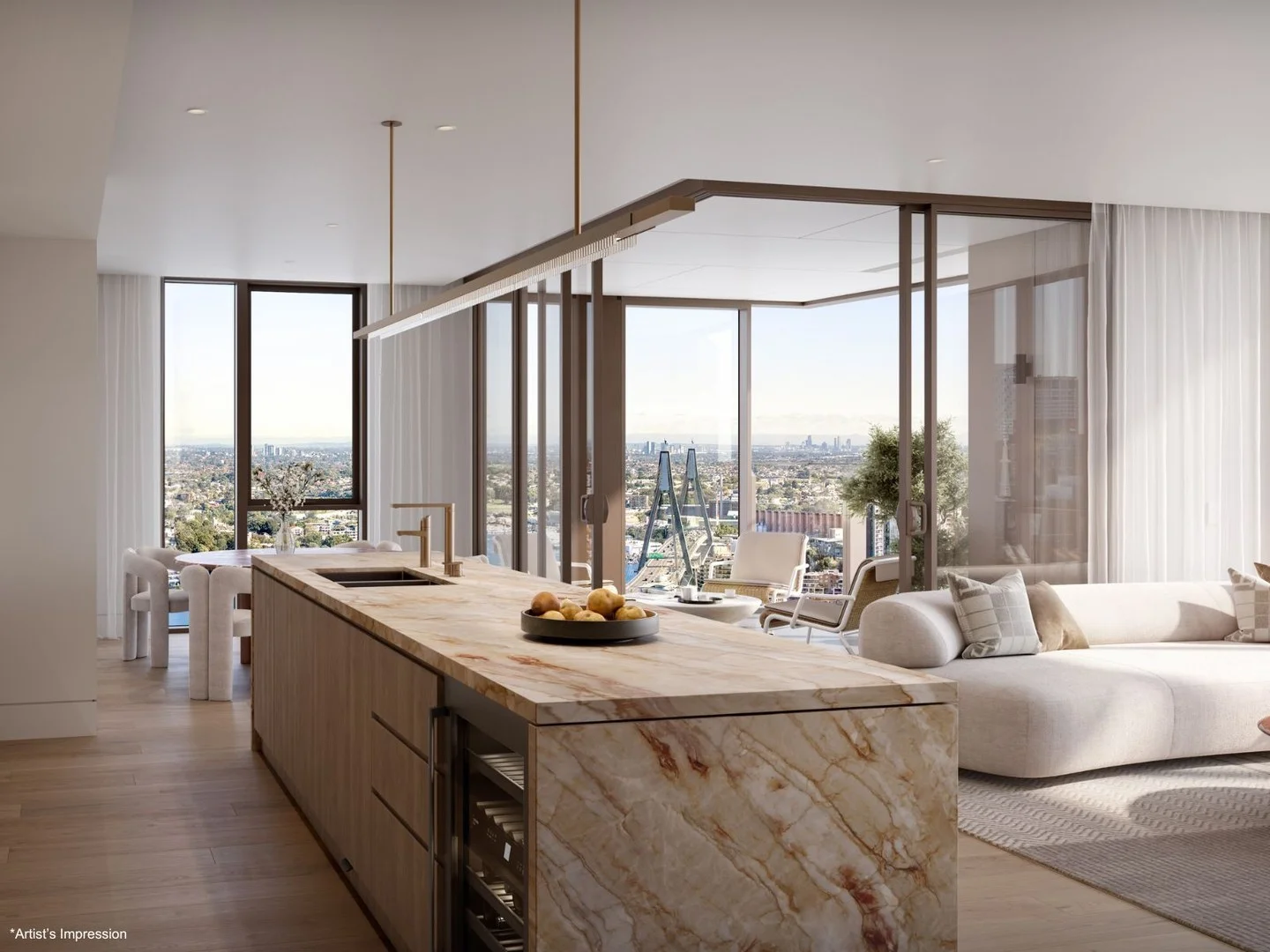 $9,020,000
propertyType.NEW APARTMENTS / OFF THE PLAN
$9,020,000
propertyType.NEW APARTMENTS / OFF THE PLAN
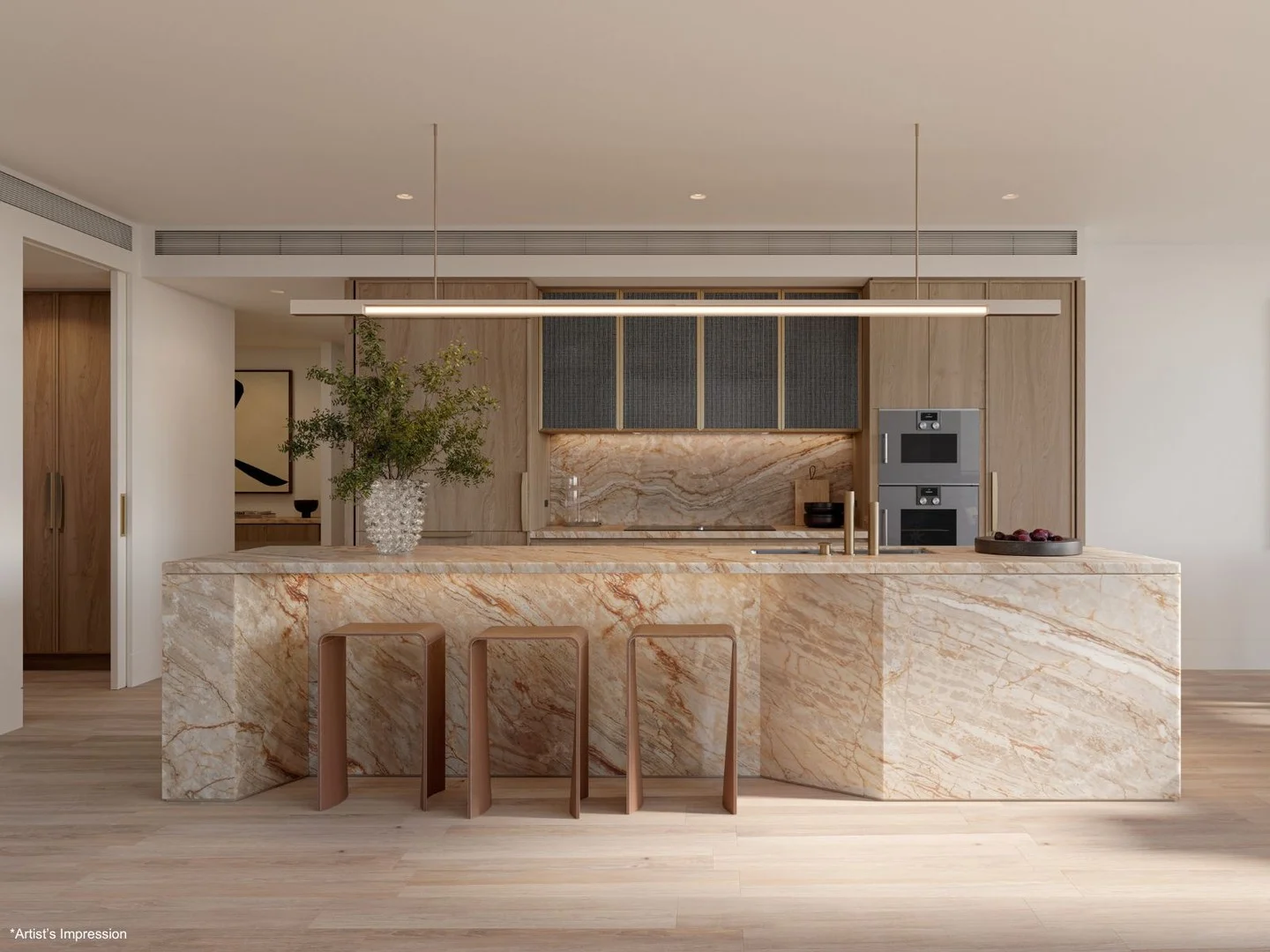 $6,225,000
propertyType.NEW APARTMENTS / OFF THE PLAN
$6,225,000
propertyType.NEW APARTMENTS / OFF THE PLAN
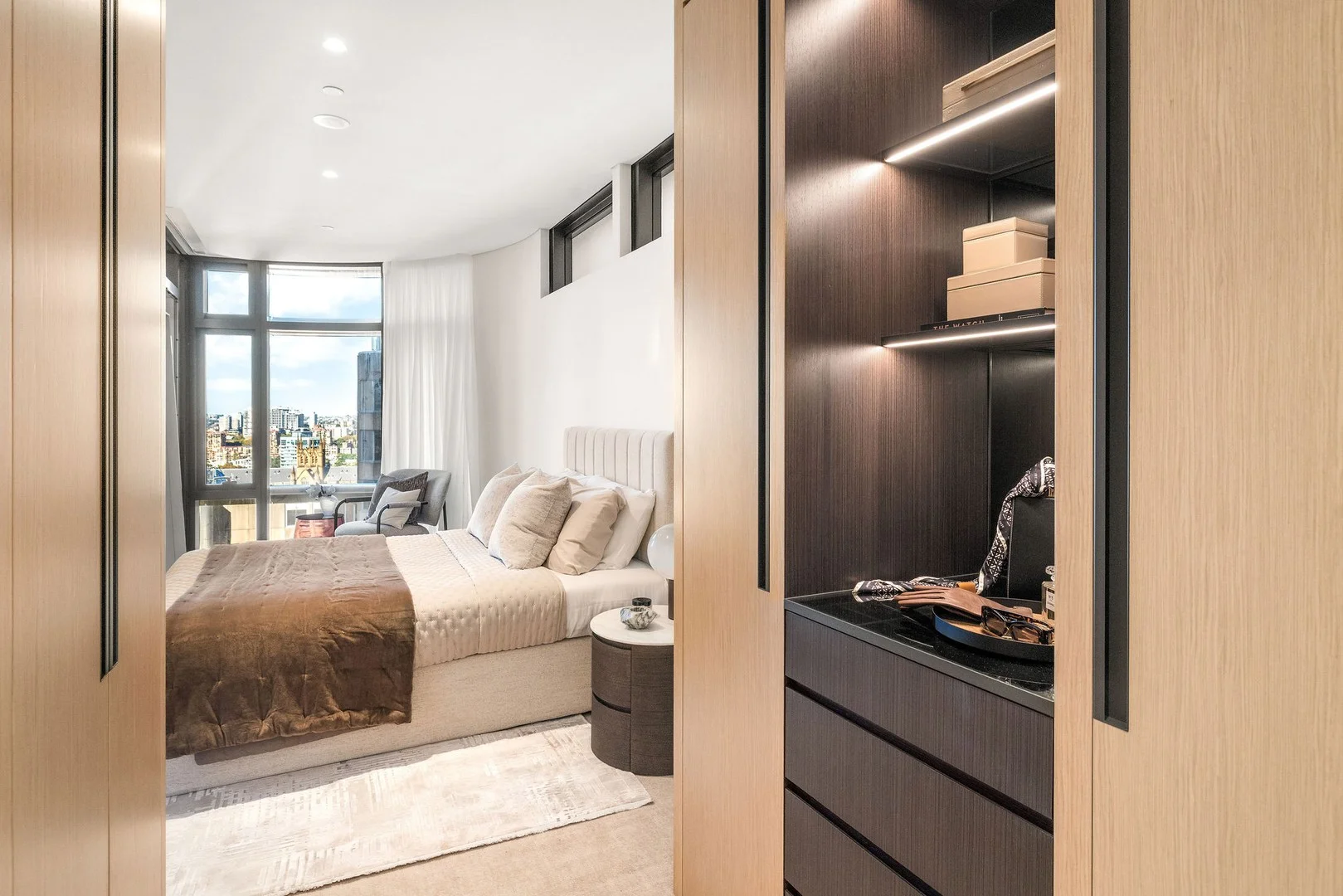 $2,745,000
propertyType.NEW APARTMENTS / OFF THE PLAN
$2,745,000
propertyType.NEW APARTMENTS / OFF THE PLAN