## Overview
Sydney Secondary College – Blackwattle Bay Campus is a public high school that sits within the NSW Department of Education. The campus operates as part of the Sydney Secondary College network, offering a broad secondary education with a focus on developing well-rounded students. The school maintains a medium-to-large student population, with class sizes that sit in the typical NSW high school range.
The atmosphere is inclusive and diverse, with a culture that supports academic achievement and active participation in arts, sports, and community life. The school emphasises student wellbeing, collaboration, and opportunities for leadership and personal growth.
---
## Academics & Learning
- Academic strengths: The school supports a balanced program with emphasis on core subjects, STEM exploration, and English, alongside opportunities in the arts and languages.
- Special programs: Access to enrichment options and pathways for capable learners; involvement in gifted and talented opportunities and accelerated learning where available.
- NAPLAN trends: The school monitors progress year to year, focusing on improving reading, writing, and numeracy outcomes and tracking growth over time.
- Student-teacher ratios: Typical NSW public high school ranges; classes are designed to be manageable with teachers able to provide guidance and feedback.
- Support for diverse learners: Strong EAL support and inclusive education practices; targeted assistance and resources for students with additional needs.
---
## Sports & Extracurricular Strengths
- Sports offered: A broad program including team sports (e.g., soccer, basketball, rugby, cricket), athletics, swimming, and other activities aligned with NSW school sport calendars.
- Strong teams or achievements: Regular participation in zone/tri-school competitions with opportunities for representative selections.
- Music, arts, drama programs: Active music ensembles, choirs, drama productions, and opportunities to perform in school events.
- Clubs: Robotics, chess, coding, debating, math/informatics groups, and various student-interest clubs.
- Partnerships: Collaborations with local clubs, community partners, and regional competitions to broaden opportunities (e.g., robotics contests, arts festivals, inter-school events).
---
## Wellbeing & Pastoral Care
- Anti-bullying approach: Clear policies and reporting channels; proactive wellbeing programs and student support.
- House system: House groups organize events, sports days, and peer-support networks to foster belonging.
- Counsellors / wellbeing officers: On-site counsellors and wellbeing staff to assist with personal, social, and academic matters.
- Transition support for new students: Orientation programs, buddy systems, and targeted transition support to help new students settle in.
---
## Facilities
- Sports grounds: On-site sport facilities and playing fields.
- Libraries: Resource-rich libraries with study space and digital resources.
- Science labs: Modern science laboratories for practical experiments.
- Music/performing arts centers: Rehearsal spaces and performance venues for music and drama.
- Tech/innovation labs: Maker spaces and technology rooms to support digital learning and project work.
- Cafeteria: On-site canteen offering a range of healthy options.
- Updated playgrounds: Well-maintained outdoor spaces for breaks and activity.
---
## School Values & Community Culture
- School values / mission: Emphasis on respect, responsibility, inclusion, and striving for personal and collective excellence.
- Leadership style: Student voice and leadership opportunities; collaborative decision-making and supportive pedagogy.
- Behaviour expectations: Clear code of conduct focused on safety, respect, and integrity.
- Community reputation: Strong ties with the local inner-west community; positive engagement with families and partners.
- Diversity & inclusion: Committed to an inclusive environment that celebrates diversity and equal opportunity for all students.
---
## School Logistics & Daily Operations
- School hours: Typical school day starts in the morning and ends in the mid-to-late afternoon, with structured periods for teaching, breaks, and activities.
- Before/after school care: Options may be available through external providers or school-supported programs; check local arrangements for OSHC.
- Uniform requirements: School uniform is required; details provided by the school.
- Transport (train/bus routes): Accessible by public transport with nearby bus routes and train connections; plan travel around the school timetable.
- Canteen availability: On-site canteen or snack facilities available during breaks.
- Fees: As a public school, there are no tuition fees; optional costs may relate to uniforms, excursions, and certain activities.
---
## Enrolment & Admissions
11. What is the enrolment process and timeline?
- Begin with confirming eligibility (catchment considerations and placement).
- Submit the NSW Department of Education enrolment form with required documents (proof of identity, proof of NSW residence, birth certificate or passport, immunisation records).
- Provide supplementary materials as requested (transcripts, existing supports or plans).
- Complete any school-specific steps (orientation, documentation review).
- Timeline varies by year and space; Year 7 intake is annual for NSW public high schools, with other year levels considered when places are available.
12. Is there a waiting list, and how does it work?
- If the school is oversubscribed, a waiting list may operate.
- Priority typically follows enrolment rules (e.g., catchment eligibility) and space availability.
- Families are contacted as places become available; timelines depend on year level and enrolment demand.
13. Are there any entry requirements, tests, or interviews?
- For general enrolment at a NSW public high school, there are no entrance tests or interviews required for standard places.
- Some programs or out-of-area requests may involve additional processes or discussions, but this campus is not a selective entry school.
- Special program placements may have their own criteria, as communicated by the school.
14. Does the school accept mid-year transfers?
- Mid-year transfers are possible if spaces exist and transfer applications are processed under NSW DOE guidelines.
- Families should prepare relevant documentation (enrolment forms, student records, immunisation details) and coordinate with the school to facilitate the transition.
---
## Frequently Asked Questions
- Why Parents Choose This School?
- A public, well-rounded program with diverse opportunities in academics, arts, and sports; supportive staff and a focus on inclusion and student wellbeing.
- What type of student thrives at this school?
- Students who are engaged, collaborative, curious, and eager to participate across academics, arts, and sport; those who value a strong sense of community.
- What opportunities are available for students to extend their skills (academics, sports, arts)?
- Enrichment and acceleration options, performing and visual arts programs, music ensembles, drama, robotics and coding clubs, sports teams, and leadership opportunities.
- How does the school communicate with parents?
- Through newsletters, email, a school portal, parent-teacher meetings, notices, and scheduled information sessions; interpreters and translation support may be available where needed.
- What is the school’s approach to teaching and learning?
- Student-centred and inclusive learning with differentiations to meet diverse needs; emphasis on collaboration, critical thinking, and real-world application.
- How does the school support students who need extra academic help?
- Targeted tutoring, small-group or one-on-one support, learning support plans, and access to EAL/SEN resources where needed.
- What support is available for academic challenges?
- Academic coaching, study skills development, homework support activities, and access to subject-specific assistance during involved programs or after-school activities.
- How does the school communicate with parents? (reiterated)
- See above: newsletters, portal, emails, and meetings; staff are available for direct conversations when needed.
- What are the class sizes and how much individual attention do students receive?
- Class sizes align with NSW public high school norms, with teacher attention and differentiation tailored to subject needs and student progress.
- What extracurricular and sports opportunities are available?
- A wide range of sports, music and drama programs, clubs like robotics, chess, coding and debating, plus competitions and inter-school events.
- What facilities does the school offer (sports, science, arts)?
- Sports facilities, libraries, science laboratories, performing arts spaces, technology and innovation labs, a cafeteria, and outdoor play/learning spaces.
- What is the school’s approach to technology and digital learning?
- Integrated digital learning with access to devices, computer labs and online resources; focus on digital literacy, safe use, and responsible technology use.
- What transport and accessibility options are available?
- Access via public transport with nearby bus routes and train options; facilities are designed to be accessible, with appropriate arrangements for students needing additional support.
- What are typical school fees or additional costs?
- Public schools do not charge tuition; there may be voluntary contributions and costs for uniforms, excursions, materials, or extra-curricular activities.
---
## Short Pros & Cons list
- Pros
- Public, well-rounded education with broad opportunities in academics, arts, and sport
- Inclusive culture with strong wellbeing and student support
- Diverse facilities for science, arts, and technology
- Active extracurricular scene and community engagement
- Clear communication channels with families and robust transition support
- Cons
- Large student population can mean fewer one-on-one moments in some subjects
- Enrolment is catchment-based, so spaces may be limited for non-residents
- Transport logistics can vary by family location and timetable
- Uniform and some activity costs can add to out-of-pocket expenses
If you’d like, I can tailor this content further with more precise, up-to-date details directly from the school’s official materials or annual reports.
 $60+
$60+












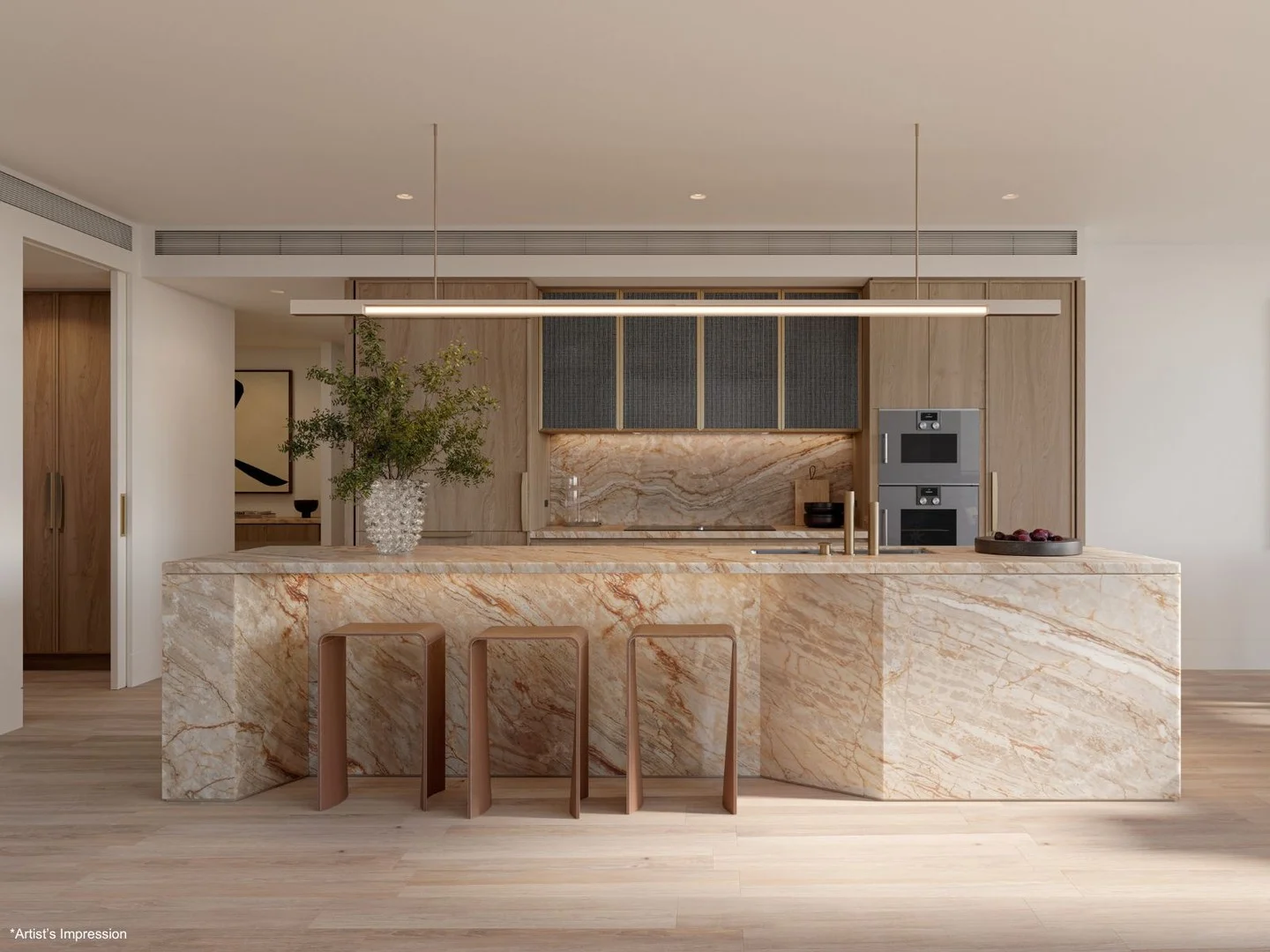 $6,225,000
propertyType.NEW APARTMENTS / OFF THE PLAN
$6,225,000
propertyType.NEW APARTMENTS / OFF THE PLAN
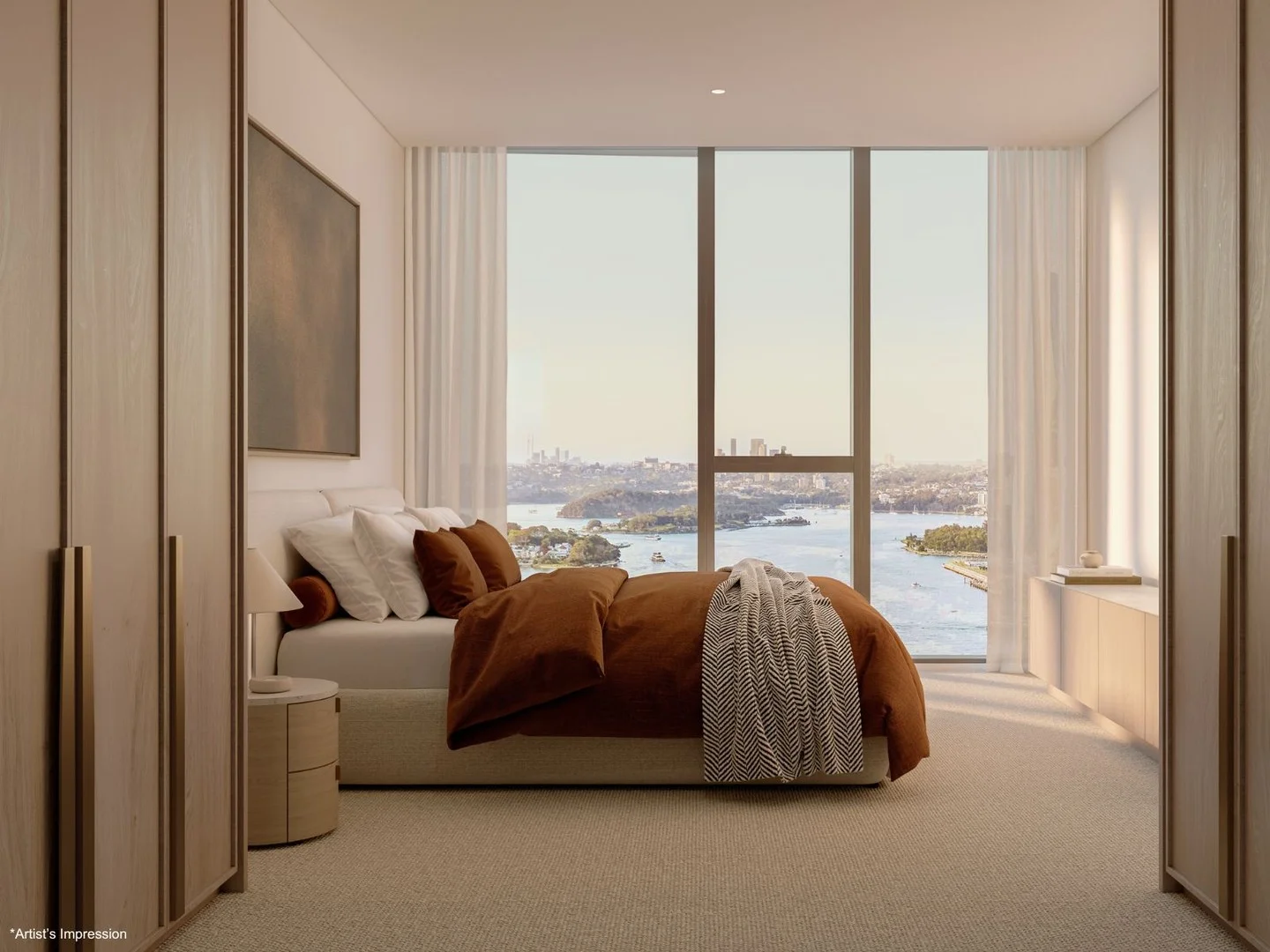 $8,630,000
propertyType.NEW APARTMENTS / OFF THE PLAN
$8,630,000
propertyType.NEW APARTMENTS / OFF THE PLAN
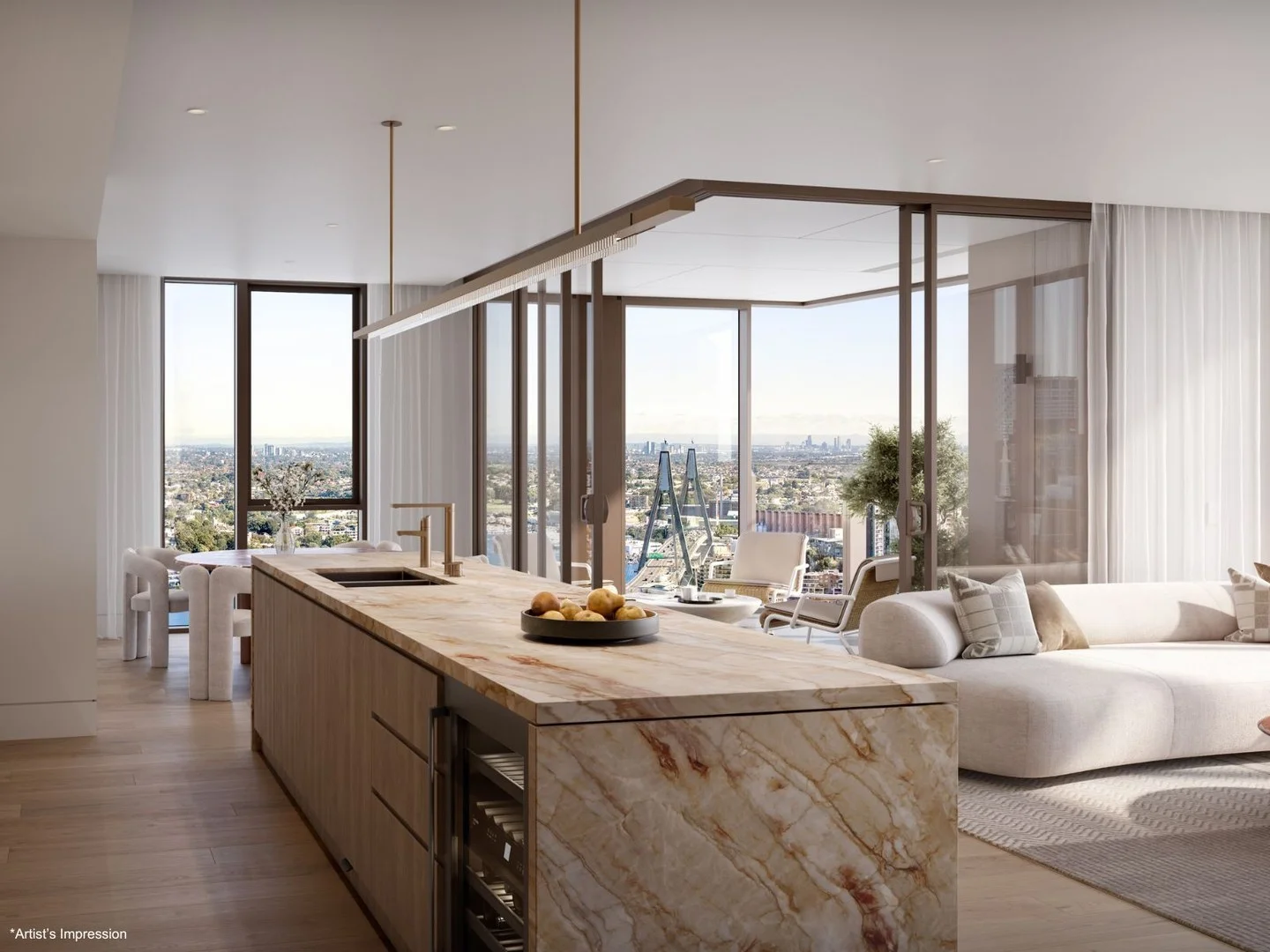 $9,020,000
propertyType.NEW APARTMENTS / OFF THE PLAN
$9,020,000
propertyType.NEW APARTMENTS / OFF THE PLAN
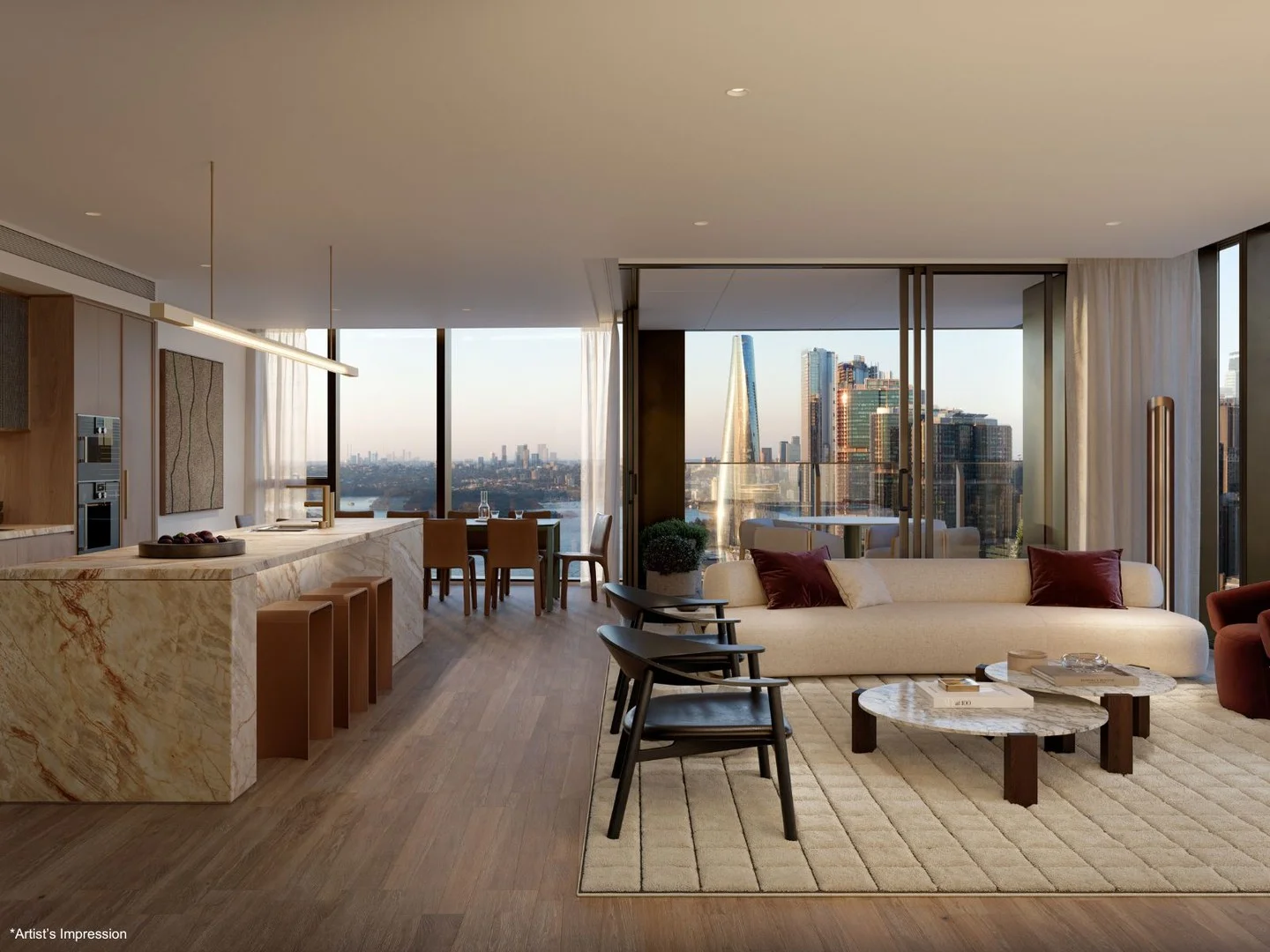 $12,980,000
propertyType.NEW APARTMENTS / OFF THE PLAN
$12,980,000
propertyType.NEW APARTMENTS / OFF THE PLAN
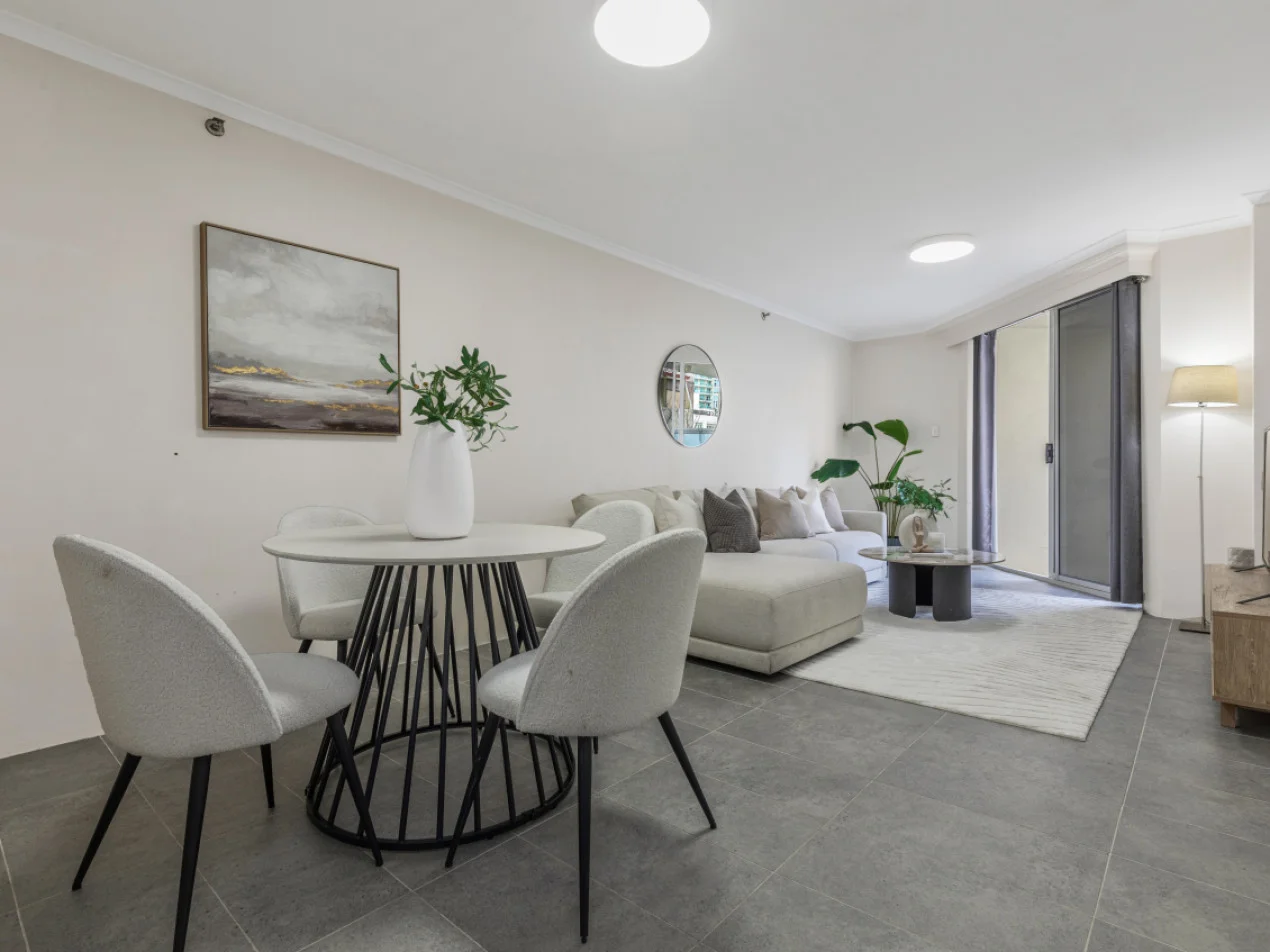 $640,000 - $675,000
Apartment / Unit / Flat
$640,000 - $675,000
Apartment / Unit / Flat
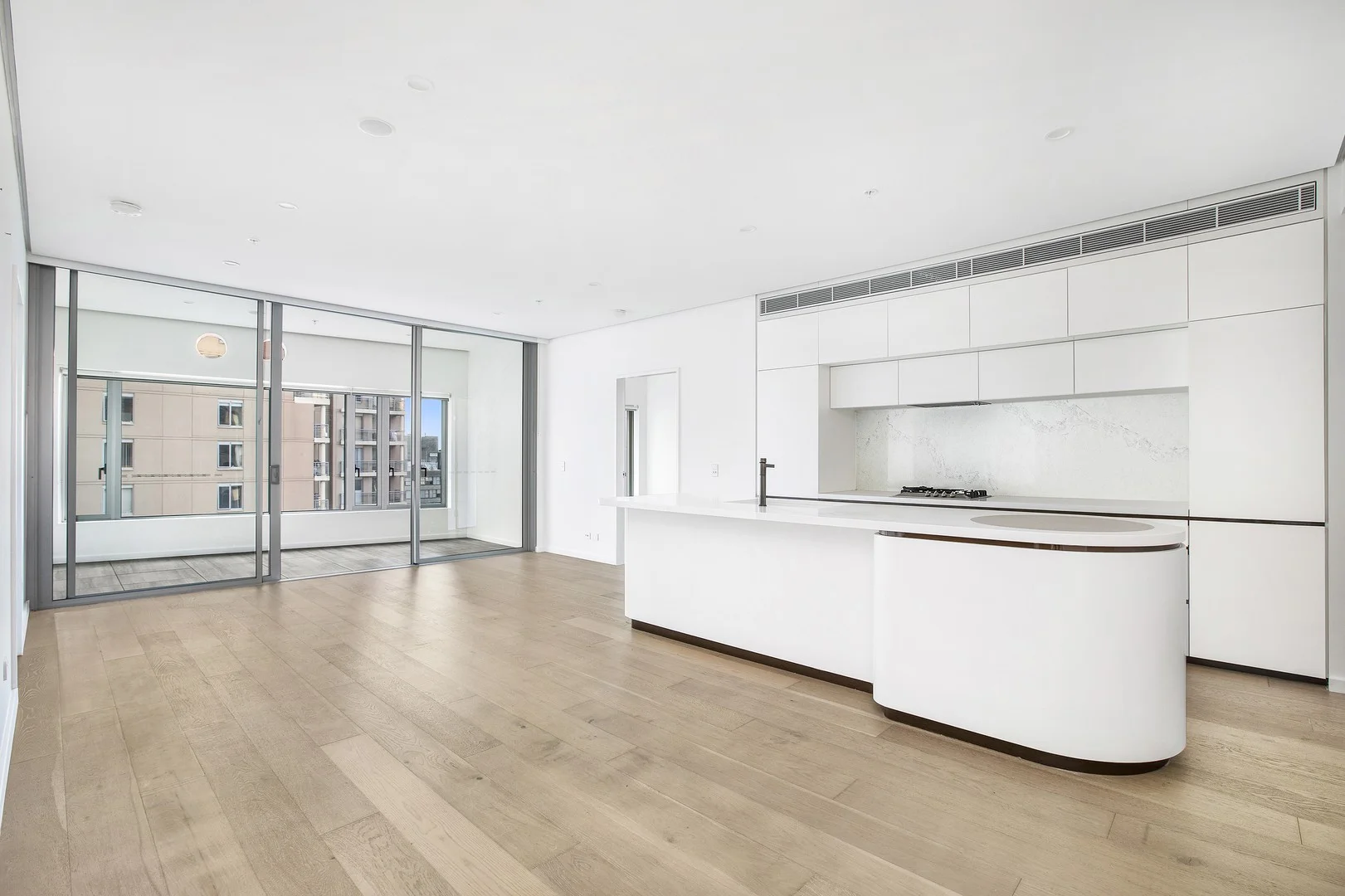 $2,250,000
Apartment / Unit / Flat
$2,250,000
Apartment / Unit / Flat
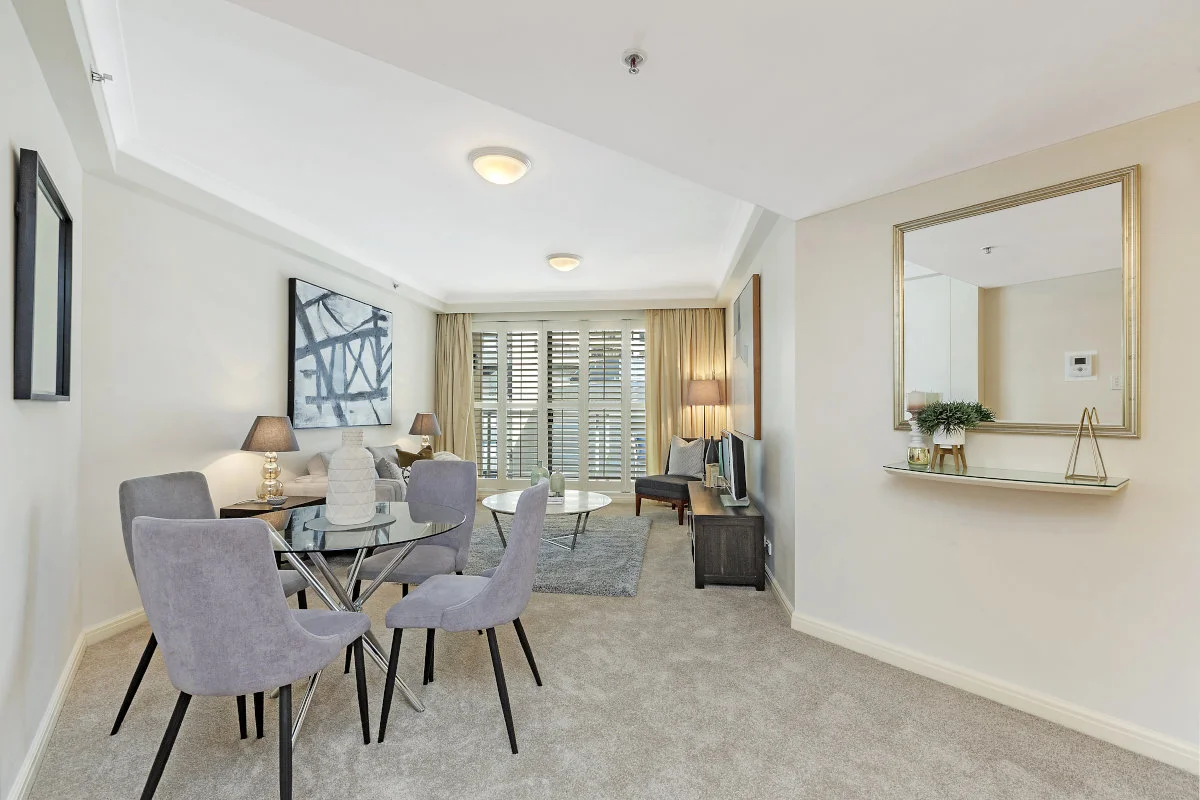 $660,000 - $725,000
Apartment / Unit / Flat
$660,000 - $725,000
Apartment / Unit / Flat
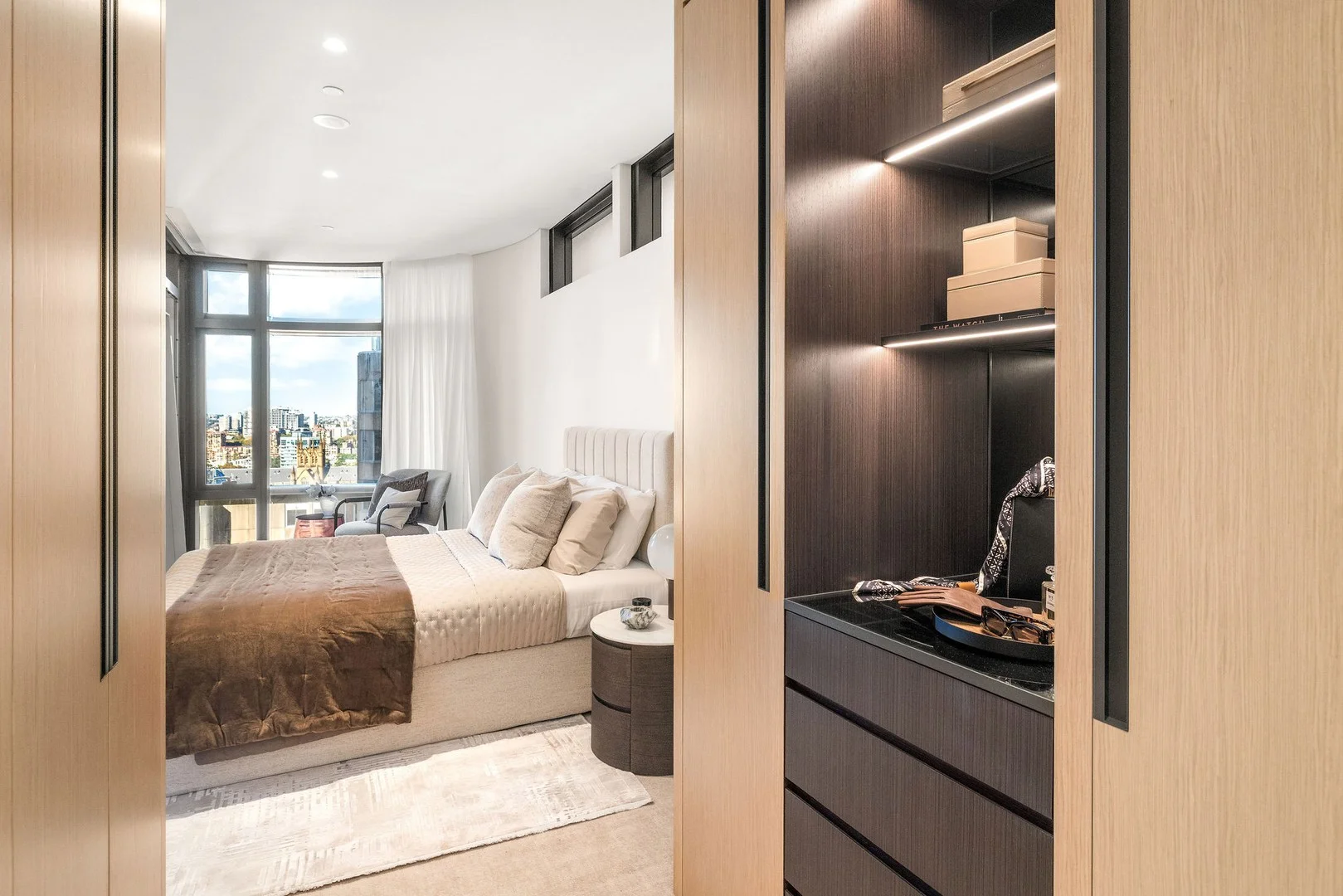 $2,745,000
propertyType.NEW APARTMENTS / OFF THE PLAN
$2,745,000
propertyType.NEW APARTMENTS / OFF THE PLAN
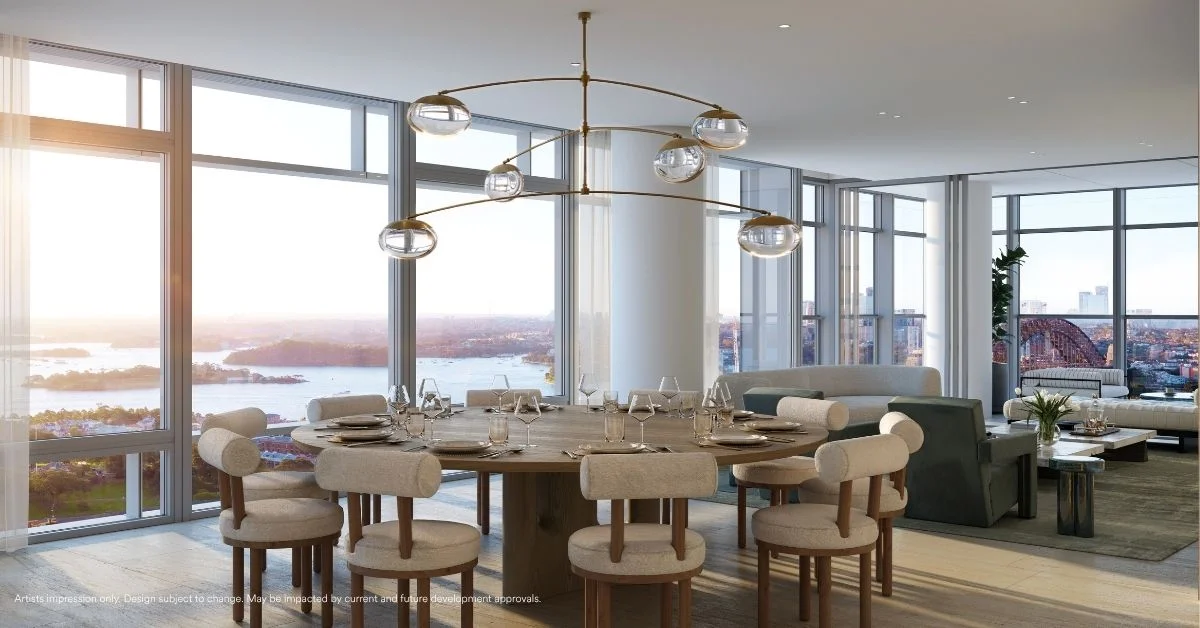 $26,550,000
propertyType.NEW APARTMENTS / OFF THE PLAN
$26,550,000
propertyType.NEW APARTMENTS / OFF THE PLAN


