# 1. Overview
Ivanhoe Girls' Grammar School is an independent private girls’ day school in Victoria that focuses on a well-rounded education for students from Prep to Year 12. With a medium-to-large enrolment, the school supports a broad curriculum and vibrant co-curricular program, fostering a balanced learning environment.
Class sizes are typically around the 18–22 student range, enabling personal attention while sustaining a lively classroom dynamic. The atmosphere is generally described as nurturing and academically rigorous, with a culture that values inclusivity, sport, and the arts alongside strong scholarship.
# 2. Academics & Learning
- Academic strengths: English/literature, STEM, languages, and leadership development are emphasised, with a broad curriculum designed to prepare students for tertiary study and beyond.
- Special programs: The school offers pathways common to Victorian independent girls’ schools, including opportunities for accelerated learning and leadership-focused activities; enriching programs in the arts and sciences complement core subjects.
- NAPLAN trends: Trends over recent years show stable to improving performance in key areas such as reading and writing, reflecting ongoing emphasis on literacy and numeracy across year levels.
- Student-teacher ratios: Typical ratios are in the range of approximately 1:9 to 1:12, supporting targeted instruction and class engagement.
- Support for diverse learners: Comprehensive support is available for diverse learners, including EAL (English as an Additional Language) support and learning support for students requiring additional assistance.
# 3. Sports & Extracurricular Strengths
- Sports offered: Netball, hockey, tennis, swimming, athletics, cross country, basketball, and other team or individual sports, with opportunities across the school year.
- Strong teams or achievements: Regular participation and competitiveness in inter-school events; a culture that encourages teamwork and sportsmanship.
- Music, arts, drama programs: Strong performing arts program including ensembles, drama productions, and music activities integrated into the school experience.
- Clubs: Robotics, chess, coding, debating, and other academic or hobby-based clubs are commonly available to extend learning beyond the classroom.
- Partnerships: Involvement with local academies, competitions, and inter-school activities provides students with external opportunities to showcase skills and collaborate beyond the campus.
# 4. Wellbeing & Pastoral Care
- Anti-bullying approach: Proactive policies and programs support a safe and respectful school environment, with clear procedures for addressing concerns.
- House system: A house structure supports camaraderie, friendly competition, and pastoral care across year levels.
- Counsellors / wellbeing officers: Dedicated counsellors and wellbeing staff provide ongoing support for student welfare, mental health, and transition experiences.
- Transition support for new students: Orientation programs, buddy systems, and targeted onboarding help new students settle in smoothly.
# 5. Facilities
- Sports grounds: Dedicated spaces for outdoor sport and recreation.
- Libraries: Well-stocked libraries with access to study spaces and resources.
- Science labs: Modern science laboratories to support practical experiments across disciplines.
- Music/performing arts centers: Facilities for music ensembles, drama productions, and related performances.
- Tech/innovation labs: Access to technology and innovation spaces to support STEM learning and digital projects.
- Cafeteria: On-site dining facilities for students.
- Updated playgrounds: Modern play and recreation areas that support physical activity and social interaction.
# 6. School Values & Community Culture
- School values / mission: Emphasis on integrity, respect, curiosity, excellence, and service within a supportive community.
- Leadership style: Student leadership opportunities and a collaborative approach to school life, fostering responsibility and initiative.
- Behaviour expectations: Clear codes of conduct that promote respectful behavior, responsibility, and ethical decision-making.
- Community reputation: A respected reputation among families and the local community for academic breadth, student wellbeing, and active involvement.
- Diversity & inclusion: Focus on creating an inclusive environment that appreciates diverse backgrounds and perspectives.
# 7. School Logistics & Daily Operations
- School hours: Typical school day runs from morning to mid-afternoon, with routines that support learning, breaks, and supervision.
- Before/after school care: Available to accommodate working families, with supervised options beyond school hours.
- Uniform requirements: School uniform policy in place, with guidance on appropriate dress for daily wear and special events.
- Transport (train/bus routes): Access to local public transport options with possible school-coordinated arrangements or recommended routes; bus services often connect with nearby suburbs.
- Canteen availability: Canteen or lunch facilities available, offering day-to-day meals and snacks.
- Fees (low/medium/high ranges): Fees are in the mid-to-high range for Victorian independent schools, reflecting the comprehensive program and facilities; exact figures depend on year level and program choices.
# 8. Enrolment & Admissions
11. What is the enrolment process and timeline?
- Generally involves an initial enquiry, information session/open day, submission of an application, and completion of relevant assessments and interviews. The timeline typically spans months to a year before entry, depending on year level.
12. Is there a waiting list, and how does it work?
- Most intake years have a waiting list; priority may be given to siblings, with vacancies allocated as they arise and after assessment of suitability and space.
13. Are there any entry requirements, tests, or interviews?
- Entry usually requires an application, an interview, and sometimes academic or ability-based assessments; prior reports or teacher references are often requested.
14. Does the school accept mid-year transfers?
- Mid-year transfers may be possible if there is space and after completing the necessary assessments and intake procedures.
# 9. Frequently Asked Questions
- Why Parents Choose This School?
- Parents often cite a strong academic program, supportive pastoral care, balanced opportunities across sports, arts, and leadership, and a welcoming, inclusive environment.
- What type of student thrives at this school?
- Motivated girls who value both academics and a broad co-curricular program, engage in leadership opportunities, and contribute to a collaborative school community.
- What opportunities are available for students to extend their skills (academics, sports, arts)?
- Enrichment and acceleration options, leadership programs, robust music and drama ensembles, competitive sports teams, robotics and coding clubs, debating and public speaking opportunities.
- How does the school communicate with parents?
- Regular newsletters, parent portals, emails, and scheduled parent-teacher interviews are typical channels, with updates on events and student progress.
- What is the school’s approach to teaching and learning?
- A student-centered, inquiry-based approach that emphasizes critical thinking, collaboration, and digital learning across the curriculum.
- How does the school support students who need extra academic help?
- In-school learning support, EAL assistance, targeted tutoring, and formal diagnostic assessments guide interventions and planning.
- What support is available for academic challenges?
- Dedicated staff and programs to identify and address learning needs, with tailored support plans and progress monitoring.
- How does the school communicate with parents? (Repeated)
- See above: newsletters, portals, and direct contact with teachers and administration.
- What are the class sizes and how much individual attention do students receive?
- Class sizes are typically around 18–22 students, with additional targeted support from teachers and specialists as needed.
- What extracurricular and sports opportunities are available?
- A wide range of sports (netball, hockey, tennis, swimming, athletics, etc.) alongside music, drama, robotics, chess, coding, debating, and other clubs.
- What facilities does the school offer (sports, science, arts)?
- Comprehensive facilities including sports grounds, libraries, science labs, music/performing arts centers, tech/innovation labs, canteen, and updated play areas.
- What is the school’s approach to technology and digital learning?
- Integrated digital learning, with resources and programs to develop ICT skills, critical thinking, and responsible use of technology.
- What transport and accessibility options are available?
- Access to local transport options (train/bus), with potential school guidance on routes and arrangements to support commuting families.
- What are the typical school fees or additional costs?
- Fees are in the mid-to-high range for independent schooling in Victoria; additional costs may include uniforms, activities, excursions, and some elective programs.
# 10. Short Pros & Cons list
- Pros
- Strong academic culture with a broad co-curricular program
- Supportive wellbeing and pastoral care
- Independent, well-resourced facilities
- Leadership and pathways for gifted and talented students
- Inclusive community with opportunities across arts, sport, and technology
- Cons
- Fees are higher than many public options and some nearby schools
- Competitive environment may not suit all learning styles
- Admissions can involve waiting lists and selective processes
- Transport options depend on location and may require planning for some families
If you’d like, I can tailor this further with more specific details once you share any new information or preferences about the school.













 $1,250,000
Apartment / Unit / Flat
$1,250,000
Apartment / Unit / Flat
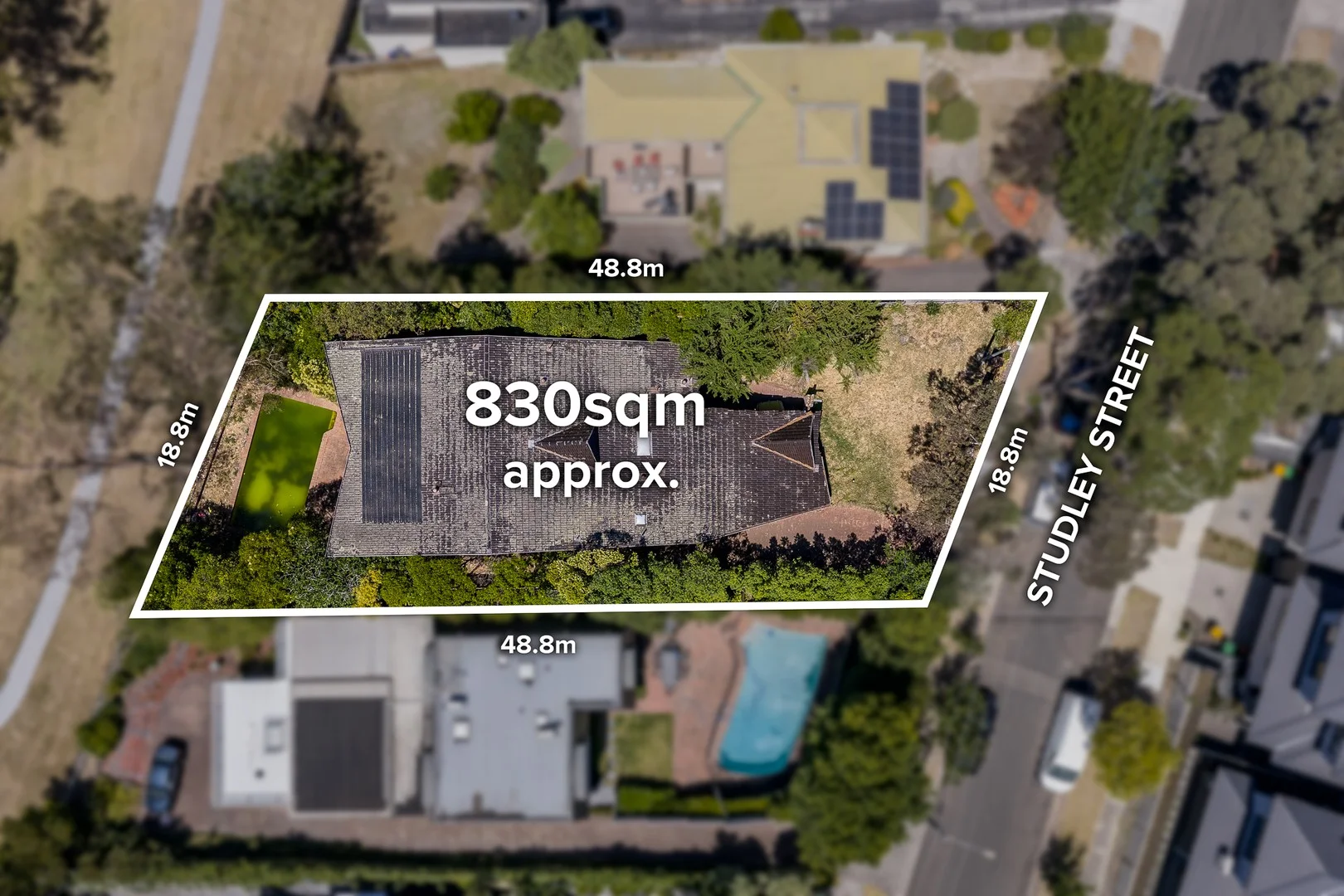 $1,400,000 - $1,500,000
House
$1,400,000 - $1,500,000
House
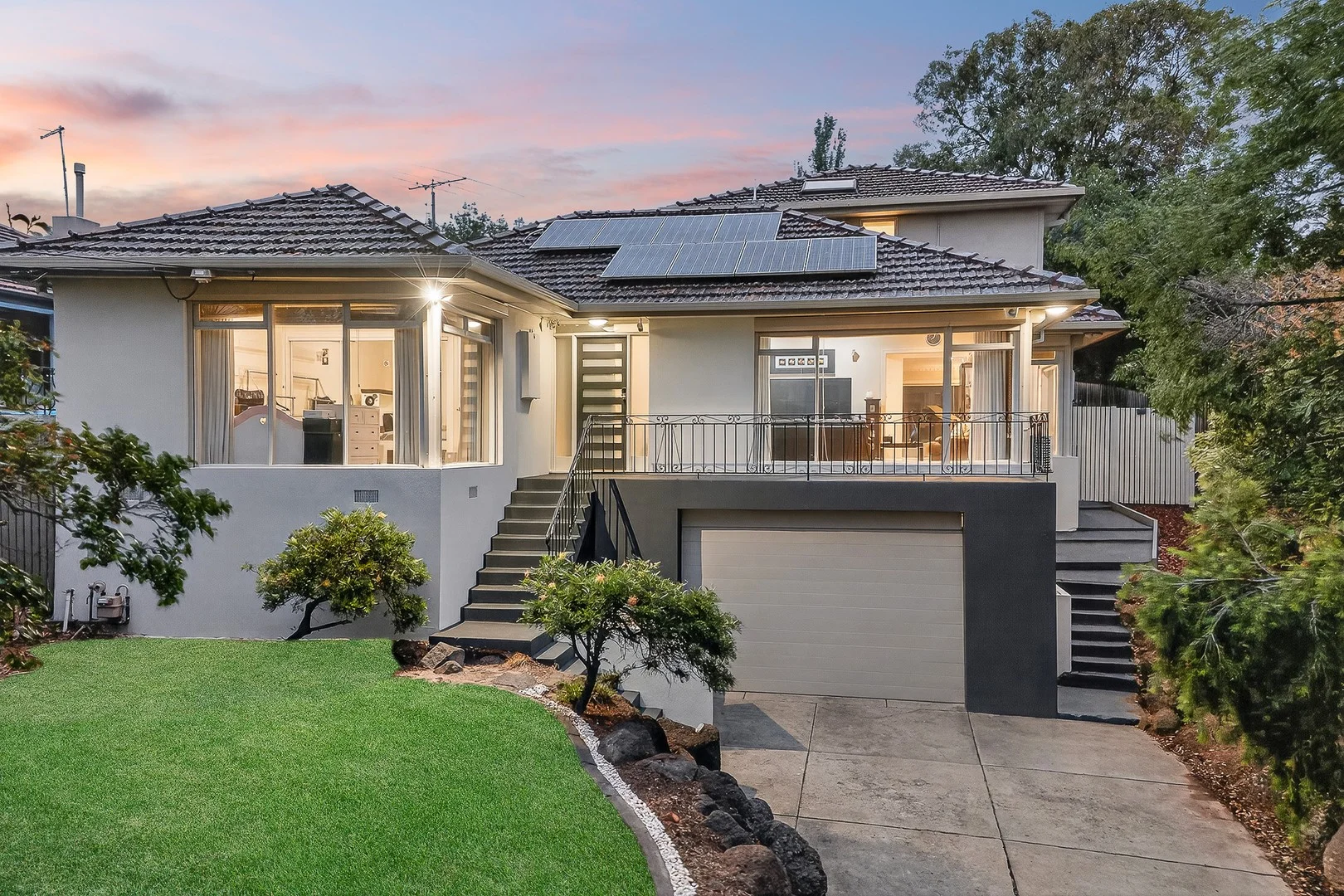 $1,350,000 - $1,450,000
House
$1,350,000 - $1,450,000
House
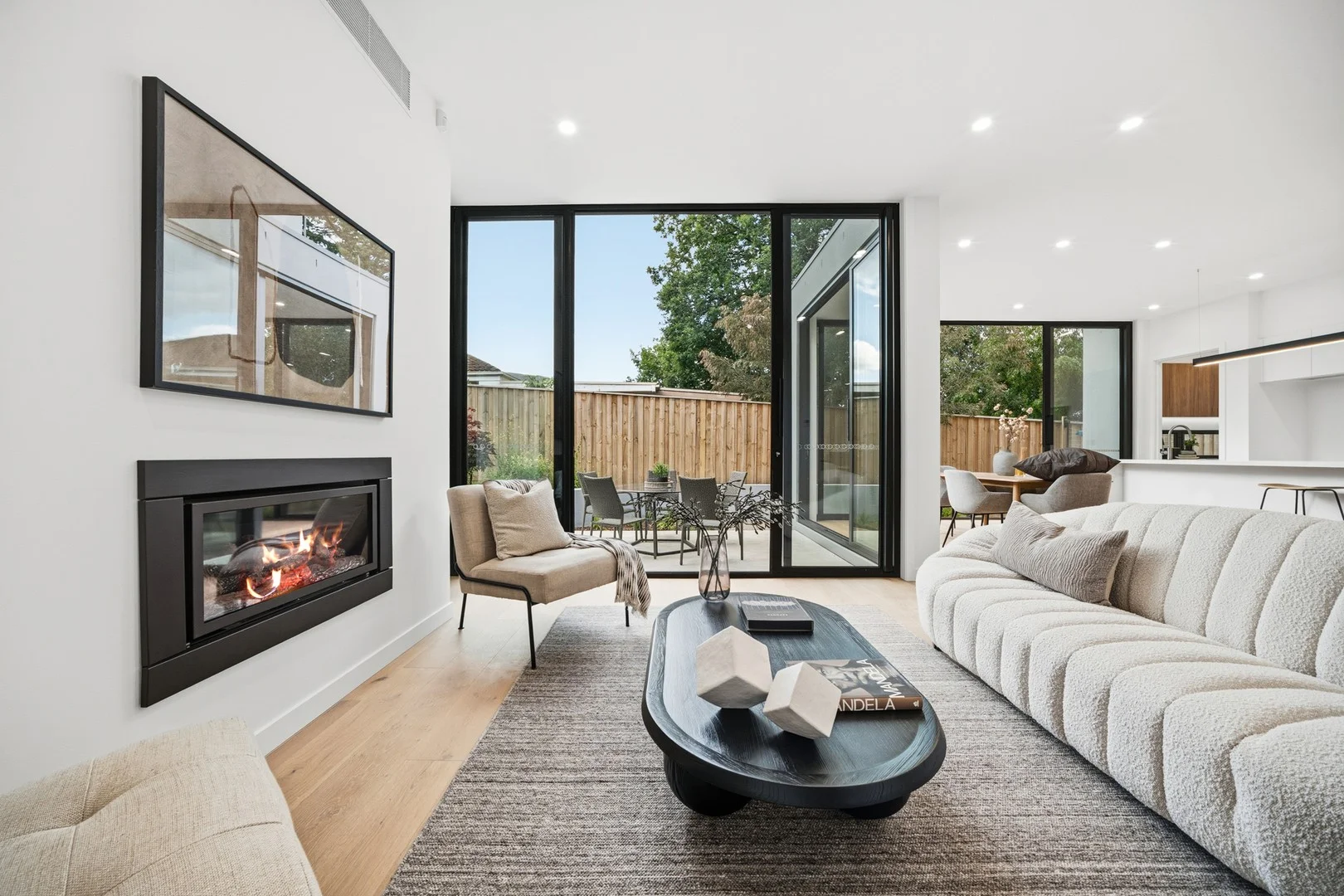 $1,750,000
Townhouse
$1,750,000
Townhouse
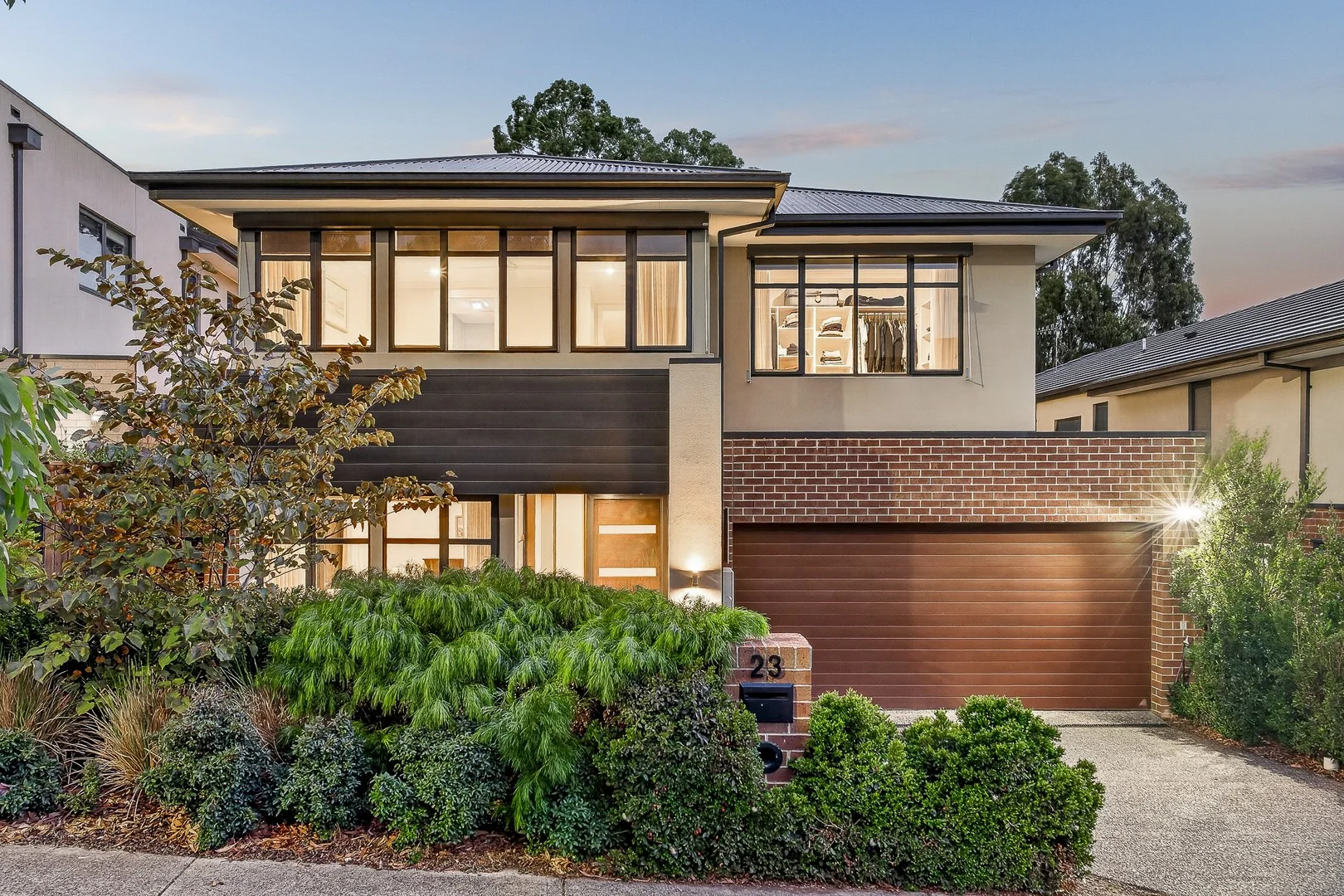 $1,780,000 - $1,880,000
House
$1,780,000 - $1,880,000
House
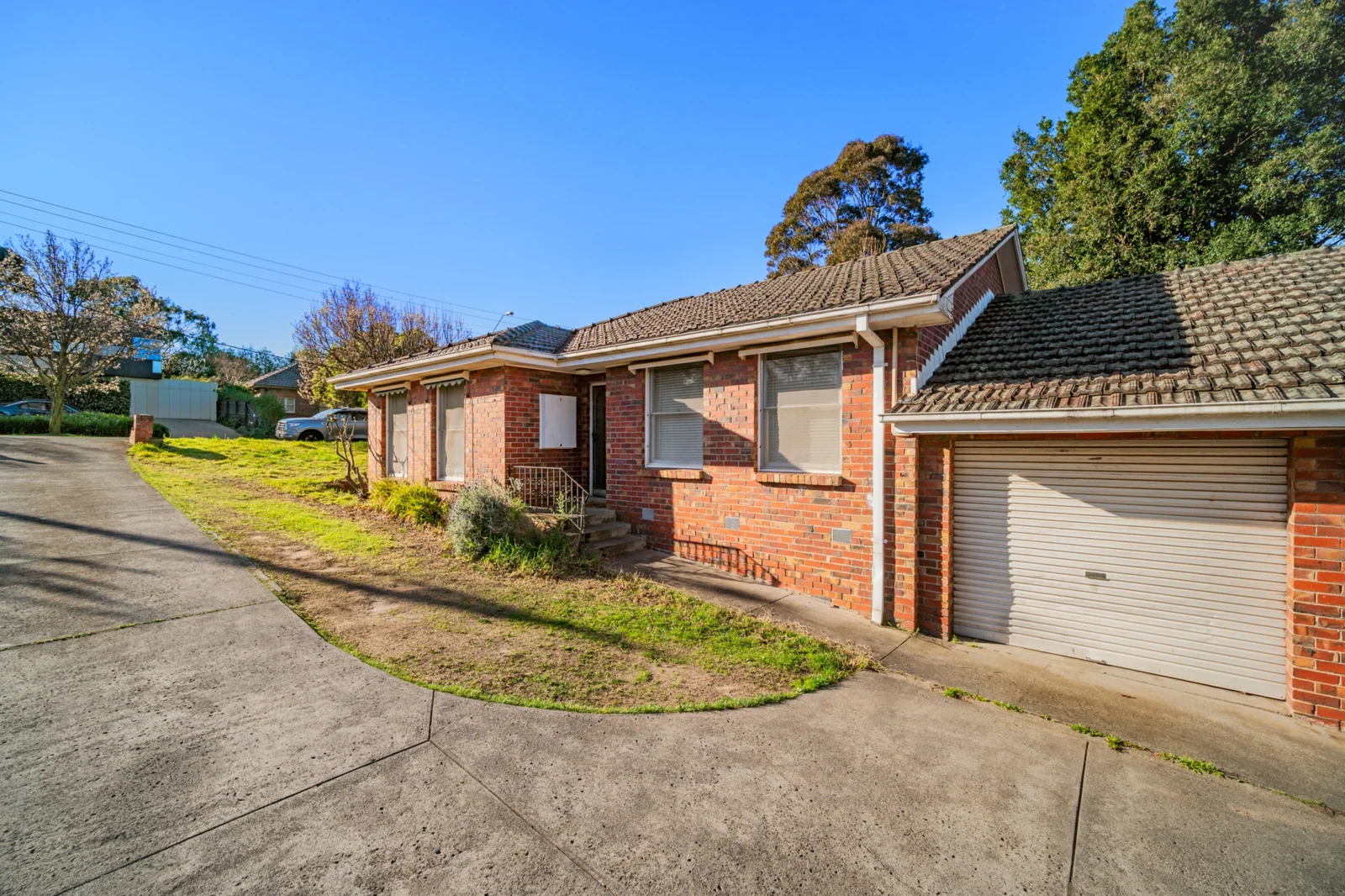 $580
Apartment / Unit / Flat
$580
Apartment / Unit / Flat
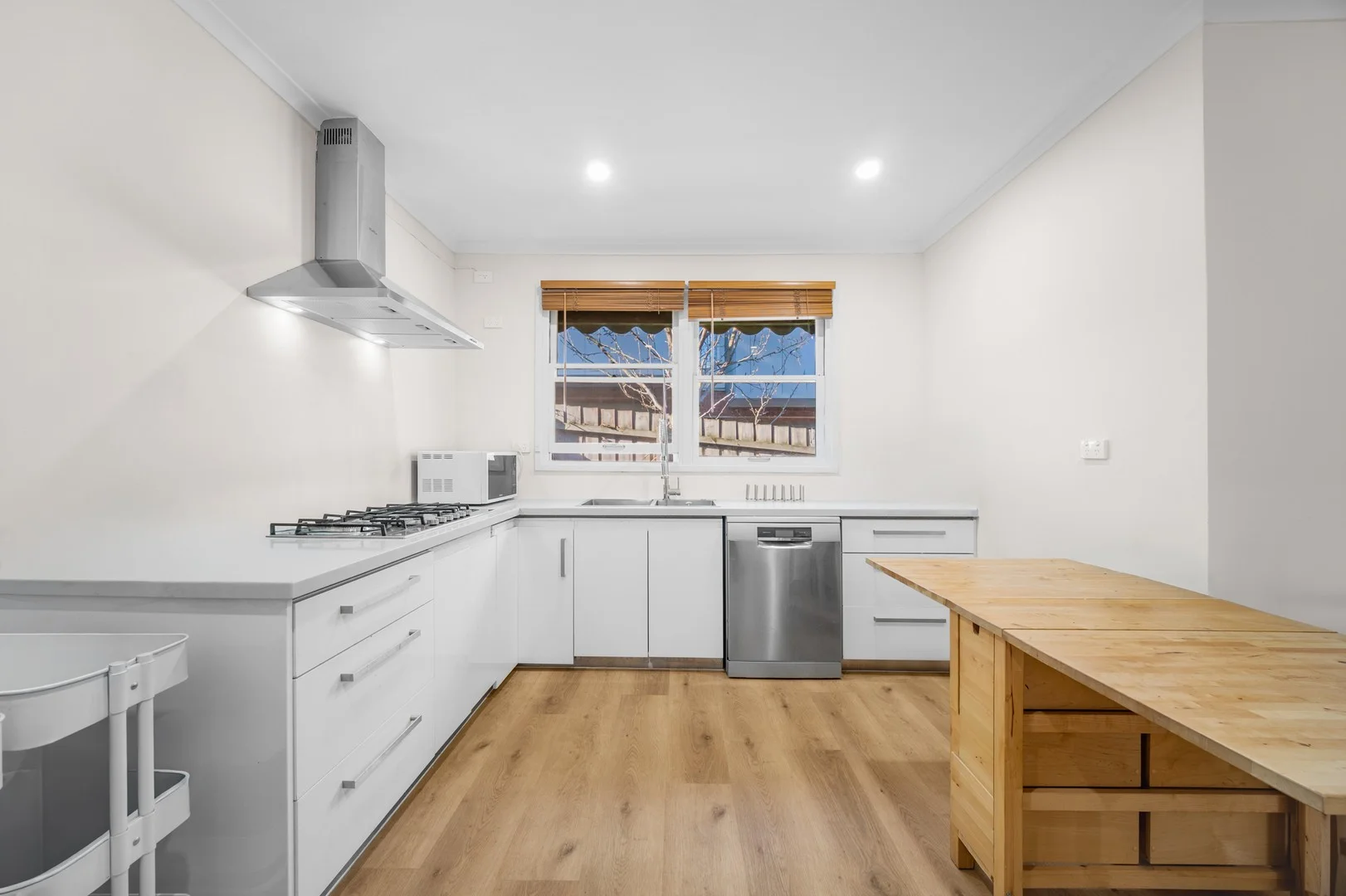 $680
Apartment / Unit / Flat
$680
Apartment / Unit / Flat
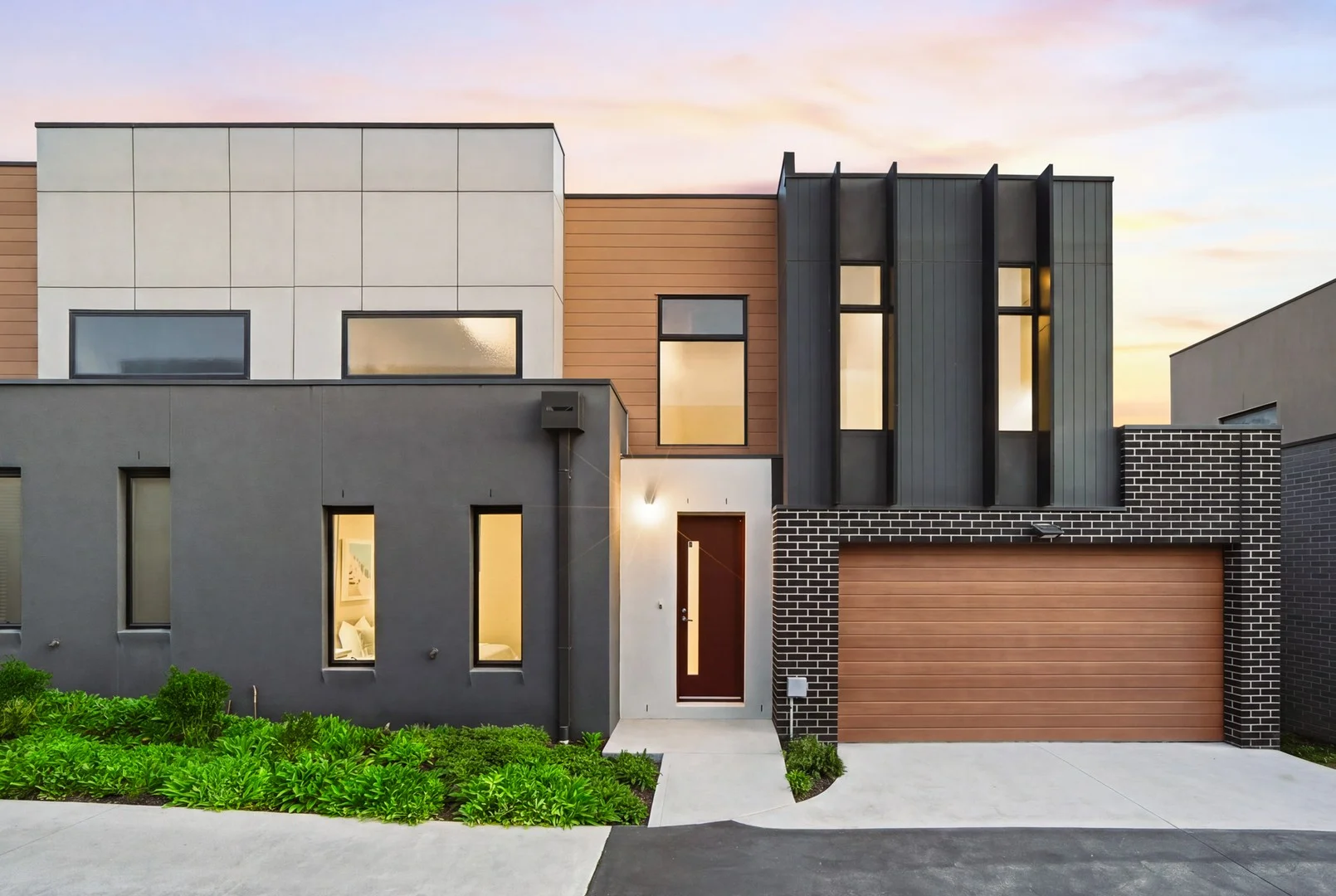 $900,000 - $990,000
Townhouse
$900,000 - $990,000
Townhouse
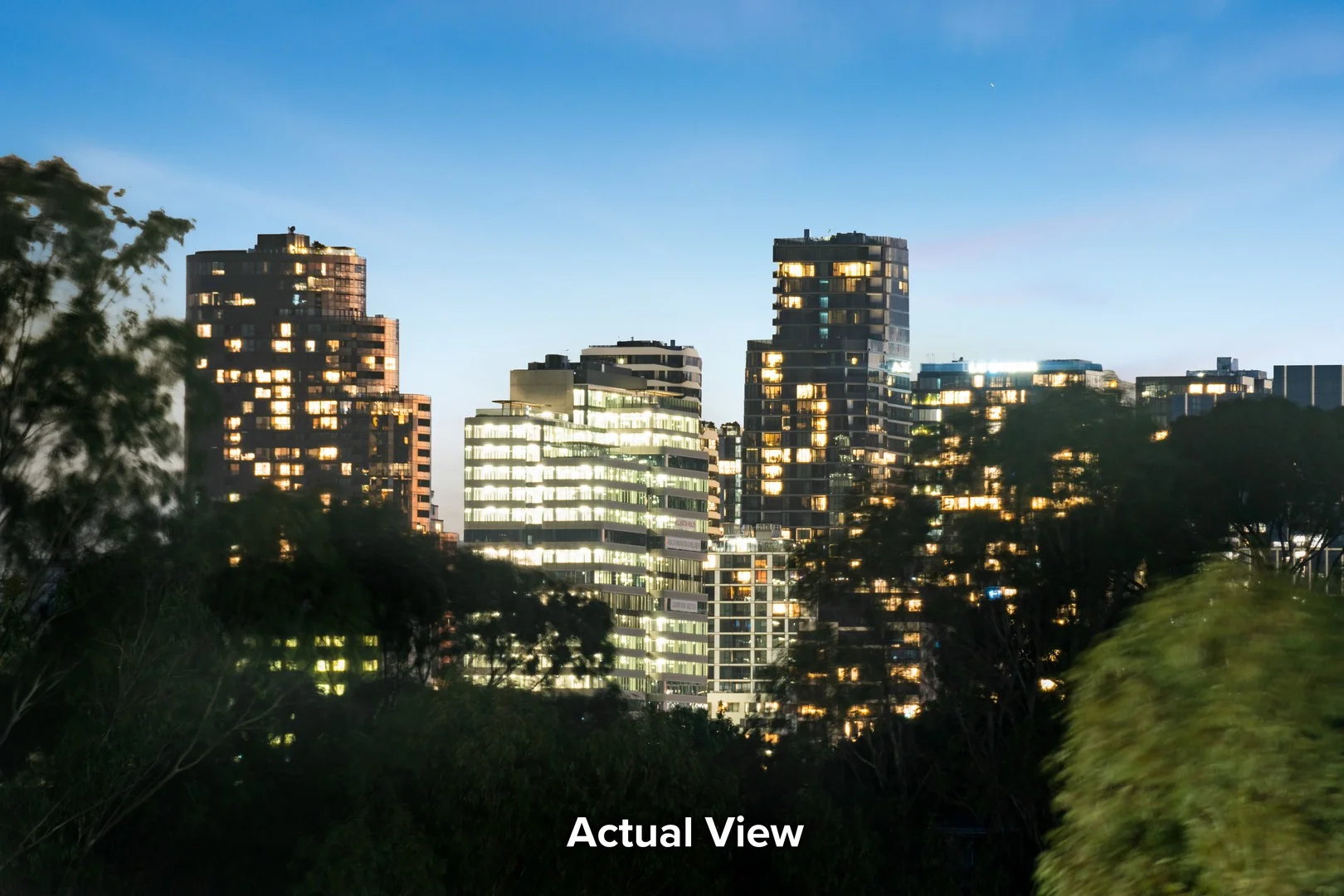 $1,600,000 - $1,750,000
House
$1,600,000 - $1,750,000
House


