1. Overview
Ivanhoe Grammar School is an independent private school in Melbourne’s inner-northern suburbs, serving students from primary through senior years. The school emphasises a well-rounded education with a focus on academic achievement, strong sport and arts programs, and a connected, supportive community. It aims to nurture confident, capable young people who contribute positively to the wider community.
- School type: Independent/private
- School size: Medium to large
- Class size: Generally small-to-medium classes (roughly 18–24 students in many cohorts)
- Atmosphere/culture: Nurturing, academically focussed, diverse and inclusive, with an emphasis on community spirit and sport
2. Academics & Learning
Ivanhoe Grammar School offers a broad, rigorous curriculum designed to prepare students for further study and real-world success.
- Academic strengths: Strong emphasis on English and STEM, with leadership development and world language studies integrated across-year levels
- Special programs: Gifted and Talented pathways, accelerated learning options, and a comprehensive VCE preparation program
- NAPLAN / trends: Positive NAPLAN trends over time, with steady improvement in reading and numeracy and strong relative performance in senior years
- Student-teacher ratios: Generally small-to-mid sized classes supporting meaningful teacher-student interaction; typical ratios around 1:10 to 1:15 in primary and similar levels in the middle/upper years
- Support for diverse learners: Dedicated EAL and SEN support, targeted learning interventions, and inclusive strategies to help a wide range of learner needs
3. Sports & Extracurricular Strengths
Sports and activities are a major focus, with opportunities across a broad spectrum.
- Sports offered: Football (soccer/Australian rules), cricket, basketball, netball, tennis, swimming, athletics, and more
- Strong teams or achievements: Competitive house and school teams with participation in regional/state events and inter-school championships
- Music, arts, drama programs: Comprehensive music ensembles, drama productions, and performing arts opportunities
- Clubs: Robotics, coding, chess, debating, and other academic and creative clubs
- Partnerships: Collaboration with local clubs and regional competitions to extend opportunities beyond the school day
4. Wellbeing & Pastoral Care
Wellbeing and pastoral care are central to the student experience, contributing to a safe and supportive environment.
- Anti-bullying approach: Proactive, whole-school anti-bullying programs and a culture of respect and inclusion
- House system: House-based activities and mentoring to foster belonging and leadership
- Counsellors / wellbeing officers: Access to school counsellors and wellbeing staff to support mental health and personal development
- Transition support for new students: Orientation programs, buddy systems, and ongoing social-emotional support to help new entrants settle in
5. Facilities
The school’s facilities are designed to support learning, performance, and physical development.
- Sports grounds: Broad sports fields and courts for a range of physical activities
- Libraries: Modern library spaces with study areas and digital resources
- Science labs: Well-equipped science laboratories for hands-on experiments
- Music/performing arts centers: Dedicated spaces for music, drama, and performance
- Tech/innovation labs: Contemporary STEM and digital learning spaces
- Cafeteria: On-site canteen catering to student needs
- Updated playgrounds: Safe, well-maintained outdoor learning and play areas
6. School Values & Community Culture
Community and character development sit alongside academics, guiding daily life at the school.
- School values / mission: Commitment to integrity, respect, excellence, and service; emphasis on leadership and community contribution
- Leadership style: Collaborative and student-centered, with emphasis on student voice and responsibility
- Behaviour expectations: Clear conduct policies that promote respectful interactions, accountability, and positive spirit
- Community reputation: Strong local reputation for academic rigour, sport, and a welcoming, inclusive culture
- Diversity & inclusion: Active efforts to celebrate and include students from diverse backgrounds
7. School Logistics & Daily Operations
Practical details that help families plan around the school routine.
- School hours: Regular school day structure with start, break, and end times, plus after-hours options
- Before/after school care: Available or coordinated programs to support working families
- Uniform requirements: Standard school uniform with any house-specific elements as required
- Transport (train/bus routes): Access via local public transport links and school-coordinated transport options as applicable
- Canteen availability: On-site canteen or meal programs for students
- Fees (low/medium/high ranges): Fees fall within typical private-school ranges; precise figures are available through the enrolment office
8. Enrolment & Admissions
11. What is the enrolment process and timeline?
- Start with an enquiry or open day to learn about the school
- Complete the application form and submit required documentation
- Be invited to campus for assessments/interviews (as applicable)
- Receive an offer if spaces are available, with confirmation and payment steps outlined
- Timelines vary by year level and campus; early applications improve placement options
12. Is there a waiting list, and how does it work?
- Waiting lists are common for popular year levels; places are offered as they become available
- Applicants may be placed on a priority or general waiting list depending on the school’s policy and capacity
13. Are there any entry requirements, tests, or interviews?
- Depending on year level, entry may involve academic assessments, school reports, and an interview
- Some years may require English or numeracy tasks to gauge readiness and potential fit
14. Does the school accept mid-year transfers?
- Mid-year transfers are considered where there are available places and suitable alignment with the current cohort and curriculum
- Parents should contact the admissions team to discuss options and required documentation
9. Frequently Asked Questions
- Why Parents Choose This School?
- A balanced, rigorous academic program paired with strong sport, arts, and pastoral care; a welcoming, inclusive community; and a track record of preparing students for post-school pathways.
- What type of student thrives at this school?
- Motivated, curious learners who value a well-rounded education, enjoy collaboration, and participate in both academics and co-curricular activities.
- What opportunities are available for students to extend their skills (academics, sports, arts)?
- Advanced/ gifted pathways, leadership programs, accelerated learning options, competitive sports teams, music ensembles, drama productions, robotics and coding clubs, debating, and more.
- How does the school communicate with parents?
- Regular updates via newsletters, parent portals, app-based communications, and scheduled parent-teacher interviews or information evenings.
- What is the school’s approach to teaching and learning?
- A student-centered approach that combines evidence-based teaching, differentiation for diverse learners, and opportunities for inquiry, collaboration, and real-world application.
- How does the school support students who need extra academic help?
- Targeted learning supports, EAL/SEN services, tutoring options, and ongoing monitoring of progress to adjust interventions as needed.
- What support is available for academic challenges?
- Access to learning support staff, mentoring, and academic planning to help students catch up or extend their learning.
- How does the school communicate with parents?
- See above; inclusive channels and regular updates to keep families informed about progress and school events.
- What are the class sizes and how much individual attention do students receive?
- Class sizes are designed to be manageable for effective learning, with a focus on maintaining opportunities for individual feedback and teacher support.
- What extracurricular and sports opportunities are available?
- A range of sports, arts, music, drama, and clubs such as robotics, coding, chess, and debating; partnerships with local clubs and competitions expand experiences.
- What facilities does the school offer (sports, science, arts)?
- Modern sports facilities, comprehensive science labs, performing arts venues, well-equipped libraries, and dedicated tech/innovation spaces.
- What is the school’s approach to technology and digital learning?
- Integrated digital learning across the curriculum, access to devices and software, and a focus on developing digital literacy and responsible use.
- What transport and accessibility options are available?
- Access to public transport and school-arranged transport where available; information on routes and accessibility can be provided by the admissions team.
- What are the typical school fees or additional costs?
- Fees vary by year level and campus; detailed fee schedules are provided by the admissions office and can include book lists, levies, and activity costs.
10. Short Pros & Cons list
Pros
- Strong academic program with pathways for gifted learners
- Wide range of co-curriculars in sport, arts, and clubs
- Supportive wellbeing and pastoral care framework
- Modern facilities across multiple learning spaces
- Positive community culture and emphasis on inclusion and leadership
Cons
- Private-school fees may be higher than state schools
- Competitive environment may not suit every student
- Availability of places can be limited in popular year levels or entry points
If you’d like, I can tailor this further with more specific details (e.g., exact class size ranges, current facility names, or the latest enrolment timelines) once you provide any updated or precise information from the school’s current materials.

 Free
Free












 $1,250,000
Apartment / Unit / Flat
$1,250,000
Apartment / Unit / Flat
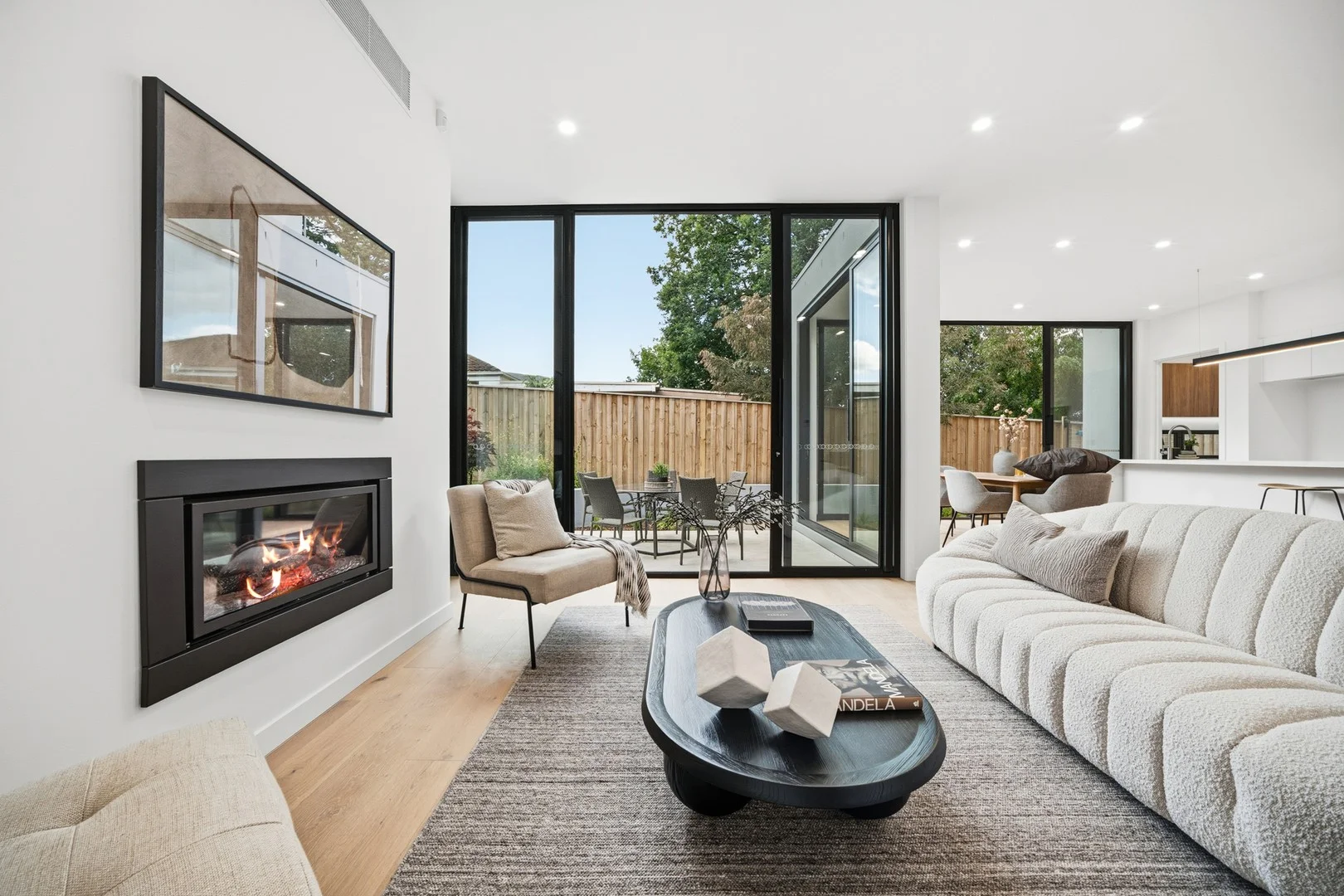 $1,750,000
Townhouse
$1,750,000
Townhouse
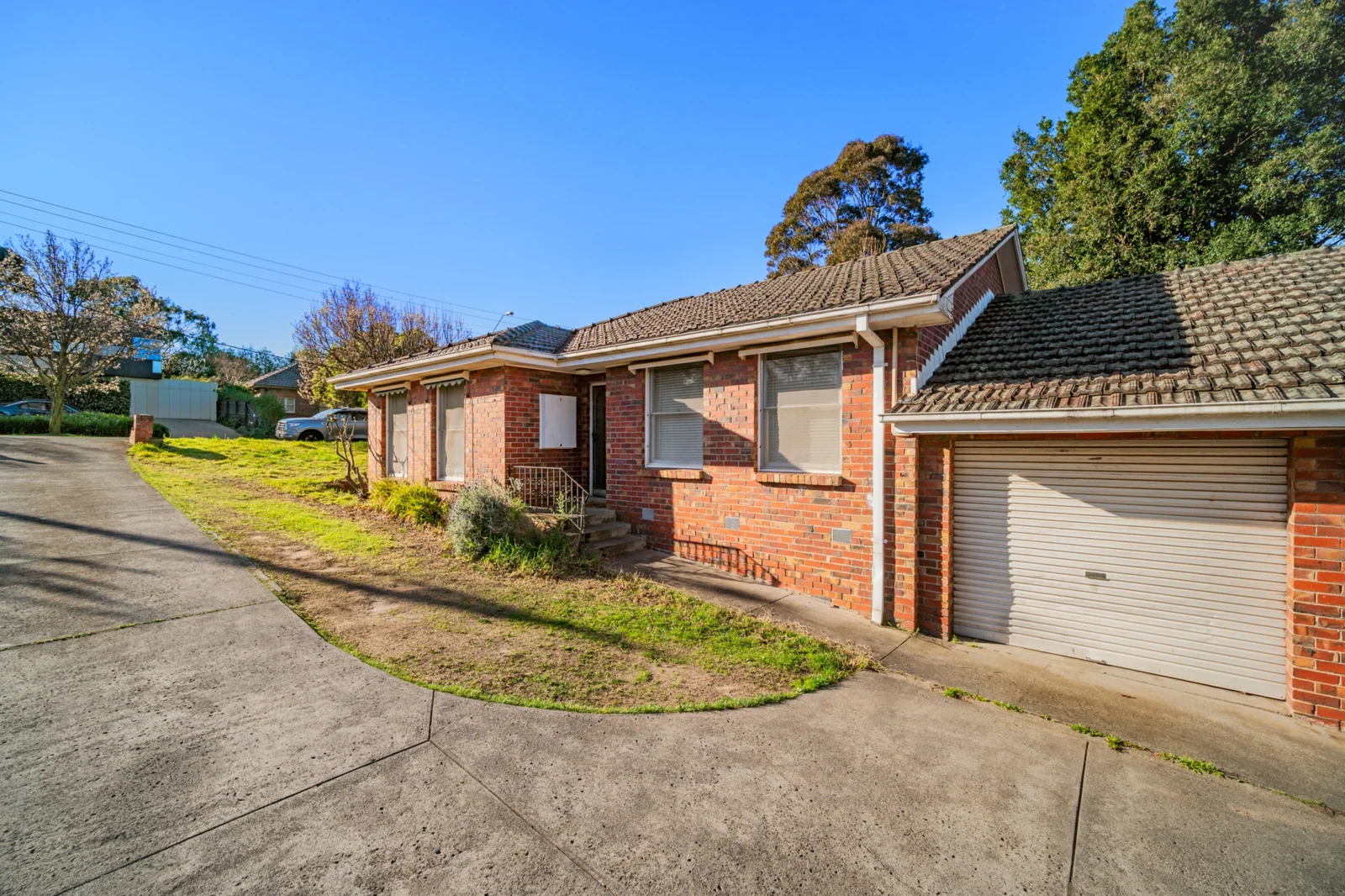 $580
Apartment / Unit / Flat
$580
Apartment / Unit / Flat
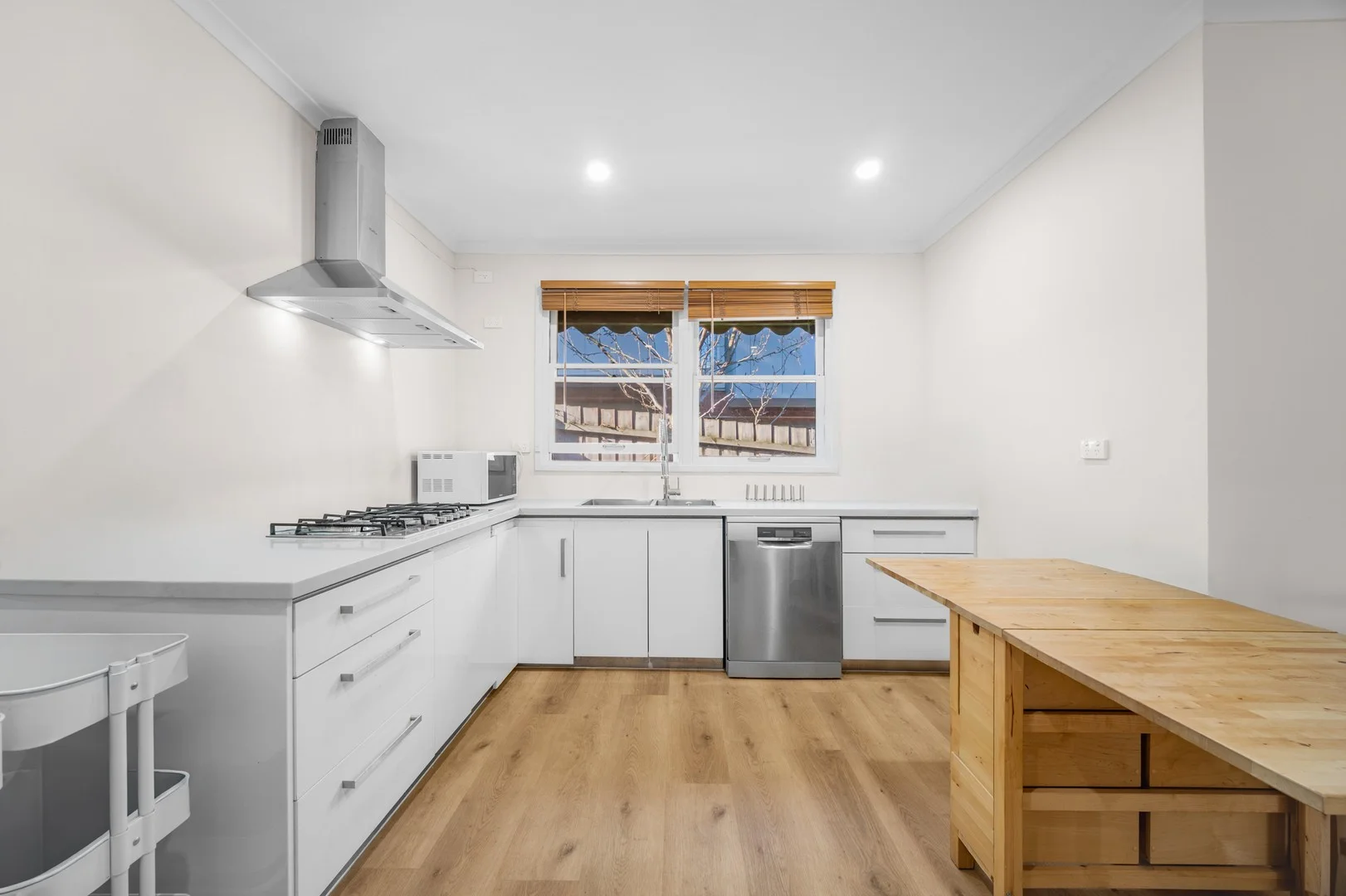 $680
Apartment / Unit / Flat
$680
Apartment / Unit / Flat
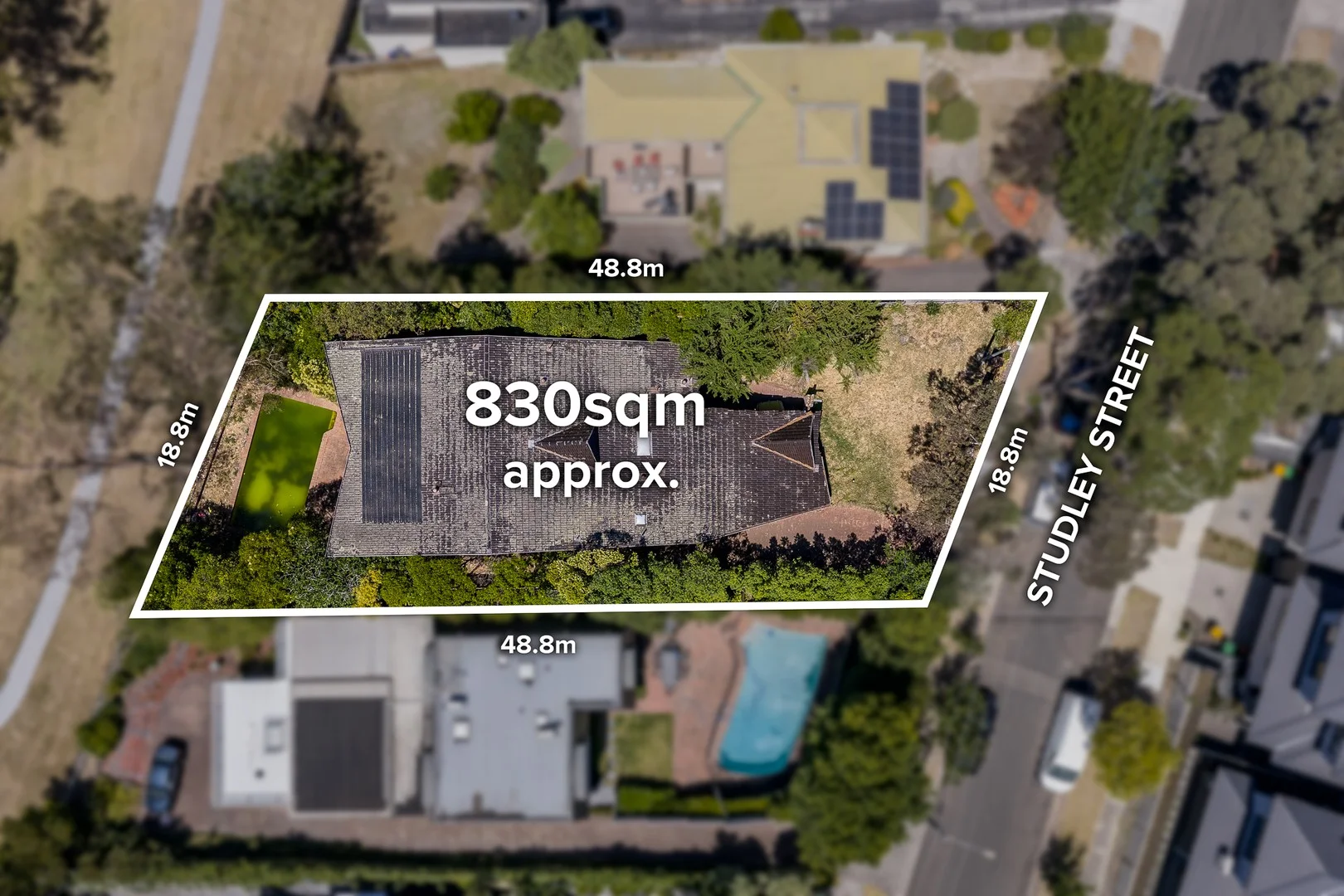 $1,400,000 - $1,500,000
House
$1,400,000 - $1,500,000
House
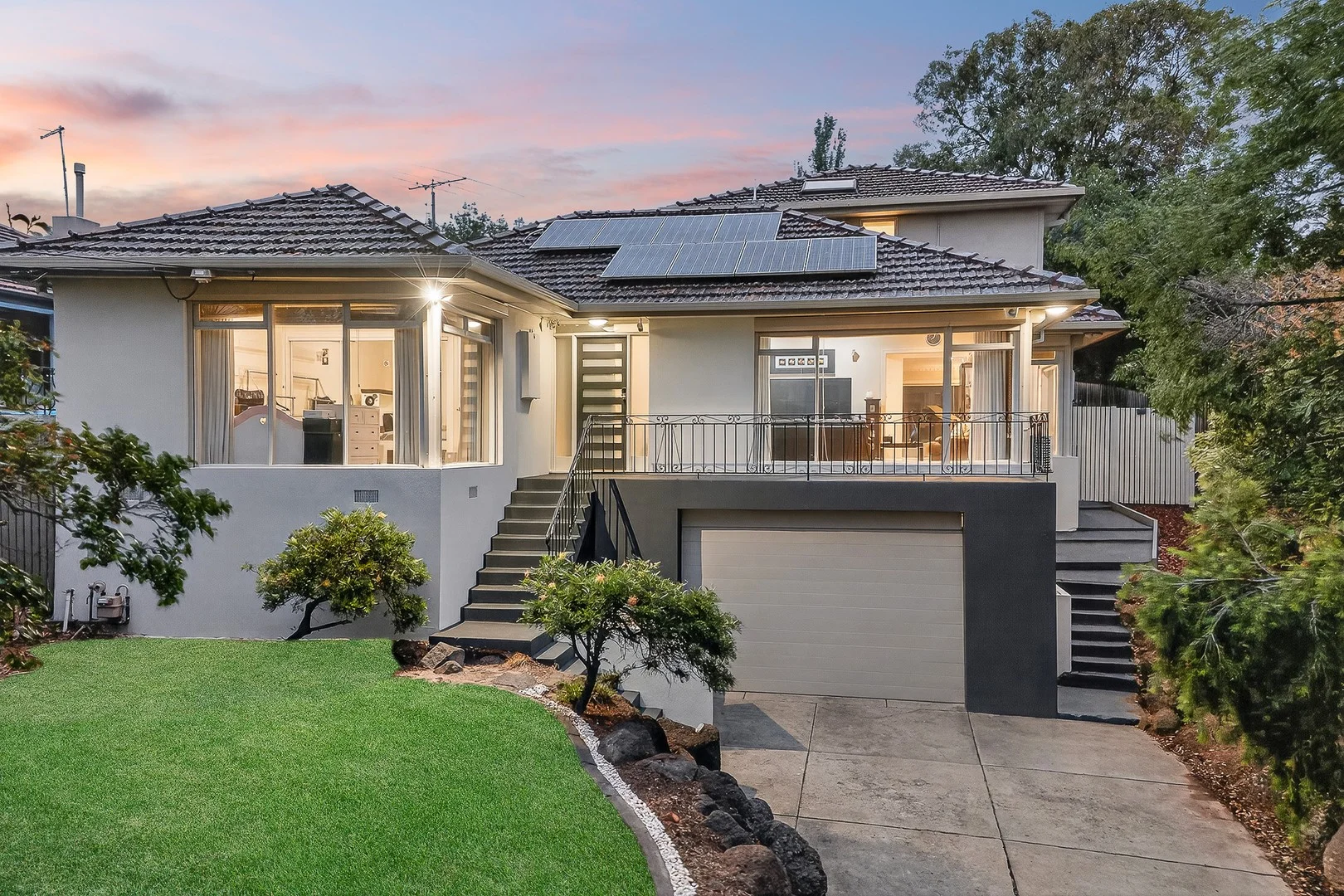 $1,350,000 - $1,450,000
House
$1,350,000 - $1,450,000
House
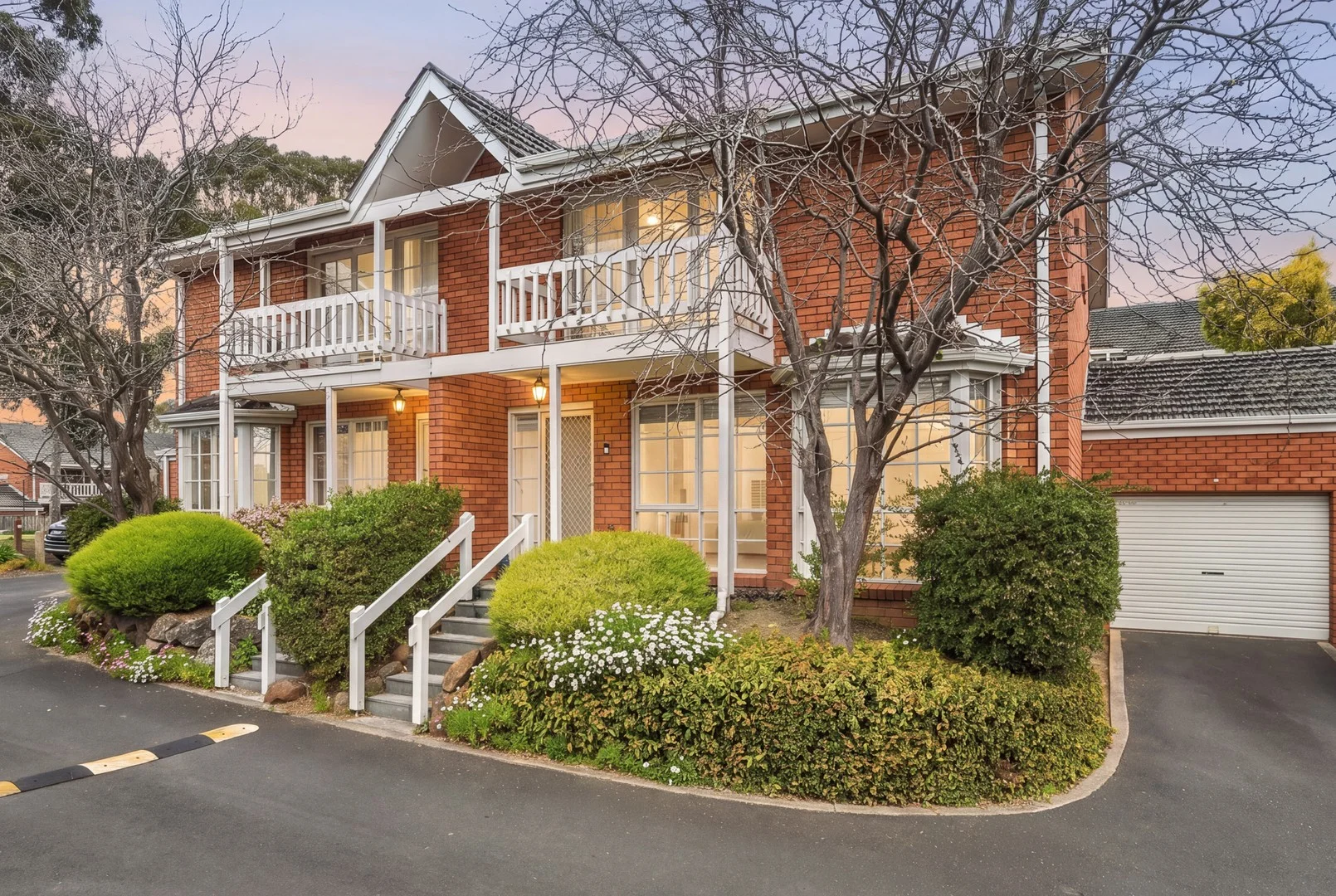 $795,000
Apartment / Unit / Flat
$795,000
Apartment / Unit / Flat
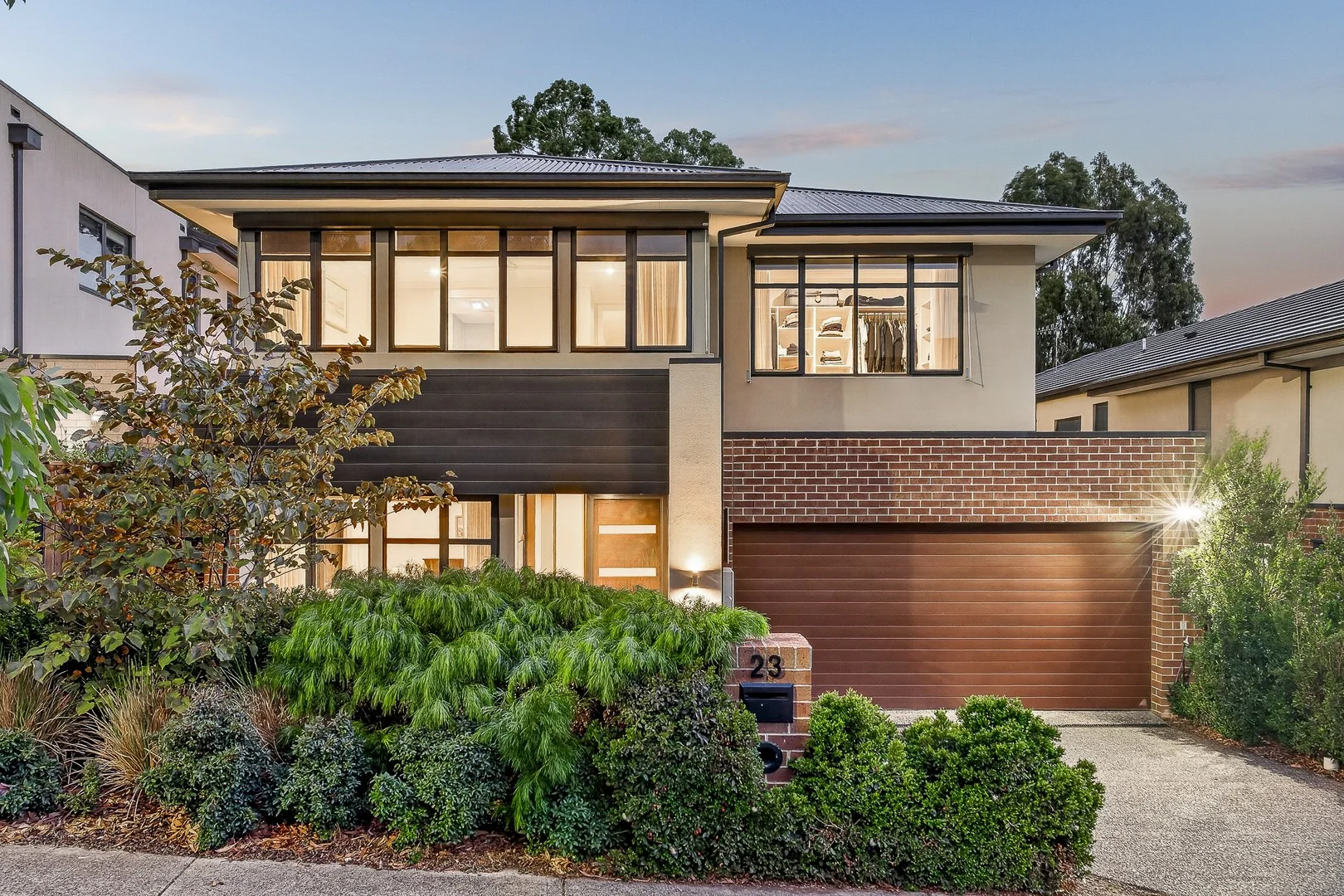 $1,780,000 - $1,880,000
House
$1,780,000 - $1,880,000
House
 $1,600,000 - $1,750,000
House
$1,600,000 - $1,750,000
House


