Overview
Kelvin Grove State College is a public, co-educational Queensland government school serving a broad range of year levels in Brisbane’s inner-north. The school is large in size with diverse enrolments across multiple year levels, offering a supportive, community-focused environment. Class sizes are typically mid-range, generally around the low 20s per class, which supports teacher accessibility and student participation.
School type: Public
School size: Large
Class size: Approximately 20–25 students per class
Atmosphere/culture: Inclusive, diverse, academically oriented, and community-focused
Kelvin Grove State College emphasises quality teaching, broad curriculum options, and a safe, welcoming atmosphere that encourages students to pursue academic excellence, creative expression, and active participation in school life.
Academics & Learning
- Academic strengths: STEM subjects, English literacy, leadership development, and language study are key areas of focus, with opportunities to deepen learning across the curriculum.
- Special programs: Gifted and Talented pathways and accelerated learning options are available to eligible students; targeted programs support high-achieving learners and those needing enrichment.
- Support for diverse learners: Strong EAL (English as an Additional Language) support and inclusive education services for students with SEN, plus individualized learning plans and access to specialist staff.
- Sports offered: Basketball, netball, football (soccer), rugby league, cricket, athletics, swimming, tennis, and other common school sport programs.
- Strong teams or achievements: Regular participation in local and inter-school competitions; established programs supporting competitive teams in multiple sports.
- Music, arts, drama programs: Contemporary music ensembles, choir, drama productions, and opportunities in performing arts are part of the school culture.
- Clubs: Robotics, coding, chess, debating, and other co-curricular clubs support practical and intellectual skill development.
- Partnerships: Connections with local community clubs, sports academies, and inter-school competitions enhance opportunities beyond class time.
Wellbeing & Pastoral Care
- Anti-bullying approach: Proactive anti-bullying policies and programs emphasis on respectful relationships and a safe school environment.
- House system: A house-based structure with regular inter-house events and activities to foster belonging and positive peer networks.
- Counsellors / wellbeing officers: Access to school counsellors and wellbeing staff to support mental health, resilience, and social-emotional learning.
- Transition support for new students: Orientation programs, buddy systems, and targeted transition support to help new students settle in smoothly.
Facilities
- Sports grounds: On-site sports fields and courts supporting a range of physical activities.
- Libraries: Well-stocked library spaces with study areas and access to digital resources.
- Science labs: Modern science laboratories for chemistry, biology, physics, and related coursework.
- Music/performing arts centers: Dedicated spaces for music, drama, and performance rehearsals and productions.
- Tech/innovation labs: Design and technology spaces and ICT facilities to support STEM and creative projects.
- Cafeteria: On-site canteen or cafeteria providing meals and snacks.
- Updated playgrounds: Well-maintained recreation spaces and outdoor areas for breaks and activities.
- School values / mission: A commitment to respect, responsibility, inclusion, and striving for excellence; focus on character education and civic engagement.
- Leadership style: Student leadership opportunities and a collaborative approach between staff and students; leadership development through clubs and committees.
- Behaviour expectations: Clear code of conduct with consistent expectations and positive behaviour support.
- Community reputation: Known for an inclusive, supportive environment with strong involvement from families and local community groups.
- Diversity & inclusion: Emphasis on welcoming students from diverse backgrounds and providing inclusive learning experiences.
School Logistics & Daily Operations
- School hours: Typical school day runs from morning start around 8:15–8:30am to around 3:00pm, with variations by year level.
- Before/after school care: Availability often through approved external providers or school-supported programs; check local options and arrangements.
- Uniform requirements: Uniform dress code with provisions for formal and sport uniforms; details available from the school uniform shop and handbooks.
- Transport (train/bus routes): Accessible by local public transport with nearby bus routes and train connections; students may use school transit options based on location and catchment.
- Canteen availability: Canteen or vending options on-site or nearby; healthier meal choices encouraged.
- Fees (low/medium/high ranges): As a public school, there are no tuition fees, but there are essential resource charges, voluntary contributions, and costs for uniforms and excursions. Overall costs are considered moderate relative to private options.
Enrolment & Admissions
- What is the enrolment process and timeline?
- Check catchment and eligibility on the Department of Education portal. Submit an enrolment application with required documents (proof of identity, residency, immunisation status). Follow the school’s calendar for intake periods, orientation, and any required forms.
- Is there a waiting list, and how does it work?
- For non-local residents or during high-demand years, a waiting list may occur. Placement often follows catchment rules and available spaces; priority is typically given to in-catchment students unless there are broader program placements.
- Are there any entry requirements, tests, or interviews?
- Public schools generally do not require entrance tests. Some special programs (e.g., selective or gifted pathways) may have screening or interviews as part of the selection process. Most enrolment focuses on residency and age requirements.
- Does the school accept mid-year transfers?
- Yes, subject to space and transitional arrangements. Mid-year transfers require coordination with the school to ensure a smooth onboarding process and alignment with current year group timetables.
Frequently Asked Questions
- Why Parents Choose This School?
Parents choose Kelvin Grove State College for its public, inclusive environment, broad curriculum, strong support systems, and opportunities across academics, sports, arts, and leadership.
- What type of student thrives at this school?
Students who value a public, community-focused setting with opportunities to pursue academics, arts, and athletics in a supportive, collaborative culture tend to thrive.
- What opportunities are available for students to extend their skills (academics, sports, arts)?
Gifted and Talented pathways, accelerated learning options, a range of sports and performing arts programs, robotics, coding, debating, and clubs that promote leadership and creativity.
- How does the school communicate with parents?
Regular updates through newsletters, emails, the school website, parent portals, and scheduled parent-teacher meetings help keep families informed about learning progress and school events.
- What is the school’s approach to teaching and learning?
A balanced approach combining high-quality instruction, literacy and numeracy focus, inclusive practices, and opportunities for hands-on and project-based learning, supported by targeted interventions when needed.
- How does the school support students who need extra academic help?
Access to specialist teachers, EAL and SEN support, learning plans, tutoring or after-school assistance, and targeted literacy/numeracy programs.
- What support is available for academic challenges?
Individualised support plans, mentoring, additional remediation sessions, and close collaboration with families to address challenges early.
- How does the school communicate with parents?
See above: a range of channels including newsletters, portals, emails, and parent consultations.
- What extracurricular and sports opportunities are available?
A broad mix of sports, arts, music, robotics, coding, chess, debating, and other clubs, with opportunities to compete, perform, and lead in various activities.
- What facilities does the school offer (sports, science, arts)?
Modern science labs, performing arts spaces, music facilities, libraries, design/tech spaces, sports grounds, and supportive learning environments.
- What is the school’s approach to technology and digital learning?
Integrated ICT and digital learning across the curriculum, with access to devices, online learning platforms, and safe digital practices.
- What transport and accessibility options are available?
Public transport access via nearby bus routes and train stations; campus accessibility supports students with mobility needs.
- What are the typical school fees or additional costs?
As a public school, no tuition fees; there are essential resource charges, uniform costs, books, and contributions toward excursions or materials.
Short Pros & Cons list
- Public, inclusive education with a broad range of programs
- Balanced emphasis on academics, arts, and sports
- Supportive wellbeing and inclusive learning environment
- Strong facilities for science, technology, music, and performing arts
- Active student leadership opportunities and community culture
- Large school size can mean busier campuses and busier corridors
- Out-of-area enrolments may involve waiting lists or space limitations
- Some costs for uniforms, excursions, and materials (as with many state schools)
- Transit times may vary for families outside the immediate catchment area
If you’d like, I can tailor any section with more specific phrasing or refine details to match the latest information from Kelvin Grove State College’s official communications.










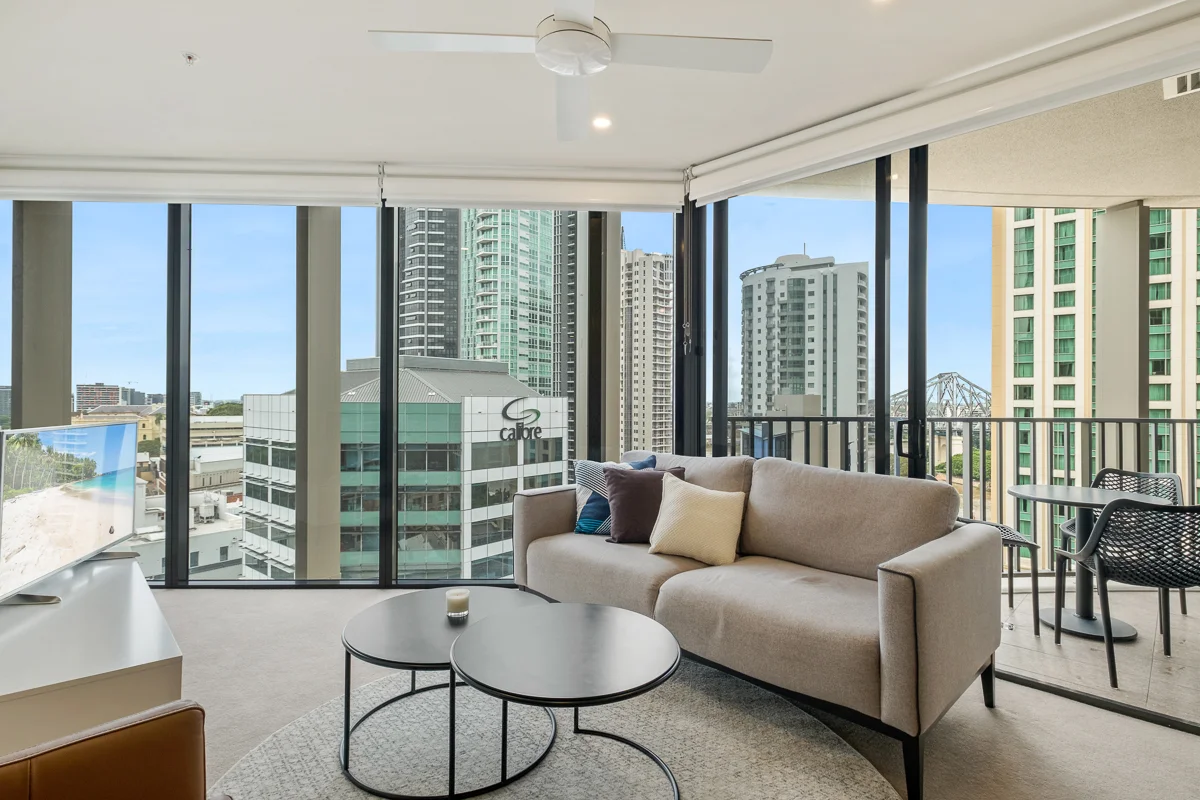 $950,000
Apartment / Unit / Flat
$950,000
Apartment / Unit / Flat
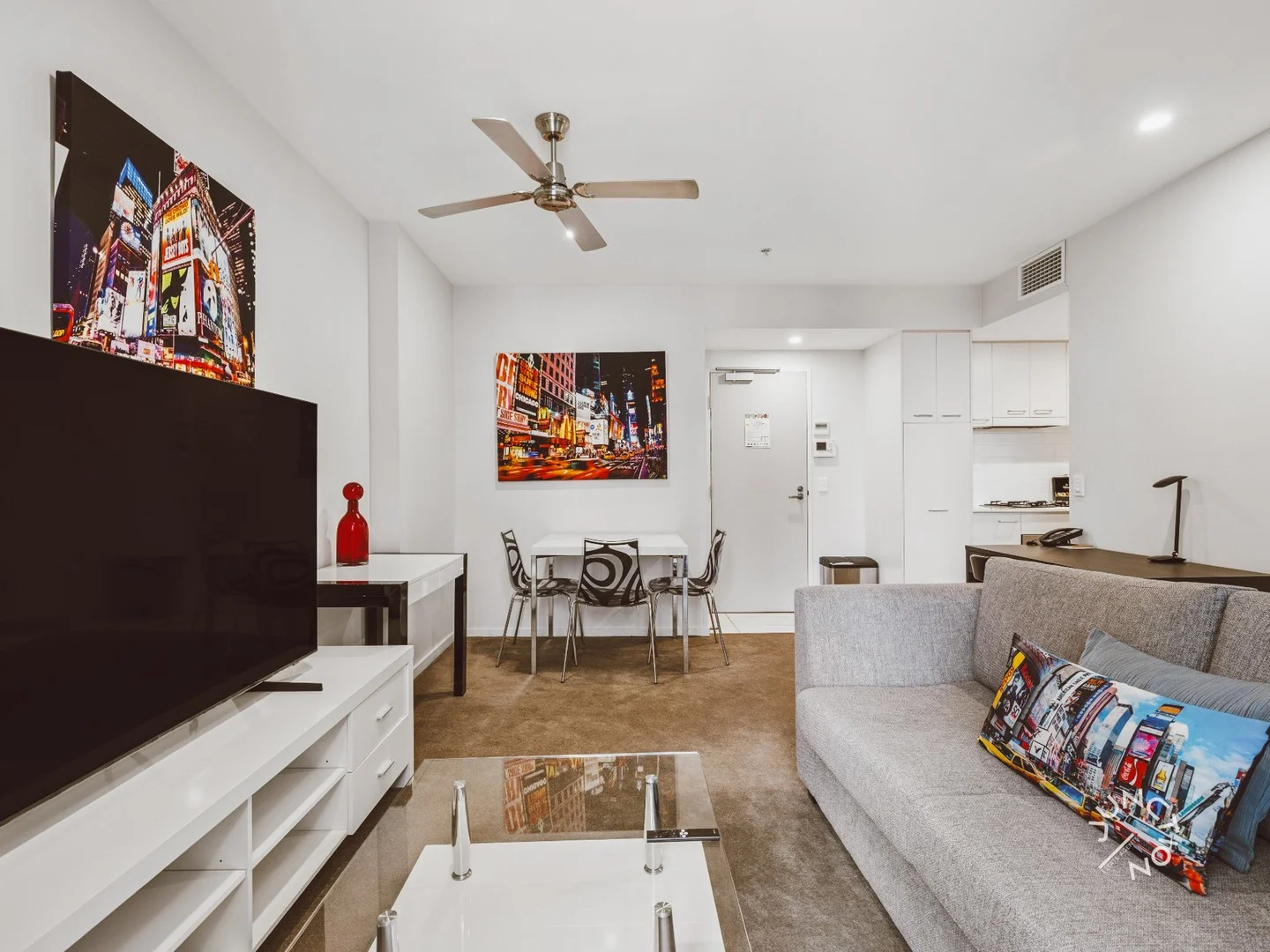 $523,200 - $566,800
Apartment / Unit / Flat
$523,200 - $566,800
Apartment / Unit / Flat
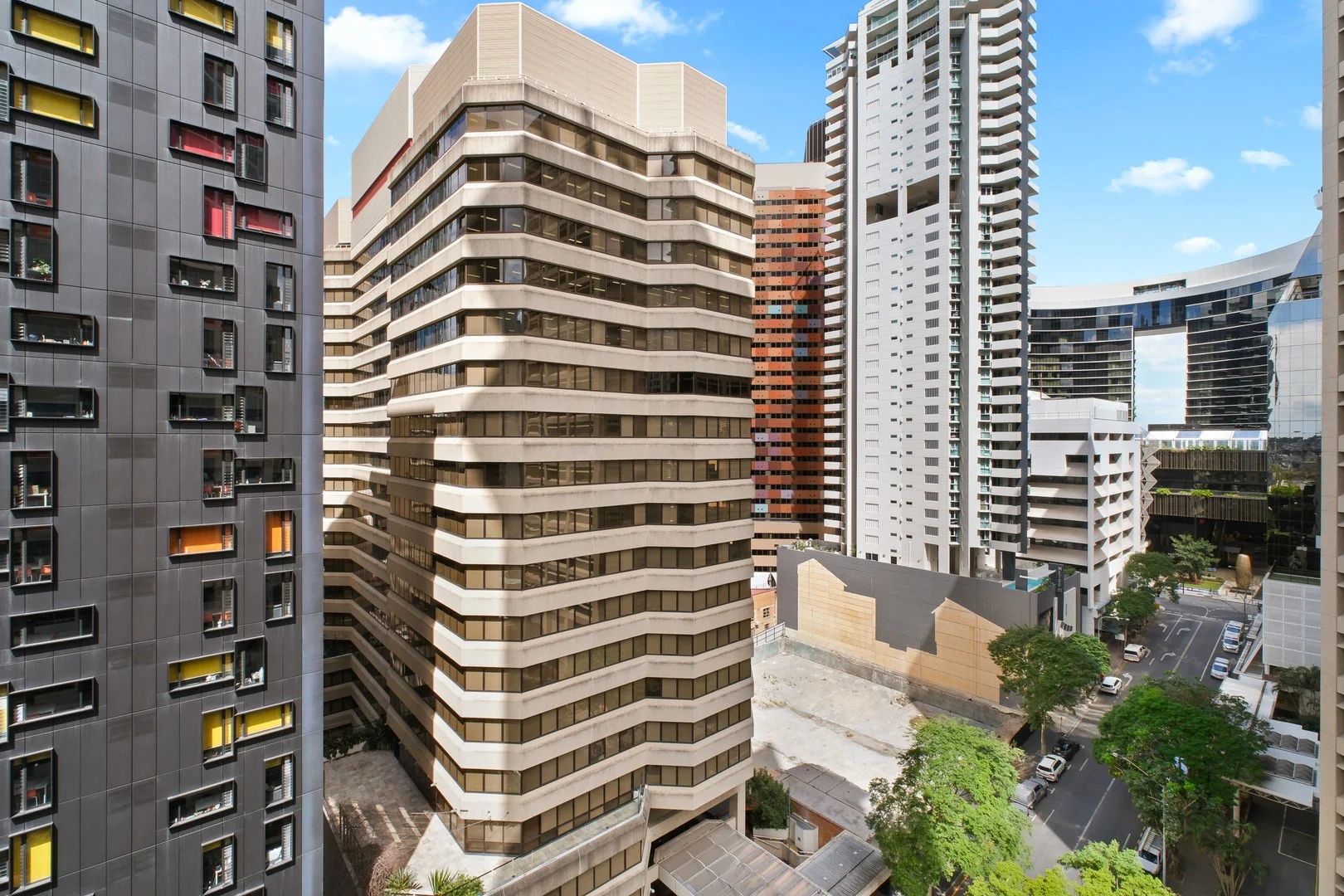 $550,000
Apartment / Unit / Flat
$550,000
Apartment / Unit / Flat
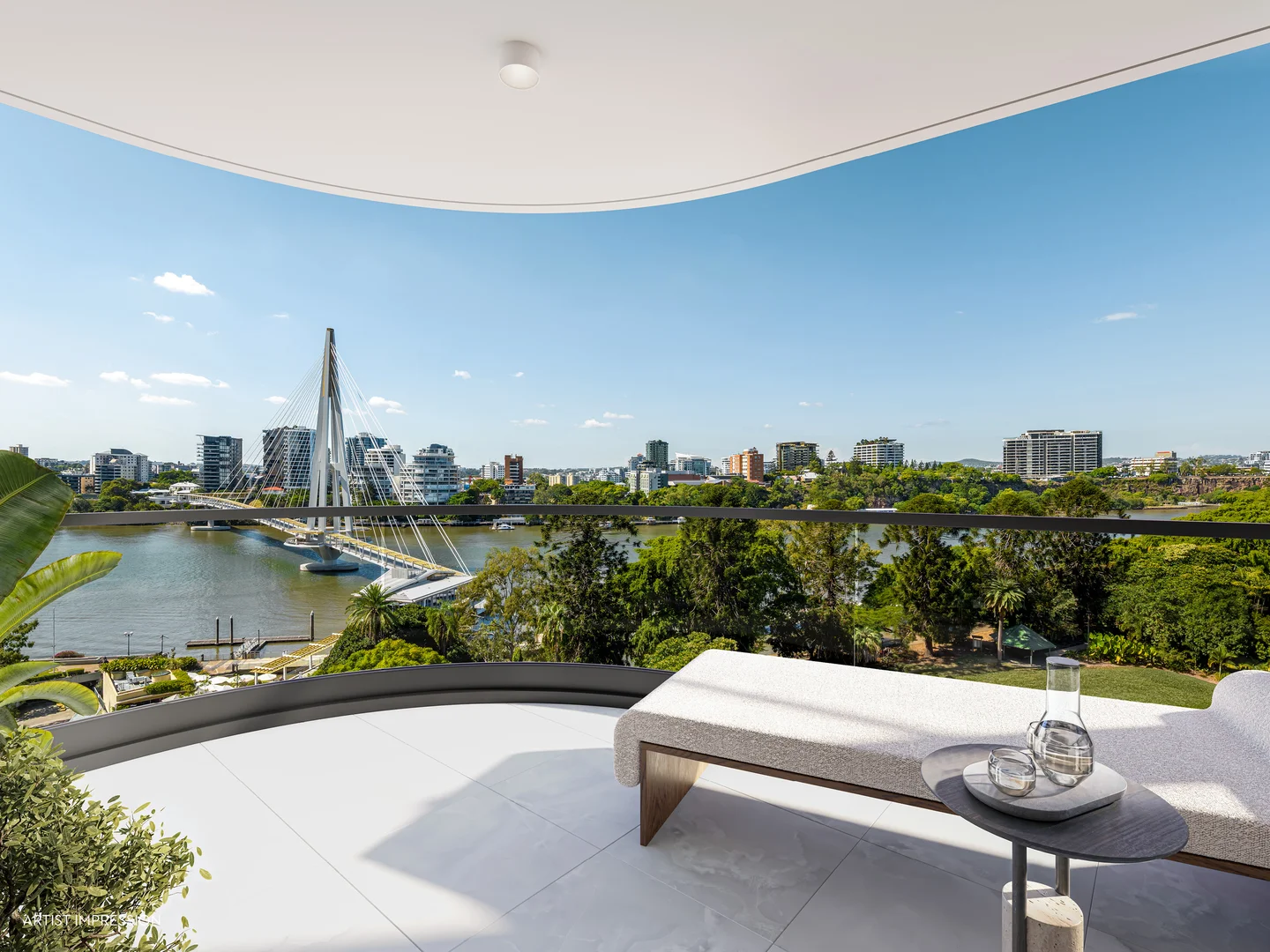 $1,475,000 - $2,090,000
propertyType.NEW APARTMENTS / OFF THE PLAN
$1,475,000 - $2,090,000
propertyType.NEW APARTMENTS / OFF THE PLAN
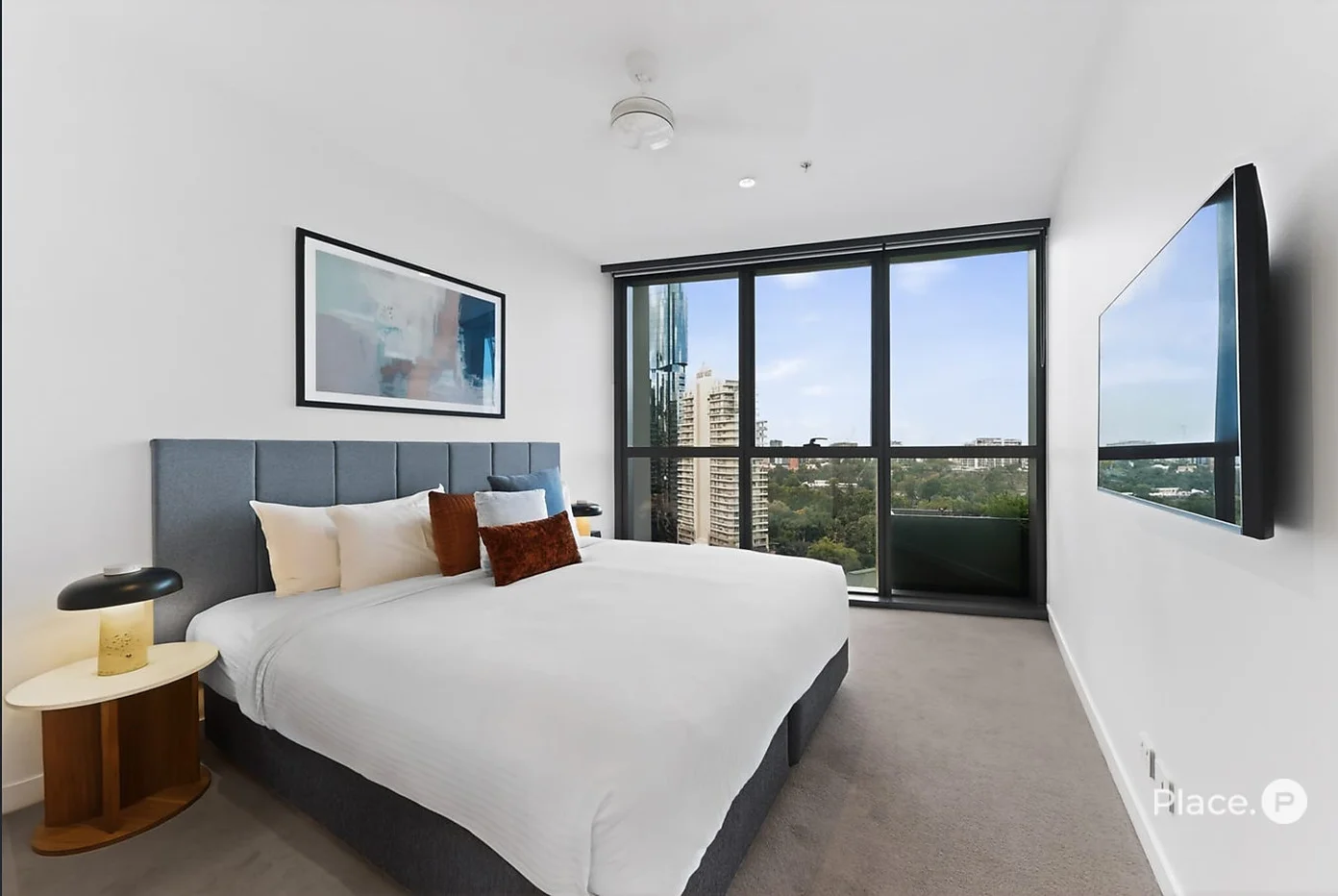 $770,000
Apartment / Unit / Flat
$770,000
Apartment / Unit / Flat