Overview
## 1. Overview
Kensington Community High School (KCHS) is a public secondary school serving students in the inner Melbourne suburb of Kensington. The school is committed to inclusive education, supporting diverse learners and fostering a strong sense of community among students, staff, and families. It aims to provide a balanced, real-world education that prepares students for post-school pathways while building confidence, resilience and social responsibility.
- School type: Public
- School size: Medium
- Class size: Approximately 20–25 students
- Atmosphere/culture: Inclusive, nurturing, collaborative
⸻
## 2. Academics & Learning
KCHS focuses on delivering quality core education while expanding opportunities for students to explore areas of strength and interest.
- Academic strengths: Core literacy and numeracy, English and Maths foundations, plus opportunities in STEM and the arts to develop well-rounded skills. Emphasis on critical thinking, problem solving and communication.
- Special programs: Access to VCE subjects and Vocational Education & Training (VET) options; targeted programs to support gifted and talented learners as well as students who require additional learning support.
- NAPLAN trends: Over recent years, trends have shown stable participation with gradual improvements in key literacy and numeracy domains, aligning with state averages.
- Student-teacher ratios: The school operates with ratios in line with Victorian secondary-school norms, supporting reasonably small class sizes to enable individual attention.
- Support for diverse learners: Strong EAL (English as an Additional Language) support, SEN (special educational needs) pathways, and inclusive teaching approaches to accommodate a wide range of learner needs.
⸻
## 3. Sports & Extracurricular Strengths
A robust mix of sports, arts and clubs helps students find their passions and build teamwork.
- Sports offered: Basketball, Netball, Soccer, Football, Athletics, Cricket, and swimming activities through school programs and local partnerships.
- Strong teams or achievements: Active participation in inter-school competitions with ongoing development of school teams across multiple sports.
- Music, arts, drama programs: School music ensembles, drama productions and opportunities to study musical performance and performing arts.
- Clubs: Robotics, Coding, Chess, Debating, and opportunities for participation in science and technology clubs.
- Partnerships: Collaborations with local clubs and community organizations, and participation in regional competitions and events to broaden experience.
⸻
## 4. Wellbeing & Pastoral Care
Prioritising student wellbeing and a supportive school climate helps students thrive.
- Anti-bullying approach: Clear policies, awareness programs and a whole-school commitment to a safe, respectful environment.
- House system: House-based structure to foster belonging, friendly competition and peer support.
- Counsellors / wellbeing officers: Dedicated wellbeing staff and access to counsellors to support students’ emotional and social needs.
- Transition support for new students: Welcome programs, buddy/mentoring systems and targeted orientation to help new students settle in smoothly.
⸻
## 5. Facilities
A well-equipped campus supports learning, creativity and wellbeing.
- Sports grounds
- Libraries
- Science labs
- Music/performing arts centers
- Tech/innovation labs
- Cafeteria
- Updated playgrounds
⸻
## 6. School Values & Community Culture
The school fosters a values-driven culture with clear expectations and a focus on inclusion.
- School values / mission: Respect, resilience, responsibility, and inclusion underpin daily practice and student leadership.
- Leadership style: Collaborative and student-inclusive, with opportunities for student voice and leadership roles.
- Behaviour expectations: Positive, consistent expectations with a focus on restorative approaches and consequences that promote growth.
- Community reputation: A welcoming, active school community with strong ties to families and local organizations.
- Diversity & inclusion: Commitment to celebrating diversity and ensuring access and belonging for all students.
⸻
## 7. School Logistics & Daily Operations
Practical information to help families plan around the school day.
- School hours: Typically 9.00 am–3.30 pm (with occasional after-school activities).
- Before/after school care: OSHC and other approved programs available to families.
- Uniform requirements: School uniform required; details in the uniform policy.
- Transport (train/bus routes): Public transport options available nearby; specific bus/train routes vary by residential address.
- Canteen availability: On-site canteen or snack facilities serving daily meals and drinks.
- Fees (low/medium/high ranges): Generally low to moderate co-curricular and trip-related costs; no tuition fees for a public secondary school.
⸻
## 8. Enrolment & Admissions
11. What is the enrolment process and timeline?
- Submit an application through the school/department enrolment system.
- Provide required documentation (proof of identity, address, immunisation status where applicable, and any relevant school reports).
- Access to a timeline that includes application review, offer/confirmation, and enrolment completion.
12. Is there a waiting list, and how does it work?
- There is typically a waiting list when the year level has limited places. Families are notified in order of submission and in line with department policies, with priority given to eligible siblings or local intake guidelines.
13. Are there any entry requirements, tests, or interviews?
- Most enrolments do not require entry tests or interviews for standard places. For certain programs or special pathways, there may be assessments or discussions to determine best fit.
14. Does the school accept mid-year transfers?
- Mid-year transfers are possible subject to vacancies and enrolment policies. Parents should contact the school as early as possible to discuss options and required documentation.
⸻
## 9. Frequently Asked Questions
- Why Parents Choose This School?
- A strong sense of community, supportive staff, inclusive learning environment and a balanced program across academics, sports, arts and wellbeing.
- What type of student thrives at this school?
- Students who respond well to a supportive, collaborative environment; those who want a well-rounded program with opportunities to pursue academic, arts and sports interests.
- What opportunities are available for students to extend their skills (academics, sports, arts)?
- A range of VCE/VET subjects, clubs, leadership opportunities, sports teams, performing arts and STEM activities.
- How does the school communicate with parents?
- Regular newsletters, emails, parent portals and scheduled information evenings; responsive via phone and email as needed.
- What is the school’s approach to teaching and learning?
- Student-centered, inquiry-based learning with a focus on literacy, numeracy and critical thinking; use of digital tools to support learning.
- How does the school support students who need extra academic help?
- Targeted literacy and numeracy support, learning plans, EAL and SEN programs, after-school tutoring and in-class accommodations.
- What support is available for academic challenges?
- Access to learning support staff, personalised plans, small-group interventions and collaboration with families to implement adjustments.
- How does the school communicate with parents? (Repeat)
- See above: newsletters, portal, meetings, and direct contact with teachers and leadership.
- What are the class sizes and how much individual attention do students receive?
- Class sizes are typically around 20–25 students, with additional support or small-group time when needed.
- What extracurricular and sports opportunities are available?
- A broad range of sports, music and arts programs, robotics/coding/chess clubs, debating and leadership opportunities.
- What facilities does the school offer (sports, science, arts)?
- Modern classrooms, science labs, music/arts spaces, libraries, tech labs, canteen and well-maintained playgrounds.
- What is the school’s approach to technology and digital learning?
- Integration of digital tools to support learning, with access to computer labs and classroom devices as part of the curriculum.
- What transport and accessibility options are available?
- Public transport options in the area; bus/train routes nearby; pathways and accessibility considerations are addressed to support access for all students.
- What are the typical school fees or additional costs?
- Generally low to moderate costs for optional activities, excursions and materials; government-funded schooling means no tuition fees for standard enrolment.
⸻
## 10. Short Pros & Cons
- Pros
- Inclusive, supportive community with strong wellbeing focus
- Balanced program across academics, sports, arts and technology
- Accessible enrolment process with clear pathways
- Opportunities for student leadership and real-world learning
- Good alignment with Victorian education standards and supports
- Cons
- As a mid-sized public school, it may have limited capacity for certain advanced programs; students seeking highly specialised programs may consider alternative options
- Transport options depend on location; proximity to public transport varies by family address
- Some families may encounter standard co-curricular costs for excursions or equipment













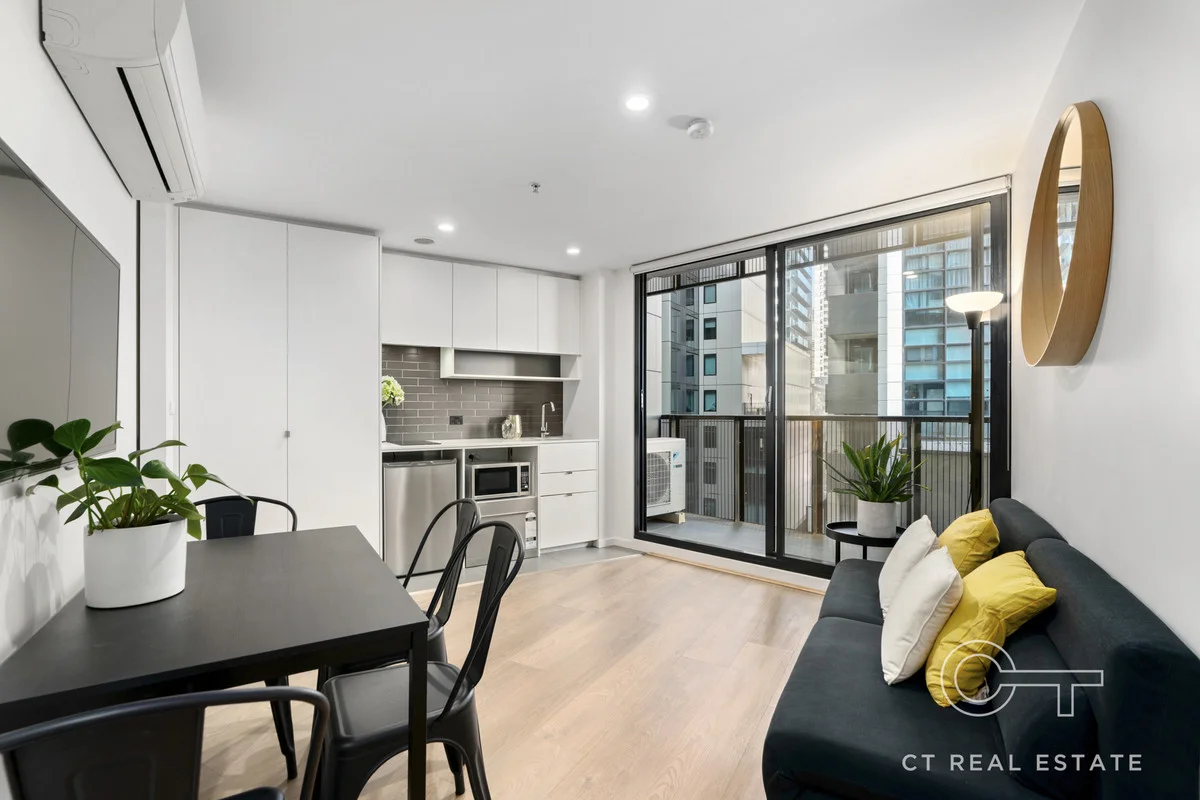 $360,000
Apartment / Unit / Flat
$360,000
Apartment / Unit / Flat
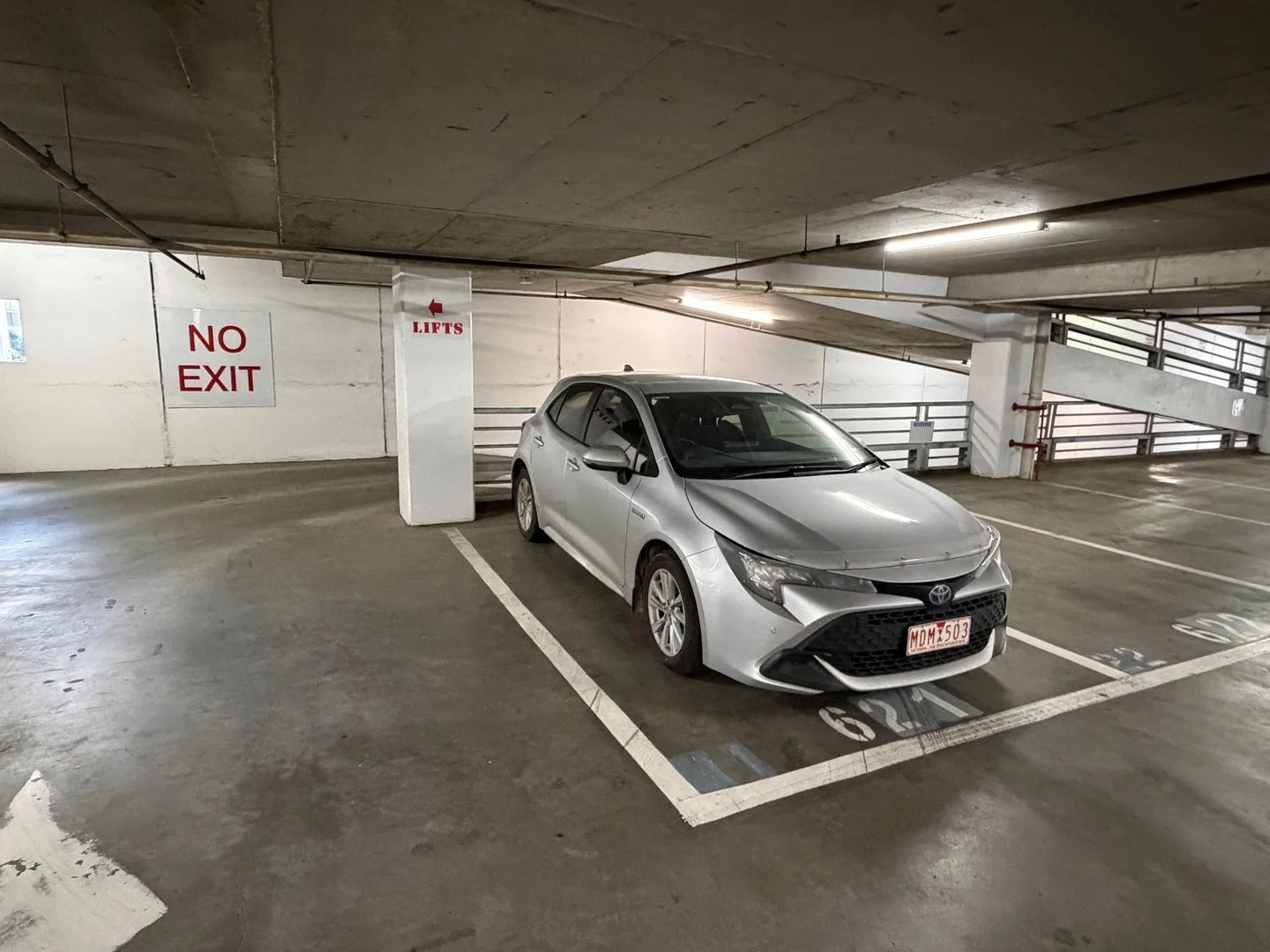 $27,500
propertyType.CAR SPACE
$27,500
propertyType.CAR SPACE
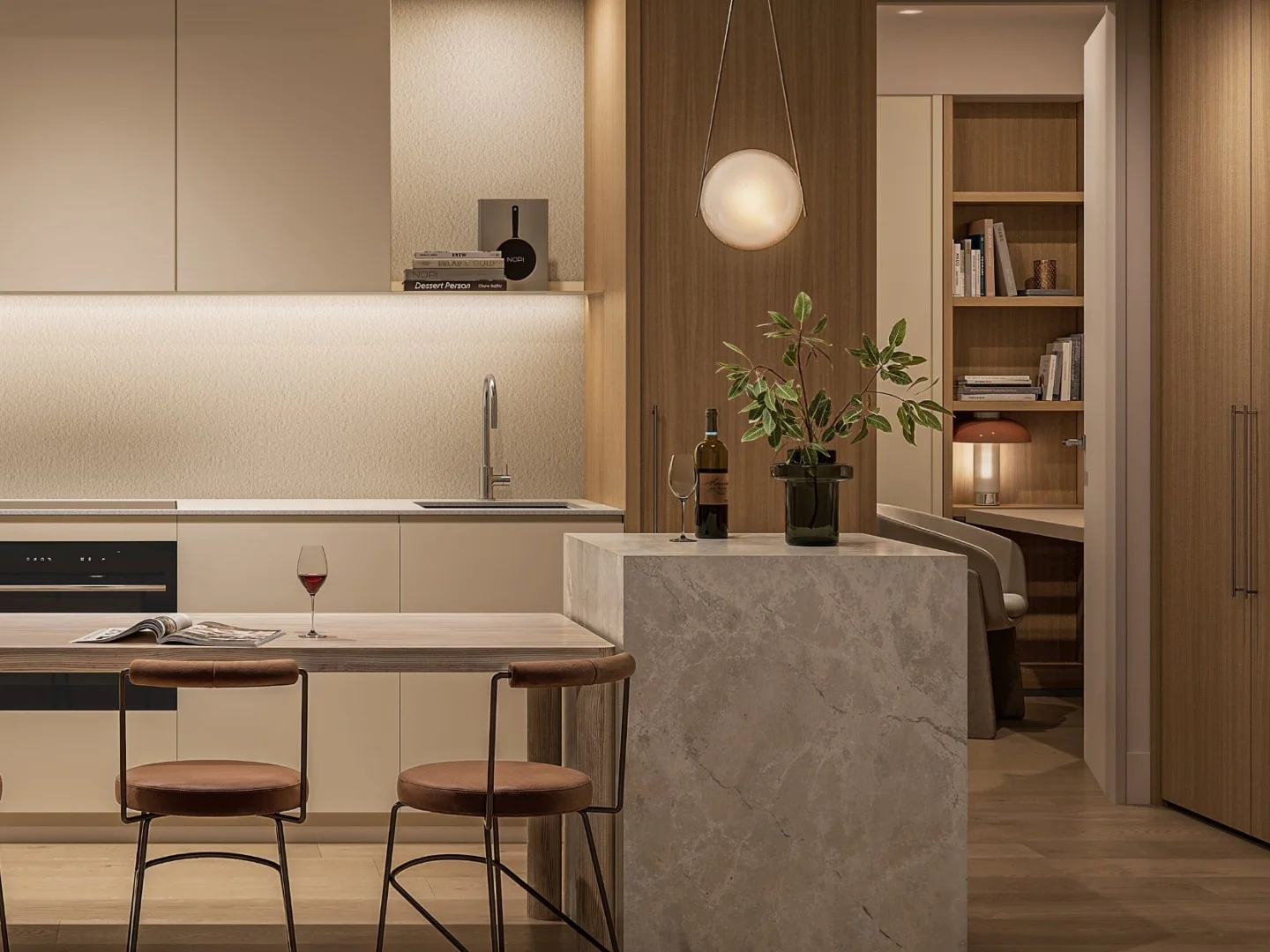 $712,500
Apartment / Unit / Flat
$712,500
Apartment / Unit / Flat
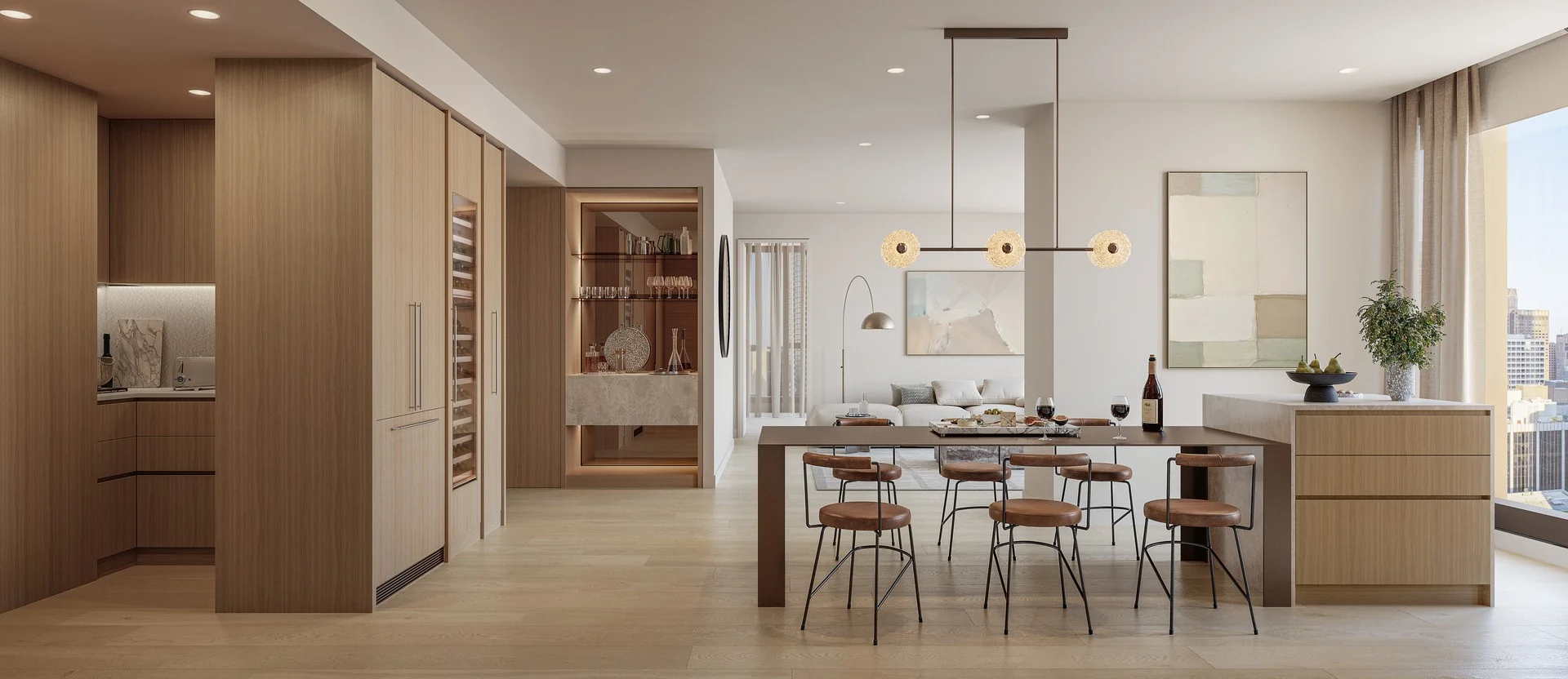 $2,865,000
Apartment / Unit / Flat
$2,865,000
Apartment / Unit / Flat
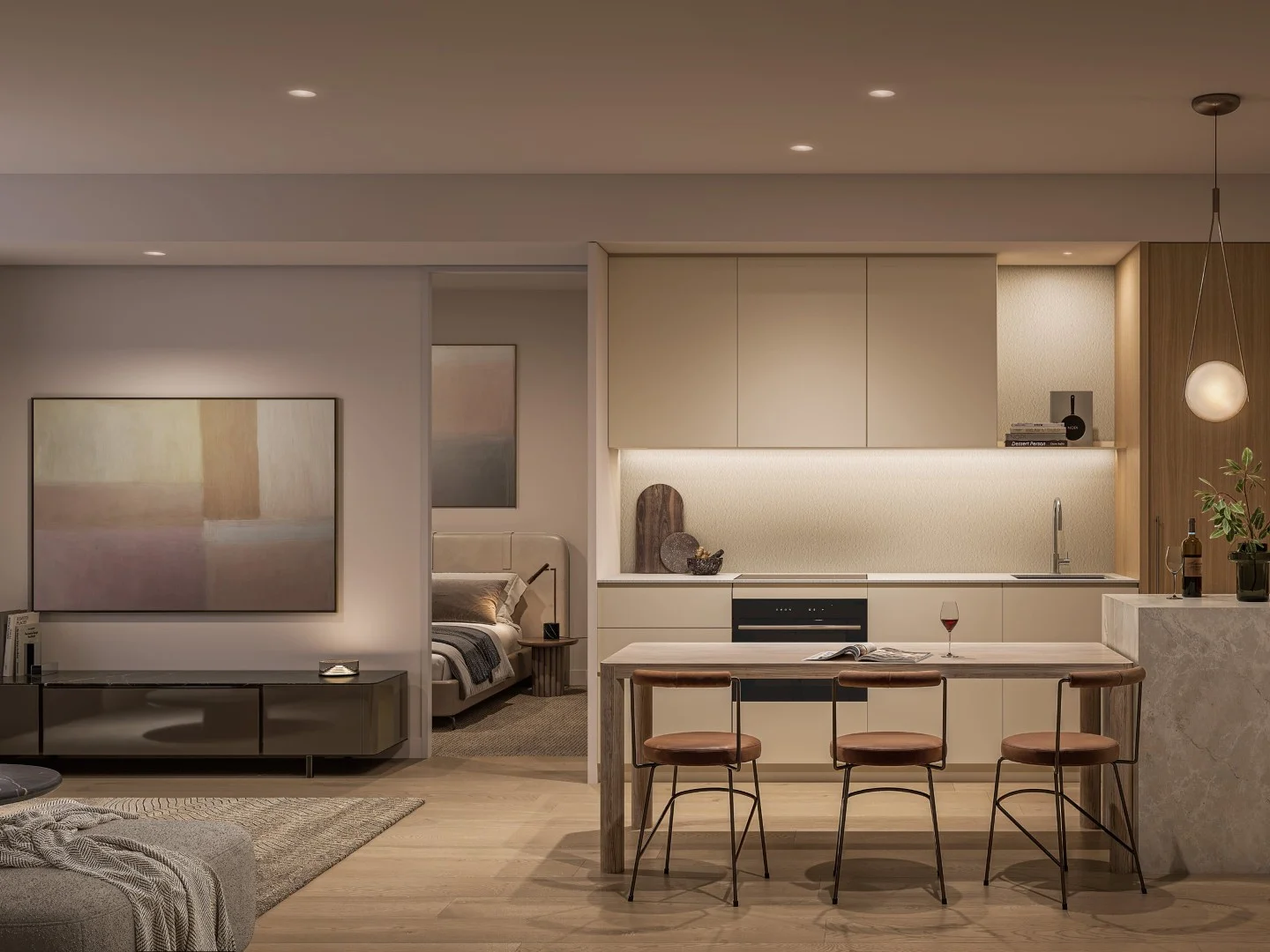 $666,000
Apartment / Unit / Flat
$666,000
Apartment / Unit / Flat
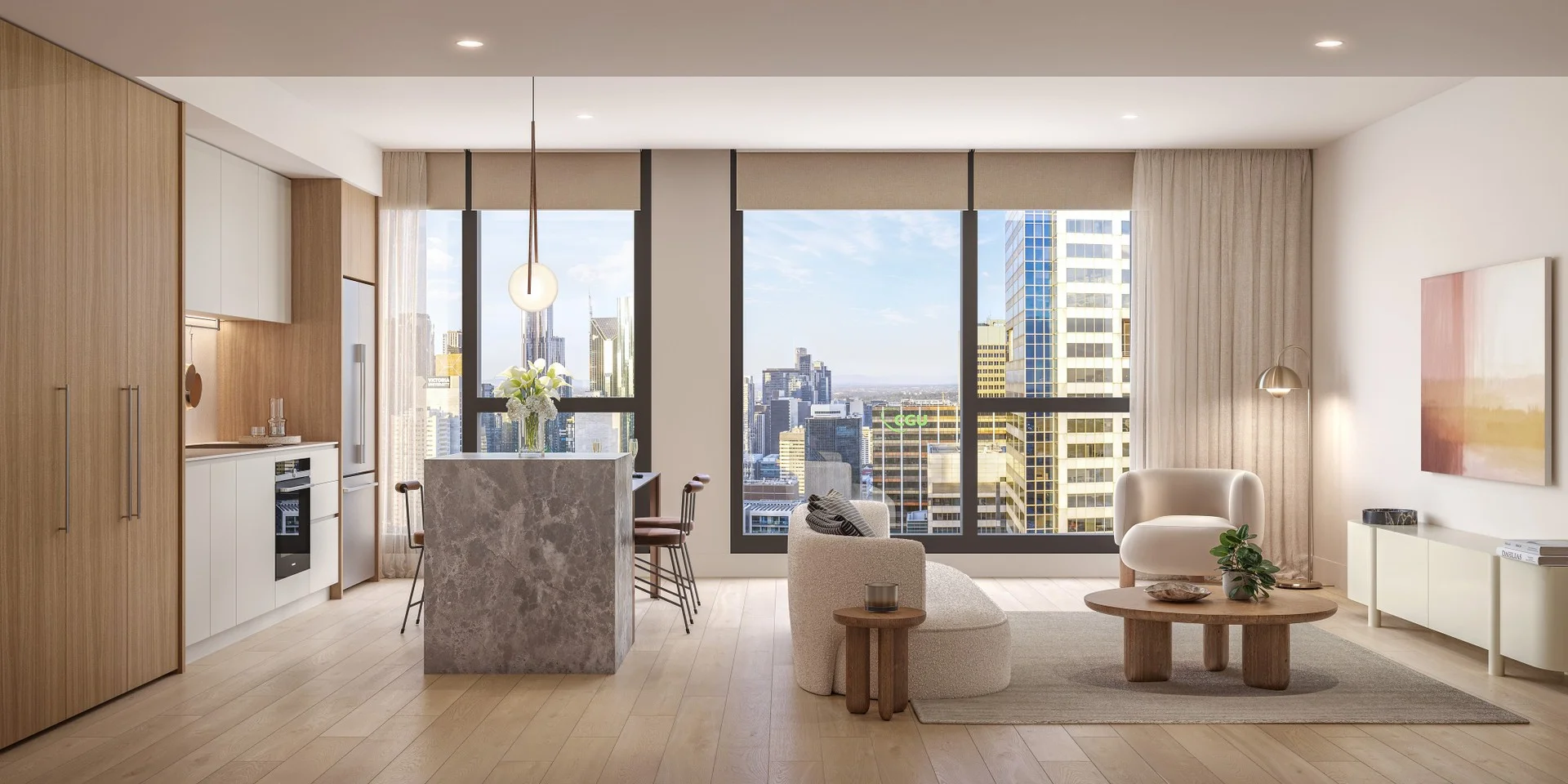 $1,870,000
propertyType.NEW APARTMENTS / OFF THE PLAN
$1,870,000
propertyType.NEW APARTMENTS / OFF THE PLAN
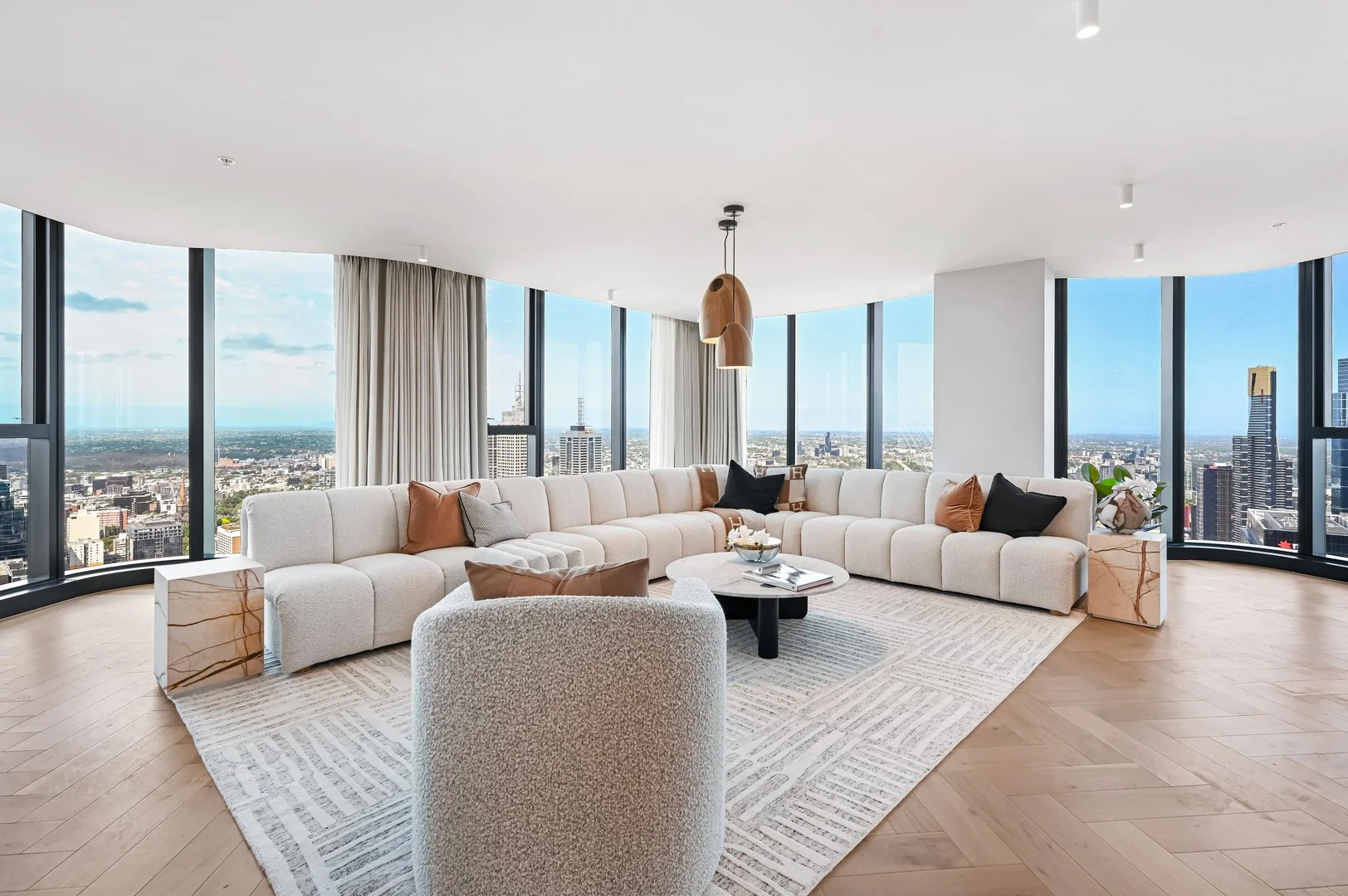 $5,512,000
propertyType.NEW APARTMENTS / OFF THE PLAN
$5,512,000
propertyType.NEW APARTMENTS / OFF THE PLAN
 $2,008,000
propertyType.NEW APARTMENTS / OFF THE PLAN
$2,008,000
propertyType.NEW APARTMENTS / OFF THE PLAN
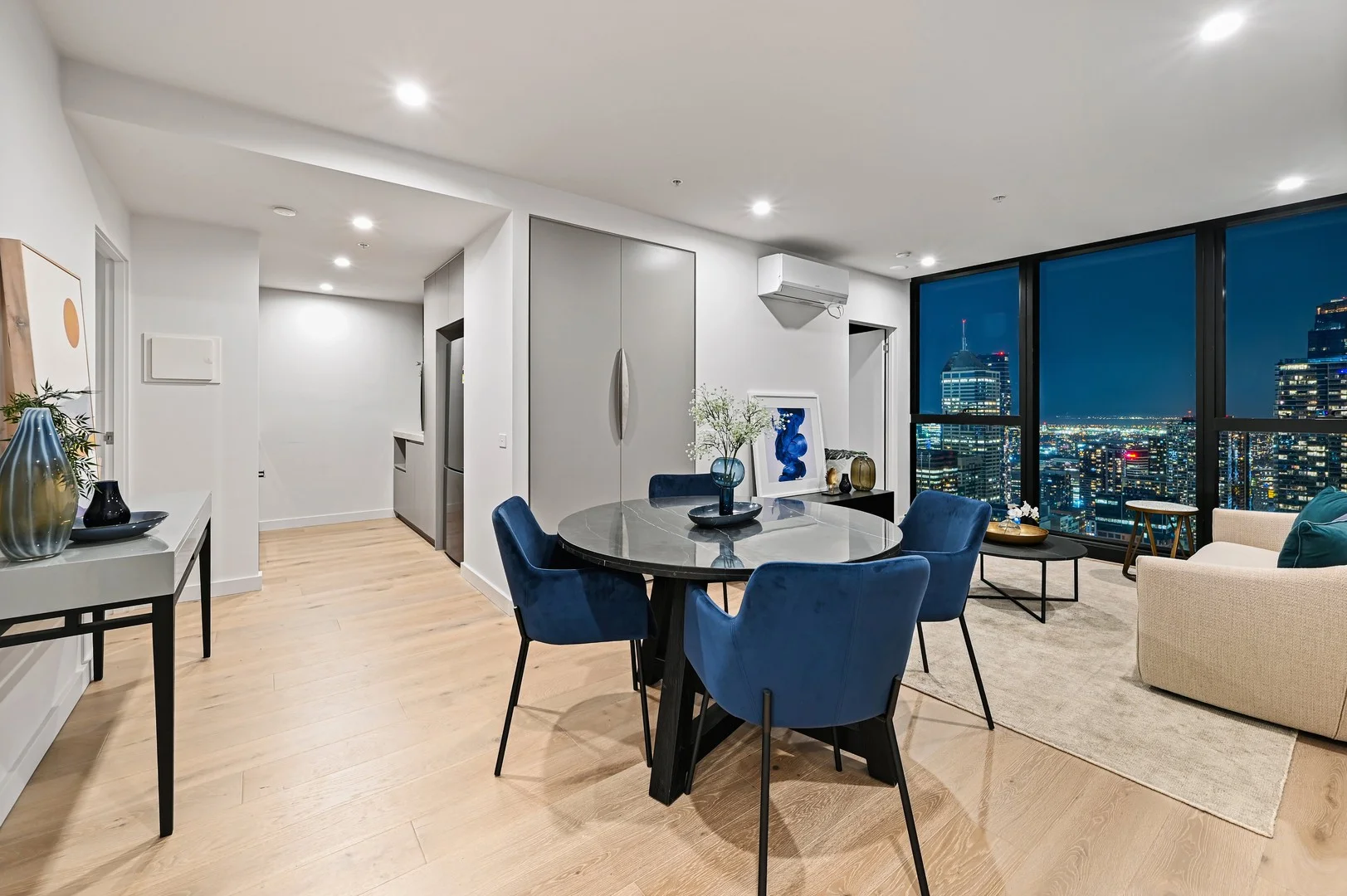 $943,000
propertyType.NEW APARTMENTS / OFF THE PLAN
$943,000
propertyType.NEW APARTMENTS / OFF THE PLAN