Overview
## 1. Overview
Southern Cross Education Institute (SCEI) is a private vocational education provider based in North Melbourne, Victoria. The emphasis is on industry-relevant training designed to prepare students for the Australian workforce through practical, hands-on learning experiences. The campus tends to be mid-sized, with class sizes that are generally small to medium, enabling more personalised support. The atmosphere is typically practical, supportive, and inclusive, focusing on equipping students with tangible skills for immediate employability.
SCEI aims to deliver flexible programs that align with industry needs, with pathways to further study or qualification upgrades through partnerships with other education providers. The college prioritises real-world outcomes, employability, and professional development as core components of the student experience.
---
## 2. Academics & Learning
- Academic strengths: Emphasis on industry-relevant skills, practical assessments, and employability outcomes. Programs focus on relevant workplace competencies, digital literacy, communication, problem-solving, and teamwork.
- Special programs: Work placements or industry-integrated experiences are often available, along with micro-credentials or short courses that can complement core qualifications. Pathways to higher-level credentials (diplomas or bachelor-level studies) may be available through partner arrangements.
- NAPLAN / Ofsted trends (not scores — trends): As a vocational education provider, NAPLAN data does not apply. Outcomes are commonly tracked through completion rates, job placements, apprenticeship commencements, and student satisfaction or employer feedback. Providers typically monitor these trends to improve course delivery and placement support.
- Student-teacher ratios: Class sizes are generally small to medium, supporting more one-on-one guidance and feedback. Ratios commonly fall in the approximate range of 1:10 to 1:25, depending on the program and cohort.
- Support for diverse learners (EAL, SEN): Access to English as an Additional Language (EAL) support, learning assistance, and reasonable adjustments for learners with additional needs are typically available. There are usually dedicated student support services to help with language development, study skills, and transition planning for international students or those requiring additional academic help.
---
## 3. Sports & Extracurricular Strengths
- Sports offered: Availability of sports or fitness-related modules varies by program; some courses may include sport or fitness components, with access to local facilities where possible.
- Strong teams or achievements: Extracurricular success is often program-dependent and may include participation in local competitions, showcases, or industry events rather than schoolwide sports leagues.
- Music, arts, drama programs: Arts-related activities and performances may be offered as part of broader enrichment options or through partnerships with local organizations.
- Clubs: Robotics, coding, and debating clubs or projects may exist within certain cohorts or through student-led initiatives; availability depends on cohort interests and partnerships.
- Partnerships: Local industry partnerships, guest lectures, or collaborations with training providers and community organisations can provide additional opportunities for competitions, projects, and work-ready experiences.
Note: Extracurricular offerings are typically contingent on programs and student cohorts.
---
## 4. Wellbeing & Pastoral Care
- Anti-bullying approach: Established policies and procedures support a safe, respectful learning environment, with clear reporting channels and response processes.
- House system: Some campuses or programs may use mentorship or cohort-based groupings to foster belonging and peer support; a formal house system may not be universal.
- Counsellors / wellbeing officers: Access to student support staff, wellbeing advisors, or counselling services is commonly available to help with personal, academic, and transition-related concerns.
- Transition support for new students: Orientation programs, induction sessions, and ongoing pastoral care help new students settle into study, understand expectations, and build social connections.
---
## 5. Facilities
- Sports grounds: Access to local or on-site fitness spaces or nearby sports facilities may be available depending on the program.
- Libraries: On-site or campus libraries and study spaces for independent or group learning.
- Science labs: Program-specific lab facilities or practical learning spaces relevant to chosen courses.
- Music/performing arts centers: Arts spaces or performance areas may be available for students enrolled in related courses or projects.
- Tech/innovation labs: Computer labs, IT suites, and practical technical spaces support digital learning and hands-on training.
- Cafeteria: On-campus dining or vending facilities, with common student breakout areas.
- Updated playgrounds: Not typically a focus for a vocational education campus, but campus common areas and student spaces are maintained for comfort and collaboration.
---
## 6. School Values & Community Culture
- School values / mission: The institution typically emphasises employability, integrity, and professional development, with a focus on preparing students for real-world work environments.
- Leadership style: Student support and program leadership aim to be approachable, practical, and outcome-driven, with emphasis on mentoring and industry relevance.
- Behaviour expectations: Clear codes of conduct and professional expectations for students, including respectful communication, attendance, and completion of assessments.
- Community reputation: Community feedback generally highlights practical skill-building, industry relevance, and pathways to employment; local partnerships and alumni outcomes often contribute to the college’s standing.
- Diversity & inclusion: Efforts are usually made to support a diverse student body, including international students and learners from varied backgrounds, with inclusive policies and accessible services.
---
## 7. School Logistics & Daily Operations
- School hours: Timetables vary by program; some courses run during the day, with possible evening sessions or weekend blocks for underserved cohorts.
- Before/after school care: Not typically advertised as a standard offering; check individual program options for flexible scheduling or support services.
- Uniform requirements: Uniforms are not universally required for vocational courses; some programs may have specific dress codes or PPE requirements for practical training.
- Transport (train/bus routes): The North Melbourne campus is well-served by public transport; local tram and bus routes provide convenient access.
- Canteen availability: Food and beverage options are usually available nearby or within campus facilities if offered.
- Fees (low/medium/high ranges): Fees vary by program, duration, and student status (domestic vs. international). Some government-subsidized options may be available; always verify current fee structures and any materials or equipment costs.
---
## 8. Enrolment & Admissions
11. What is the enrolment process and timeline?
- Typical steps include submitting an online application, providing identity and prior education documents, language proficiency evidence if required, an eligibility check, and a course-specific admissions decision. Once offered a place, you’ll complete the enrolment agreement and pay necessary fees or deposits. Timelines vary by program and intake, with some courses offering rolling admissions.
12. Is there a waiting list, and how does it work?
- Some programs may have waiting lists when [course demand exceeds seats]. If a waiting list applies, you’ll be advised of your position and expected next intake, with ongoing opportunities to secure a place as seats become available.
13. Are there any entry requirements, tests, or interviews?
- Entry requirements typically include proof of prior education and identity. Some programs may require language proficiency evidence or a brief interview or pre-enrolment assessment to determine suitability for the course and ensure readiness for study.
14. Does the school accept mid-year transfers?
- Mid-year transfers may be possible depending on seat availability, program structure, and visa or enrollment status for international students. Prospective transfers should contact the admissions team to review options and required documentation.
---
## 9. Frequently Asked Questions
- Why Parents Choose This School?
- Students and families often value industry relevance, practical hands-on training, strong employability outcomes, and accessible student support.
- What type of student thrives at this school?
- Motivated, career-focused learners who prefer practical, work-ready training and who value direct pathways to employment or further study tend to thrive.
- What opportunities are available for students to extend their skills (academics, sports, arts)?
- Opportunities include industry placements, short courses or micro-credentials, workshops, and project-based learning. Extracurricular options vary by program and cohort and may include coding clubs, robotics projects, or arts-related activities when available.
- How does the school communicate with parents?
- Communication typically occurs through email, newsletters, a learning management system (LMS) or student portal, and information evenings or counseling sessions. Programs often provide timely updates on progress, assessments, and upcoming milestones.
- What is the school’s approach to teaching and learning?
- The approach emphasizes practical, hands-on training with real-world applications, industry-aligned assessments, and opportunities for work-ready skills development.
- How does the school support students who need extra academic help?
- Support can include tutoring, study skills coaching, language support for EAL learners, learning advisors, and accommodations or adjustments tailored to individual needs.
- What support is available for academic challenges?
- Academic support services, tutoring sessions, and access to academic mentors or instructors are provided to help students address challenges and stay on track.
- How does the school communicate with parents? (duplicate)
- See above: through email, newsletters, LMS, and parent information sessions.
- What are the class sizes and how much individual attention do students receive?
- Class sizes are typically small to medium, enabling more personalised guidance. Individual attention depends on the program and cohort but is supported by the student-teacher ratio in the 1:10–1:25 range.
- What extracurricular and sports opportunities are available?
- Availability depends on program and cohort; opportunities may include sports-related modules, coding or robotics clubs, debates, and arts activities offered through partnerships or student initiatives.
- What facilities does the school offer (sports, science, arts)?
- Facilities commonly include dedicated labs or workshops for practical training, computer labs, study spaces, libraries, and on-site or nearby canteens. Specific program facilities vary by course.
- What is the school’s approach to technology and digital learning?
- Emphasis on digital literacy, online resources, simulations or virtual labs where applicable, and use of a learning management system to support coursework and communication.
- What transport and accessibility options are available?
- The campus is accessible by local public transport (train, tram, and bus routes). Parking and accessibility features are typically available on campus or nearby.
- What are the typical school fees or additional costs?
- Fees vary by program, duration, and student status. Some funding or subsidies may apply for eligible domestic students; there may be additional costs for materials, equipment, or specific course components.
---
## 10. Short Pros & Cons list
- Pros
- Industry-relevant, practical training designed to improve employability
- Small to medium class sizes enabling personalised support
- Flexible pathways and opportunities for further studies or credentials
- Supportive wellbeing and student services
- Variety of facilities tailored to practical learning (labs, libraries, study spaces)
- Cons
- Extracurricular offerings may depend on course and cohort
- Some programs may have variable intakes or scheduling based on demand
- Fees vary by program and student status; international students may incur higher costs
- Transport options rely on local public transit routes; parking may be limited on campus












 $360,000
Apartment / Unit / Flat
$360,000
Apartment / Unit / Flat
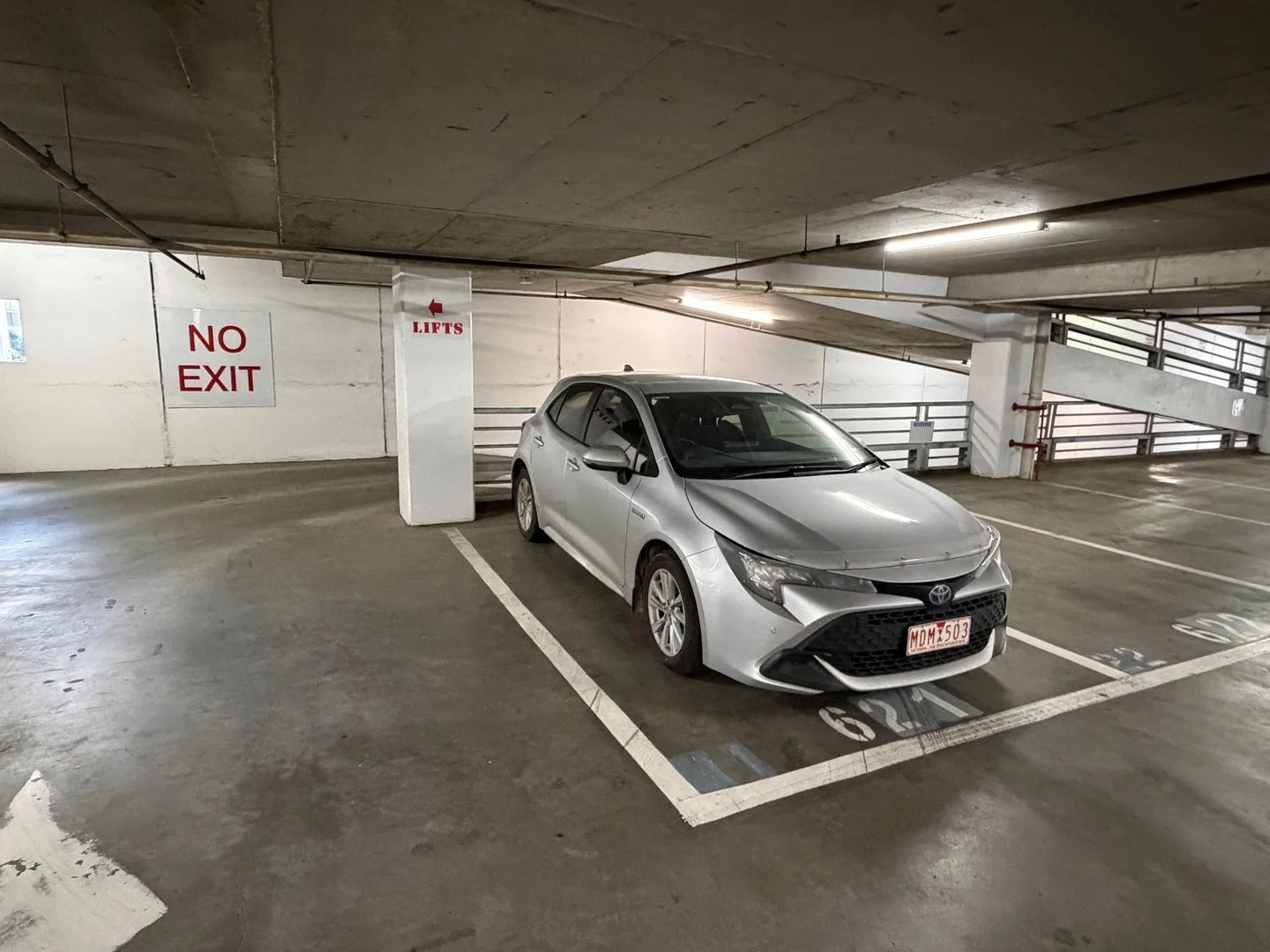 $27,500
propertyType.CAR SPACE
$27,500
propertyType.CAR SPACE
 $5,512,000
propertyType.NEW APARTMENTS / OFF THE PLAN
$5,512,000
propertyType.NEW APARTMENTS / OFF THE PLAN
 $2,008,000
propertyType.NEW APARTMENTS / OFF THE PLAN
$2,008,000
propertyType.NEW APARTMENTS / OFF THE PLAN
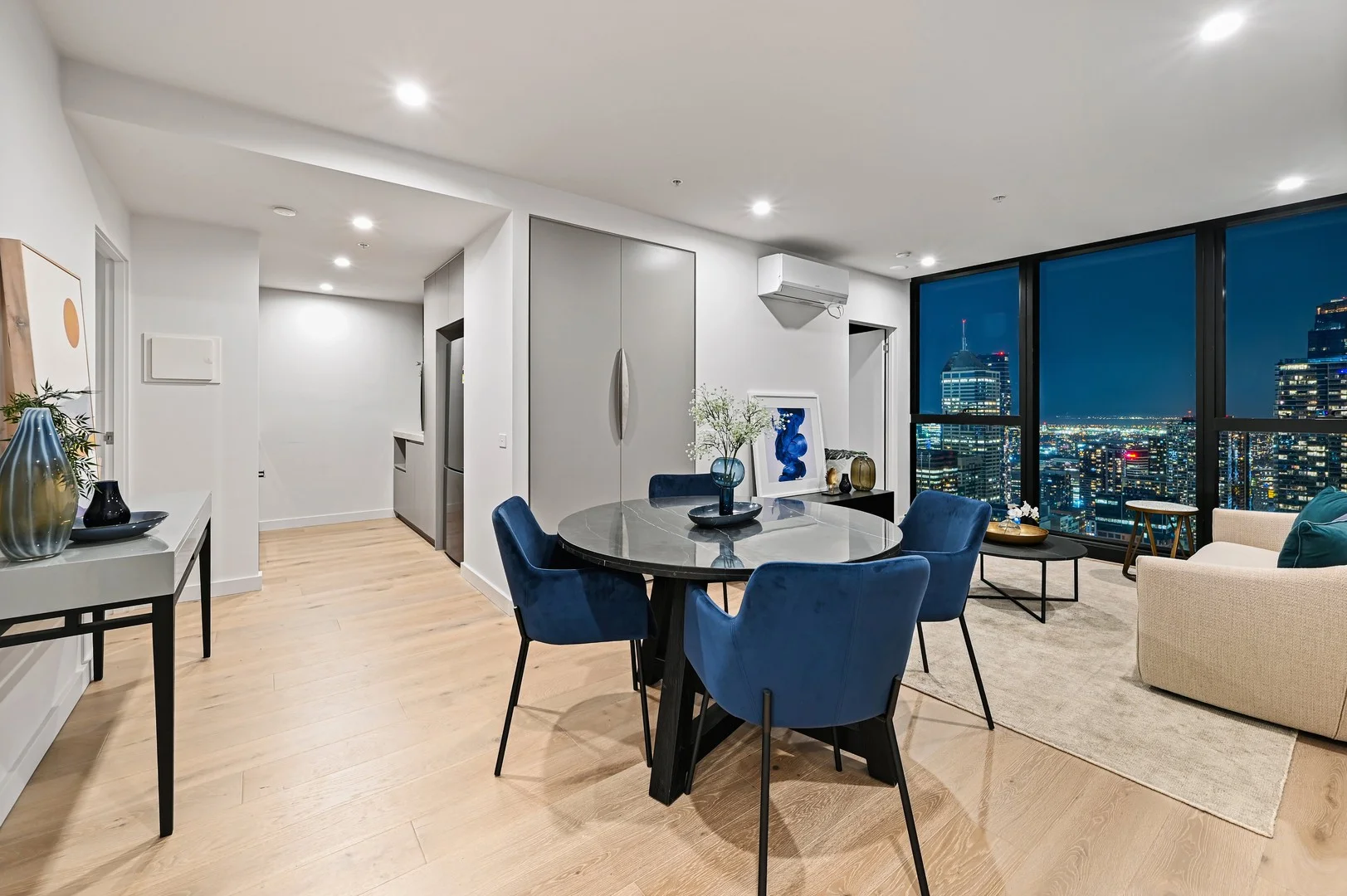 $943,000
propertyType.NEW APARTMENTS / OFF THE PLAN
$943,000
propertyType.NEW APARTMENTS / OFF THE PLAN
 $712,500
Apartment / Unit / Flat
$712,500
Apartment / Unit / Flat
 $2,865,000
Apartment / Unit / Flat
$2,865,000
Apartment / Unit / Flat
 $666,000
Apartment / Unit / Flat
$666,000
Apartment / Unit / Flat
 $1,870,000
propertyType.NEW APARTMENTS / OFF THE PLAN
$1,870,000
propertyType.NEW APARTMENTS / OFF THE PLAN