Overview
## 1. Overview
Berengarra School is a private independent school in Victoria that focuses on delivering a supportive, inclusive learning environment for students with diverse needs. The school aims to balance academics with wellbeing, offering a personalised approach to help each student grow.
- School type: Private independent
- School size: Small
- Class size: Small classes with strong teacher-student connections
- Atmosphere/culture: Nurturing, inclusive, and wellbeing-oriented
## 2. Academics & Learning
Berengarra emphasises personalised learning and strong student support to help students achieve their academic goals.
- Academic strengths: Holistic academic approach across literacy, numeracy, and critical thinking, with attention to individual learning progress and strengths.
- Special programs: Individualised learning plans, targeted learning support, and inclusive education practices that cater to diverse learners.
- NAPLAN / trends: Progress and growth-focused assessment approach; emphasis on year-over-year improvement and meeting each student’s learning milestones rather than relying on single test scores.
- Student-teacher ratios: Low ratios through small class sizes, enabling frequent teacher feedback and tailored instruction.
- Support for diverse learners: Strong support for SEN, EAL, and students who benefit from additional academic or social-emotional supports; access to dedicated support staff and a multi-disciplinary approach.
## 3. Sports & Extracurricular Strengths
A broad roster of sports and activities supports physical development, teamwork, and personal interests.
- Sports offered: Basketball, soccer, netball, cricket, athletics, swimming, and other recreational activities typical of independent schools.
- Strong teams or achievements: Participation in local inter-school competitions; emphasis on participation, skill development, and sportsmanship.
- Music, arts, drama programs: Active performing arts and music programs with opportunities to participate in school productions and concerts.
- Clubs: Robotics, coding, chess, debating, and other enrichment clubs aimed at developing problem-solving and communication skills.
- Partnerships: Connections with local arts and sports groups and community organizations to broaden opportunities and competitions.
## 4. Wellbeing & Pastoral Care
Wellbeing and pastoral care are central to the student experience, supporting personal growth and resilience.
- Anti-bullying approach: Proactive, supportive framework with clear policies and restorative practices.
- House system: House structure to foster belonging, teamwork, and healthy rivalry.
- Counsellors / wellbeing officers: Access to school-based counsellors and wellbeing staff to support emotional and social development.
- Transition support for new students: Orientation programs, buddy systems, and targeted transitional support to help new students settle in.
## 5. Facilities
Facilities are designed to support a balanced learning environment and student engagement.
- Sports grounds: Outdoor spaces suitable for physical activity and team sports.
- Libraries: Quiet study areas and resources to support literacy and research.
- Science labs: Equipped spaces for practical experiments and inquiry-based learning.
- Music/performing arts centers: Venues for music, drama, and performances.
- Tech/innovation labs: Access to digital tools and practical technology spaces.
- Cafeteria: On-site dining options and social spaces.
- Updated playgrounds: Safe, well-maintained play and recreation areas.
## 6. School Values & Community Culture
The school fosters a values-driven culture focused on respect, growth, and inclusivity.
- School values / mission: Emphasis on resilience, empathy, integrity, and collaborative learning.
- Leadership style: Relational and inclusive leadership that prioritises student wellbeing and personalised support.
- Behaviour expectations: Clear expectations centred on respect, responsibility, and positive conduct.
- Community reputation: Perceived as a welcoming, supportive community that prioritises individual development and inclusion.
- Diversity & inclusion: Commitment to creating an inclusive environment that respects individual differences and supports all students.
## 7. School Logistics & Daily Operations
Clear day-to-day logistics help families plan around school routines.
- School hours: Typically a daytime schedule aligned with primary/secondary schooling norms; check current school calendar for exact times.
- Before/after school care: Available options or wrap-around care may be offered.
- Uniform requirements: Standard school uniform policy.
- Transport (train/bus routes): Local transport options; information on available bus routes or public transport links within the area.
- Canteen availability: On-site canteen or approved catering options for meals and snacks.
- Fees (low/medium/high ranges): Fees generally sit in the private independent school range; exact costs vary by program and year level.
## 8. Enrolment & Admissions
Eight questions often guide families through the enrolment process and timeline.
11. What is the enrolment process and timeline?
- Initial enquiry and information session.
- Submission of application form and supporting documents (e.g., academic history, medical/learning needs information).
- Family interview and student meeting; possible assessment to understand learning needs.
- Offer of place and enrolment agreement; payment of any deposits.
- Orientation and start-of-term steps; confirmation of timetable and supports.
12. Is there a waiting list, and how does it work?
- There may be a waiting list when demand exceeds places; placement typically follows the order of receipt of applications and availability of appropriate year levels and supports. Prospective families are advised to contact the school for current status and expected timelines.
13. Are there any entry requirements, tests, or interviews?
- Entry often includes an interview with students and families, plus reviews of learning needs and support requirements. Some schools may conduct assessments to determine the best learning plan and supports; Berengarra emphasises matching supports to the student’s needs.
14. Does the school accept mid-year transfers?
- Mid-year transfers are possible if a suitable vacancy exists and the school can provide the necessary supports. Placement typically involves an assessment to ensure a smooth transition and appropriate alignment with the student’s learning plan.
## 9. Frequently Asked Questions
- Why Parents Choose This School?
- Families commonly choose Berengarra for its small, supportive environment, personalised learning plans, and strong emphasis on wellbeing and inclusion.
- What type of student thrives at this school?
- Students who benefit from individualized instruction, strong pastoral care, and a culture that prioritises social-emotional development often thrive here.
- What opportunities are available for students to extend their skills (academics, sports, arts)?
- A range of extension opportunities exists across academics, arts, music, drama, sports, and clubs such as robotics, coding, chess, and debating.
- How does the school communicate with parents?
- Communication typically includes newsletters, progress updates, parent-teacher meetings, and digital portals or emails.
- What is the school’s approach to teaching and learning?
- The approach centres on differentiated instruction, personalised learning plans, ongoing assessment for growth, and a strong focus on wellbeing.
- How does the school support students who need extra academic help?
- Dedicated learning support staff, targeted interventions, and collaboration with families to develop personalised plans.
- What support is available for academic challenges?
- Access to learning support teams, counsellors, and, where appropriate, external specialists to address academic and social-emotional needs.
- How does the school communicate with parents?
- Regular updates through meetings, reports, and digital communications; emphasis on transparent, timely information.
- What are the class sizes and how much individual attention do students receive?
- Class sizes are small, enabling frequent individual feedback and closer teacher-student interaction.
- What extracurricular and sports opportunities are available?
- A variety of sports and clubs, including team sports, arts, and enrichment activities such as robotics, coding, chess, and debating.
- What facilities does the school offer (sports, science, arts)?
- Facilities typically include sports grounds, libraries, science labs, performing arts spaces, and technology rooms.
- What is the school’s approach to technology and digital learning?
- Digital learning is integrated through appropriate tech spaces, digital literacy, and, where relevant, BYOD or device use policies aligned with learning goals.
- What transport and accessibility options are available?
- Local transport options and possibly school-provided bus routes; accessibility considerations are addressed to support all students.
- What are the typical school fees or additional costs?
- Fees are in the private independent school range; additional costs may include uniforms, excursions, and activity fees. Check the school’s current schedules for exact figures.
## 10. Short Pros & Cons list
- Pros
- Small class sizes and strong teacher attention
- Personalised learning plans and robust wellbeing support
- Inclusive, nurturing culture with emphasis on individual growth
- Wide range of enrichment opportunities (arts, sports, clubs)
- Transparent communication and family involvement
- Cons
- As a smaller independent school, limited year levels or scope compared to larger schools
- Fees reflect private independent schooling
- Availability of specific programs may vary by year level; confirm current offerings directly with the school












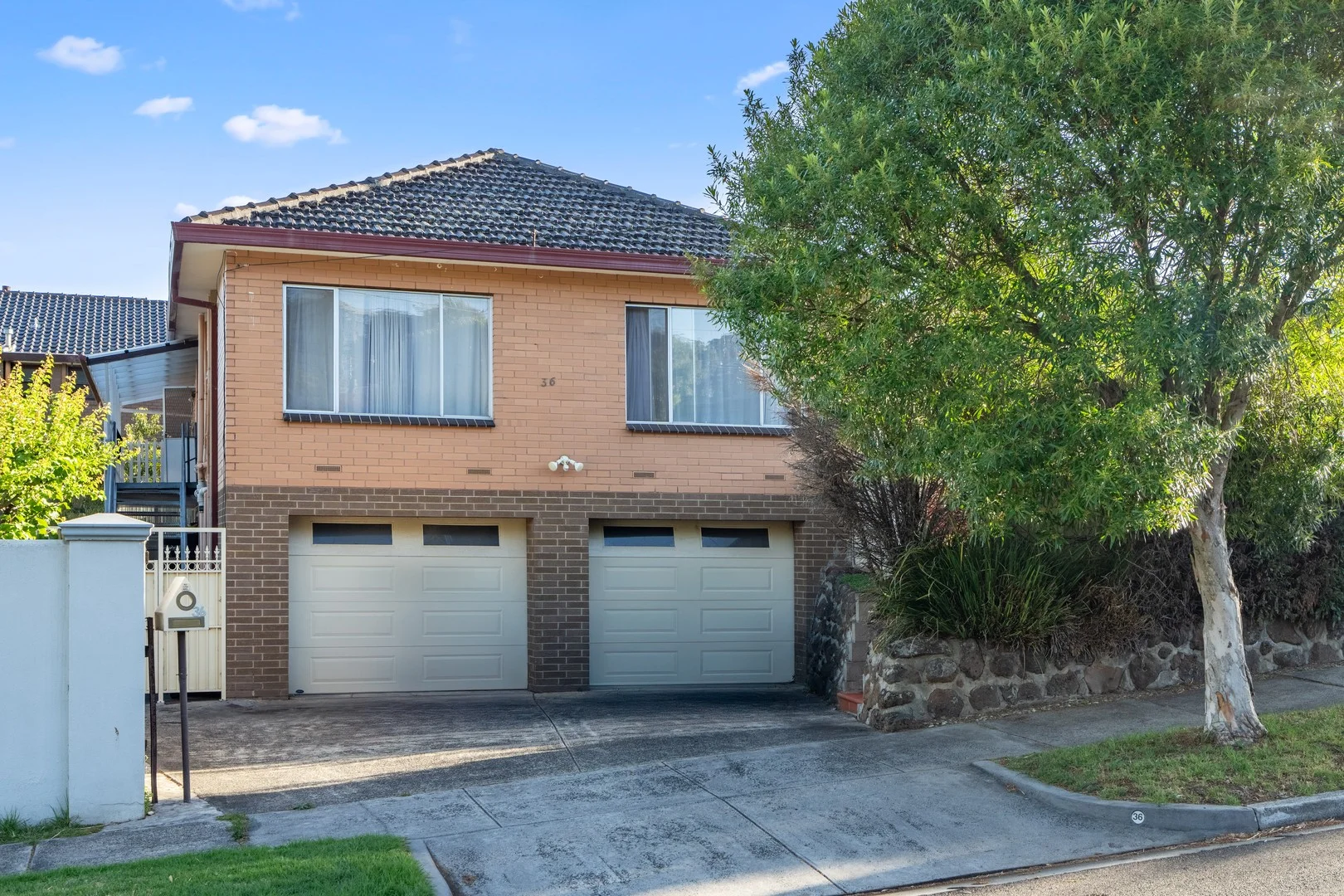 $140
Studio
$140
Studio
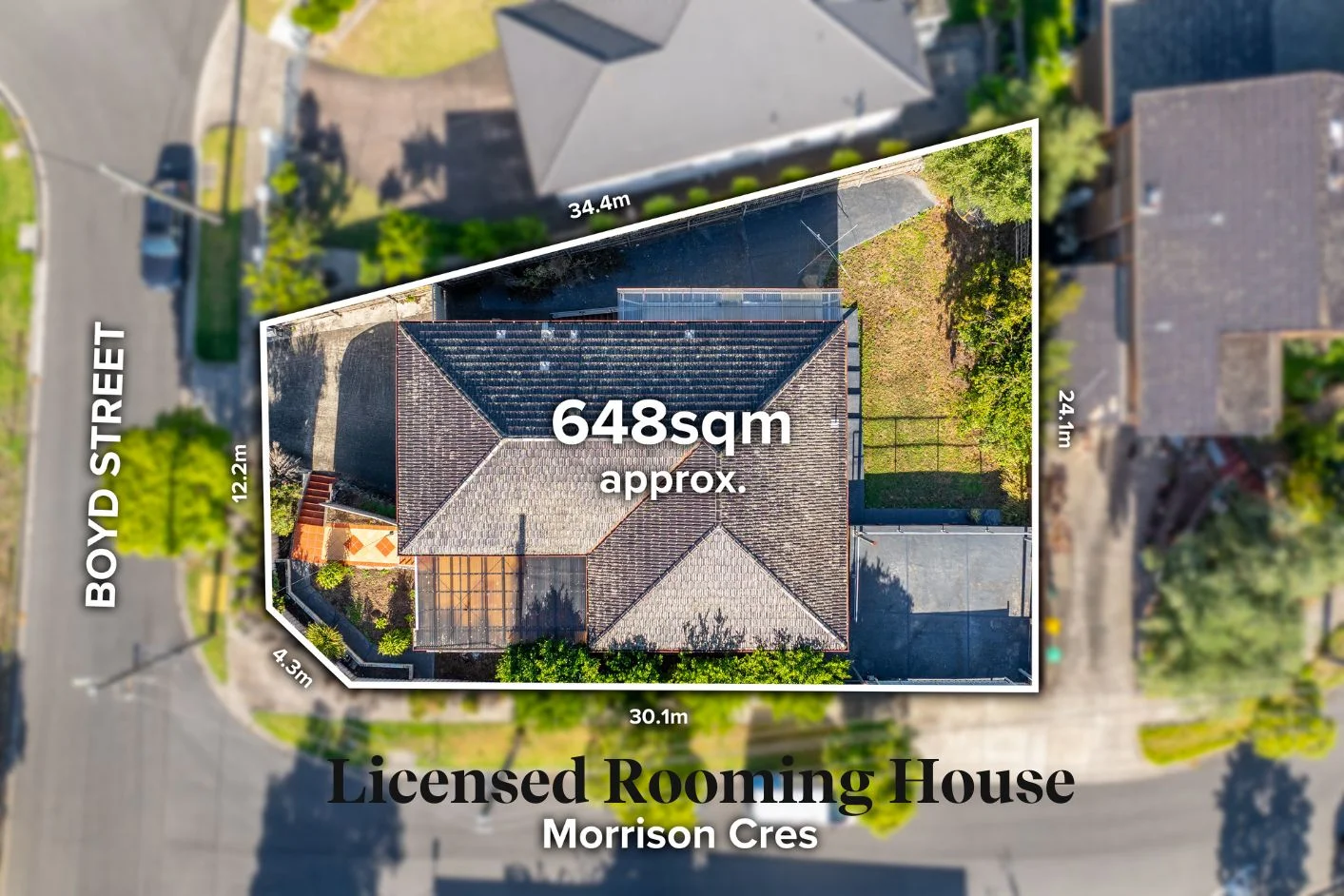 $1,780,000
House
$1,780,000
House
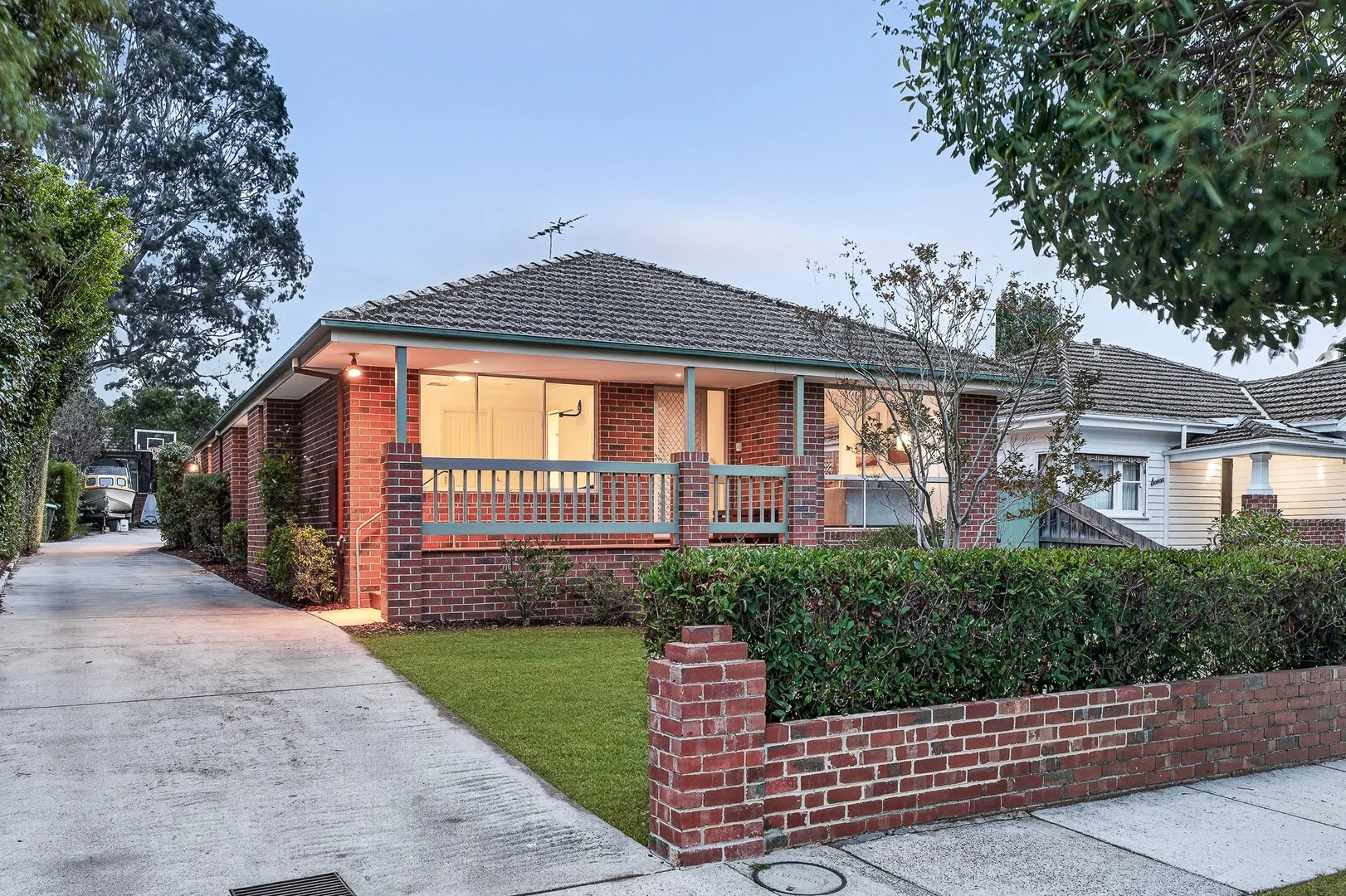 $1,200,000 - $1,300,000
House
$1,200,000 - $1,300,000
House
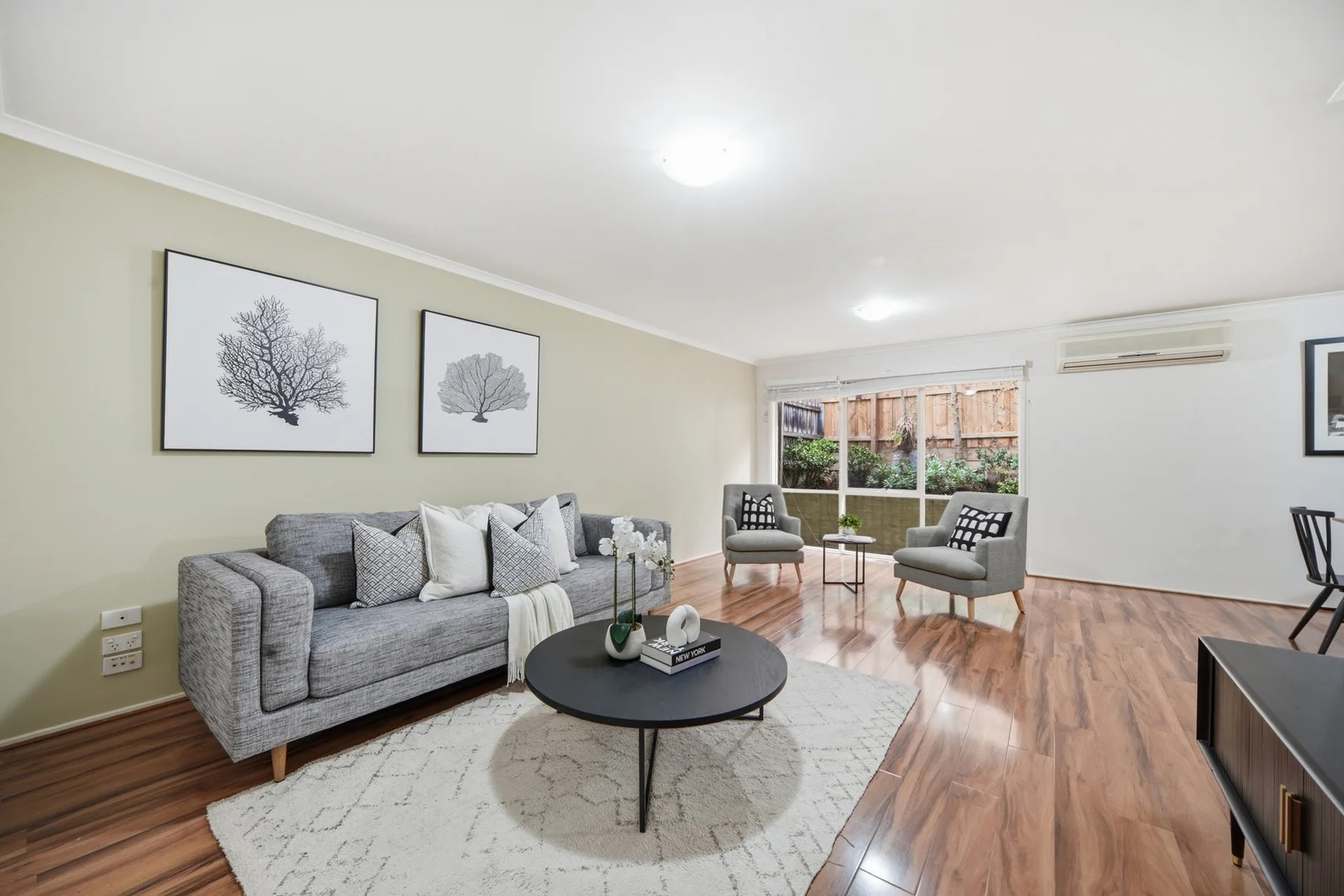 $985,000 - $1,080,000
Townhouse
$985,000 - $1,080,000
Townhouse
 $1,100
House
$1,100
House
 $630,000 - $680,000
Apartment / Unit / Flat
$630,000 - $680,000
Apartment / Unit / Flat
 $1,600,000 - $1,750,000
House
$1,600,000 - $1,750,000
House
 $850,000
Townhouse
$850,000
Townhouse