# Overview
Kotara South Public School is a public, co-educational primary school serving families in the Kotara South area of New South Wales. The school aims to provide a well-rounded, inclusive learning environment where students develop academically, socially and emotionally. As a medium-sized NSW public school, it supports a diverse student body through a range of programs and community partnerships, with class sizes typically in the early-to-mid 20s and a strong emphasis on student well-being and active participation.
The atmosphere is nurturing and community-focused, with staff, families and local partners working together to create an engaging, supportive culture. The school fosters a respectful, inclusive environment that encourages curiosity, responsibility and collaboration across year groups.
---
# Academics & Learning
- Academic strengths: English and mathematics underpin daily learning, with a strong emphasis on literacy, numeracy and foundational STEM/student inquiry activities. The school supports practical literacy and numeracy applications across subjects to build confident, curious learners.
- Special programs: Gifted and Talented Education (G&T) opportunities and enrichment activities are offered, along with coding/robotics programs and integrated technology to boost digital literacy. Opportunities for extension and project-based learning help students pursue areas of interest.
- NAPLAN trends: Over recent years, the school has shown steady student growth in key strands such as reading and numeracy, with improvements in writing and consistent performance across year levels.
- Student-teacher ratios: Class sizes typically sit in the low- to mid-20s, with additional support staff (teacher aides, specialists) to support targeted learning and differentiation.
- Support for diverse learners: EAL/D support and targeted interventions are available, along with inclusion-focused teaching and access to learning support staff for students with additional needs.
---
# Sports & Extracurricular Strengths
- Sports offered: A range of team and individual sports, including soccer, netball, cricket, athletics and other inter-school activities, with opportunities to participate in district-level events.
- Strong teams or achievements: The school participates in inter-school competitions, with varied success across sports and age groups, highlighting teamwork, discipline and sportsmanship.
- Music, arts, drama programs: Regular music and performing arts experiences, school concerts and opportunities to engage in drama and creative arts.
- Clubs: Robotics, coding, chess, debating and other lunchtime or after-school clubs support a broad spectrum of interests.
- Partnerships: Connections with local clubs and regional competitions provide additional pathways for students to explore talents in sport, coding and the arts.
---
# Wellbeing & Pastoral Care
- Anti-bullying approach: Strong emphasis on respectful relationships, anti-bullying policies and student-led initiatives to promote a safe, supportive environment.
- House system: A house-based structure supports positive social interaction, leadership opportunities and healthy competition.
- Counsellors / wellbeing officers: Access to school psychologists or wellbeing staff supports students’ social and emotional learning.
- Transition support for new students: Orientation activities, buddy programs and welcoming procedures help new students settle in smoothly.
---
# Facilities
- Sports grounds: On-site fields and courts suitable for a range of PE and competitive activities.
- Libraries: A well-equipped library supporting reading for enjoyment and research skills.
- Science labs: Dedicated spaces for practical science activities and experiments.
- Music/performing arts centers: Facilities to support music education and school productions.
- Tech/innovation labs: Available spaces and resources for digital learning and STEM activities.
- Cafeteria: On-site canteen or lunch facilities supporting healthy eating.
- Updated playgrounds: Safe, age-appropriate play areas and outdoor spaces.
---
# School Values & Community Culture
- School values / mission: A clear focus on respect, responsibility, curiosity and collaboration, embedded in daily practice.
- Leadership style: Student voice and leadership opportunities are encouraged, with collaborative decision-making and strong staff guidance.
- Behaviour expectations: Positive, restorative approaches to behavior with clear expectations and consistent routines.
- Community reputation: A supportive, family-friendly school with active parent involvement and community connections.
- Diversity & inclusion: A welcoming environment that values inclusion and supports students from diverse backgrounds.
---
# School Logistics & Daily Operations
- School hours: Typical primary school day with start and finish times aligned to NSW Department of Education schedules.
- Before/after school care: After-school care options available through in-school or external providers.
- Uniform requirements: NSW public school uniform standards apply.
- Transport (bus routes): Access to regional transport options and safe drop-off/pick-up arrangements; families should check current bus routes and school zones.
- Canteen availability: Canteen or lunch program available to support student meals.
- Fees (low/medium/high ranges): Public schools generally do not charge tuition, with nominal costs for activities, voluntary contributions and certain programs; exact costs vary by year and activity.
---
# Enrolment & Admissions
11. What is the enrolment process and timeline?
- Enrolment is managed through NSW Department of Education processes. Families should confirm zone eligibility, prepare required documents (proof of identity, immunization status, proof of address), and submit an application through the school’s enrolment channel. Timelines typically align with school intake periods and completion of in-zone registrations; the school will advise on specific dates and steps for the upcoming year.
12. Is there a waiting list, and how does it work?
- Waiting lists can apply for out-of-zone entries or popular year levels. The school will advise on current wait times and how prioritization is determined (often by zone status, availability, and date of application). Space availability is required before enrolment can proceed.
13. Are there any entry requirements, tests, or interviews?
- NSW public primary schools generally do not require entrance tests for standard enrolment. Some programs or selective components (if offered) may involve informal discussions or assessments, but standard enrolment is based on zone eligibility and provided documentation.
14. Does the school accept mid-year transfers?
- Mid-year transfers can be considered, subject to space and readiness of the student’s prior records. Families should contact the school early to discuss availability and arrange the necessary documentation (transcript, immunization records, and any special learning plans).
---
# Frequently Ask Questions
- Why Parents Choose This School?
- A public, community-focused environment with a strong emphasis on wellbeing, inclusive education, and a balanced curriculum that supports academic and personal growth.
- What type of student thrives at this school?
- Curious, collaborative learners who value a supportive community, participate in both academics and activities, and engage respectfully with peers and staff.
- What opportunities are available for students to extend their skills (academics, sports, arts)?
- Enrichment through Gifted & Talented programs, STEM and coding clubs, sports teams and inter-school events, and performing/visual arts opportunities.
- How does the school communicate with parents?
- Regular updates through newsletters, parent portals, emails/SMS, and scheduled meetings; clear channels for feedback and school events.
- What is the school’s approach to teaching and learning?
- Student-centered, evidence-based instruction with differentiation, a strong emphasis on literacy and numeracy, and opportunities for project-based and inclusive learning.
- How does the school support students who need extra academic help?
- Targeted interventions, small-group teaching, Learning Support and EAL/D services, and ongoing progress monitoring with staff collaboration.
- What support is available for academic challenges?
- Additional tutoring or intervention programs, tailored learning plans, and proactive communication with families to adjust supports as needed.
- How does the school communicate with parents? (repeat)
- See above: newsletters, portals, direct communications, and parent-teacher conferences.
- What are the class sizes and how much individual attention do students receive?
- Class sizes typically in the low- to mid-20s, with additional support staff and differentiated instruction to meet individual learning needs.
- What extracurricular and sports opportunities are available?
- A range of clubs (robotics, coding, chess, debating) and a selection of sport programs and inter-school events; music and drama activities complement the curriculum.
- What facilities does the school offer (sports, science, arts)?
- Sports grounds, library, science labs, music/performing arts facilities, tech/innovation labs, canteen, and updated playgrounds.
- What is the school’s approach to technology and digital learning?
- Integrated digital literacy across the curriculum, with access to devices, guided online learning, and safe, age-appropriate use of technology.
- What transport and accessibility options are available?
- Local bus routes and public transport options, with safe drop-off/pick-up arrangements and accessible facilities where needed.
- What are typical school fees or additional costs?
- Public schools do not charge tuition; there are often voluntary contributions and costs for extra activities or materials. Uniforms and some programs may have additional costs.
---
# Short Pros & Cons list
- Pros
- Public, community-focused environment with strong wellbeing and inclusion.
- Balanced academics with strong literacy and numeracy focus.
- Wide range of extracurriculars, clubs and sports.
- Supportive intake of EAL/D and other diverse learners.
- Active parental involvement and community partnerships.
- Cons
- Class sizes, while typical for public primary schools, can vary and may be larger in certain year levels.
- Availability of some programs or spaces can be limited during peak intake periods.
- Out-of-zone or mid-year transfers depend on space and may involve waiting times.






 $795,000
Townhouse
$795,000
Townhouse
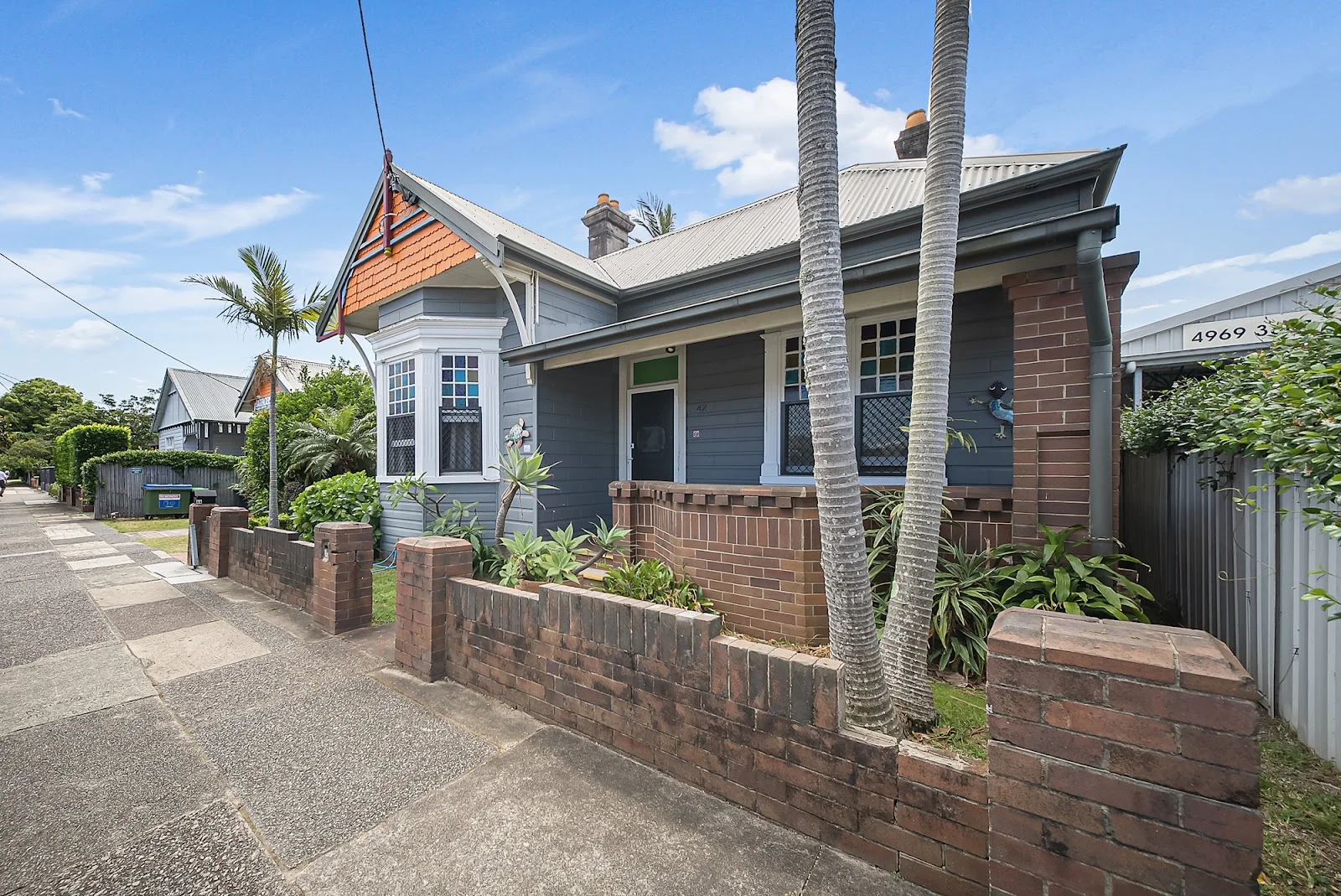 $2,000,000
propertyType.BLOCK OF UNITS
$2,000,000
propertyType.BLOCK OF UNITS
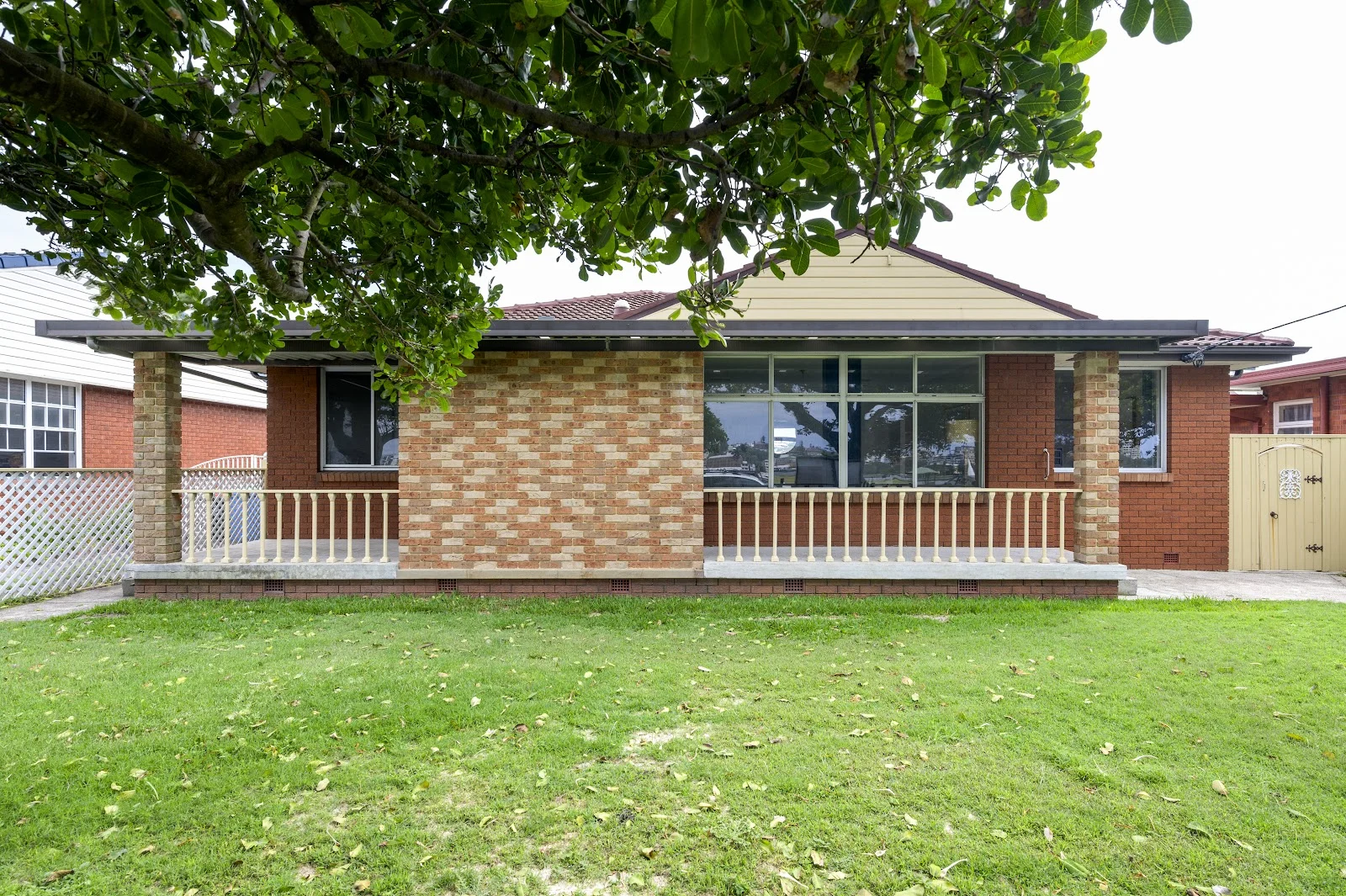 $2,500,000
House
$2,500,000
House
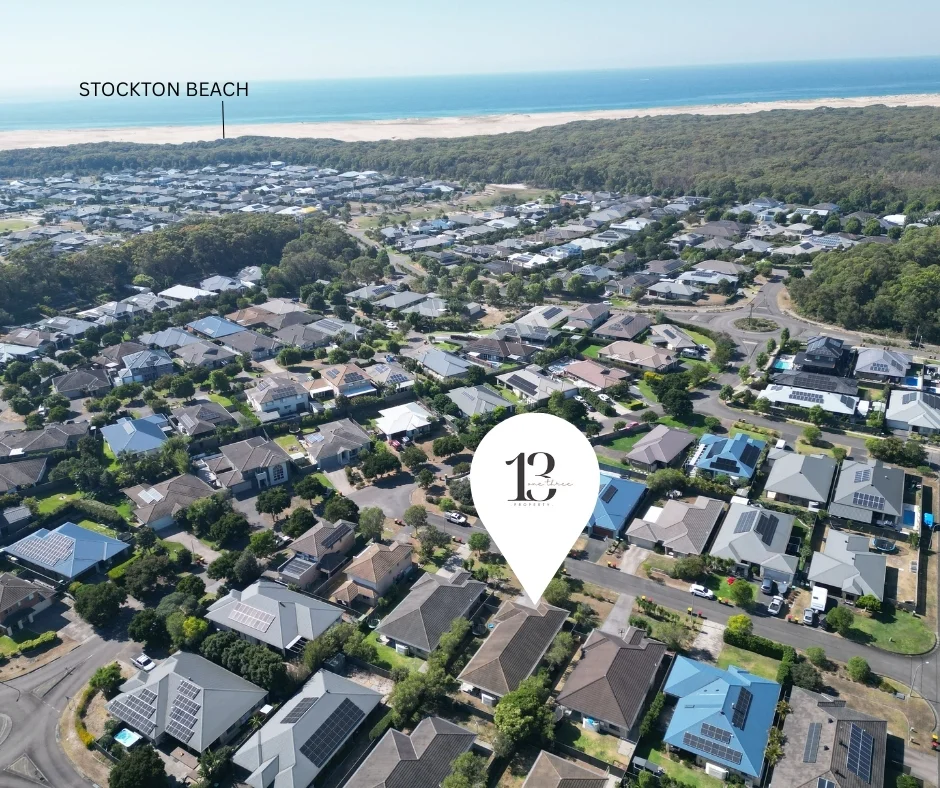 $900,000 - $990,000
House
$900,000 - $990,000
House


