## 1. Overview (1–2 paragraphs max)
Kotara High School is a public, co-educational high school serving the Kotara and surrounding Newcastle area. It provides education for Years 7–12 with a focus on preparing students for both tertiary and vocational pathways. The school is a medium-sized community that blends academic endeavour with a strong sense of team spirit and participation in sport and the arts.
The atmosphere is inclusive and supportive, with mid-sized class environments that encourage collaboration and individual growth. Students are encouraged to engage across academics, sport, and culture in a respectful, community-focused setting.
---
## 2. Academics & Learning
- Academic strengths: A strong focus on STEM and English, with opportunities to pursue leadership development and languages as part of the broader curriculum.
- Special programs: Gifted and Talented Education (GATE) and enrichment pathways are available to appropriate students, along with accelerated learning options where offered.
- NAPLAN / trends: Recent years show stable to positive trends in reading and numeracy, with steady progress for students across year levels.
- Student-teacher ratios: Class sizes typically sit in the mid-20s, with additional learning support and guidance available through a dedicated staff.
- Support for diverse learners: EAL support for students from non-English-speaking backgrounds and targeted support for students with special needs (SEN), including in-class accommodations and learning support services.
---
## 3. Sports & Extracurricular Strengths
- Sports offered: Rugby league, soccer, basketball, netball, cricket, athletics, swimming, tennis, and more.
- Strong teams or achievements: Active participation in local competitions with competitive school teams across several sports.
- Music, arts, drama programs: Instrumental music programs, school choir, drama productions, and performing arts opportunities.
- Clubs: Robotics, chess, coding, debating, and other interest-based clubs to support diverse talents.
- Partnerships: Connections with local clubs and regional competitions to broaden pathways in sport, tech, and arts.
---
## 4. Wellbeing & Pastoral Care
- Anti-bullying approach: Clear anti-bullying policies and proactive wellbeing supports to foster a safe learning environment.
- House system: A house framework to build community, leadership opportunities, and peer mentoring across year levels.
- Counsellors / wellbeing officers: Access to school counsellors and wellbeing staff to support academic and personal wellbeing.
- Transition support for new students: Orientation activities and targeted transition programs to help new students settle in smoothly.
---
## 5. Facilities
- Sports grounds: On-site sports facilities and fields for team activities.
- Libraries: A dedicated library for study, research, and quiet reading.
- Science labs: Modern science laboratories to support experiments and practical learning.
- Music/performing arts centers: Spaces for music rehearsals and drama performances.
- Tech/innovation labs: Access to technology and innovation spaces for coding, robotics, and digital projects.
- Cafeteria: On-site canteen facilities for students.
- Updated playgrounds: Well-maintained outdoor spaces for recreation and breaks.
---
## 6. School Values & Community Culture
- School values / mission: Emphasis on respect, integrity, excellence, and inclusion within a collaborative learning community.
- Leadership style: Student voice is encouraged alongside teacher guidance; leadership roles are available through student councils and activity coordinators.
- Behaviour expectations: Clear expectations for positive behaviours for learning, with consistent routines and fair disciplinary processes.
- Community reputation: Known for a friendly, supportive environment with a focus on student growth and community involvement.
- Diversity & inclusion: Commitment to a diverse and inclusive school culture with opportunities for all students to participate and thrive.
---
## 7. School Logistics & Daily Operations
- School hours: Typical daytime schedule aligned with NSW public school hours; start and finish times may vary by year level and activity.
- Before/after school care: OSHC or external providers may offer before/after school care arrangements.
- Uniform requirements: School uniform is expected; details available through enrolment information.
- Transport (train/bus routes): Accessible via local bus routes and Newcastle transport networks; proximity to stops and routes will be outlined in school communications.
- Canteen availability: On-site canteen or cafe service for meals and snacks.
- Fees (low/medium/high ranges): Public high schools in NSW have no tuition fees; there are voluntary contributions and costs for certain items (e.g., excursions, materials, uniform) that can vary by year level and activity.
---
## 8. Enrolment & Admissions
11. What is the enrolment process and timeline?
- Enrolment is managed through the NSW Department of Education with Kotara High School. Submit an application with required documentation (proof of identity, proof of residency within the catchment, immunisation history, etc.). Timelines vary by intake (e.g., Year 7) and can involve a waiting period for in-demand periods.
12. Is there a waiting list, and how does it work?
- Public high school placements consider catchment boundaries and space. If oversubscribed, priority is determined by enrolment policies; in some cases there may be waiting lists or allocations based on address and availability.
13. Are there any entry requirements, tests, or interviews?
- There is no general entry exam for public high schools. Some programs or selective offerings may involve brief applicant discussions or information gathering, but standard admissions do not rely on entrance tests.
14. Does the school accept mid-year transfers?
- Mid-year transfers are possible depending on space and capacity. Families seeking mid-year placement should contact the school’s enrolment office to discuss availability and required documentation.
---
## 9. Frequently Asked Questions
- Why Parents Choose This School?
- A welcoming public high school with a balanced focus on academics, wellbeing, and community involvement, plus a range of extracurricular opportunities.
- What type of student thrives at this school?
- Students who are engaged, respectful, and curious; those who enjoy a well-rounded program with opportunities to explore academics, sport, and the arts.
- What opportunities are available for students to extend their skills (academics, sports, arts)?
- Enrichment programs (e.g., GATE), accelerated pathways, leadership roles, robust sports teams, performing arts productions, music programs, robotics and coding clubs, debating, and competitions.
- How does the school communicate with parents?
- Through newsletters, emails, school apps/portals, parent-teacher interviews, and regular updates from teachers and the school leadership.
- What is the school’s approach to teaching and learning?
- Student-centred, with differentiation to meet a range of abilities; emphasis on core literacy and numeracy, practical and collaborative learning, and technology-enabled instruction.
- How does the school support students who need extra academic help?
- Learning support services, targeted interventions, EAL and SEN support, and access to learning support staff and counsellors.
- What support is available for academic challenges?
- Additional tutoring, study resources, and structured support plans coordinated by learning support teams.
- How does the school communicate with parents? (redundant; same as above, but covered)
- See above; multiple channels used for timely information and engagement.
- What are the class sizes and how much individual attention do students receive?
- Class sizes are typically mid-20s, with teacher-led instruction and opportunities for individual or small-group support through learning support staff and guidance.
- What extracurricular and sports opportunities are available?
- Broad offering across sports (team and individual), music and drama, robotics, chess, coding, debating, and other clubs to suit varied interests.
- What facilities does the school offer (sports, science, arts)?
- Sports grounds, libraries, science labs, music/performing arts spaces, tech/innovation labs, canteen, and updated outdoor areas.
- What is the school’s approach to technology and digital learning?
- Integration of digital tools into the curriculum, with access to computer labs and online platforms to support learning and collaboration.
- What transport and accessibility options are available?
- Local bus routes and Newcastle transport connections; school communications will provide route details and accessibility information.
- What are the typical school fees or additional costs?
- No tuition fees for public schooling; there are voluntary contributions and costs for specific activities, uniforms, and excursions.
---
## 10. Short Pros & Cons list
- Pros
- Public, supportive, and inclusive community
- Balanced focus on academics, sports, and the arts
- Range of enrichment programs and clubs
- Accessible to families via local transport
- Emphasis on wellbeing and student voice
- Cons
- Class sizes mid-20s (not extremely small)
- Some programs may have additional costs (excursions, materials)
- Availability of some specialist programs may depend on year level or space






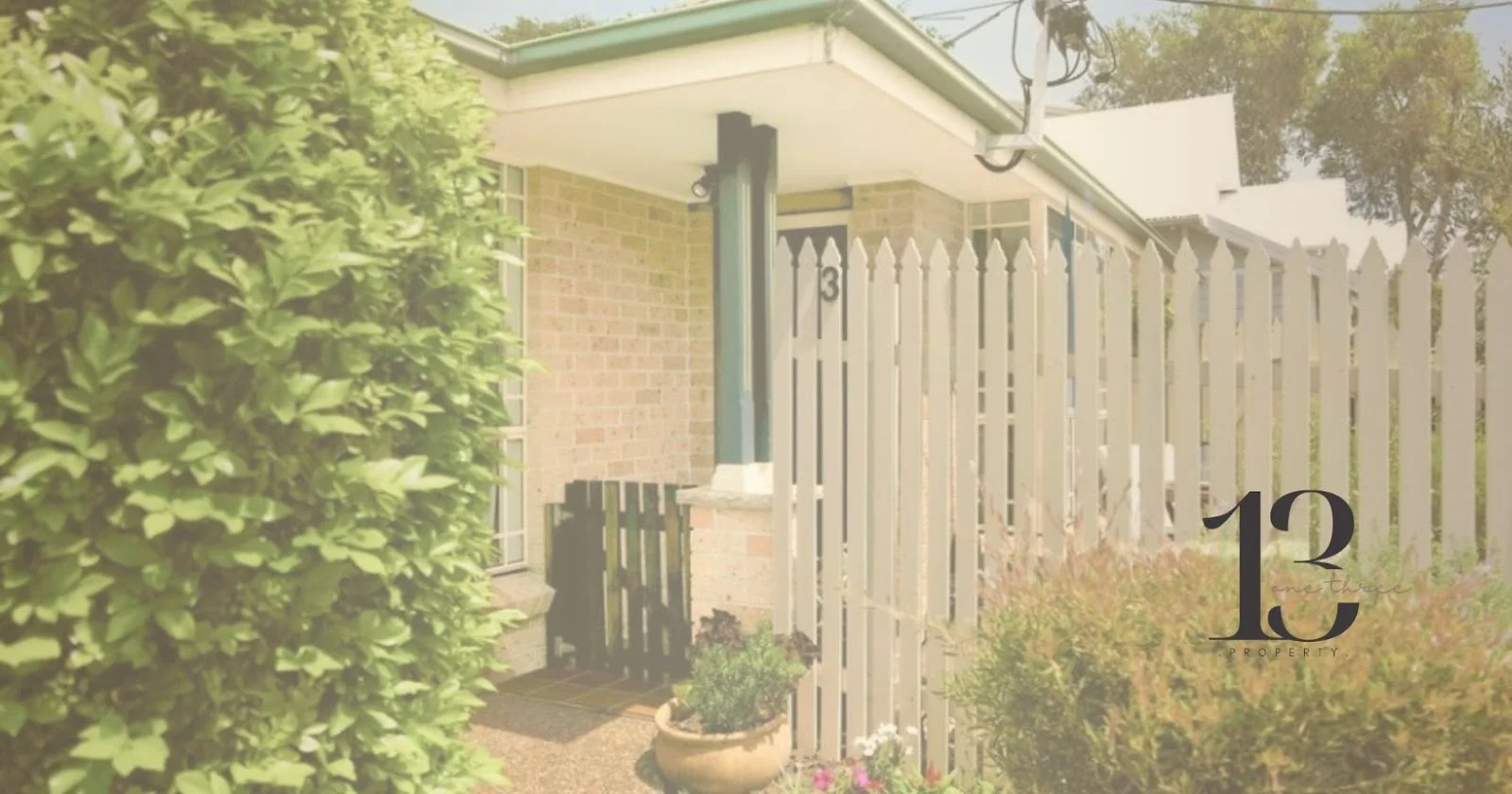 $795,000
Townhouse
$795,000
Townhouse
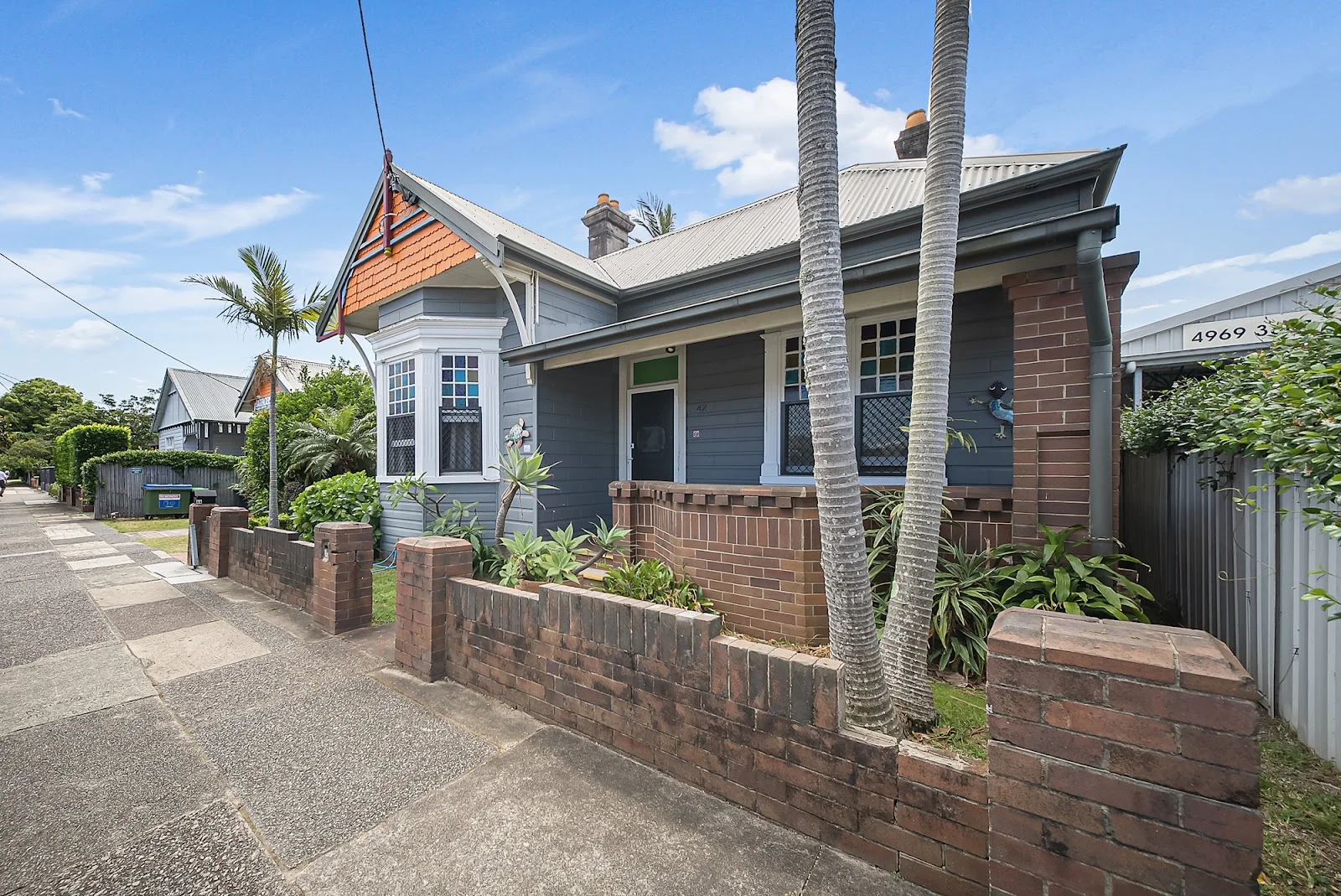 $2,000,000
propertyType.BLOCK OF UNITS
$2,000,000
propertyType.BLOCK OF UNITS
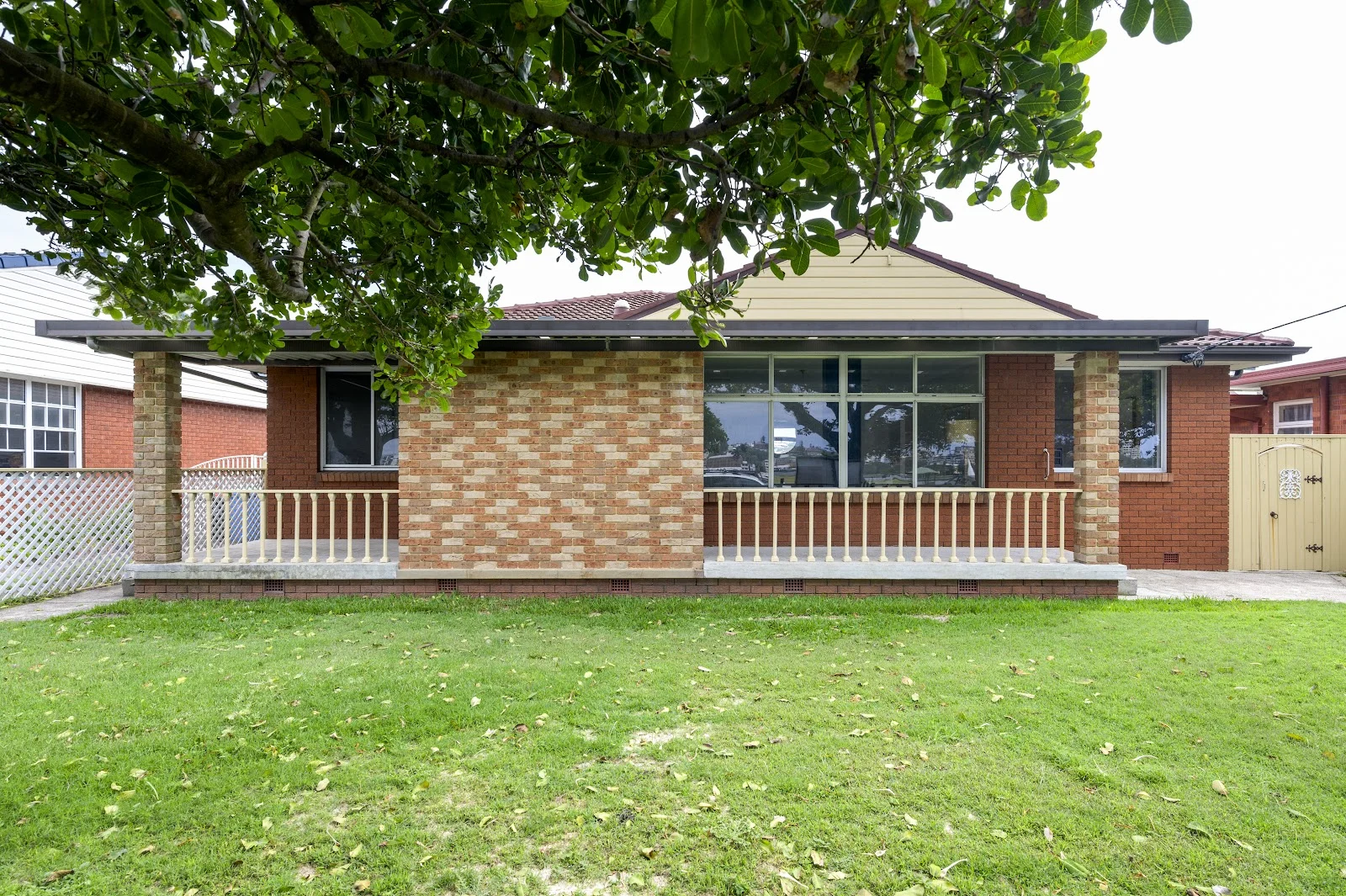 $2,500,000
House
$2,500,000
House
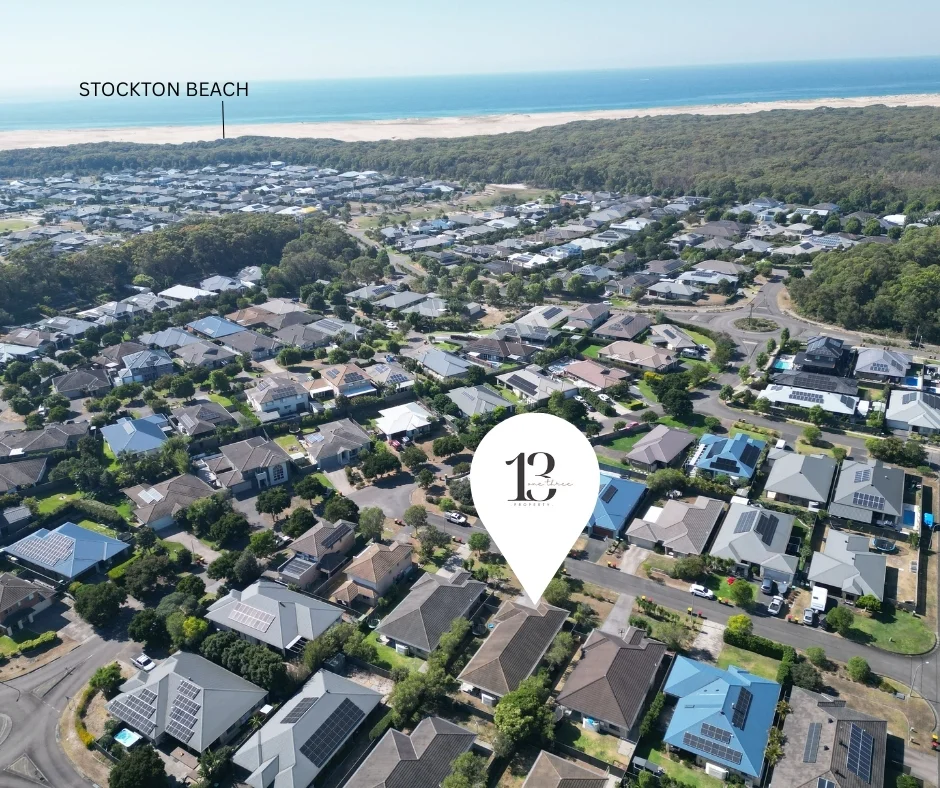 $900,000 - $990,000
House
$900,000 - $990,000
House


