## 1. Overview
St James’ Primary School is a Catholic co-educational primary school serving the Kotara South community. It aims to provide a faith-filled, inclusive learning environment for students from Kindergarten to Year 6, focusing on holistic growth and the development of each child.
The school is small to medium in size, with class sizes typically around 20–25 students. The atmosphere is nurturing, inclusive, and community-minded, emphasising pastoral care, values-based education, and a supportive learning culture.
## 2. Academics & Learning
- Academic strengths: Strong literacy and numeracy foundations within a NSW curriculum framework, with integration of faith-based education and opportunities across STEM and creative arts.
- Special programs: Gifted and Talented provisions (where available), ICT and coding opportunities, and English as an Additional Language (EAL) or SEN support as needed.
- NAPLAN trends: The school monitors NAPLAN results over time to inform teaching, aiming for steady progress and continued improvement year to year.
- Student-teacher ratios: Typical NSW primary ranges, often around 1:10 to 1:25 depending on year level and class.
- Support for diverse learners: Inclusive education approach with targeted support for diverse learners, including EAL and students with additional learning needs.
## 3. Sports & Extracurricular Strengths
- Sports offered: A range of team and individual sports, including soccer, netball, basketball, cricket, athletics, and swimming through school programs and local competitions.
- Strong teams or achievements: Participation in local and diocesan events with opportunities to represent the school in inter-school carnivals and zone competitions.
- Music, arts, drama programs: Active music and performing arts activities such as choir, school concerts, and drama initiatives.
- Clubs: Robotics, chess, coding, debating, and other enrichment clubs are commonly available.
- Partnerships: Connections with local clubs, sporting associations, and regional competitions to broaden opportunities for students.
## 4. Wellbeing & Pastoral Care
- Anti-bullying approach: Positive behaviour policies and wellbeing frameworks that promote respect, safety, and inclusivity.
- House system: House groups support camaraderie, teamwork, and school spirit during events and celebrations.
- Counsellors / wellbeing officers: Access to school wellbeing staff or counsellors to support student welfare and mental health.
- Transition support for new students: Orientation activities, buddy programs, and gradual transition procedures to help new students settle in.
## 5. Facilities
- Sports grounds
- Libraries
- Science labs
- Music / performing arts spaces
- Tech / innovation labs
- Canteen
- Updated playgrounds
## 6. School Values & Community Culture
- School values / mission: Catholic values such as faith, respect, responsibility, service, and community-mindedness underpin daily life and learning.
- Leadership style: Collaborative leadership with opportunities for student voice and leadership roles (e.g., student councils or leadership activities).
- Behaviour expectations: Clear codes of conduct based on respect, integrity, and accountability.
- Community reputation: Known for a supportive, engaged parent and family community and a welcoming culture for families from diverse backgrounds.
- Diversity & inclusion: Commitment to inclusive practices and welcoming students from various backgrounds and abilities.
## 7. School Logistics & Daily Operations
- School hours: Day runs across a typical primary schedule with supervision before and after school; exact times may vary by year group.
- Before/after school care: Available through school arrangements or local providers.
- Uniform requirements: Formal school uniform with seasonal options; details provided by the school.
- Transport (train/bus routes): Accessible via local bus routes and practical drop-off arrangements; specifics depend on location and route availability.
- Canteen availability: On-site canteen or lunch program on selected days.
- Fees (low/medium/high ranges): Fees for Catholic primary schools vary; families should check the current schedule with the school for precise amounts. Government assistance or subsidies may be available for eligible families.
## 8. Enrolment & Admissions
### 11. What is the enrolment process and timeline?
- Submit an enrolment application with required documents (birth certificate, baptism certificate if applicable, immunisation records, previous school reports).
- Attend information sessions or open days if offered.
- The timeline varies; there are intake periods for start-of-year admissions and potential year-round enquiries depending on place availability.
### 12. Is there a waiting list, and how does it work?
- Waiting lists may apply when year-level places are full. The length of the wait varies by year and intake period. Families are advised to contact the school to understand current waiting times and any priority placement policies.
### 13. Are there any entry requirements, tests, or interviews?
- Entry interviews or discussions with families are common to assess fit with the school’s ethos and learning needs. There are typically no formal competitive entrance exams for primary years, but schools may review readiness and prior records.
### 14. Does the school accept mid-year transfers?
- Mid-year transfers are considered depending on place availability and alignment with the enrolment process. Prospective families should contact the school early to discuss options and required steps.
## 9. Frequently Asked Questions
- Why Parents Choose This School?
- A values-based Catholic education in a caring, supportive community with a focus on holistic development, strong academic foundations, and broad extracurricular opportunities.
- What type of student thrives at this school?
- Students who respond well to a nurturing, faith-inspired environment, enjoy collaborative learning, and participate in a range of academic, sporting, and arts activities.
- What opportunities are available for students to extend their skills (academics, sports, arts)?
- Enrichment in literacy, numeracy, and STEM; gifted and talented options where available; competitive and recreational sports; music, drama, and arts programs; coding and robotics clubs; debating and public speaking.
- How does the school communicate with parents?
- Regular newsletters, emails, parent-teacher meetings, school portals, and updates from class teachers and the leadership team.
- What is the school’s approach to teaching and learning?
- A NSW curriculum-based approach with a blend of explicit instruction, inquiry-driven learning, integrated religious education, and emphasis on wellbeing and student engagement.
- How does the school support students who need extra academic help?
- Targeted learning support, EAL assistance, SEN support, small-group intervention, and coordinated plans to help students access the curriculum.
- What support is available for academic challenges?
- Access to teachers, learning support staff, and appropriate interventions; ongoing assessment to tailor support; collaboration with families.
- How does the school communicate with parents?
- See above: newsletters, portals, meetings, and direct updates from teachers.
- What are the class sizes and how much individual attention do students receive?
- Typical primary class sizes around 20–25 students, enabling manageable group work and some level of individual teacher attention within the classroom.
- What extracurricular and sports opportunities are available?
- A broad range of sports (team and individual), plus music, drama, and various clubs such as robotics, chess, coding, and debating.
- What facilities does the school offer (sports, science, arts)?
- Comprehensive facilities including sports grounds, libraries, science labs, music/arts spaces, tech/innovation labs, and a canteen with updated playgrounds.
- What is the school’s approach to technology and digital learning?
- Integration of digital literacy and technology into learning, with access to devices and coding/ICT opportunities as part of the curriculum.
- What transport and accessibility options are available?
- Local bus routes and practical drop-off/pick-up arrangements; accessibility considerations addressed as part of school logistics.
- What are the typical school fees or additional costs?
- Fees vary by year and family circumstances; current figures should be obtained from the school. Government concessions or assistance may be available for eligible families.
## 10. Short Pros & Cons
- Pros
- Catholic values and inclusive, caring community
- Small-to-medium class sizes fostering individual attention
- Broad range of academics, arts, and sports
- Strong wellbeing and pastoral care
- Updated facilities and a supportive environment for diverse learners
- Cons
- Fees applicable for Catholic schooling; not free
- Enrolment may be competitive with waiting lists in some year levels
- Specific programs and clubs may vary by year and staffing
- Transport options depend on local routes and can be a consideration for some families






 $795,000
Townhouse
$795,000
Townhouse
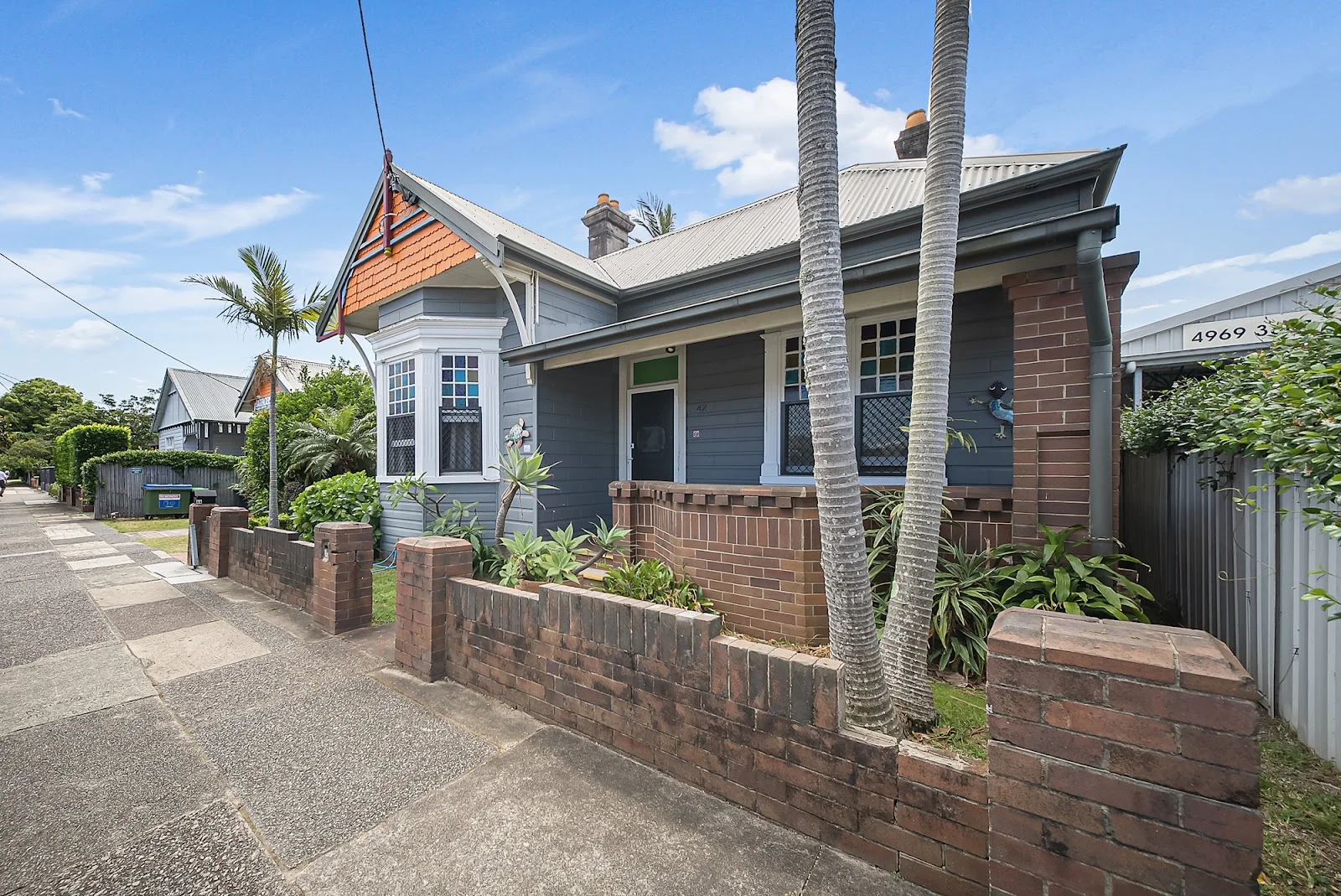 $2,000,000
propertyType.BLOCK OF UNITS
$2,000,000
propertyType.BLOCK OF UNITS
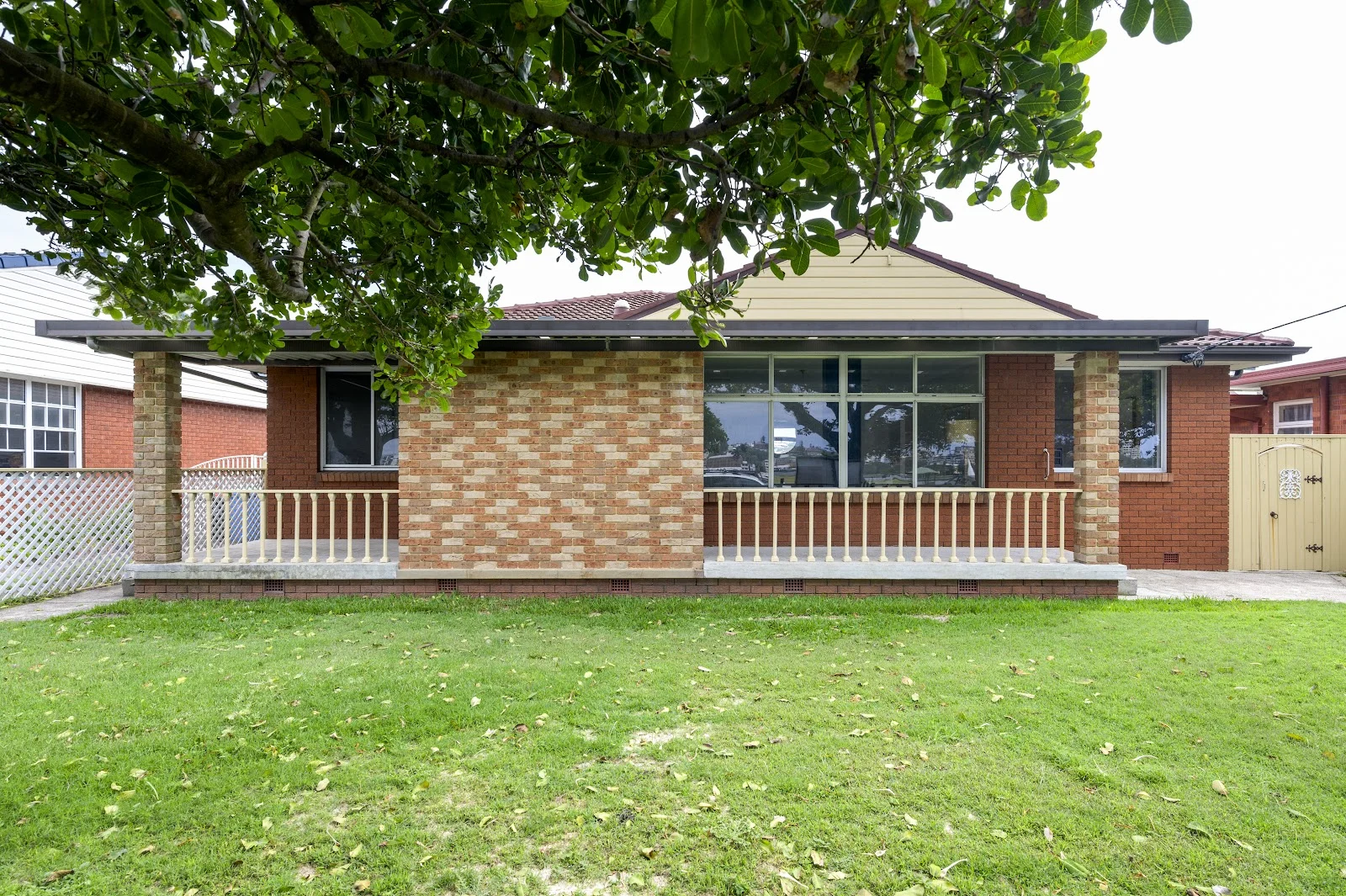 $2,500,000
House
$2,500,000
House
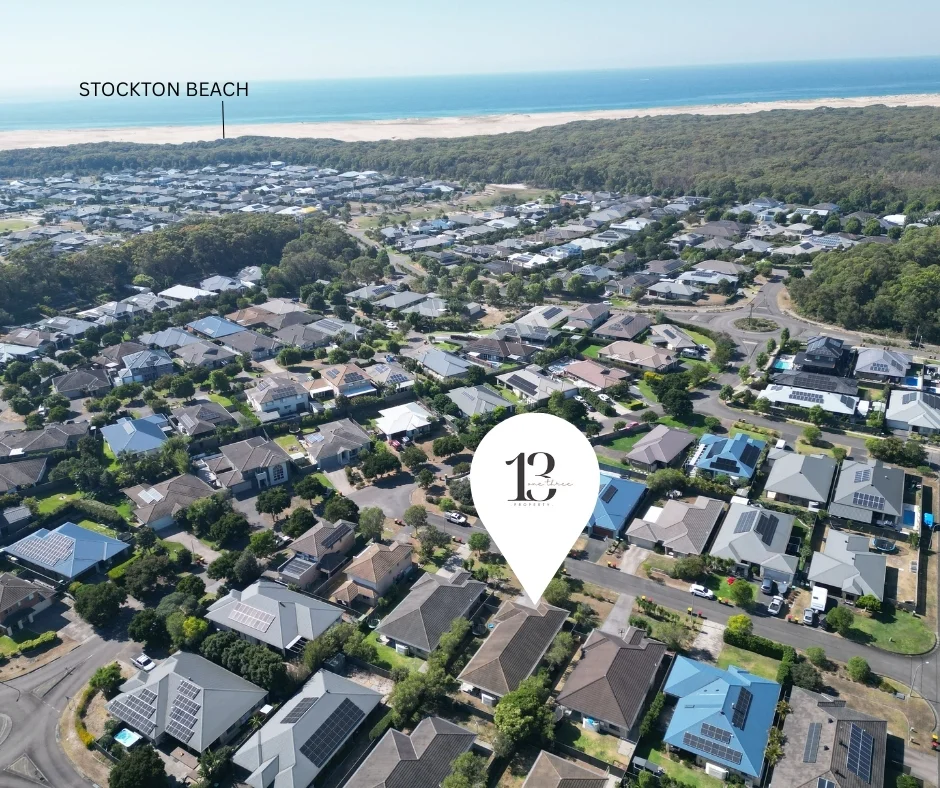 $900,000 - $990,000
House
$900,000 - $990,000
House


