## 1. Overview
New Lambton Heights Infants School is a public NSW primary school serving early years (K–2). The school emphasizes a nurturing, inclusive learning environment where young students build strong foundations in literacy and numeracy, while developing curiosity and social skills. With a small to medium school footprint, class sizes are kept to a level that supports individual attention and collaboration, fostering a warm, welcoming atmosphere.
- School type: Public
- School size: Small to medium
- Class size: Typically around 20–24 students per class
- Atmosphere/culture: Nurturing, inclusive, academically focused on foundational skills and wellbeing
⸻
## 2. Academics & Learning
New Lambton Heights Infants School focuses on delivering the NSW curriculum with an emphasis on strong literacy and numeracy foundations, alongside opportunities to explore STEM concepts, creative arts, and digital literacy from an early age. The school supports a balanced approach to learning, encouraging inquiry, collaboration, and responsible digital citizenship.
- Academic strengths: Early literacy and numeracy, foundational STEM thinking, creative arts, and language exposure
- Special programs: Gifted and Talented initiatives and targeted learning supports; opportunities for accelerated learning where appropriate
- NAPLAN / trend context: NAPLAN is not applicable to K–2 students; progress is tracked via internal assessments and progress reports to monitor growth over time
- Student-teacher ratios: Class sizes of ~20–24 students; supportive staffing includes teacher aides to enable small-group instruction
- Support for diverse learners: EAL support and inclusive education practices; dedicated support for students with additional learning needs
⸻
## 3. Sports & Extracurricular Strengths
The school provides a varied program of physical activity and enrichment to complement classroom learning. In addition to regular PE lessons, students engage in age-appropriate team activities and school-wide events. Extracurricular opportunities may include after-school clubs and cultural or performing arts experiences.
- Sports offered: Core PE programs; participation in local sports days and school-wide fitness activities
- Strong teams or achievements: Participation in district and interschool events as appropriate for the age group
- Music, arts, drama programs: Regular music and performing arts experiences; school assemblies and concerts
- Clubs: Lunchtime or after-school clubs may include coding, robotics, chess, or debating depending on staffing
- Partnerships: Local community groups and NSW DoE activities and competitions through the year
⸻
## 4. Wellbeing & Pastoral Care
Wellbeing and pastoral care are central to the school, with a focus on positive relationships, respectful behaviour, and safe learning environments. The school uses proactive strategies to support mental health, resilience, and social skills.
- Anti-bullying approach: Whole-school Positive Behaviour for Learning framework and restorative practices
- House system: House groups used to promote teamwork, events, and friendly competition
- Counsellors / wellbeing officers: Access to welfare staff and school-based wellbeing supports
- Transition support for new students: Orientation activities, buddy/befriender programs, and gradual transitions between cohorts
⸻
## 5. Facilities
The school workspace is designed to be engaging and safe, with spaces that support early learning and exploration. Visual, practical spaces help stimulate curiosity and collaboration.
- Sports grounds: Outdoor play areas and active spaces
- Libraries: Age-appropriate library facilities and resources
- Science labs: Suitable science learning spaces for early experiments and discovery
- Music/performing arts centers: Dedicated spaces or multipurpose rooms for music and drama
- Tech/innovation labs: Computers or devices for early digital learning and coding activities
- Cafeteria: Access to a canteen or lunch service
- Updated playgrounds: Well-maintained play areas and equipment
⸻
## 6. School Values & Community Culture
The school cultivates a community-focused culture grounded in respect, responsibility, curiosity, and collaboration. Leadership is typically collaborative, with staff, students, and families encouraged to work together to support learning and wellbeing. Behavior expectations are clear, consistent, and based on positive, restorative approaches.
- School values / mission: Focus on inclusivity, curiosity, resilience, and respect
- Leadership style: Shared/consultative leadership with involvement from staff and community
- Behaviour expectations: Positive behaviour framework with restorative practices
- Community reputation: Positive, supportive, and engaged parent and local community
- Diversity & inclusion: Strong emphasis on welcoming diverse families and supporting all learners
⸻
## 7. School Logistics & Daily Operations
Key day-to-day details help families plan and participate in school life.
- School hours: Typical primary school day with start and finish times aligned to NSW DoE timetables; check exact hours with the school
- Before/after school care: OSHC or external providers commonly available
- Uniform requirements: School uniform required for daily wear; sport uniform for PE; hats and secure items as per school policy
- Transport: Local bus routes and public transport options; proximity to train or bus networks depending on location
- Canteen availability: Canteen or lunch-order options often available or via external providers
- Fees: Low to medium with minimal voluntary contributions and item costs for excursions or activities
⸻
## 8. Enrolment & Admissions
11. What is the enrolment process and timeline?
- Enrolment is typically initiated through the NSW public school system for the local catchment. Parents complete the school’s enrolment form, provide required documents (birth certificate, immunisation, proof of address), and submit within the school’s documented timeline. The school will confirm acceptance and outline the transition schedule, including orientation events.
12. Is there a waiting list, and how does it work?
- Waiting lists can operate when a cohort is full. Prioritisation usually considers catchment eligibility and availability. The school enrolment team will advise on wait‑list placement and expected timelines. Non-catchment enrollments are considered if spaces remain.
13. Are there any entry requirements, tests, or interviews?
- For K–2 enrollment, entry tests and formal interviews are not typical. Some informal screenings or parent interviews may occur to understand needs and plan support, but there are no standard entrance tests.
14. Does the school accept mid-year transfers?
- Mid-year transfers are possible if there is space and the receiving year cohort can accommodate the student. Parents should contact the school promptly to arrange documentation and transition planning.
⸻
## 9. Frequently Asked Questions
- Why Parents Choose This School?
- A nurturing, inclusive environment with a strong focus on foundational literacy and numeracy, student wellbeing, and family involvement.
- What type of student thrives at this school?
- Curious, cooperative learners who respond well to a supportive, collaborative approach and value a strong sense of community.
- What opportunities are available for students to extend their skills (academics, sports, arts)?
- Early literacy/numeracy development, introductory STEM and digital learning, music and arts experiences, and after-school clubs where available.
- How does the school communicate with parents?
- Regular updates through newsletters, parent meetings, parent portals, and open channels with teachers and administration.
- What is the school’s approach to teaching and learning?
- A NSW curriculum-based approach with emphasis on inquiry, collaboration, and ongoing assessment to guide instruction.
- How does the school support students who need extra academic help?
- Targeted learning support, EAL programs, and inclusion practices through the Learning and Support Team.
- What support is available for academic challenges?
- Individual and small-group interventions, progress monitoring, and coordination with families to plan next steps.
- How does the school communicate with parents? (duplicate)
- See above: newsletters, meetings, portals, and direct teacher communication.
- What are the class sizes and how much individual attention do students receive?
- Class sizes around 20–24; additional teacher aides support small-group and targeted instruction.
- What extracurricular and sports opportunities are available?
- PE programs, school events, and after-school clubs (coding, robotics, chess) where staffing allows.
- What facilities does the school offer (sports, science, arts)?
- Sports grounds, libraries, science spaces, music/drama facilities, and tech/innovation spaces.
- What is the school’s approach to technology and digital learning?
- Early exposure to digital literacy, classroom technology integration, and careful supervision to support learning.
- What transport and accessibility options are available?
- Local transport options (bus/train) and accessible school entrances; check specific routes with NSW Transport.
- What are the typical school fees or additional costs?
- Public schools have low fees; expect minimal voluntary contributions and costs for certain activities or excursions.
⸻
## 10. Short Pros & Cons list
- Pros
- Public school with a nurturing, inclusive environment
- Strong focus on foundational literacy and numeracy
- Small to medium class sizes with teacher aides for support
- Comprehensive wellbeing and transition programs
- Broad range of facilities and opportunities for enrichment
- Cons
- As an infant-focused school, opportunities for older-year programs are limited on site
- Some after-school clubs and activities depend on staffing and supervision
- Canteen and extracurricular offerings may vary by year and term
- Uniform and school policy requirements require ongoing parent coordination
⸻





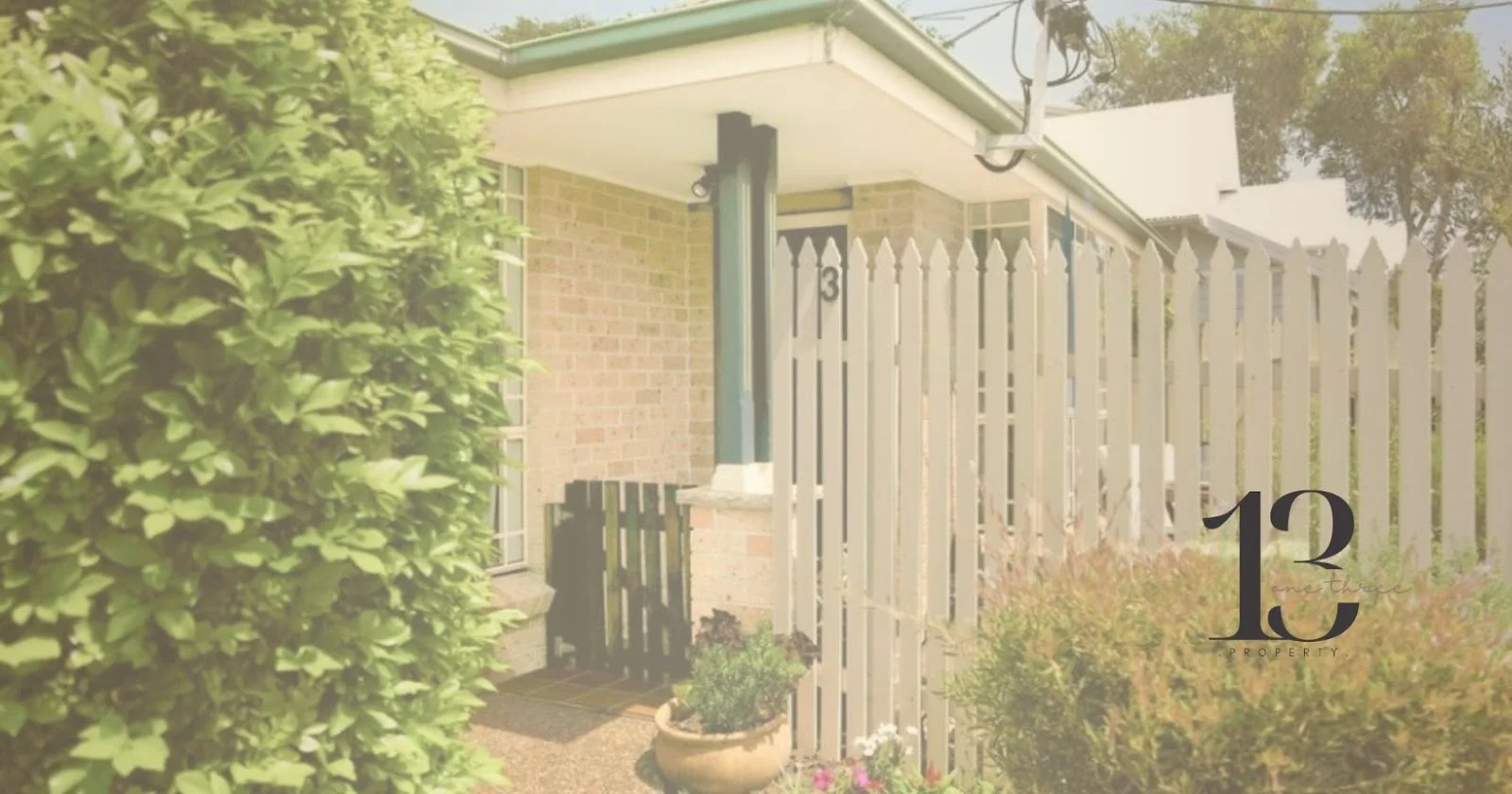 $795,000
Townhouse
$795,000
Townhouse
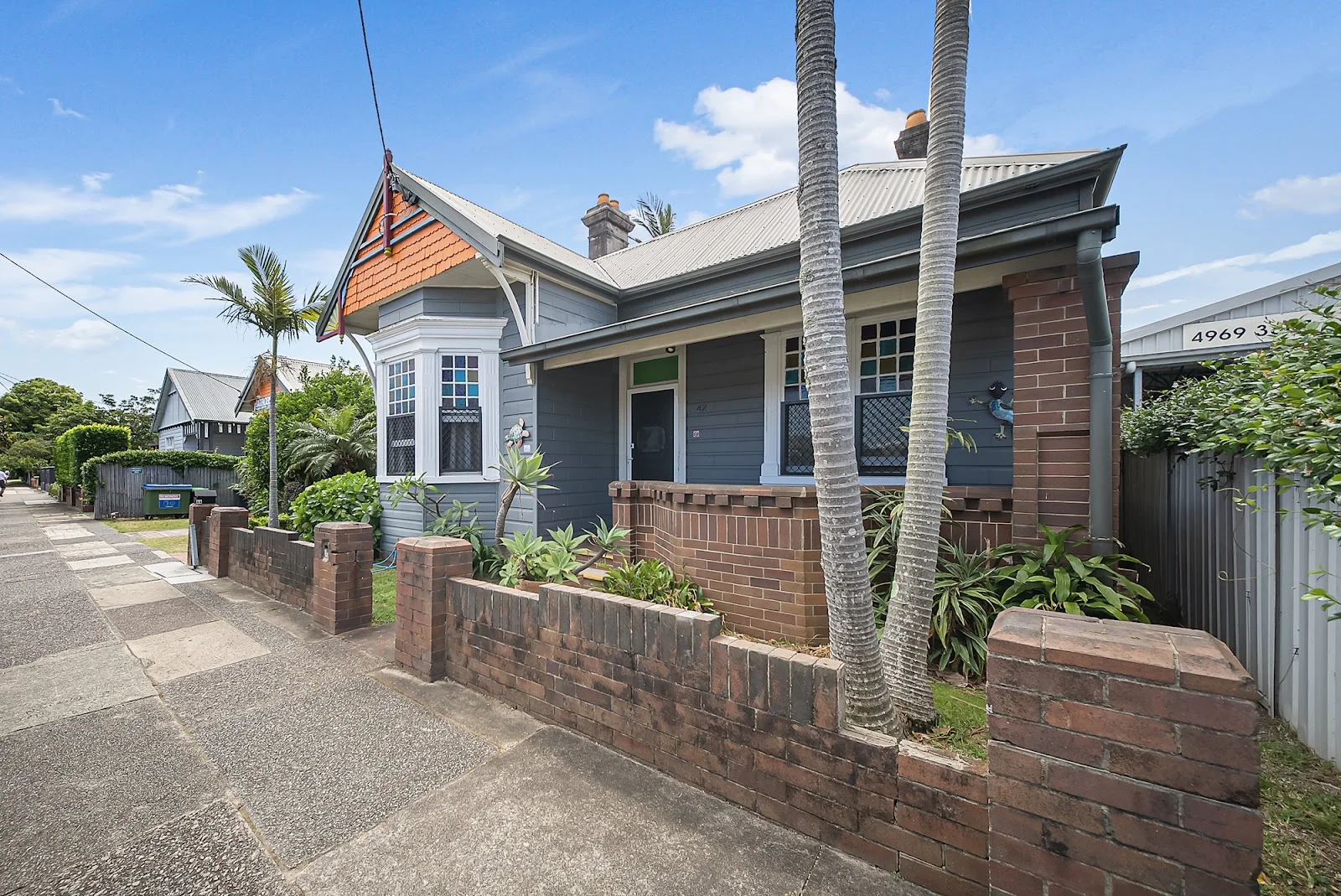 $2,000,000
propertyType.BLOCK OF UNITS
$2,000,000
propertyType.BLOCK OF UNITS
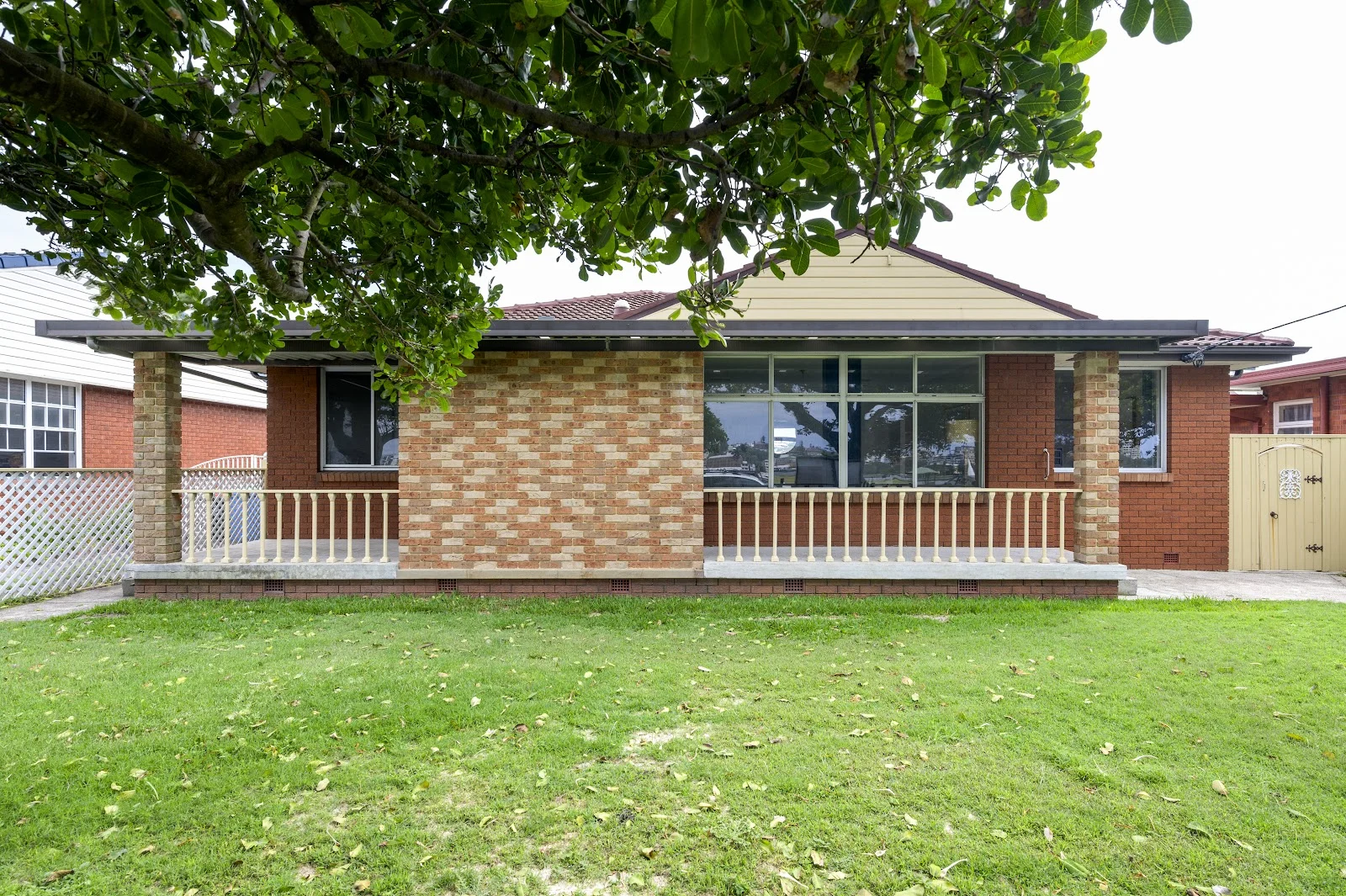 $2,500,000
House
$2,500,000
House
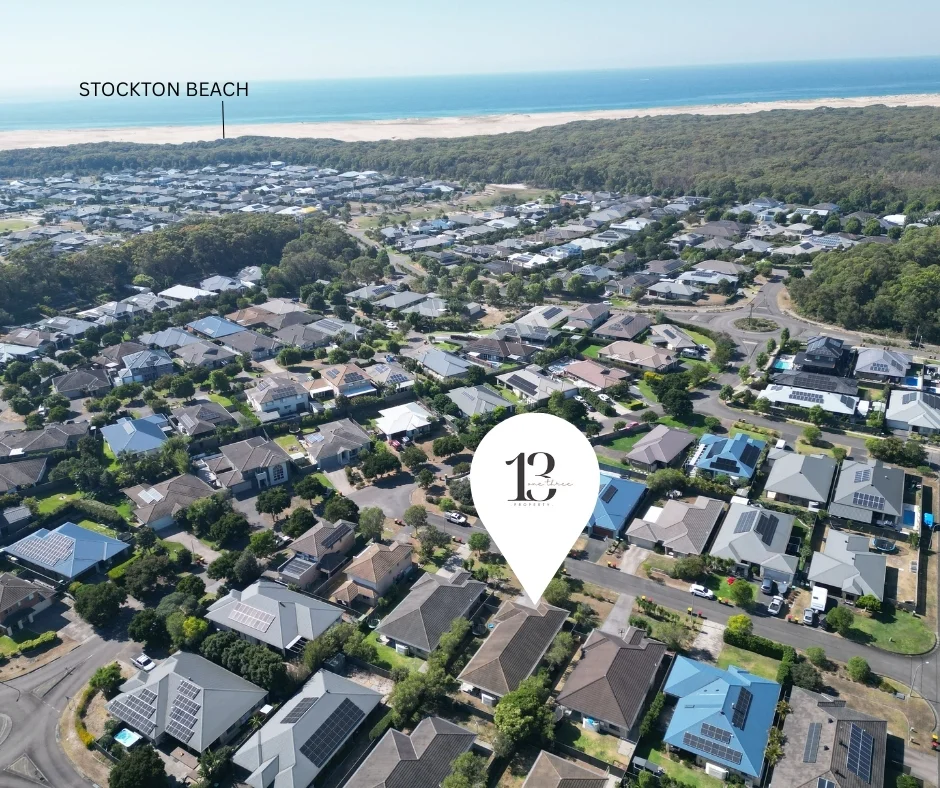 $900,000 - $990,000
House
$900,000 - $990,000
House


