Overview
## 1. Overview
Kyeemagh Public School is a public, co-educational primary school serving the local Kyeemagh community. As a small school, it focuses on building a close-knit, supportive culture where students feel seen and valued. Class sizes are typically around 20–22 students, allowing teachers to tailor learning and provide regular feedback. The atmosphere is nurturing and inclusive, with an emphasis on a balanced program that supports academic growth, creativity, sport, and community involvement.
---
## 2. Academics & Learning
- Academic strengths: Strong literacy and numeracy foundations, with a clear emphasis on reading, writing, and critical thinking. STEM and science inquiry are integrated across year levels, alongside purposeful use of technology to enhance learning.
- Special programs: Differentiated instruction within the NSW syllabus, EAL/D (English as an Additional Language/Dialect) support where needed, and opportunities for student leadership and collaborative projects. Some years may offer targeted extension or gifted/talented opportunities where available.
- NAPLAN trends: Trends over recent years show steady performance in reading, writing, and numeracy, with occasional improvements in writing and data-informed planning guiding classroom supports.
- Student-teacher ratios: Approximately 1:20, with teacher aides supporting targeted small-group learning where appropriate.
- Support for diverse learners: Strong emphasis on inclusive education, with EAL/D and SEN support to help students access the curriculum and reach their individual learning goals.
---
## 3. Sports & Extracurricular Strengths
- Sports offered: Soccer, AFL/league-style activities, netball, basketball, athletics, cricket, and cross-country events, with opportunities for regular inter-school sport.
- Strong teams or achievements: Participation in local inter-school competitions and regional events; emphasis on teamwork, skill development, and school pride rather than only results.
- Music, arts, drama programs: School choirs, music, and performing arts activities; opportunities to participate in school productions and concerts.
- Clubs: Robotics, coding, chess, debating, and other student-led clubs encouraged as part of after-school options.
- Partnerships: Local clubs and community groups provide additional pathways for competitions and enrichment (e.g., coding/robotics programs and external showcases).
---
## 4. Wellbeing & Pastoral Care
- Anti-bullying approach: Clear policies and student wellbeing programs aimed at creating a safe, respectful environment; regular reminders and student voice are encouraged.
- House system: House groups foster belonging, leadership, and healthy competition (e.g., Red, Blue, Green, Yellow houses).
- Counsellors / wellbeing officers: Access to school-based wellbeing support and guidance; partnerships with external services as needed.
- Transition support for new students: Buddy programs, orientation activities, and gradual integration plans to help new students settle in.
---
## 5. Facilities
- Sports grounds: On-site playing fields and courts for daily activity and fixtures.
- Libraries: A dedicated library space supporting reading for enjoyment and research.
- Science labs: Basic science resources and practical experiments aligned with the NSW syllabus.
- Music/performing arts centers: Space for music and cultural performances (where available).
- Tech/innovation labs: ICT resources and digital learning environments to support coding and STEAM activities.
- Cafeteria: On-site canteen or lunch service for student purchases and hot meals.
- Updated playgrounds: Safe, age-appropriate play areas supporting physical activity and play-based learning.
---
## 6. School Values & Community Culture
- School values / mission: Emphasis on Respect, Responsibility, Inclusion, and Collaboration as central to school life.
- Leadership style: Student leadership opportunities (e.g., student council, peer leaders) supported by staff; a collaborative, consultative approach to school improvement.
- Behaviour expectations: Clear code of conduct with consistent expectations, positive reinforcement, and restorative practices where appropriate.
- Community reputation: Strong sense of community with active parent involvement and local partnerships that help extend learning experiences.
- Diversity & inclusion: Culturally diverse student body with an inclusive environment that recognises and values individual differences.
---
## 7. School Logistics & Daily Operations
- School hours: Typical school day runs during standard NSW hours with start and finish times published by the school each year.
- Before/after school care: OSHC or approved external providers available to support families outside standard school hours.
- Uniform requirements: School uniform with specified items; hats and appropriate footwear as part of daily attire.
- Transport (bus routes): Access to local transport options; information on bus routes and pickup/drop-off points available from the school.
- Canteen availability: Canteen or lunch program available, with options for hot meals and snacks.
- Fees (low/medium/high ranges): NSW public schools have minimal compulsory fees; there are voluntary contributions and potential charges for excursions or activities beyond the standard program.
---
## 8. Enrolment & Admissions
11. What is the enrolment process and timeline?
- Check catchment eligibility and required documentation (proof of identity, proof of address, immunisation records).
- Submit enrolment application through the school's process (often coordinated with the NSW Department of Education portal or school-based system).
- Provide birth certificate or passport, immunisation history, and any relevant visa or residency documentation if applicable.
- The school will review and provide a placement timeline, with offers made according to space and catchment rules.
12. Is there a waiting list, and how does it work?
- Some years may have waitlists depending on space. Waiting lists are typically managed by the school, prioritising applicants within the catchment and considering enrolment demand.
13. Are there any entry requirements, tests, or interviews?
- For public primary schools, entry tests or interviews are uncommon. The process generally relies on eligibility, documentation, and space. Some schools may request a brief orientation meeting or discussion to support a smooth transition.
14. Does the school accept mid-year transfers?
- Yes, subject to space and a smooth transition plan. Mid-year enrolments are coordinated with the school to ensure appropriate placement and support for the new student.
---
## 9. Frequently Asked Questions
- Why Parents Choose This School?
- A close-knit, supportive community with small class sizes, strong wellbeing focus, and opportunities across academics, sport, and arts.
- What type of student thrives at this school?
- Students who benefit from a nurturing, inclusive environment, with interest in participating in diverse activities and developing foundational skills across the curriculum.
- What opportunities are available for students to extend their skills (academics, sports, arts)?
- Extension and enrichment through differentiated learning, STEM and coding activities, arts/performing arts programs, school clubs (robotics, chess, debating), and regular sport.
- How does the school communicate with parents?
- Via newsletters, emails, SMS/app notifications, and parent-teacher meetings. Information is shared to keep families informed about learning, events, and student progress.
- What is the school’s approach to teaching and learning?
- Australian NSW curriculum with a focus on literacy, numeracy, inquiry-based learning, integration of technology, and differentiation to meet diverse needs.
- How does the school support students who need extra academic help?
- Targeted small-group support, EAL/D assistance, SEN support, and ongoing progress tracking to adjust supports as needed.
- What support is available for students who need academic challenges?
- Access to extension activities, targeted tasks, and opportunities to participate in appropriate enrichment programs where available.
- How does the school communicate with parents?
- See above: regular updates through multiple channels, including digital platforms and formal meetings.
- What are the class sizes and how much individual attention do students receive?
- Class sizes are typically around 20–22 students, with teachers providing regular feedback and targeted support for individual learning goals.
- What extracurricular and sports opportunities are available?
- A range of sports (soccer, netball, basketball, athletics, etc.), plus clubs in robotics, coding, chess, debating, and music/arts programs.
- What facilities does the school offer (sports, science, arts)?
- Sports grounds, library, science labs, music/performing arts spaces, technology/innovation labs, canteen, and updated play areas.
- What is the school’s approach to technology and digital learning?
- Integrated digital learning across the curriculum with access to ICT resources, interactive tools, and coding opportunities.
- What transport and accessibility options are available?
- Local bus routes and public transport options are available; information on accessibility and drop-off/pick-up points is provided by the school.
- What are typical school fees or additional costs?
- Fees are generally low for public schools, with voluntary contributions and potential costs for excursions or extra activities.
---
## 10. Short Pros & Cons list
- Pros
- Small class sizes and individualized attention
- Nurturing, inclusive culture with a strong wellbeing focus
- Broad range of academics, sports, arts, and clubs
- Active community involvement and local partnerships
- Clear values and positive behaviour expectations
- Cons
- As a smaller school, there may be fewer highly specialized programs compared with larger schools
- Some elective options or facilities may be more limited than larger public schools
- Availability of certain programs can vary year to year based on staffing and funding
- Travel options depend on local transport services and catchment






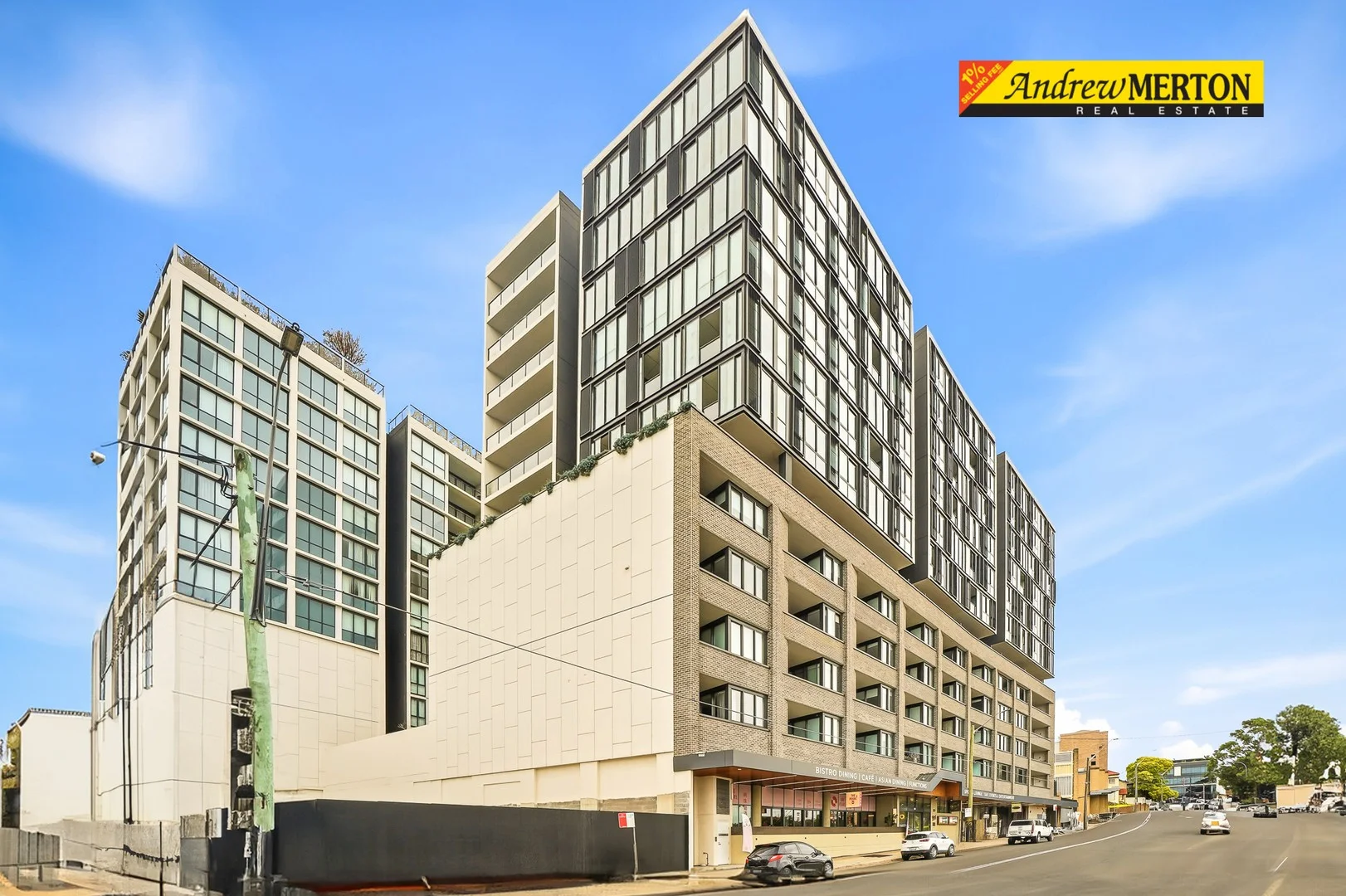 $699,000
Apartment / Unit / Flat
$699,000
Apartment / Unit / Flat
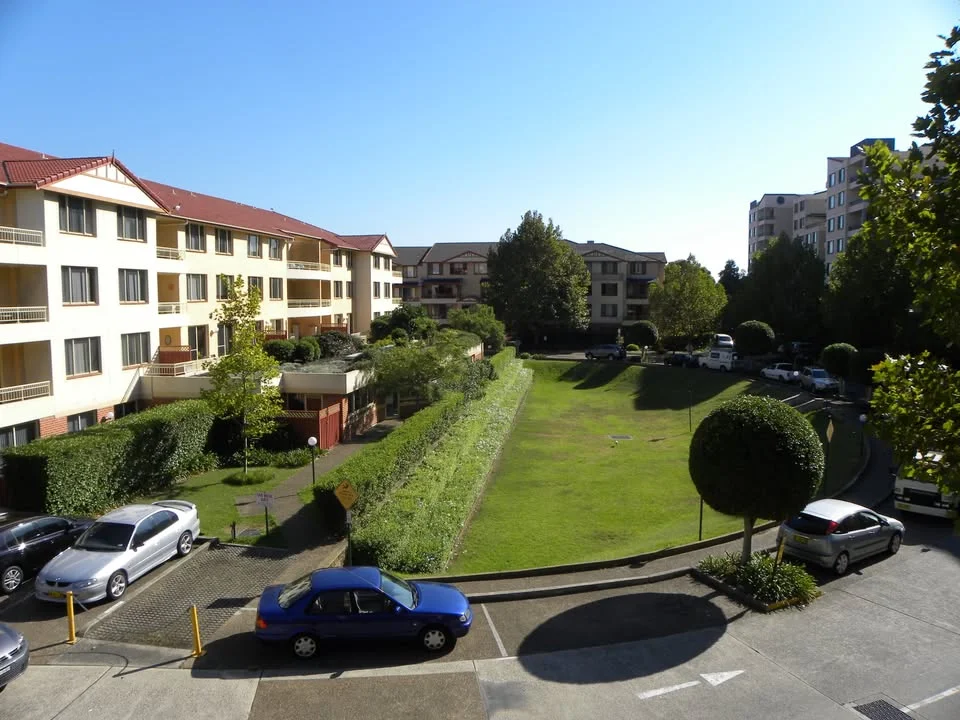 $990
Apartment / Unit / Flat
$990
Apartment / Unit / Flat
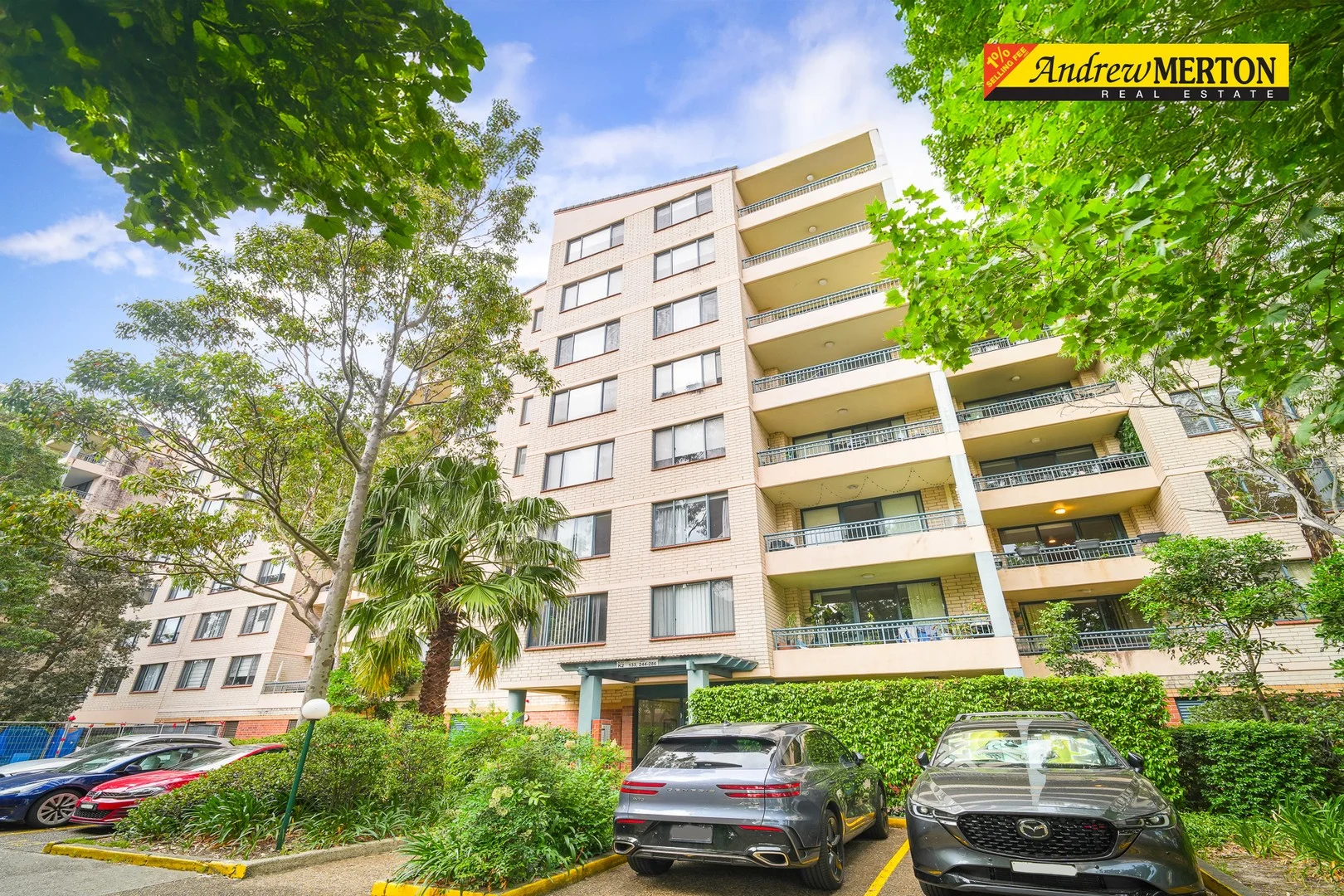 $933,000
Apartment / Unit / Flat
$933,000
Apartment / Unit / Flat
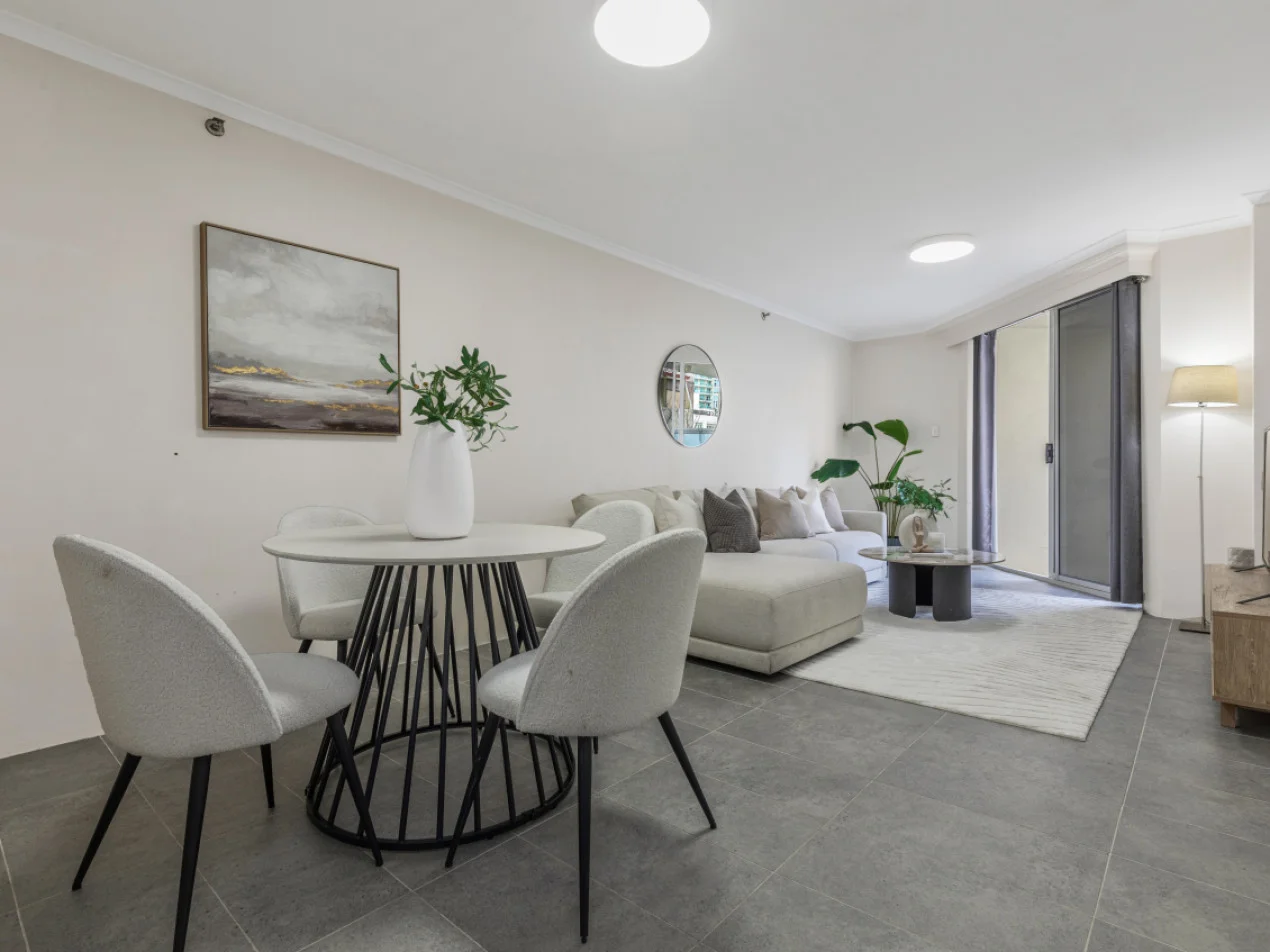 $640,000 - $675,000
Apartment / Unit / Flat
$640,000 - $675,000
Apartment / Unit / Flat
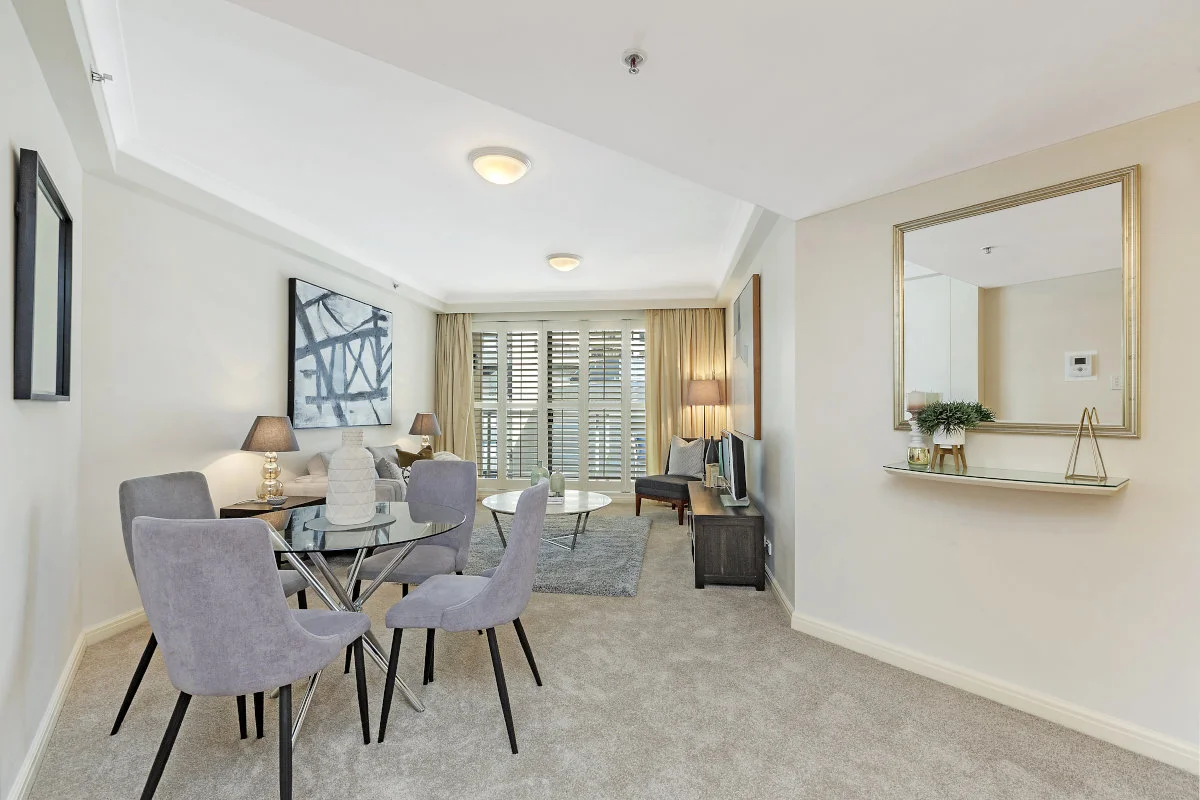 $660,000 - $725,000
Apartment / Unit / Flat
$660,000 - $725,000
Apartment / Unit / Flat
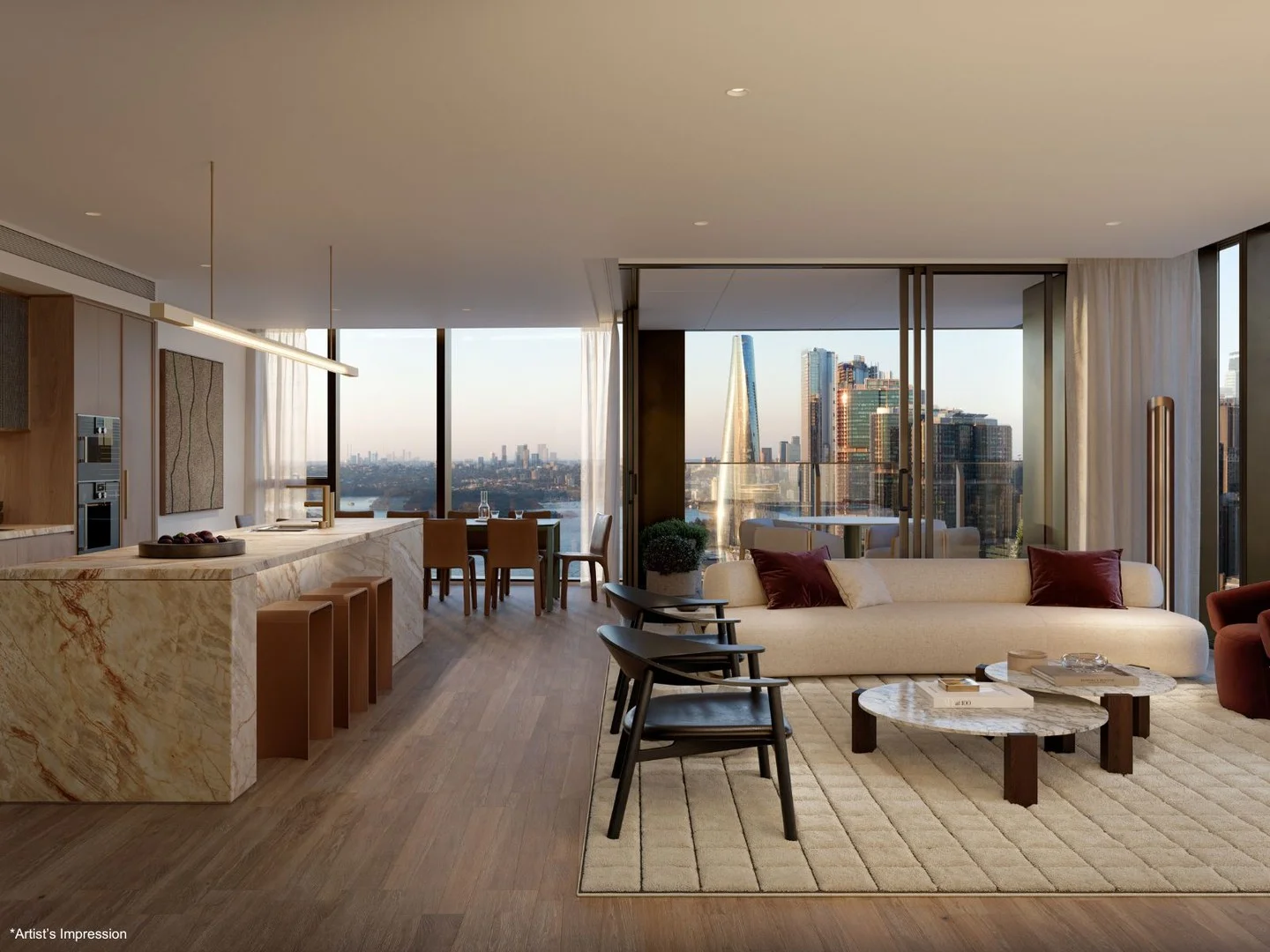 $12,980,000
propertyType.NEW APARTMENTS / OFF THE PLAN
$12,980,000
propertyType.NEW APARTMENTS / OFF THE PLAN
 $8,630,000
propertyType.NEW APARTMENTS / OFF THE PLAN
$8,630,000
propertyType.NEW APARTMENTS / OFF THE PLAN
 $6,225,000
propertyType.NEW APARTMENTS / OFF THE PLAN
$6,225,000
propertyType.NEW APARTMENTS / OFF THE PLAN
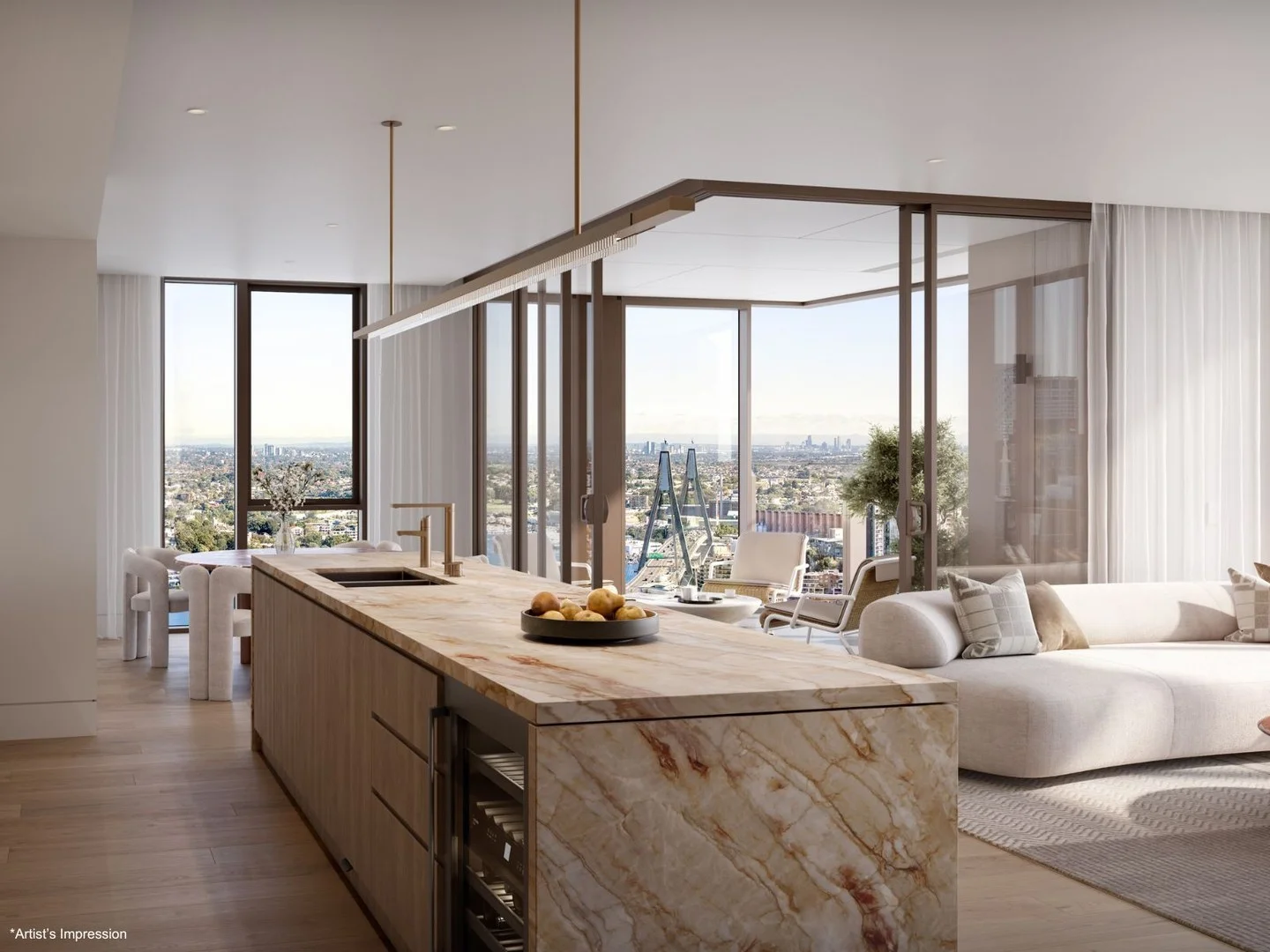 $9,020,000
propertyType.NEW APARTMENTS / OFF THE PLAN
$9,020,000
propertyType.NEW APARTMENTS / OFF THE PLAN


