Overview
## Overview
St Thomas More’s Catholic Primary School is a Catholic, co-educational primary school serving families in the Brighton-Le-Sands area. The school combines faith-based values with a practical, learner-centered approach to education, supporting students to grow academically, socially and personally within a nurturing community.
The school is small to medium in size, with class groupings that keep learning personal and connected. Class sizes are typically in the low-to-mid 20s, which supports strong student–teacher relationships and differentiated teaching. The atmosphere is inclusive and supportive, emphasising respect, faith, curiosity and a sense of belonging.
⸻
## Academics & Learning
- Academic strengths: Focus on literacy and numeracy foundations, with opportunities to engage in STEM activities, leadership development and religious education integrated with the NSW syllabus. Language learning and cross-curricular projects may also feature in the program.
- Special programs: Gifted and Talented or acceleration opportunities may be available where appropriate; programs are designed to challenge students while catering for diverse learning needs.
- NAPLAN / trends: Historically, schools in this sector aim to maintain steady performance with gradual improvement across key learning areas; trends typically show stability and ongoing growth rather than relying on a single test year.
- Student-teacher ratios: Generally close to a supportive primary-school ratio, permitting frequent teacher feedback and targeted support.
- Support for diverse learners: EAL (English as an Additional Language) and SEN (Special Educational Needs) support are offered through inclusive practices, targeted interventions and collaboration with specialists as needed.
⸻
## Sports & Extracurricular Strengths
- Sports offered: A range of team and individual sports common to primary schools (e.g., soccer, netball, basketball, athletics, swimming) with opportunities for intra- and inter-school events.
- Strong teams or achievements: Participation in local inter-school competitions and ongoing development of school teams, with a focus on skill-building and fair play.
- Music, arts, drama programs: Active music and performing arts opportunities, including choir or instrumental programs and school productions.
- Clubs: Robotics, chess, coding, debating and other enrichment clubs are typically available to extend learning beyond the classroom.
- Partnerships: Local community clubs and regional competitions often provide additional pathways for sport, arts and coding opportunities.
⸻
## Wellbeing & Pastoral Care
- Anti-bullying approach: Proactive programs and clear policies promote respectful behaviour, with mechanisms for reporting and support.
- House system: A house structure fosters belonging, teamwork and healthy, positive competition.
- Counsellors / wellbeing officers: Access to a school counsellor or wellbeing staff supports students’ social and emotional development.
- Transition support for new students: Orientation activities, buddy programs and transitional visits help new students settle in smoothly.
⸻
## Facilities
- Sports grounds: External playing fields and courts suitable for a variety of physical activities.
- Libraries: On-site library spaces to support reading and independent learning.
- Science labs: Dedicated spaces for practical science activities and experiments.
- Music/performing arts centers: Facilities for music practice and school productions.
- Tech/innovation labs: Areas for technology, coding, design and hands-on learning.
- Cafeteria: On-site canteen or lunch facilities to support daily eating needs.
- Updated playgrounds: Well-maintained playground areas to encourage active play and social interaction.
⸻
## School Values & Community Culture
- School values / mission: A faith-based mission emphasising values such as faith, respect, responsibility, kindness and service to others.
- Leadership style: Collaborative and inclusive leadership that involves staff, students and families in shaping school life.
- Behaviour expectations: Positive behavioural standards with clear expectations and consistent, fair discipline.
- Community reputation: Strong ties to the local Catholic community and parish networks, with emphasis on service, faith and family involvement.
- Diversity & inclusion: Welcoming environment that supports students from diverse backgrounds and needs, promoting inclusion and belonging.
⸻
## School Logistics & Daily Operations
- School hours: Standard primary-school hours typical for NSW Catholic schools (start mid-morning with a daytime timetable ending in the afternoon); exact times may vary by year level.
- Before/after school care: Availability of before- and after-school care through on-site or partner programs.
- Uniform requirements: School uniform policy with specified dress standards for daily wear and formal occasions.
- Transport (train/bus routes): Access to local public transport options and convenient bus routes; families often use a combination of public transport and drop-offs.
- Canteen availability: On-site or partner-canteen services offering daily meal options and lunch orders.
- Fees (low/medium/high ranges): Catholic primary schools generally charge fees in a mid-range band for NSW; exact figures vary by year and program.
⸻
## Enrolment & Admissions
11. What is the enrolment process and timeline?
- Enquiry and information: Prospective families contact the school to request information and attend any open day or information session.
- Application: Submission of the enrolment application with required documents (birth certificate, immunisation records, custody orders if applicable, parish details, etc.).
- Interview/interaction: Families may be invited to an interview or meeting with the principal or admissions team, and students may participate in a brief activity or orientation.
- Timeline: The school will provide timelines for application closing dates, offers and acceptance. Offers typically follow the completion of the interview and assessment steps.
12. Is there a waiting list, and how does it work?
- Waiting lists are common when a year level is full. Applications are placed on a waitlist in order of priority (often guided by diocesan policy and intake priorities). The school will advise expected timelines for placement or offer.
13. Are there any entry requirements, tests, or interviews?
- Entry requirements: Generally involve completing an enrolment form, providing documentation, and confirming eligibility as part of the Catholic education framework.
- Tests/interviews: An interview with families and possibly a short activity or meeting with the student may be part of the process to gauge fit with the school’s values and environment.
14. Does the school accept mid-year transfers?
- Mid-year transfers are considered subject to vacancy and meeting enrolment criteria. Families should contact the enrolments team promptly to discuss availability and required documentation.
⸻
## Frequently Ask Questions
- Why Parents Choose This School?
Parents choose this school for its values-based education, supportive community, faith-informed learning environment and emphasis on individual growth within a nurturing setting.
- What type of student thrives at this school?
Students who value a collaborative, respectful environment, strong relationships with teachers, a faith-informed mindset and opportunities to participate in a range of academics, arts and sports.
- What opportunities are available for students to extend their skills (academics, sports, arts)?
Opportunities include advanced literacy and numeracy activities, STEM challenges, leadership roles, music/drama programs, sport teams, clubs (robotics, coding, chess, debating) and participation in community service or parish-related activities.
- How does the school communicate with parents?
Regular updates are provided through newsletters, emails, a school portal or app, and scheduled events; open channels exist for face-to-face meetings with teachers and the leadership team.
- What is the school’s approach to teaching and learning?
A student-centered approach aligned with the NSW syllabus, integrating faith-based values with contemporary pedagogy, differentiated instruction and regular progress feedback.
- How does the school support students who need extra academic help?
Targeted interventions, small-group or one-on-one support, and collaboration with specialists to address learning needs and monitor progress.
- What support is available for academic challenges?
Early identification, personalised learning plans and access to additional tutoring or in-class adjustments as appropriate.
- How does the school communicate with parents?
(Duplicate question) See above: through newsletters, portals, and direct communication with teachers and the school leadership.
- What are the class sizes and how much individual attention do students receive?
Class sizes are in the low-to-mid 20s, with frequent teacher feedback and opportunities for individual support within the day.
- What extracurricular and sports opportunities are available?
A range of sports, arts, music and clubs (robotics, coding, chess, debating) with opportunities to participate in inter-school events and showcases.
- What facilities does the school offer (sports, science, arts)?
Sports grounds, libraries, science labs, music/performing arts spaces, tech/innovation labs, a canteen and updated play areas.
- What is the school’s approach to technology and digital learning?
Integration of digital tools to support learning, with age-appropriate technology use, coding and project-based activities to build digital literacy.
- What transport and accessibility options are available?
Proximity to public transport and bus routes; flexible drop-off/pick-up options; on-site or nearby parking considerations.
- What are the typical school fees or additional costs?
Fees are in the mid-range for NSW Catholic primary schools, with additional costs for excursions, books or special programs as applicable.
⸻
## Short Pros & Cons list
- Pros
- Catholic, values-based education with a nurturing, inclusive culture
- Small-to-medium size enabling strong student–teacher relationships
- Wide range of academic, arts, sport and extracurricular opportunities
- Supportive wellbeing and pastoral care with transition programs
- Good facilities for learning, including science, tech and arts spaces
- Cons
- Fees apply (typical for Catholic primary schools) and can vary by year level
- Availability in popular year levels may involve waitlists
- Enrolment processes and timelines require planning and prompt communication
- Transport options depend on local routes and infrastructure
⸻








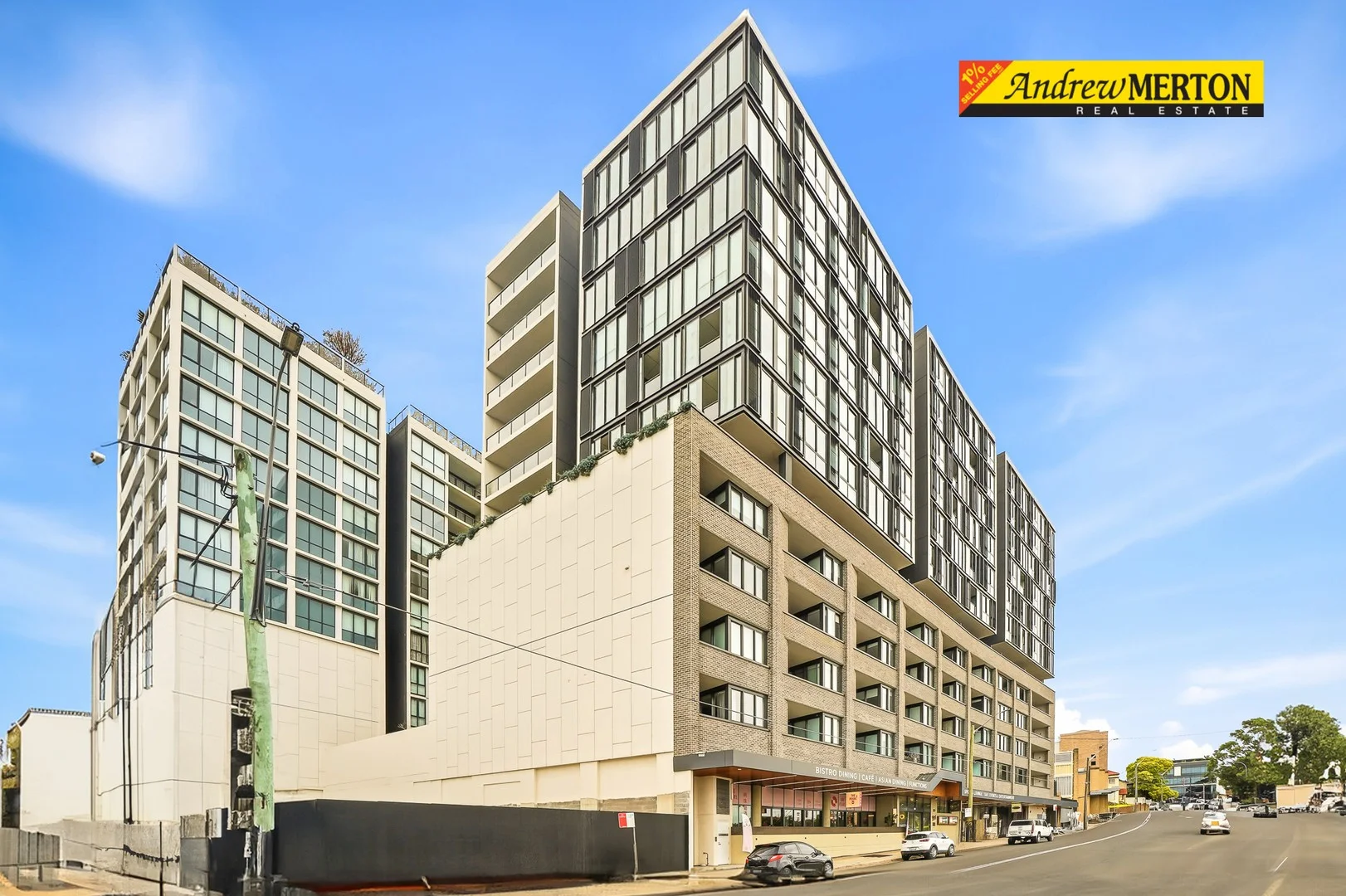 $699,000
Apartment / Unit / Flat
$699,000
Apartment / Unit / Flat
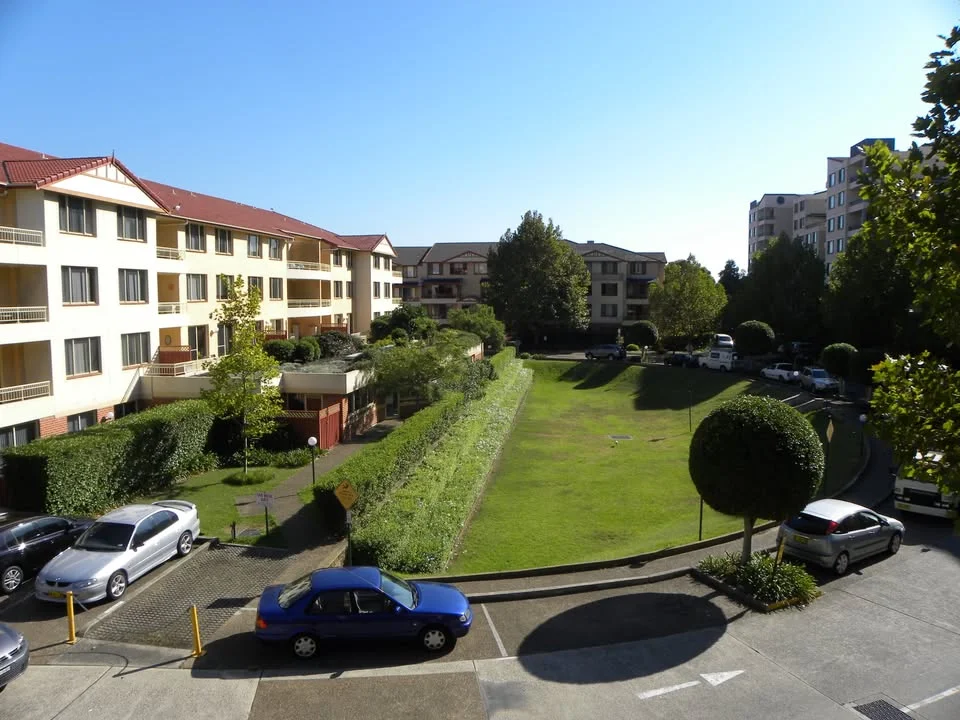 $990
Apartment / Unit / Flat
$990
Apartment / Unit / Flat
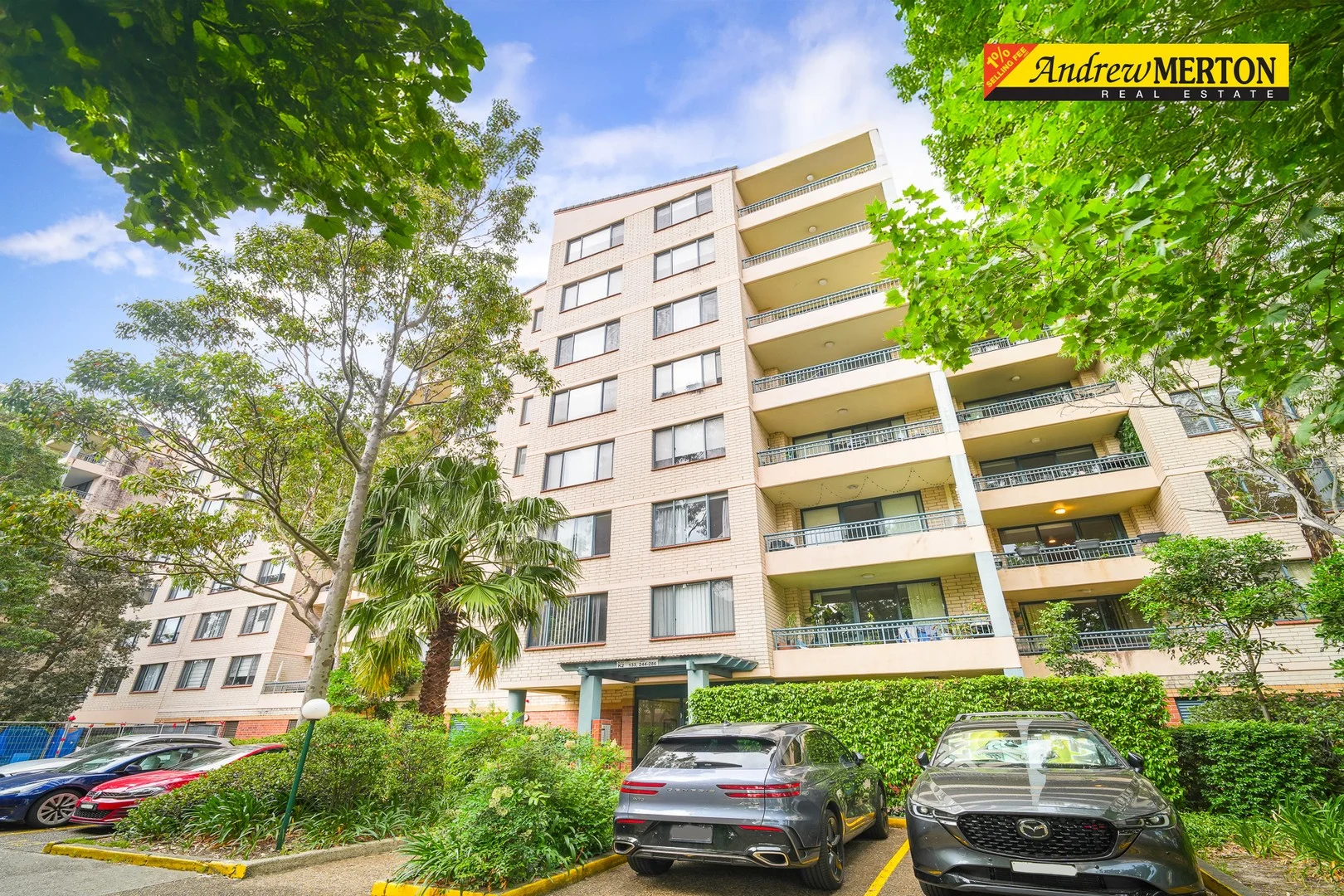 $933,000
Apartment / Unit / Flat
$933,000
Apartment / Unit / Flat
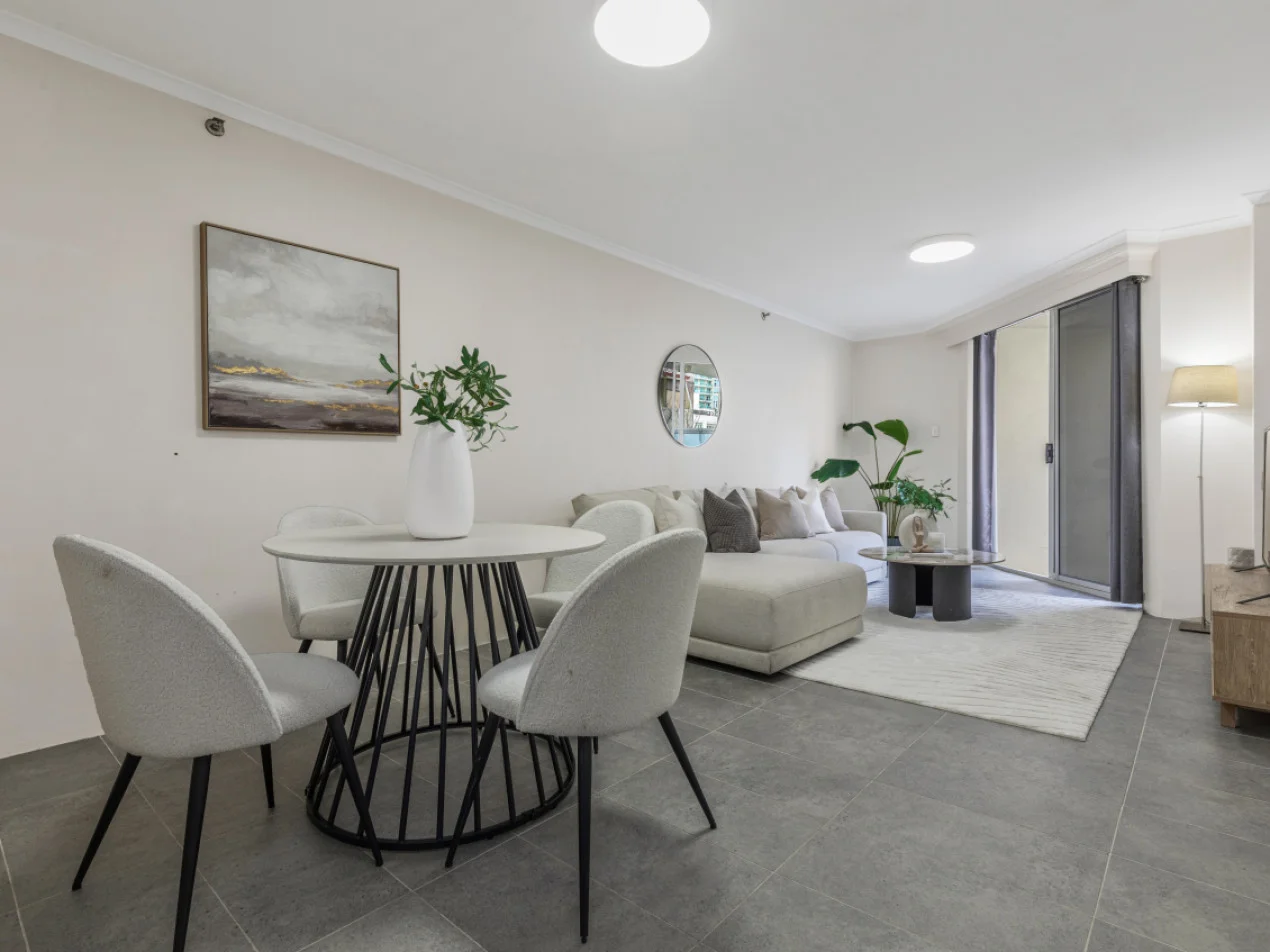 $640,000 - $675,000
Apartment / Unit / Flat
$640,000 - $675,000
Apartment / Unit / Flat
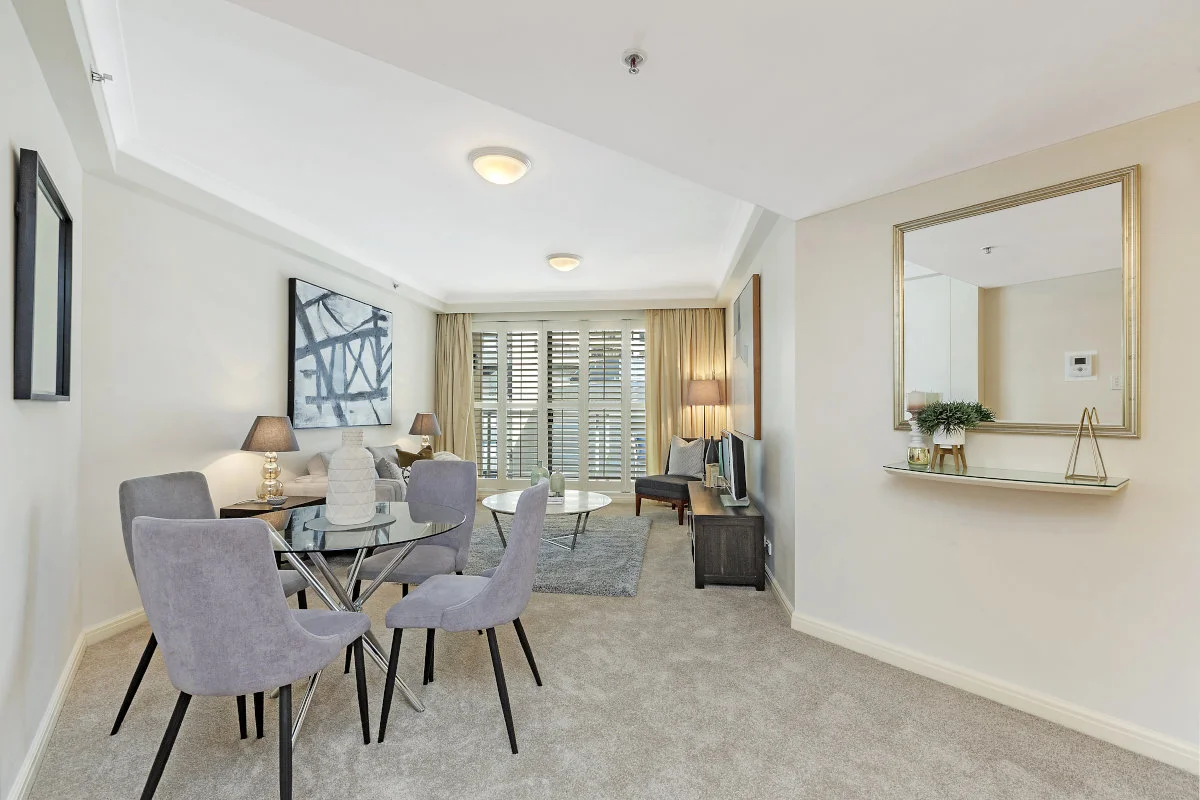 $660,000 - $725,000
Apartment / Unit / Flat
$660,000 - $725,000
Apartment / Unit / Flat
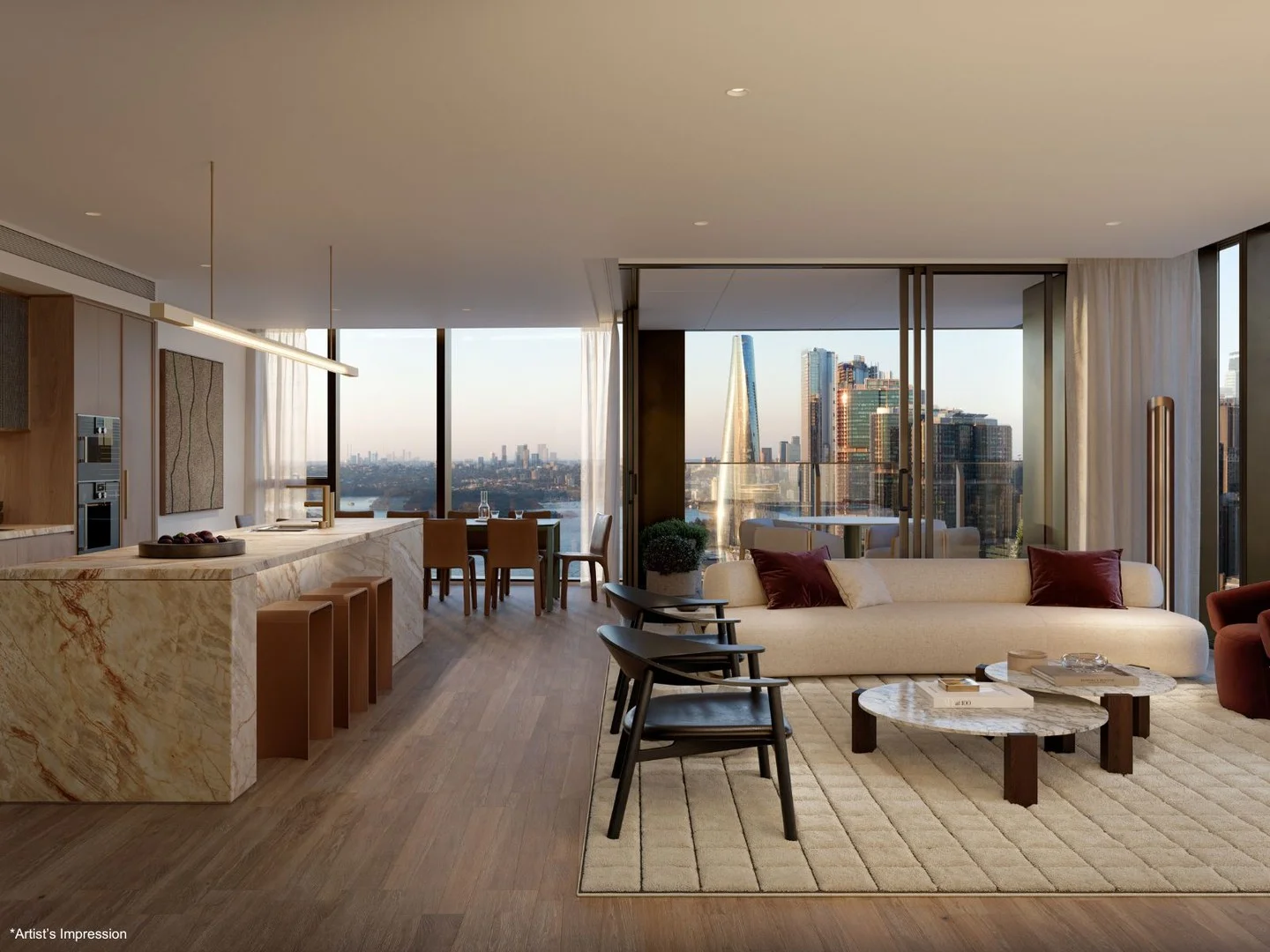 $12,980,000
propertyType.NEW APARTMENTS / OFF THE PLAN
$12,980,000
propertyType.NEW APARTMENTS / OFF THE PLAN
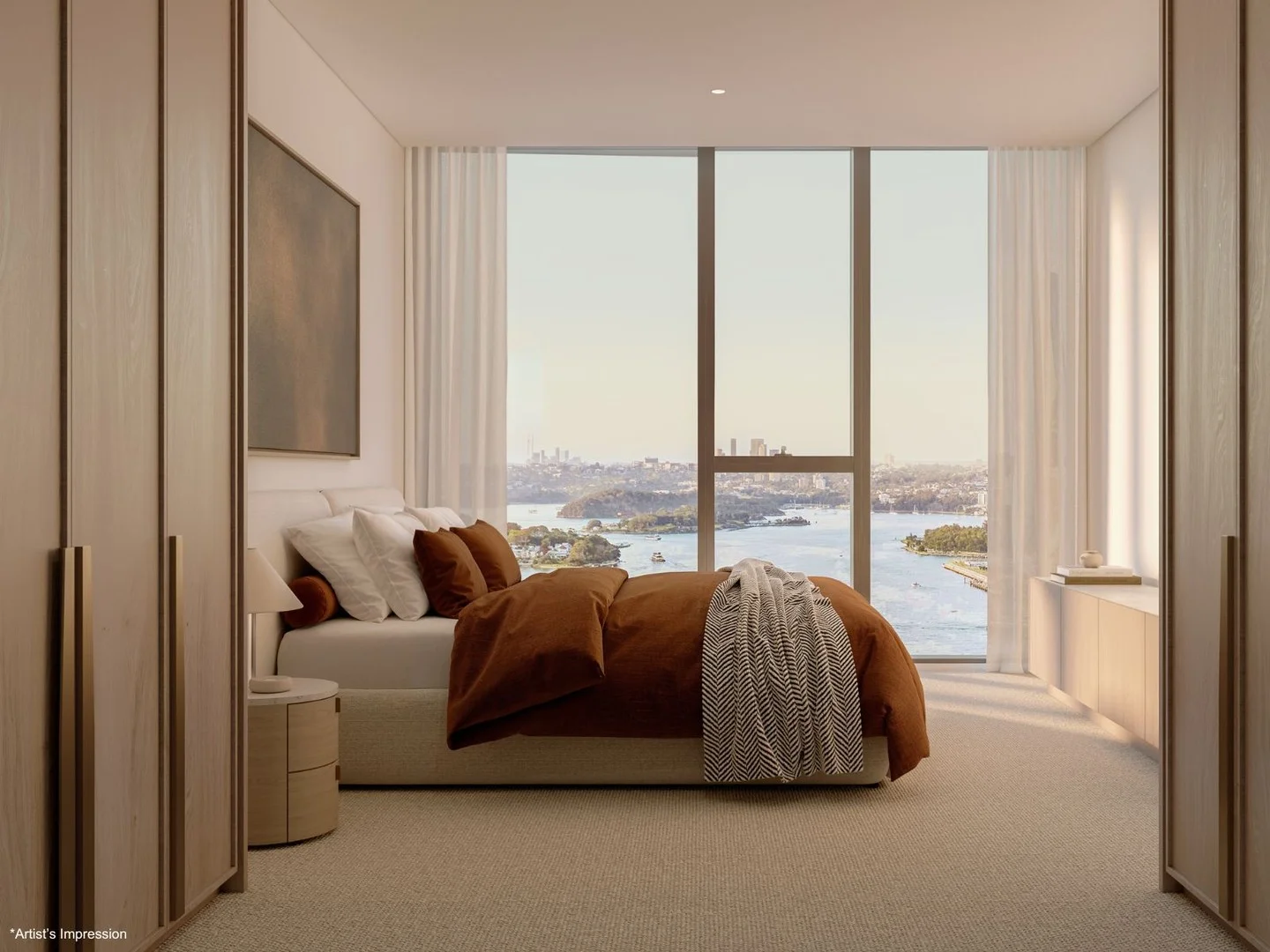 $8,630,000
propertyType.NEW APARTMENTS / OFF THE PLAN
$8,630,000
propertyType.NEW APARTMENTS / OFF THE PLAN
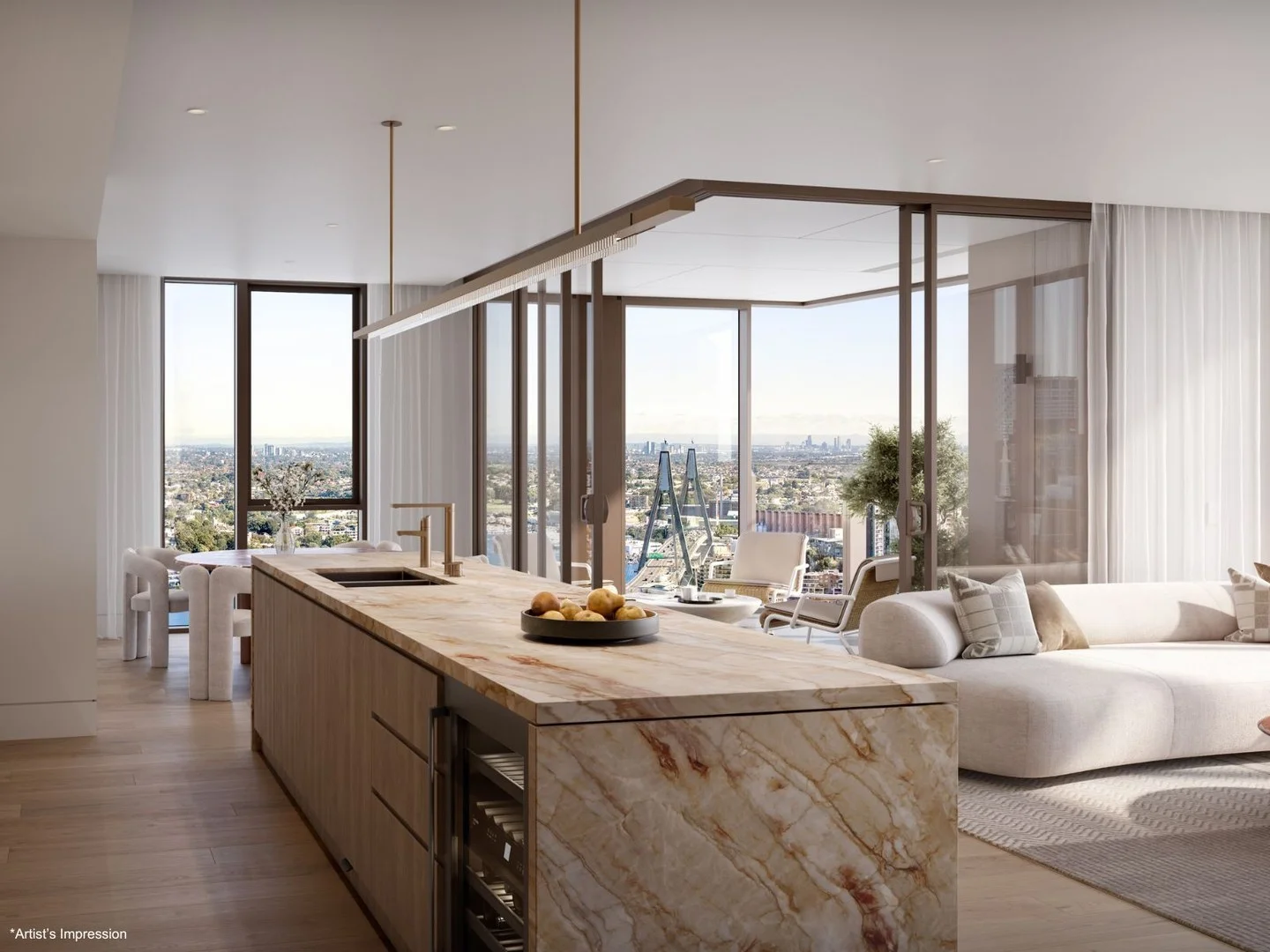 $9,020,000
propertyType.NEW APARTMENTS / OFF THE PLAN
$9,020,000
propertyType.NEW APARTMENTS / OFF THE PLAN
 $6,225,000
propertyType.NEW APARTMENTS / OFF THE PLAN
$6,225,000
propertyType.NEW APARTMENTS / OFF THE PLAN


