Overview
1. Overview
St Dominic Savio Catholic Primary School, Rockdale is a Catholic primary school serving families in the Rockdale area of New South Wales. It is a co-educational, faith-based learning community that focuses on forming students both academically and morally within the Catholic tradition.
- School type: Catholic (systemic)
- School size: small-to-medium
- Class size: around 20–25 students per class
- Atmosphere/culture: nurturing, inclusive, faith-based
⸻
2. Academics & Learning
St Dominic Savio emphasizes solid literacy and numeracy foundations within a Catholic education framework. The school supports students to develop critical thinking, communication skills and a love of learning, with opportunities to engage across STEM, English and the arts.
- Academic strengths: literacy and numeracy core, integrated faith formation, opportunities in STEM and the arts
- Special programs: faith-based programs; enrichment options may be available; gifted/talented opportunities can exist depending on year level
- NAPLAN / trends: typical trends show maintenance of performance around or above state averages in key domains; exact year-by-year trends should be confirmed with the school
- Student-teacher ratios: generally smaller class settings, with typical NSW primary ratios around 1:12–1:20 in practice
- Support for diverse learners: EAL support and SEN support available through school pathways and Diocese programs
⸻
3. Sports & Extracurricular Strengths
Extracurricular life is important in this community, with a focus on sport, arts and clubs that appeal to boys aged 10–14 and their families.
- Sports offered: common NSW primary options such as soccer, basketball, cricket, rugby league, athletics
- Strong teams or achievements: participation in local inter-school events and regional competitions; emphasis on teamwork and skill development
- Music, arts, drama programs: church/lighting-lit prayer services, school choir or liturgical music, drama and performance opportunities
- Clubs: robotics, coding, chess, debating and other after-school clubs as available
- Partnerships: connections with local clubs, diocesan programs and regional competitions
⸻
4. Wellbeing & Pastoral Care
Wellbeing is a central part of the school experience, with structures to support students’ social-emotional development and safety.
- Anti-bullying approach: proactive anti-bullying policies with clear reporting and support pathways
- House system: house-based activities and leadership opportunities to foster belonging and healthy competition
- Counsellors / wellbeing officers: access to school counselling or wellbeing staff as part of pastoral care
- Transition support for new students: orientation, buddy programs and integration activities to help new students settle
⸻
5. Facilities
The school’s facilities support a broad program of learning and activity.
- Sports grounds: outdoor playing fields and court spaces
- Libraries: library resources to support reading, research and pleasure reading
- Science labs: dedicated spaces for science learning and experiments
- Music/performing arts centers: spaces for music and drama activities
- Tech/innovation labs: learning spaces for digital literacy and technology
- Cafeteria: canteen or lunch facilities
- Updated playgrounds: modern and safe play areas
⸻
6. School Values & Community Culture
The school community emphasizes shared values and a constructive culture focused on character, service and faith.
- School values / mission: Catholic faith, respect, compassion, service and responsibility
- Leadership style: collaborative and values-based, with student leadership opportunities
- Behaviour expectations: clear codes of conduct built on respect, responsibility and safety
- Community reputation: regarded as a welcoming parish-based school with active family involvement
- Diversity & inclusion: commitment to inclusive practices and support for students from diverse backgrounds
⸻
7. School Logistics & Daily Operations
Practical details help families plan around school routines and commitments.
- School hours: standard primary school day; exact start/end times can vary by year level
- Before/after school care: after-school care options often available through OSHC or school programs
- Uniform requirements: school uniform required, with guidance on seasonally appropriate attire
- Transport (train/bus routes): public transport options available in the Rockdale area; families commonly use bus or train services nearby
- Canteen availability: canteen or lunch facilities available during the day
- Fees (low/medium/high ranges): typical primary Catholic school fees fall in a moderate range; exact figures vary by year and program; check with the school for current schedules
⸻
8. Enrolment & Admissions
11. What is the enrolment process and timeline?
- Enquiries typically begin with submitting an application or registering interest, followed by information sessions or tours. The school may set deadlines for intake and provide timelines for consideration and offer of places.
12. Is there a waiting list, and how does it work?
- Waiting lists are common when there are more applications than places. Priorities usually include siblings of current students, parish considerations, and geographic catchment alignment. Families are contacted if a place becomes available.
13. Are there any entry requirements, tests, or interviews?
- For primary entry, formal entrance testing is uncommon. Many schools include a family interview and information gathering about the child’s needs and background. Religious affiliation or parish involvement may be requested as part of the enrolment process.
14. Does the school accept mid-year transfers?
- Mid-year transfers can be possible if vacancies exist. The process typically requires standard documentation, school records, and a place being made available by the receiving year level. Orientation and transition support are provided if a transfer occurs.
⸻
9. Frequently Asked Questions
- Why Parents Choose This School?
- A faith-based community with a focus on values, supportive teacher-student relationships and a family-friendly environment.
- What type of student thrives at this school?
- Students who respond well to a nurturing, inclusive setting with strong literacy/numeracy foundations and a sense of community.
- What opportunities are available for students to extend their skills (academics, sports, arts)?
- Enrichment in literacy/numeracy, participation in local inter-school sports, involvement in music, drama and clubs like robotics, coding, chess and debating.
- How does the school communicate with parents?
- Regular updates through newsletters, emails, school apps or portals, and parent-teacher meetings.
- What is the school’s approach to teaching and learning?
- A balanced model combining core academics with faith formation, pastoral care and real-world learning experiences.
- How does the school support students who need extra academic help?
- Targeted support within the classroom, with possible specialist or SEN support pathways and referral to external partners as needed.
- What support is available for academic challenges?
- In-class differentiation, small-group interventions and explicit instruction in core subjects.
- What are the class sizes and how much individual attention do students receive?
- Class sizes typically around 20–25 students; smaller groups and targeted teacher support provide opportunities for individual attention.
- What extracurricular and sports opportunities are available?
- A range of sports (interschools), music, arts, drama and clubs such as robotics, coding, chess and debating.
- What facilities does the school offer (sports, science, arts)?
- Sports grounds, library, science labs, music/performing arts spaces, tech/innovation labs and a canteen.
- What is the school’s approach to technology and digital learning?
- Integration of digital literacy and technology into learning with age-appropriate tools and platforms.
- What transport and accessibility options are available?
- Access to public transport nearby; information on bus/train routes typically available at enrolment or via the school office.
- What are the typical school fees or additional costs?
- Fees for Catholic primary schools are generally in a moderate range with additional costs for uniforms, excursions and activities. Confirm current figures with the school.
⸻
10. Short Pros & Cons list
Pros
- Strong sense of community and faith-based ethos
- Nurturing environment with small-to-moderate class sizes
- Focus on literacy and numeracy alongside holistic development
- Broad range of extracurriculars and clubs
- Supportive wellbeing and pastoral care
- Spacious facilities for learning, arts and sports
Cons
- As a smaller school, breadth of always-available extracurriculars may vary by year
- Feasible mid-year transfers depend on vacancies and enrolment demand
- Some programs or enrichment opportunities may depend on year level and staffing
⸻







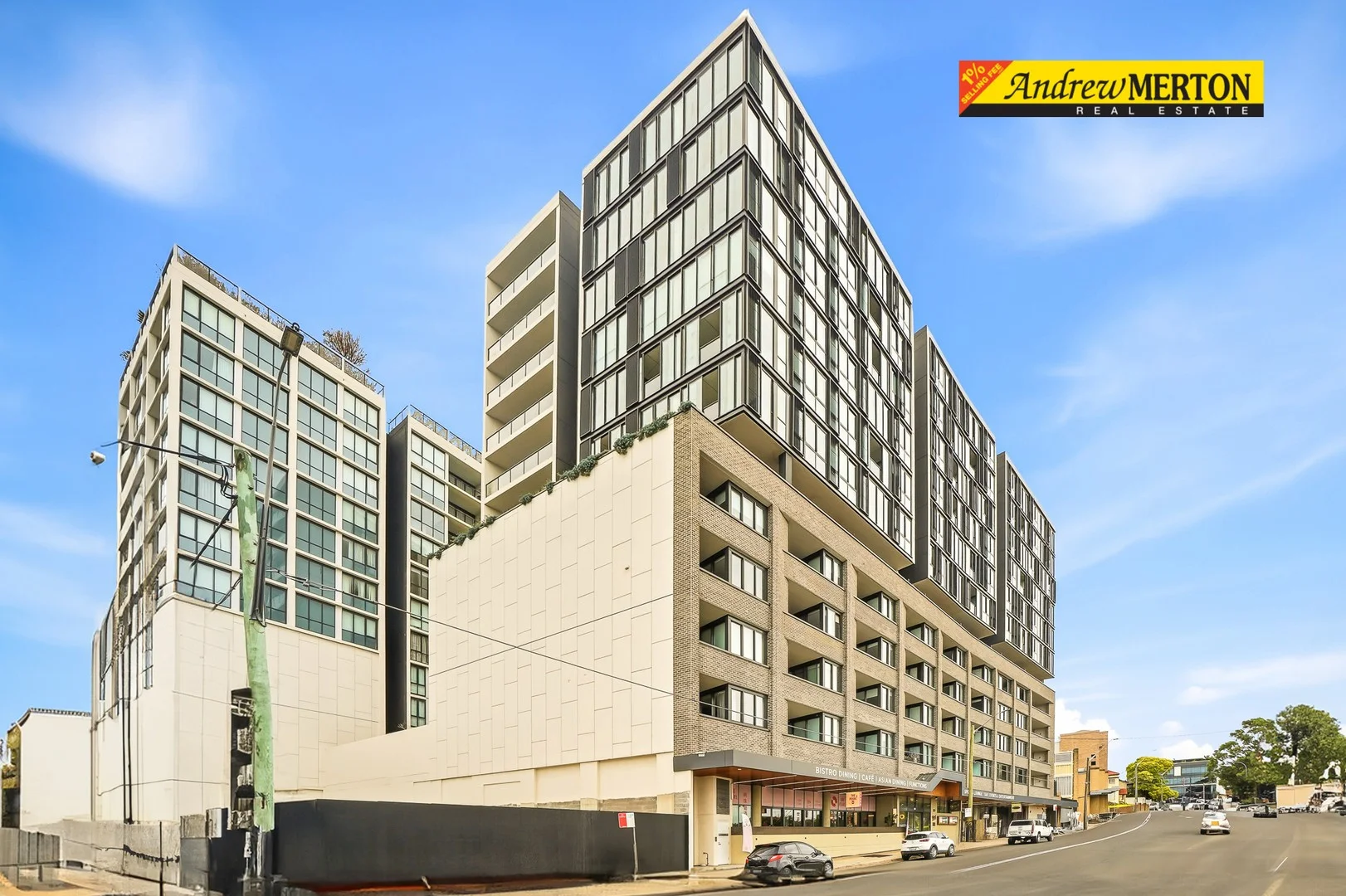 $699,000
Apartment / Unit / Flat
$699,000
Apartment / Unit / Flat
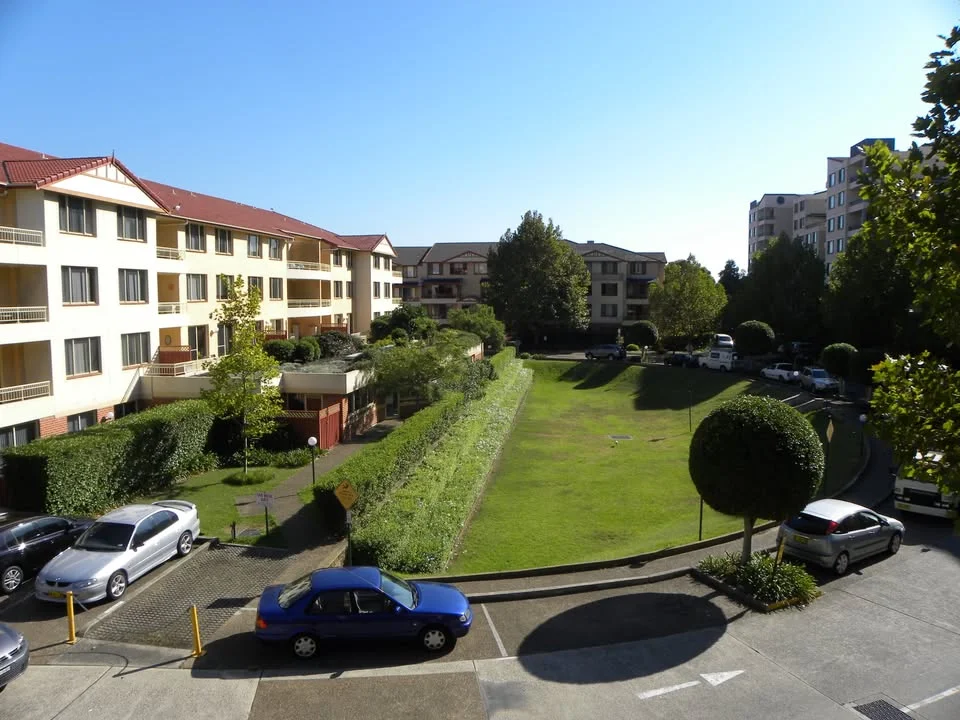 $990
Apartment / Unit / Flat
$990
Apartment / Unit / Flat
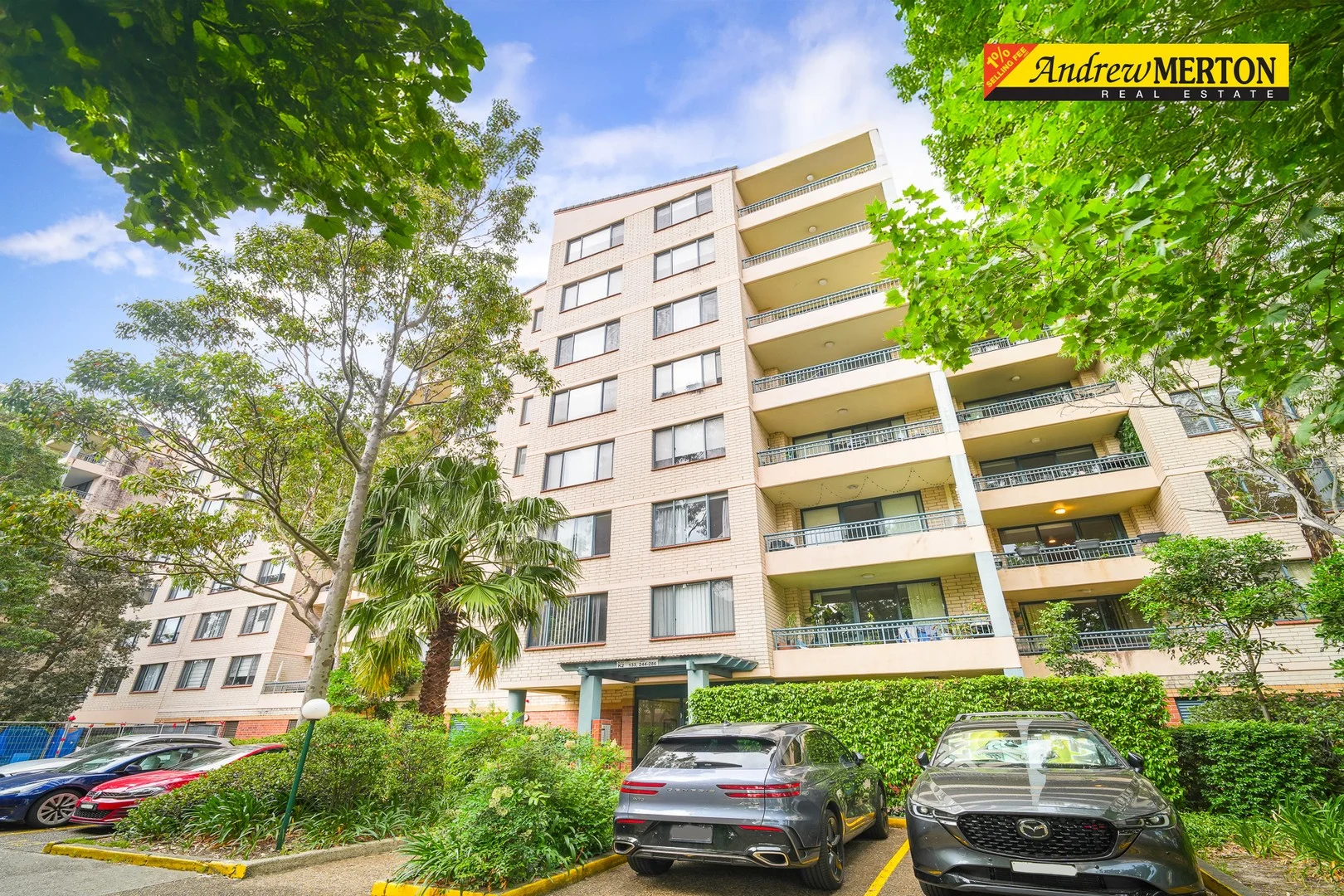 $933,000
Apartment / Unit / Flat
$933,000
Apartment / Unit / Flat
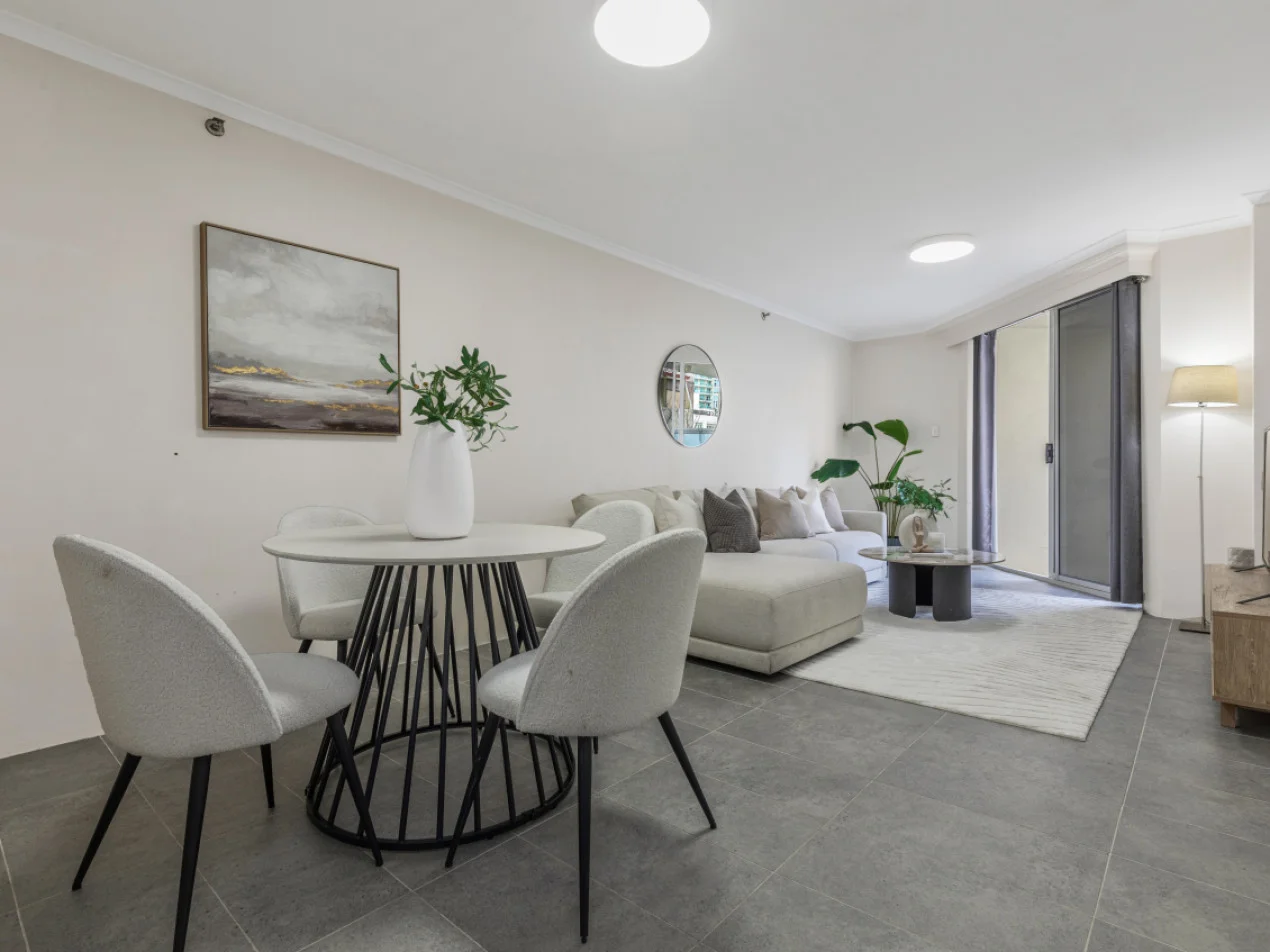 $640,000 - $675,000
Apartment / Unit / Flat
$640,000 - $675,000
Apartment / Unit / Flat
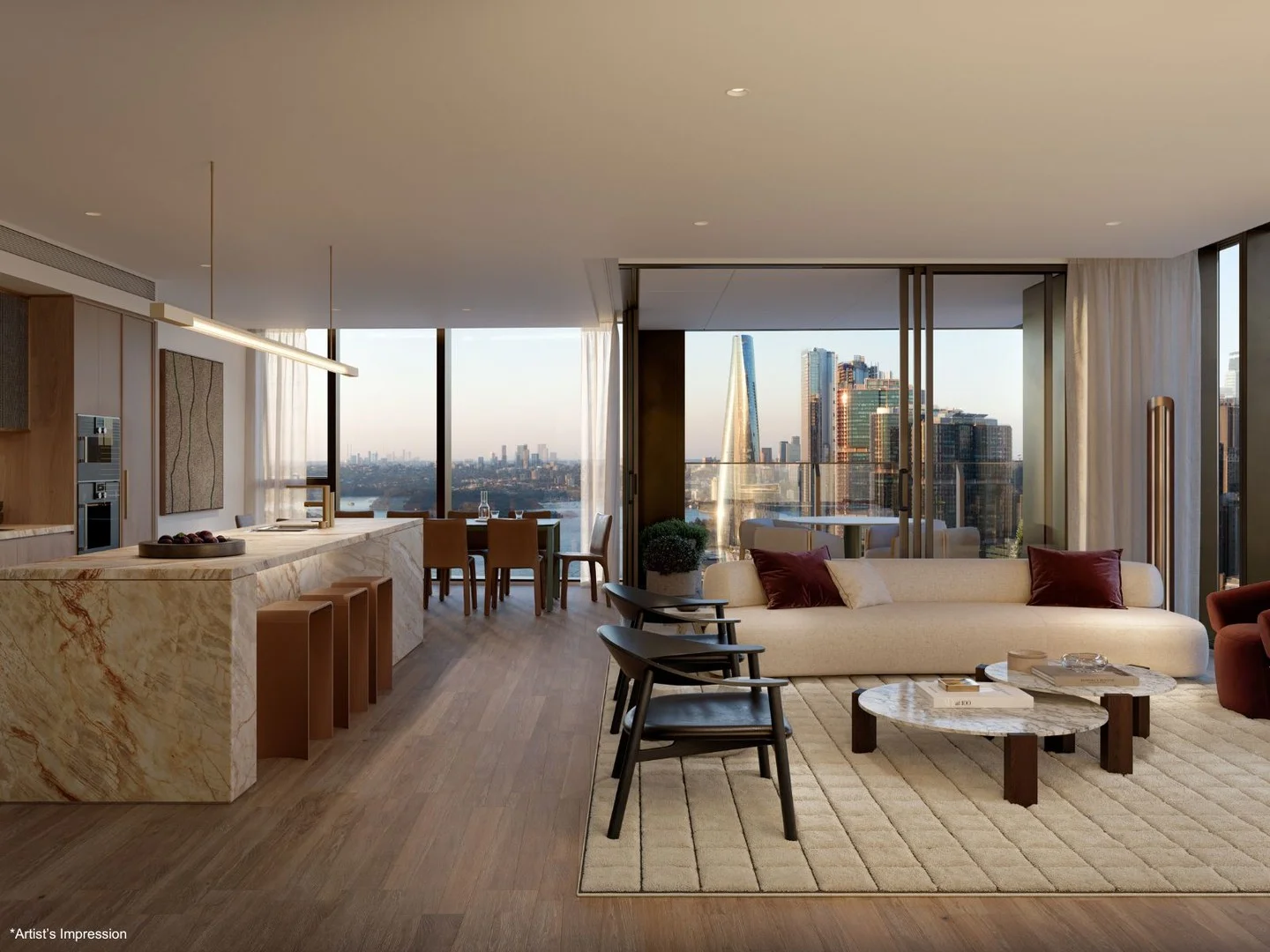 $12,980,000
propertyType.NEW APARTMENTS / OFF THE PLAN
$12,980,000
propertyType.NEW APARTMENTS / OFF THE PLAN
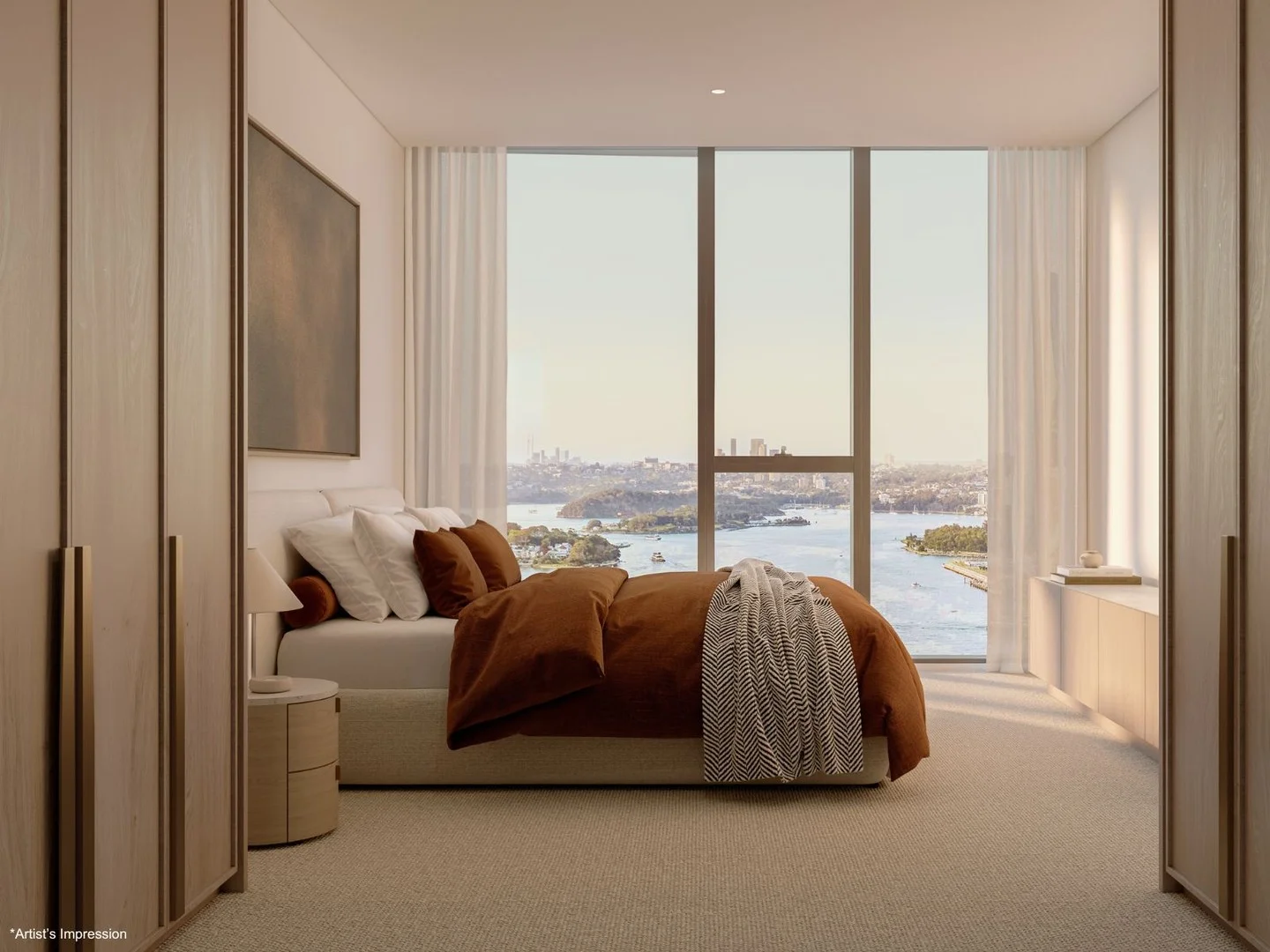 $8,630,000
propertyType.NEW APARTMENTS / OFF THE PLAN
$8,630,000
propertyType.NEW APARTMENTS / OFF THE PLAN
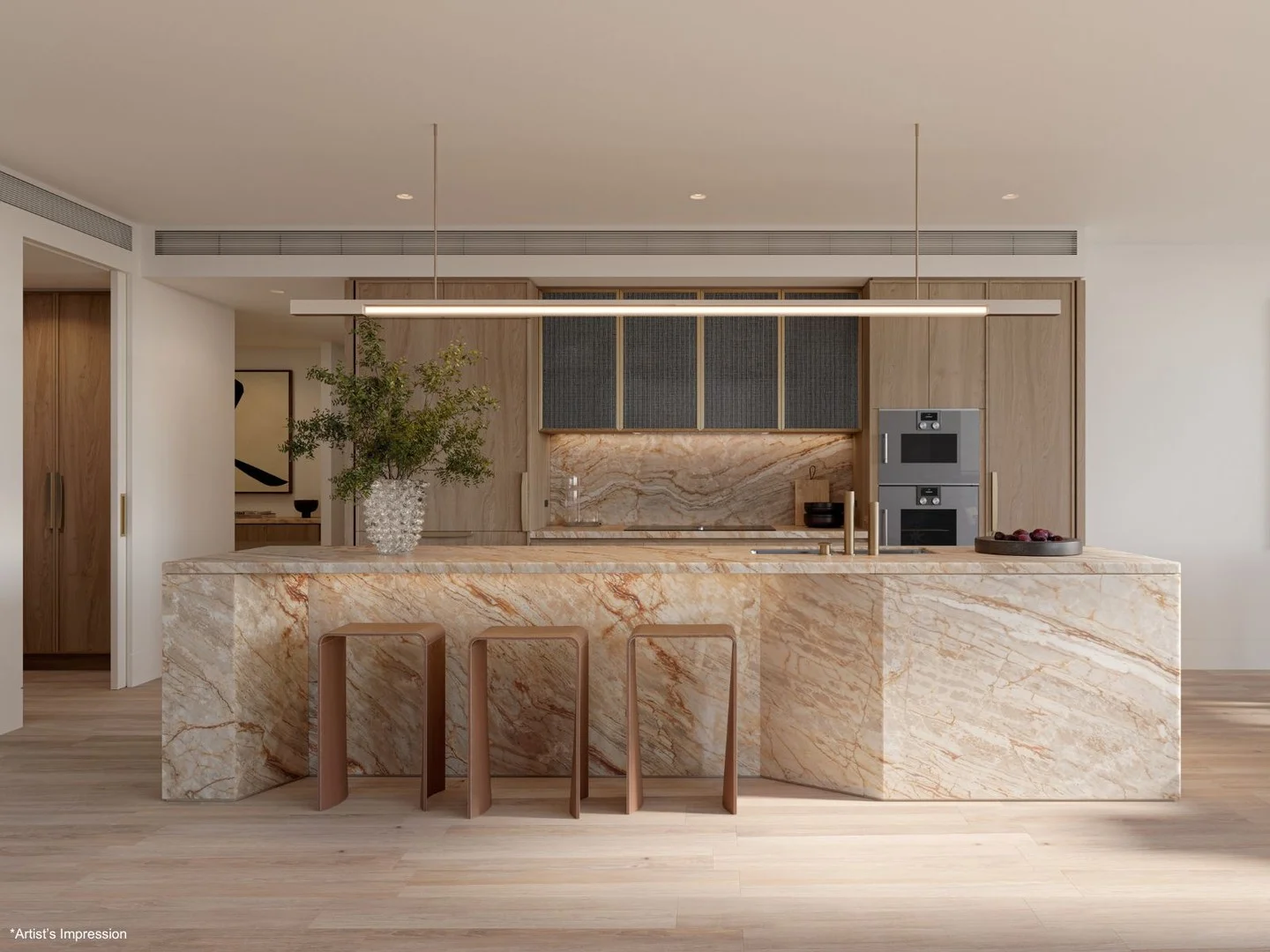 $6,225,000
propertyType.NEW APARTMENTS / OFF THE PLAN
$6,225,000
propertyType.NEW APARTMENTS / OFF THE PLAN
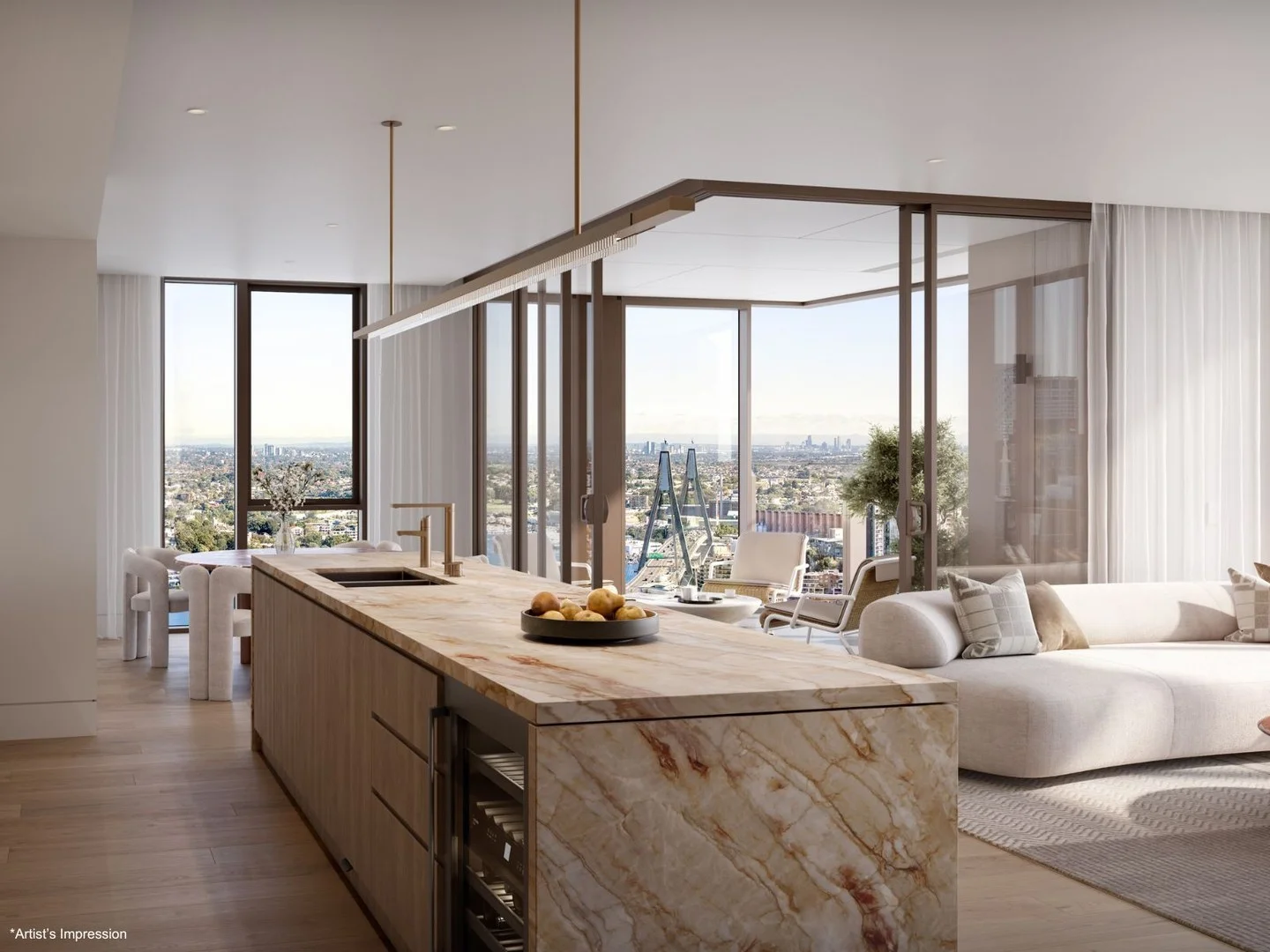 $9,020,000
propertyType.NEW APARTMENTS / OFF THE PLAN
$9,020,000
propertyType.NEW APARTMENTS / OFF THE PLAN
 $660,000 - $725,000
Apartment / Unit / Flat
$660,000 - $725,000
Apartment / Unit / Flat


