## 1. Overview
Lourdes Hill College is a private, independent Catholic day school for girls located in Hawthorne, Brisbane. It offers secondary education (Year 7–12) within the Catholic tradition, founded by the Sisters of Mercy and today part of Brisbane Catholic Education. The college emphasises a values‑based education with a focus on service, leadership and academic excellence.
With a medium‑to‑large student body and class sizes typically in the low‑to‑mid 20s, Lourdes Hill College provides a supportive, close‑knit atmosphere that blends traditional values with contemporary learning. The culture is nurturing and inclusive, balancing strong academics with opportunities in sport, the arts and service to others.
---
## 2. Academics & Learning
- Academic strengths: The college maintains a solid emphasis across core subjects with particular strengths in English and humanities, alongside a robust STEM program and opportunities to study modern languages. Leadership development and service are integrated into the learning experience.
- Special programs: There are extension/accelerated learning pathways and leadership opportunities designed for high‑achieving students, alongside programs that encourage critical thinking, collaboration and community involvement.
- NAPLAN / trends: Over recent years, NAPLAN trends show consistently strong performance in reading and writing, with stable to improving numeracy results and a general pattern of year‑to‑year improvement in key literacy areas.
- Student‑teacher ratios: The school typically operates with small to medium class sizes and a favourable student‑teacher ratio (roughly around 1:15 to 1:18, depending on year and subject).
- Support for diverse learners: Comprehensive support for diverse learners includes EAL programs for international or English‑learning students and dedicated SEN support with appropriate adjustments and planning.
---
## 3. Sports & Extracurricular Strengths
- Sports offered: A broad program typically includes team sports such as netball, basketball, soccer, tennis, athletics and swimming, with opportunities to participate at school and local competition levels.
- Strong teams or achievements: Lourdes Hill College participates in local and state competitions across sports, with a record of competitive performances and a focus on teamwork, discipline and sportsmanship.
- Music, arts, drama programs: Strong performing arts offerings include choir, ensembles and regular drama productions, providing ample exposure to music and theatre.
- Clubs: The school supports a range of clubs including robotics, chess, coding and debating, fostering analytic and creative skill development outside the classroom.
- Partnerships: Students often engage with local sporting and arts organizations and participate in inter‑school competitions and events to broaden experiences beyond the classroom.
---
## 4. Wellbeing & Pastoral Care
- Anti‑bullying approach: The college maintains clear anti‑bullying policies and a culture of respect, along with wellbeing programs and restorative practices.
- House system: A house system encourages belonging, friendly competition and leadership opportunities for students within a supportive peer network.
- Counsellors / wellbeing officers: Access to school counsellors and wellbeing staff supports students’ emotional and mental health needs.
- Transition support for new students: Orientation programs, buddy systems and dedicated transition support help new students settle in smoothly.
---
## 5. Facilities
- Sports grounds: On‑site sports facilities support a range of physical education activities and team sports.
- Libraries: A well‑stocked library supports academic research, quiet study and leisure reading.
- Science labs: Modern science laboratories enable hands‑on experiments across chemistry, physics and biology.
- Music/performing arts centers: Dedicated spaces for rehearsals, instrument practice and performances.
- Tech/innovation labs: Computer labs and spaces for STEM, coding and digital learning.
- Cafeteria: On‑site cafeteria provides meals and healthy food options.
- Updated playgrounds: Age‑appropriate outdoor spaces support recreation and social time.
---
## 6. School Values & Community Culture
- School values / mission: The college’s Mercy‑inspired mission emphasizes service, compassion, justice and respect for others.
- Leadership style: Leadership is collaborative and student‑centred, with many opportunities for student voice and growth in responsibility.
- Behaviour expectations: Clear behavioural standards focus on respect, integrity and responsibility, supported by pastoral care programs.
- Community reputation: Lourdes Hill College is well regarded within the Brisbane Catholic education community for its sense of community, faith focus and academic culture.
- Diversity & inclusion: The school fosters a diverse and inclusive environment, welcoming students from varied backgrounds and experiences.
---
## 7. School Logistics & Daily Operations
- School hours: The day typically runs from morning to mid‑afternoon with timetable blocks, assemblies and breaks aligned to common schooling patterns in Queensland.
- Before/after school care: Wrap‑around care options are usually available to support families outside core school hours.
- Uniform requirements: A formal uniform is required, with summer and winter options and appropriate school‑issued garments (e.g., blazer, skirt, blouse, tie) as part of daily dress.
- Transport (train/bus routes): Accessible by public transport with nearby bus routes and train links, plus possible school‑organised transport options depending on year and location.
- Canteen availability: An on‑site canteen provides meals and snacks for students during the day.
- Fees (low/medium/high ranges): Fees are generally in the high range for private Catholic schools in Brisbane, reflecting independence, facilities and program offerings.
---
## 8. Enrolment & Admissions
11. What is the enrolment process and timeline?
- Submit an application and supporting documents, attend information sessions or open days if offered, complete any required assessments or tasks, participate in an interview, and receive an offer of placement if spaces are available. The exact timeline can vary year to year depending on demand and intake year.
12. Is there a waiting list, and how does it work?
- Yes, there is commonly a waiting list. Offers are made based on vacancy availability, year level priorities, and the school’s enrolment policy. Families on the list are kept informed about timelines and any required updates.
13. Are there any entry requirements, tests, or interviews?
- Entry typically involves an interview and may include an assessment task or written component. The school may request documentation related to family background and stated religious affiliation as part of the enrolment process.
14. Does the school accept mid-year transfers?
- Mid-year transfers are often possible if there are vacancies, subject to the normal enrolment process and available spaces for the requested year level.
---
## 9. Frequently Asked Questions
- Why Parents Choose This School?
- A values‑based Catholic education, strong sense of community, supportive pastoral care and a balance of academics, sport and the arts.
- What type of student thrives at this school?
- Students who value community, service, leadership opportunities and a solid, well‑rounded academic program.
- What opportunities are available for students to extend their skills (academics, sports, arts)?
- Extension/accelerated pathways, leadership programs, a broad range of sports, performing arts and clubs (robotics, coding, debating, chess, etc.).
- How does the school communicate with parents?
- Regular updates via newsletters, email, school portals and parent evenings; ongoing teacher‑parent communication about student progress.
- What is the school’s approach to teaching and learning?
- A values‑based, student‑centred approach that integrates academic achievement with pastoral care, critical thinking, collaboration and real‑world application.
- How does the school support students who need extra academic help?
- Access to tutoring, Learning Support, EAL/SEN assistance and targeted remediation or extension where appropriate.
- What support is available for academic challenges?
- Dedicated teachers, counsellors and learning support staff who help develop personalised learning plans and provide targeted interventions.
- How does the school communicate with parents? (repeated)
- See above: regular updates, portals, and parent meetings.
- What are the class sizes and how much individual attention do students receive?
- Class sizes are designed to be manageable (typical ranges around the low‑ to mid‑20s); students often receive meaningful individual attention due to a supportive teaching approach.
- What extracurricular and sports opportunities are available?
- A wide range of sports (team and individual), music, drama and arts programs, plus clubs including robotics, coding, chess and debating.
- What facilities does the school offer (sports, science, arts)?
- Sports grounds, libraries, science labs, music/performing arts facilities, tech/innovation labs and a canteen.
- What is the school’s approach to technology and digital learning?
- Integrated digital learning with access to technology in classrooms and dedicated labs, supporting contemporary teaching methods and 21st‑century skills.
- What transport and accessibility options are available?
- Public transport access via local bus routes and nearby train services; school‑run transport or coordination may be available in some years.
- What are the typical school fees or additional costs?
- Fees are in the high range for private Catholic schools in Brisbane, with additional costs for excursions, uniforms, and required resources.
---
## 10. Short Pros & Cons list
- Pros
- Values‑based Catholic education with a strong sense of community
- Balanced focus on academics, sport and the arts
- Supportive wellbeing and pastoral care
- Wide range of extracurricular activities and clubs
- Good student‑teacher engagement and manageable class sizes
- Cons
- Higher fees typical of independent Catholic schools
- Large enough student body that some may feel the environment is busy
- Parental involvement expectations can be active in the school community








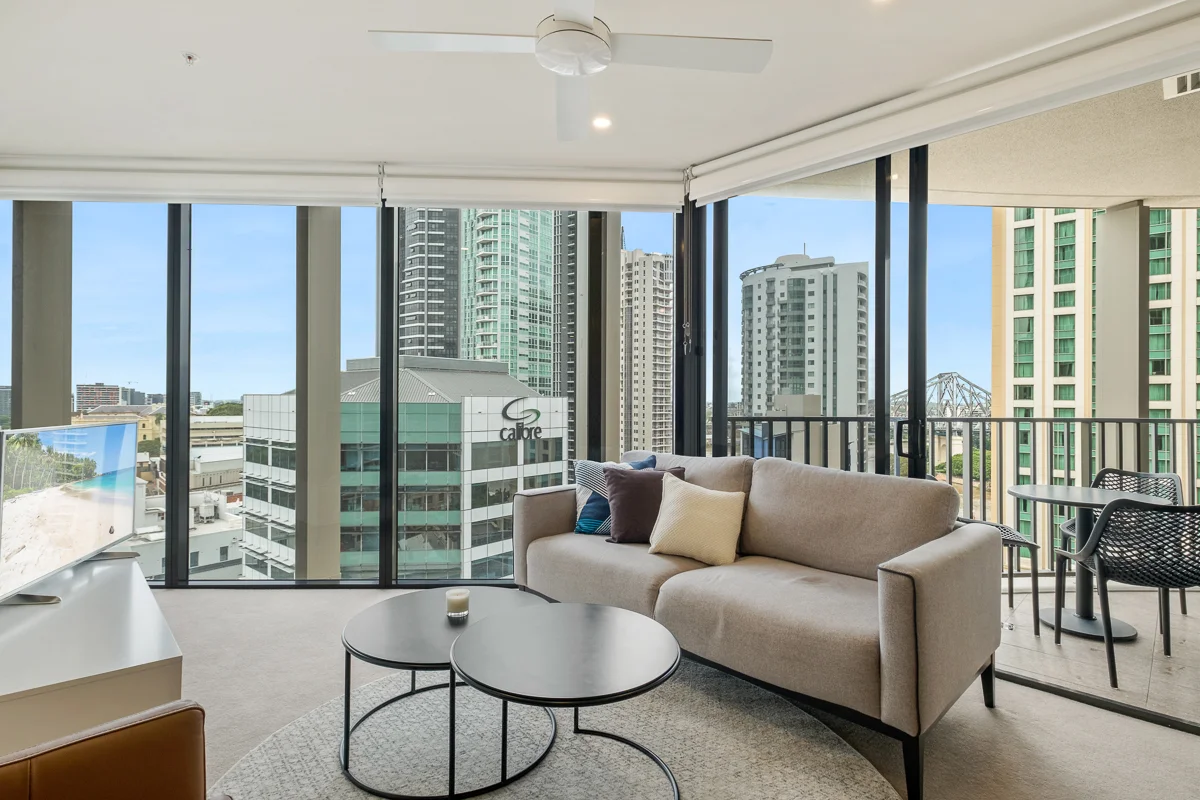 $950,000
Apartment / Unit / Flat
$950,000
Apartment / Unit / Flat
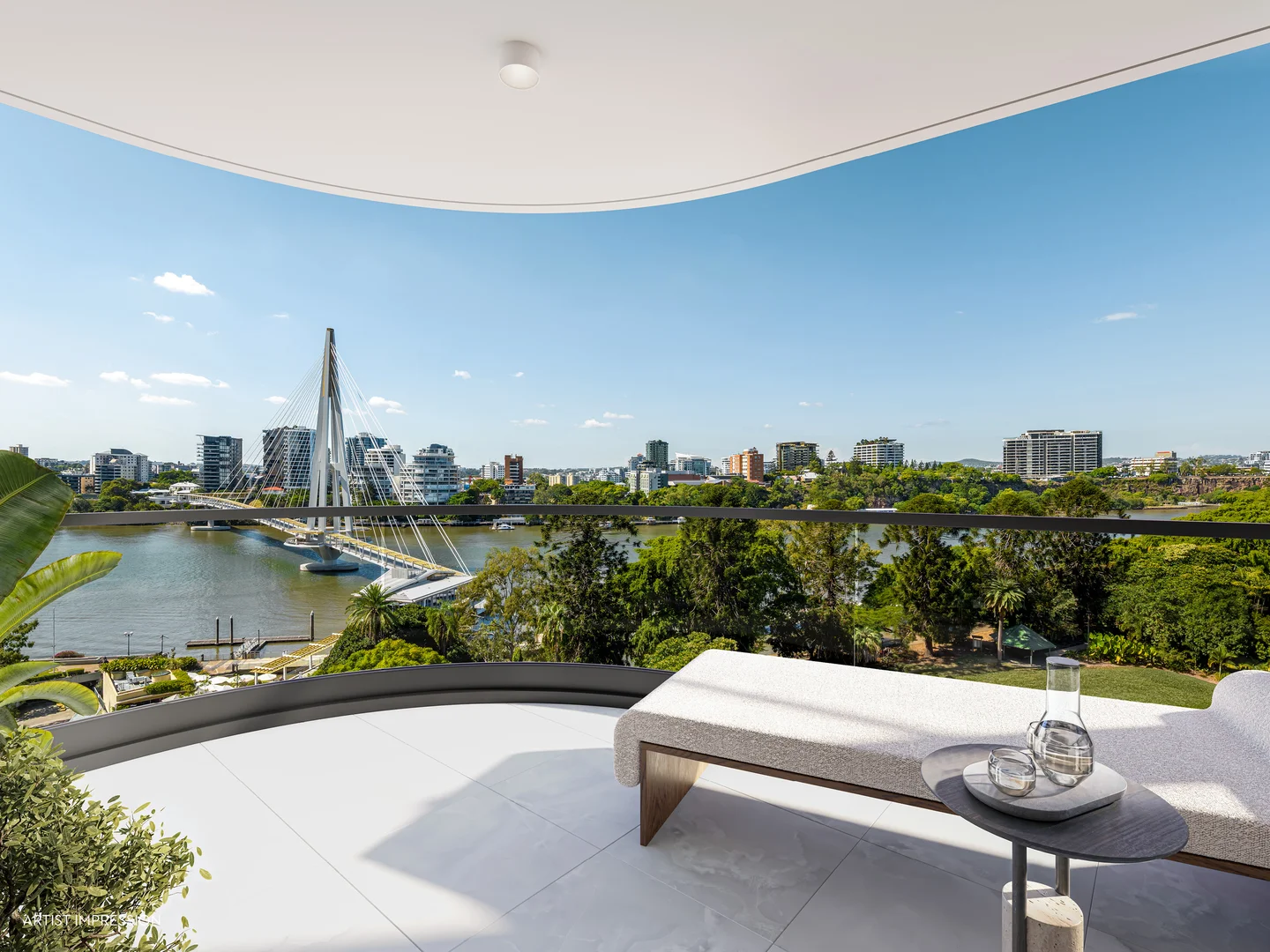 $1,475,000 - $2,090,000
propertyType.NEW APARTMENTS / OFF THE PLAN
$1,475,000 - $2,090,000
propertyType.NEW APARTMENTS / OFF THE PLAN
 $523,200 - $566,800
Apartment / Unit / Flat
$523,200 - $566,800
Apartment / Unit / Flat
 $550,000
Apartment / Unit / Flat
$550,000
Apartment / Unit / Flat
 $770,000
Apartment / Unit / Flat
$770,000
Apartment / Unit / Flat


