## 1. Overview
Norman Park State School is a public, co-educational primary school serving the Norman Park area in Brisbane. It is a medium-sized community school with class sizes typically around 24–28 students, reflecting the Queensland primary school model. The atmosphere is inclusive and supportive, with a focus on creating a welcoming environment where students feel valued and connected.
The school emphasises a balanced approach to learning, combining solid academic foundations with opportunities for creativity, sport and wellbeing. It strives to cater to diverse backgrounds and abilities, fostering confident, respectful learners who participate actively in school life.
⸻
## 2. Academics & Learning
- Academic strengths: Strong focus on literacy and numeracy foundations, with emphasis on reading, writing and problem-solving. A proactive approach to STEM education, leadership development and language learning is embedded in the curriculum.
- Special programs: Gifted and talented pathways, accelerated learning options where appropriate, and digital technologies integrated across year levels.
- NAPLAN trends: Recent years show steady improvement in literacy and numeracy attainment with a trend toward higher bands and broader engagement across cohorts.
- Student-teacher ratios: Generally around 1:20 to 1:25, supported by classroom teachers and specialist staff.
- Support for diverse learners: EAL/D support, inclusive education practices, and targeted assistance for students with additional learning needs (SEN).
⸻
## 3. Sports & Extracurricular Strengths
- Sports offered: A range of ball sports and fitness activities (e.g., athletics, cricket, soccer, basketball) with participation in inter-school fixtures where available.
- Strong teams or achievements: Students typically participate in local inter-school competitions and showcase teamwork and school spirit across age groups.
- Music, arts, drama: Active music program with opportunities for instrumental learning and ensembles; regular drama and school performances.
- Clubs: Robotics, coding, chess, debating and other STEM/critical-thinking clubs are encouraged to develop problem-solving and collaboration.
- Partnerships: Connections with local community clubs and regional competitions to extend opportunities beyond the classroom.
⸻
## 4. Wellbeing & Pastoral Care
- Anti-bullying approach: Proactive programs and clear reporting pathways; a culture of respect and inclusion supported by staff and student leaders.
- House system: A house-based framework for whole-school events and pastoral activities, fostering belonging and healthy competition.
- Counsellors / wellbeing officers: Access to school psychologists or wellbeing staff and a dedicated guidance/wellbeing team to support students.
- Transition support for new students: Orientation activities, buddy systems and targeted transition programs to help new students settle in smoothly.
⸻
## 5. Facilities
- Sports grounds: Green spaces and athletic facilities suitable for PE and school sport.
- Libraries: Well-stocked library supporting literacy and inquiry across year levels.
- Science labs: Dedicated spaces for practical science learning and experiments.
- Music/performing arts centers: Facilities to support music education and performances.
- Tech/innovation labs: Classrooms or spaces dedicated to coding, robotics and digital learning.
- Cafeteria: On-site canteen or tuck shop offering healthy meal and snack options.
- Updated playgrounds: Safe, age-appropriate play areas and outdoor learning spaces.
⸻
## 6. School Values & Community Culture
- School values / mission: A values-driven culture centred on respect, responsibility, inclusivity and excellence.
- Leadership style: Collaborative and student-inclusive, with opportunities for student voice in decisions and events.
- Behaviour expectations: Clear expectations emphasising positive behavior, consistent routines and restorative approaches where needed.
- Community reputation: Friendly and welcoming school community with strong home–school partnerships.
- Diversity & inclusion: Commitment to inclusion and celebrating diverse backgrounds and learning needs.
⸻
## 7. School Logistics & Daily Operations
- School hours: Typical primary school day starting mid-morning and finishing in the mid-afternoon, with a consistent timetable supported by teachers.
- Before/after school care: Availability of Outside School Hours Care (OSHC) arrangements or partnerships to support working families.
- Uniform requirements: School uniform standard with guidance on daily wear and approved accessories.
- Transport (train/bus routes): Access to local public transport options; school may be situated near bus routes convenient for families in the area.
- Canteen availability: Canteen or tuck shop operating on specific days with a selection of healthy meal and snack options.
- Fees (low/medium/high ranges): As a public school, there are no tuition fees; families may contribute through approved levies or voluntary contributions for resources and activities.
⸻
## 8. Enrolment & Admissions
11. What is the enrolment process and timeline?
- Enrolment is handled through the Queensland Department of Education processes. Families typically complete an online enrolment application, provide required documents (e.g., birth certificate, immunisation records, proof of address), and submit within the school’s intake timeline. Prep enrolments often open the year prior to entry, with ongoing intake subject to vacancies across year levels.
12. Is there a waiting list, and how does it work?
- There can be a waiting list when year-level capacity is reached. Priority is typically given to students within the school’s catchment, with other placements considered as vacancies arise. The school communicates expected wait times and next steps if a place becomes available.
13. Are there any entry requirements, tests, or interviews?
- Generally, there are no entrance tests for primary-level enrolments. Some schools may request information about the student’s needs or readiness to support placement. Interviews are uncommon for standard enrolments but may occur in special circumstances or for catchment transfers.
14. Does the school accept mid-year transfers?
- Yes, subject to place availability. Parents seeking mid-year transfers should contact the school early to check current vacancies and required documentation; arrival dates and transition support will be coordinated.
⸻
## 9. Frequently Asked Questions
- Why Parents Choose This School?
Norman Park State School offers a welcoming, inclusive community with solid academic foundations, a broad range of extracurricular options and strong wellbeing support, making it a balanced choice for many families.
- What type of student thrives at this school?
Students who are curious, cooperative and motivated to engage in both academics and co-curricular activities typically thrive, especially those who benefit from a supportive, collaborative learning environment.
- What opportunities are available for students to extend their skills (academics, sports, arts)?
Opportunities include dedicated literacy/numeracy supports, STEM and technology programs, gifted and talented pathways, sports fixtures, music ensembles, drama and arts activities, and various clubs (robotics, coding, debating).
- How does the school communicate with parents?
Regular updates are shared through newsletters, the school website or portal, email notices, and scheduled meetings. Key information is conveyed in a timely and accessible manner.
- What is the school’s approach to teaching and learning?
The school emphasises a student-centered approach with evidence-based practices, differentiated instruction, and a mix of teacher-led and inquiry-based learning to meet diverse needs.
- How does the school support students who need extra academic help?
Targeted teacher support, small-group intervention, EAL/D assistance and SEN-focused programs are available to assist students requiring additional help.
- What support is available for academic challenges?
Students facing academic challenges can access additional tutoring, in-class differentiation, and Collaboration with specialists to develop individualized learning plans.
- How does the school communicate with parents? (Repeated)
See above: through newsletters, portals, emails and parent meetings to keep families informed.
- What are the class sizes and how much individual attention do students receive?
Class sizes are typically around 24–28 students, with teachers providing ongoing instruction, assessment and targeted support to meet individual needs.
- What extracurricular and sports opportunities are available?
A variety of sports, music, drama and clubs (robotics, coding, chess, debating) are offered to broaden student experiences beyond core academics.
- What facilities does the school offer (sports, science, arts)?
Facilities include sports grounds, libraries, science labs, music/performing arts spaces, tech/innovation labs and appropriate dining/play areas.
- What is the school’s approach to technology and digital learning?
Digital learning is integrated across the curriculum with access to devices, coding and technology projects to build digital literacy.
- What transport and accessibility options are available?
Local transport routes (bus/train) and accessibility considerations are part of planning for families; details are provided by the school.
- What are the typical school fees or additional costs?
As a public school, there are no tuition fees; families may incur small costs for activities, materials or voluntary contributions as recommended.
⸻
## 10. Short Pros & Cons list
- Pros
- Public school with a welcoming, inclusive community
- Balanced focus on academics, wellbeing and extracurriculars
- Range of clubs and sports that support diverse interests
- Strong support for diverse learners and transitional assistance
- Cons
- As a medium-sized public school, there may be limited availability at busy year levels
- Some specialised programs may operate with broader District offerings rather than school-only
- Uniform requirements and contribution expectations may be an adjustment for new families
⸻








 $1,475,000 - $2,090,000
propertyType.NEW APARTMENTS / OFF THE PLAN
$1,475,000 - $2,090,000
propertyType.NEW APARTMENTS / OFF THE PLAN
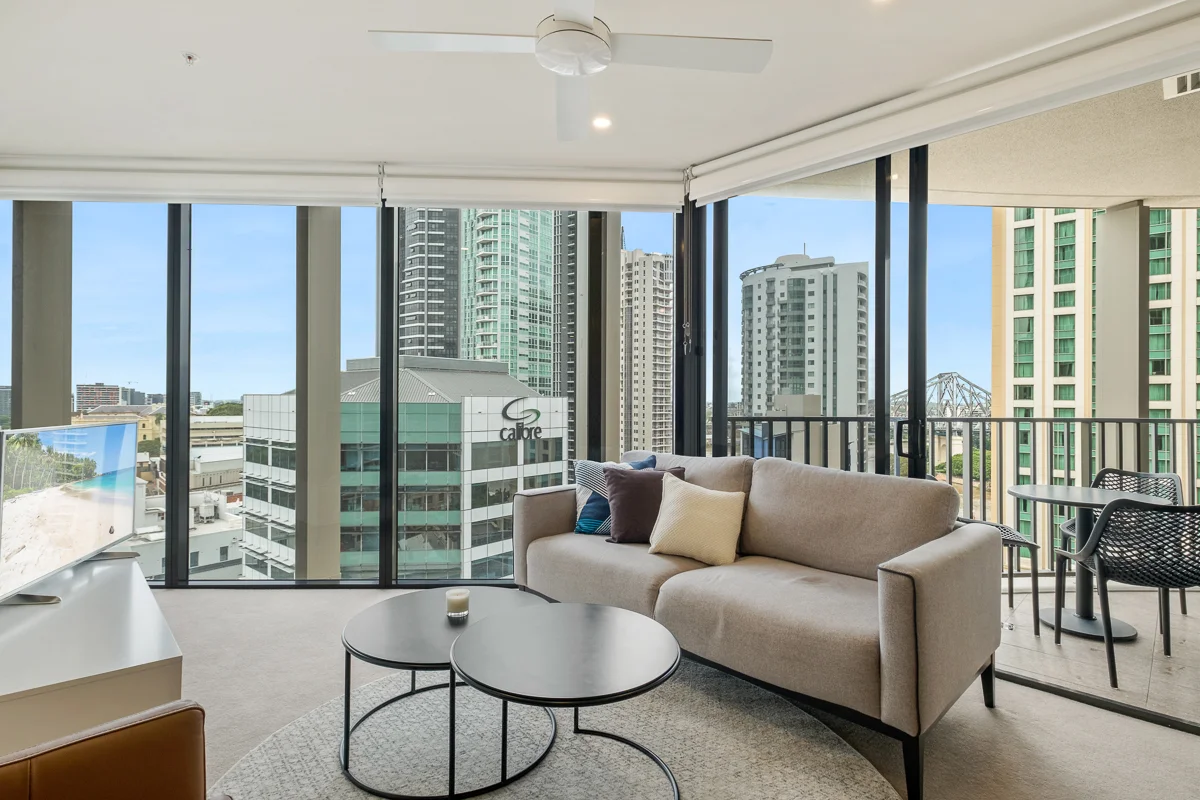 $950,000
Apartment / Unit / Flat
$950,000
Apartment / Unit / Flat
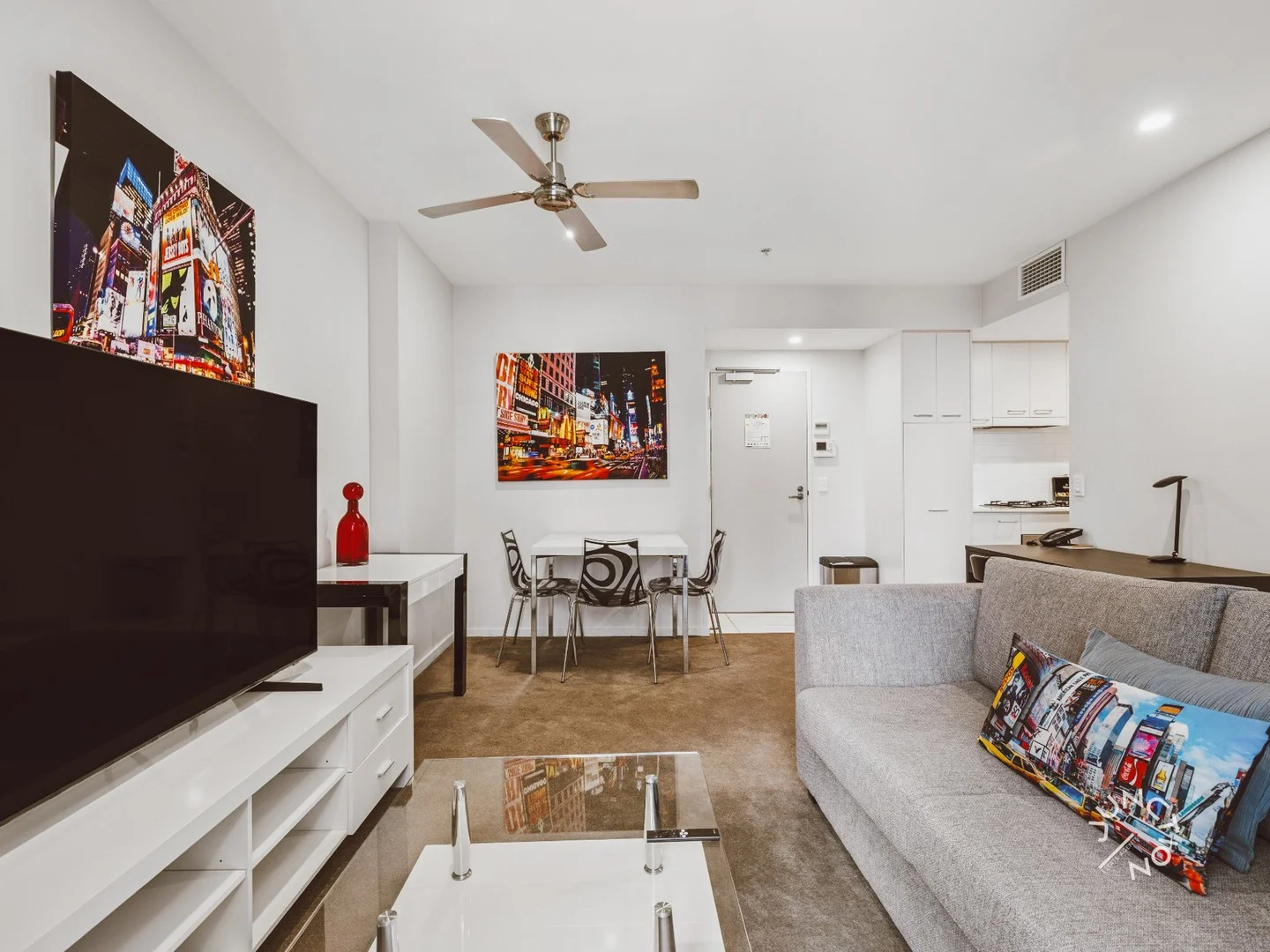 $523,200 - $566,800
Apartment / Unit / Flat
$523,200 - $566,800
Apartment / Unit / Flat
 $550,000
Apartment / Unit / Flat
$550,000
Apartment / Unit / Flat
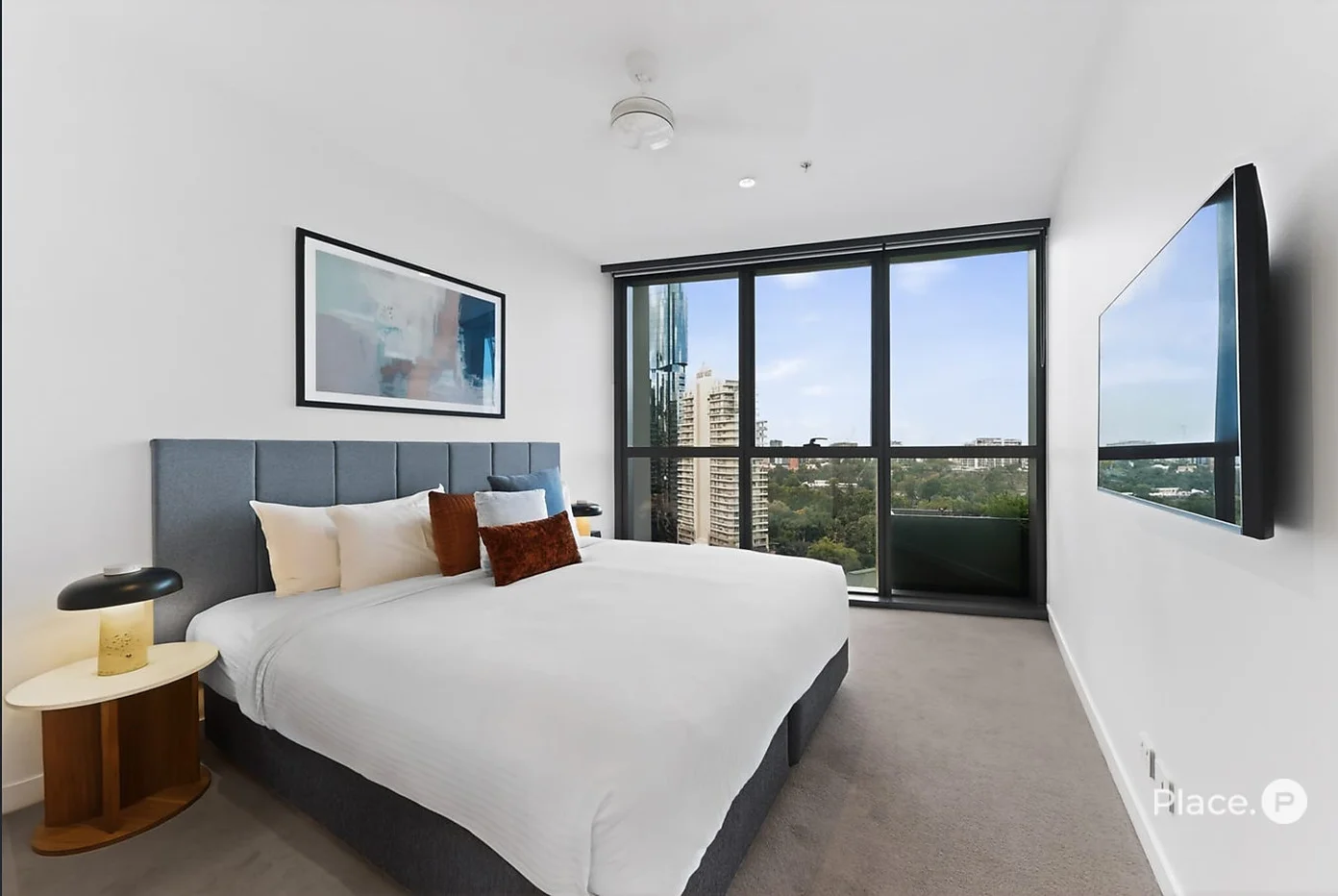 $770,000
Apartment / Unit / Flat
$770,000
Apartment / Unit / Flat