Overview
Marcellin College is a Catholic boys’ secondary school in Bulleen, Melbourne, offering Years 7–12 within the Marist Catholic tradition. The college emphasises faith, learning and service, aiming to develop well-rounded young men who contribute to their communities. It operates as a medium-to-large campus with a supportive, values-driven culture that blends academic effort with pastoral care, sport, and the arts. Class sizes are typically medium, fostering strong teacher–student relationships and opportunities for individualized attention within a vibrant school life.
The atmosphere is nurturing and inclusive, with a focus on character, leadership and service. Students participate in a range of sports, arts and clubs, while school programs encourage resilience, teamwork and a respect for diversity. Overall, it’s a community where academics sit alongside wellbeing, faith formation and community involvement.
Academics & Learning
- Academic strengths: English, Mathematics and Science form solid core pathways, with strong emphasis on Religious Education and values-based learning. The college also supports leadership development and opportunities in languages and humanities.
- Special programs: Leadership development, pastoral care programs and gifted/talented pathways; opportunities for acceleration or enrichment within the curriculum are available where appropriate.
- Support for diverse learners: Dedicated learning support teams, including assistance for students with diverse learning needs and EAL (English as an Additional Language) support where required.
- Sports offered: The college provides a broad sports program including Australian Rules Football, basketball, cricket, football (soccer), tennis, athletics, and swimming, with opportunities to participate in inter-school competition.
- Strong teams or achievements: Active participation in inter-school events with teams that regularly compete at district and regional levels.
- Music, arts, drama: A range of ensembles and performing arts opportunities, including band and choir, with production-level drama and related performance activities.
- Clubs: Robotics, coding, chess, debating and public speaking are part of the extracurricular mix.
- Partnerships: Participation in local and inter-school competitions and partnerships with community clubs and education networks to broaden opportunities in sport, science and the arts.
Wellbeing & Pastoral Care
- Anti-bullying approach: Whole-school policies and programs promote safety, respect and positive relationships; proactive bystander and wellbeing education are embedded in the culture.
- House system: A house-based framework fosters friendly competition, mentoring and community across year levels.
- Counsellors / wellbeing officers: Dedicated counsellors and wellbeing staff provide pastoral care, academic support and transition assistance.
- Transition support for new students: Induction programs, buddy systems and structured orientation help new students settle into the college environment smoothly.
Facilities
- Sports grounds: Comprehensive sports facilities and playing fields support extensive physical education and competitive sports.
- Libraries: A well-equipped library supporting research, reading and study.
- Science labs: Modern science laboratories for practical experiments and STEM activities.
- Music/performing arts centers: Dedicated spaces for music, drama and performance arts.
- Tech/innovation labs: Technology and digital-learning spaces to support coding, design and innovation projects.
- Cafeteria: On-site canteen and dining facilities for students.
- Updated playgrounds: Well-maintained outdoor spaces for recreation and socializing.
- School values / mission: Catholic values with Marist traditions of faith, identity, service and courage; emphasis on character development and community service.
- Leadership style: Collaborative and student-centered, with opportunities for student voice through student councils and leadership roles.
- Behaviour expectations: Clear expectations around respect, responsibility, integrity and accountability.
- Community reputation: A longstanding, engaged school community with active parent involvement and alumni networks.
- Diversity & inclusion: Inclusive culture that welcomes students from diverse backgrounds and supports a sense of belonging for all.
School Logistics & Daily Operations
- School hours: Aligning with Victorian norms; typically a morning start with a late afternoon finish.
- Before/after school care: On-site care options are commonly available or organized through partner programs.
- Uniform requirements: School uniform is required, reflecting the college’s standards and identity.
- Transport: Access via local bus routes and public transport; information on routes and travel plans is available through the school’s admissions or transport pages.
- Canteen availability: Canteen or dining facilities on-site for students’ meals and snacks.
- Fees: Fees fall in the mid-to-high range for private Catholic secondary schools in the region.
Enrolment & Admissions
- 11. What is the enrolment process and timeline?
- Applications typically open for Year 7 well in advance of the intake year, with information sessions or open days available. Families submit the required application form and supporting documents by published deadlines. Shortlisting and interview processes (where applicable) are conducted, followed by offer of a place and enrolment confirmation. Orientation activities are provided before the start of the school year.
- 12. Is there a waiting list, and how does it work?
- Waiting lists are common in popular intake years. Applicants may be placed on a waiting list after the initial offers are made. Placement on the list is typically prioritized by factors such as family Catholic affiliation, geographical catchment considerations, and availability. Updates are provided by the admissions team.
- 13. Are there any entry requirements, tests, or interviews?
- Entry requirements may include documentation of Catholic identity where applicable, attendance at information sessions, and an interview or family information session for Year 7 entries. Some programs may offer assessment or alignment activities to understand student needs and fit.
- 14. Does the school accept mid-year transfers?
- Mid-year transfers can be possible depending on space and capacity within classes. Prospective transfer families should contact the admissions team to confirm availability and the required documentation and transition plan.
Frequently Asked Questions
- Why Parents Choose This School?
- A values-led Catholic education that balances strong academics, pastoral care and opportunities in sport, arts and leadership.
- What type of student thrives at this school?
- Students who are motivated, team-oriented and committed to personal growth within a supportive, faith-based community.
- What opportunities are available for students to extend their skills (academics, sports, arts)?
- Broad curriculum pathways, leadership programs, sport teams, music ensembles, drama productions, robotics, coding, debating and public speaking.
- How does the school communicate with parents?
- Regular updates through newsletters, emails, parent portals and scheduled parent-teacher events; responsive communication channels with teachers and leaders.
- What is the school’s approach to teaching and learning?
- A balanced, student-centered approach that combines core academics with pastoral support, practical learning, and opportunities for enrichment.
- How does the school support students who need extra academic help?
- Targeted learning support, EAL assistance and access to tutors or specialist staff as part of a structured support program.
- What support is available for academic challenges?
- Counseling and academic coaching, personalized learning plans, and intervention strategies to help students reach their potential.
- What extracurricular and sports opportunities are available?
- A wide range of sports (e.g., football, basketball, cricket, tennis), music and drama programs, robotics, coding, chess, debating and more.
- What facilities does the school offer (sports, science, arts)?
- On-site sports grounds, libraries, science labs, performing arts spaces, technology labs and canteen facilities.
- What is the school’s approach to technology and digital learning?
- Integration of technology across the curriculum with digital learning tools and hands-on projects in STEM and beyond.
- What transport and accessibility options are available?
- Access via local bus routes and public transport; information on travel options is available from the admissions team.
- What are the typical school fees or additional costs?
- Fees are in the mid-to-high range for private Catholic secondary schools in the area; additional costs may apply for trips, uniforms and activities.
Short Pros & Cons list
- Strong Catholic identity with a values-driven culture
- Comprehensive pastoral care and supportive staff
- Balanced focus on academics, sport, arts and leadership
- Broad range of extracurriculars and clubs
- Active community with traditions and alumni networks
- Single-sex environment may not suit every family
- Fees higher than public schools
- Large school can mean less immediate personalised attention for some students (depends on year level and program)
 Free
Free









 $1,400,000 - $1,500,000
House
$1,400,000 - $1,500,000
House
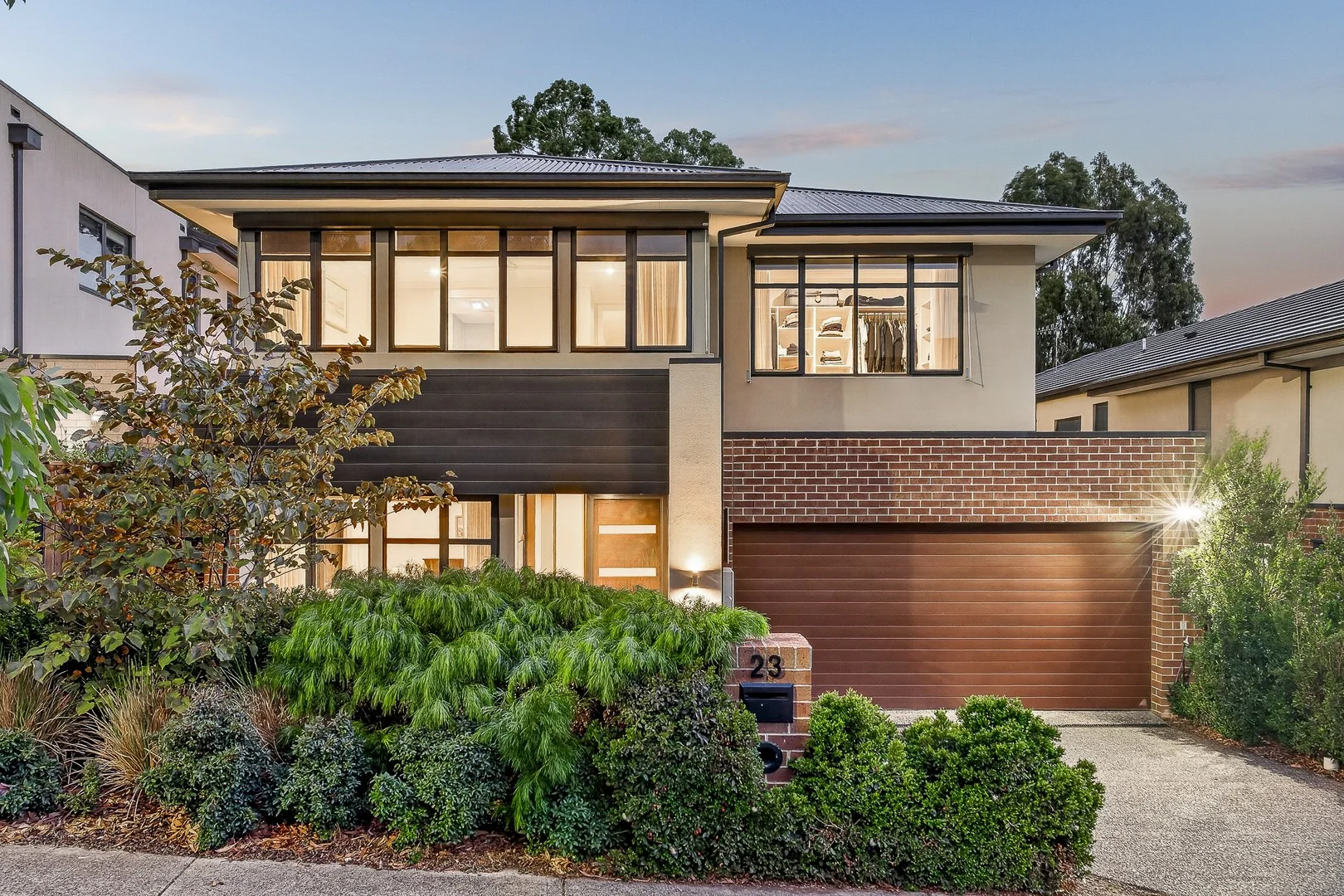 $1,780,000 - $1,880,000
House
$1,780,000 - $1,880,000
House
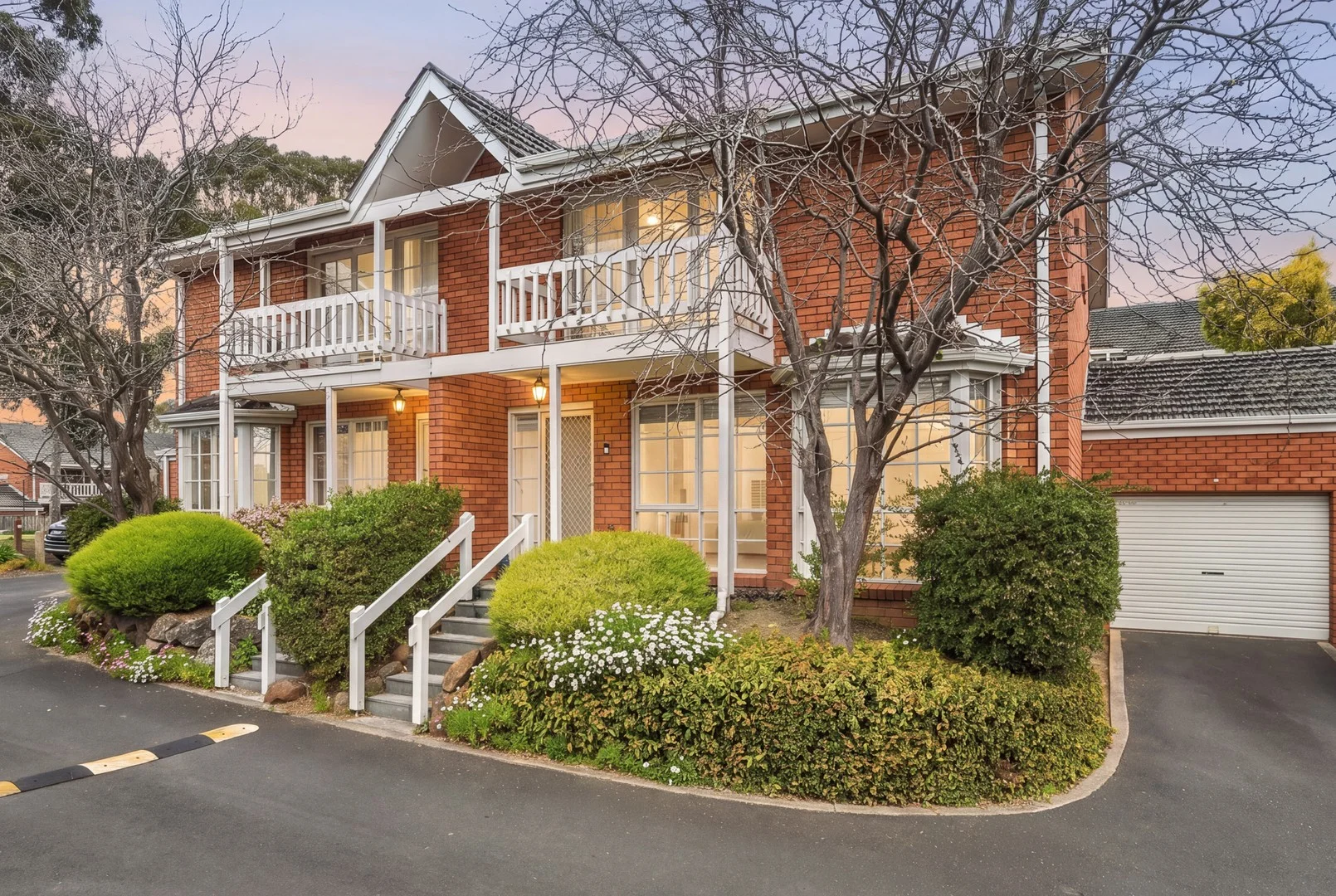 $795,000
Apartment / Unit / Flat
$795,000
Apartment / Unit / Flat
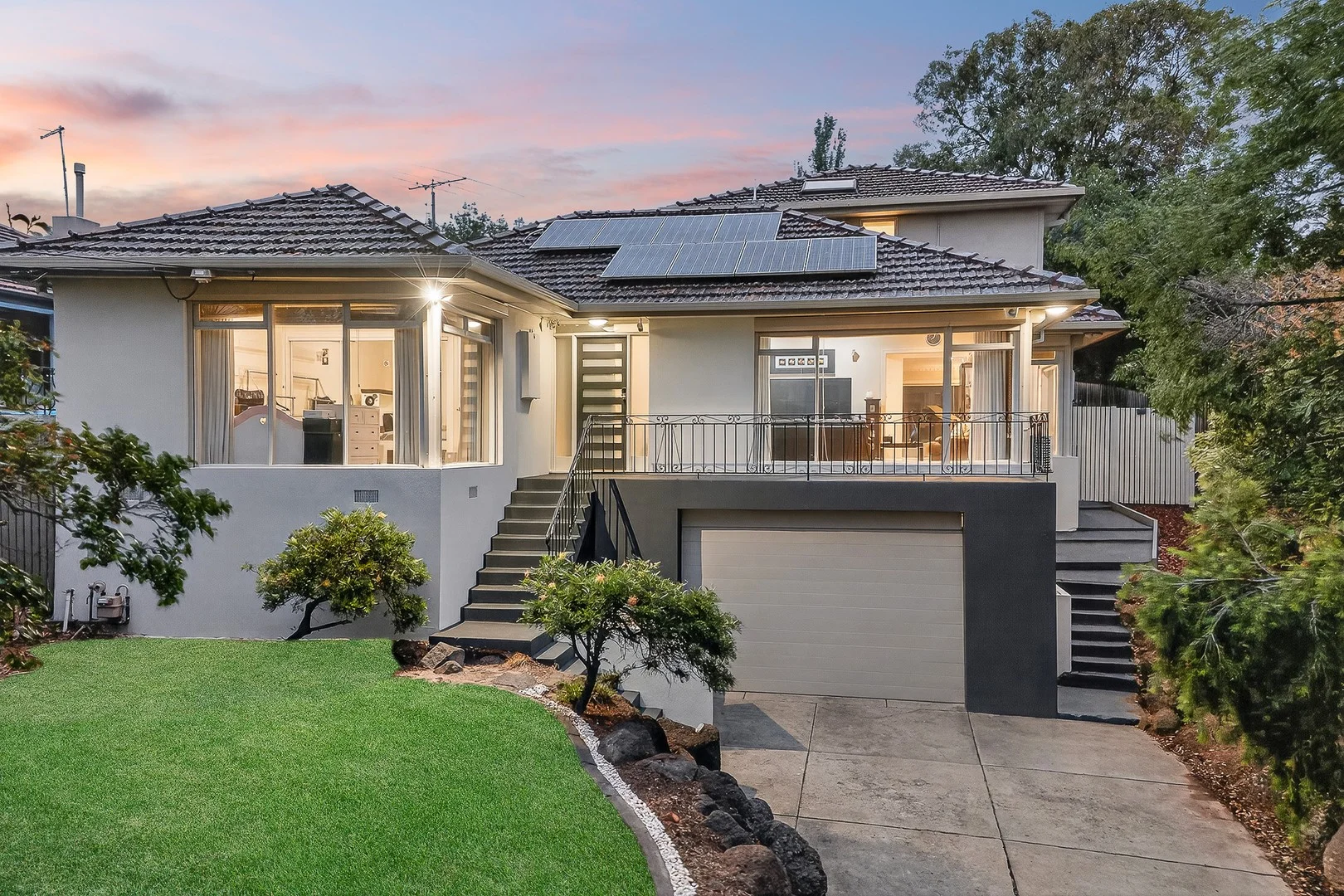 $1,350,000 - $1,450,000
House
$1,350,000 - $1,450,000
House
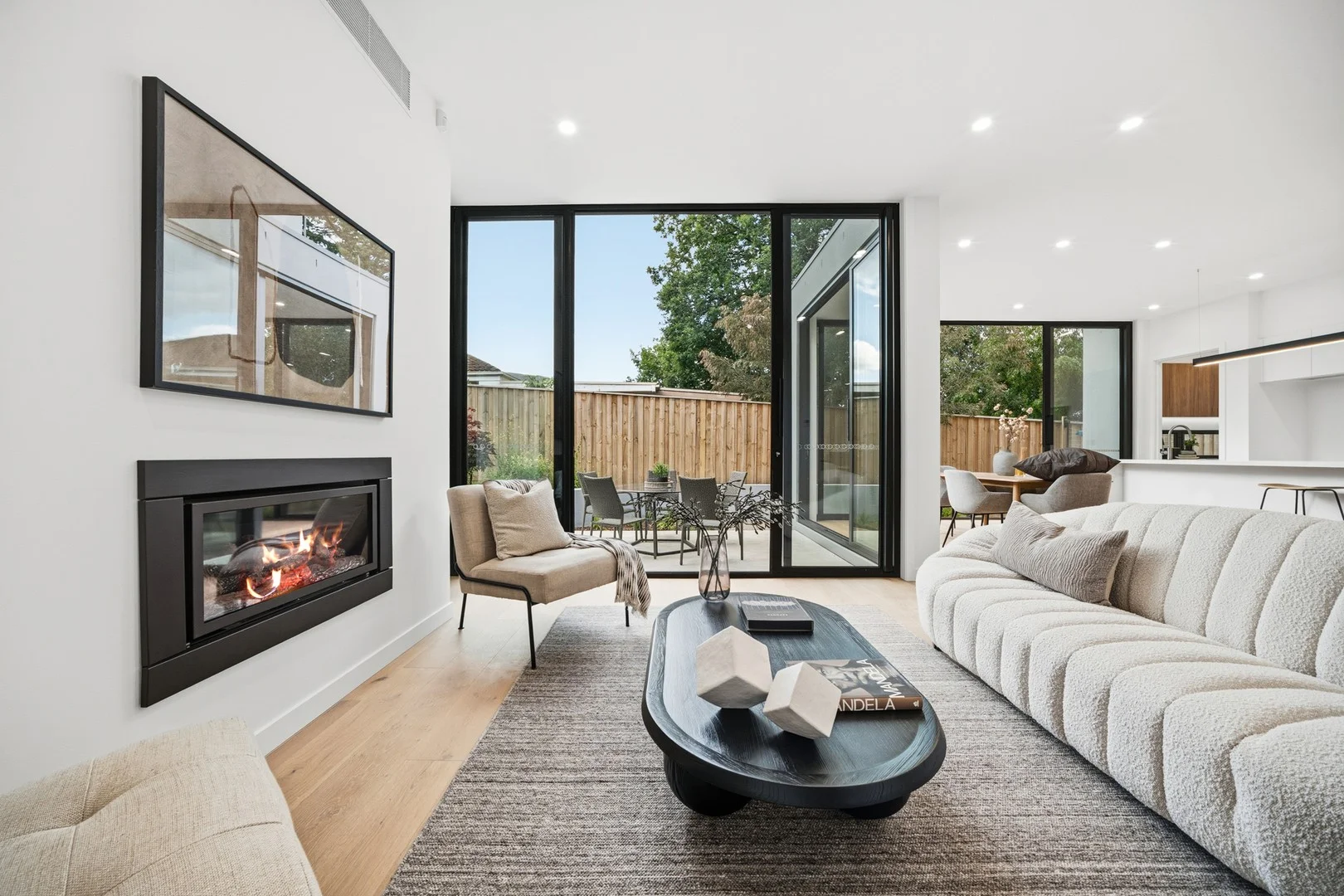 $1,750,000
Townhouse
$1,750,000
Townhouse
 $1,600,000 - $1,750,000
House
$1,600,000 - $1,750,000
House
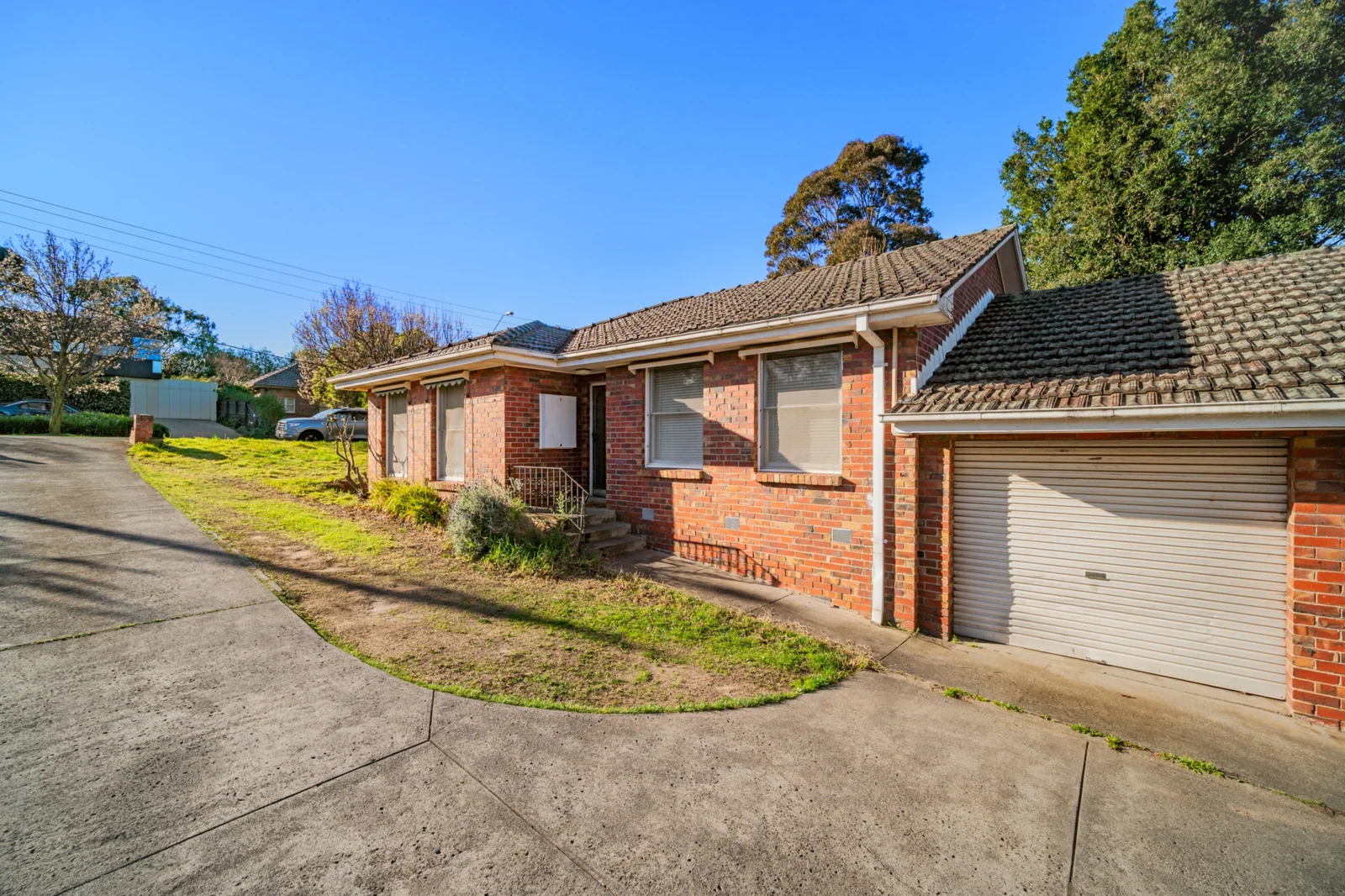 $580
Apartment / Unit / Flat
$580
Apartment / Unit / Flat
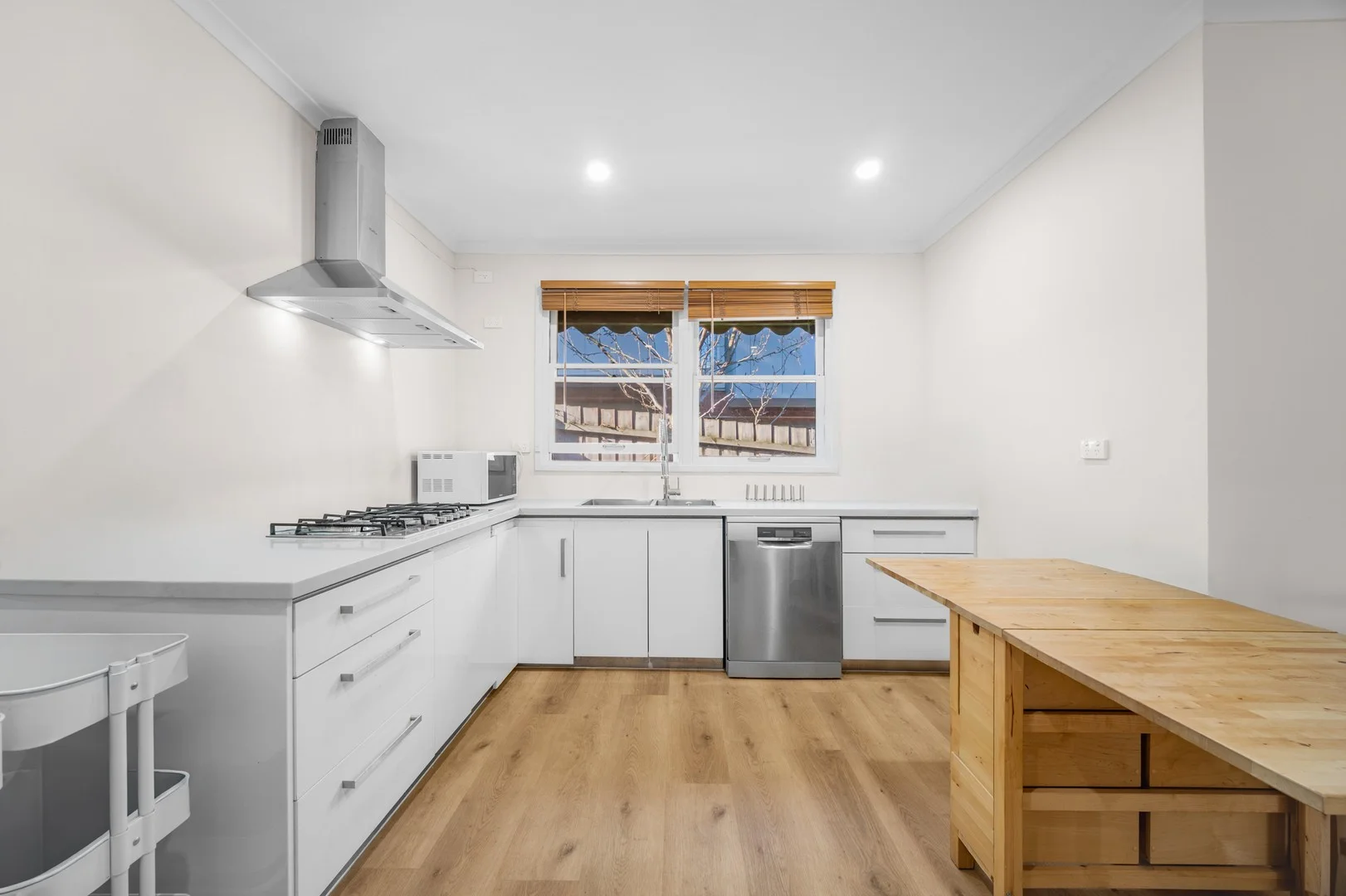 $680
Apartment / Unit / Flat
$680
Apartment / Unit / Flat
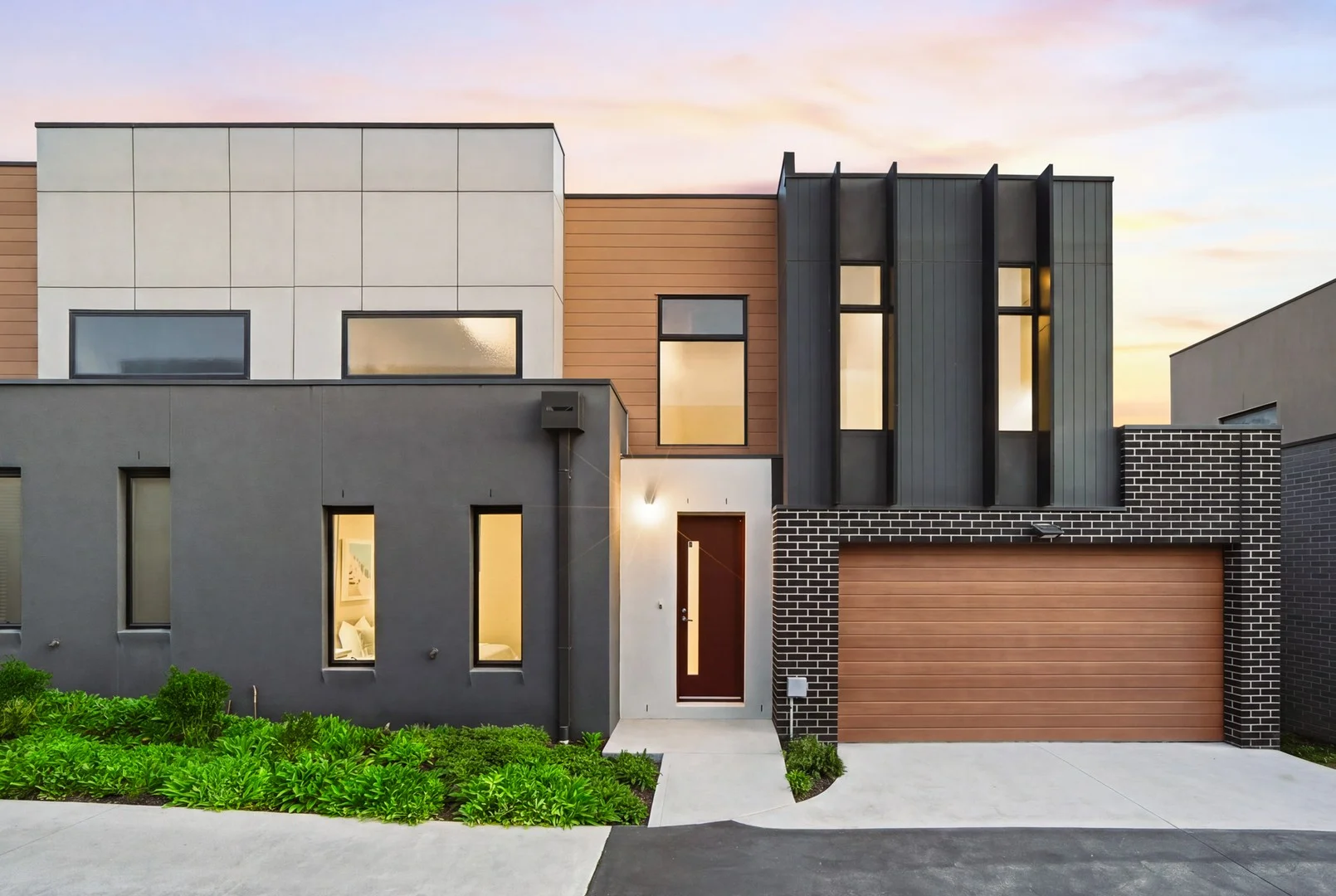 $900,000 - $990,000
Townhouse
$900,000 - $990,000
Townhouse


