1. Overview
Our Lady of Mercy College Heidelberg is a Catholic independent girls’ secondary college that offers Year 7–12 education within a faith-based, values-driven community. The college combines strong academic programs with a supportive pastoral environment, helping students grow as learners and young people of service. It’s a medium-sized school with a welcoming culture, where class groups are designed to enable close teacher-student relationships and personalised support.
The atmosphere is nurturing and inclusive, with a focus on academic rigour, personal growth, faith formation, and participation in sport, arts and leadership opportunities. Students are encouraged to contribute to the college’s values-driven community through service, teamwork and personal responsibility.
⸻
2. Academics & Learning
- Academic strengths: The college prioritises English, STEM, the humanities and languages, with a strong emphasis on critical thinking, communication and leadership development. Mercy-inspired values underpin a holistic approach to learning.
- Special programs: Pathways for gifted and talented students, opportunities for accelerated learning, and a robust VCE curriculum are offered to cater to diverse student needs and interests.
- NAPLAN trends: Over recent years, the college has shown positive NAPLAN trends in multiple domains, reflecting ongoing improvements and a steady commitment to effective teaching practices and student support.
- Student-teacher ratios: The school maintains favourable student-teacher ratios to support individual attention, timely feedback and targeted instructional support.
- Support for diverse learners: Strong support systems are in place for diverse learners, including EAL (English as an Additional Language) assistance and SEN (special education needs) programs, along with targeted intervention and tutoring options.
⸻
3. Sports & Extracurricular Strengths
- Sports offered: Netball, basketball, soccer, tennis, athletics, swimming and other school-based programs are available to students, with emphasis on participation, teamwork and fair play.
- Strong teams or achievements: The college supports competitive school teams with opportunities to compete in regional and state events, highlighting teamwork, discipline and school spirit.
- Music, arts, drama programs: A vibrant music and performing arts program includes choirs, ensembles and drama productions, alongside opportunities to develop stagecraft and creative performance.
- Clubs: Robotics, chess, coding, debating and other interest-based clubs help students explore passions beyond the classroom and build problem-solving skills.
- Partnerships: The college connects with local arts, sports and community partnerships and participates in inter-school competitions and events to broaden student experiences.
⸻
4. Wellbeing & Pastoral Care
- Anti-bullying approach: A clear anti-bullying framework is embedded in school policies, with proactive programs to promote respect, safety and a positive school climate.
- House system: A house framework fosters belonging, healthy competition and peer support across year levels.
- Counsellors / wellbeing officers: Access to counsellors and wellbeing staff supports students’ emotional health, resilience and personal development.
- Transition support for new students: Orientation programs, buddy systems and targeted transition support help new students settle in smoothly and form connections quickly.
⸻
5. Facilities
- Sports grounds
- Libraries
- Science labs
- Music/performing arts centers
- Tech/innovation labs
- Cafeteria
- Updated playgrounds
The facilities are designed to be visually engaging and easy to navigate, supporting a wide range of learning, performance and recreational activities.
⸻
6. School Values & Community Culture
- School values / mission: The college’s mission is rooted in Mercy values—compassion, justice, hospitality and service—guiding both learning and everyday community life.
- Leadership style: Leadership opportunities emphasize collaboration, student voice, responsibility and service to others.
- Behaviour expectations: Clear expectations around respect, honesty and responsibility underpin a positive culture.
- Community reputation: The college is viewed as a welcoming, faith-based community with strong family links and an emphasis on service.
- Diversity & inclusion: The school prioritises inclusion and supports students from diverse backgrounds to participate fully in school life.
⸻
7. School Logistics & Daily Operations
- School hours: Typical day runs from morning to afternoon with a structured timetable aligned to Victorian curriculum standards.
- Before/after school care: Before and after school care options are available to support families.
- Uniform requirements: A college uniform is standard, with guidelines on appropriate wear and presentation.
- Transport (train/bus routes): Regular public transport access and local bus/train routes support commuting students; car parking and drop-off zones are available as part of the campus operations.
- Canteen availability: An on-site canteen provides a range of healthy meal options and snacks.
- Fees (low/medium/high ranges): Fees fall within a moderate range for independent Catholic education, with clarity provided on annual charges, family discounts and any additional program costs.
⸻
8. Enrolment & Admissions
11. What is the enrolment process and timeline?
- Applications are typically submitted online, followed by information sessions or open days. The school outlines key application dates, assessment windows (if applicable), interview processes, and the timeline for offer and acceptance.
12. Is there a waiting list, and how does it work?
- There may be a waiting list when vacancies are limited. Priority is commonly given to siblings, parish or geographic considerations, and students already enrolled in the school community, with vacancies allocated as they arise.
13. Are there any entry requirements, tests, or interviews?
- Entry often involves an interview or information session for both parent and student, along with required documentation. Some year levels may involve additional assessments for placement or program suitability.
14. Does the school accept mid-year transfers?
- Mid-year transfers are considered where vacancies exist, subject to meeting enrolment requirements and availability of suitable places in the desired year level.
⸻
9. Frequently Asked Questions
- Why Parents Choose This School?
- Strong values-based education, supportive pastoral care, and a balance of academics, sport and arts in a safe, inclusive environment.
- What type of student thrives at this school?
- Students who value faith-based community, positive peer relationships, strong study habits and involvement in co-curricular activities.
- Opportunities to extend skills (academics, sports, arts)?
- Broad academic programs (including leadership and languages), competitive sports, performing arts, robotics, coding, debating and other clubs.
- How does the school communicate with parents?
- Regular newsletters, email updates, a parental portal, parent-teacher interviews and community events.
- What is the school’s approach to teaching and learning?
- Student-centered, values-driven learning that integrates academic rigour with opportunities for service, collaboration and personal development.
- How does the school support students who need extra academic help?
- Targeted learning support, EAL assistance, SEN programs, tutoring options and ongoing teacher monitoring.
- What support is available for academic challenges?
- Academic coaching, personalised feedback, differentiation in lessons and access to additional tutoring or intervention as needed.
- How does the school communicate with parents? (Repeat)
- See above: newsletters, portal, email, meetings, and events.
- What are the class sizes and how much individual attention do students receive?
- Class sizes are designed to be manageable, with a focus on teacher accessibility, feedback and small-group support where appropriate.
- What extracurricular and sports opportunities are available?
- A wide range of sports, music and arts programs, and clubs such as robotics, chess, coding and debating.
- What facilities does the school offer (sports, science, arts)?
- Modern sports facilities, well-equipped science labs, music and performing arts venues, libraries and tech/innovation spaces.
- What is the school’s approach to technology and digital learning?
- Integrated digital learning with appropriate devices, safe online practices, and opportunities to develop digital literacy across subjects.
- What transport and accessibility options are available?
- Access to public transport options and on-site or nearby parking; accessible facilities for students with different needs.
- What are typical school fees or additional costs?
- Fees are outlined by the school and include uniform, resources, and activity costs; many families qualify for scholarships or discounts where available.
⸻
10. Short Pros & Cons list
Pros
- Catholic, values-driven education with a nurturing, inclusive culture
- Strong balance of academics, faith formation and cocurricular opportunities
- Supportive wellbeing, counselling and transition programs
- Good student-teacher ratios and opportunities for individual attention
- Broad facilities for science, arts, technology, sports and canteen
Cons
- As a private Catholic school, fees and associated costs are an investment for families
- Enrolment can involve waitlists depending on capacity and year level
- Some programs or entry requirements may require attendance at information sessions or interviews
⸻

 Free
Free











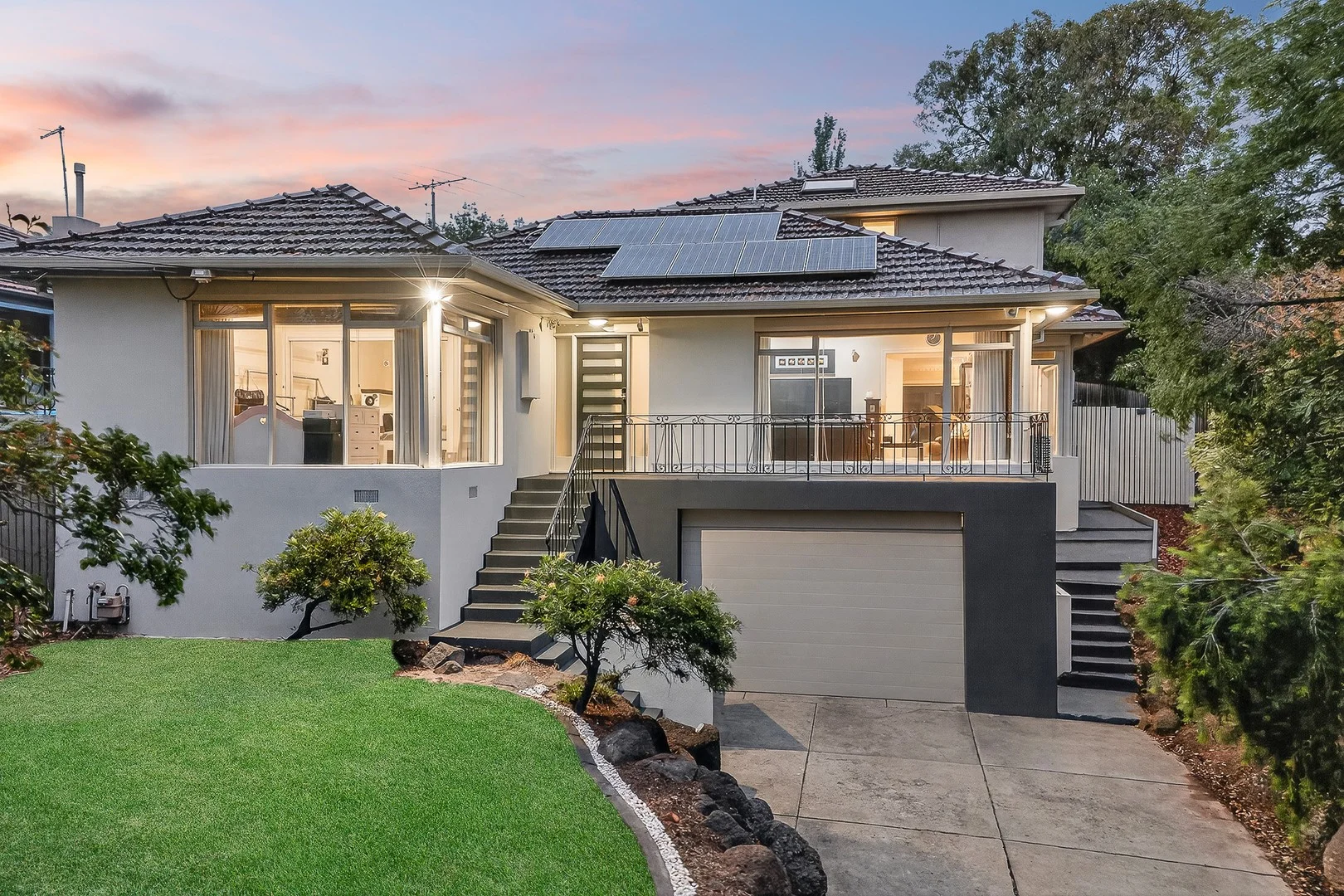 $1,350,000 - $1,450,000
House
$1,350,000 - $1,450,000
House
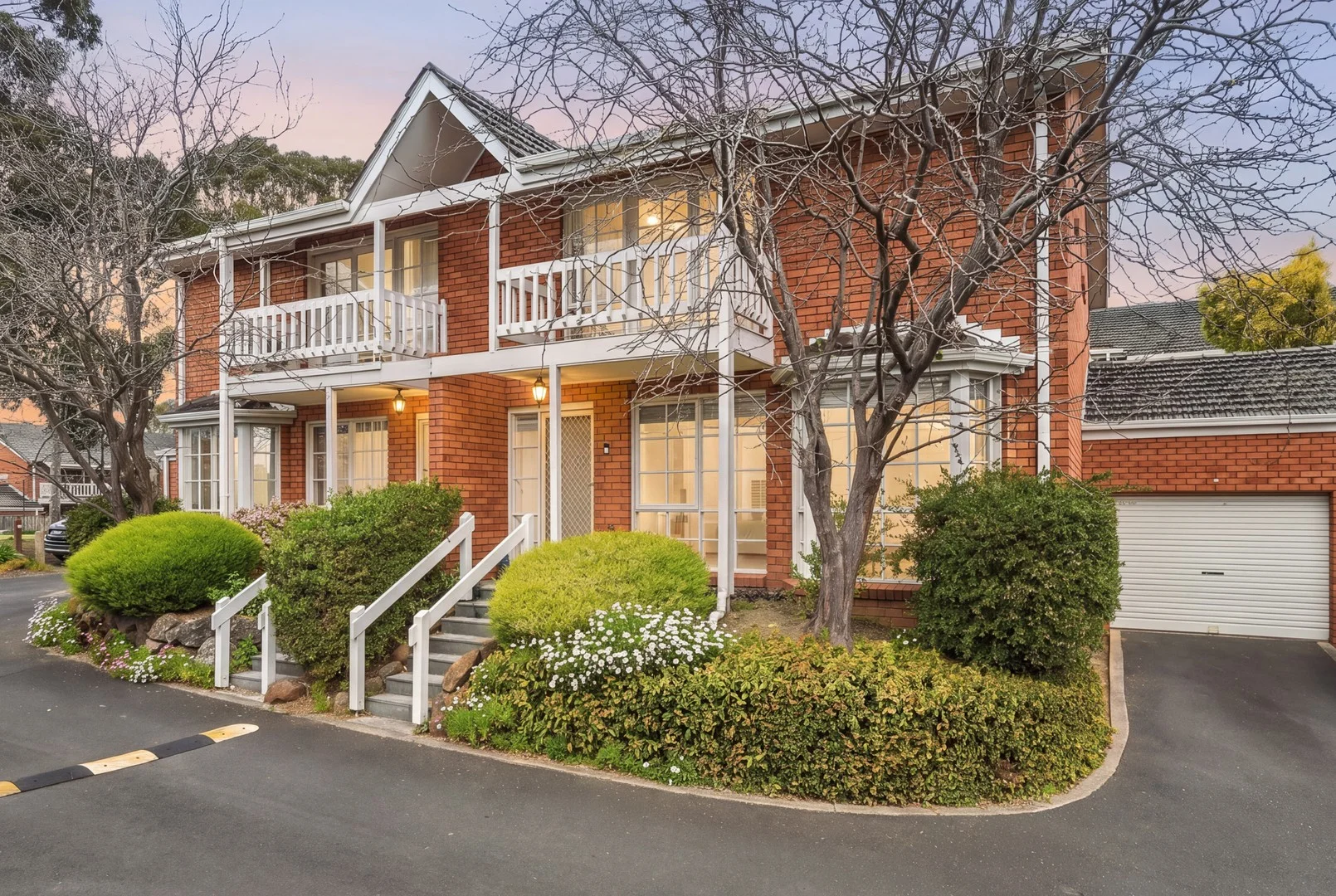 $795,000
Apartment / Unit / Flat
$795,000
Apartment / Unit / Flat
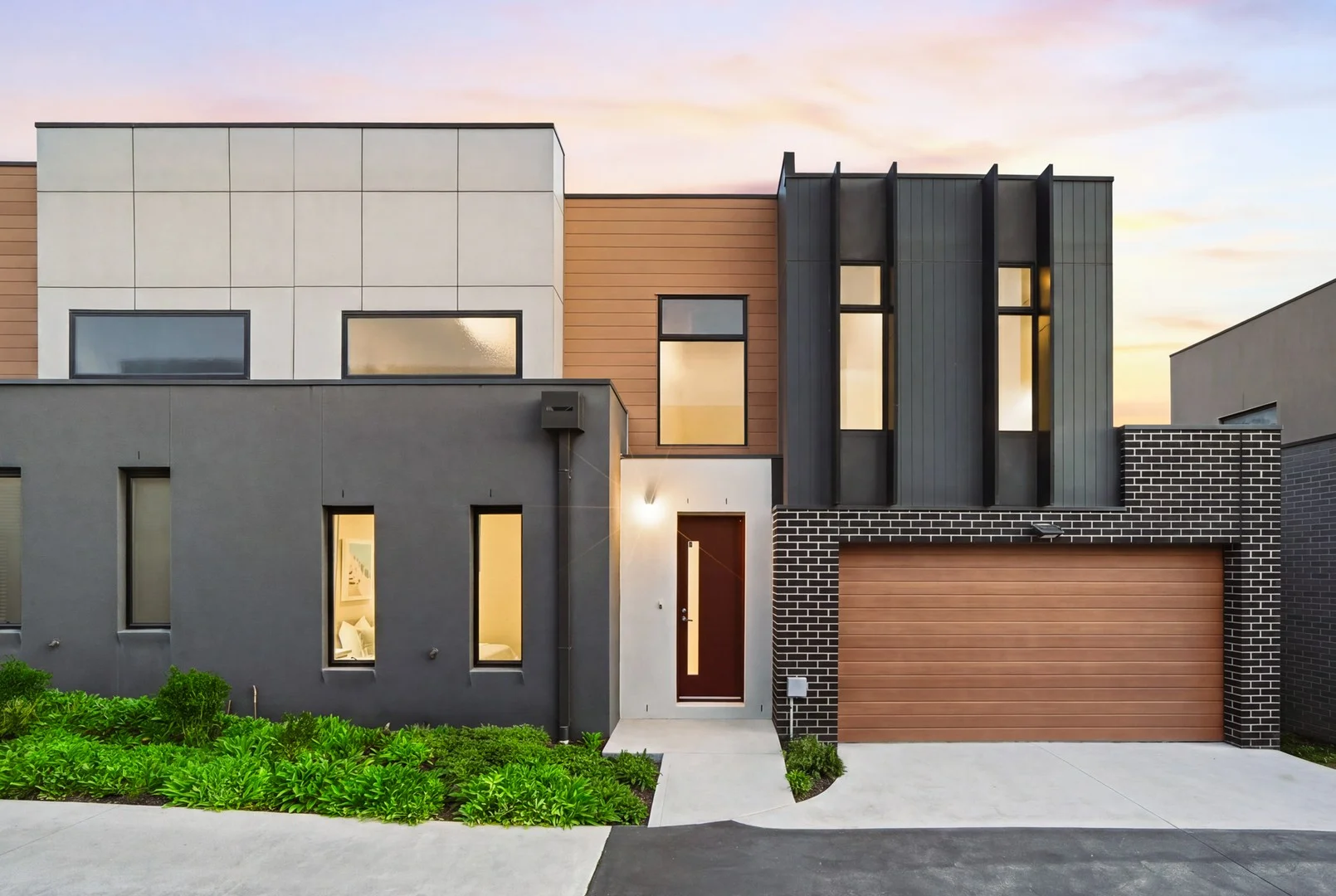 $900,000 - $990,000
Townhouse
$900,000 - $990,000
Townhouse
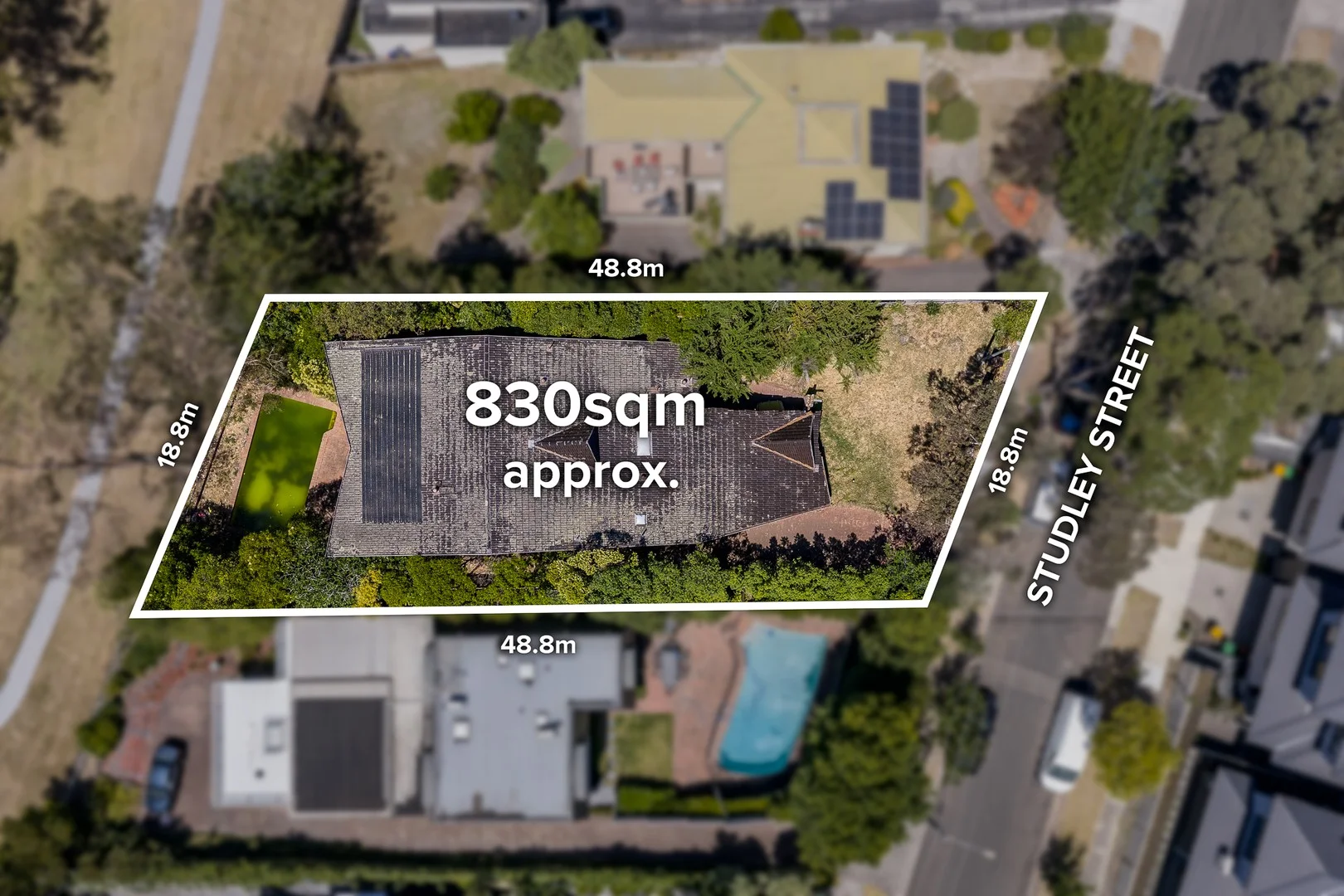 $1,400,000 - $1,500,000
House
$1,400,000 - $1,500,000
House
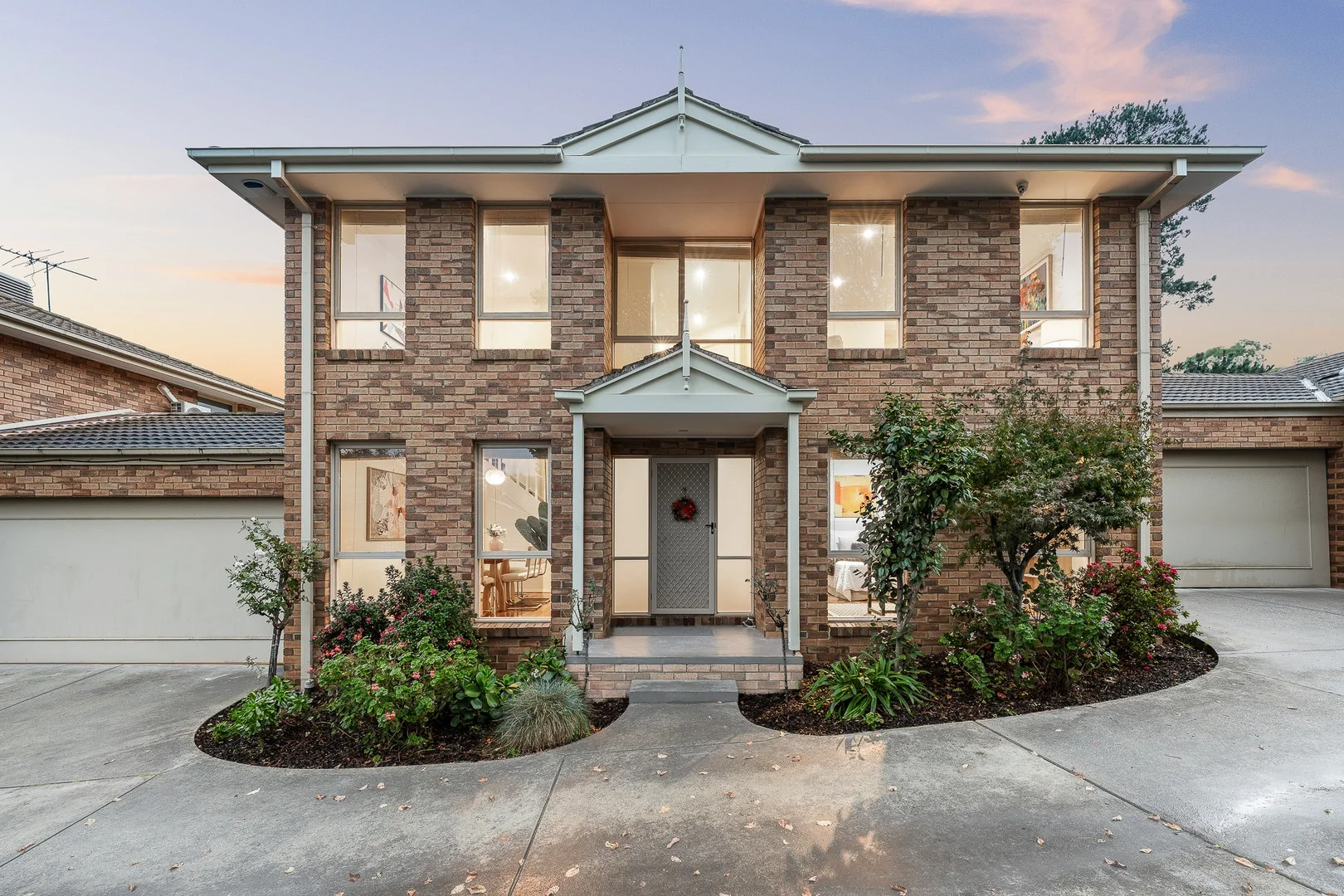 $950,000 - $1,045,000
Apartment / Unit / Flat
$950,000 - $1,045,000
Apartment / Unit / Flat
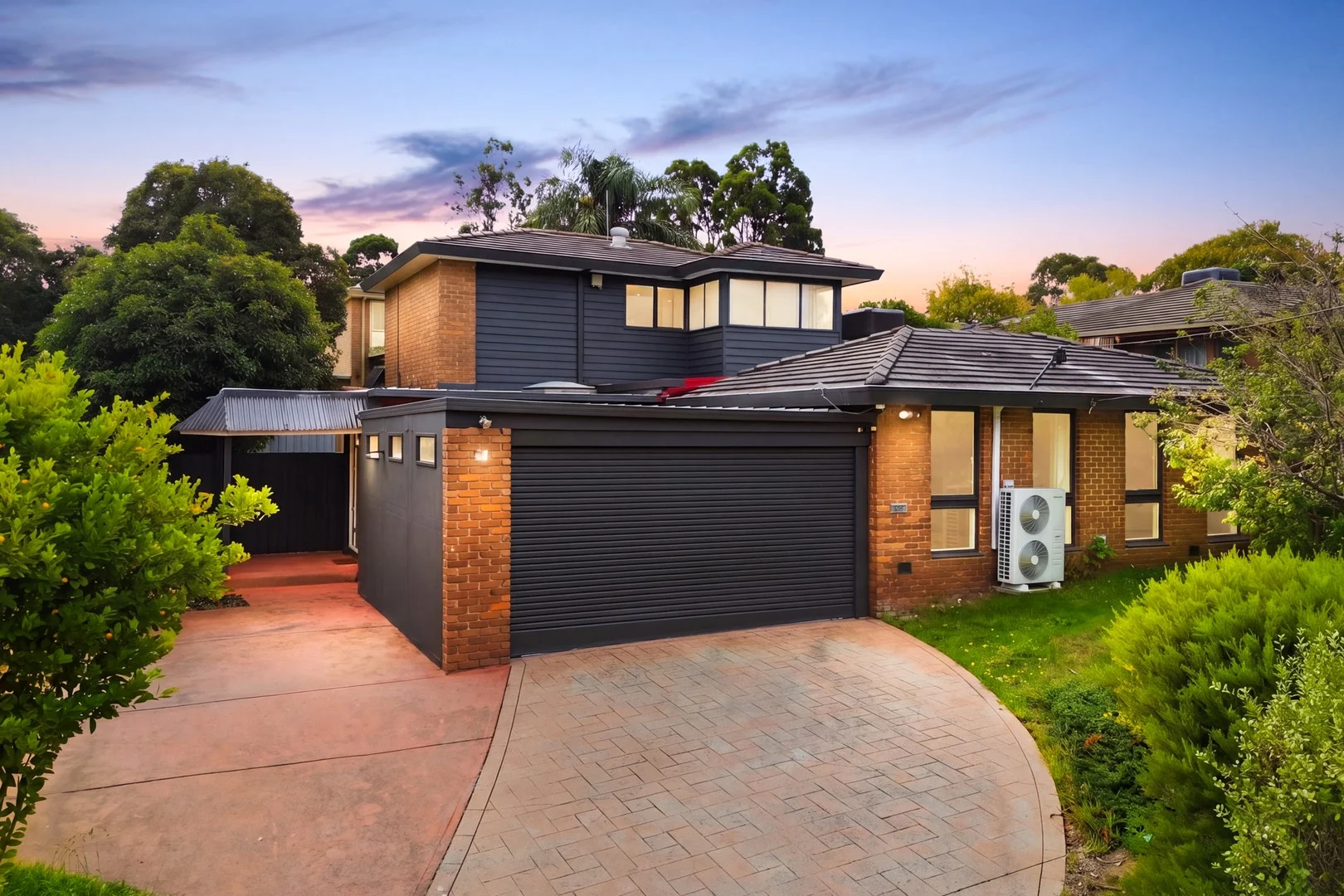 $1,220,000 - $1,320,000
House
$1,220,000 - $1,320,000
House
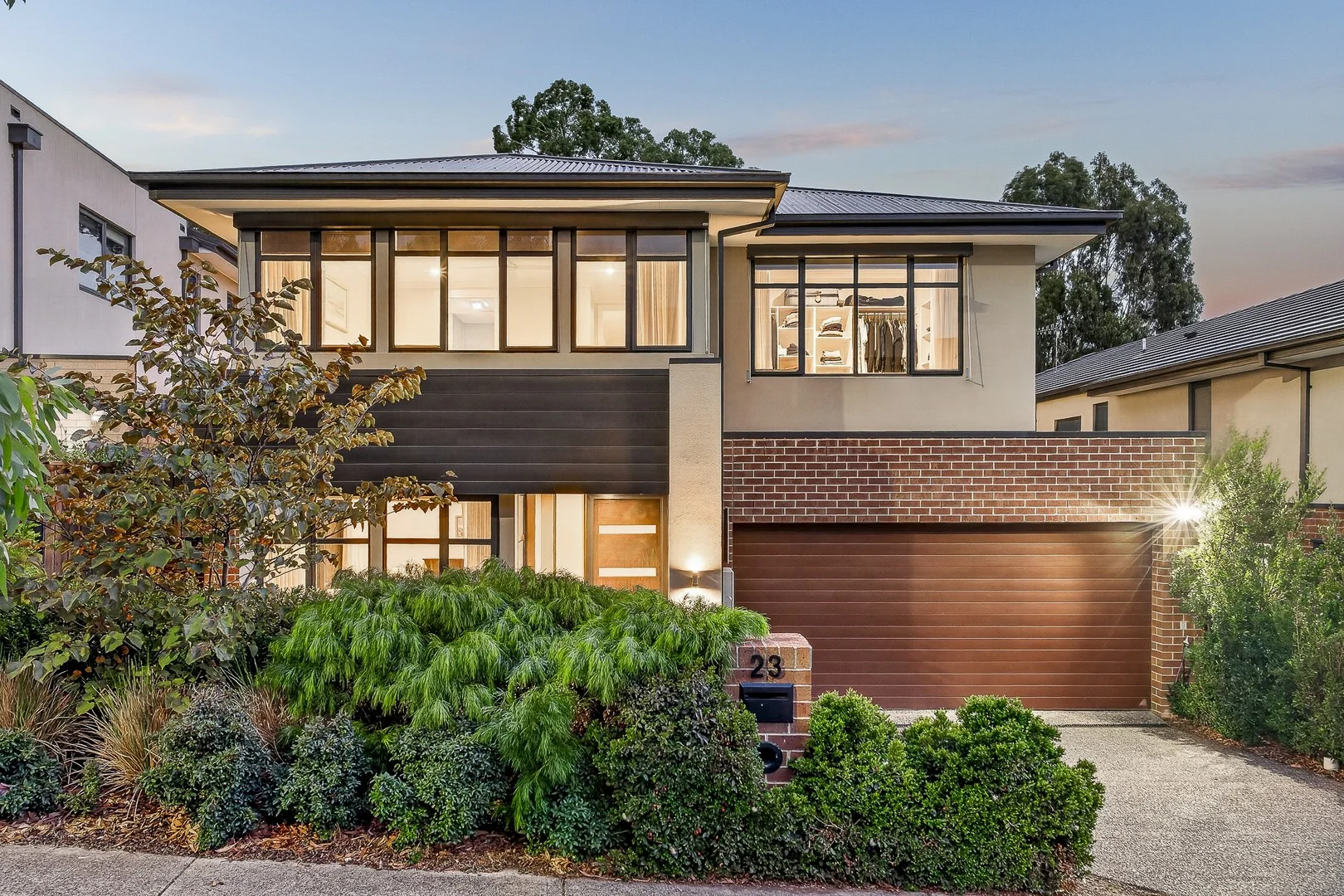 $1,780,000 - $1,880,000
House
$1,780,000 - $1,880,000
House
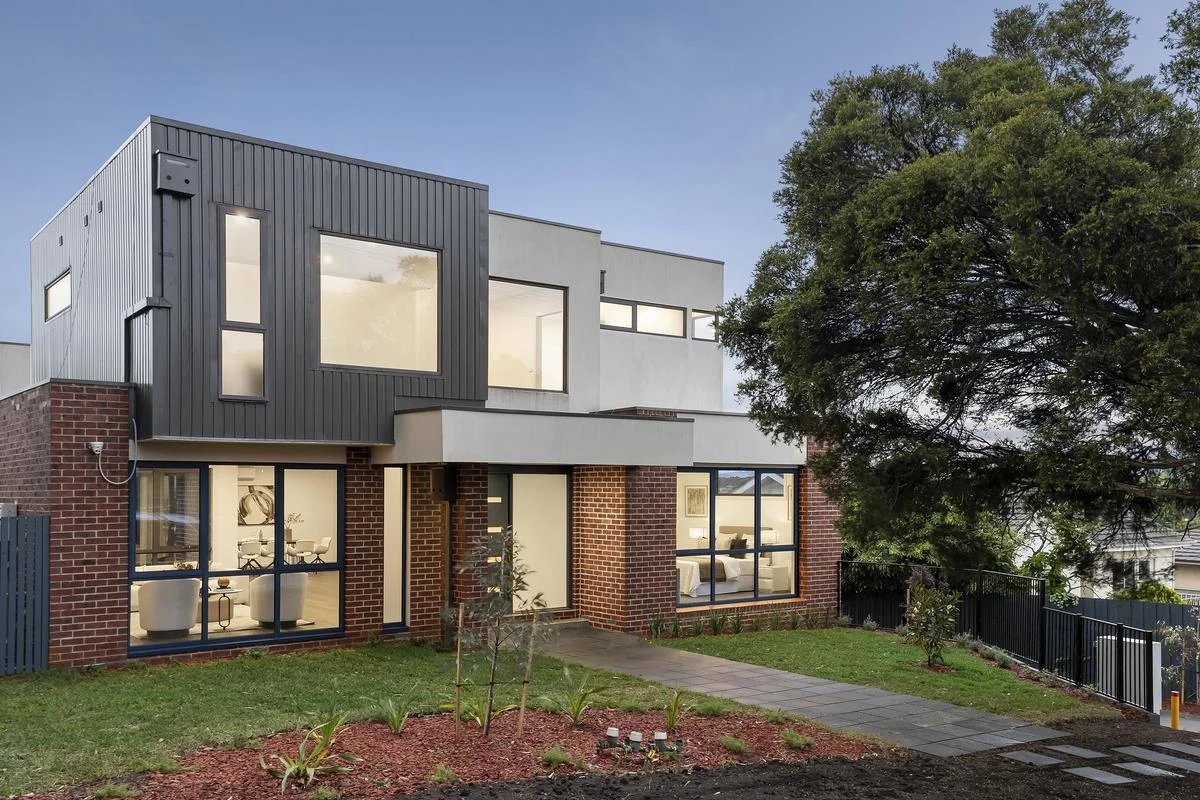 $1,550,000 - $1,650,000
Townhouse
$1,550,000 - $1,650,000
Townhouse
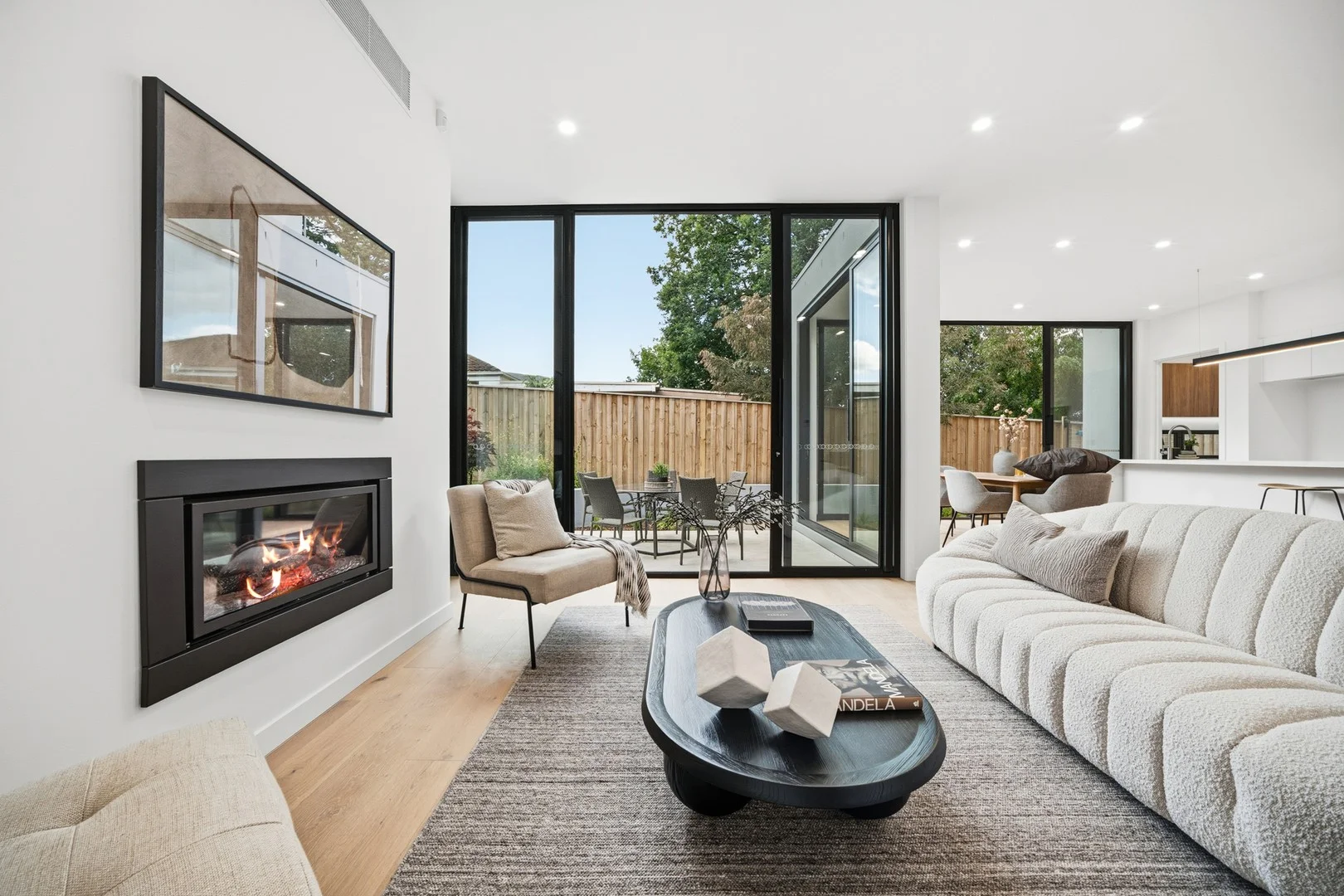 $1,750,000
Townhouse
$1,750,000
Townhouse


