Overview
## 1. Overview
Maroubra Bay Public School is a public primary school serving the local Maroubra community. It focuses on providing a welcoming, inclusive environment where students can develop academically, socially and physically. The school supports a balanced approach to learning, combining strong literacy and numeracy with opportunities in sport, arts and wellbeing.
- School type: Public
- School size: Medium
- Class size: Typically around 24–28 students per class
- Atmosphere/culture: Inclusive, nurturing, diverse, active in sport and community
⸻
## 2. Academics & Learning
Maroubra Bay Public School emphasizes solid foundations in literacy and numeracy, with opportunities to grow in STEM, leadership and languages where available. The school offers enrichment and targeted supports to help students reach their potential.
- Academic strengths: English literacy and numeracy; integrated STEM approaches; leadership development; language learning where offered
- Special programs: Gifted and Talented (where available), school-based enrichment, reading and writing support programs
- NAPLAN / trends: Public data typically shows steady performance with improvements in key areas over recent years; trends are monitored to guide teaching and support
- Student-teacher ratios: Approximately 1:15 to 1:20 in general classes, with smaller groups for targeted support
- Support for diverse learners: EAL support, SEN coordination and inclusive education practices
⸻
## 3. Sports & Extracurricular Strengths
Sports and extracurricular activities are a strong focus, with a range of activities to suit different interests and abilities. The school encourages participation in teams, clubs and performances.
- Sports offered: Soccer, netball, basketball, cricket, athletics, swimming programs when in season
- Strong teams or achievements: Regular involvement in inter-school and district competitions; competitive spirit across teams
- Music, arts, drama programs: School choir, music ensembles, drama productions and performance opportunities
- Clubs: Robotics, chess, coding, debating, and other student-led clubs
- Partnerships: Links with local clubs and community groups for competitions and enrichment programs
⸻
## 4. Wellbeing & Pastoral Care
Wellbeing is a central focus, with structures to support students’ social and emotional development and safety at school.
- Anti-bullying approach: Clear policies, proactive education and restorative practices to address issues
- House system: Schoolhouse or house-based activities to foster belonging and healthy competition
- Counsellors / wellbeing officers: Access to school counsellor or wellbeing staff for student support
- Transition support for new students: Orientation, buddy systems and targeted support to help new entrants settle in
⸻
## 5. Facilities
Facilities are designed to support learning across core subjects and the arts, with spaces for collaboration, creativity and physical activity.
- Sports grounds
- Libraries
- Science labs
- Music/performing arts centers
- Tech/innovation labs or maker spaces
- Canteen
- Updated playgrounds
⸻
## 6. School Values & Community Culture
The school fosters a positive, respectful and inclusive community where students develop character alongside academic skills.
- School values / mission: Respect, responsibility, resilience and inclusion
- Leadership style: Distributed leadership with student leadership opportunities and teacher collaboration
- Behaviour expectations: Clear code of conduct with restorative approaches
- Community reputation: Welcoming and supportive to families and new students
- Diversity & inclusion: Active practices to support all backgrounds and abilities
⸻
## 7. School Logistics & Daily Operations
Practical information to help families plan around school life.
- School hours: Published by the school (typical NSW primary day runs through a morning and afternoon session)
- Before/after school care: OSHC or similar programs available
- Uniform requirements: School uniform policy (navy and white balance with the school logo; details provided by the school)
- Transport (train/bus routes): Local bus services and walking access from the catchment area; check transport links for your address
- Canteen availability: Canteen offering healthy options during recess and lunch
- Fees (low/medium/high ranges): Public schools have minimal tuition; families may contribute through voluntary payments and may incur costs for excursions or specific activities
⸻
## 8. Enrolment & Admissions
Key steps to secure a place at the school.
- 11. What is the enrolment process and timeline?
- Applications are handled within the public system; families apply through the local public school catchment and/or the NSW Department of Education process. Placement decisions are typically guided by the local catchment and vacancy timelines, with offers communicated through the school's process in consultation with the department.
- 12. Is there a waiting list, and how does it work?
- Waiting lists can occur when demand exceeds vacancies. Allocation is driven by catchment rules, availability and department guidelines; availability for out-of-area requests varies by year and vacancy.
- 13. Are there any entry requirements, tests, or interviews?
- Generally, public primary schools do not require entrance tests or interviews. Documentation typically includes proof of address, immunisation records and birth details; some schools may request additional documents.
- 14. Does the school accept mid-year transfers?
- Mid-year transfers may be possible if there are vacancies and eligibility requirements are met. Prospective families should contact the school to discuss current vacancies and required documentation.
⸻
## 9. Frequently Asked Questions
- Why Parents Choose This School?
- A welcoming, inclusive environment with strong focus on literacy, numeracy, wellbeing and community involvement.
- What type of student thrives at this school?
- Curious, collaborative and resilient students who engage in both academics and activities beyond the classroom.
- What opportunities are available for students to extend their skills (academics, sports, arts)?
- Enrichment programs, gifted and talented opportunities where available, clubs (robotics, chess, coding, debating), sports teams and performing arts.
- How does the school communicate with parents?
- Regular newsletters, emails, parent portals and scheduled information sessions; clear channels for concerns and updates.
- What is the school’s approach to teaching and learning?
- A balanced, evidence-informed approach with explicit instruction, differentiation, collaborative learning and ongoing formative assessment.
- How does the school support students who need extra academic help?
- Targeted small-group support, reading/writing interventions, EAL and SEN services as part of an inclusive education plan.
- What support is available for academic challenges?
- Early intervention programs, progress monitoring and referrals to support services as needed.
- How does the school communicate with parents? (repeat)
- See above: newsletters, emails, portals and open communication practices.
- What are the class sizes and how much individual attention do students receive?
- Class sizes are typically in the mid-20s, with targeted small-group support and differentiated instruction to provide extra attention where needed.
- What extracurricular and sports opportunities are available?
- A range of sports (soccer, netball, basketball, cricket, athletics), music and arts programs, and clubs such as robotics, chess, coding and debating.
- What facilities does the school offer (sports, science, arts)?
- Sports grounds, libraries, science labs, music/performing arts spaces, tech/innovation spaces, canteen, and updated playgrounds.
- What is the school’s approach to technology and digital learning?
- Integration of digital tools to support learning, with a focus on digital literacy, eSafety and responsible use.
- What transport and accessibility options are available?
- Local bus routes and walking access; families should check the school’s transport information for specific options.
- What are typical school fees or additional costs?
- Public primary schools have minimal tuition; costs are typically related to excursions, optional activities and voluntary contributions.
⸻
## 10. Short Pros & Cons list
- Pros
- Inclusive, supportive learning environment
- Solid literacy and numeracy focus with enrichment options
- Range of sports, arts and clubs to engage students
- Active wellbeing and pastoral care with clear behavior expectations
- Positive community ties and parent engagement
- Cons
- Availability of out-of-area enrolments depends on vacancies
- Mid-year transfers may be limited by space
- Some programs and facilities vary by year or funding; check current offerings
- Transport options depend on local route availability
- Fees mainly relate to excursions and optional activities, not mandatory tuition
If you’d like, I can tailor this draft with up-to-date, school-specific details (exact catchment rules, current programs, and any recent changes) once you provide or confirm those facts.








 $933,000
Apartment / Unit / Flat
$933,000
Apartment / Unit / Flat
 $990
Apartment / Unit / Flat
$990
Apartment / Unit / Flat
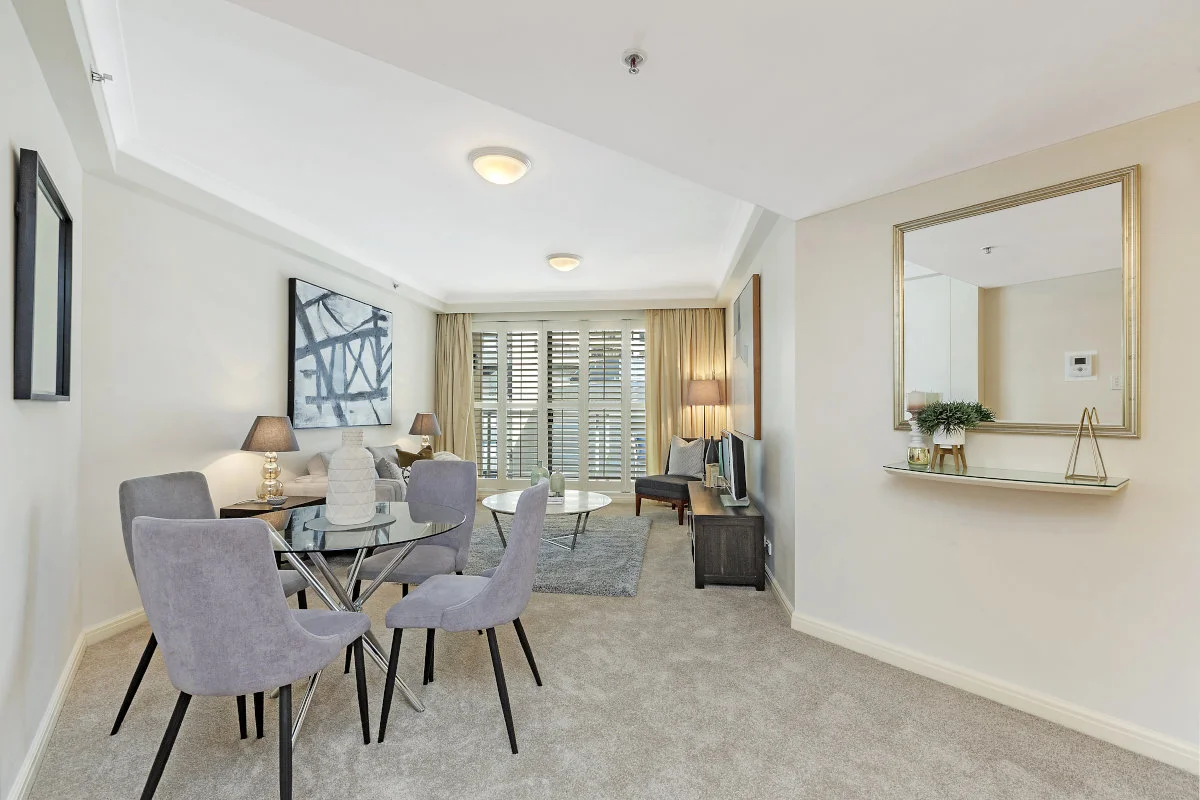 $660,000 - $725,000
Apartment / Unit / Flat
$660,000 - $725,000
Apartment / Unit / Flat
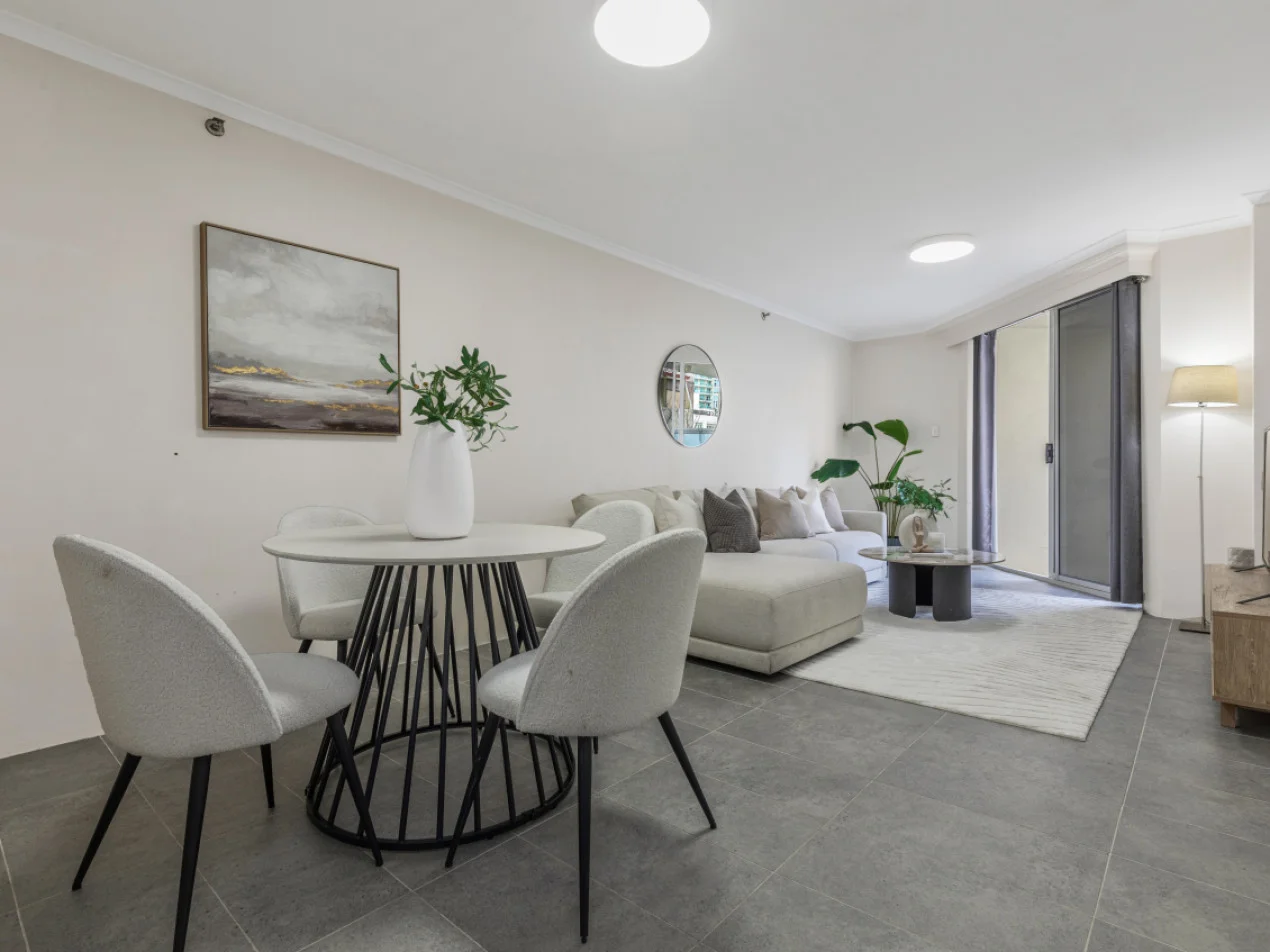 $640,000 - $675,000
Apartment / Unit / Flat
$640,000 - $675,000
Apartment / Unit / Flat
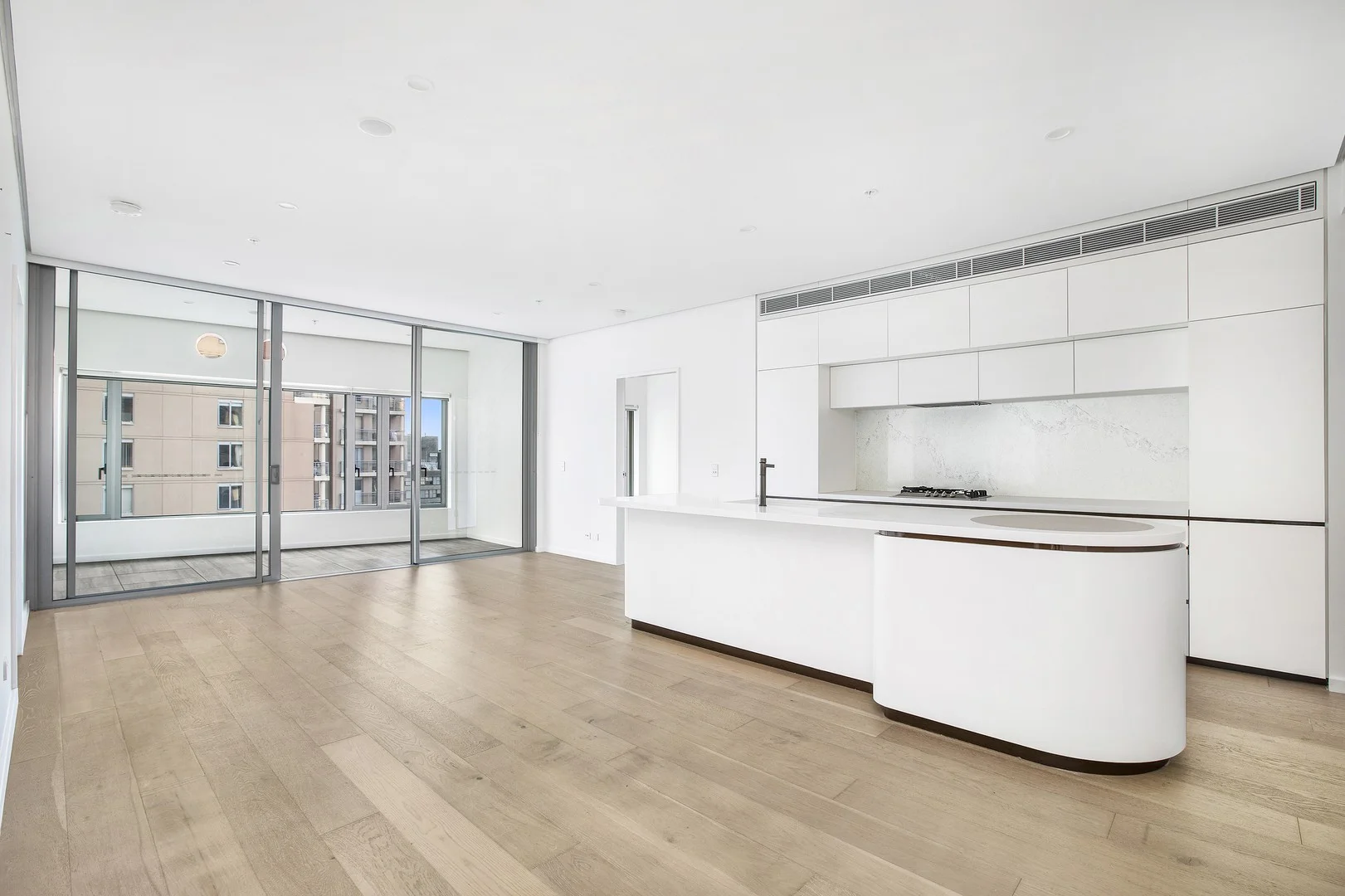 $2,250,000
Apartment / Unit / Flat
$2,250,000
Apartment / Unit / Flat
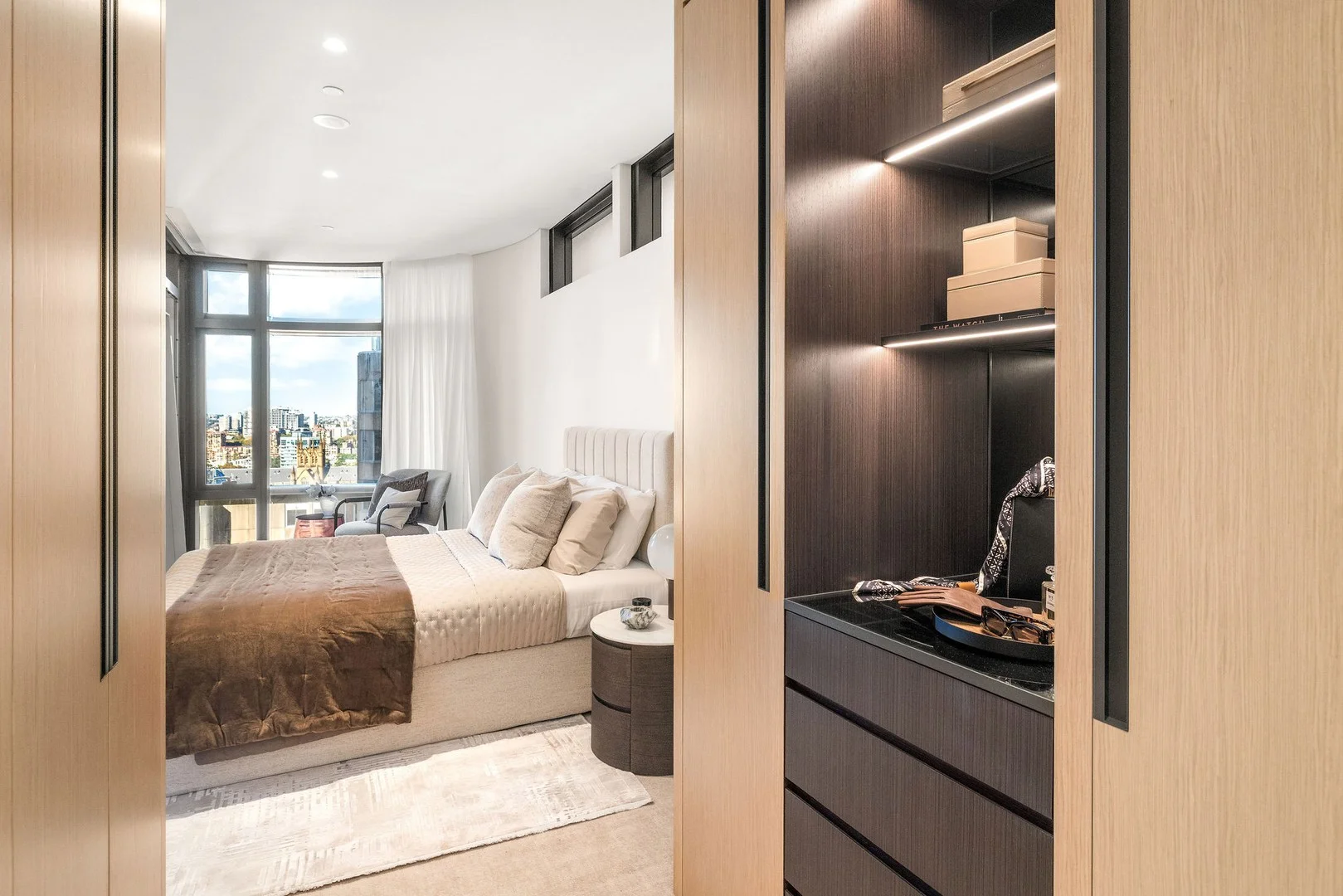 $2,745,000
propertyType.NEW APARTMENTS / OFF THE PLAN
$2,745,000
propertyType.NEW APARTMENTS / OFF THE PLAN
 $9,020,000
propertyType.NEW APARTMENTS / OFF THE PLAN
$9,020,000
propertyType.NEW APARTMENTS / OFF THE PLAN
 $8,630,000
propertyType.NEW APARTMENTS / OFF THE PLAN
$8,630,000
propertyType.NEW APARTMENTS / OFF THE PLAN
 $6,225,000
propertyType.NEW APARTMENTS / OFF THE PLAN
$6,225,000
propertyType.NEW APARTMENTS / OFF THE PLAN


