Overview
## 1. Overview
Montessori Works NSW Maroubra is an independent private Montessori school that embraces a child-centred, inquiry-led approach. The school is small to medium in size, with class sizes typically in the mid-teens, allowing for individual attention and a warm, nurturing atmosphere. The culture emphasises inclusivity, curiosity, and lifelong learning, supporting diverse learners and promoting a respectful, collaborative school community.
The environment is designed to feel welcoming and supportive, with a focus on developing independence, responsibility and intrinsic motivation in students. Classrooms are arranged to encourage hands-on exploration, collaborative learning and thoughtful reflection, helping students grow at their own pace within a structured Montessori framework.
---
## 2. Academics & Learning
- Academic strengths: Montessori Works NSW Maroubra emphasises practical life skills, sensorial learning, early literacy and numeracy, language development, and social-emotional growth. The approach supports independent work habits, critical thinking and problem solving.
- Special programs: Core Montessori curriculum with opportunities for enriched activities in STEM, arts and languages; potential extension for motivated learners within the Montessori framework.
- NAPLAN / Ofsted trends: In NSW, independent Montessori settings often show steady progress in literacy and numeracy as students transition to primary years, thanks to individualized pacing and hands-on learning. Trends typically reflect strong engagement and consistent growth rather than high-stakes emphasis on scores.
- Student-teacher ratios: Generally small to moderate class sizes with low student-teacher ratios to support individualized guidance (roughly in the mid to low single digits per educator, depending on year level and staffing).
- Support for diverse learners: Inclusive practice with EAL and SEN considerations, differentiated instruction, and access to targeted support within the classroom. Individual learning plans and accommodations are common where needed.
---
## 3. Sports & Extracurricular Strengths
- Sports offered: Regular physical education, outdoor activities and age-appropriate team sports as part of the curriculum, with opportunities for participation across year levels.
- Strong teams or achievements: Emphasis on teamwork, personal bests and sportsmanship; participation in local inter-school events and friendly competitions.
- Music, arts, drama programs: Music and performing arts are integrated, with opportunities to perform in school assemblies and community events.
- Clubs: Robotics, chess, coding, debating, and other project-based clubs are often available to extend learning beyond the core curriculum.
- Partnerships: Local clubs, coding academies and community organisations may provide opportunities for competitions and collaborative projects.
Aussie and UK parents often value schools that combine strong academic foundations with a clear pathway for practical activities, teamwork and creative expression. This school aims to balance intellectual growth with physical, artistic and social development.
---
## 4. Wellbeing & Pastoral Care
- Anti-bullying approach: Proactive policies with restorative practices, clear reporting pathways and a focus on building respectful peer relationships.
- House system: A house-based framework to foster belonging, friendly competition and community spirit.
- Counsellors / wellbeing officers: Access to wellbeing staff or school counsellors to support students’ emotional health and resilience.
- Transition support for new students: Structured induction, buddy systems and tailored support to ease transitions for new entrants.
This section builds trust by prioritising safe, supportive relationships and student wellbeing as foundational to learning.
---
## 5. Facilities
- Sports grounds
- Libraries
- Science labs
- Music / performing arts centers
- Tech / innovation labs
- Cafeteria
- Updated playgrounds
Facilities are designed to be welcoming and functional, supporting hands-on, experiential learning across Montessori and broader curricula.
---
## 6. School Values & Community Culture
- School values / mission: Curiosity, respect, responsibility, resilience and inclusion underpin daily learning and interactions.
- Leadership style: Distributed leadership with opportunities for student voice and staff collaboration; emphasis on modelling positive behaviours.
- Behaviour expectations: Clear codes of conduct based on respect, integrity and responsibility, with restorative approaches to addressing issues.
- Community reputation: Positive, collaborative reputation within the local community, emphasising inclusivity and supportive parent partnerships.
- Diversity & inclusion: Commitment to a diverse and inclusive environment where every student can participate and thrive.
---
## 7. School Logistics & Daily Operations
- School hours: Typically a daytime schedule with core learning blocks; after-hours care may be available on request.
- Before/after school care: Often available as part of a wraparound care program or via partnerships.
- Uniform requirements: Clear uniform policy reflecting the school’s identity; details provided on enrolment.
- Transport (train/bus routes): Localised transport options may be available or offered through regional services.
- Canteen availability: Canteen or canteen services may be available, with snacks and meals aligned to school policies.
- Fees (low/medium/high ranges): Private Montessori settings typically fall in a middle-to-mid-high range for NSW; exact fees vary by year level and services.
---
## 8. Enrolment & Admissions
11. What is the enrolment process and timeline?
- Inquiry → information session or tour → application submission → family interview and child observation → offer of place → acceptance and enrolment confirmation → intro/settling period. Timelines vary by term, with some spaces filled ahead of app deadlines.
12. Is there a waiting list, and how does it work?
- Waiting lists are common in popular times and year levels. Families can be placed on a waitlist after submitting an expression of interest; positions are offered as spaces become available, often prioritised by date of application and readiness.
13. Are there any entry requirements, tests, or interviews?
- Entry often includes a family interview and a brief observation of the child to understand interests and learning style. Formal testing is not typically required for Montessori placements, though assessments may occur to inform learner support plans.
14. Does the school accept mid-year transfers?
- Mid-year transfers are sometimes possible if space permits and if transitional support can be arranged to ensure continuity of learning. Early communication with the admissions team is advised.
---
## 9. Frequently Asked Questions
- Why Parents Choose This School?
- Parents are drawn to the child-centred Montessori approach, small class sizes, individualized learning paths and a nurturing environment that supports independence and curiosity.
- What type of student thrives at this school?
- Students who enjoy hands-on learning, collaborative activities, and a calm, respectful classroom culture tend to thrive. Those who benefit from structured routines and self-directed exploration often do well in this setting.
- What opportunities are available for students to extend their skills (academics, sports, arts)?
- Extensions occur through enriched Montessori activities, language development, arts, music and clubs (robotics, coding, chess, debating), as well as regular participation in physical education and community-based projects.
- How does the school communicate with parents?
- Regular updates may be provided through newsletters, parent portals, meetings, and scheduled review sessions. Open channels for feedback are encouraged to support a strong home–school partnership.
- What is the school’s approach to teaching and learning?
- The school follows a Montessori-based, hands-on, student-centred approach focused on independence, concentration, practical life skills and intrinsic motivation.
- How does the school support students who need extra academic help?
- Differentiated instruction within the classroom, targeted support, and collaboration with wellbeing and learning staff help address varying needs.
- What support is available for academic challenges?
- Individualised learning plans, targeted interventions and access to additional resources and guidance from educators and specialists.
- How does the school communicate with parents? (Same as above)
- See above.
- What are the class sizes and how much individual attention do students receive?
- Class sizes are small to medium, with a focus on keeping student-teacher ratios low to enable regular individual guidance and observation.
- What extracurricular and sports opportunities are available?
- Robotics, chess, coding, debating, music and arts programs, plus age-appropriate sports and physical education activities.
- What facilities does the school offer (sports, science, arts)?
- Sports grounds, libraries, science labs, music/performing arts spaces, tech/innovation labs, cafeteria and updated playgrounds.
- What is the school’s approach to technology and digital learning?
- Technology is integrated to support inquiry, research, language development and creative projects, with a focus on developing digital literacy and responsible use.
- What transport and accessibility options are available?
- Local transport options are available where possible; details are provided during enrollment discussions and can be arranged in coordination with families.
- What are the typical school fees or additional costs?
- Fees vary by year level and services; private Montessori settings typically have ongoing tuition with potential additional costs for activities, meals or excursions.
---
## 10. Short Pros & Cons list
- Pros
- Child-centred Montessori approach with individualized learning.
- Small to medium class sizes for strong teacher attention.
- Emphasis on independence, curiosity and practical life skills.
- Inclusive environment with support for diverse learners.
- Range of clubs and enrichment opportunities (robotics, coding, arts).
- Cons
- May have higher fees than public options due to private setting.
- Smaller school size may limit some big-team sports or wide-ranging facilities.
- Transition to high school pathways may depend on partner networks and program availability.








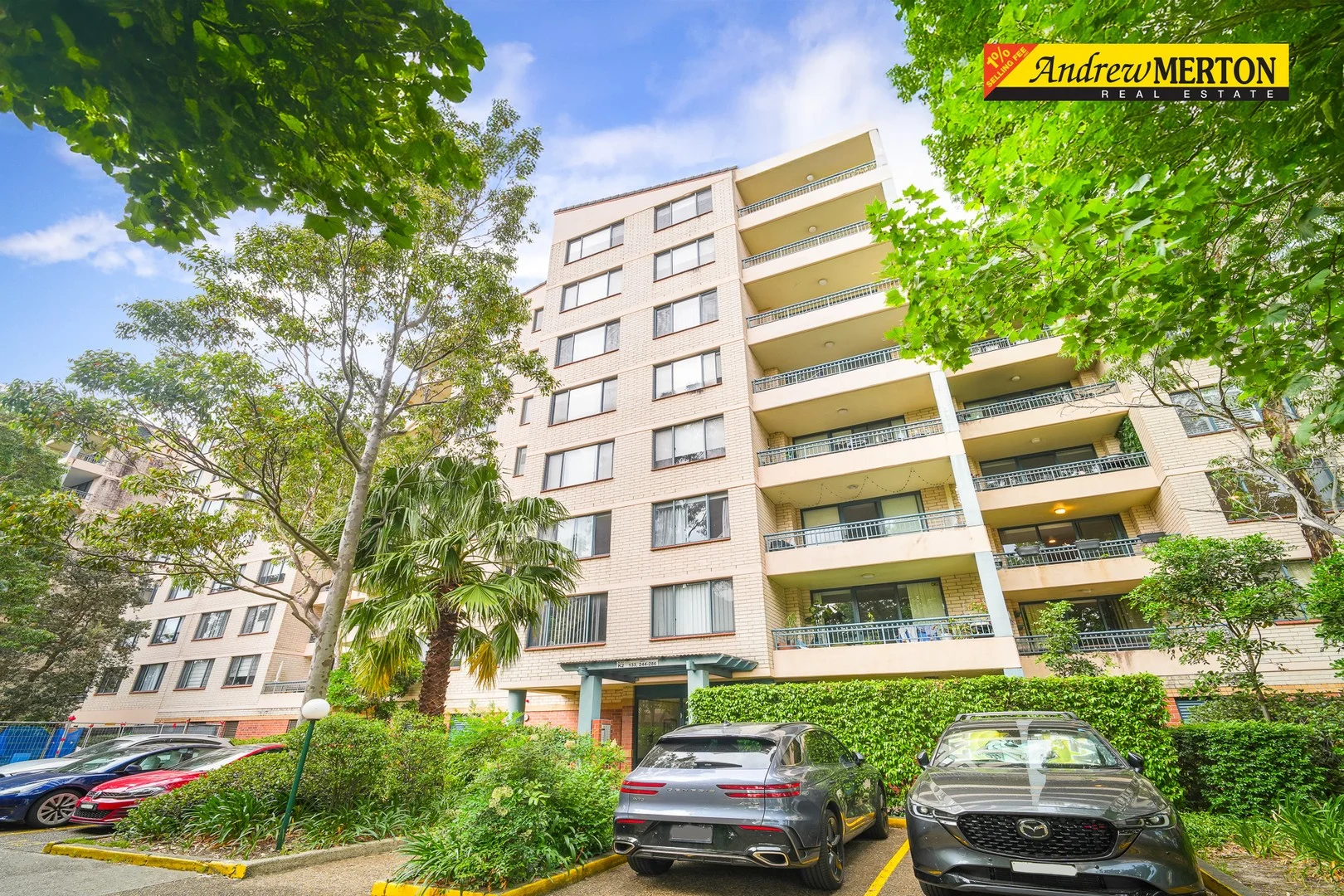 $933,000
Apartment / Unit / Flat
$933,000
Apartment / Unit / Flat
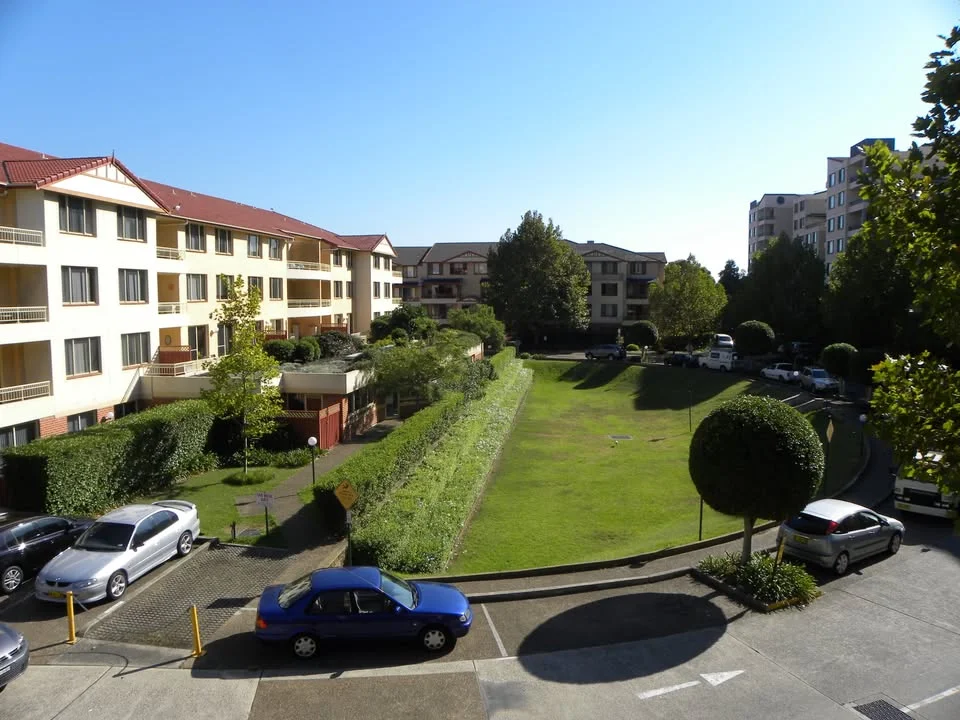 $990
Apartment / Unit / Flat
$990
Apartment / Unit / Flat
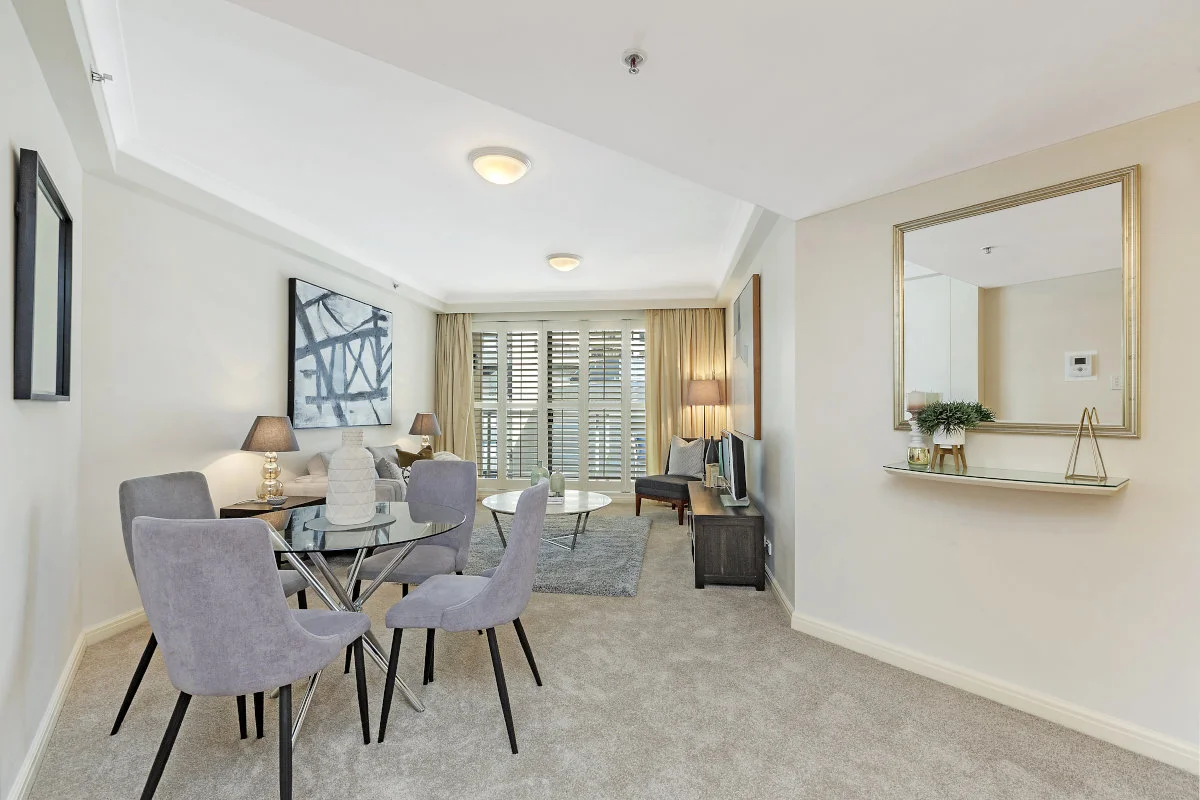 $660,000 - $725,000
Apartment / Unit / Flat
$660,000 - $725,000
Apartment / Unit / Flat
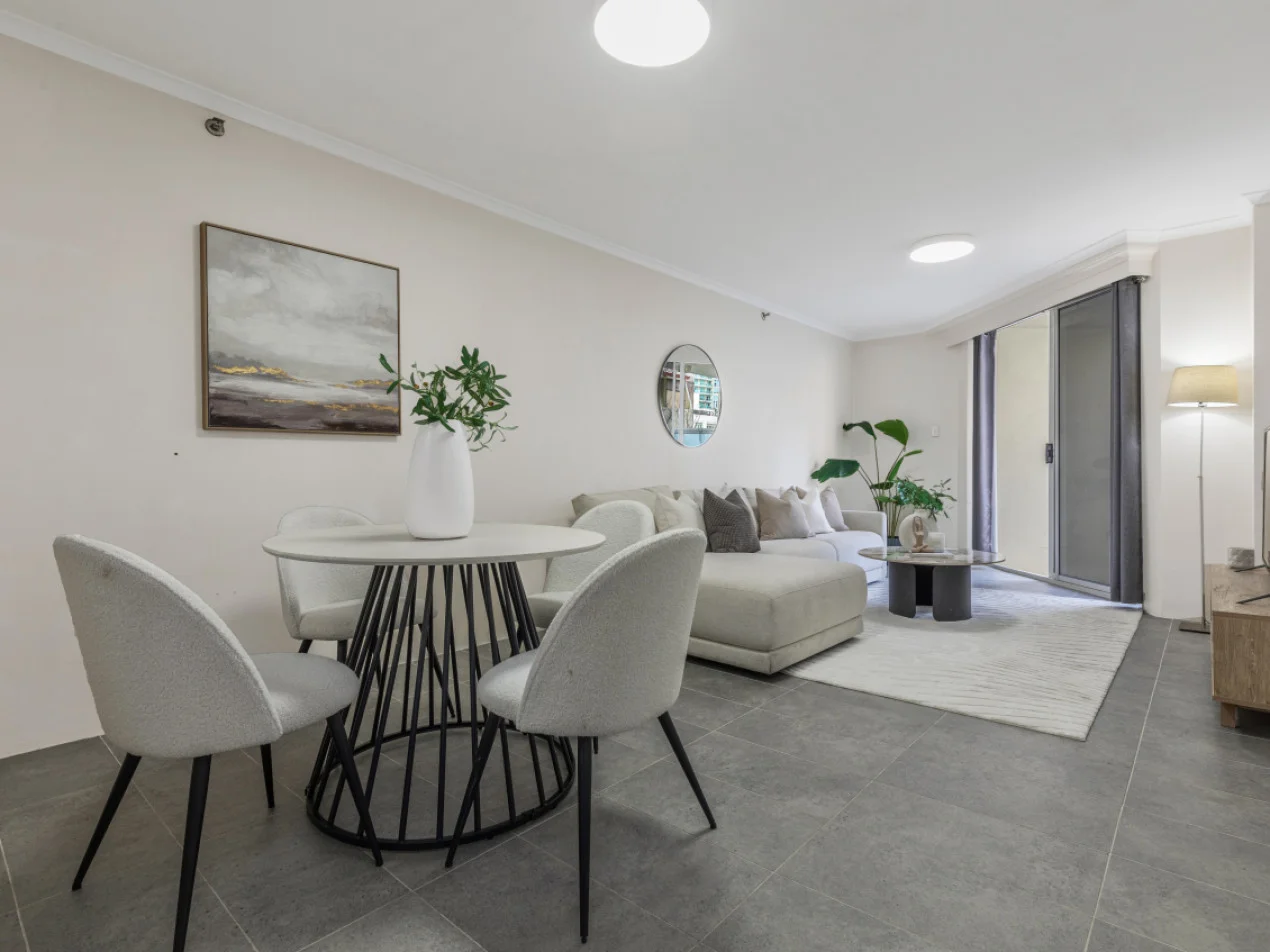 $640,000 - $675,000
Apartment / Unit / Flat
$640,000 - $675,000
Apartment / Unit / Flat
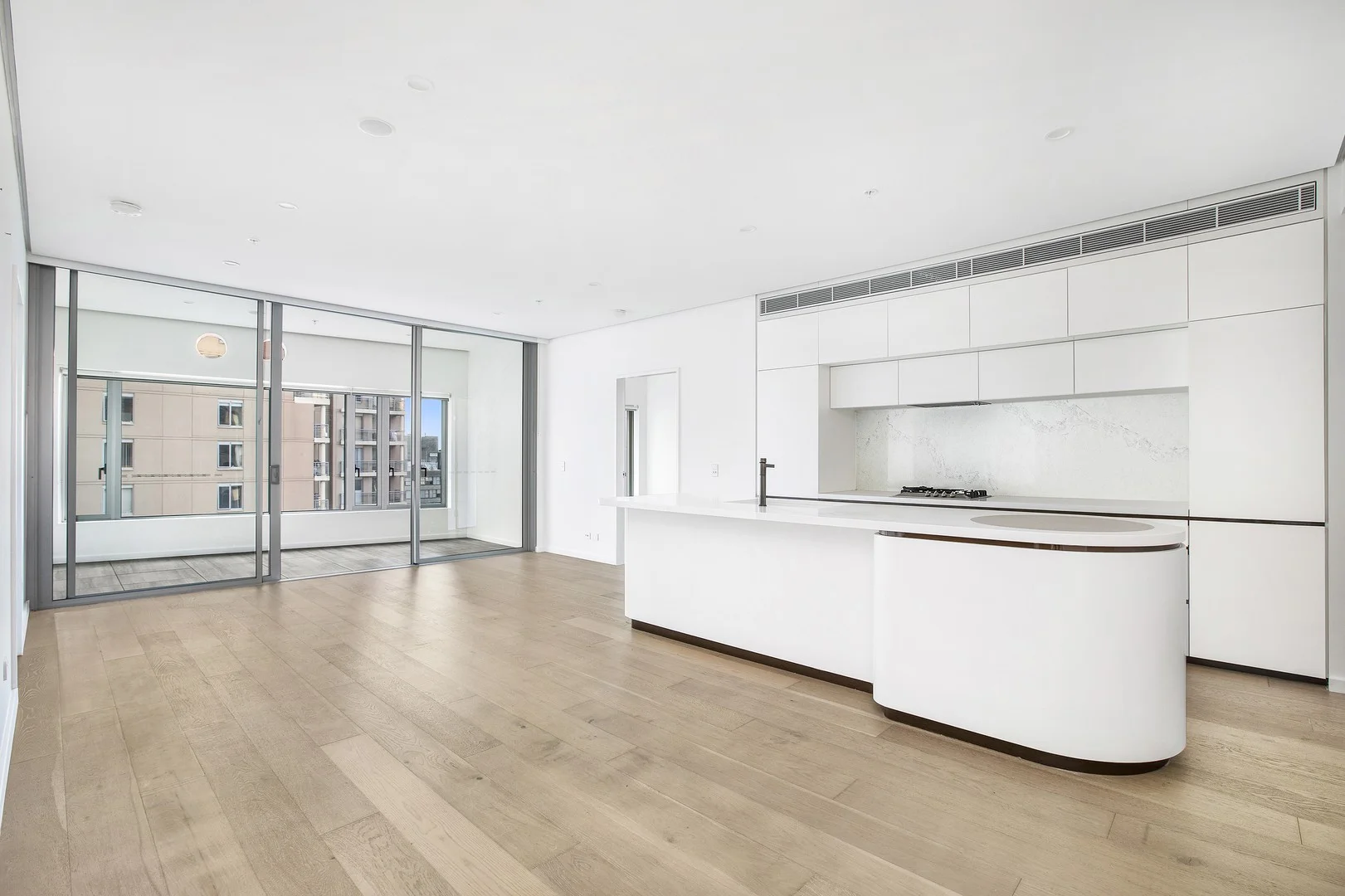 $2,250,000
Apartment / Unit / Flat
$2,250,000
Apartment / Unit / Flat
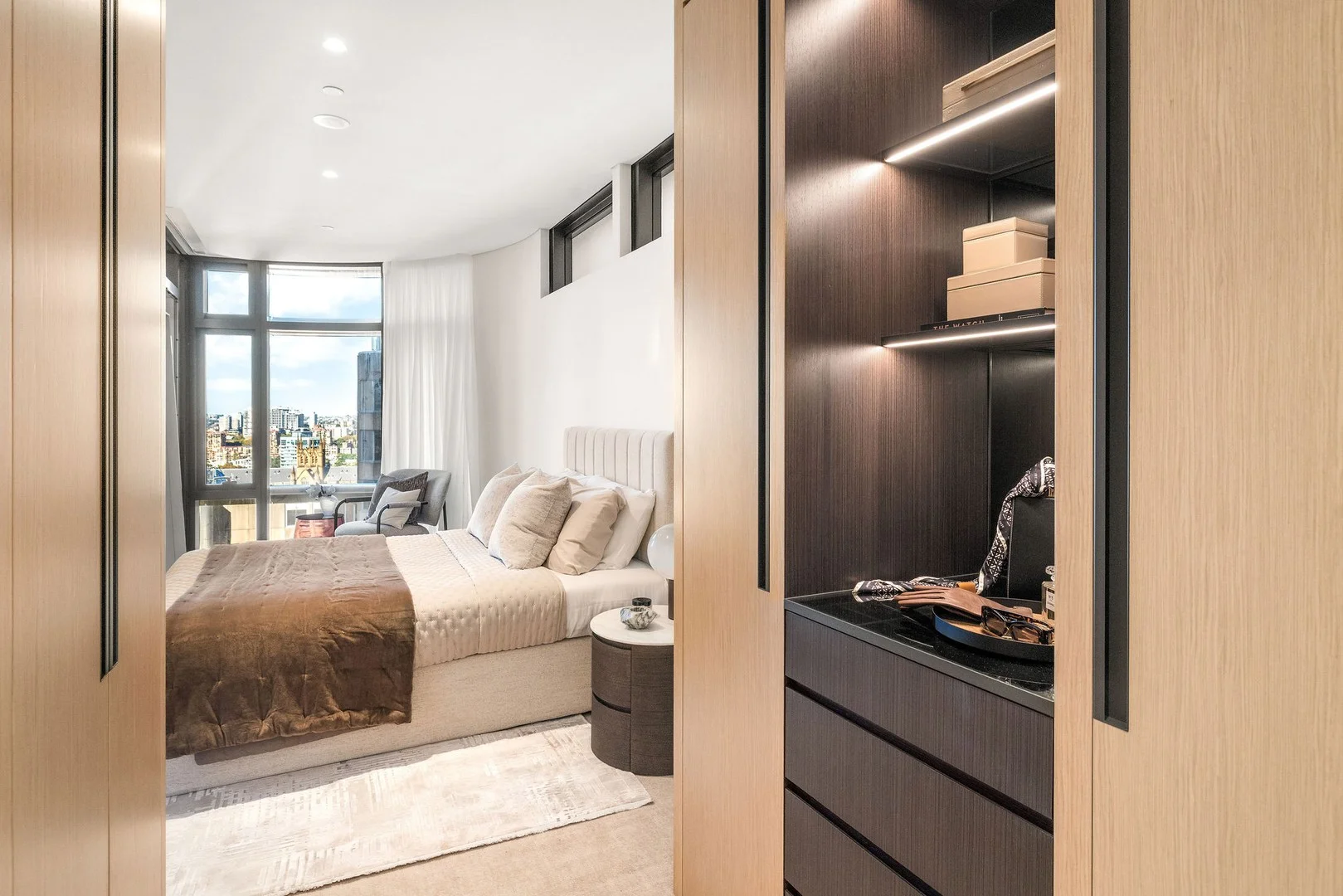 $2,745,000
propertyType.NEW APARTMENTS / OFF THE PLAN
$2,745,000
propertyType.NEW APARTMENTS / OFF THE PLAN
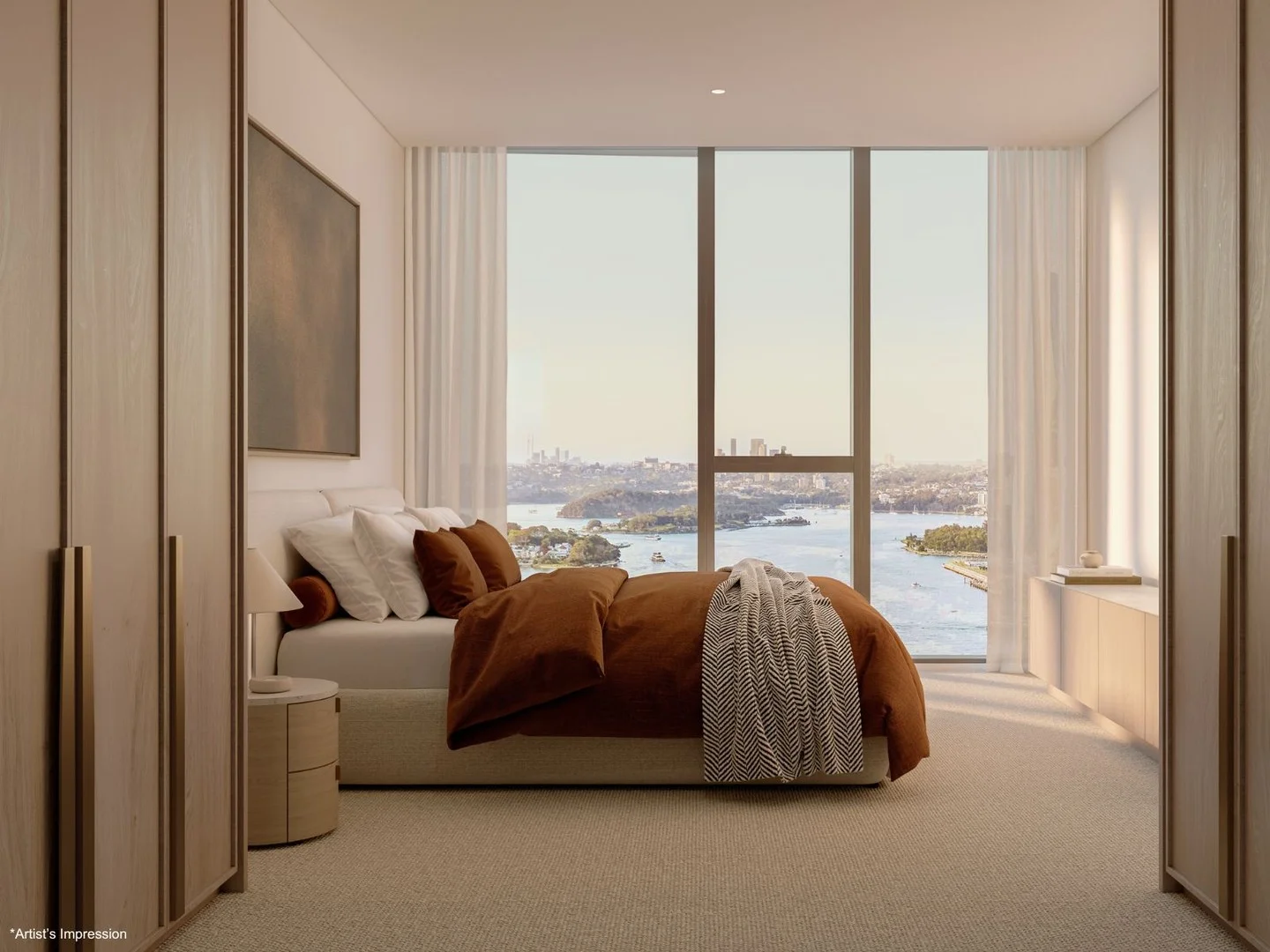 $8,630,000
propertyType.NEW APARTMENTS / OFF THE PLAN
$8,630,000
propertyType.NEW APARTMENTS / OFF THE PLAN
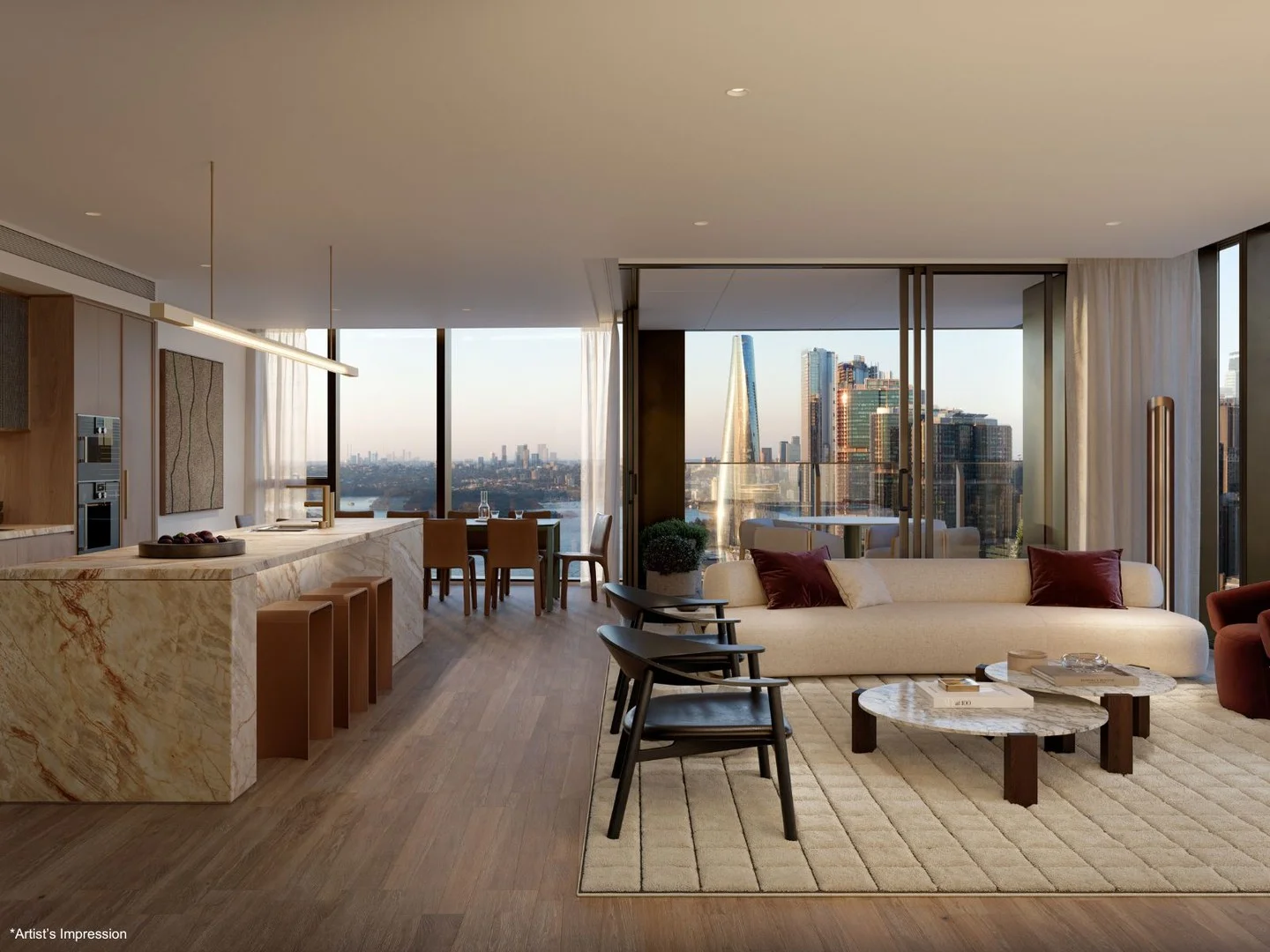 $12,980,000
propertyType.NEW APARTMENTS / OFF THE PLAN
$12,980,000
propertyType.NEW APARTMENTS / OFF THE PLAN
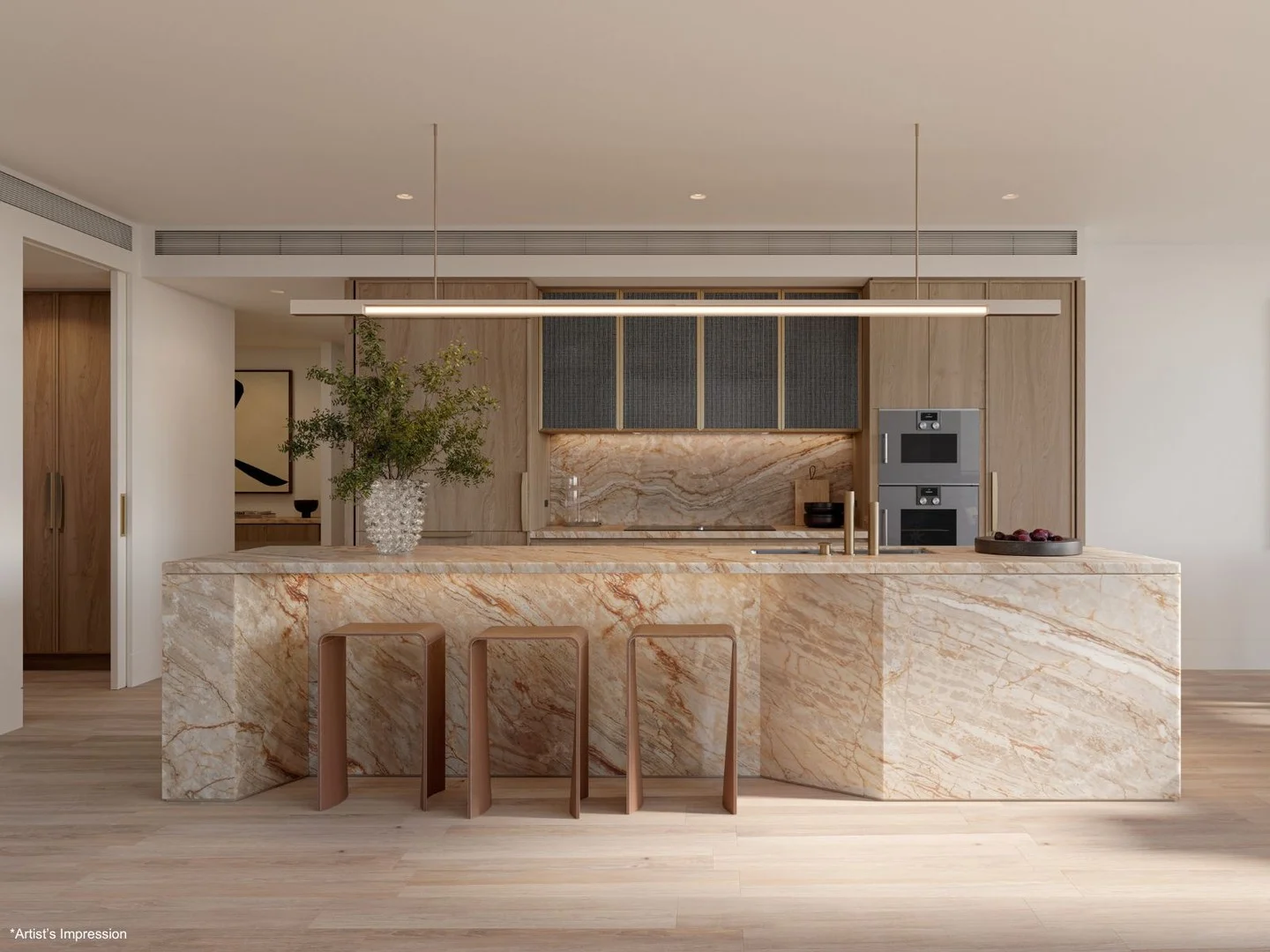 $6,225,000
propertyType.NEW APARTMENTS / OFF THE PLAN
$6,225,000
propertyType.NEW APARTMENTS / OFF THE PLAN


