Overview
## 1. Overview
St Mary and St Joseph Primary School is a Catholic, co-educational primary school located in Maroubra, NSW. The school supports a warm, community-driven environment where students are known and cared for as individuals. As a medium-sized school, it aims to balance personal attention with a broad range of learning opportunities, fostering an atmosphere that is nurturing, inclusive, and academically focused.
- School type: Catholic
- School size: Medium
- Class size: Approximately 22–25 students per class
- Atmosphere/culture: Nurturing, inclusive, academically oriented
---
## 2. Academics & Learning
The school aims to develop confident, capable learners across core disciplines while embedding Catholic values and character education.
- Academic strengths: Literacy and numeracy foundations, strong English and mathematics programs, emphasis on Religious Education, and opportunities to develop leadership and problem-solving skills.
- Special programs: Catholic faith formation, Gifted & Talented options where available, and programs to support accelerated learning or flexible pacing as appropriate.
- NAPLAN trends: Historically, results tend to align with state averages with steady progress in key areas such as reading and numeracy; schools typically publish year-on-year trends in annual reports or school data summaries.
- Student-teacher ratios: Class sizes and teacher-student ratios are managed to support individual attention, with a typical primary-school range around 1:12–1:18 in classrooms and additional support staff as needed.
- Support for diverse learners: EAL/D support, SEN inclusion pathways, learning support staff, and access to targeted interventions to help students reach their potential.
---
## 3. Sports & Extracurricular Strengths
A strong focus on well-rounded development, with a variety of activities for boys and girls across ages 10–14 and beyond.
- Sports offered: Soccer, rugby league, basketball, cricket, athletics, swimming, and other district-level activities.
- Strong teams or achievements: Participation in local and district competitions; opportunities to contribute to school-level teams and represent the school in inter-school events.
- Music, arts, drama: Choir, school band or ensembles, and annual performing arts productions or showcases.
- Clubs: Robotics, chess, coding, debating, and other interest-based clubs that promote critical thinking and collaboration.
- Partnerships: Local partnerships with community clubs, sports associations, and regional competitions for broader exposure.
---
## 4. Wellbeing & Pastoral Care
Prioritising student wellbeing with a structured approach to pastoral care and school safety.
- Anti-bullying approach: Clear anti-bullying policies, restorative practices, and ongoing education to promote respectful relationships.
- House system: House structure to build community, healthy competition, and belonging among students.
- Counsellors / wellbeing officers: Access to school-based wellbeing support and counselling as part of the student services team.
- Transition support for new students: Orientation activities, buddy programs, and gradual onboarding to help newcomers settle in smoothly.
---
## 5. Facilities
Facilities are designed to support learning across a broad range of disciplines and activities.
- Sports grounds: Outdoor spaces suitable for PE, games, and athletics.
- Libraries: Library resources and dedicated reading or study spaces.
- Science labs: Suitable spaces for practical experiments and inquiry-based learning.
- Music/performing arts centers: Rooms or spaces for music, drama, and performance activities.
- Tech/innovation labs: Areas for coding, robotics, and digital learning.
- Cafeteria: On-site canteen or food service for student meals and breaks.
- Updated playgrounds: Safe, well-maintained outdoor play areas and recreational facilities.
---
## 6. School Values & Community Culture
What families can expect from the school’s ethos and community climate.
- School values / mission: Emphasis on respect, compassion, responsibility, and service aligned with Catholic teachings.
- Leadership style: Collaborative and student-centered, with opportunities for student voice and involvement in school life.
- Behaviour expectations: Clear codes of conduct with positive reinforcement and restorative approaches.
- Community reputation: Known for a caring, inclusive atmosphere and strong partnerships with families and parish communities.
- Diversity & inclusion: Supportive environment for students from diverse backgrounds, including language learners and students needing additional support.
---
## 7. School Logistics & Daily Operations
Practical information to help families plan and participate.
- School hours: Typically around 9:00 am–3:00 pm, with variations by year group; some schools offer extended care options.
- Before/after school care: Often available through on-site or partnered programs.
- Uniform requirements: Standard school uniform with specified days for sports or special events; details provided on enrolment.
- Transport: Access to local transport options, with information on bus routes or train stations serving the area; drop-off/pick-up arrangements explained by the school.
- Canteen availability: On-site canteen or lunch provision on most school days.
- Fees: Indicative ranges described as low to medium for Catholic primary schools; exact fees published in the annual fee schedule.
---
## 8. Enrolment & Admissions
Key steps and timelines to help families understand how to apply and what to expect.
- 11. What is the enrolment process and timeline?
- Submit an expression of interest or application, attend information sessions or open days, provide required documents (birth certificate, immunisation records, proof of address, etc.), participate in any required interviews, and receive notification of placement or waitlist status within published timelines.
- 12. Is there a waiting list, and how does it work?
- Yes, waitlists can apply depending on vacancies. Priority may be given to siblings, parish boundaries, or external factors as defined by the school. The school will communicate expected wait times and criteria.
- 13. Are there any entry requirements, tests, or interviews?
- Entry may involve an interview or information session, and some schools may request a brief assessment or review of prior academic progress. Religious education context or parish involvement may be part of the process.
- 14. Does the school accept mid-year transfers?
- Mid-year transfers are considered where vacancies exist. Families should contact the school early to discuss available intake windows and required documentation.
---
## 9. Frequently Asked Questions
- Why Parents Choose This School?
- Catholic values, supportive staff, small-to-medium class sizes, and a focus on both academics and wellbeing.
- What type of student thrives at this school?
- Students who respond well to a nurturing, inclusive environment with opportunities to participate in a broad range of programs.
- What opportunities are available for students to extend their skills (academics, sports, arts)?
- Enrichment in literacy and numeracy, leadership opportunities, sports teams, music/drama programs, robotics and coding clubs, and participation in inter-school events.
- How does the school communicate with parents?
- Regular newsletters, parent-teacher meetings, online portals for updates on assignments and attendance, and open channels with teachers and administration.
- What is the school’s approach to teaching and learning?
- A balanced approach combining foundational skills with inquiry-based learning, hands-on activities, and differentiated support to meet diverse needs.
- How does the school support students who need extra academic help?
- Targeted interventions, learning support staff, EAL/D services, and access to small-group instruction or one-on-one assistance as appropriate.
- What support is available for academic challenges?
- Early identification through assessments, timely intervention plans, and collaboration with families to set goals and track progress.
- How does the school communicate with parents?
- Regular updates via newsletters, email, parent portals, and scheduled discussions during parent-teacher meetings.
- What are the class sizes and how much individual attention do students receive?
- Class sizes typically around 22–25 students, with teacher differentiation and additional support as needed to support individual learning.
- What extracurricular and sports opportunities are available?
- A range of sports (e.g., soccer, basketball, athletics), music/arts programs, clubs such as robotics, chess, coding, and debating.
- What facilities does the school offer (sports, science, arts)?
- Sports grounds, libraries, science labs, music/performing arts spaces, tech/innovation labs, and canteen facilities.
- What is the school’s approach to technology and digital learning?
- Integration of digital tools to support learning, coding or robotics programs, and ongoing cyber-safety and responsible use education.
- What transport and accessibility options are available?
- Information on nearby public transport routes, school drop-off/pick-up arrangements, and provisions to support accessibility needs.
- What are the typical school fees or additional costs?
- Fees are described as low to medium for Catholic primary schools; exact costs are provided in the school’s fee schedule and annual communications.
---
## 10. Short Pros & Cons list
- Pros
- Catholic values and holistic education in a nurturing, inclusive community
- Medium-sized school with opportunities for individual attention
- Broad range of academic, sports, arts, and club programs
- Strong wellbeing and pastoral care framework
- Well-equipped facilities supporting learning across disciplines
- Cons
- Religious education is a core component, which may not align with all families
- Mid-year transfers depend on vacancies and can involve tighter timelines
- Fees may be a consideration for some families compared with nearby options
- Transport options depend on family location and available routes
- As with many schools, waitlists can occur for popular year levels








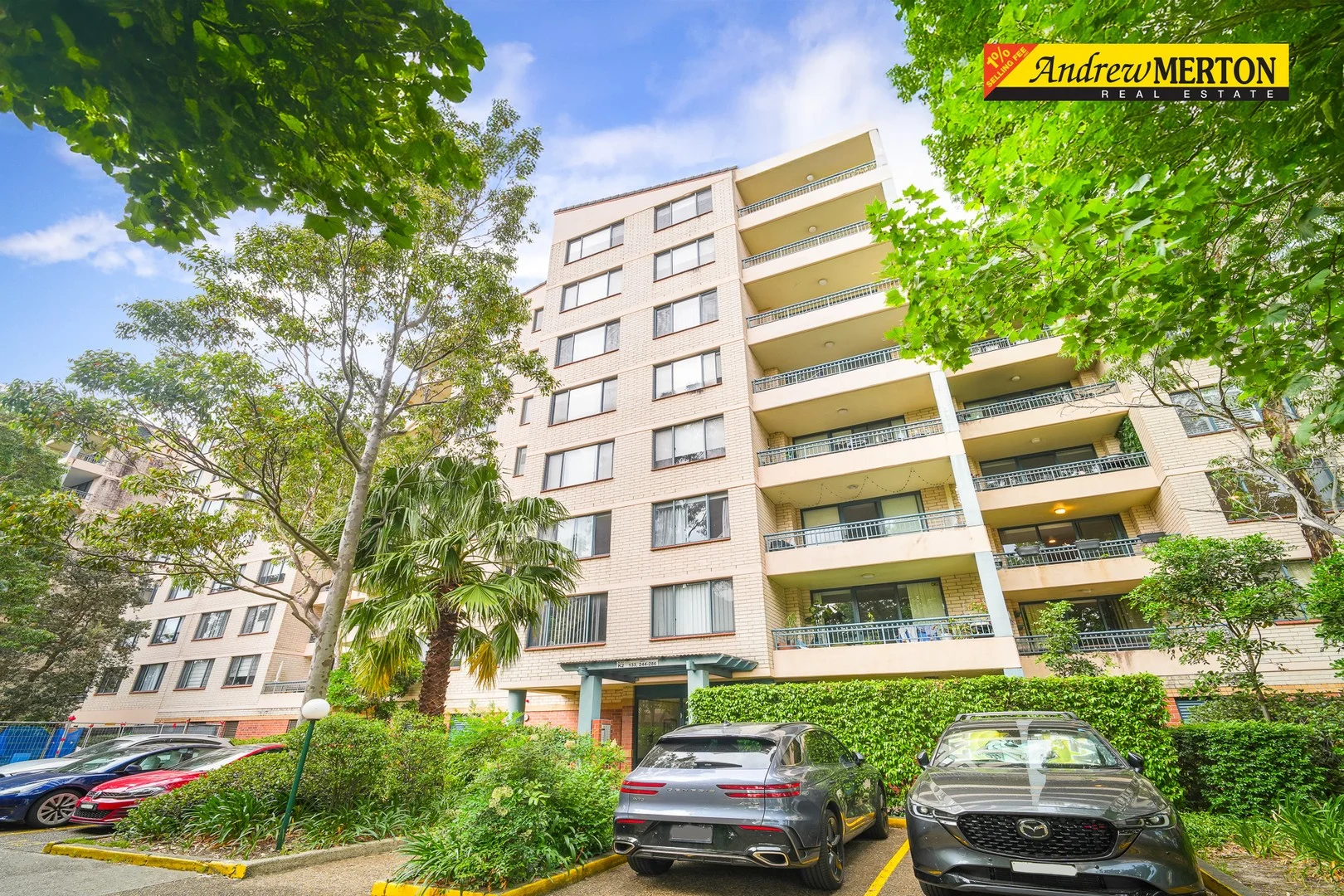 $933,000
Apartment / Unit / Flat
$933,000
Apartment / Unit / Flat
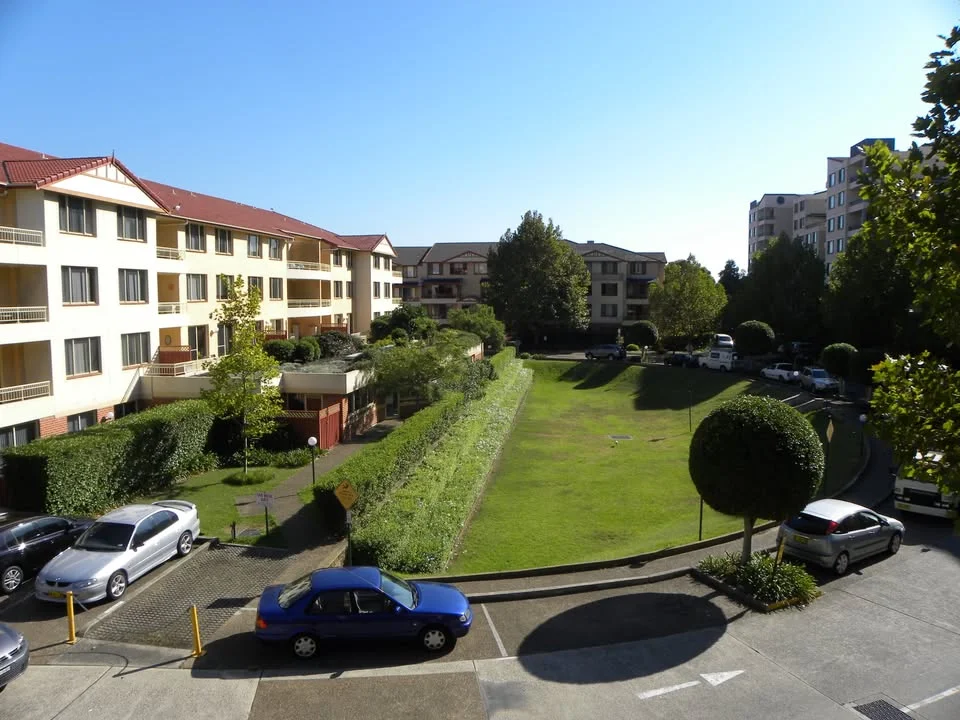 $990
Apartment / Unit / Flat
$990
Apartment / Unit / Flat
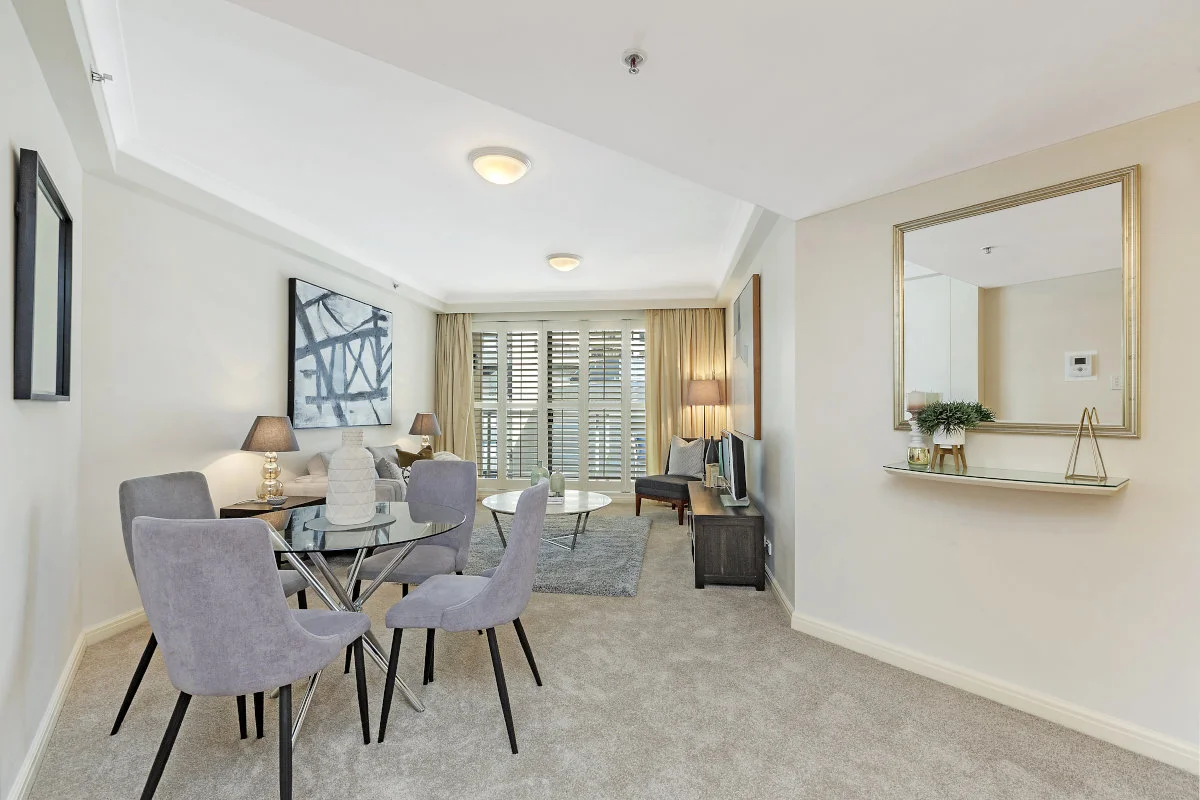 $660,000 - $725,000
Apartment / Unit / Flat
$660,000 - $725,000
Apartment / Unit / Flat
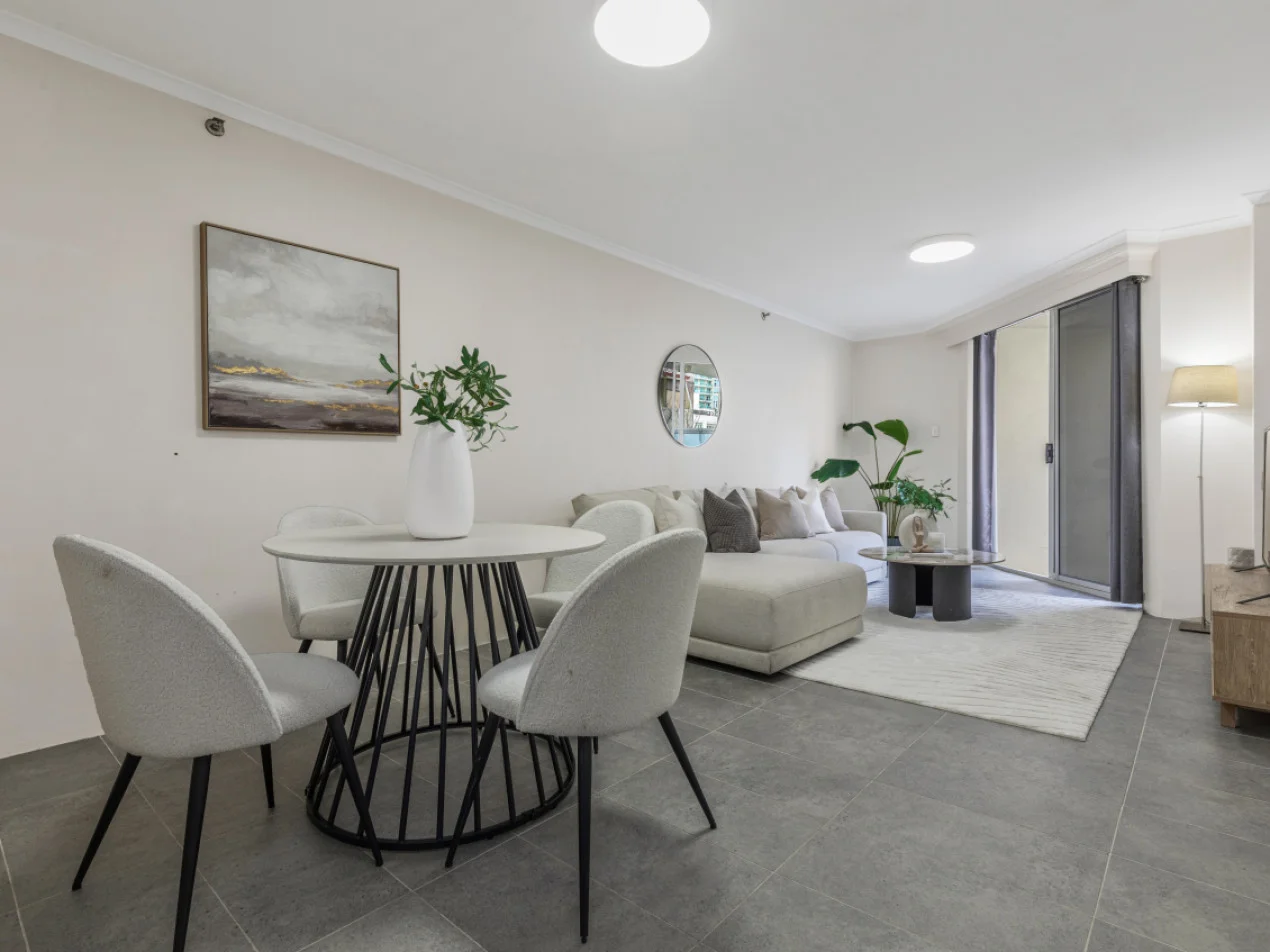 $640,000 - $675,000
Apartment / Unit / Flat
$640,000 - $675,000
Apartment / Unit / Flat
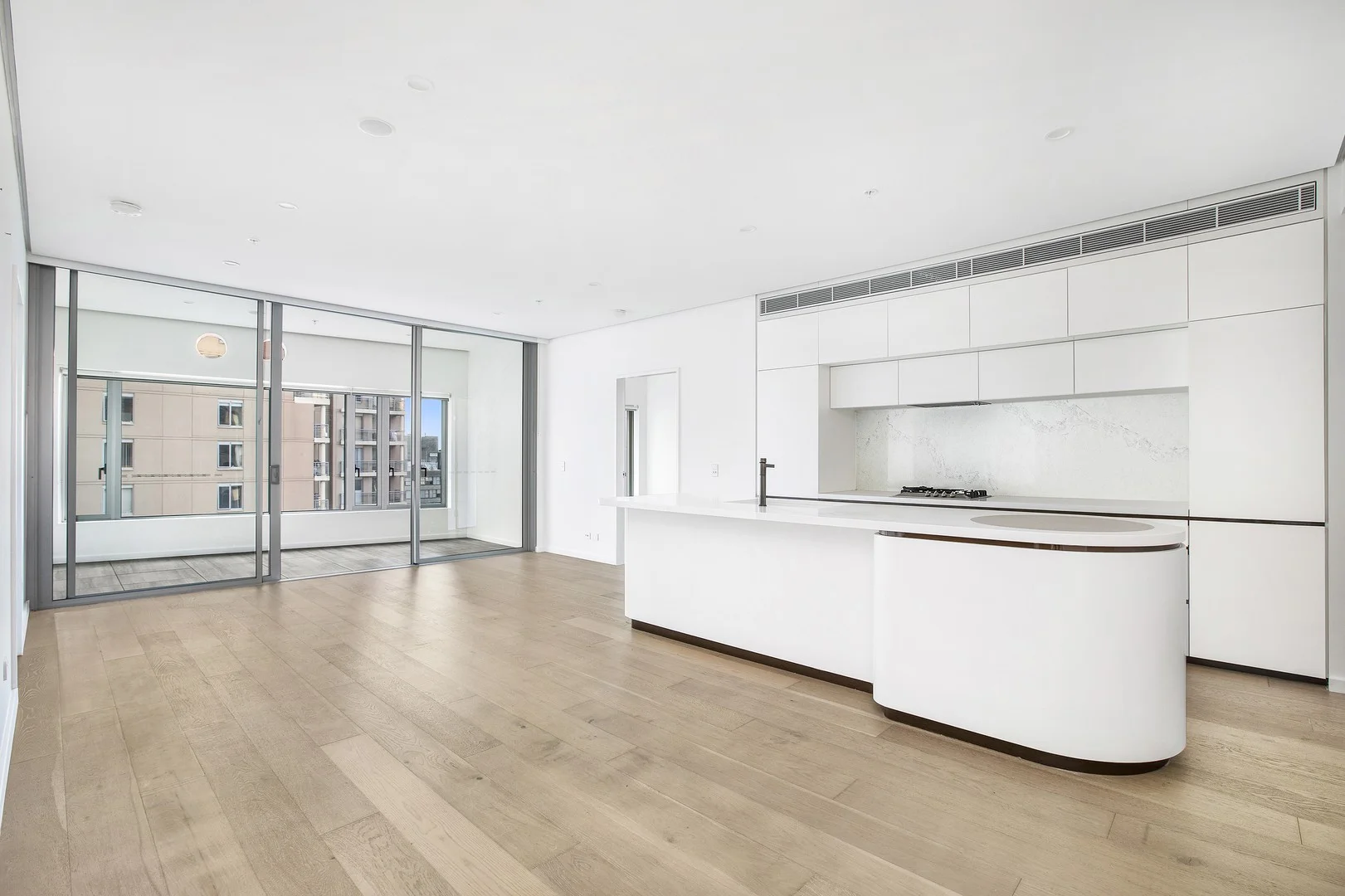 $2,250,000
Apartment / Unit / Flat
$2,250,000
Apartment / Unit / Flat
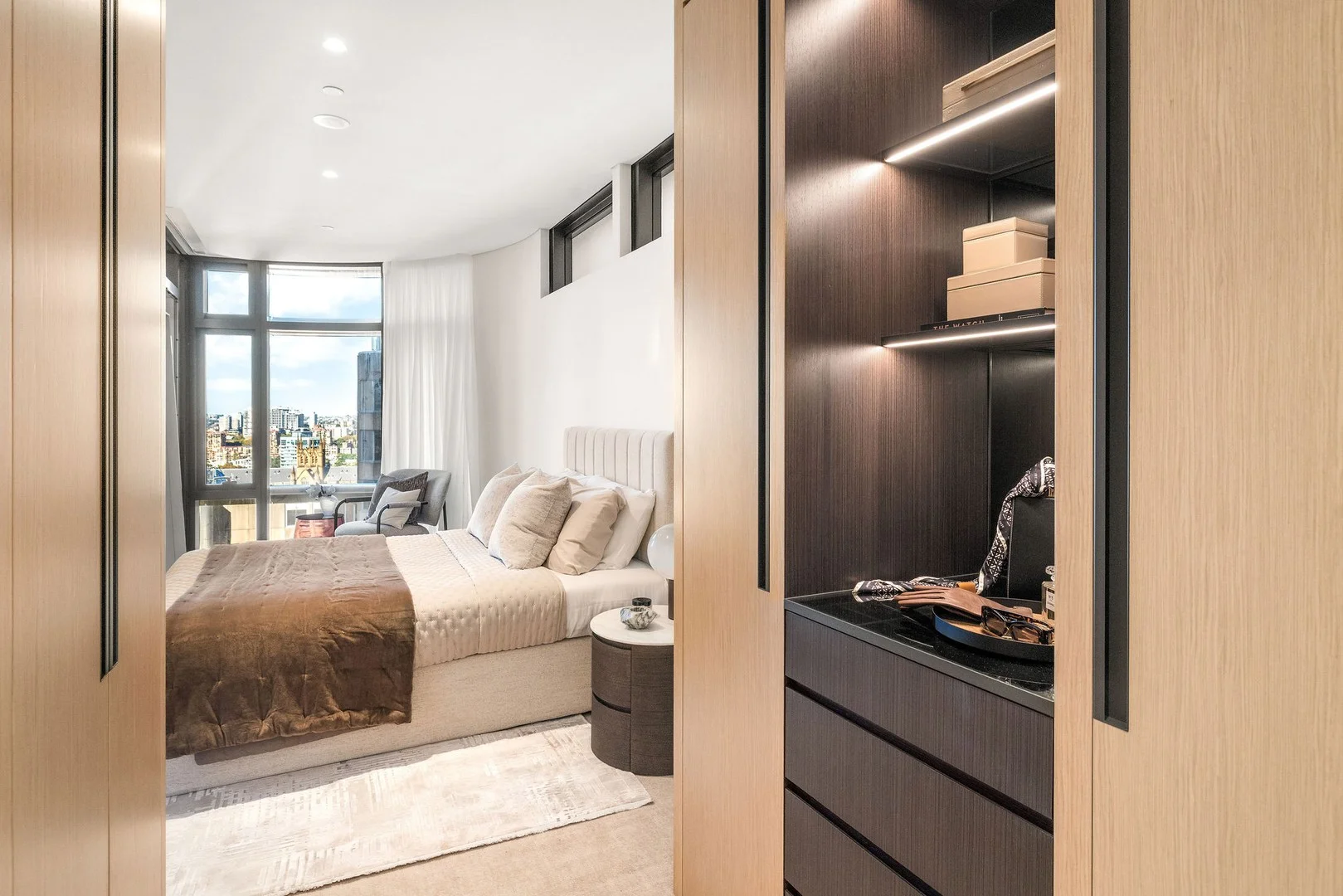 $2,745,000
propertyType.NEW APARTMENTS / OFF THE PLAN
$2,745,000
propertyType.NEW APARTMENTS / OFF THE PLAN
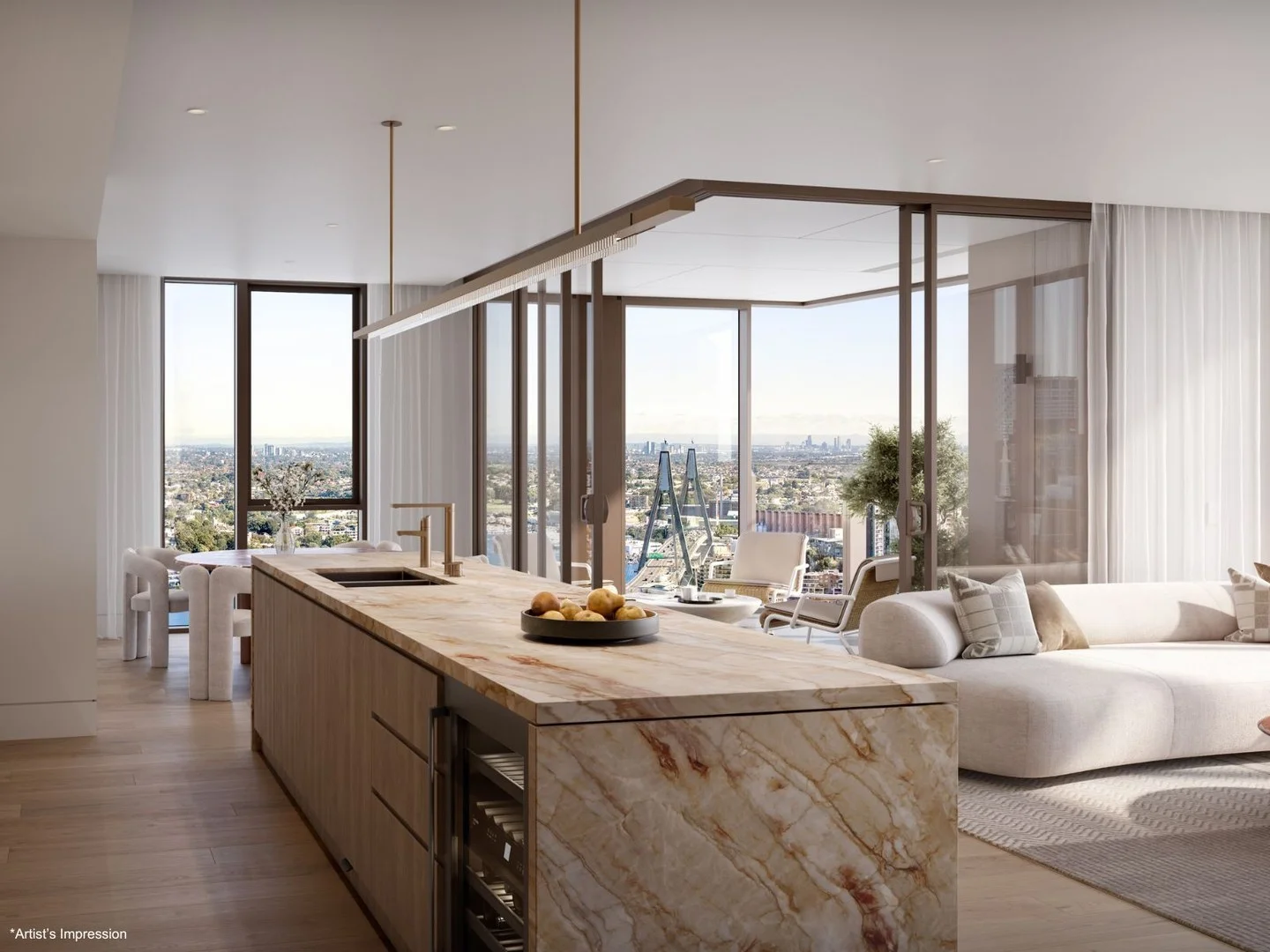 $9,020,000
propertyType.NEW APARTMENTS / OFF THE PLAN
$9,020,000
propertyType.NEW APARTMENTS / OFF THE PLAN
 $8,630,000
propertyType.NEW APARTMENTS / OFF THE PLAN
$8,630,000
propertyType.NEW APARTMENTS / OFF THE PLAN
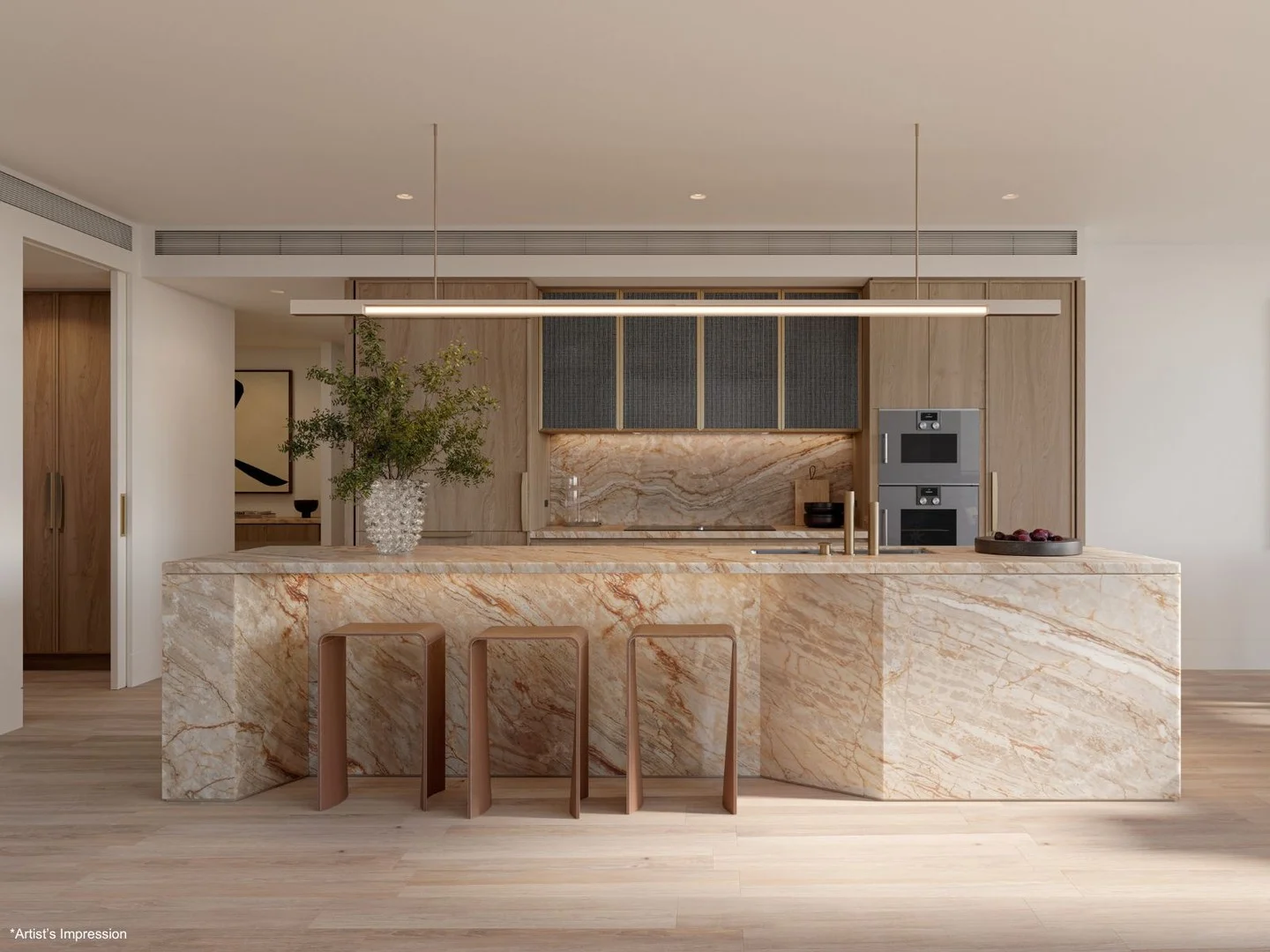 $6,225,000
propertyType.NEW APARTMENTS / OFF THE PLAN
$6,225,000
propertyType.NEW APARTMENTS / OFF THE PLAN


