Overview
## 1. Overview
St Paul’s Primary School Bentleigh is a Catholic, co-educational primary school with a strong sense of community and faith-based values. The school fosters an inclusive, nurturing atmosphere where students are encouraged to grow academically, socially and spiritually within a supportive environment. It offers a medium-sized school experience with class sizes typically in the low-to-mid 20s, allowing teachers to give students individualized attention while maintaining a lively, collaborative classroom culture.
The school emphasises holistic development, values character education, and promotes active participation in school life, sport, arts, and faith-based activities. Staff, families, and parish partners work together to create a welcoming, respectful culture where every student can strive for their personal best.
---
## 2. Academics & Learning
- Academic strengths: English/literacy and numeracy are core focuses, with attention to developing foundational literacy and mathematical skills alongside enrichment in STEM-related activities and digital literacy. Religious education is integrated into the learning program to support faith formation alongside academic progress.
- Special programs: Enrichment opportunities and targeted extension activities for students who need greater challenge are available, along with a focus on developing critical thinking and problem-solving skills.
- NAPLAN / trends: The school has shown steady performance in literacy and numeracy with ongoing improvements over time, supported by targeted teaching and assessment practices.
- Student-teacher ratios: Class sizes and staffing are arranged to support small-group instruction and differentiation, enabling more individualized support for learners.
- Support for diverse learners: Strong support for diverse learners includes EAL programs where needed, SEN coordination, and structured in-school interventions to assist students requiring additional help.
---
## 3. Sports & Extracurricular Strengths
- Sports offered: The school provides a range of traditional Australian primary sports, including team and fitness activities such as soccer, cricket, basketball, netball, and athletics, with opportunities for inter-school events.
- Strong teams or achievements: Students participate in local inter-school competitions and district events, with many teams earning recognition and achieving success in various sports.
- Music, arts, drama: A robust music program and opportunities in performing arts are available, including school concerts, choirs, and drama activities.
- Clubs: Robotics, coding, chess, debating, and other academic or interest-based clubs support curiosity and critical thinking.
- Partnerships: The school collaborates with local clubs and regional competitions to provide students with broader opportunities in sport, coding and other disciplines.
---
## 4. Wellbeing & Pastoral Care
- Anti-bullying approach: A clear anti-bullying policy and social-emotional learning programs are in place to promote respectful behaviour and a safe school climate.
- House system: A house system supports belonging, leadership, teamwork and healthy competition among students.
- Counsellors / wellbeing officers: Access to wellbeing staff or a school counsellor helps students manage emotions, relationships and transitions.
- Transition support for new students: A buddy system, orientation activities and gradual integration support help new students settle into the school community smoothly.
---
## 5. Facilities
- Sports grounds: On-site sports facilities and playgrounds support daily physical activity and school events.
- Libraries: A well-stocked library supports reading and research across the curriculum.
- Science labs: Dedicated spaces support practical science learning and inquiry.
- Music/performing arts centers: Music rooms and performance spaces enable music and drama activities.
- Tech/innovation labs: Digital learning spaces and technology resources support coding, robotics and ICT skills.
- Cafeteria: On-site canteen services promote healthy, kid-friendly options.
- Updated playgrounds: Modern, age-appropriate play spaces are available for recreation and learning through play.
---
## 6. School Values & Community Culture
- School values / mission: A Catholic ethos underpins the school's mission, emphasizing respect, compassion, service and integrity.
- Leadership style: A collaborative leadership approach with opportunities for student voice and leadership roles.
- Behaviour expectations: Clear, consistently applied behaviour expectations with restorative approaches to discipline.
- Community reputation: A welcoming and supportive community recognized for its kindness, involvement and faith-informed education.
- Diversity & inclusion: A commitment to inclusive practices, welcoming students from diverse backgrounds and abilities.
---
## 7. School Logistics & Daily Operations
- School hours: Regular school day structure with start and end times aligned to the standard primary schedule; after-school activities may be available.
- Before/after school care: After-school care options or supervision may be available through on-site or partner providers.
- Uniform requirements: The school has a defined uniform policy with approved attire for different terms; details are provided by the school.
- Transport (train/bus routes): Access to public transport routes and bus services in the Bentleigh area supports student travel to and from school.
- Canteen availability: Canteen or canteen services operate on selected days to provide healthy meal options.
- Fees (low/medium/high ranges): Fees are in the mid-range for Catholic primary schools, with clear outlines for tuition, materials and family contributions as published by the school.
---
## 8. Enrolment & Admissions
### 11. What is the enrolment process and timeline?
- Submit an application through the school’s admissions process.
- Provide required documents (e.g., birth certificate, any baptism/catholic confirmation details if applicable, and other school-specific paperwork).
- Attend any information sessions or interviews as part of the process.
- Offers are communicated according to the school’s timelines, with orientation or family information sessions for admitted students.
### 12. Is there a waiting list, and how does it work?
- Yes, a waiting list may apply. Priority is typically given to siblings, parishioners, and families within the school’s catchment area, followed by other applicants as spaces become available.
### 13. Are there any entry requirements, tests, or interviews?
- The school may conduct informal interviews or meetings with families and students.
- Readiness discussions or assessments may be used to understand educational needs and to plan appropriate support, if required.
- Entry requirements align with the school’s Catholic ethos and enrolment policies; specifics are provided during the application process.
### 14. Does the school accept mid-year transfers?
- Mid-year transfers may be possible if there is space in the requested year level.
- Interested families should contact the enrolments office to discuss availability, intake procedures and documentation.
---
## 9. Frequently Asked Questions
- Why Parents Choose This School?
- A welcoming Catholic community with a focus on holistic development, strong pastoral care, supportive teachers and opportunities across academics, sport and the arts.
- What type of student thrives at this school?
- Students who respond well to a faith-based, inclusive environment with a balance of academics, sports and creative pursuits; those who value community involvement and supportive relationships with staff.
- What opportunities are available for students to extend their skills (academics, sports, arts)?
- Enrichment programs, STEM-related activities, coding and robotics clubs, debate, music and drama opportunities, and participation in district sports and inter-school events.
- How does the school communicate with parents?
- Regular updates through newsletters, a school communications platform, parent meetings and open days; responsive channels for ongoing dialogue with teachers and administration.
- What is the school’s approach to teaching and learning?
- A student-centred approach with differentiation, evidence-based teaching practices, and integration of faith values into the learning experience; emphasis on literacy, numeracy and digital literacy.
- How does the school support students who need extra academic help?
- Targeted small-group interventions, SEN support staff, EAL assistance where applicable, and ongoing progress monitoring.
- What support is available for academic challenges?
- Identification through assessments, personalised learning plans, and collaboration with families to implement appropriate interventions and supports.
- How does the school communicate with parents? (Note: same as above)
- See above.
- What are the class sizes and how much individual attention do students receive?
- Class sizes are in the low-to-mid 20s range, with opportunities for small-group instruction and individual feedback within the classroom.
- What extracurricular and sports opportunities are available?
- A broad range of sports (team and competitive opportunities), plus clubs in robotics, coding, chess, debating and a strong arts and music program.
- What facilities does the school offer (sports, science, arts)?
- Sports grounds, library, science labs, music/performing arts spaces, technology labs, canteen, and well-maintained play areas.
- What is the school’s approach to technology and digital learning?
- Integration of digital literacy across the curriculum, with dedicated tech/ICT spaces and activities to build coding and computational thinking skills.
- What transport and accessibility options are available?
- Access to local bus routes and public transport; the school supports families with information on travel options and accessibility.
- What are the typical school fees or additional costs?
- Fees are within the mid-range for Catholic primary schools, with published information on tuition, materials and other family contributions; families are encouraged to review the school’s current fee schedule.
---
## 10. Short Pros & Cons list
- Pros
- Catholic, values-based education with a nurturing, inclusive atmosphere.
- Medium-sized, community-focused school with supportive class environments.
- Balance of academics, sport, arts and pastoral care.
- Strong emphasis on well-being, student leadership and faith formation.
- Wide range of extracurriculars and clubs; opportunities for enrichment.
- Cons
- As a Catholic primary, religious education is a core component, which may not align with every family’s beliefs.
- Fees are mid-range for Catholic schools; families should review current cost schedules.
- Availability of mid-year transfers depends on space in the requested year level.
- Exact class sizes and staffing may vary by year and intake.










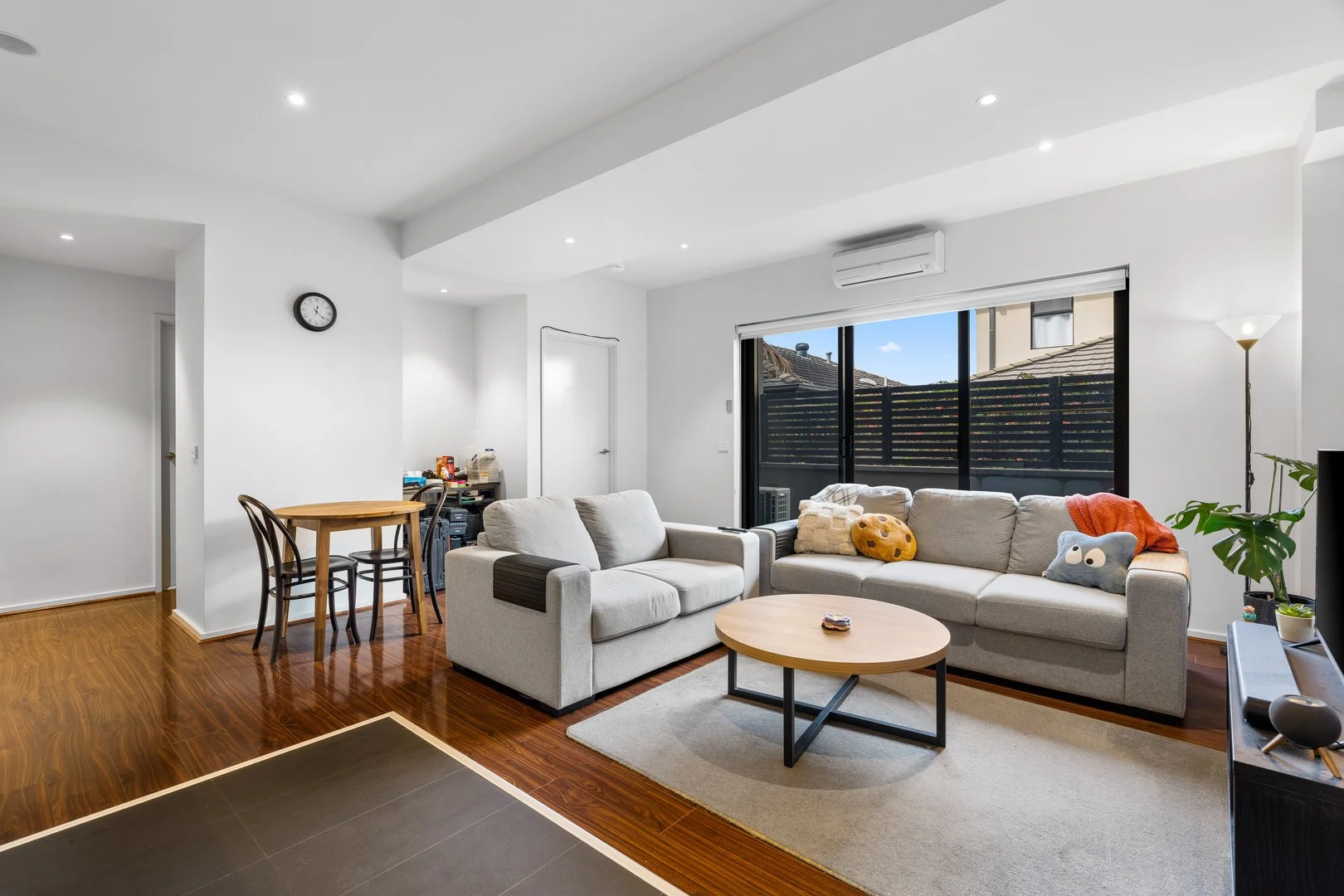 $385,000 - $410,000
Apartment / Unit / Flat
$385,000 - $410,000
Apartment / Unit / Flat
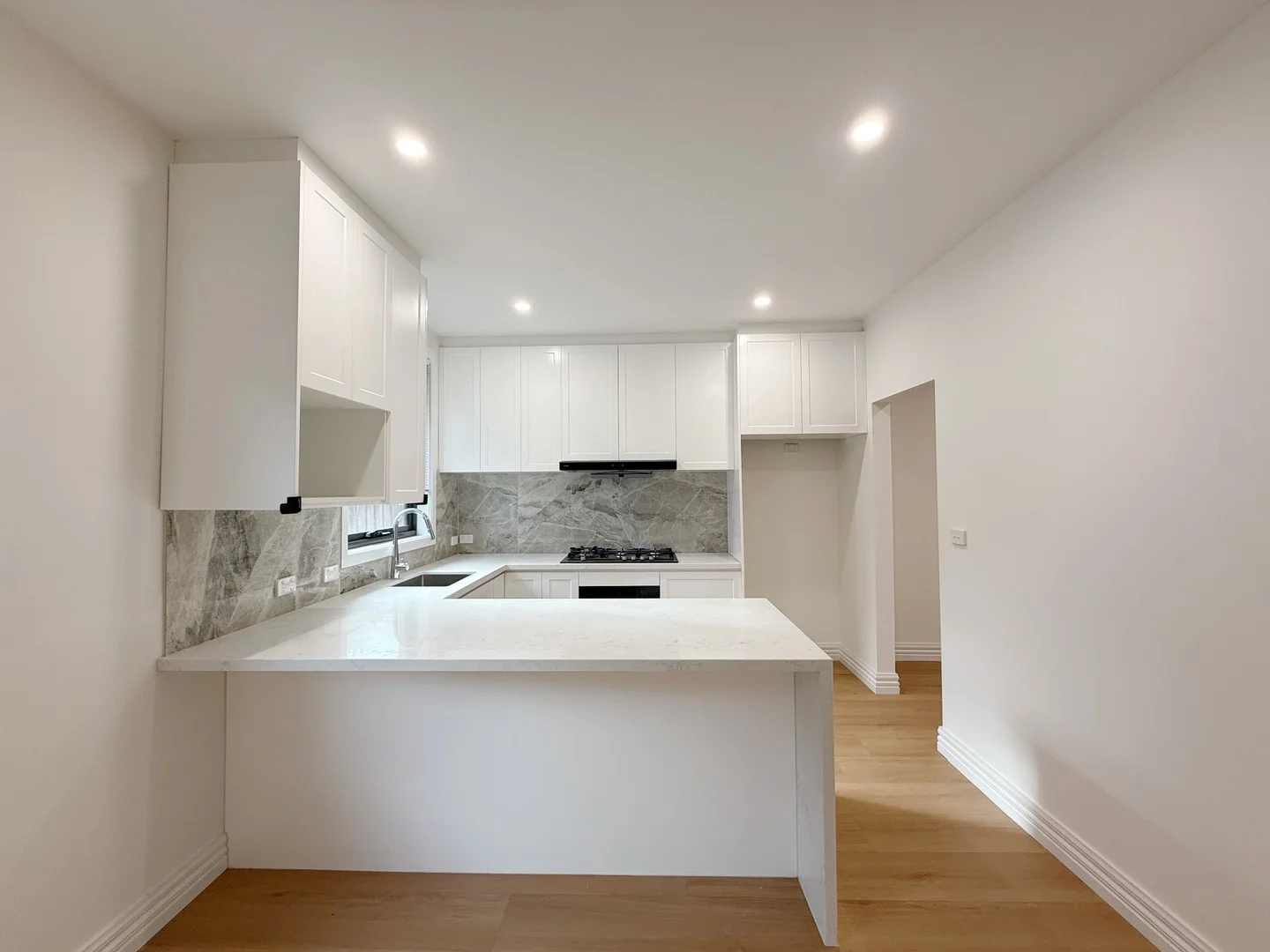 $1,280
House
$1,280
House
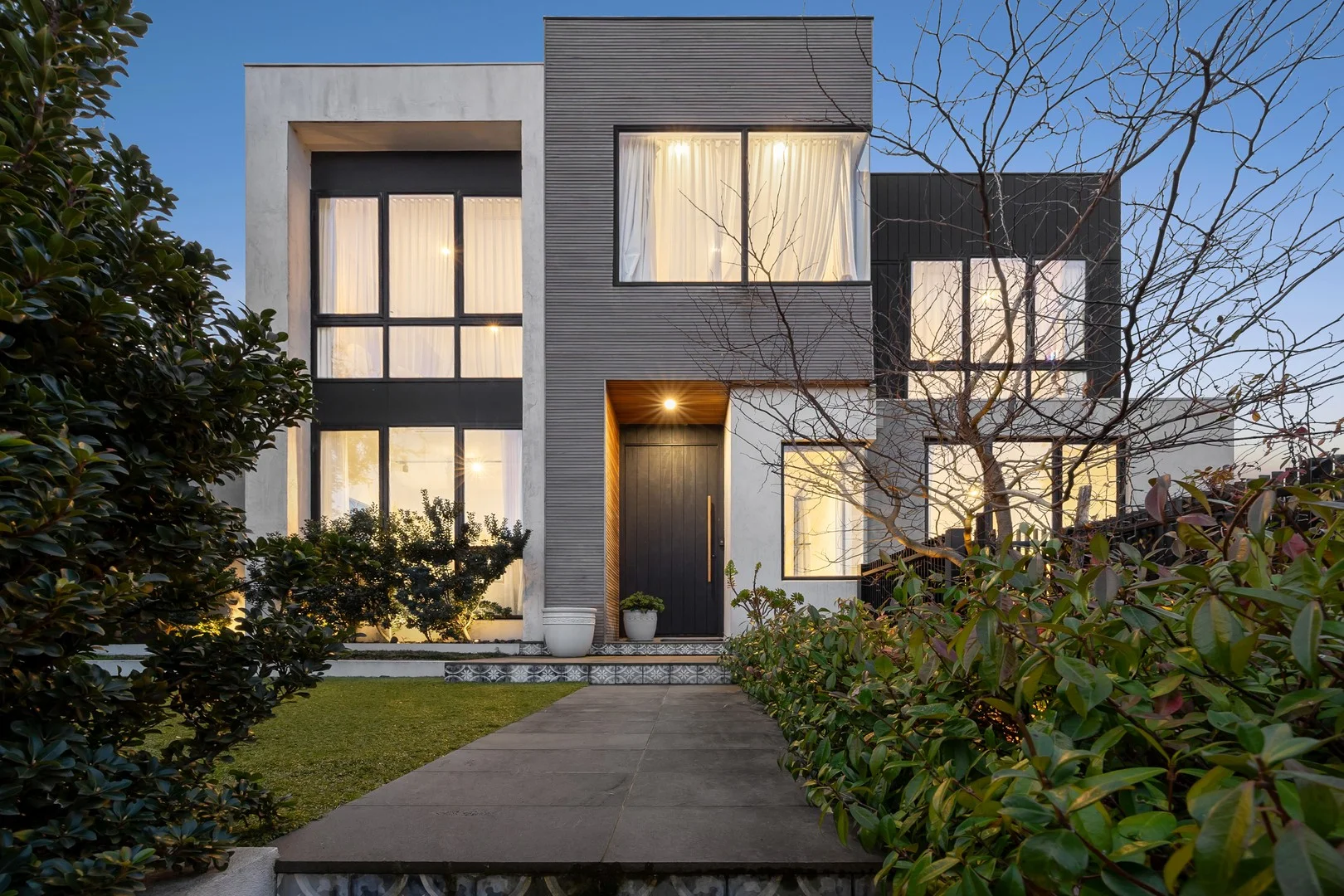 $4,200,000
House
$4,200,000
House
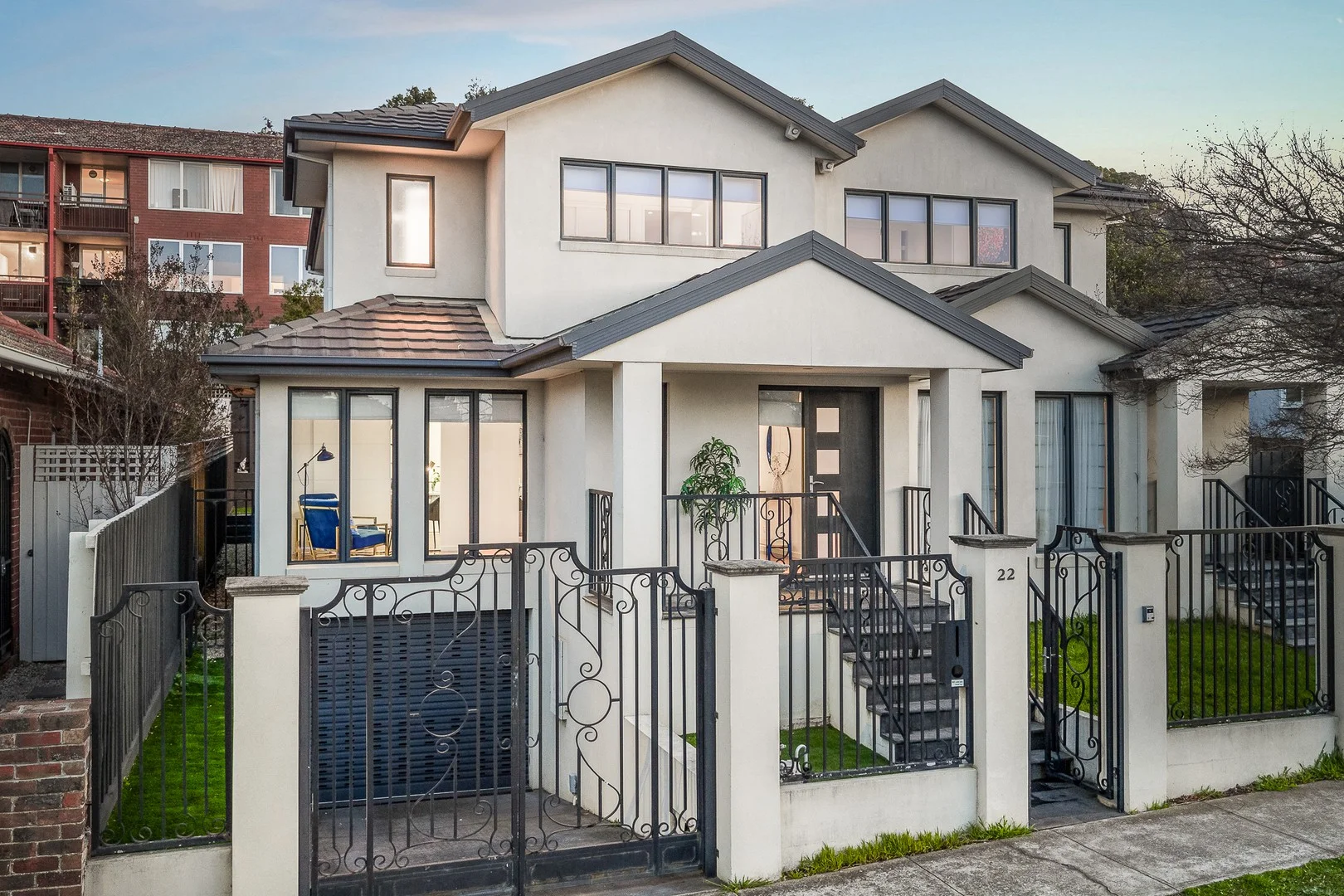 $2,390,000
Townhouse
$2,390,000
Townhouse
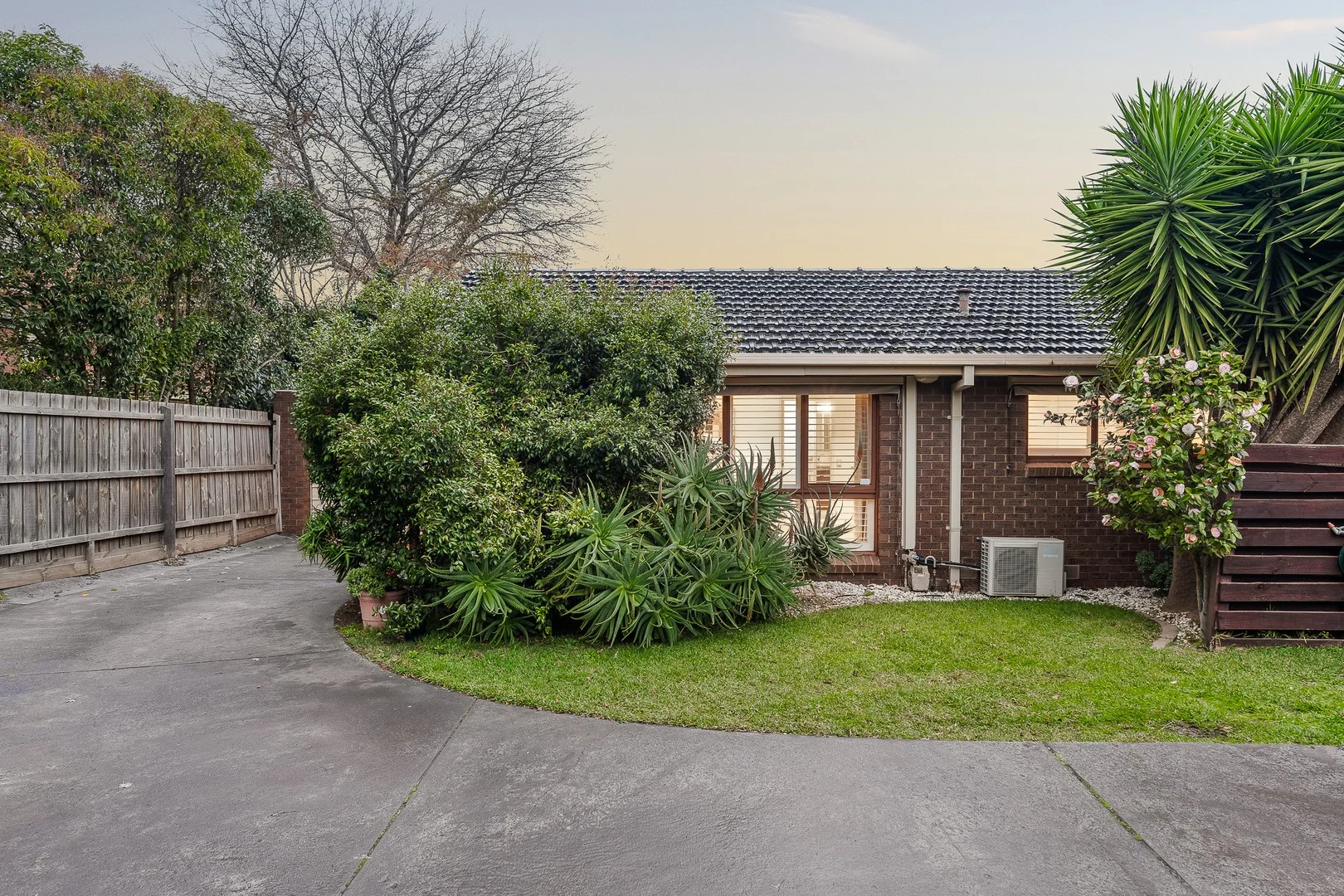 $770,000 - $820,000
Apartment / Unit / Flat
$770,000 - $820,000
Apartment / Unit / Flat
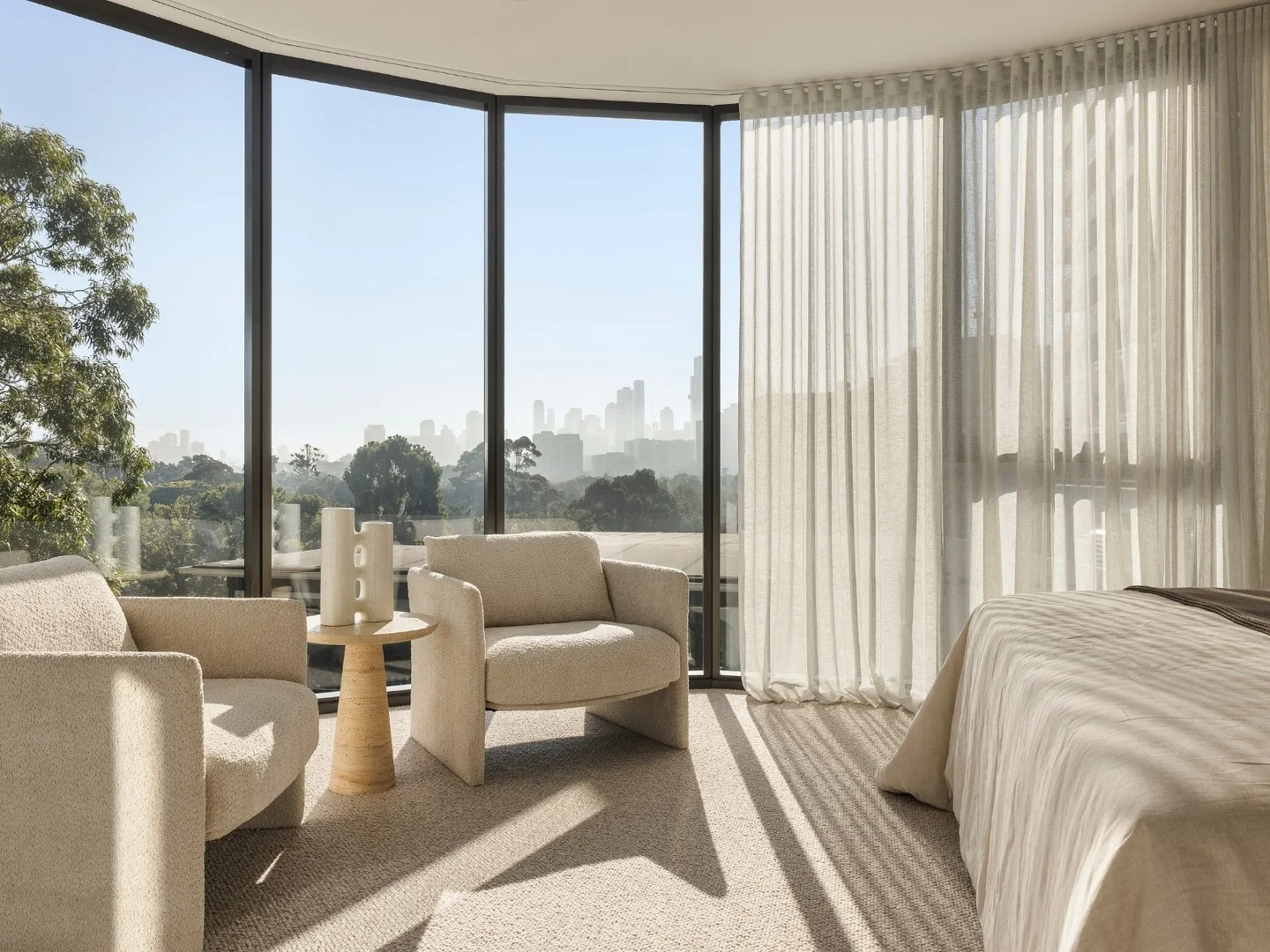 $2,750,000
Apartment / Unit / Flat
$2,750,000
Apartment / Unit / Flat
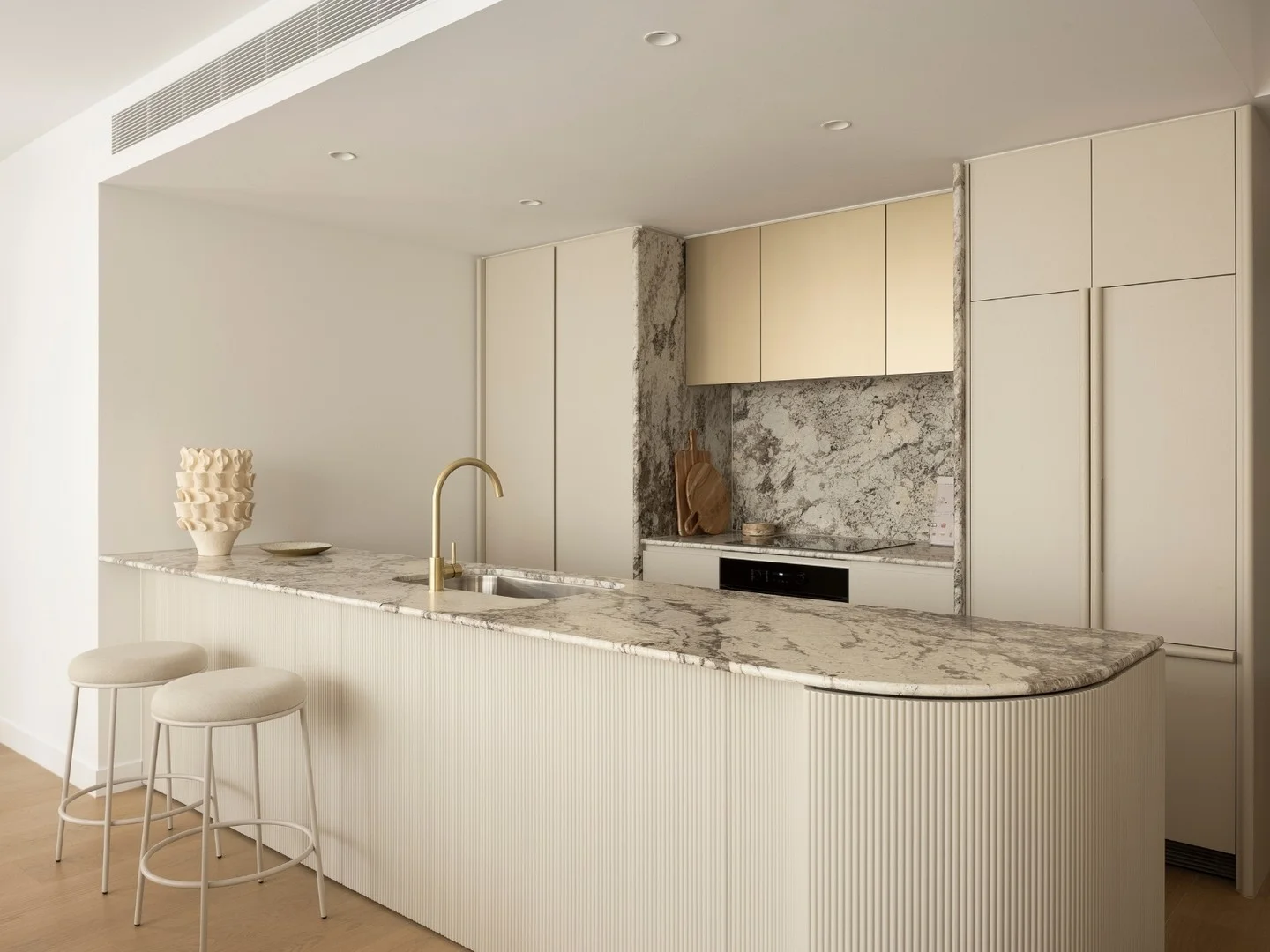 $1,345,000
Apartment / Unit / Flat
$1,345,000
Apartment / Unit / Flat
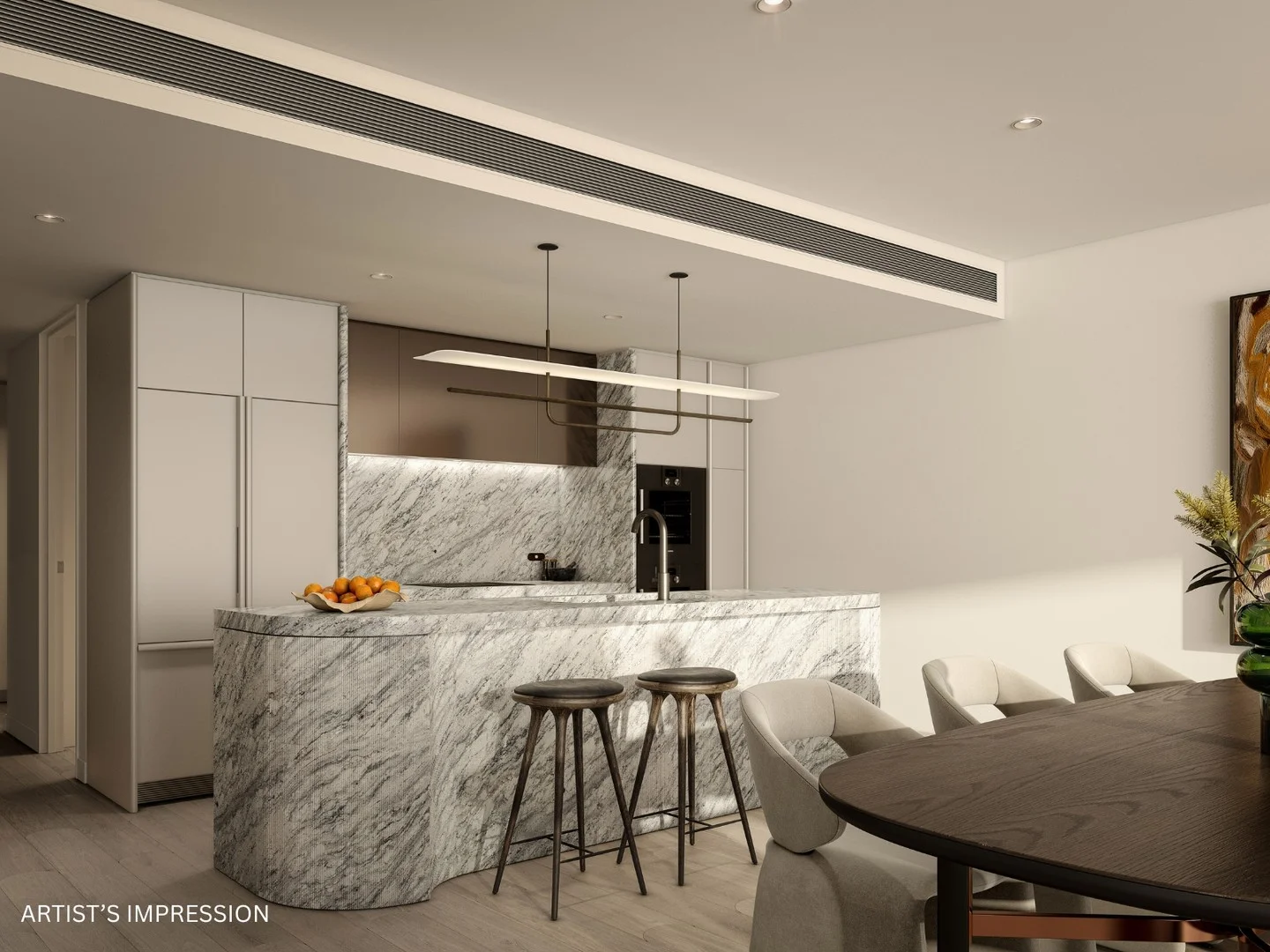 $2,900,000
Apartment / Unit / Flat
$2,900,000
Apartment / Unit / Flat
 $1,640,000
Apartment / Unit / Flat
$1,640,000
Apartment / Unit / Flat