## 1. Overview
Melbourne Girls' College (MGGC) is a public single-sex secondary school for girls located in Richmond, Victoria. The school serves students typically from Year 7 through Year 12, offering a comprehensive curriculum within the Victorian government system. As a public school, MGGC welcomes students from diverse backgrounds and focuses on providing inclusive, high-quality education.
MGGC is considered a medium-to-large school with a broad range of programs and facilities. The atmosphere is generally inclusive and academically oriented, with a nurturing environment that supports student well-being and achievement. The school emphasizes student leadership, community involvement, and opportunities across academics, arts, and sports.
---
## 2. Academics & Learning
- Academic strengths: Strong emphasis on STEM and English, with solid language offerings and a focus on literacy and numeracy. Leadership development and a robust academic culture are also highlighted.
- Special programs: VCE pathways with access to a range of subjects; some vocational education and training (VET) options; opportunities for gifted and talented programs and accelerated learning where appropriate.
- NAPLAN trends: Historically stable to improving trends in reading and numeracy, with writing showing positive growth over recent years; performance generally sits around or above state averages.
- Student-teacher ratios: Typical class sizes in the low-to-mid 20s, with overall student-teacher ratios in the range conducive to moderate, attentive contact hours.
- Support for diverse learners: Strong support for EAL (English as an Additional Language) learners and students with additional learning needs, including dedicated learning support staff and targeted interventions.
---
## 3. Sports & Extracurricular Strengths
- Sports offered: Netball, basketball, soccer/football, athletics, swimming, cricket, tennis, volleyball, and other court and field activities depending on season.
- Strong teams or achievements: Competitive inter-school teams with opportunities to progress to district and state levels in various sports; track records of participation and success are noted in regional competitions.
- Music, arts, drama programs: Active music ensembles, bands, choirs, and drama productions; opportunities to participate in performance and production projects.
- Clubs: Robotics, chess, coding, debating, and other interest-based clubs that support STEM and humanities interests.
- Partnerships: Connections with local clubs, community organizations, and inter-school competitions to broaden exposure and competition experiences.
---
## 4. Wellbeing & Pastoral Care
- Anti-bullying approach: Whole-school policies and practices aimed at preventing bullying; focus on respectful relationships, student voice, and timely intervention.
- House system: House groups support belonging, friendly competition, and peer mentoring; activities and events strengthen school spirit.
- Counsellors / wellbeing officers: Access to school counsellors and wellbeing coordinators to support mental health, study skills, and personal development.
- Transition support for new students: Orientation programs, buddy systems, and targeted transition activities to ease entry for new Year 7 students and other joining cohorts.
---
## 5. Facilities
- Sports grounds: On-site courts and fields suitable for a range of sports and outdoor activities.
- Libraries: Well-resourced library with study spaces and access to digital resources.
- Science labs: Modern science laboratories supporting biology, chemistry, physics, and related inquiries.
- Music/performing arts centers: Dedicated spaces for music rehearsals, ensembles, and drama performances.
- Tech/innovation labs: Computer labs and STEM facilities that support coding, digital design, and maker-space activities.
- Cafeteria: On-site canteen offering meals and snacks during lunch breaks.
- Updated playgrounds: Modernized outdoor spaces and breakout areas for student recreation and collaboration.
---
## 6. School Values & Community Culture
- School values / mission: Focus on respect, responsibility, resilience, inclusivity, and student empowerment; ongoing leadership development and community contribution.
- Leadership style: Inclusive, student-centered leadership with opportunities for student voice through councils, committees, and peer leadership roles.
- Behaviour expectations: Clear codes of conduct emphasizing respect, integrity, and responsibility; consistent implementation across year levels.
- Community reputation: Strong ties with local community and alumni networks; positive feedback on support, opportunities, and school spirit.
- Diversity & inclusion: Commitment to culturally inclusive practices and ensuring access and participation for students from diverse backgrounds.
---
## 7. School Logistics & Daily Operations
- School hours: Typical day runs mornings to mid-afternoon with varying start times across years; the timetable is designed to balance classes, breaks, and specialist subjects.
- Before/after school care: After-school supervision or care options may be available via school programs or external providers.
- Uniform requirements: School uniform with specific dress code (blazer, blouse, skirt or shorts, tie, jumper, and appropriate shoes) as dictated by Victorian public school guidelines.
- Transport (train/bus routes): Good access via public transport including nearby tram and bus routes; proximity to Richmond area makes it convenient for many families; check local routes and school pick-up options.
- Canteen availability: Canteen services during lunch periods with meal and snack options.
- Fees (low/medium/high ranges): As a public government school, there is no tuition fee; families may incur minimal charges for materials, activities, or year-level levies. Overall cost is considered low to moderate compared with independent settings.
---
## 8. Enrolment & Admissions
### 11. What is the enrolment process and timeline?
- Enrolment is managed via the Victorian government system. Submit an application within the published intake window for Year 7 (and other year levels when space is available). Offers are made through the central process, with timelines published by the Department of Education each year. Proof of residency and required documentation are typically requested as part of the application.
### 12. Is there a waiting list, and how does it work?
- Yes, there can be a waiting list or queue, especially for popular year levels or if demand exceeds vacancies. Placement priorities generally consider in-area applications first, with out-of-area applications assessed as vacancies allow. The school and Department provide guidance on timelines and how to maintain or move up a place on the list.
### 13. Are there any entry requirements, tests, or interviews?
- For public schools like MGGC, there is typically no entrance exam or selective testing for general intake. Some schools may conduct informal discussions or brief meetings if needed for specific circumstances, but standard admissions do not rely on independent testing. Language support or SEN considerations may influence onboarding if required.
### 14. Does the school accept mid-year transfers?
- Mid-year transfers are possible subject to vacancies and the approval of the Department of Education and the school. Prospective transfer families should contact MGGC admissions as early as possible to confirm availability and required paperwork.
---
## 9. Frequently Asked Questions
- Why Parents Choose This School?
- Public, inclusive education with strong academic offerings, supportive wellbeing programs, and a range of extracurriculars. A proven track record of student growth and community involvement makes MGGC a trusted choice for many families.
- What type of student thrives at this school?
- Students who are collaborative, curious, and motivated across academics, arts, and sport. The school supports well-rounded development and provides pathways for leadership and service.
- What opportunities are available for students to extend their skills (academics, sports, arts)?
- Advanced VCE subjects, STEM and language programs, leadership opportunities, sports teams, performing arts productions, music ensembles, robotics and coding clubs, debating, and other clubs.
- How does the school communicate with parents?
- Regular updates through newsletters, a parent portal, information evenings, parent-teacher interviews, and online platforms. Clear channels exist for feedback and urgent communications.
- What is the school’s approach to teaching and learning?
- Student-centered, evidence-based pedagogy with a mix of direct instruction, inquiry-based learning, formative assessment, and differentiated support to meet diverse needs.
- How does the school support students who need extra academic help?
- Access to learning support staff, EAL support, targeted literacy/numeracy interventions, SEN coordination, and tailored accommodation within coursework.
- What support is available for academic challenges?
- Referral processes for intervention; additional tutoring or modified tasks where appropriate; close collaboration with families and teachers to set achievable goals.
- How does the school communicate with parents? (duplicate)
- See above: newsletters, portal, meetings, and direct contacts with teachers and coordinators.
- What are the class sizes and how much individual attention do students receive?
- Typical class sizes in the low-to-mid 20s, with teachers providing targeted feedback and opportunities for small-group instruction and individual assistance within the timetable.
- What extracurricular and sports opportunities are available?
- A broad range of sports (netball, basketball, athletics, cricket, etc.), music ensembles, drama, robotics, debating, chess, coding, and other clubs.
- What facilities does the school offer (sports, science, arts)?
- Sports grounds, libraries, science labs, performing arts facilities, tech/innovation labs, canteen, and outdoor spaces.
- What is the school’s approach to technology and digital learning?
- Integration of ICT across subjects, access to computers and digital resources, and opportunities for students to engage in coding, design, and research using modern tools.
- What transport and accessibility options are available?
- Accessible public transport options (buses/trams) with convenient access for students in and around the Richmond area; discuss specific routes with the school.
- What are the typical school fees or additional costs?
- No tuition fees for general enrolment; minimal charges for materials, subject levies, or extra activities as applicable.
---
## 10. Short Pros & Cons list
- Pros
- Public, inclusive single-sex education with strong academic and wellbeing support.
- Broad range of subjects, arts, and sports; many enrichment opportunities.
- Active student leadership and community engagement; welcoming culture.
- Good facilities across science, arts, and technology spaces; modern learning environments.
- Clear communication with families and a focus on student wellbeing.
- Cons
- As a public school, enrolment can be competitive for Year 7 depending on catchment and demand.
- Campus location in a busy urban area may affect transport times during peak hours.
- Some programs (e.g., specialised selective pathways) may have limited availability depending on staffing and year level.
- Uniform requirements and school policies require adherence; costs associated with uniform and materials.
---
If you’d like, I can tailor this content with more precise details once you confirm current figures (enrolment numbers, typical class sizes, and exact facilities) or provide updates from MGGC’s latest publications.













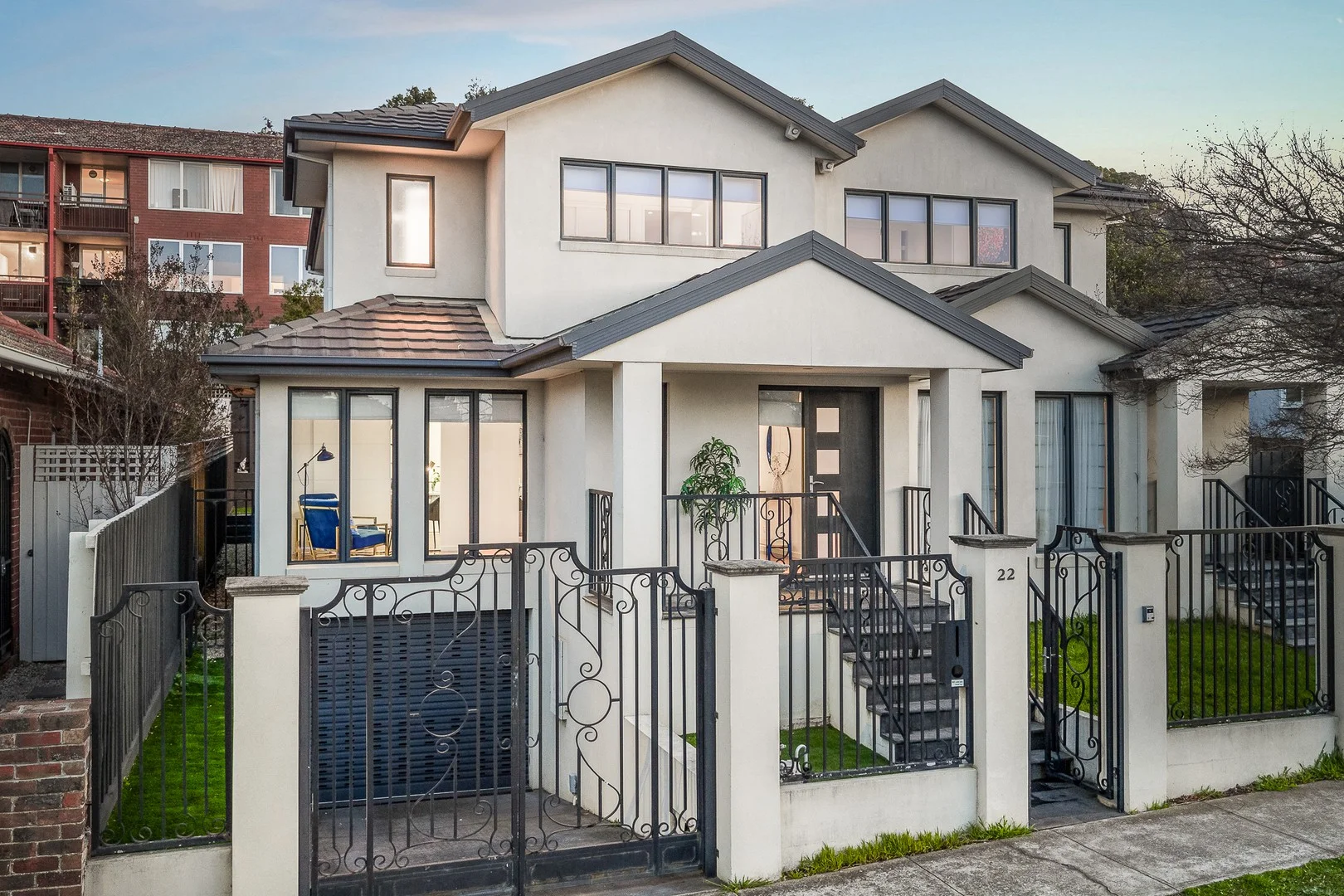 $2,100,000
Townhouse
$2,100,000
Townhouse
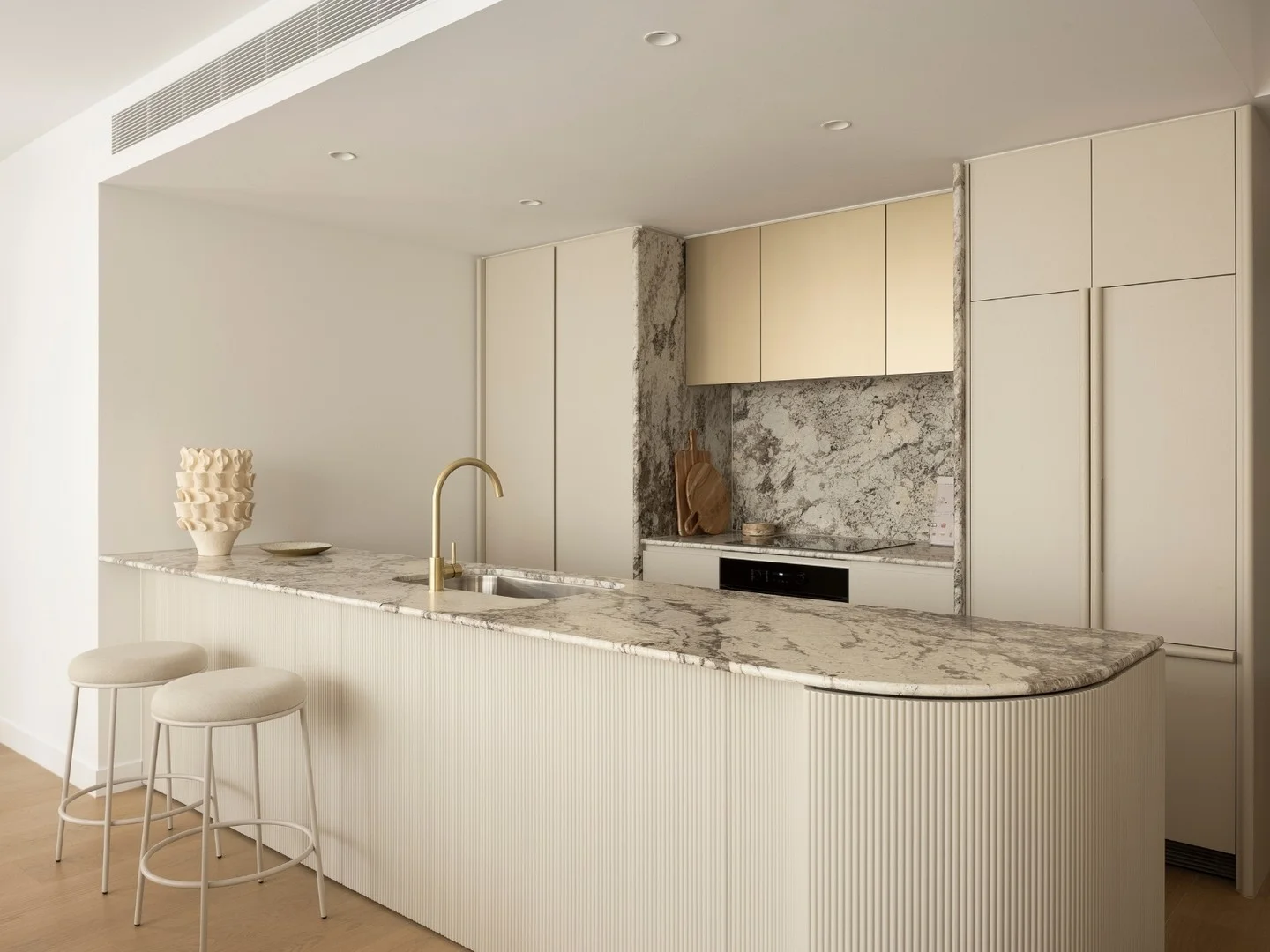 $1,345,000
Apartment / Unit / Flat
$1,345,000
Apartment / Unit / Flat
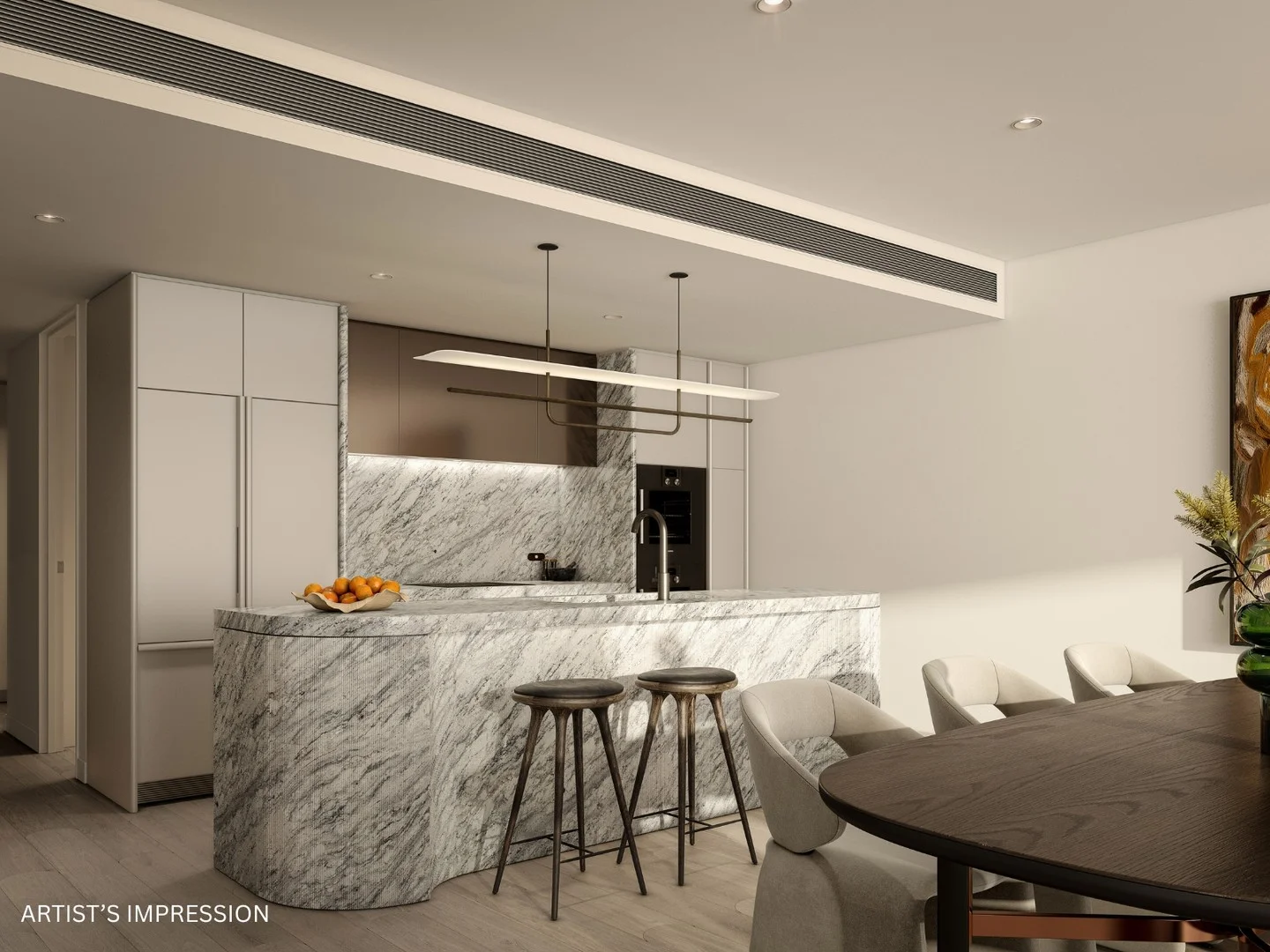 $2,900,000
Apartment / Unit / Flat
$2,900,000
Apartment / Unit / Flat
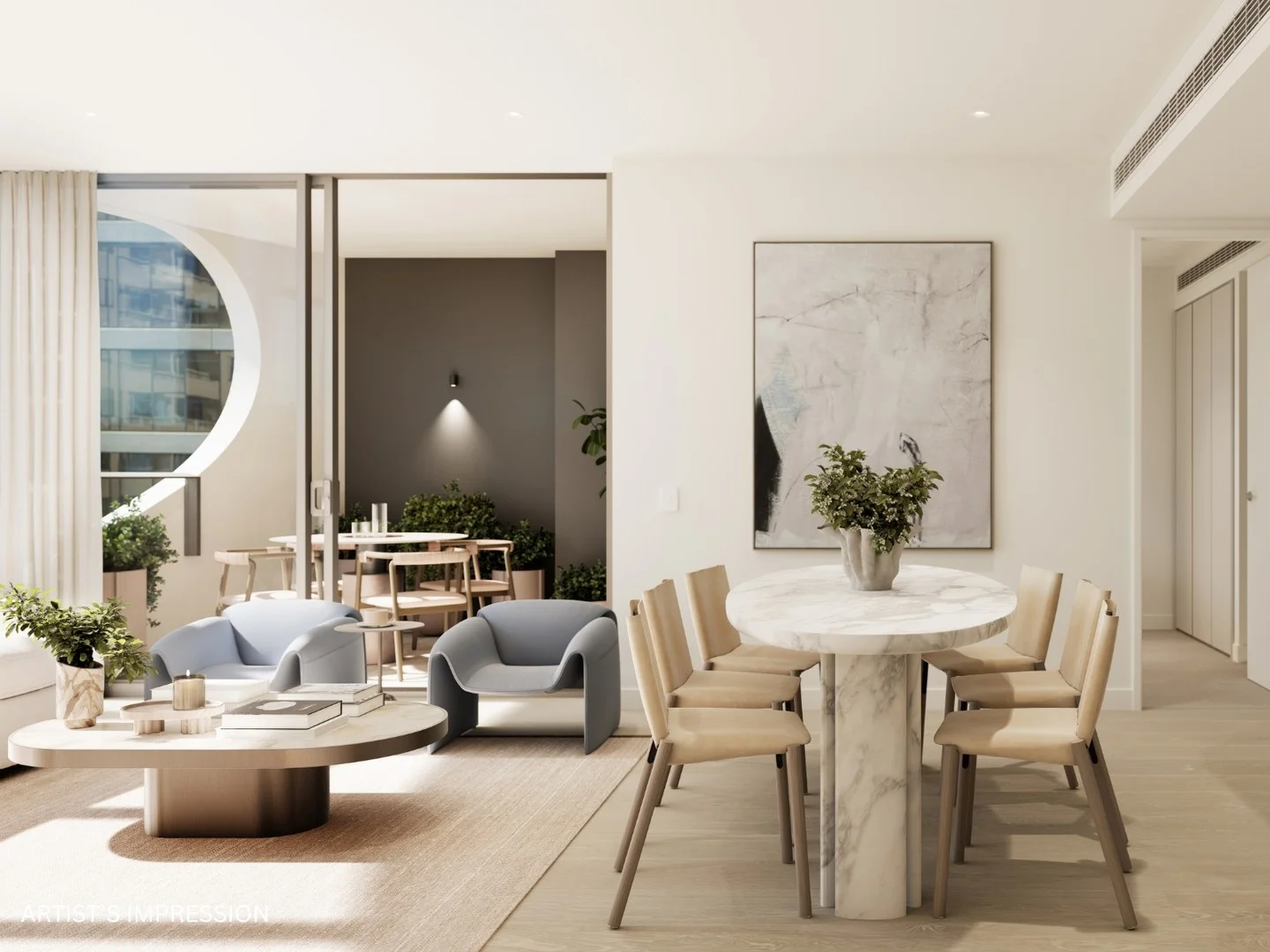 $1,640,000
Apartment / Unit / Flat
$1,640,000
Apartment / Unit / Flat
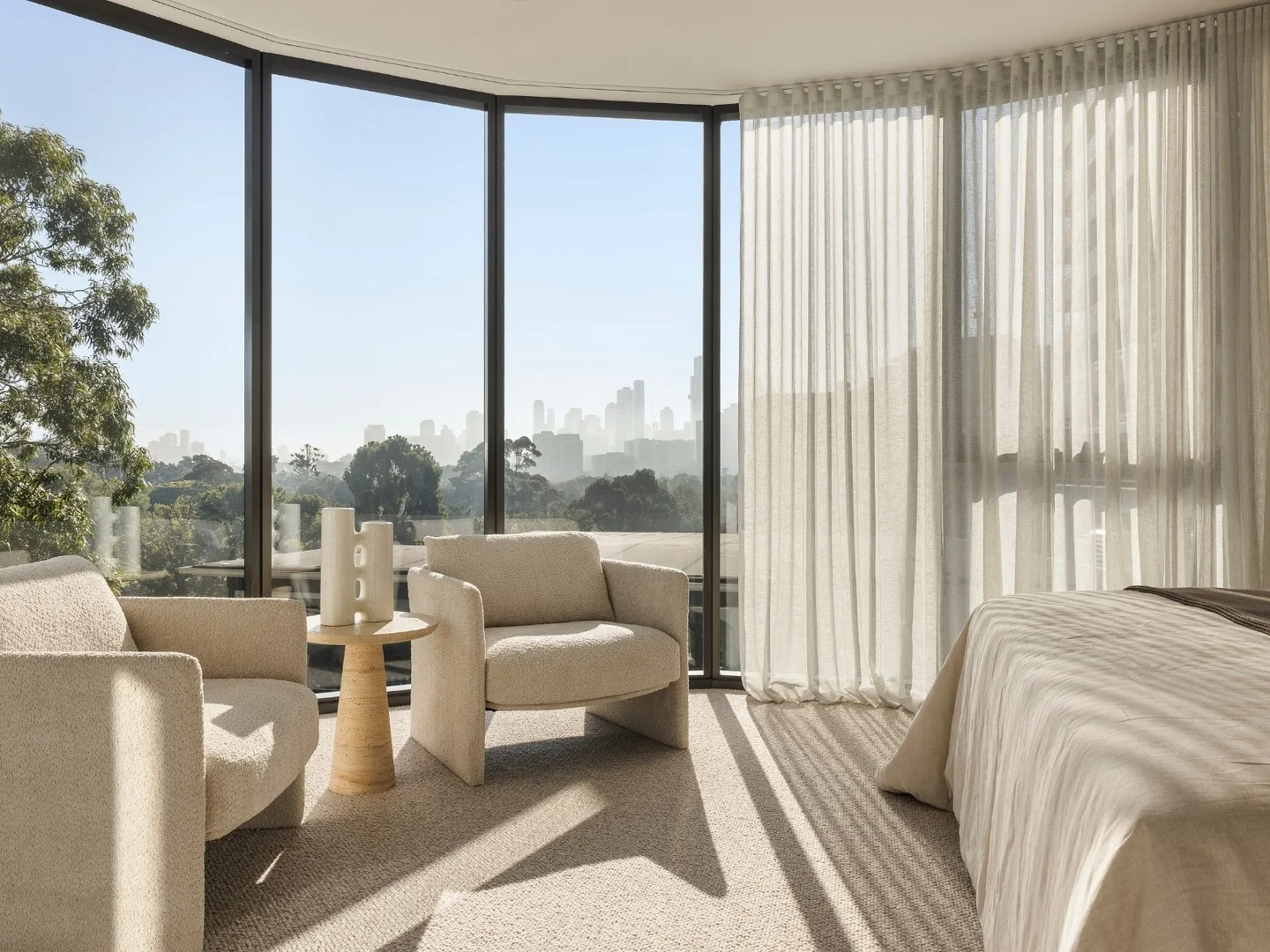 $2,750,000
Apartment / Unit / Flat
$2,750,000
Apartment / Unit / Flat
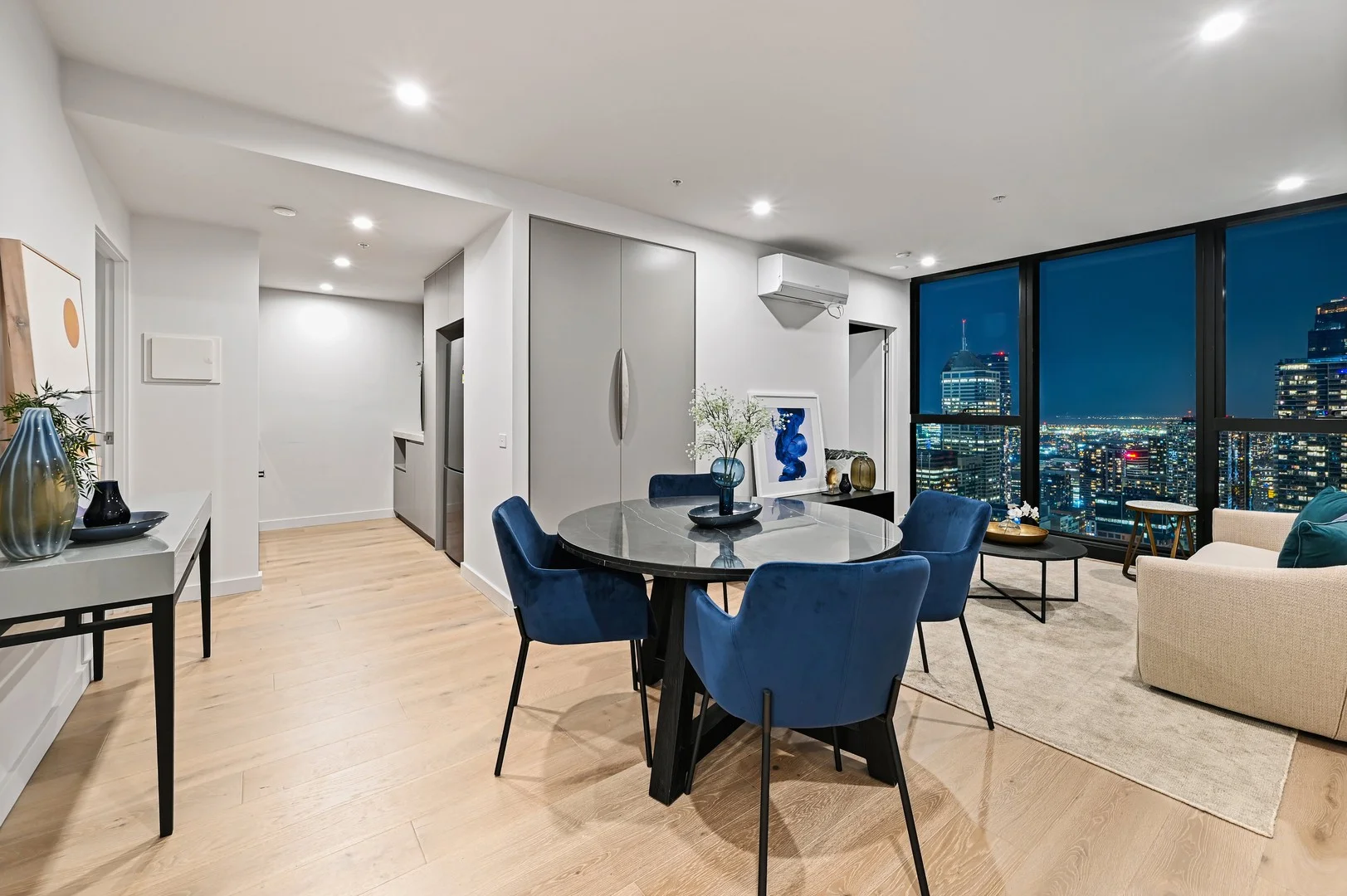 $943,000
propertyType.NEW APARTMENTS / OFF THE PLAN
$943,000
propertyType.NEW APARTMENTS / OFF THE PLAN
 $2,008,000
propertyType.NEW APARTMENTS / OFF THE PLAN
$2,008,000
propertyType.NEW APARTMENTS / OFF THE PLAN
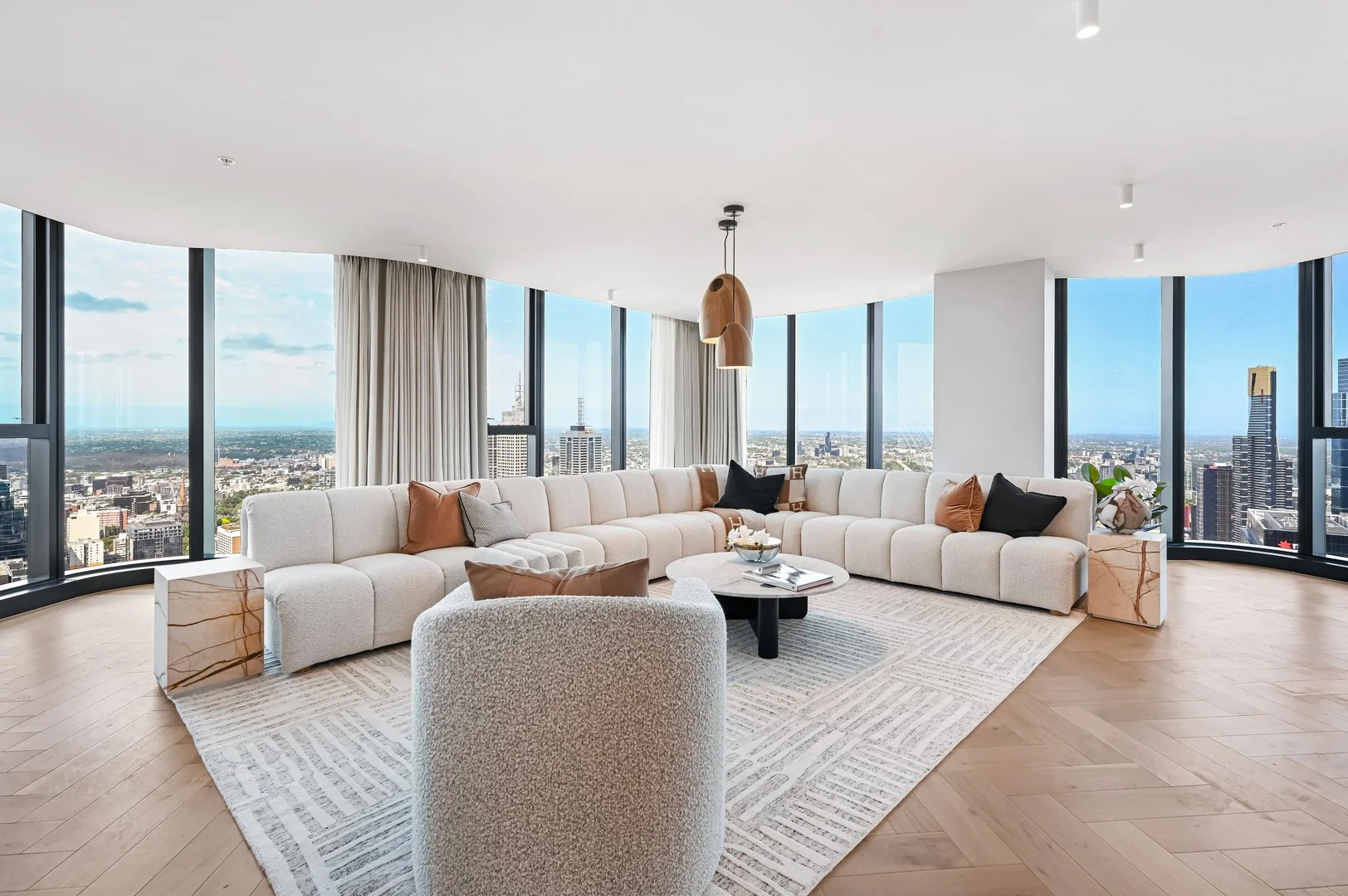 $5,512,000
propertyType.NEW APARTMENTS / OFF THE PLAN
$5,512,000
propertyType.NEW APARTMENTS / OFF THE PLAN
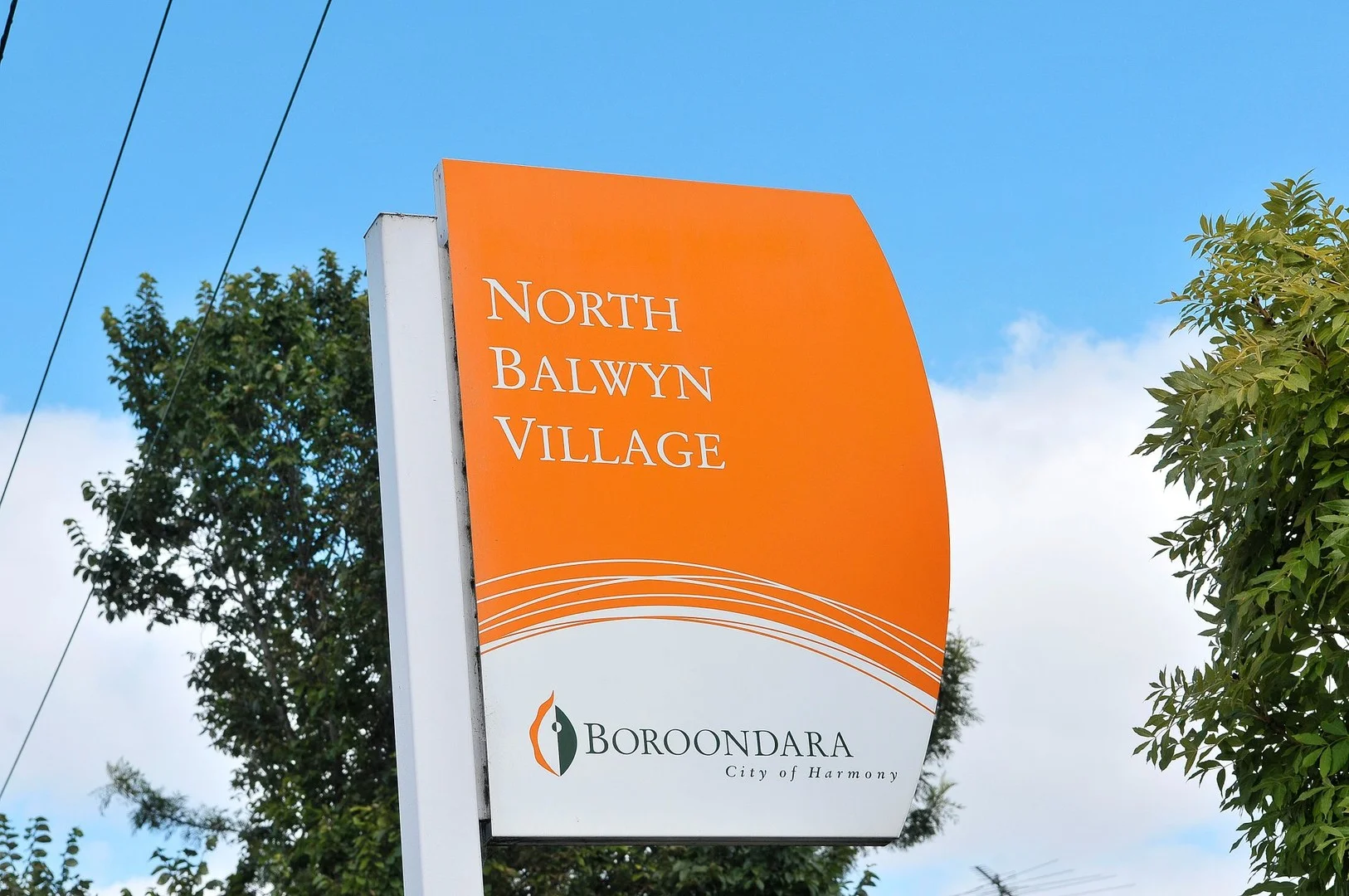 $1,250,000
Apartment / Unit / Flat
$1,250,000
Apartment / Unit / Flat


