## 1. Overview
St Kevin's College is an independent Catholic boys' school located in Toorak, Victoria. It combines a faith-informed education with a strong academic and co-curricular program, delivered in a supportive, community-focused environment.
- School type: Independent Catholic boys' school
- School size: Medium
- Class size: Approximately 20–22 students per class
- Atmosphere/culture: Academic focus with tradition and sport; nurturing, inclusive, and supportive
---
## 2. Academics & Learning
- Academic strengths: Strong emphasis on core disciplines such as STEM, English/Literature, and languages, with opportunities for leadership development and engaged learning across year levels.
- Special programs: Catholic faith formation and service-minded programs; leadership development; accelerated pathways and gifted/talented provisions; structured pathways to the Victorian Certificate of Education (VCE).
- NAPLAN / trends: National testing (NAPLAN) data typically shows performance at or above state averages with positive year-to-year trends; parents can review the school's annual reports for the latest trend details.
- Student-teacher ratios: Generally favorable ratios (roughly 1:10 to 1:14), supporting more individualized attention in class and for pastoral care.
- Support for diverse learners: Learning support services, EAL (English as an Additional Language) assistance, and SEN (special educational needs) programs to support varied student needs.
---
## 3. Sports & Extracurricular Strengths
- Sports offered: A broad menu including Aussie Rules football, cricket, basketball, soccer, tennis, rowing, swimming, and athletics; strong emphasis on participation and competitive success in inter-school settings.
- Strong teams or achievements: Competitive inter-school teams with a track record of premierships and strong results in local and regional competitions.
- Music, arts, drama programs: Active music ensembles, choir, and drama/theatre productions; opportunities to perform and develop stagecraft.
- Clubs: Robotics, chess, coding, debating and public speaking, as well as student leadership programs and clubs aligned to interests.
- Partnerships: Participation in inter-school competitions and partnerships with local clubs and coaching programs to extend opportunities beyond the classroom.
---
## 4. Wellbeing & Pastoral Care
- Anti-bullying approach: Clear policies and programs promoting a respectful, inclusive culture; proactive wellbeing initiatives and student-led conduct programs.
- House system: House-based pastoral care structure that supports mentorship, belonging, and healthy competition.
- Counsellors / wellbeing officers: Access to school counsellors and wellbeing staff for academic, social, and emotional support.
- Transition support for new students: Orientation programs, buddy systems, and dedicated transition resources to help new students settle in.
---
## 5. Facilities
- Sports grounds: On-site facilities for a range of sports and physical activities.
- Libraries: Well-equipped library spaces with resources for study, research, and reading for pleasure.
- Science labs: Modern science laboratories to support practical work across disciplines.
- Music/performing arts centers: Facilities for music ensembles, rehearsals, and performances.
- Tech/innovation labs: Dedicated spaces for STEM learning, coding, and technology projects.
- Cafeteria: On-site dining options and catering for students.
- Updated playgrounds: Well-maintained outdoor spaces for recreation and break times.
---
## 6. School Values & Community Culture
- School values / mission: Catholic ethos with emphasis on service, integrity, respect, and personal responsibility.
- Leadership style: Collaborative and student-inclusive, with opportunities for student voice and leadership roles.
- Behaviour expectations: Clear expectations around conduct, respect, and responsibility; emphasis on positive culture and personal growth.
- Community reputation: Long-standing, close-knit school community with active involvement from families and alumni.
- Diversity & inclusion: Commitment to an inclusive environment that welcomes diverse backgrounds and supports equity and access.
---
## 7. School Logistics & Daily Operations
- School hours: Typical day starts in the morning and finishes mid-afternoon; after-school activities may extend the day for some students.
- Before/after school care: Supportive arrangements available for before/after school care.
- Uniform requirements: Formal school uniform (blazer, tie, shirt, trousers) with sports uniform on designated days; standard dress code for daily wear.
- Transport (train/bus routes): Access to city-side transport options and local bus/train routes; school road drop-offs and parking arrangements available.
- Canteen availability: On-site canteen or dining facilities offering snacks and meals.
- Fees (low/medium/high ranges): Fees fall in the mid-to-high range for Melbourne private/independent schools; additional costs may apply for uniforms, camps, excursions, and extracurricular activities.
---
## 8. Enrolment & Admissions
11. What is the enrolment process and timeline?
- Submit an online application with supporting documents.
- Complete any required academic or readiness assessments and participate in an interview.
- Attend a face-to-face or virtual information session.
- Receive an offer when a place becomes available; timelines can span several months to a year depending on year level and demand.
12. Is there a waiting list, and how does it work?
- Yes, there may be a waiting list. Offers are made as spaces open; priority may be given to siblings, Catholic families, and applicants who meet specific criteria.
13. Are there any entry requirements, tests, or interviews?
- Most applicants undergo an academic or readiness assessment and an interview; families may also be asked to provide school reports and identity/catholic background information.
14. Does the school accept mid-year transfers?
- Mid-year transfers are considered subject to vacancies and meeting admission criteria; transfer requires transcripts, reports, and alignment with the receiving year level.
---
## 9. Frequently Asked Questions
- Why Parents Choose This School?
- A values-driven, faith-informed education that combines strong academics with robust wellbeing, sport, and arts programs; supportive staff and a tight-knit community.
- What type of student thrives at this school?
- Boys who are academically motivated, value service and leadership, enjoy team activities, and respond well to a collaborative, respectful learning environment.
- What opportunities are available for students to extend their skills (academics, sports, arts)?
- Access to advanced coursework, leadership roles, STEM and literacy initiatives, a broad sport program, music ensembles, drama productions, and clubs like robotics, coding and debating.
- How does the school communicate with parents?
- Regular newsletters and updates, a parent portal, scheduled parent nights, and timely communication from form teachers and coordinators.
- What is the school’s approach to teaching and learning?
- Balanced, evidence-informed pedagogy that emphasizes fundamental skills, critical thinking, character development, and supportive pastoral care.
- How does the school support students who need extra academic help?
- Learning support services, targeted intervention plans, EAL assistance, and access to tutoring or small-group support as needed.
- What support is available for academic challenges?
- Dedicated staff for academic mentoring, SEN support, and tailored plans to help students progress and stay engaged.
- How does the school communicate with parents? (Repeat)
- See above: newsletters, portal, meetings, and direct updates from teachers and coordinators.
- What are the class sizes and how much individual attention do students receive?
- Class sizes are around 20–22 students, with opportunities for smaller-group instruction and individualized feedback within the broader class setting.
- What extracurricular and sports opportunities are available?
- A wide range of sports, along with music, drama, robotics, chess, coding, debating, and other clubs, with inter-school competition and performances.
- What facilities does the school offer (sports, science, arts)?
- Sports grounds, libraries, science laboratories, music/performing arts spaces, technology/innovation labs, canteen, and updated outdoor spaces.
- What is the school’s approach to technology and digital learning?
- Integration of digital tools and platforms to support learning, with likely use of a learning management system and device-enabled learning.
- What transport and accessibility options are available?
- Access to public transport links and local bus/train routes, with campus drop-off/pick-up arrangements and accessible facilities.
- What are the typical school fees or additional costs?
- Fees are in the mid-to-high range for Melbourne independent schools; additional costs may include uniforms, camps, and certain extracurricular activities.
---
## 10. Short Pros & Cons
- Pros
- Strong Catholic values and community feel
- Balanced focus on academics, sport, and the arts
- Supportive wellbeing and pastoral care
- Good teacher-to-student attention and smaller class sizes
- Broad range of extracurricular activities and clubs
- Active alumni and parent community
- Cons
- Fees are higher than public schools and many non-private options
- As a single-sex school, may not suit families seeking co-educational environments
- Competitive culture in some programs may not suit all students















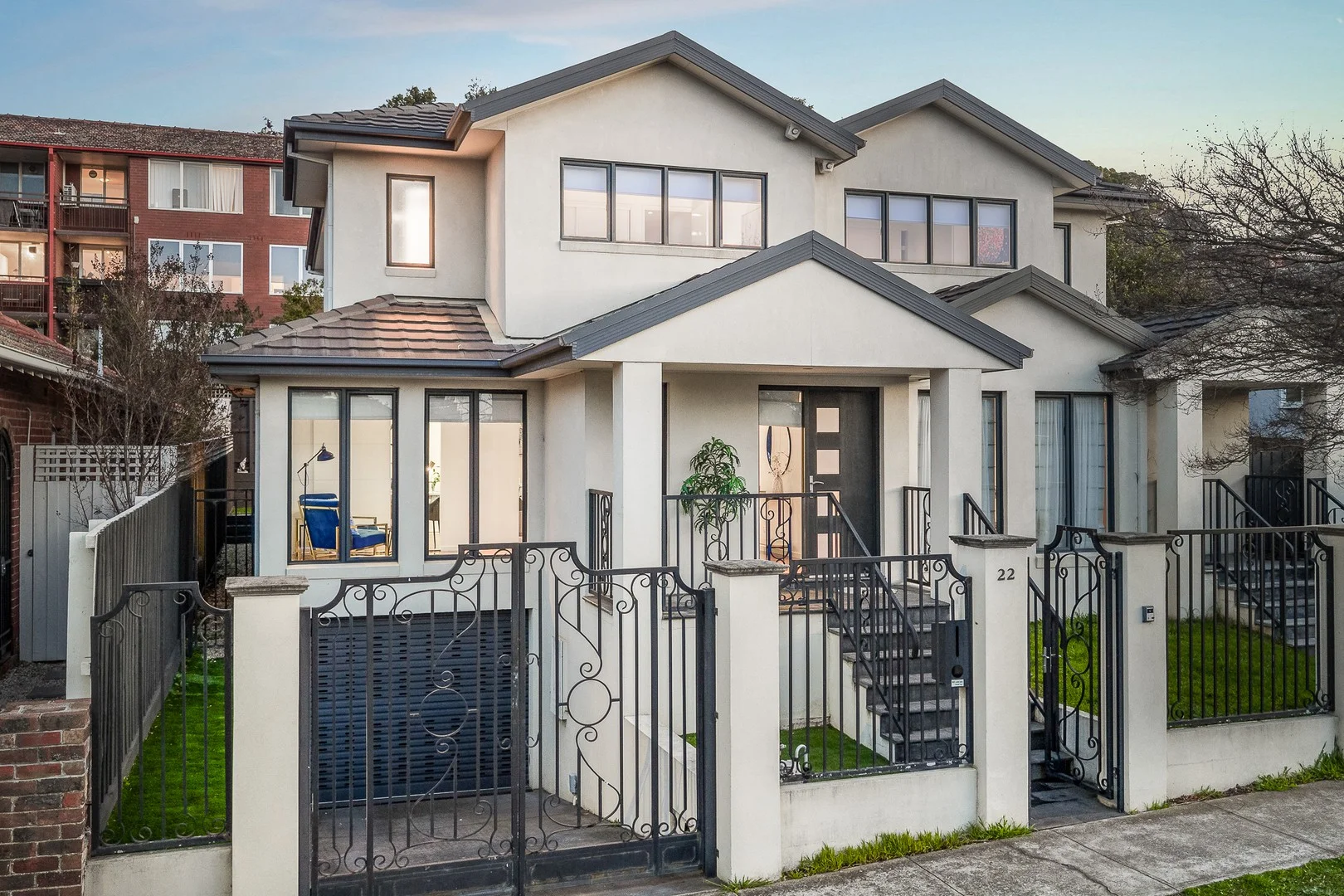 $2,390,000
Townhouse
$2,390,000
Townhouse
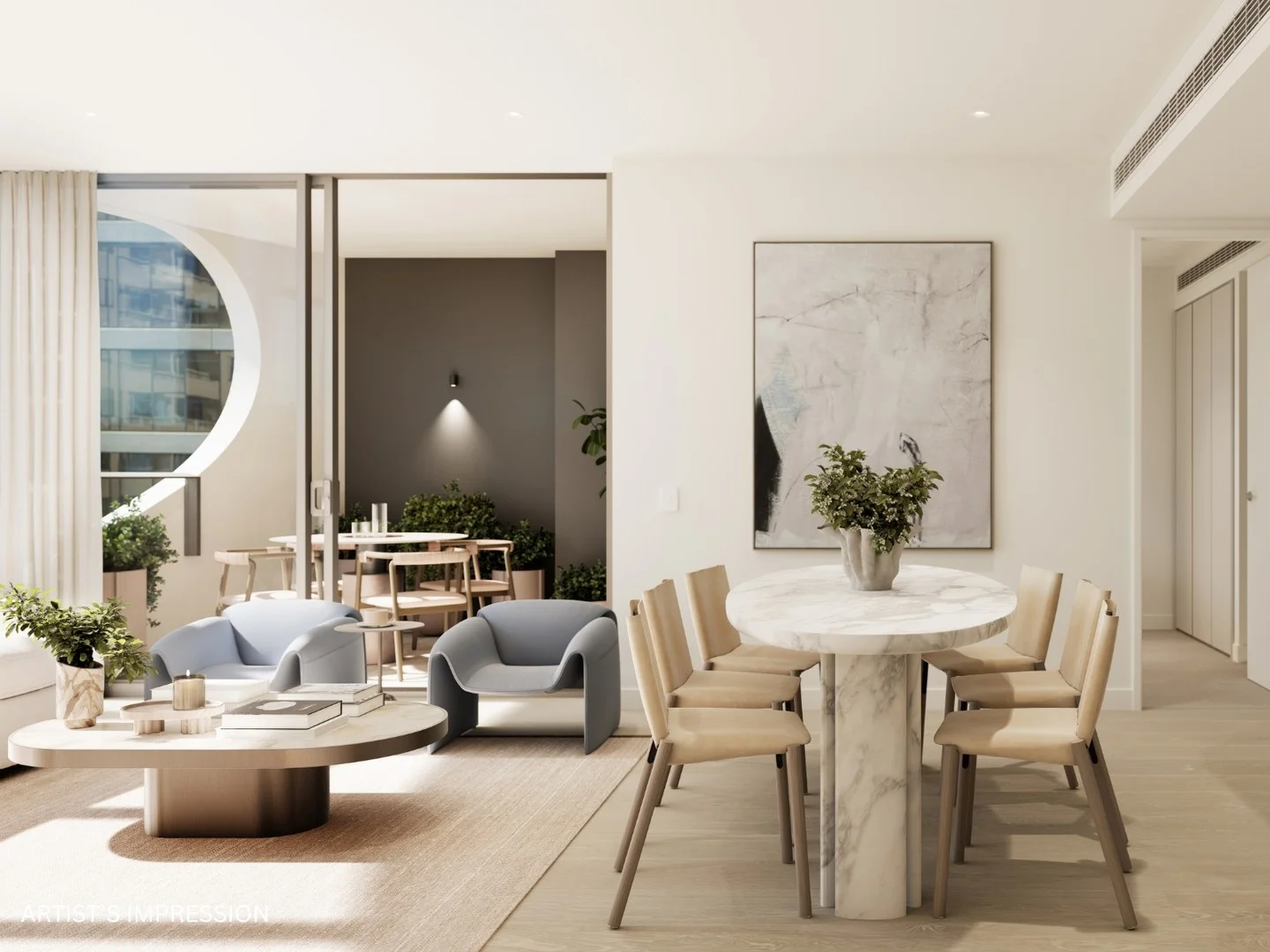 $1,640,000
Apartment / Unit / Flat
$1,640,000
Apartment / Unit / Flat
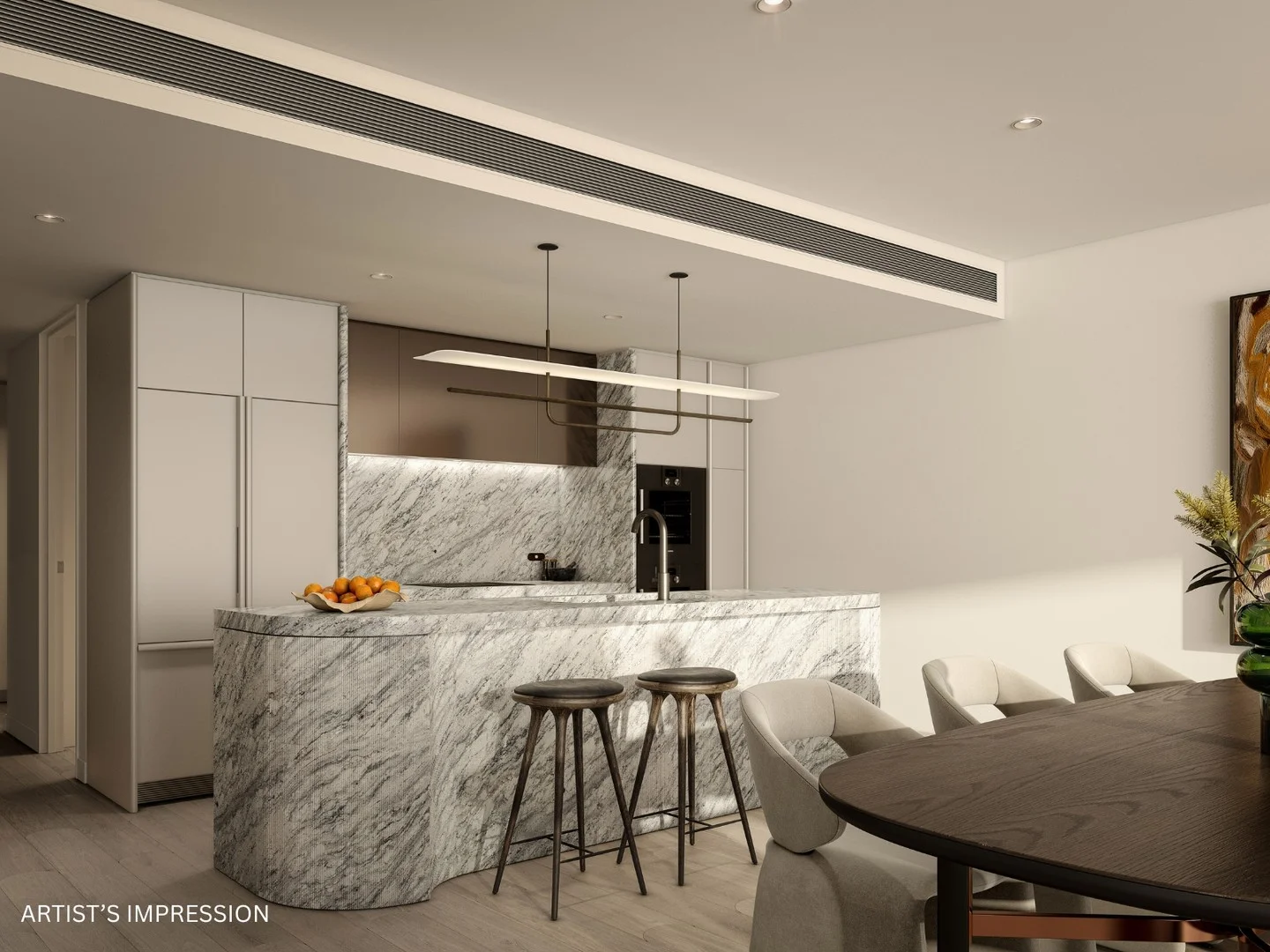 $2,900,000
Apartment / Unit / Flat
$2,900,000
Apartment / Unit / Flat
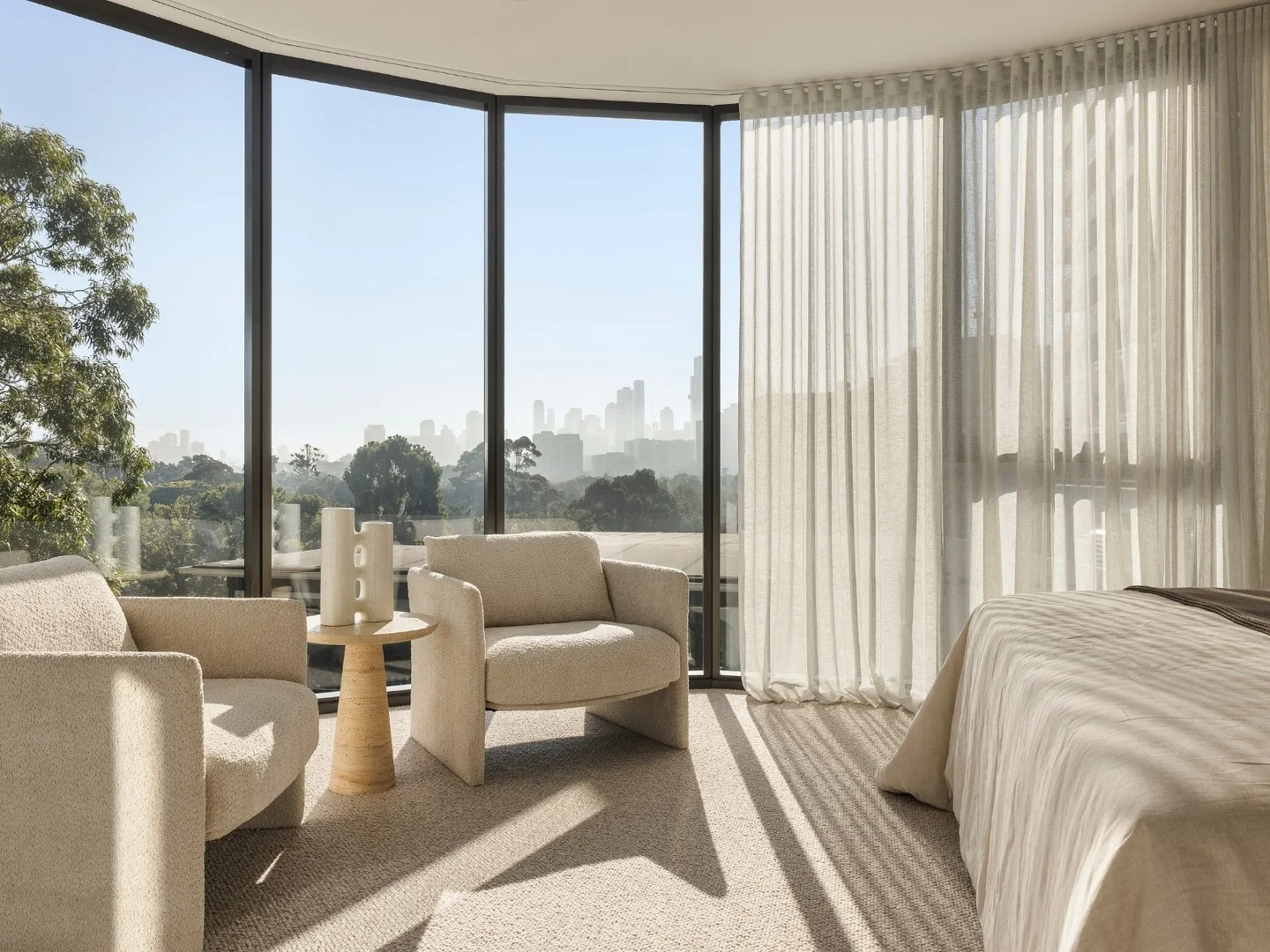 $2,750,000
Apartment / Unit / Flat
$2,750,000
Apartment / Unit / Flat
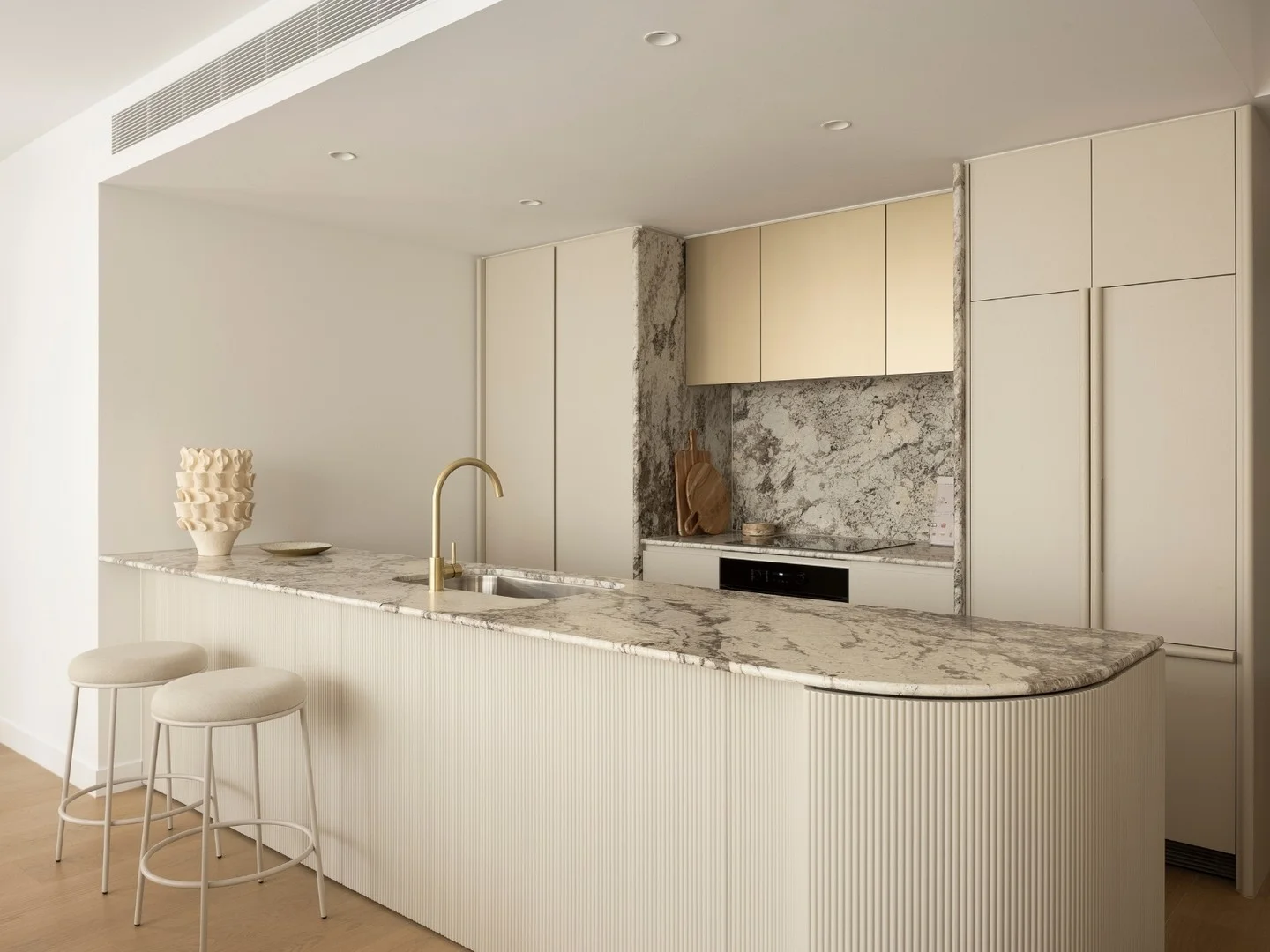 $1,345,000
Apartment / Unit / Flat
$1,345,000
Apartment / Unit / Flat
 $1,250,000
Apartment / Unit / Flat
$1,250,000
Apartment / Unit / Flat
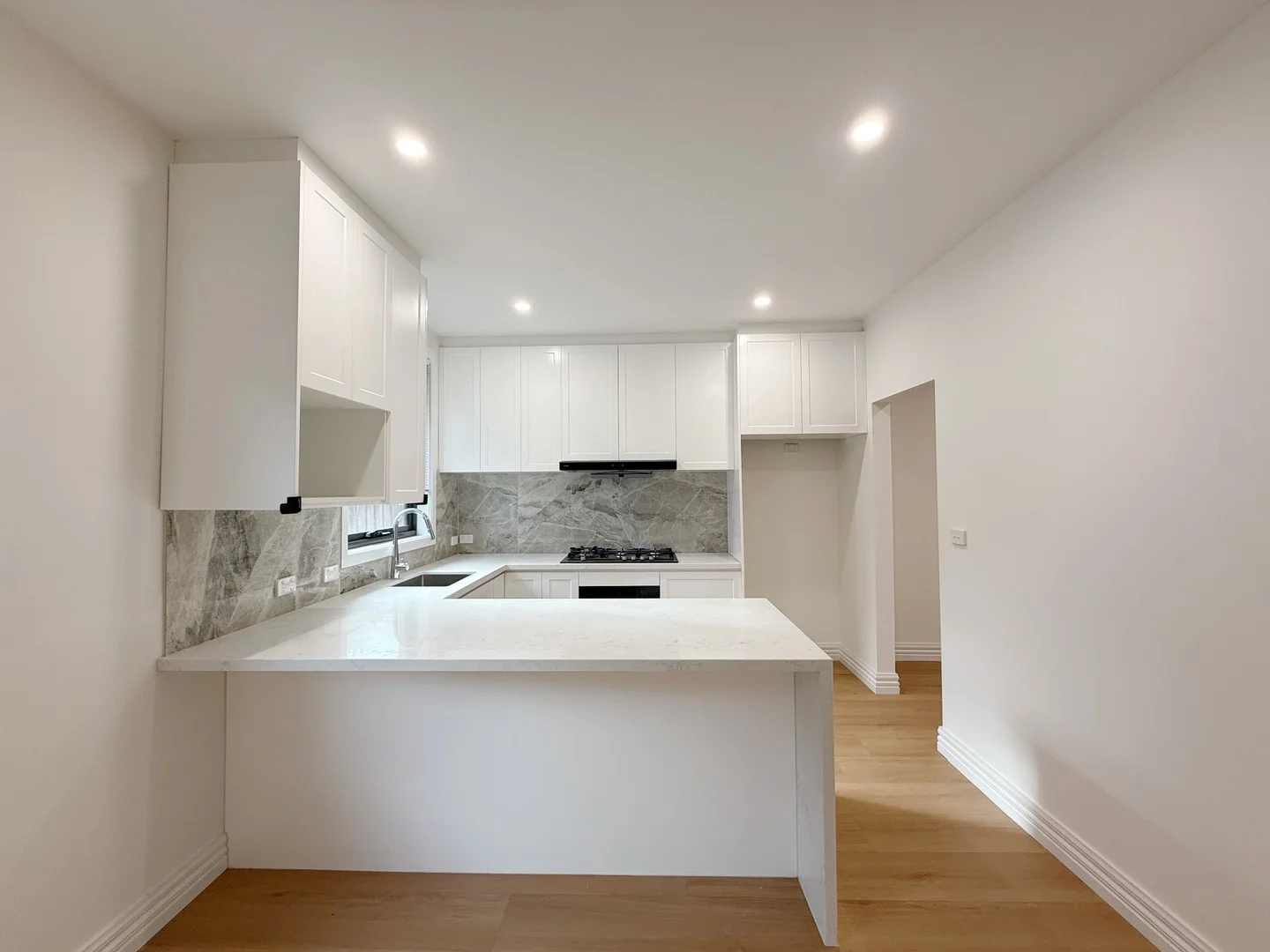 $1,280
House
$1,280
House
 $943,000
propertyType.NEW APARTMENTS / OFF THE PLAN
$943,000
propertyType.NEW APARTMENTS / OFF THE PLAN
 $2,008,000
propertyType.NEW APARTMENTS / OFF THE PLAN
$2,008,000
propertyType.NEW APARTMENTS / OFF THE PLAN


