## Overview
Scotch College is an independent, Anglican day school for boys in Melbourne’s Hawthorn area. It is one of Australia’s oldest and most established private schools, with a large campus and a broad, high-calibre program that supports strong academic achievement alongside extensive co-curricular opportunities. The school fosters a close-knit, values-driven community with a long tradition of leadership and service.
- School type: Independent, Anglican boys’ day school
- School size: Large (roughly 1,000+ students across Junior and Senior Schools)
- Class size: Medium (approximately 18–22 students)
- Atmosphere/culture: Academic, nurturing, inclusive, with a strong sports and leadership ethos
⸻
## Academics & Learning
Scotch College emphasises rigorous academics across core disciplines and a wide range of enrichment programs.
- Academic strengths: Strong foundations in STEM, English, and languages; emphasis on critical thinking, research, and leadership development.
- Special programs: Gifted and Talented opportunities; accelerated learning pathways at key stages; leadership and co-curricular programs that integrate with academic study.
- NAPLAN / Ofsted trends: Consistently performing above state averages with positive year-on-year trends in key domains, reflecting ongoing improvement and strong curriculum alignment.
- Student-teacher ratios: Favorable ratios that support individualized feedback and teacher accessibility (typical ranges around 1:10–1:14).
- Support for diverse learners: Robust support for diverse learners, including EAL (English as an Additional Language) and SEN (Special Education Needs) provisions, as well as targeted learning support staff and tailored accommodation where needed.
⸻
## Sports & Extracurricular Strengths
Sports and co-curriculars are a major focus and reflect the interests of many families with boys aged 10–14.
- Sports offered: Football, cricket, Australian Rules football, rugby, rowing, swimming, athletics, basketball, tennis, hockey, and more.
- Strong teams or achievements: Consistently competitive across school-wide interschool competitions with notable achievements in multiple sports.
- Music, arts, drama: Strong music program with ensembles (orchestra, choir, bands), drama productions, and access to performing arts facilities.
- Clubs: Robotics, chess, coding, debating, public speaking, and other academically oriented or interest-based clubs.
- Partnerships: Active connections with local clubs, community sport programs, and participation in local and national competitions to broaden opportunities.
⸻
## Wellbeing & Pastoral Care
Wellbeing and pastoral care are central to a positive school experience and student resilience.
- Anti-bullying approach: Proactive, clearly communicated policies and programs to promote safe and respectful environments.
- House system: A house-based framework that fosters belonging, leadership development, and peer mentoring.
- Counsellors / wellbeing officers: Access to school counsellors and wellbeing staff to support mental health, social-emotional learning, and crisis management.
- Transition support for new students: Structured orientation programs, buddy systems, and ongoing transition support to help new students settle in.
⸻
## Facilities
Facilities are designed to support a broad, living curriculum and a range of student interests.
- Sports grounds: Comprehensive on-campus sports facilities and fields
- Libraries: Well-resourced libraries with study spaces and digital access
- Science labs: Modern science laboratories supporting practical research
- Music/performing arts centers: Dedicated spaces for rehearsals, performances, and productions
- Tech/innovation labs: Computer labs and makerspaces for coding, robotics, and design projects
- Cafeteria: On-site dining facilities
- Updated playgrounds: Age-appropriate outdoor play and recreation areas
⸻
## School Values & Community Culture
What kind of students thrive at Scotch College is shaped by its values and culture.
- School values / mission: A focus on integrity, excellence, service, and respect; leadership and character development are integrated into daily life.
- Leadership style: Community-centric and collaborative, with student leadership opportunities and teacher guidance.
- Behaviour expectations: Clear conduct standards and a culture of accountability, respect, and personal responsibility.
- Community reputation: Reputable, engaged school community with strong alumni networks and active parent involvement.
- Diversity & inclusion: Committed to inclusion and equity, with programs and practices that support a diverse student body.
⸻
## School Logistics & Daily Operations
Key practical details to help families plan.
- School hours: Typical day runs from early morning to mid-afternoon; exact times vary by year level.
- Before/after school care: Available to support working families (subject to fees and timings).
- Uniform requirements: Formal school uniform required; details on seasonal adjustments and dress codes provided by the school.
- Transport (train/bus routes): Access to public transport options and school-arranged or supported bus routes; check proximity to your local station or bus lines.
- Canteen availability: On-site canteen or cafeteria services for meals and snacks.
- Fees (low/medium/high ranges): Fees are in the higher end of the market given the range of programs; annual costs vary by year level and extras.
⸻
## Enrolment & Admissions
11. What is the enrolment process and timeline?
- Submit an application with required documentation, followed by information sessions or campus tours.
- Shortlisting and invitation for assessments or interviews.
- Completion of any prescribed tests or additional assessments, and a formal offering of a place if successful.
- Acceptance and enrolment steps, including confirmation of placement and payment of fees.
12. Is there a waiting list, and how does it work?
- A waiting list may apply. Placement on the list is typically influenced by year level availability, applicant pool size, and any priority considerations (e.g., siblings). Regular updates are provided to families.
13. Are there any entry requirements, tests, or interviews?
- Yes. Entry often involves an interview and may include academic assessments or tests relevant to the year level. Some components may assess suitability for the school’s holistic program and conduct.
14. Does the school accept mid-year transfers?
- Mid-year transfers are considered where spaces and academic fit align, subject to a formal application, current school reports, and meeting entrance criteria.
⸻
## Frequently Asked Questions
- Why Parents Choose This School?
- Strong academics, broad co-curriculars, supportive wellbeing framework, and a values-driven community that prioritises leadership and character.
- What type of student thrives at this school?
- Motivated, curious, collaborative, and committed to both academics and a range of sports and arts.
- What opportunities are available for students to extend their skills (academics, sports, arts)?
- Extensions in STEM and humanities, accelerated learning pathways, competitive sports teams, music ensembles, drama productions, and various clubs.
- How does the school communicate with parents?
- Regular updates via newsletters, email, a parent portal, parent-teacher meetings, and timely alerts for events and changes.
- What is the school’s approach to teaching and learning?
- A balanced, student-centered approach combining rigorous curriculum with thinking skills, collaboration, and real-world applications.
- How does the school support students who need extra academic help?
- Targeted learning support, EAL/SEN provisions, tutoring opportunities, and access to dedicated counselors or learning specialists.
- What support is available for academic challenges?
- Diagnostic assessments, tailored interventions, and ongoing monitoring to ensure progress and appropriate accommodations.
- How does the school communicate with parents? (Repeated)
- See above: regular updates through multiple channels including a parent portal and scheduled meetings.
- What are the class sizes and how much individual attention do students receive?
- Class sizes are designed to be medium, with teacher availability for individual support, feedback, and mentoring.
- What extracurricular and sports opportunities are available?
- A wide range of sports (team and individual), music ensembles, drama, robotics, chess, coding, debating, and other clubs.
- What facilities does the school offer (sports, science, arts)?
- Comprehensive facilities including sports grounds, libraries, science labs, performing arts centers, tech/innovation labs, and dining spaces.
- What is the school’s approach to technology and digital learning?
- Integration of digital tools across the curriculum, with dedicated labs and resources to support coding, research, and digital literacy.
- What transport and accessibility options are available?
- Access to public transport routes and school-supported or affiliated transport options where available.
- What are the typical school fees or additional costs?
- Fees reflect the breadth of programs and facilities; there are standard tuition fees plus charges for electives, trips, and activities.
⸻
## Short Pros & Cons
- Pros
- Strong academic reputation with broad co-curricular options
- Supportive wellbeing and pastoral care
- Comprehensive facilities and resources (science, arts, tech)
- Active student leadership and community engagement
- Family-friendly pathways for diverse learners
- Cons
- Higher fee level typical of premium independent schools
- Large school environment may feel busy to some families
- Strong emphasis on tradition may require adjustment for some
- Competitive culture in some sports/arts streams
⸻














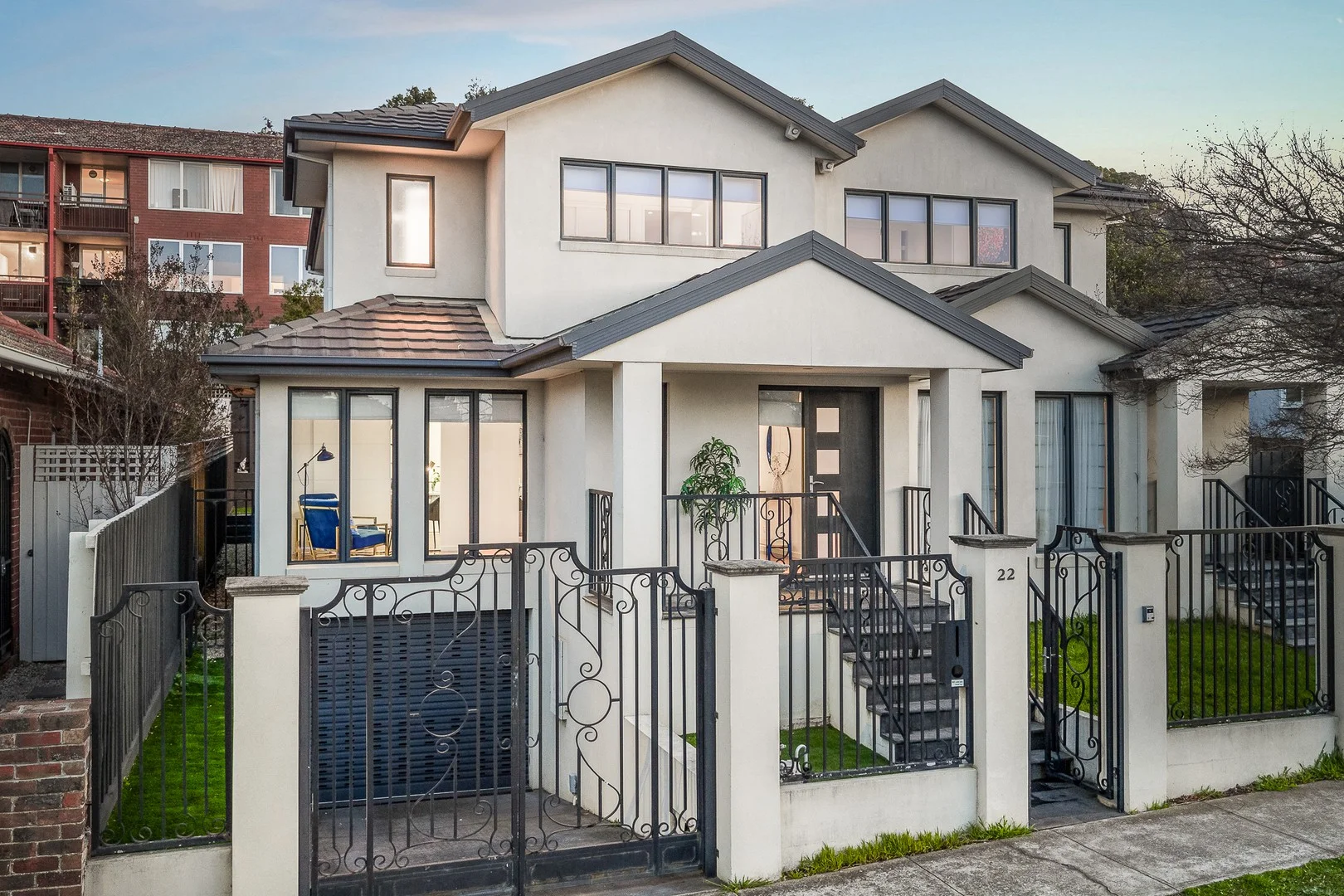 $2,390,000
Townhouse
$2,390,000
Townhouse
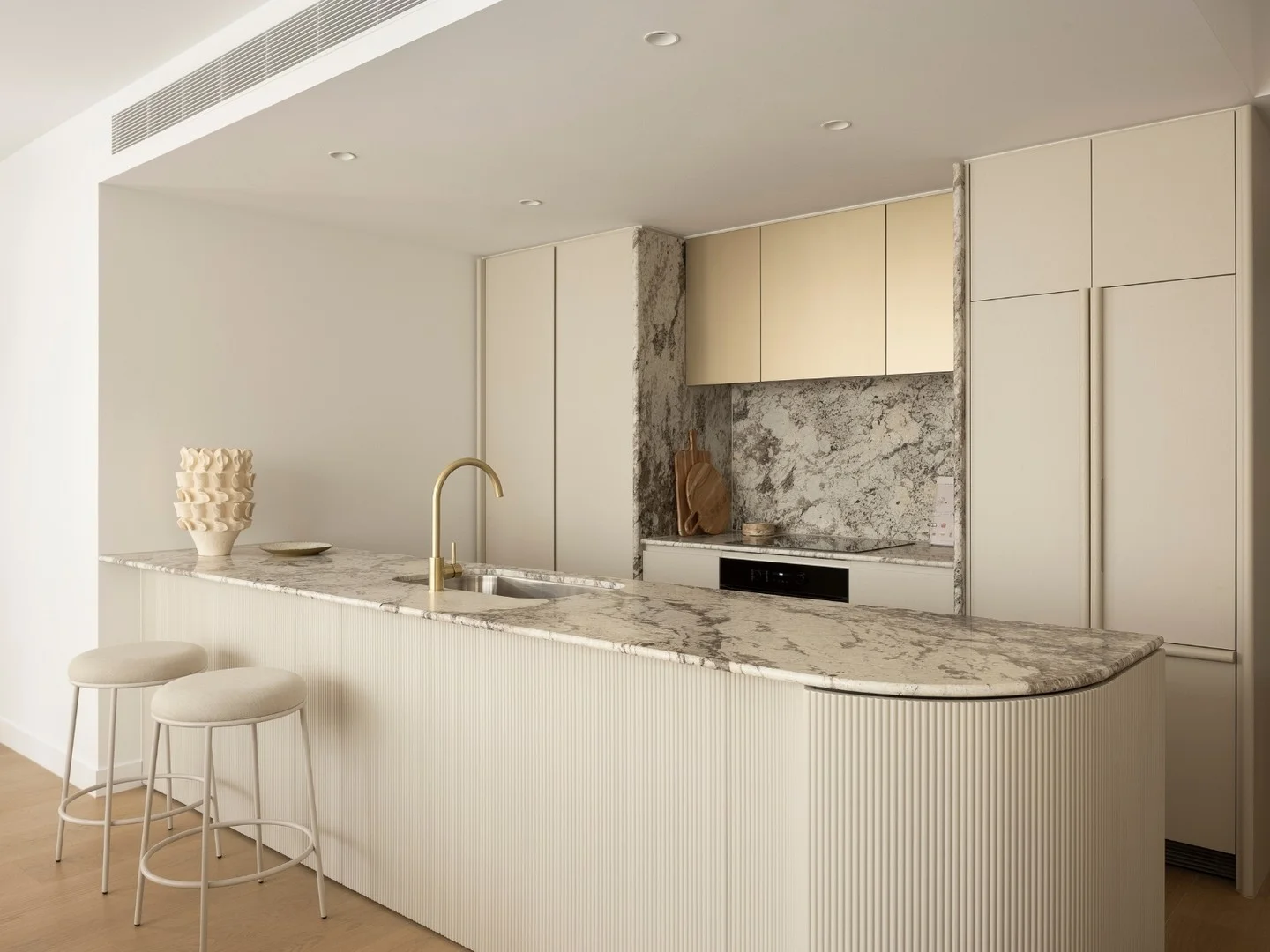 $1,345,000
Apartment / Unit / Flat
$1,345,000
Apartment / Unit / Flat
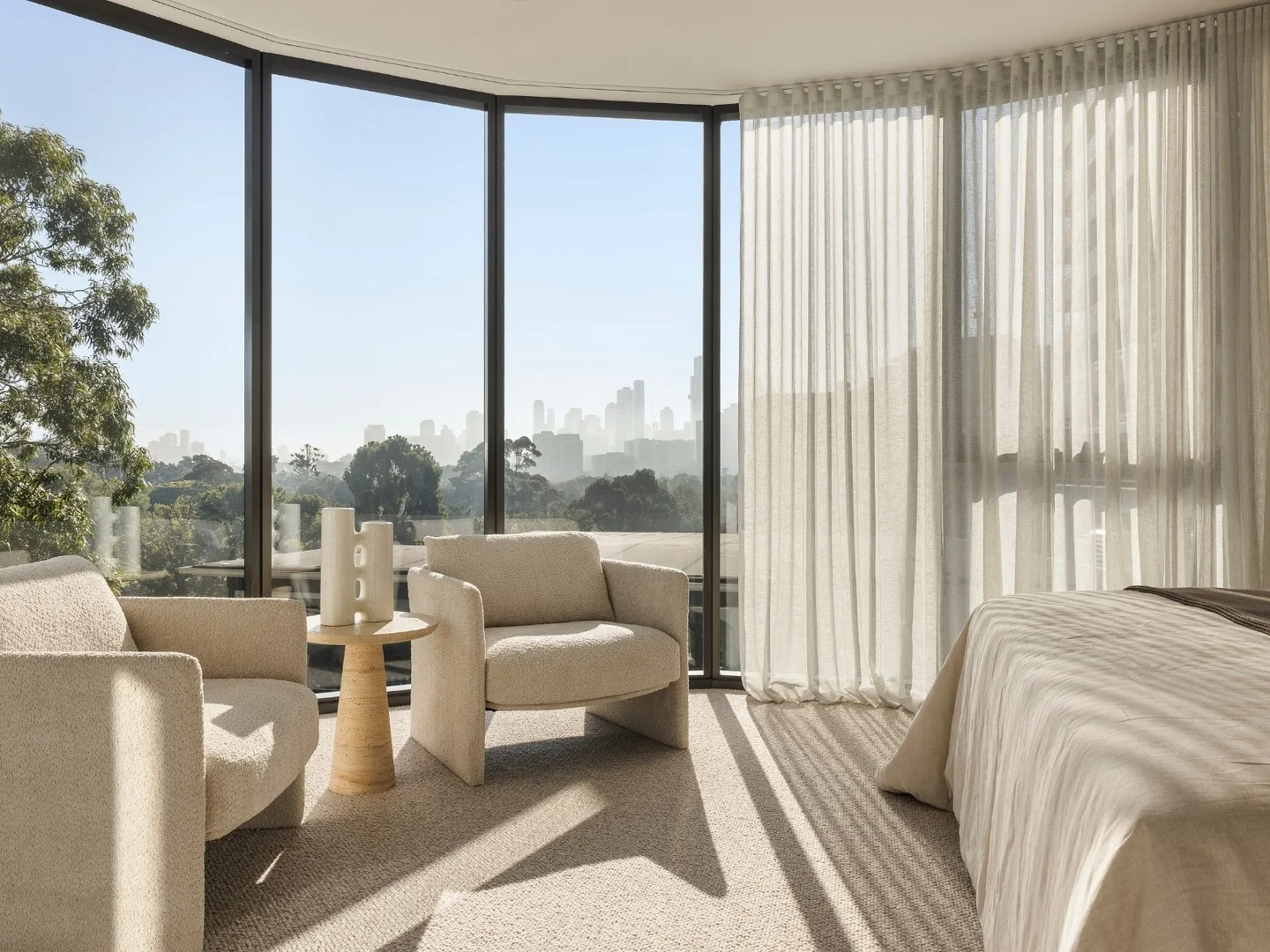 $2,750,000
Apartment / Unit / Flat
$2,750,000
Apartment / Unit / Flat
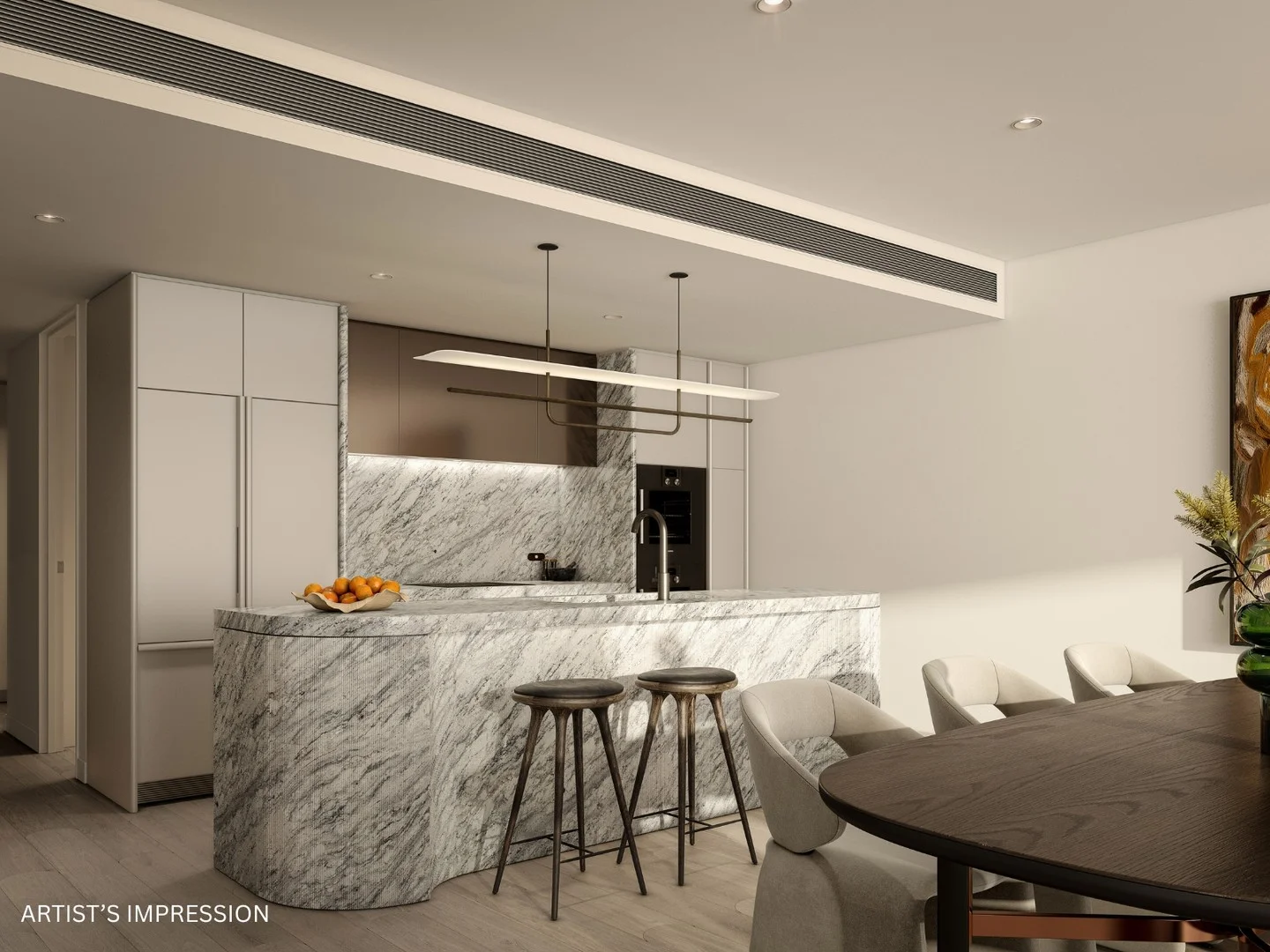 $2,900,000
Apartment / Unit / Flat
$2,900,000
Apartment / Unit / Flat
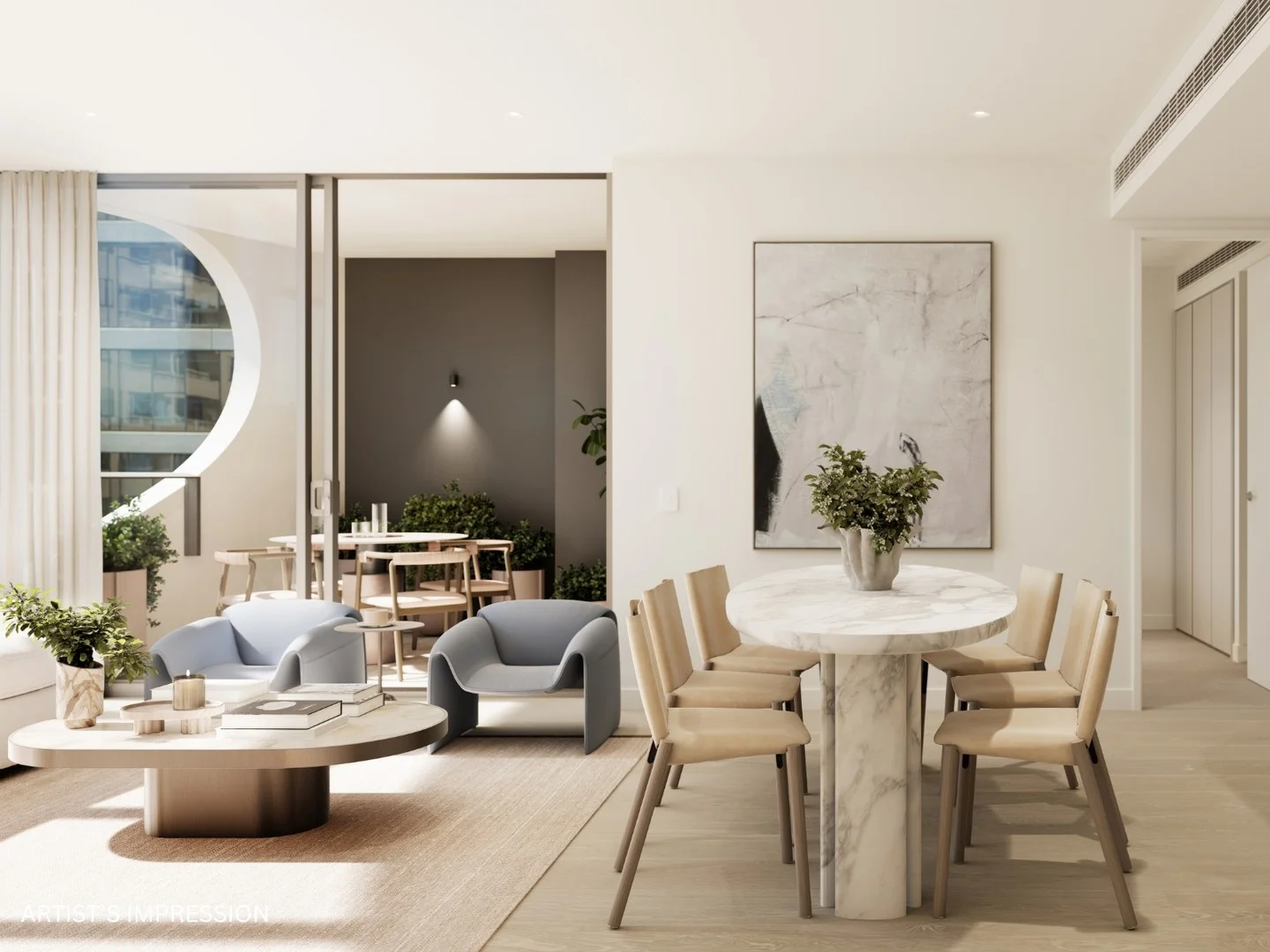 $1,640,000
Apartment / Unit / Flat
$1,640,000
Apartment / Unit / Flat
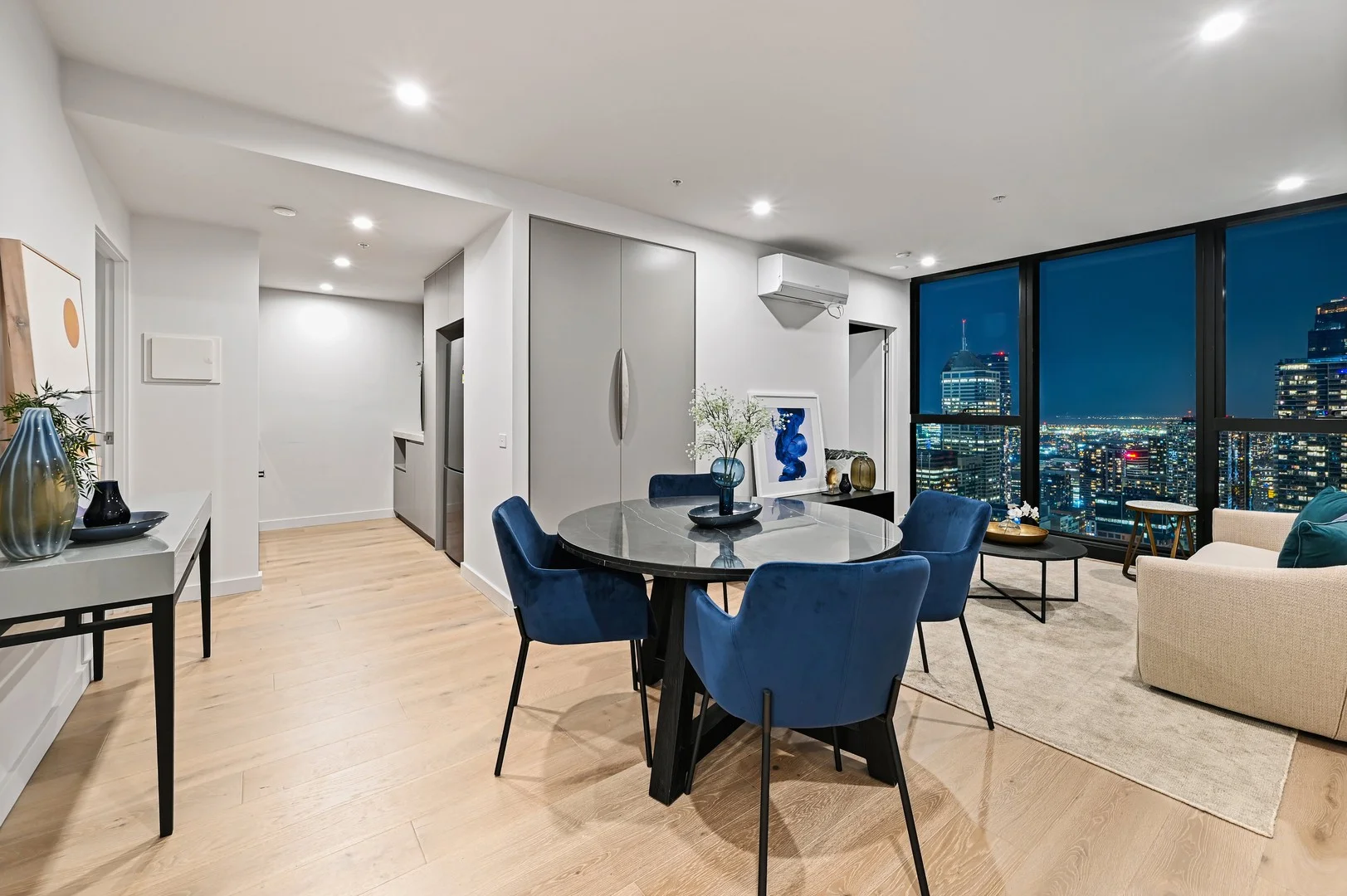
 $1,250,000
Apartment / Unit / Flat
$1,250,000
Apartment / Unit / Flat
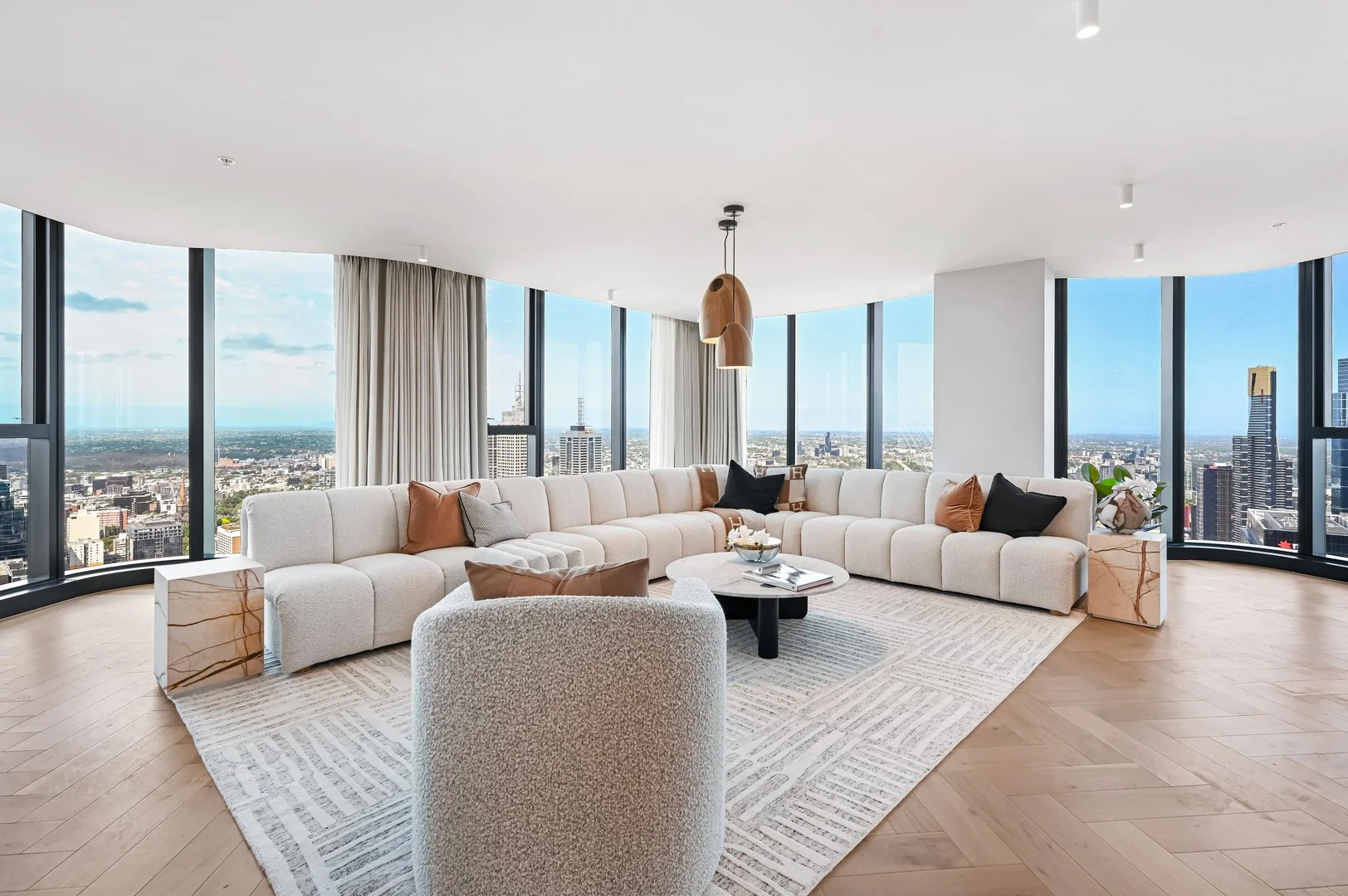
 $943,000
propertyType.NEW APARTMENTS / OFF THE PLAN
$943,000
propertyType.NEW APARTMENTS / OFF THE PLAN
 $2,008,000
propertyType.NEW APARTMENTS / OFF THE PLAN
$2,008,000
propertyType.NEW APARTMENTS / OFF THE PLAN
 $5,512,000
propertyType.NEW APARTMENTS / OFF THE PLAN
$5,512,000
propertyType.NEW APARTMENTS / OFF THE PLAN


