Overview
Melbourne Rudolf Steiner School (MRSS) is an independent Rudolf Steiner (Waldorf) school located in Warranwood, Victoria. It embraces the Waldorf approach to education, focusing on developing the whole child through a balance of academic work, creative arts, movement, and practical activities within a warm, community-driven environment. The school serves families seeking a holistic, values-based education that supports curiosity, resilience and social responsibility.
- School type: Independent Rudolf Steiner (Waldorf)
- School size: Small to medium
- Atmosphere/culture: Nurturing, holistic, inclusive, arts-focused
Academics & Learning
MRSS emphasizes a holistic, integrated approach to learning that weaves core subjects with artistic and practical activities. Students typically experience hands-on projects, storytelling, and creative expression as central to developing literacy, numeracy, scientific thinking, and communication skills.
- Academic strengths: Integrated, project-based learning with strong literacy and numeracy foundations; emphasis on creativity, critical thinking, and problem-solving; arts, music, and visual arts as central to the curriculum.
- Special programs: Waldorf-inspired curriculum (artistic and practical arts integrated throughout learning); opportunities in performing arts, music and hands-on crafts; outdoor/experimental learning experiences.
- Support for diverse learners: Inclusive environment with support for diverse learners; learning support and language assistance as available; individualised considerations within the Waldorf framework.
MRSS offers a well-rounded set of activities beyond the core curriculum, tailored to the Waldorf emphasis on the arts, physical activity, and self-directed learning.
- Sports offered: A range of team and individual activities, including ball sports, athletics and swimming as available, with focus on participation and personal development.
- Strong teams or achievements: School-level teams and competitive opportunities exist; achievements vary by year and cohort.
- Music, arts, drama programs: Strong emphasis on the arts; regular music, drama, choir and theatrical performances; eurythmy elements may be included as part of the arts program.
- Clubs: Robotics, coding, chess, debating and other student-led or teacher-facilitated clubs are commonly offered.
- Partnerships: Connections with local arts groups, community clubs, and regional competitions or festivals to extend learning and performance opportunities.
Wellbeing & Pastoral Care
Wellbeing and pastoral care are central to the MRSS approach, helping students feel secure, valued and connected.
- Anti-bullying approach: Clear policies and practices to promote respectful, inclusive behaviour; emphasis on empathy, communication and conflict resolution.
- House system: A house or pastoral grouping structure supports belonging, community events, and social development (where applicable within the Waldorf framework).
- Counsellors / wellbeing officers: Access to wellbeing staff and support services; referrals or external support available as needed.
- Transition support for new students: Orientation programs, buddy systems and familiarisation activities to ease transitions for new students and families.
Facilities
MRSS provides spaces that support a broad Waldorf education, with a focus on creative and practical learning environments.
- Sports grounds
- Libraries
- Science labs
- Music/performing arts centers
- Tech/innovation labs
- Cafeteria
- Updated playgrounds
- Additional facilities: dedicated art studios, woodworking/handcraft spaces, nature/Garden learning areas, and versatile performance spaces for rehearsals and productions
MRSS aims to cultivate thoughtful, creative, socially responsible learners who contribute positively to their communities.
- School values / mission: Waldorf principles of imagination, creativity, cooperation, responsibility, and community engagement.
- Leadership style: Collaborative, student-centered, with teacher-facilitated leadership and mentorship.
- Behaviour expectations: Respect, care for self and others, honesty and responsibility are encouraged and modelled.
- Community reputation: A close-knit, engaged school community that values artistic expression and character development.
- Diversity & inclusion: Commitment to welcoming students from diverse backgrounds and learning needs; inclusive practices embedded in daily life.
School Logistics & Daily Operations
Key operational details help families plan around school life.
- School hours: Generally structured day aligned with typical school hours; after-school activities and programs may extend the day.
- Before/after school care: Available to support working families (availability may vary by year and term).
- Uniform requirements: Uniforms or dress code appropriate to the school, reflecting a neat, professional appearance and practical comfort.
- Transport (train/bus routes): School-provided or partner transport options may be available; local public transport access may exist.
- Canteen availability: Canteen or snack facilities typically available; policies around food and nutrition observed.
- Fees (low/medium/high ranges): Fees are in the medium-to-high range for independent schools; additional costs may apply for activities, trips, camps, materials, and uniforms.
Enrolment & Admissions
- Enrolment & Admissions
- What is the enrolment process and timeline?
- Submit an application form and required documents.
- Attend information sessions or family evenings if offered.
- Participate in family and student interviews or conversations; observation or sample activities may be used to understand fit.
- Receive an enrolment offer and complete the acceptance process within the stated timeline.
- Complete any required documentation, immunisation records (in line with VIC requirements), and enrolment confirmations.
- Is there a waiting list, and how does it work?
- Waiting lists are common when year levels are full. Placement priorities may include siblings of current students and availability by year level.
- The school will provide an estimated wait time and keep families updated as spaces become available.
- Are there any entry requirements, tests, or interviews?
- Yes, entry typically involves an interview with the family and child, and may include observation or activities to gauge readiness and fit with the Waldorf learning approach.
- Some programs may request portfolio work or demonstrations of skills in arts or other areas; formal IQ or achievement tests are not standard for every applicant.
- Immunisation records may be requested in line with state requirements.
- Does the school accept mid-year transfers?
- Mid-year transfers may be possible if there is a space in the desired year level; timing and acceptance depend on current class composition and readiness to integrate into the Waldorf program.
Frequently Asked Questions
- Why Parents Choose This School?
Parents often choose MRSS for its holistic Waldorf approach, focus on creativity and well-being, small class sizes, and a strong sense of community and values-led education.
- What type of student thrives at this school?
Students who are curious, imaginative, enjoy hands-on learning, participate in arts and crafts, and benefit from collaborative, humane classroom environments typically thrive here.
- What opportunities are available for students to extend their skills (academics, sports, arts)?
Opportunities span academics, arts (music, drama, visual arts), crafts, outdoor education, sports, and clubs (robotics, coding, debating). Regular performances and exhibitions showcase student work.
- How does the school communicate with parents?
Communication typically includes newsletters, emails, parent-teacher interviews, school portals, and termly events. Regular updates keep families informed about learning progress and upcoming activities.
- What is the school’s approach to teaching and learning?
The Waldorf approach emphasizes development of the whole child—cognitive, social, emotional, and creative growth—through integrated, experiential learning, storytelling, and arts-based activities.
- How does the school support students who need extra academic help?
Small class sizes, targeted learning support, and individualized guidance are available to help students progress at their pace within the Waldorf framework.
- What support is available for academic challenges?
Access to learning support staff, intervention strategies, and collaboration with families to tailor approaches for the student’s needs.
- How does the school communicate with parents?
See above: regular updates, newsletters, parent meetings, and digital portals are commonly used to keep families connected.
- What extracurricular and sports opportunities are available?
A range of arts, music, drama, clubs (robotics, coding, chess, debating), and sports options are offered, with opportunities to compete or perform in community events and inter-school activities.
- What facilities does the school offer (sports, science, arts)?
Modern facilities include sports grounds, libraries, science labs, performing arts spaces, music rooms, art studios, woodworking spaces, tech/innovation labs, and outdoor learning areas.
- What is the school’s approach to technology and digital learning?
Technology is integrated thoughtfully to support learning, with age-appropriate use, digital literacy development, and a balance between screen time and hands-on, experiential activities.
- What transport and accessibility options are available?
Transport options include school bus services or partner arrangements where available, plus access to public transport routes; parking and accessibility considerations are addressed.
- What are the typical school fees or additional costs?
Fees fall in the independent school range (medium-to-high) with additional costs for uniforms, trips, materials, and optional activities.
Short Pros & Cons list
- Holistic Waldorf education that supports creativity, resilience and character
- Strong emphasis on arts, music, crafts, and practical learning
- Nurturing, community-focused environment
- Inclusive approach with learning support options
- Private/independent school fees; higher costs than public schools
- Some government testing metrics may differ from mainstream benchmarks
- Availability of places may vary by year level; potential waiting lists
- The Waldorf approach may differ from more traditional teaching styles; requires alignment with family educational philosophy
If you’d like, I can tailor any section with more specifics you provide (e.g., exact year levels offered, current uniform policy, or transport options) or help format this into a page for Aroundschools with your preferred tone.
 $22+
$22+







 $990,000 - $1,080,000
Townhouse
$990,000 - $1,080,000
Townhouse
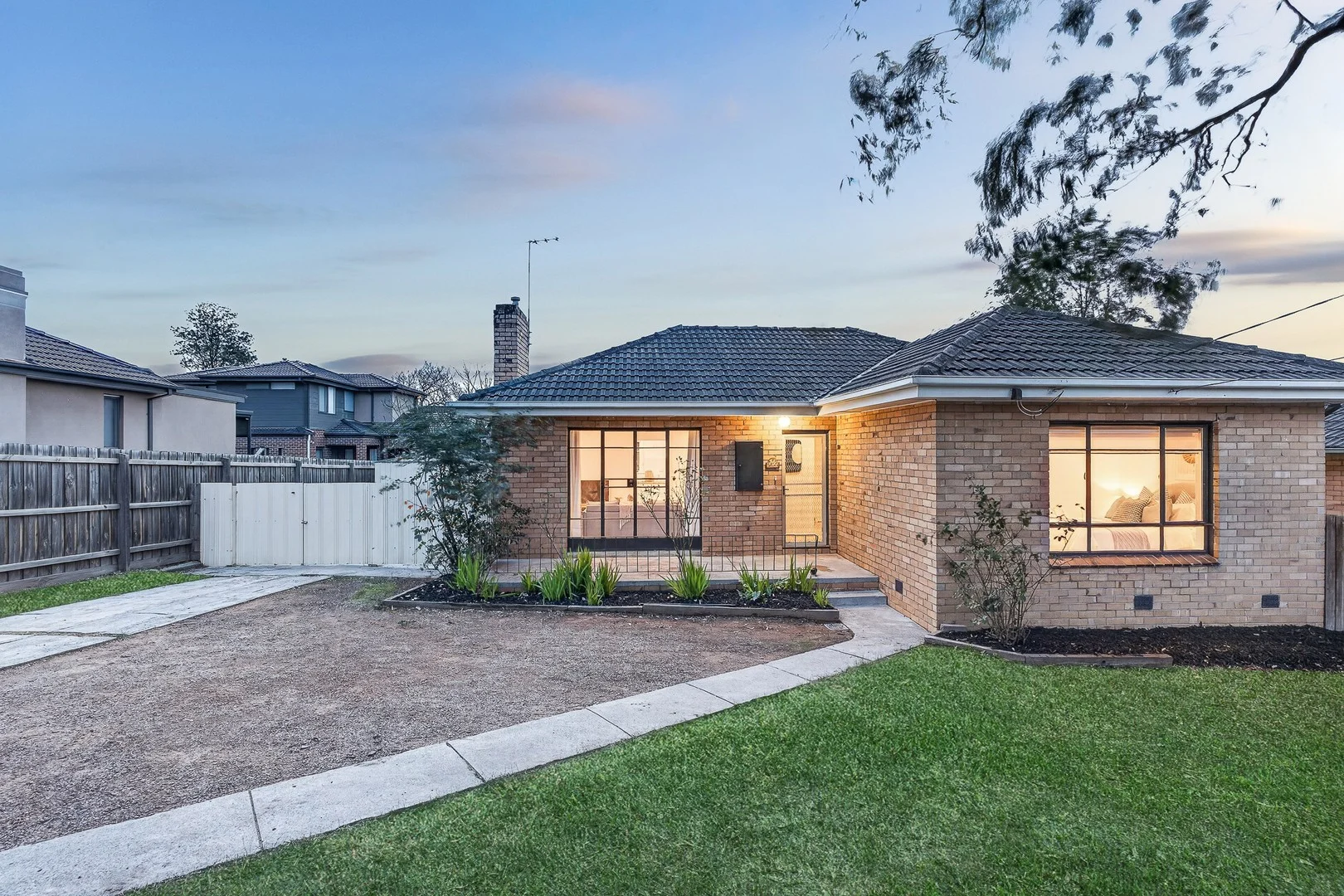 $720,000 - $780,000
House
$720,000 - $780,000
House
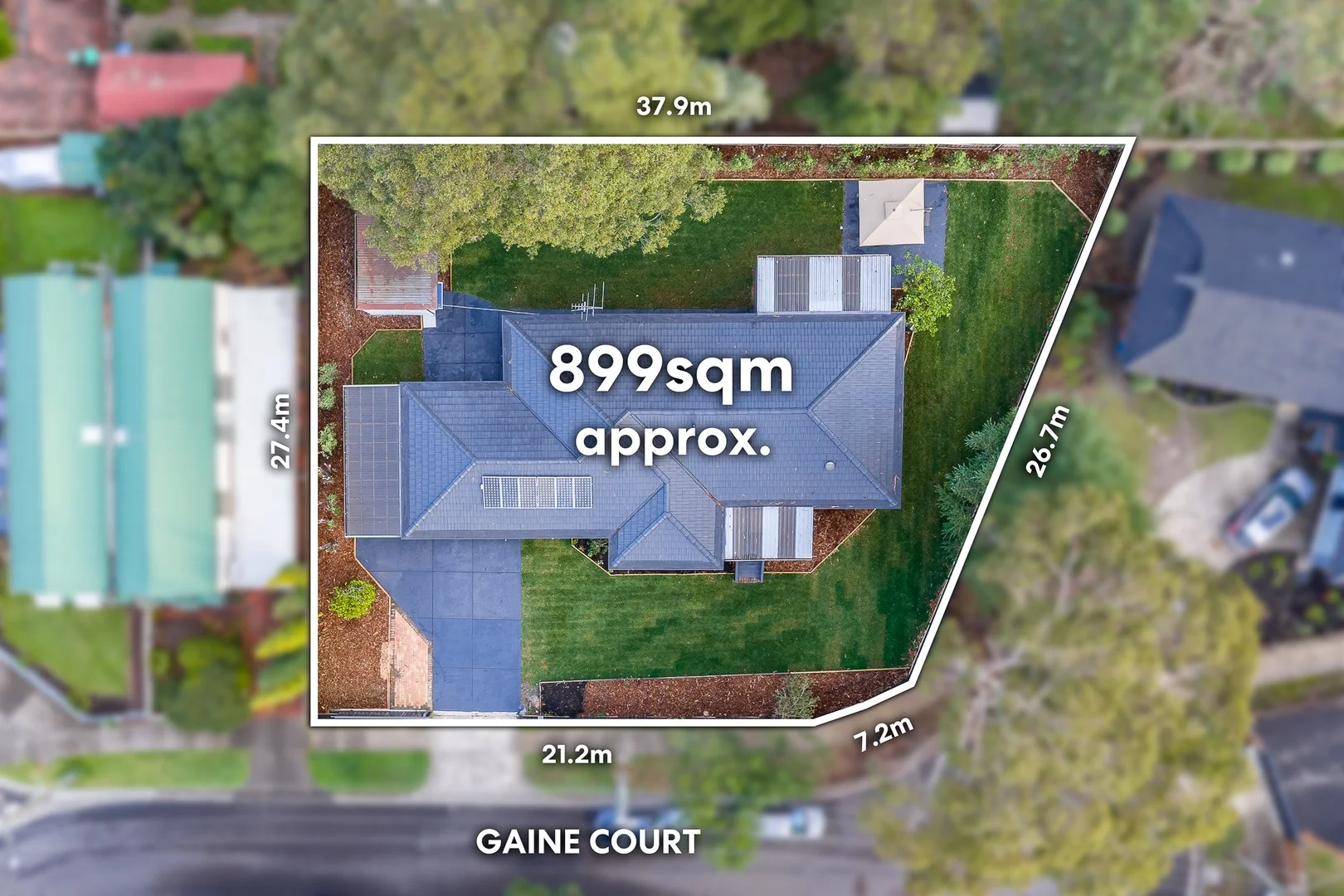 $990,000 - $1,080,000
House
$990,000 - $1,080,000
House
 $1,300,000
House
$1,300,000
House
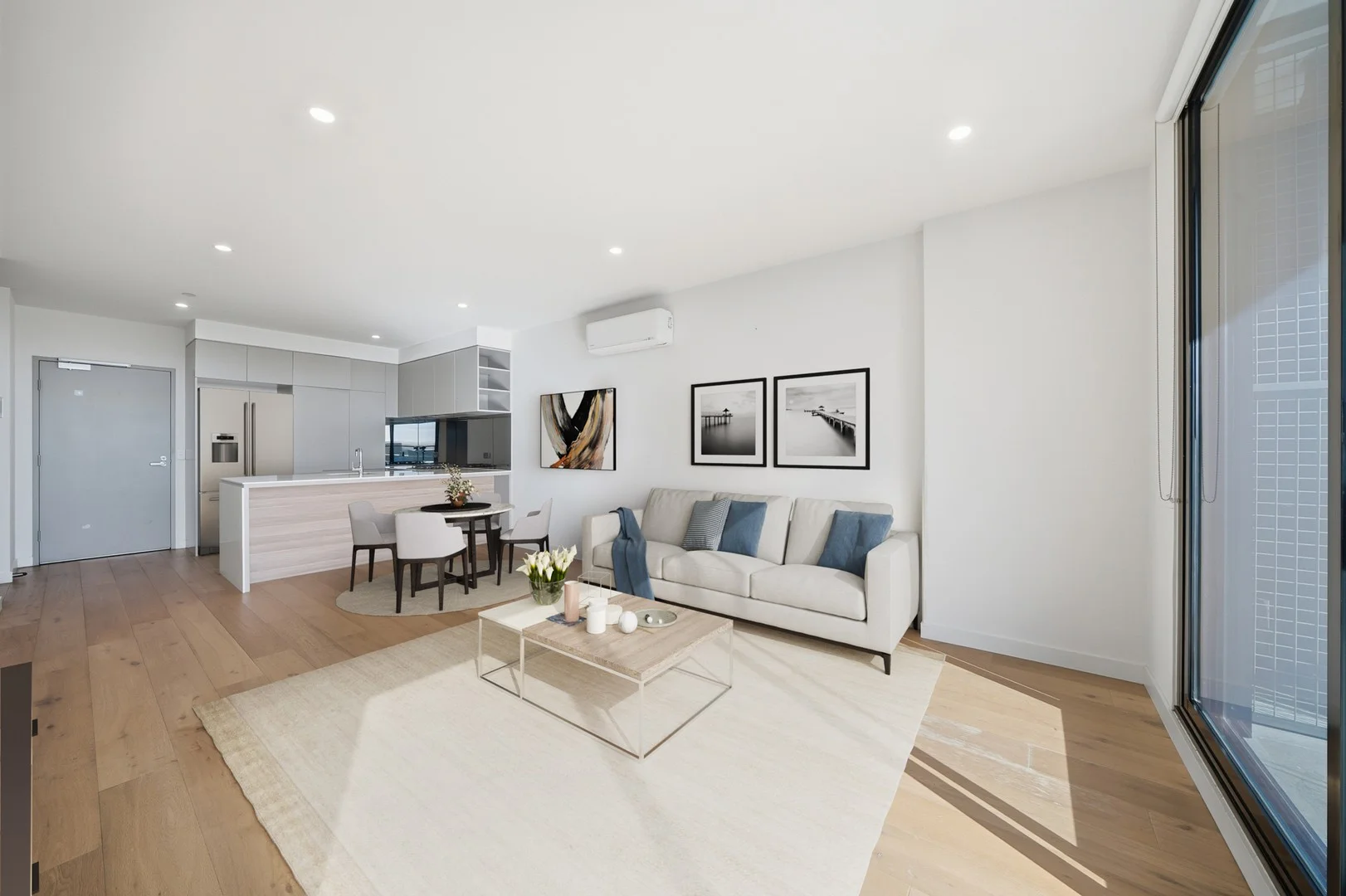 $500,000 - $550,000
Apartment / Unit / Flat
$500,000 - $550,000
Apartment / Unit / Flat
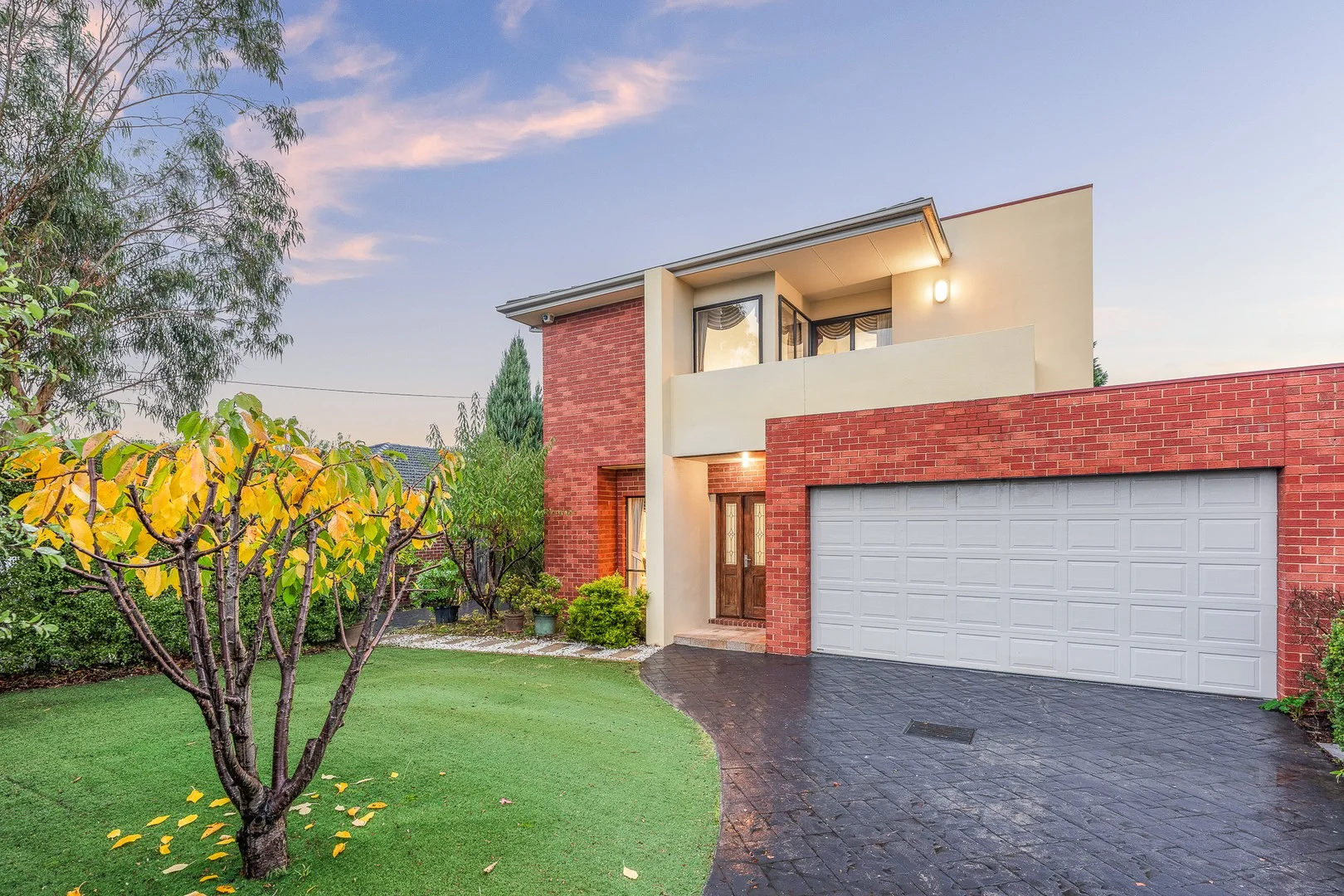 $1,150,000 - $1,250,000
Townhouse
$1,150,000 - $1,250,000
Townhouse
 $1,500,000
House
$1,500,000
House
 $1,300,000 - $1,400,000
House
$1,300,000 - $1,400,000
House
 $1,380,000 - $1,500,000
House
$1,380,000 - $1,500,000
House


