## 1. Overview
Mentone Girls' Grammar School is an independent, day school for girls offering education from early learning through to Year 12. Located in Mentone, Victoria, the school aims to balance rigorous academics with a broad, values-based co-curricular program that supports leadership, service and personal growth. The school is medium-sized, fostering a close-knit community while providing access to a wide range of opportunities. Class sizes are small to medium, enabling strong teacher attention and student participation. The atmosphere blends high expectations with warmth, inclusivity and a culture that encourages girls to lead, collaborate and strive for their best.
The school emphasises a holistic education where academic excellence sits alongside wellbeing, creativity and sporting achievement. Students are encouraged to contribute to a positive, supportive school culture and to develop resilience, independence and strong interpersonal skills that prepare them for life beyond school.
⸻
## 2. Academics & Learning
- Academic strengths: English, mathematics, science and STEM subjects, languages and humanities are core strengths, with emphasis on developing critical thinking, literacy and numeracy across year levels. Leadership development and opportunities for student voice are integrated into the learning culture.
- Special programs: Gifted & Talented/extension opportunities and pathways for academic excellence are available, along with programs designed to support differentiated learning and accelerated challenges where appropriate.
- NAPLAN / trends: The school typically demonstrates solid performance in literacy and numeracy with steady improvement over time, maintaining competitive results relative to state benchmarks.
- Student-teacher ratios: Class sizes are designed to be small to medium to maximise individual feedback and teacher-student interaction, supporting personalized learning.
- Support for diverse learners: Strong support for diverse learning needs, including EAL (English as an Additional Language) support and targeted learning assistance for students with SEN, with individualized plans and access to specialist staff where needed.
⸻
## 3. Sports & Extracurricular Strengths
- Sports offered: A broad program commonly includes netball, basketball, tennis, swimming, athletics and other team or individual sports, with opportunities across inter-school competitions and school-level events.
- Strong teams or achievements: The school supports competitive sport pathways with active teams and participation in local and regional inter-school events.
- Music, arts, drama programs: A robust music and performing arts program with ensembles, choirs and drama productions, including opportunities to perform in school and community settings.
- Clubs: Robotics, chess, coding, debating and other academic or interest-based clubs encourage problem-solving, teamwork and public-speaking skills.
- Partnerships: The school often collaborates with local arts and sports organizations, coaches and regional competitions to provide enhanced experiences and exposure for students.
⸻
## 4. Wellbeing & Pastoral Care
- Anti-bullying approach: A clear anti-bullying policy and proactive programs promote a respectful, inclusive culture and strong student safety.
- House system: A house framework supports belonging, healthy competition and social connections across year levels, contributing to pastoral care and community spirit.
- Counsellors / wellbeing officers: A dedicated wellbeing team and school counsellors provide accessible support for students’ emotional and social needs.
- Transition support for new students: Orientation programs, buddy systems and targeted onboarding help new students settle in smoothly and build confident connections.
⸻
## 5. Facilities
- Sports grounds: On-site sports facilities and adequate outdoor spaces support a broad physical education program.
- Libraries: Modern libraries with access to textbooks, digital resources and study spaces.
- Science labs: Well-equipped science laboratories for practical experiments and hands-on learning.
- Music/performing arts centers: Dedicated spaces for music practice, ensembles, drama and performances.
- Tech/innovation labs: Technology and innovation spaces support coding, robotics, design thinking and digital learning.
- Cafeteria: On-site dining facilities offering healthy, balanced options.
- Updated playgrounds: Safe, age-appropriate outdoor play and recreation areas.
⸻
## 6. School Values & Community Culture
- School values / mission: A clear set of values focused on respect, integrity, excellence and service, integrated into daily learning and school life.
- Leadership style: Student leadership opportunities and a culture that encourages student input, collaboration with staff and responsibility.
- Behaviour expectations: Positive behaviour expectations, mutual respect and responsible conduct are reinforced across the school.
- Community reputation: A supportive, connected school community with active involvement from families and alumni, contributing to a positive reputation locally.
- Diversity & inclusion: Commitment to diversity and an inclusive environment where differences are respected and all students are supported to participate fully.
⸻
## 7. School Logistics & Daily Operations
- School hours: The school day runs across the typical morning to afternoon schedule with clear routines for different year levels.
- Before/after school care: Availability of before- and after-school care or supervision to support families.
- Uniform requirements: Uniforms are part of daily life, with seasonal options and clear guidelines for presentation and safety.
- Transport (train/bus routes): Accessible via public transport with nearby train stops and bus routes; school campuses often provide drop-off/pick-up arrangements where possible.
- Canteen availability: On-site canteen or dining facilities offering nutritious choices.
- Fees (low/medium/high ranges): Fees fall into the mid-to-high range for independent day schools, with typical annual tuition plus additional levies for activities, camps or specific programs; scholarships or financial aid may be available.
⸻
## 8. Enrolment & Admissions
11. What is the enrolment process and timeline?
- Begin by submitting an expression of interest or application. You’ll provide required documentation (proof of identity, prior school records, etc.). The school may invite you to participate in assessments and an interview. If offered a place, there is a confirmation process and any necessary deposits, followed by orientation and preparation for the start date.
12. Is there a waiting list, and how does it work?
- Yes, there is typically a waiting list. Placement can depend on year level, space availability and priority considerations (e.g., siblings, cohort timing). Families are kept informed about expected wait times and the next steps.
13. Are there any entry requirements, tests, or interviews?
- Entry usually involves an academic assessment or tasks (for English and maths), an interview (often with the student and a parent), and consideration of the applicant’s readiness and fit with the school’s programs.
14. Does the school accept mid-year transfers?
- Yes, subject to space and suitability. Transfers mid-year typically require an assessment and alignment with the current program to ensure a smooth transition.
⸻
## 9. Frequently Asked Questions
- Why Parents Choose This School?
- Families choose for a strong academic program, supportive pastoral care, values-based education, vibrant arts and sports, and a welcoming, inclusive community.
- What type of student thrives at this school?
- Motivated, curious, collaborative learners who enjoy being part of a community, contributing to leadership, and pursuing excellence across academics, sport, and the arts.
- What opportunities are available for students to extend their skills (academics, sports, arts)?
- Extension and enrichment programs in academics, robust arts and music programs, competitive sports pathways, leadership opportunities, and clubs such as robotics, coding, debating and more.
- How does the school communicate with parents?
- Regular newsletters, a parent portal or app, email updates, and scheduled parent-teacher meetings to share progress and events.
- What is the school’s approach to teaching and learning?
- A differentiated, student-centered approach that emphasises inquiry, critical thinking, collaboration and digital literacy alongside core academic outcomes.
- How does the school support students who need extra academic help?
- Access to learning support, targeted interventions, tutoring options and EAL support as needed, with individualized plans and regular progress reviews.
- What support is available for academic challenges?
- Early identification, tailored support plans, and opportunities for extensions or targeted assistance to help students stay challenged and engaged.
- How does the school communicate with parents?
- See above: newsletters, portals, meetings and direct updates to ensure parents are informed about progress and school life.
- What are the class sizes and how much individual attention do students receive?
- Class sizes are small to medium, designed to allow regular teacher feedback, monitoring of progress and opportunities for individual attention.
- What extracurricular and sports opportunities are available?
- A broad range of clubs and activities across sports, music, arts and academics, including robotics, chess, coding, debating and inter-school competitions.
- What facilities does the school offer (sports, science, arts)?
- Sports facilities, libraries, science laboratories, performing arts spaces, technology/innovation labs and on-site dining, plus age-appropriate playgrounds and study areas.
- What is the school’s approach to technology and digital learning?
- A strong emphasis on digital literacy, modern learning tools, and appropriate use of technology to support inquiry, collaboration and personalised learning.
- What transport and accessibility options are available?
- Access to public transport networks with bus and train options; convenient drop-off/pick-up arrangements and campus accessibility features.
- What are the typical school fees or additional costs?
- Fees are in the mid-to-high range for independent day schools, with potential additional costs for certain programs, activities or camps; scholarships and financial aid may be available.
⸻
## 10. Short Pros & Cons list
- Pros
- Independent, girls’ school with a balanced academics and co-curricular program
- Small-to-medium class sizes for personalized attention
- Strong wellbeing and pastoral care with a house system
- Broad facilities for science, arts, music and technology
- Active student leadership and community involvement
- Cons
- Fees are in the mid-to-high range for independent schools
- Competitive environment may not suit every learner
- Limited to girls-only education; not suitable for families seeking co-educational options
⸻













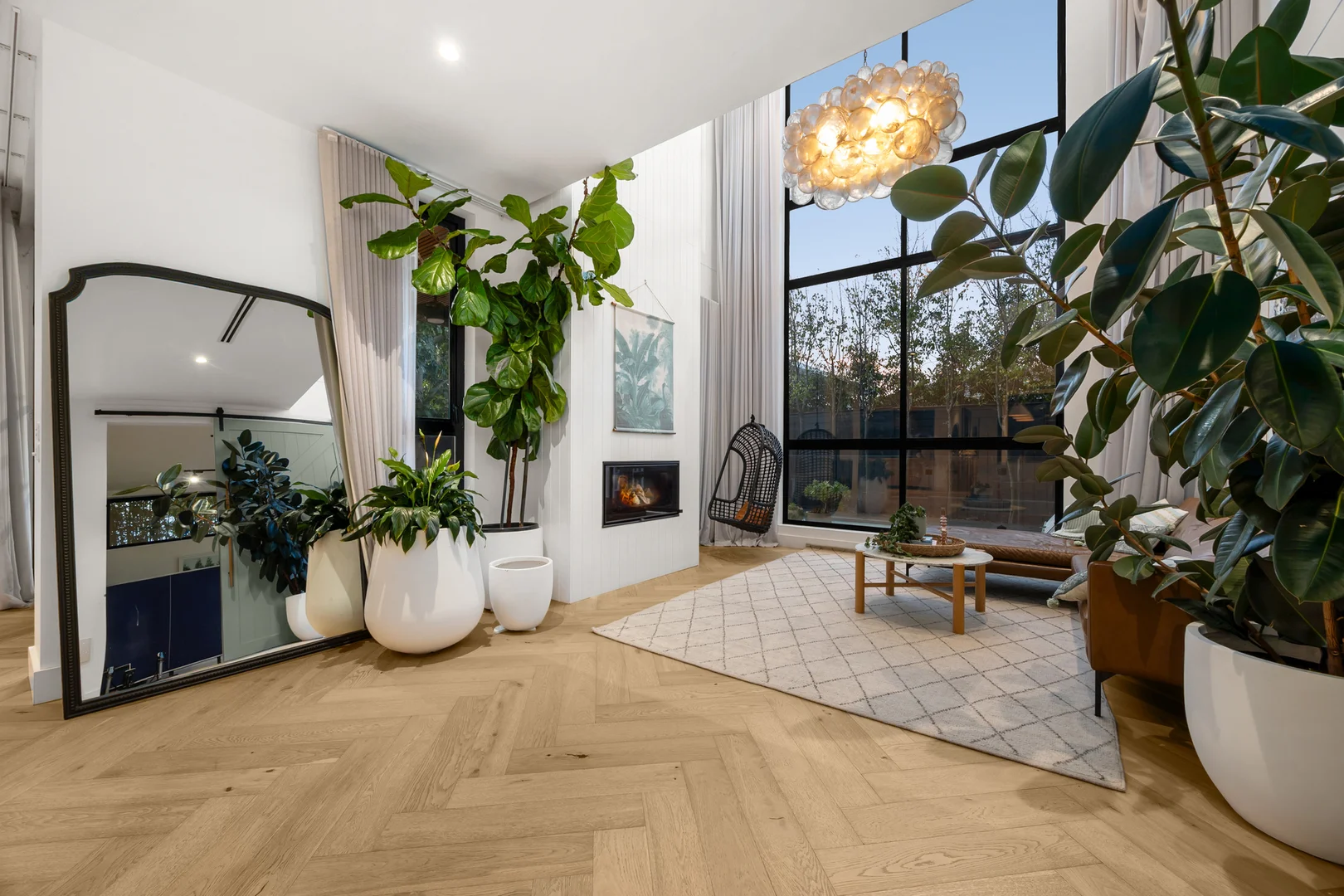 $3,300,000
House
$3,300,000
House
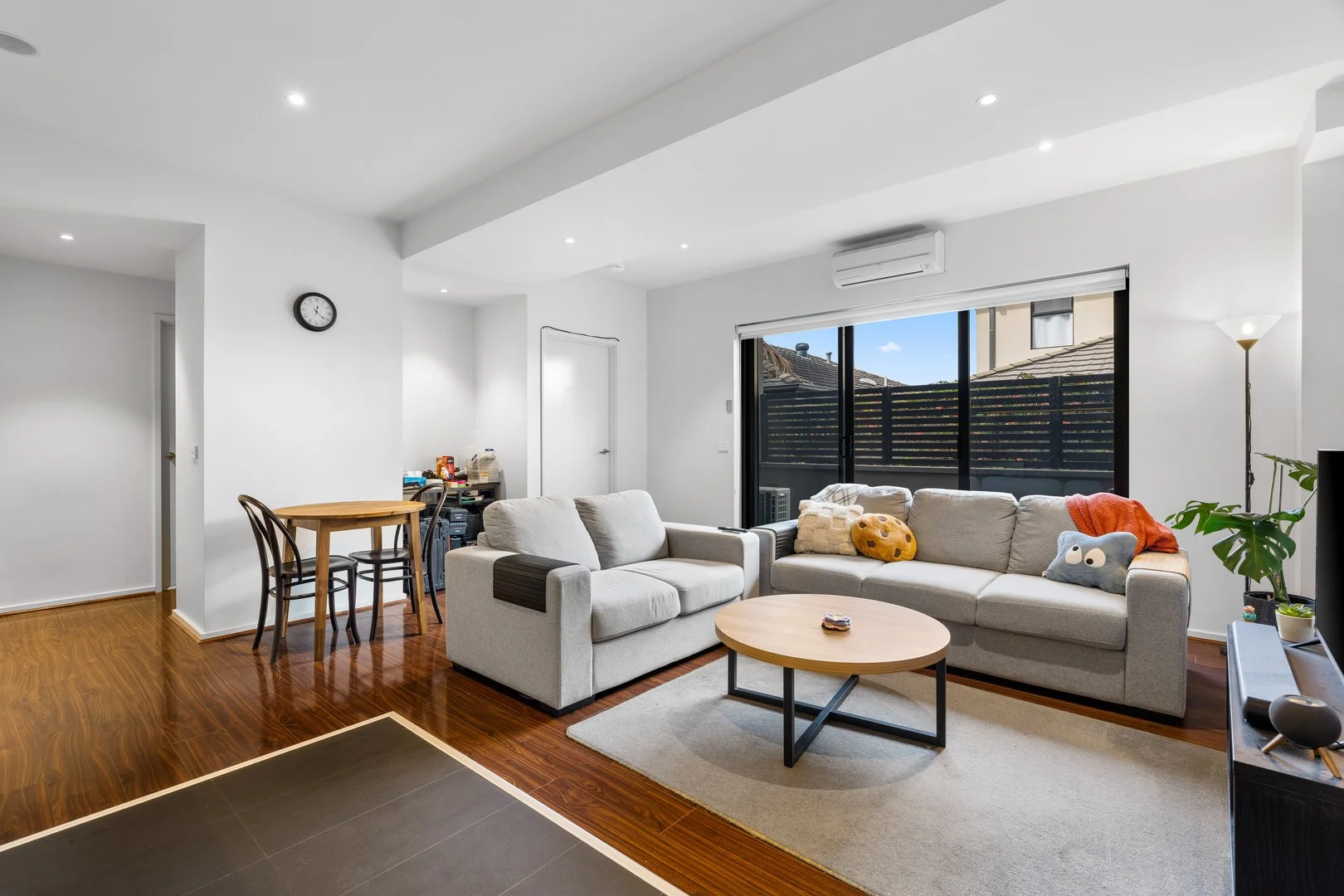 $385,000 - $410,000
Apartment / Unit / Flat
$385,000 - $410,000
Apartment / Unit / Flat
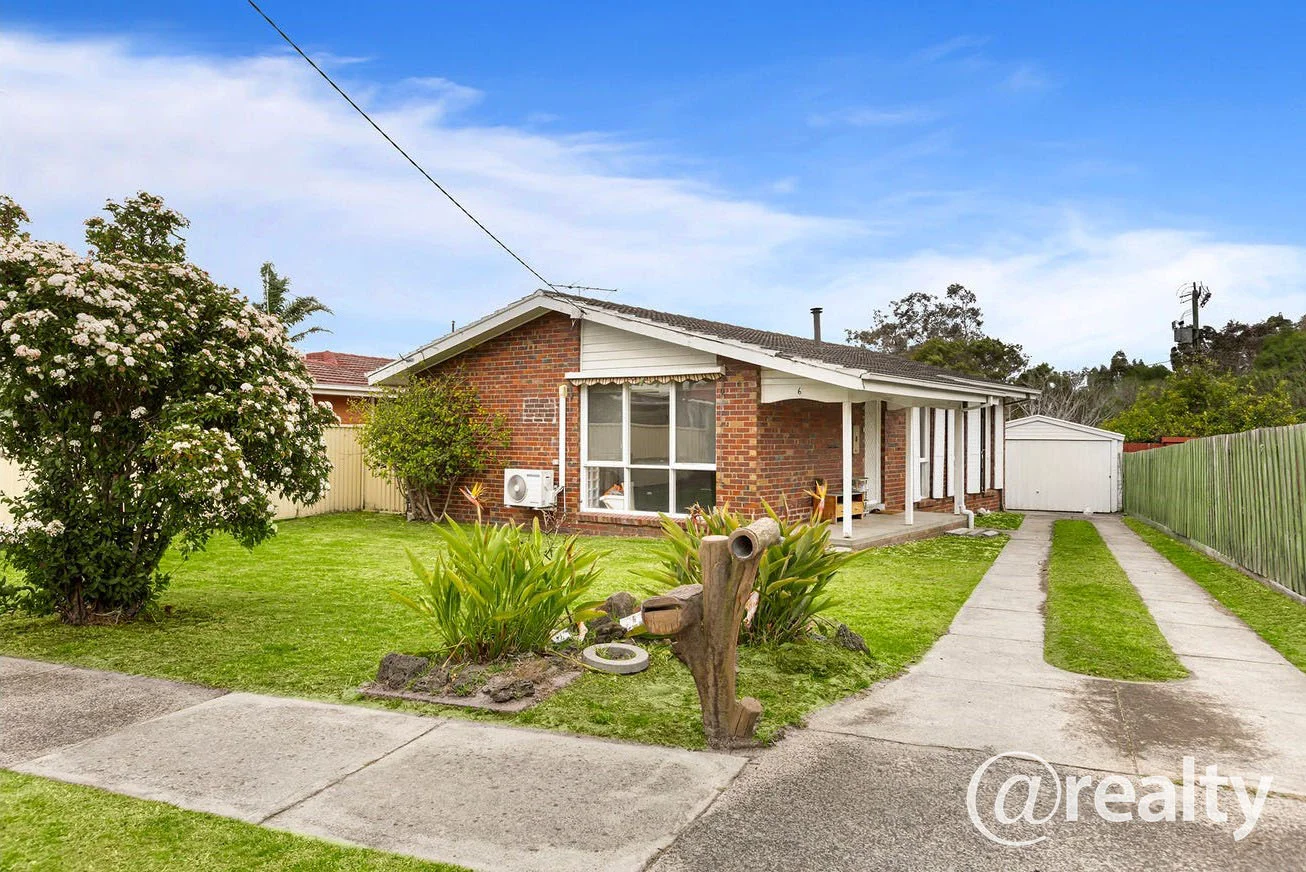 $610
House
$610
House
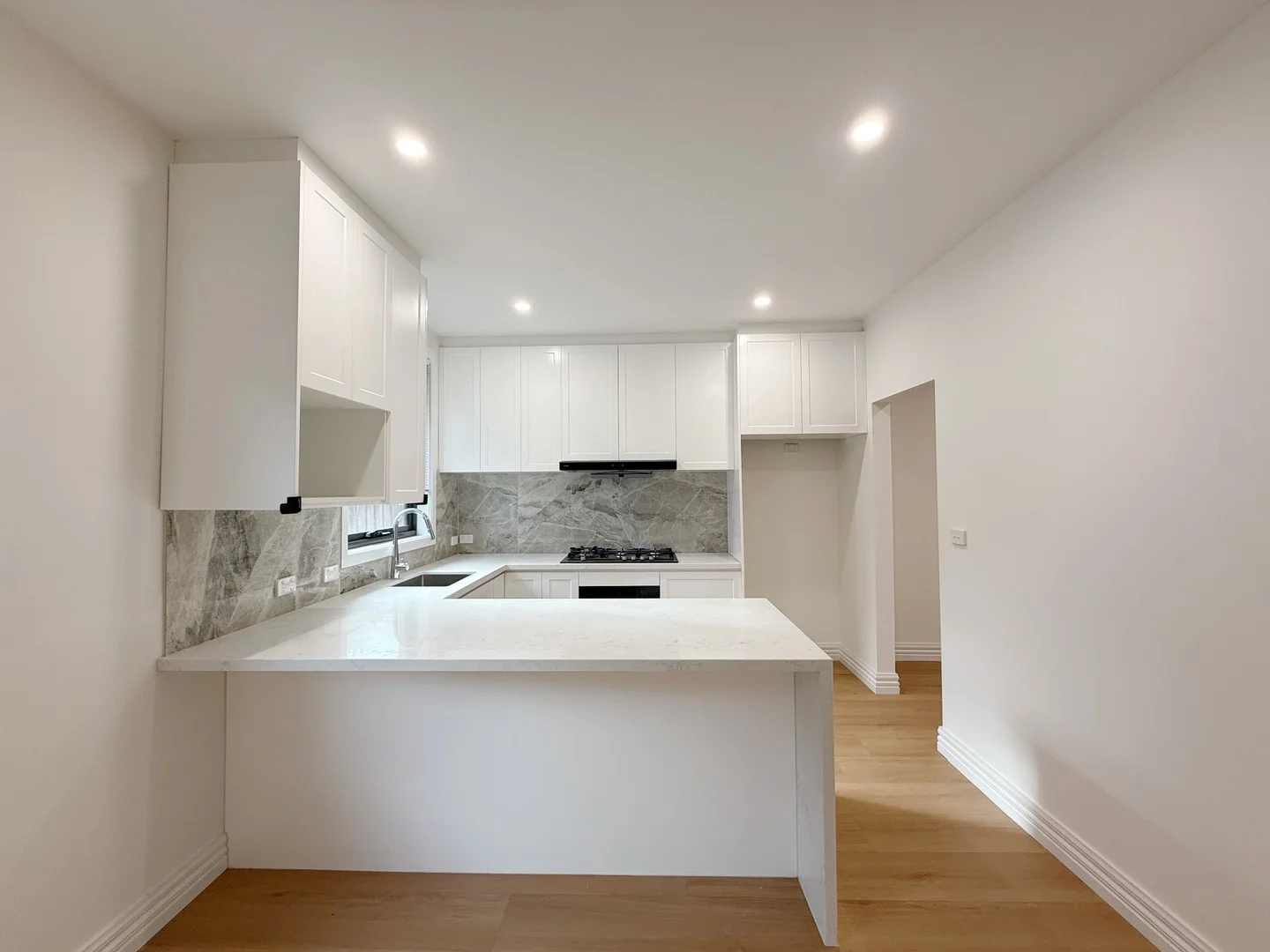 $1,280
House
$1,280
House
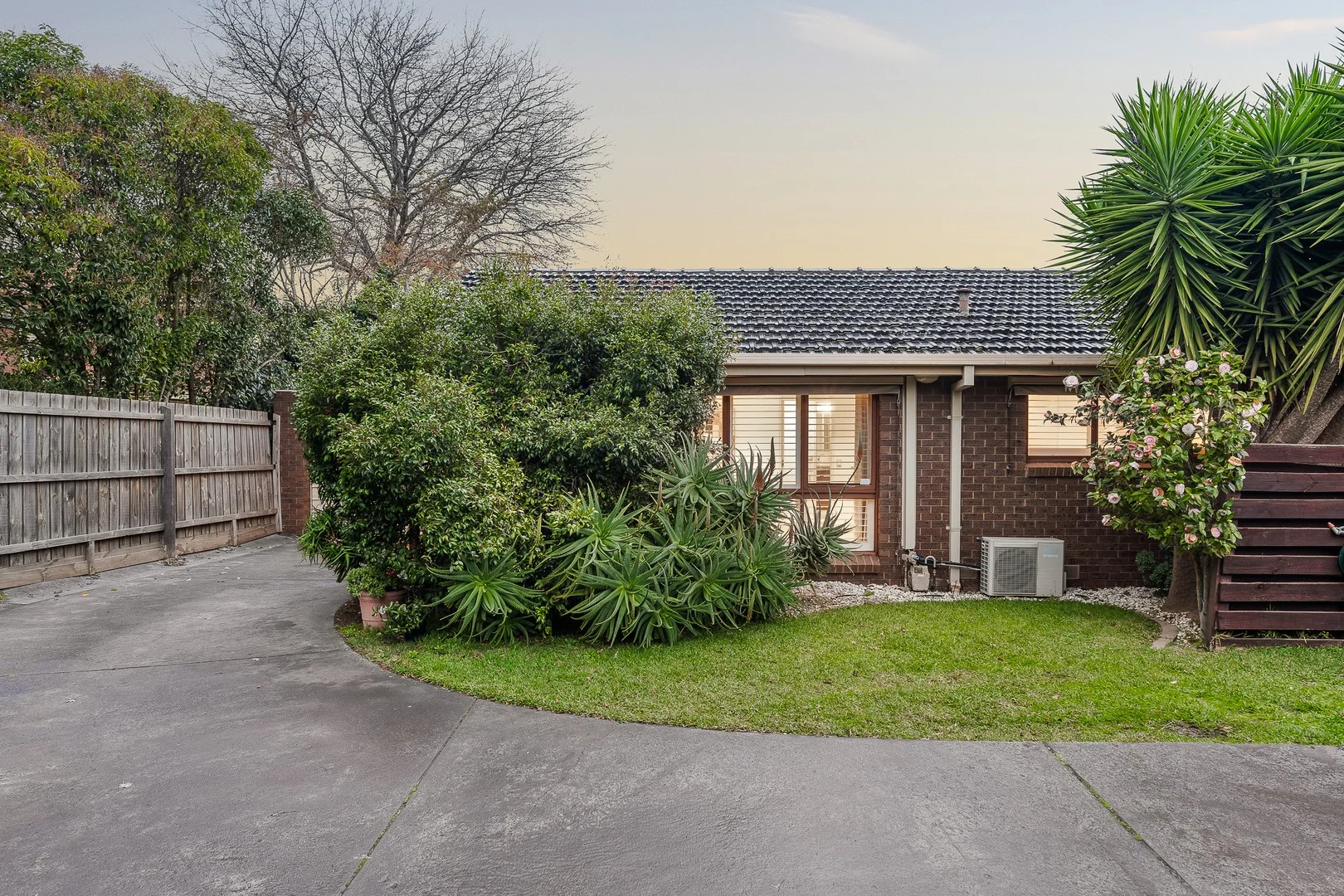 $770,000 - $820,000
Apartment / Unit / Flat
$770,000 - $820,000
Apartment / Unit / Flat


