1. Overview
Kilbreda College is a Catholic girls’ secondary college in Mentone, Victoria, offering a values-driven education within a supportive, faith-based community. The school combines strong academic programs with a focus on personal growth, service, and leadership, fostering a sense of belonging and purpose for students.
- School type: Catholic
- School size: Medium
- Class size: Approximately 20 students per class
- Atmosphere/culture: Nurturing, inclusive, academically engaged
⸻
2. Academics & Learning
Kilbreda College emphasises well-rounded learning with opportunities across academic disciplines and leadership development.
- Academic strengths: English, STEM (science, technology, engineering and mathematics), languages, and leadership development
- Special programs: VCE pathway, gifted and talented opportunities, leadership development, and faith formation/service programs
- NAPLAN trends: Steady performance with positive trends relative to state averages over recent years
- Student-teacher ratios: Typically around 1:12 to 1:15
- Support for diverse learners: EAL support, SEN assistance, and targeted learning support where needed
⸻
3. Sports & Extracurricular Strengths
A strong focus on sport, arts, and clubs supports a balanced student experience.
- Sports offered: Netball, Basketball, Soccer, Volleyball, Athletics, Swimming, Tennis, and more
- Strong teams or achievements: Competitive inter-school teams with ongoing local competition success
- Music, arts, drama programs: Choir, concert band, school productions, and other performing arts opportunities
- Clubs: Robotics, Chess, Coding, Debating, and other interest-based activities
- Partnerships: Local clubs and inter-school competitions that broaden competition opportunities
⸻
4. Wellbeing & Pastoral Care
Wellbeing is a central pillar of school life, supporting students’ personal and social development.
- Anti-bullying approach: Clear policies, proactive education, and a focus on respectful, safe school culture
- House system: House-based pastoral care and events to foster belonging and camaraderie
- Counsellors / wellbeing officers: On-site counselling and wellbeing staff to support mental health and adjustment
- Transition support for new students: Buddy programs, orientation activities, and family-friendly transition processes
⸻
5. Facilities
Facilities are designed to support learning, creativity, and wellbeing in a comfortable environment.
- Sports grounds: On-site sports facilities and field spaces
- Libraries: Well-stocked library with study spaces
- Science labs: Modern science and laboratory spaces
- Music/performing arts centers: Dedicated spaces for music, drama, and performances
- Tech/innovation labs: Updated spaces for technology and digital learning
- Cafeteria: On-site canteen with healthy options
- Updated playgrounds: Age-appropriate outdoor spaces and recreation areas
⸻
6. School Values & Community Culture
Kilbreda College aims to develop compassionate, responsible young women who contribute positively to their communities.
- School values / mission: Catholic values of service, respect, integrity, and compassion
- Leadership style: Collaborative and student-inclusive, with leadership opportunities for students
- Behaviour expectations: Respect, responsibility, and integrity are core expectations
- Community reputation: Known for a supportive, inclusive atmosphere and active parental engagement
- Diversity & inclusion: Committed to welcoming students from diverse backgrounds and ensuring inclusion
⸻
7. School Logistics & Daily Operations
Practical information to help families plan around school life.
- School hours: Typical Victorian school day from morning to mid-afternoon (check current term dates and times)
- Before/after school care: Availability of care options outside school hours
- Uniform requirements: School uniform policy with defined dress code
- Transport: Access to local transport options and proximity to bus/train routes
- Canteen availability: On-site canteen offering healthy meal and snack options
- Fees: Private Catholic school fees in the mid-to-upper-mid range for the region
⸻
8. Enrolment & Admissions
Clear steps to begin the enrolment journey and secure a place.
- What is the enrolment process and timeline?: Submit an application, followed by any required interview or assessment; offers typically issued on a defined calendar timeline
- Waiting list: Waiting lists may apply when vacancies are limited; earlier applications generally have priority
- Entry requirements, tests, or interviews?: Some years may require an interview and family/background information; standard English language and readiness considerations are common
- Mid-year transfers: Possible subject to vacancies and school approvals; contact admissions for available places
⸻
9. Frequently Asked Questions
- Why Parents Choose This School?
- A values-based Catholic education that combines academics, wellbeing, and community involvement in a supportive environment.
- What type of student thrives at this school?
- Students who are motivated to engage in both academics and co-curricular activities, and who value a caring, inclusive community.
- What opportunities are available for students to extend their skills (academics, sports, arts)?
- A range of VCE pathways, gifted/accelerated opportunities, competitive sports, music and drama programs, debates, robotics, and coding clubs.
- How does the school communicate with parents?
- Regular updates via email, the school website, newsletters, and parent-teacher meetings; ongoing notifications about events and student progress.
- What is the school’s approach to teaching and learning?
- A balanced approach combining robust curriculum delivery, pastoral care, and opportunities for student leadership and collaboration.
- How does the school support students who need extra academic help?
- Targeted learning support, EAL and SEN services, and access to tutoring or additional classroom assistance as needed.
- What support is available for academic challenges?
- Dedicated staff, counselling services, and personalised learning plans or adjustments where appropriate.
- How does the school communicate with parents? (repeated)
- See above: regular updates, newsletters, portals, and parent-teacher interactions.
- What are the class sizes and how much individual attention do students receive?
- Class sizes are designed to be small-to-mid in scale (around 20 students per class) to maximise teacher interaction and support.
- What extracurricular and sports opportunities are available?
- A broad offering across sports, music, drama, and clubs such as robotics, chess, coding, and debating.
- What facilities does the school offer (sports, science, arts)?
- Comprehensive facilities including sports grounds, libraries, science labs, music/performing arts centers, tech/innovation labs, and a canteen.
- What is the school’s approach to technology and digital learning?
- Integration of digital tools and platforms to support learning, collaboration, and creative projects across subjects.
- What transport and accessibility options are available?
- Access to local bus/train routes and proximity to public transport options; details available from the admissions office.
- What are the typical school fees or additional costs?
- Fees fall within the mid-to-upper-mid range for private Catholic schools in the area; additional costs may apply for trips, activities, or materials.
⸻
10. Short Pros & Cons list
- Pros:
- Strong values-based education with a supportive, inclusive culture
- Solid academic program with diverse subject choices and pathways
- Active co-curricular scene (sports, arts, clubs)
- Focus on wellbeing, pastoral care, and student leadership
- Modern facilities and a welcoming campus environment
- Cons:
- As a private Catholic school, fees may be higher than public options
- Competitive admissions at some year levels; waiting lists can apply
- Small-to-medium class sizes require timely enrolment to secure a place
⸻

 $25+
$25+













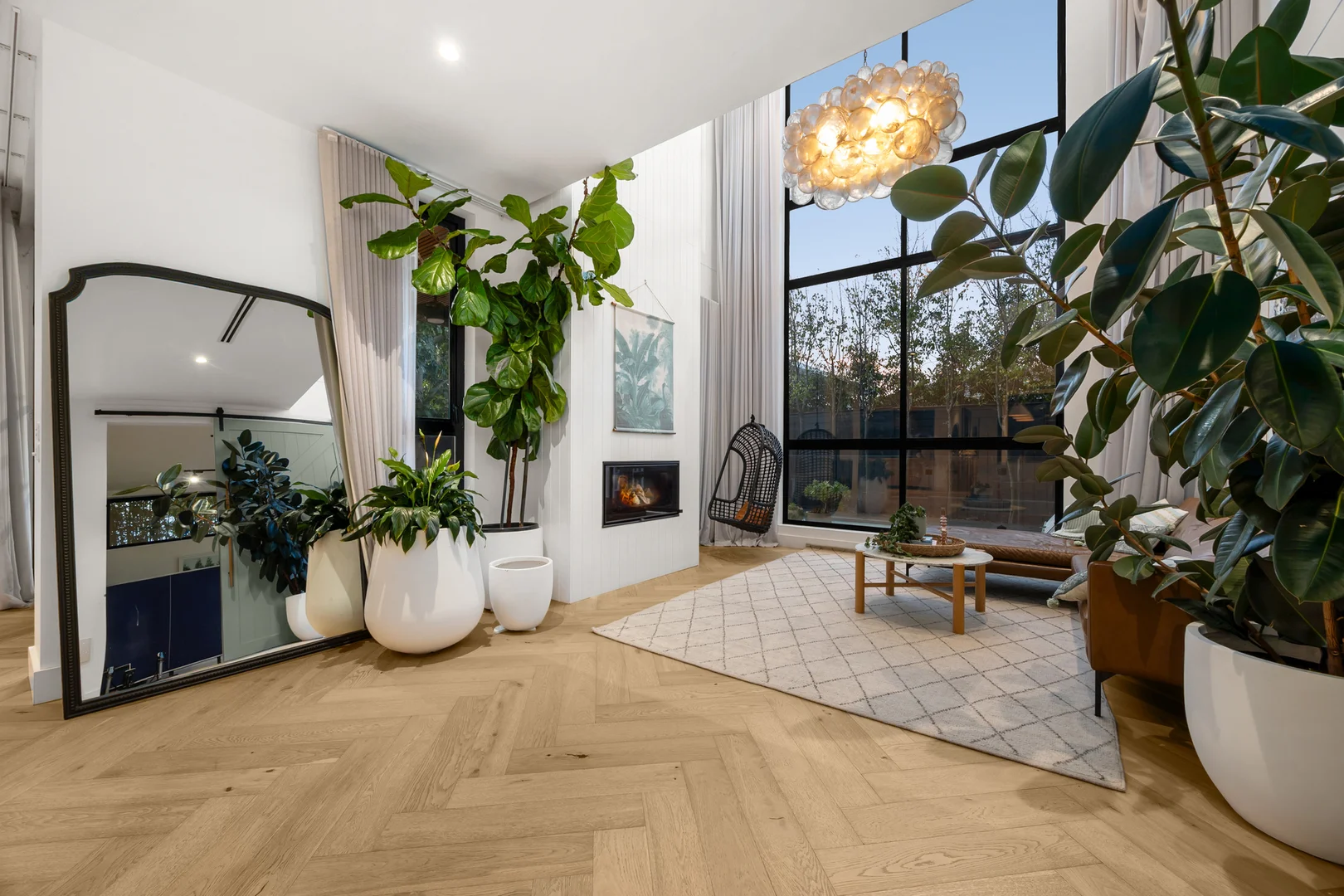 $3,300,000
House
$3,300,000
House
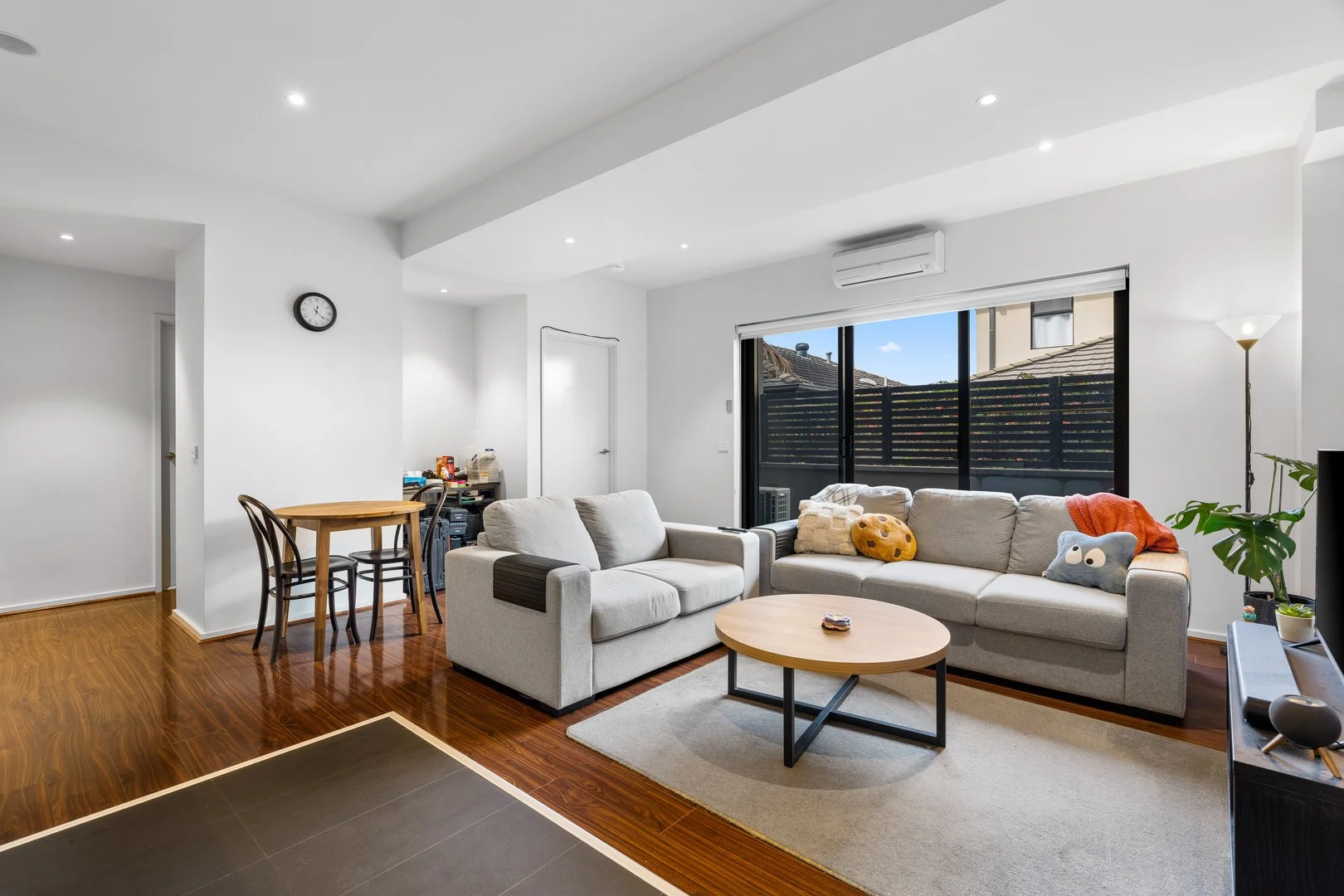 $385,000 - $410,000
Apartment / Unit / Flat
$385,000 - $410,000
Apartment / Unit / Flat
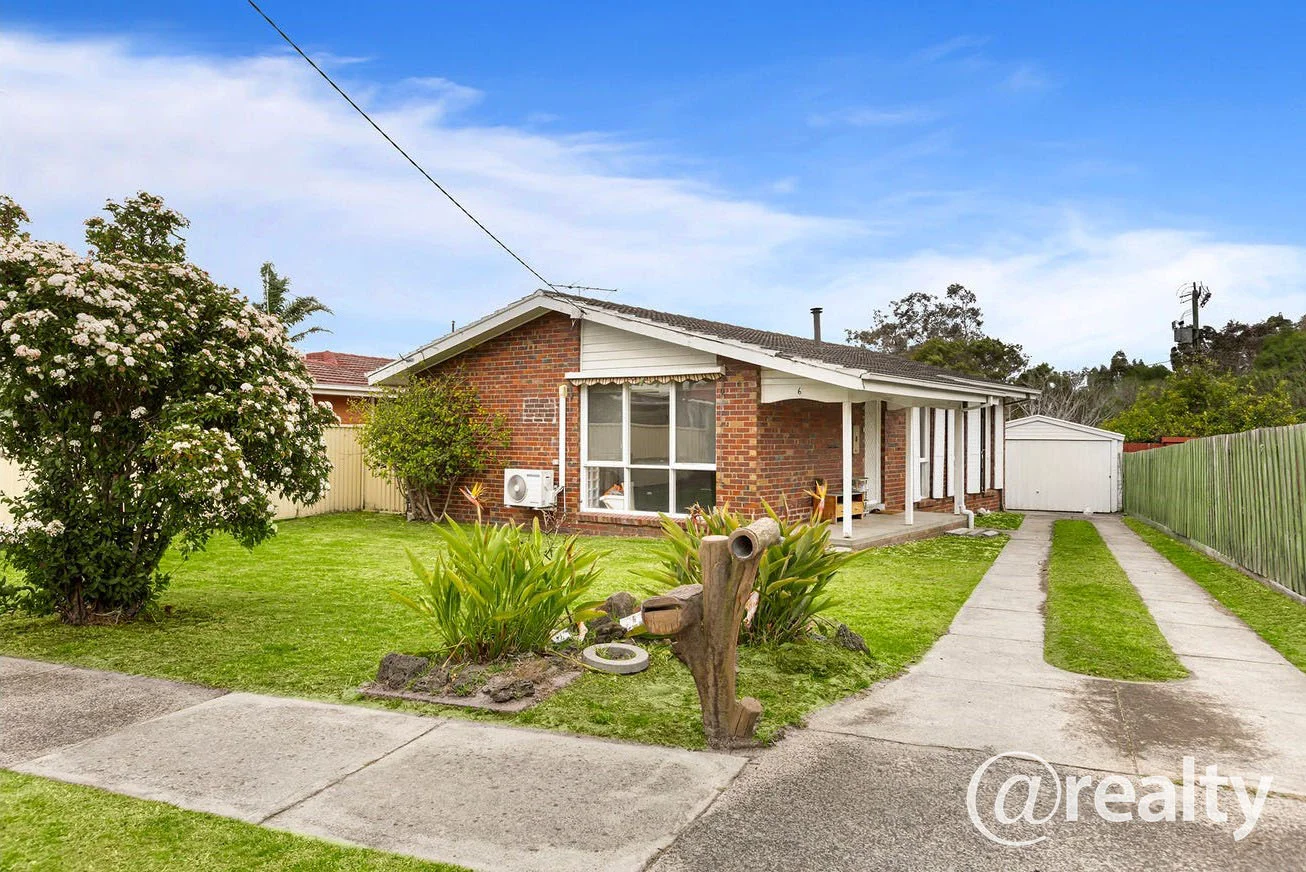 $610
House
$610
House
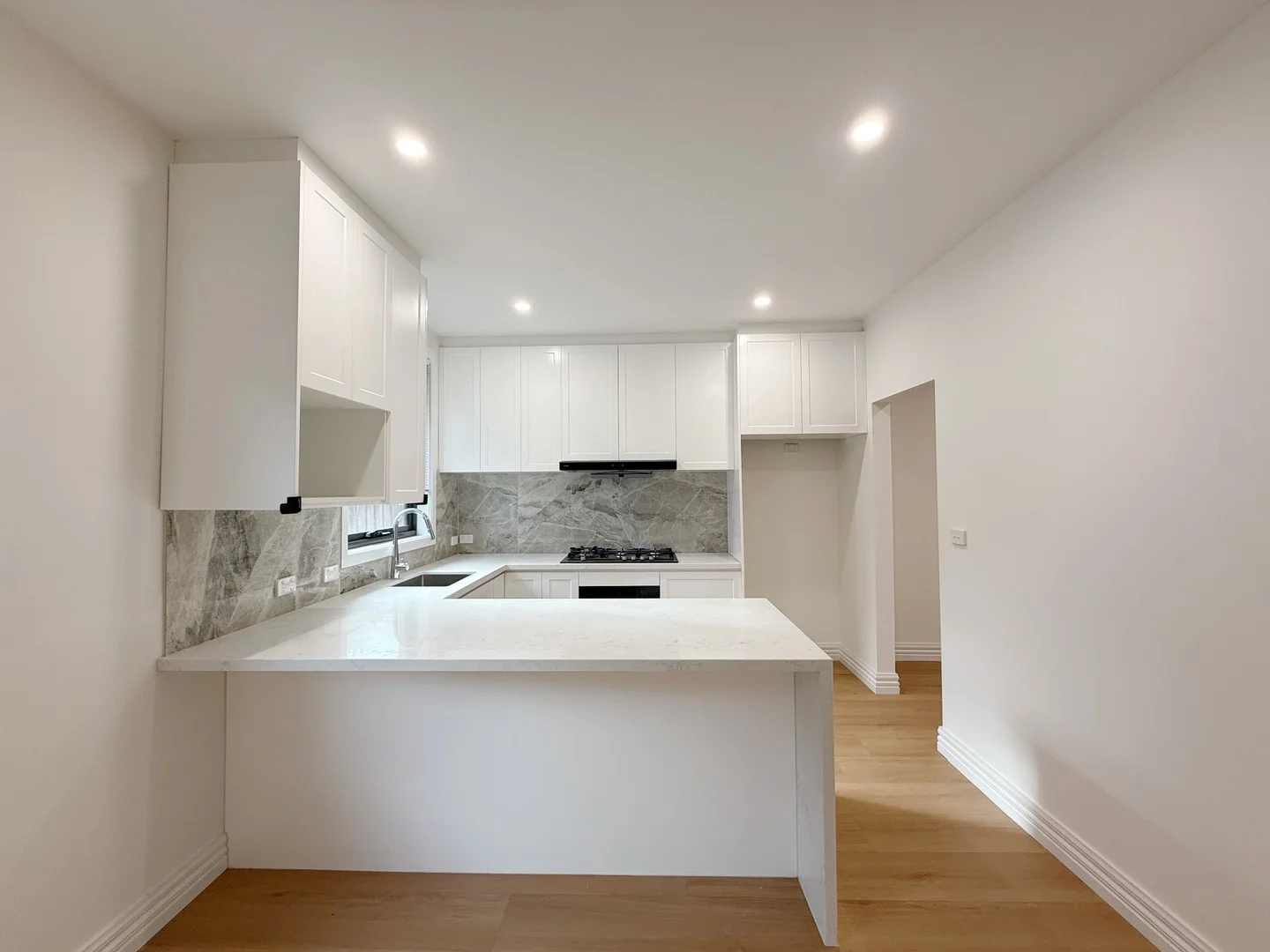 $1,280
House
$1,280
House
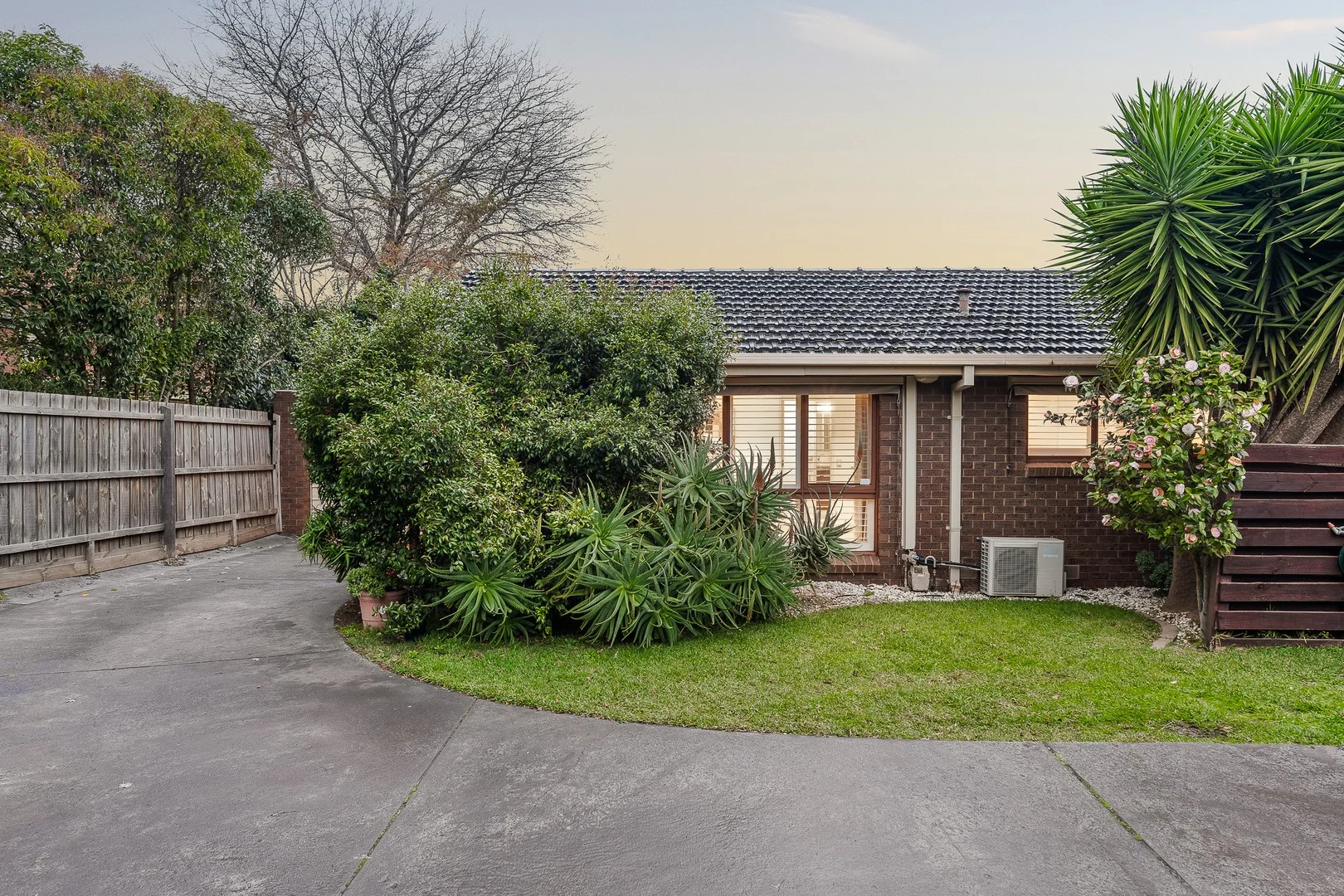 $770,000 - $820,000
Apartment / Unit / Flat
$770,000 - $820,000
Apartment / Unit / Flat


