1. Overview
- School type: Independent/private, girls’ school with a long-standing heritage in Melbourne’s education community.
- School size: Medium to large, with broad program offerings and active extracurricular participation.
- Class size: Typically mid-teens to low-20s, allowing for personalised attention within a classroom environment.
- Atmosphere/culture: Academic and nurturing with a focus on leadership, inclusion, and girls’ development in a collaborative, supportive setting.
⸻
2. Academics & Learning
- Academic strengths: Strong English and literacy pathways, solid STEM programs, and commitment to languages and global perspectives; emphasis on leadership development and scholarship opportunities.
- Special programs: VCE-focused pathways with options for accelerated learning or gifted/talented provisions where available; opportunities for enrichment in arts, languages, and leadership.
- NAPLAN / trends: Historically strong performance relative to state benchmarks, with trends showing consistency and steady improvement across cohorts.
- Student-teacher ratios: Low to moderate ratios that enable personalised feedback and targeted support.
- Support for diverse learners: Robust support for EAL and students with additional learning needs, including dedicated learning support and wellbeing services.
⸻
3. Sports & Extracurricular Strengths
- Sports offered: A broad range of team and individual sports typical of Australian private schools, including netball, basketball, tennis, athletics, swimming, and other popular options; pathways to representative teams and inter-school competitions.
- Strong teams or achievements: Active participation in inter-school and regional competitions with emphasis on teamwork, sportsmanship, and development through sport.
- Music, arts, drama programs: Strong performing arts culture with ensembles, choir, instrumental music, theatre productions, and related creative opportunities.
- Clubs: Robotics, coding, chess, debating, mathematics and other academic clubs, plus student leadership and service clubs.
- Partnerships: Collaborations with local arts and sports groups, external competitions, and inter-school partnerships to broaden experience and exposure.
⸻
4. Wellbeing & Pastoral Care
- Anti-bullying approach: Proactive policies and education to promote a respectful and inclusive environment; clear reporting channels and support systems.
- House system: A house-based structure that fosters camaraderie, leadership opportunities, and healthy competition across grade levels.
- Counsellors / wellbeing officers: On-site wellbeing professionals and school counsellors to support academics, mental health, and transition needs.
- Transition support for new students: Orientation programs, buddy systems, and targeted transition assistance to help new students settle in smoothly.
⸻
5. Facilities
- Sports grounds: On-site facilities supporting a variety of sports and outdoor activities.
- Libraries: Well-resourced libraries with study spaces and access to digital resources.
- Science labs: Modern, well-equipped science laboratories for practical experiments across disciplines.
- Music/performing arts centers: Dedicated spaces for music rehearsals, ensembles, drama, and performance.
- Tech/innovation labs: Contemporary technology and innovation spaces to support STEM and creative projects.
- Cafeteria: On-site dining facilities offering a range of healthy options.
- Updated playgrounds: Safe, well-maintained outdoor spaces and play areas for break times and recreation.
⸻
6. School Values & Community Culture
- School values / mission: Emphasis on leadership, service, integrity, respect, and inclusivity; focus on preparing students for responsible citizenship.
- Leadership style: Collaborative and student-centered, with opportunities for student voice, leadership roles, and mentorship.
- Behaviour expectations: Clear codes of conduct and positive behaviour supports that reinforce respectful interactions.
- Community reputation: Strong sense of community with active parental involvement and engaged alumni networks.
- Diversity & inclusion: Commitment to diversity and inclusive education, welcoming students from varied backgrounds and experiences.
⸻
7. School Logistics & Daily Operations
- School hours: Typical school day operations align with standard Victorian school timings, with a structured start and finish and common ancillary programs.
- Before/after school care: Available on campus or via partnerships to support families’ schedules.
- Uniform requirements: Formal school uniform with specified summer and winter variants; additional sports uniform for PE and after-school activities.
- Transport (train/bus routes): Access to local public transport options (train, tram, bus) and possible school-provided bus routes or drop-off points.
- Canteen availability: On-site canteen or cafe-style options offering meals and snacks.
- Fees (low/medium/high ranges): Fees fall into the higher range for Victoria’s private school sector, reflecting the breadth of programs, facilities, and services offered.
⸻
8. Enrolment & Admissions
- What is the enrolment process and timeline? Typical steps include applying online with required documentation, stair-stepping through an assessment or interview (and possibly auditions for music or drama), family interview, offer of place, and enrolment agreement. Timelines vary by year level and availability.
- Is there a waiting list, and how does it work? There may be a waiting list when vacancies are limited; places are allocated based on availability, program fit, and sometimes priority for siblings or current families as per school policy.
- Are there any entry requirements, tests, or interviews? Entry usually involves academic assessments or interviews to understand fit with the program; audition or portfolio may be requested for music/drama streams.
- Does the school accept mid-year transfers? Mid-year transfers may be possible subject to vacancies and a suitability assessment, with placement aligned to the school calendar and subject availability.
⸻
9. Frequently Asked Questions
- Why Parents Choose This School? A combination of strong academic outcomes, a supportive girls’-focused environment, rich extracurriculars, and a values-driven community.
- What type of student thrives at this school? Motivated, collaborative, curious students who value academic rigor, leadership opportunities, and inclusive peer culture.
- What opportunities are available for students to extend their skills (academics, sports, arts)? Access to advanced coursework, enrichment programs, leadership development, diverse clubs (robotics, coding, debate), strong arts and music pathways, and competitive sports programs.
- How does the school communicate with parents? Regular updates through newsletters, portals, parent-teacher meetings, and targeted communications from teaching and wellbeing staff.
- What is the school’s approach to teaching and learning? Student-centered, inquiry-based learning with a balance of curriculum breadth, skill development, and opportunities for real-world application.
- How does the school support students who need extra academic help? Structured learning support, EAL and SEN assistance, targeted tutoring or coaching, and ongoing monitoring of progress.
- What support is available for academic challenges? Access to counsellors, learning support staff, and escalation pathways to address academic challenges promptly.
- How does the school communicate with parents? (See above; consolidated channels include portals, meetings, and direct updates from teachers and coordinators.)
- What are the class sizes and how much individual attention do students receive? Class sizes are designed to enable personalized attention, with smaller sessions in targeted subjects or support periods.
- What extracurricular and sports opportunities are available? Wide range of sports, arts, music and drama programs, academic clubs (robotics, coding, debating), and inter-school competition opportunities.
- What facilities does the school offer (sports, science, arts)? Comprehensive facilities including sports grounds, libraries, science labs, performing arts venues, and dedicated technology/innovation spaces.
- What is the school’s approach to technology and digital learning? Integrated digital learning across curricula, with access to devices, software, and training to support modern learning practices.
- What transport and accessibility options are available? Access to public transport options plus possible school bus routes and family-friendly drop-off/pick-up arrangements.
- What are typical school fees or additional costs? Fees are in the higher range for private schooling in Victoria, with additional costs for uniforms, activities, and supplementary programs.
⸻
10. Short Pros & Cons list
- Pros:
- Strong academic program with breadth across STEM, languages, and humanities
- Supportive, inclusive community with a focus on leadership and service
- Robust wellbeing and pastoral care
- Comprehensive facilities for learning, arts, and sport
- Active extracurriculars and clubs with student leadership opportunities
- Cons:
- Higher tuition and associated costs typical of private schooling
- Competitive environment in some cohorts
- Admissions can involve waiting lists or vacancies depending on year level
- Busy calendars may require strong time-management from families and students
⸻












 $1,250,000
Apartment / Unit / Flat
$1,250,000
Apartment / Unit / Flat
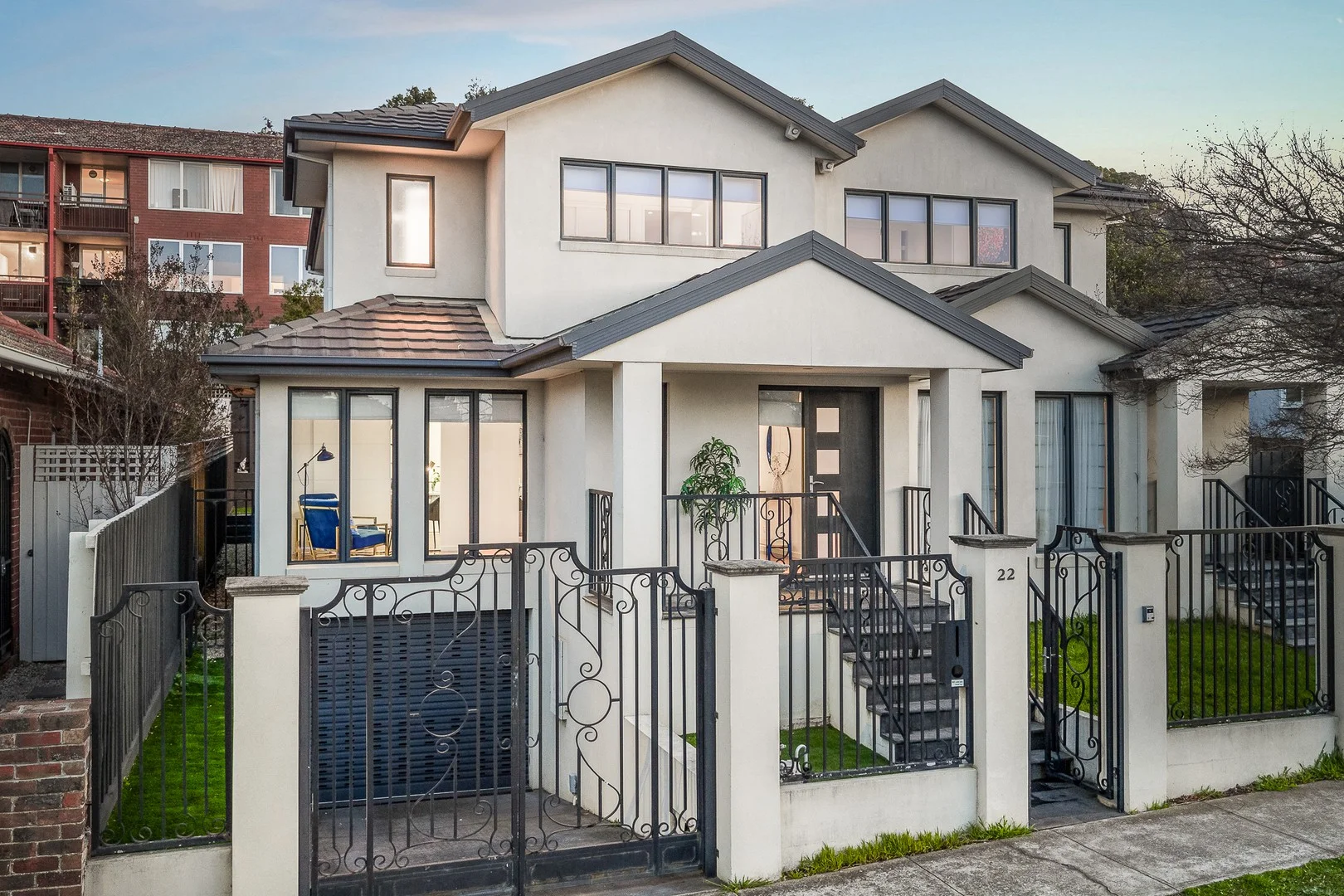 $2,390,000
Townhouse
$2,390,000
Townhouse
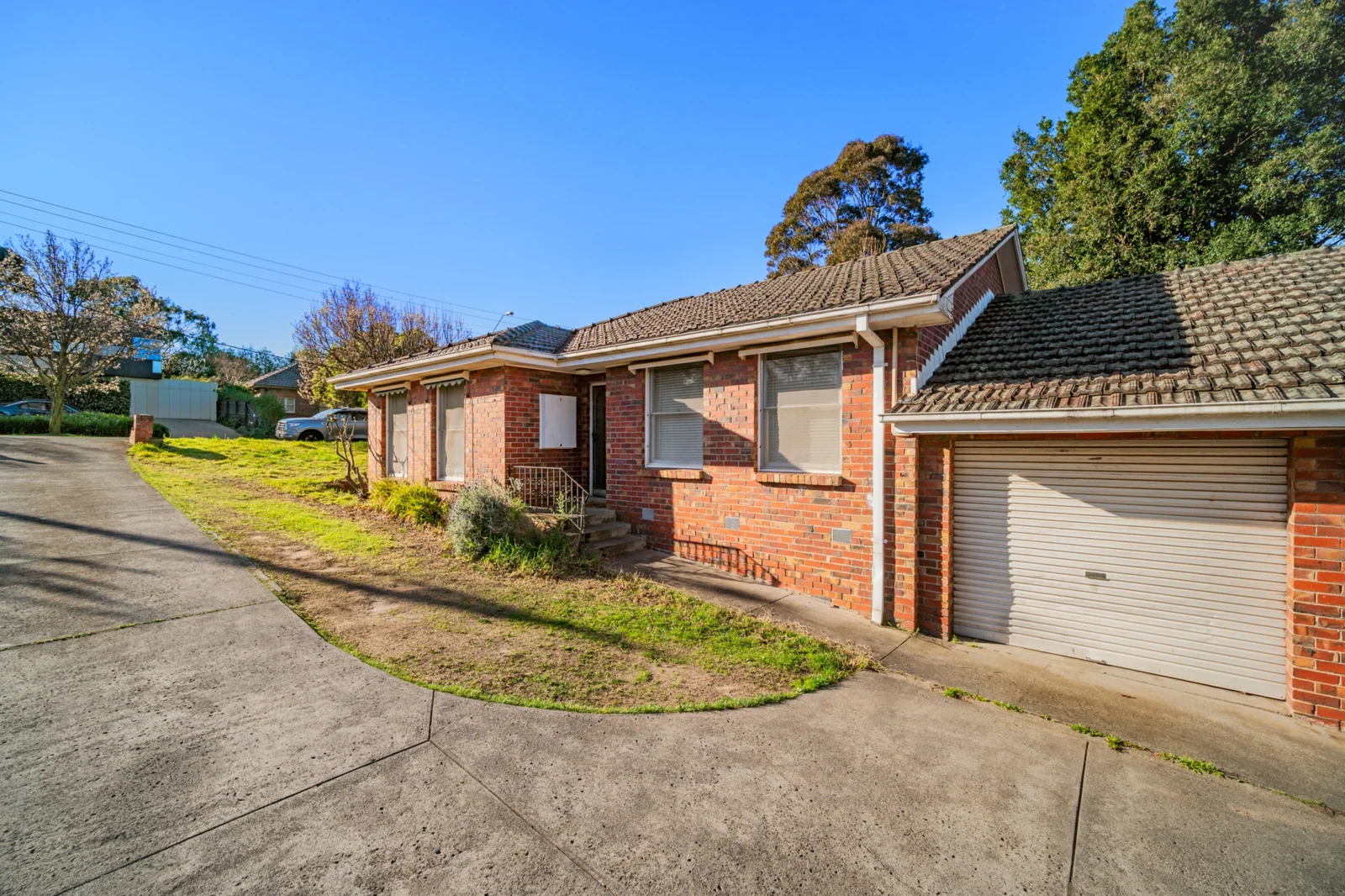 $580
Apartment / Unit / Flat
$580
Apartment / Unit / Flat
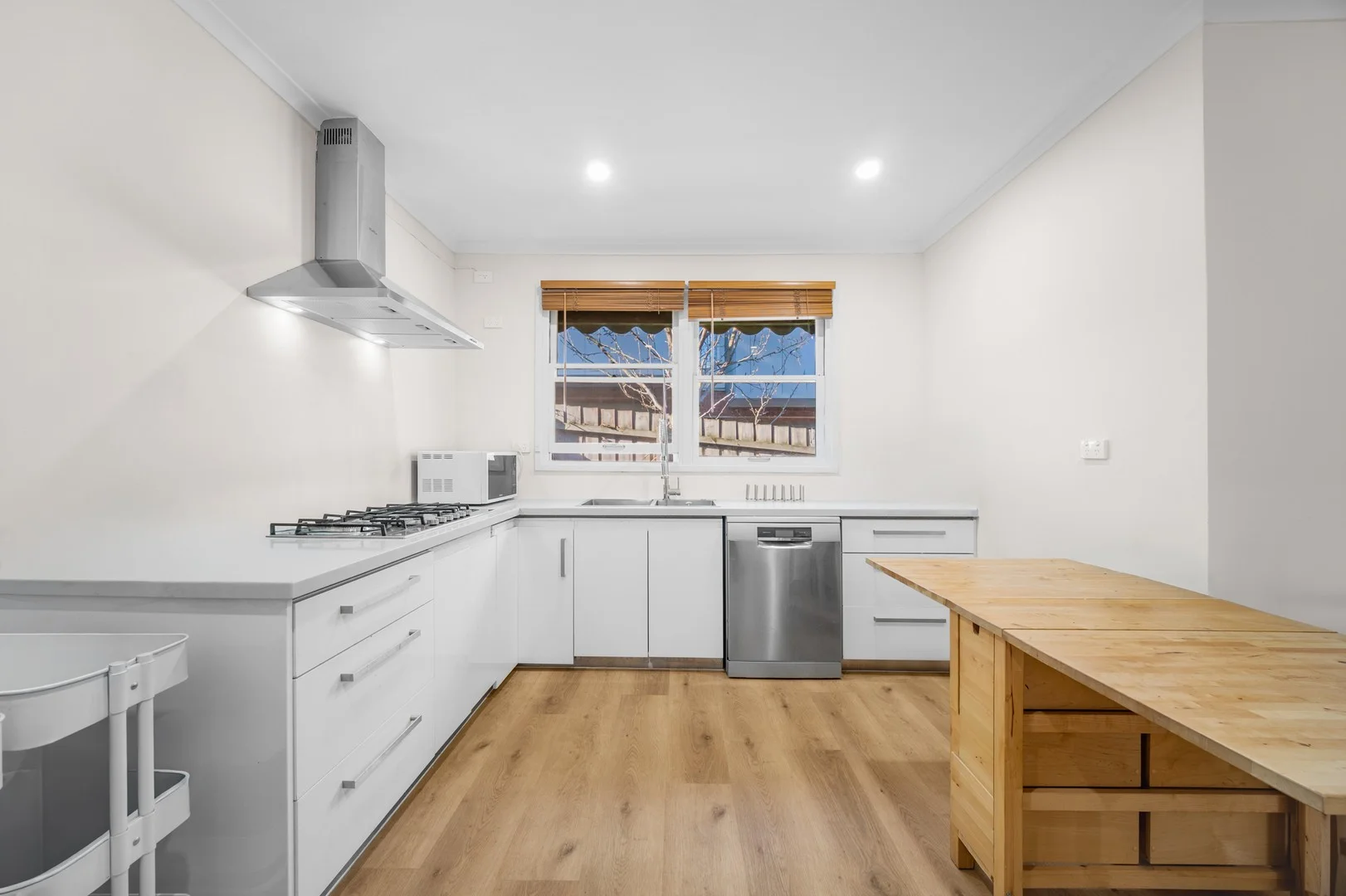 $680
Apartment / Unit / Flat
$680
Apartment / Unit / Flat
 $2,900,000
Apartment / Unit / Flat
$2,900,000
Apartment / Unit / Flat
 $1,345,000
Apartment / Unit / Flat
$1,345,000
Apartment / Unit / Flat
 $2,750,000
Apartment / Unit / Flat
$2,750,000
Apartment / Unit / Flat
 $1,640,000
Apartment / Unit / Flat
$1,640,000
Apartment / Unit / Flat
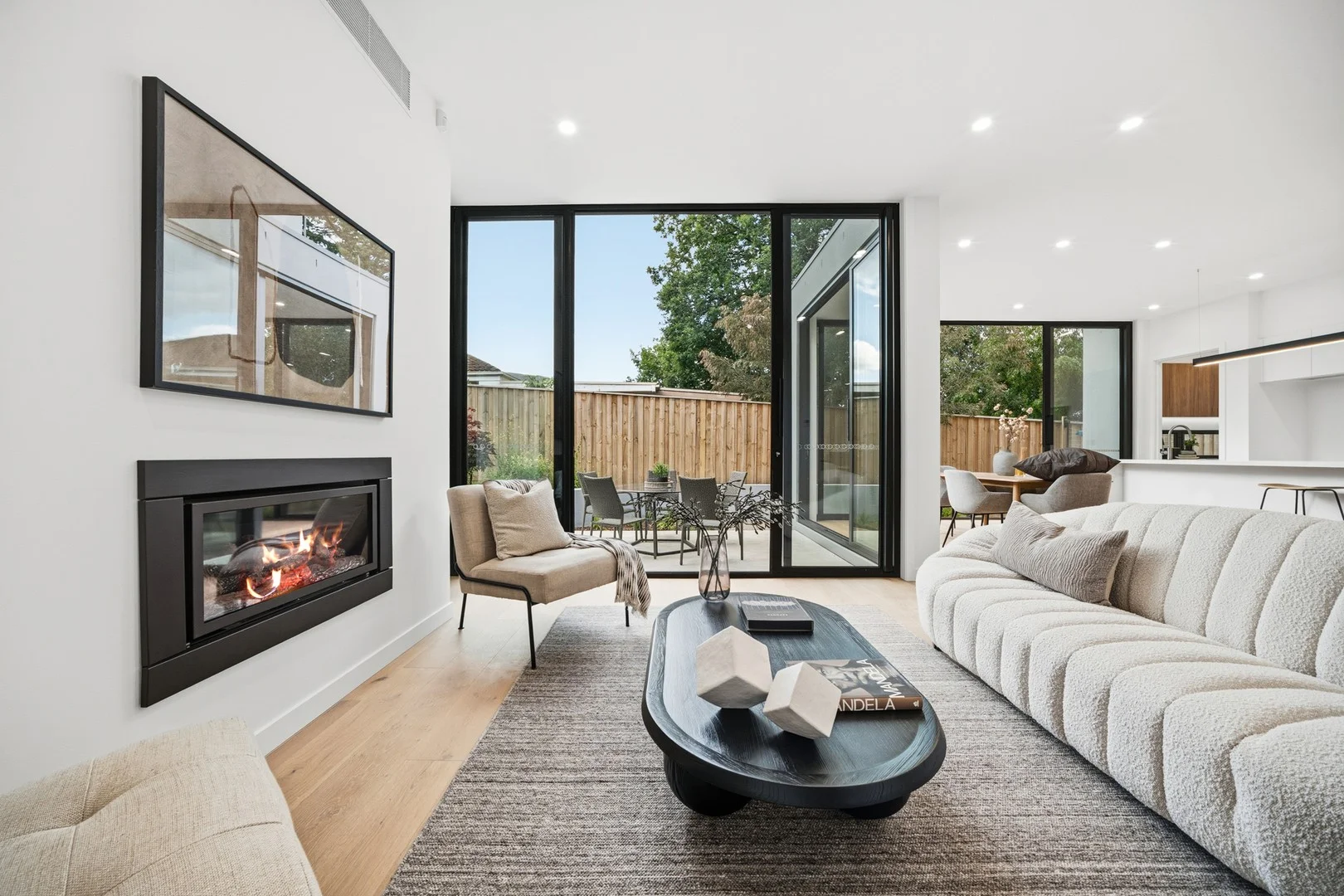 $1,750,000
Townhouse
$1,750,000
Townhouse


