1. Overview
Ruyton Girls' School is an independent private girls’ school located in Melbourne’s eastern suburbs. The school prides itself on a well-rounded education that blends rigorous academics with strong arts, sport and leadership opportunities, all within a nurturing, inclusive community.
- School type: Independent/private
- School size: Medium
- Class size: Typically around 18–24 students per class
- Atmosphere/culture: Nurturing, academically focused, diverse and inclusive, with a broad emphasis on sport and the arts
⸻
2. Academics & Learning
Ruyton aims to develop capable, confident and thoughtful young women through a comprehensive academic program and targeted support.
- Academic strengths: English and humanities, mathematics and science, languages; strong emphasis on critical thinking, written and verbal communication, and leadership skills
- Special programs: Accelerated learning and gifted/talented opportunities; robust pathways to senior secondary studies; strong performing arts and STEM components
- NAPLAN trends: Consistent above-average performance with year-on-year improvements in key domains such as reading and numeracy
- Student-teacher ratios: Approximately 1:8 to 1:12, enabling responsive teaching and attention
- Support for diverse learners: Dedicated support for EAL and students with additional learning needs, plus wellbeing and learning support staff
⸻
3. Sports & Extracurricular Strengths
A strong focus on well-rounded development, with a wide range of activities beyond the classroom.
- Sports offered: Netball, basketball, hockey, swimming, athletics, tennis, cricket, soccer, volleyball, and more
- Strong teams or achievements: Competitive school teams with participation in ISV/ISA-style fixtures and regional championships
- Music, arts, drama programs: Comprehensive music ensembles, choirs, drama productions and visual arts opportunities
- Clubs: Robotics, chess, coding, debating, public speaking, and other academic and creative clubs
- Partnerships: Local clubs and associations for competitions and exchanges; ISV/independent school networks for tournaments and showcases
⸻
4. Wellbeing & Pastoral Care
Wellbeing is a cornerstone of daily life at Ruyton, helping students thrive academically and personally.
- Anti-bullying approach: Clear policies with restorative practices and ongoing wellbeing education
- House system: House-based pastoral care to foster belonging, mentorship and friendship networks
- Counsellors / wellbeing officers: On-site counsellors and wellbeing staff available for students and families
- Transition support for new students: Comprehensive orientation, buddy programs and transition activities to ease entry
⸻
5. Facilities
Ruyton provides modern, purpose-built spaces to support learning, creativity and recreation.
- Sports grounds
- Libraries
- Science labs
- Music/performing arts centers
- Tech/innovation labs
- Cafeteria
- Updated playgrounds
- Additional: dedicated arts venues, media suites and flexible learning spaces
⸻
6. School Values & Community Culture
The school culture emphasizes character, leadership and inclusion within a high-achievement environment.
- School values / mission: Respect, integrity, resilience, inclusion, leadership
- Leadership style: Collaborative and student-centred, with opportunities for student voice and governance
- Behaviour expectations: High standards supported by restorative and proactive behaviour management
- Community reputation: Known for being supportive, high-achieving and welcoming to families from diverse backgrounds
- Diversity & inclusion: Strong commitment to inclusion and creating an environment where all students can thrive
⸻
7. School Logistics & Daily Operations
Practical information to help families plan around school life.
- School hours: Typically a full school day with some variations by year level; start around 8:30–9:00am and finish mid-afternoon
- Before/after school care: On-site or affiliated programs available
- Uniform requirements: Formal school uniform for daily wear and a sports uniform for PE and activities
- Transport (train/bus routes): Public transport options (train/bus) accessible from surrounding suburbs; school-coordinated transport sometimes available
- Canteen availability: On-site canteen offering healthy meal options
- Fees (low/medium/high ranges): High relative to primary schooling; typical fee structure with additional costs for camps, activities and uniforms
⸻
8. Enrolment & Admissions
What families need to know about joining Ruyton.
11. What is the enrolment process and timeline?
- Online expression of interest, followed by formal application
- Parent/guardian interview and student interview
- Academic assessment or tasks as part of the entry process
- Open days or information sessions
- Offer of placement, acceptance and enrolment confirmation
- Orientation and start-of-year activities
12. Is there a waiting list, and how does it work?
- Yes, there is usually a waiting list. Places are allocated as spaces become available, often prioritised by date of application and alignment with intake numbers
13. Are there any entry requirements, tests, or interviews?
- Yes: written or cognitive-style assessments, interviews for both student and family, and sometimes auditions or submissions for music/art paths; references and immunisation records may be requested
14. Does the school accept mid-year transfers?
- Yes, subject to space, meeting entry requirements and alignment with current cohorts; transfer timing and processes are assessed case-by-case
⸻
9. Frequently Asked Questions
- Why Parents Choose This School?
- A balanced, rigorous academic program with extensive opportunities in sport, arts and leadership, delivered within a caring, supportive community
- What type of student thrives at this school?
- Motivated, curious and collaborative students who value high-quality academics alongside arts and sport
- What opportunities are available for students to extend their skills (academics, sports, arts)?
- Advanced subjects and acceleration where available; ensembles, drama productions, debating, robotics, coding clubs, and competition teams
- How does the school communicate with parents?
- Regular newsletters, emails, a parent portal and scheduled conferences; updates via events and social channels
- What is the school’s approach to teaching and learning?
- Differentiated instruction in small-to-medium classes; emphasis on inquiry, critical thinking, and resilience
- How does the school support students who need extra academic help?
- Dedicated learning support, EAL assistance and access to tutoring or targeted interventions
- What support is available for academic challenges?
- On-site counsellors, learning support staff and proactive communication with families
- How does the school communicate with parents?
- See above (multiple channels to stay informed)
- What are the class sizes and how much individual attention do students receive?
- Typical class sizes of about 18–24; high level of individual attention through smaller class sizes and targeted support
- What extracurricular and sports opportunities are available?
- Wide range of sports and extensive clubs in academics, arts and technology
- What facilities does the school offer (sports, science, arts)?
- Modern sports grounds, libraries, science labs, performing arts spaces, tech labs and dedicated arts facilities
- What is the school’s approach to technology and digital learning?
- Integrated digital learning with appropriate devices, cybersecurity, and technology-rich classrooms
- What transport and accessibility options are available?
- Public transport options near the school; school-supported transport arrangements where available
- What are the typical school fees or additional costs?
- Fees are in the higher range for independent schools; expect additional costs for camps, activities, uniforms and electives
⸻
10. Short Pros & Cons list
- Pros
- Strong academic program with breadth across arts, sport and leadership
- Supportive, inclusive and close-knit community
- Small-to-mid sized classes enabling personalised attention
- Robust wellbeing and pastoral care
- Excellent facilities and multiple co-curricular options
- Cons
- Higher tuition and associated costs typical of independent schools
- Competitive environment may feel intense for some students
- Transit options may require reliance on public transport or coordinated arrangements
- Roster of activities can be demanding for families needing lighter commitments
⸻










 $1,250,000
Apartment / Unit / Flat
$1,250,000
Apartment / Unit / Flat
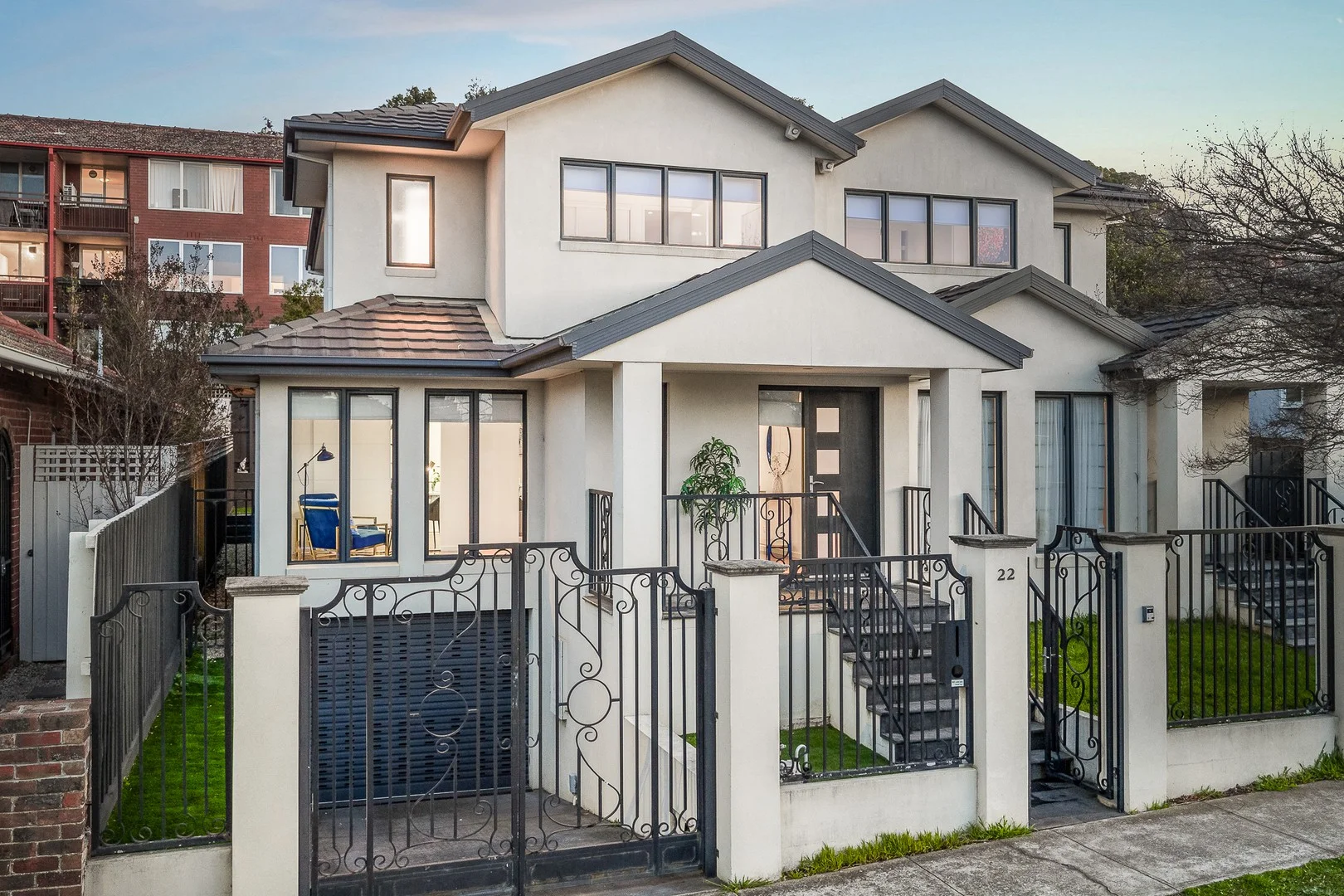 $2,390,000
Townhouse
$2,390,000
Townhouse
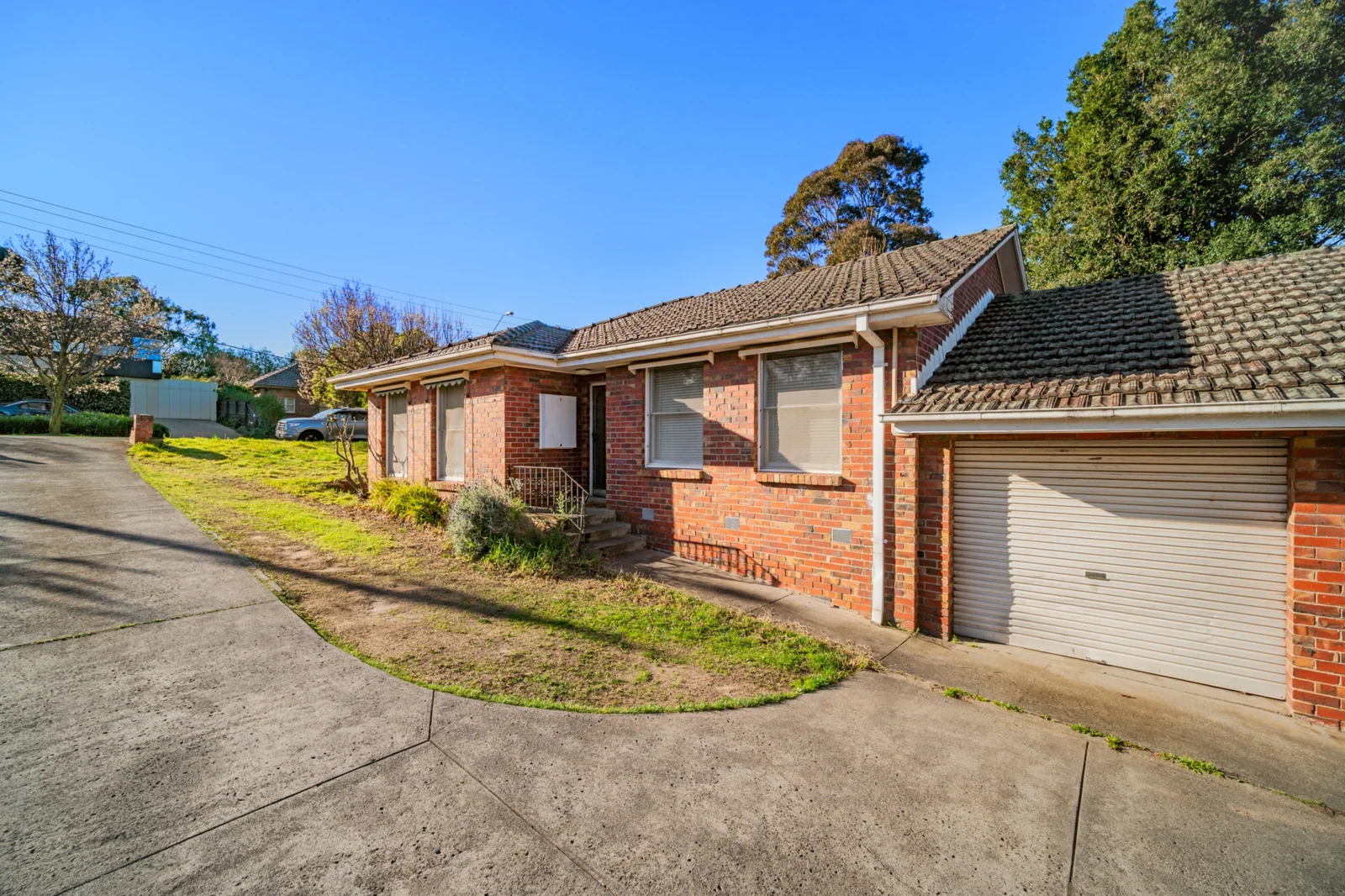 $580
Apartment / Unit / Flat
$580
Apartment / Unit / Flat
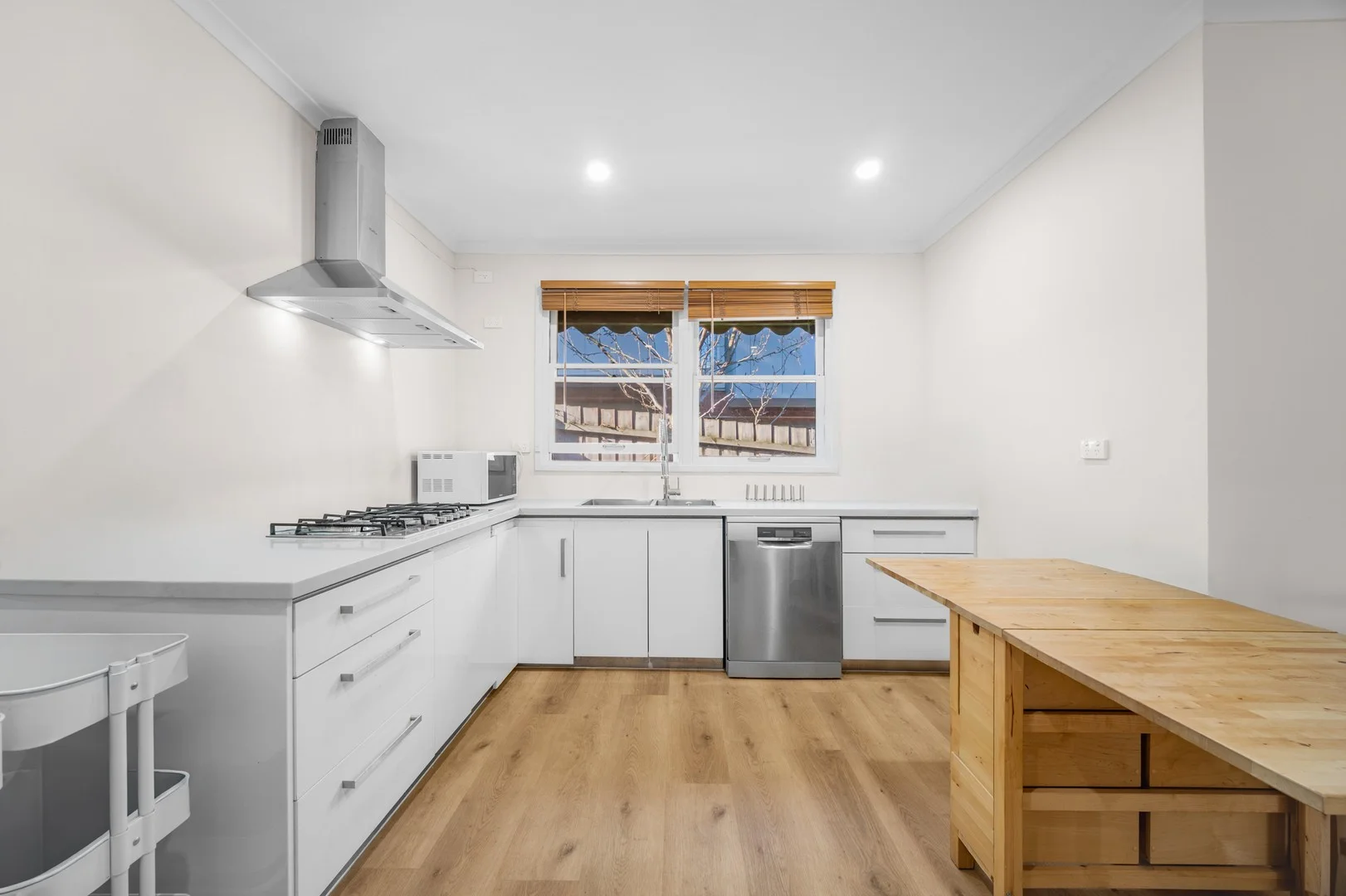 $680
Apartment / Unit / Flat
$680
Apartment / Unit / Flat
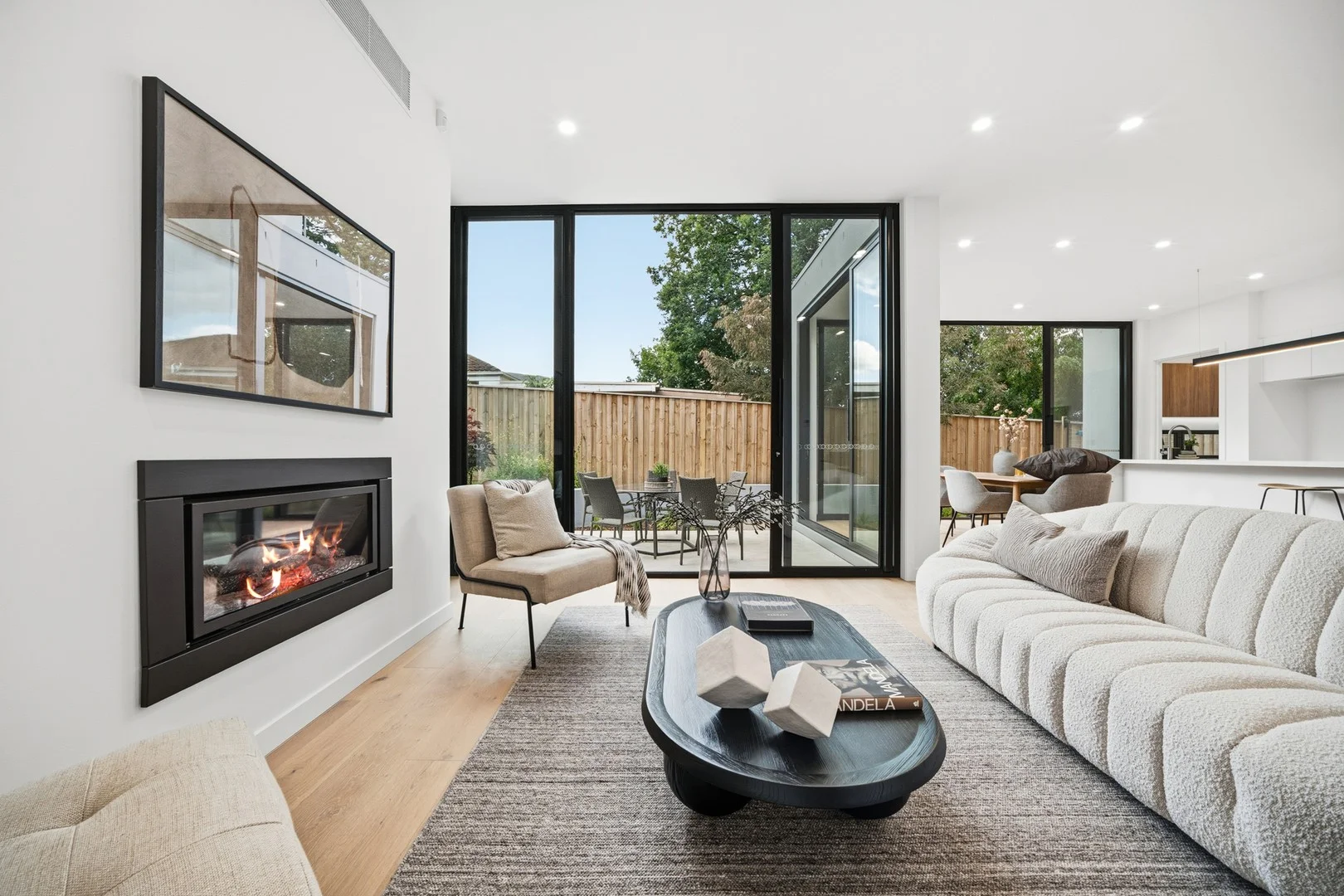 $1,750,000
Townhouse
$1,750,000
Townhouse
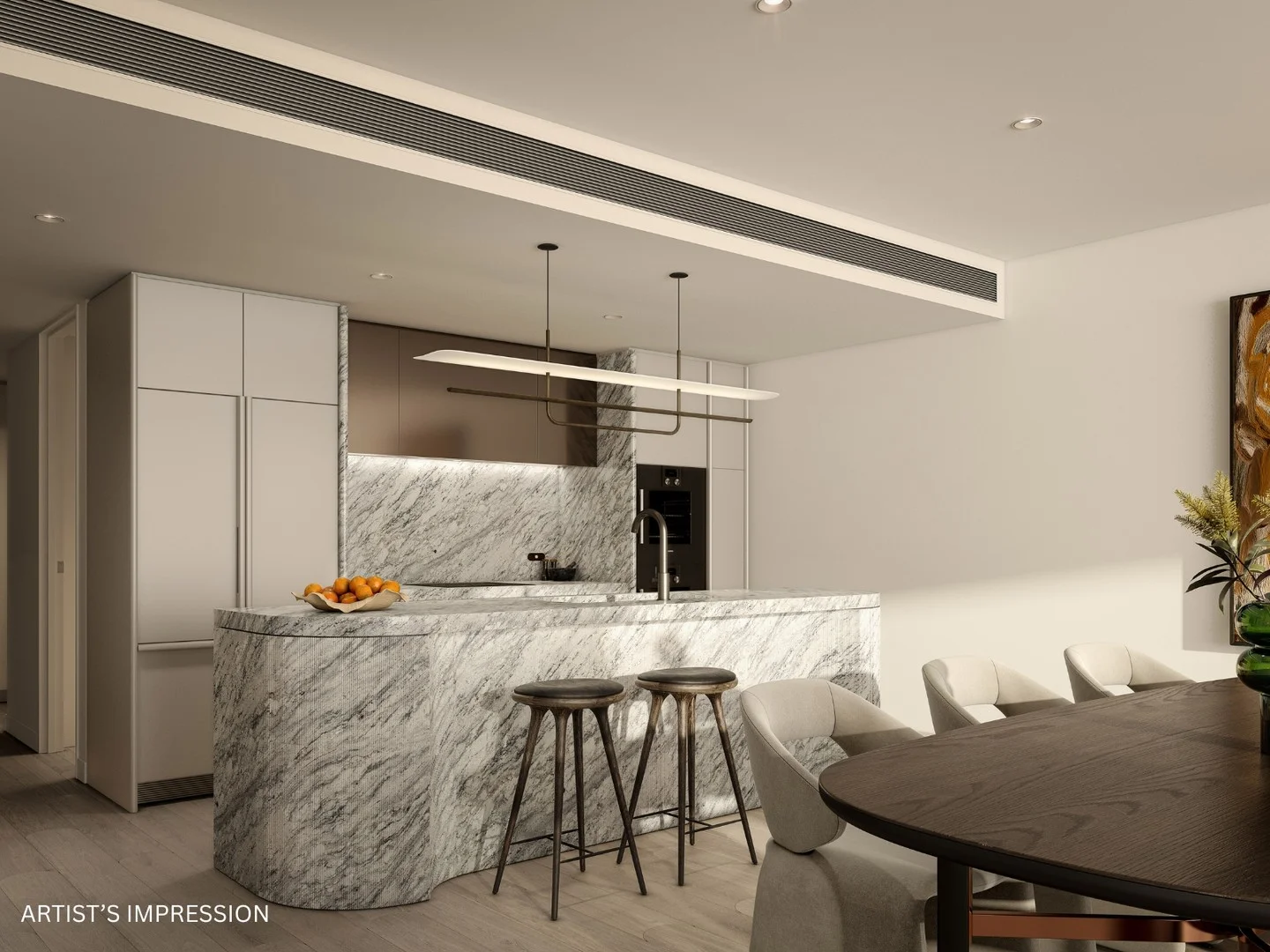 $2,900,000
Apartment / Unit / Flat
$2,900,000
Apartment / Unit / Flat
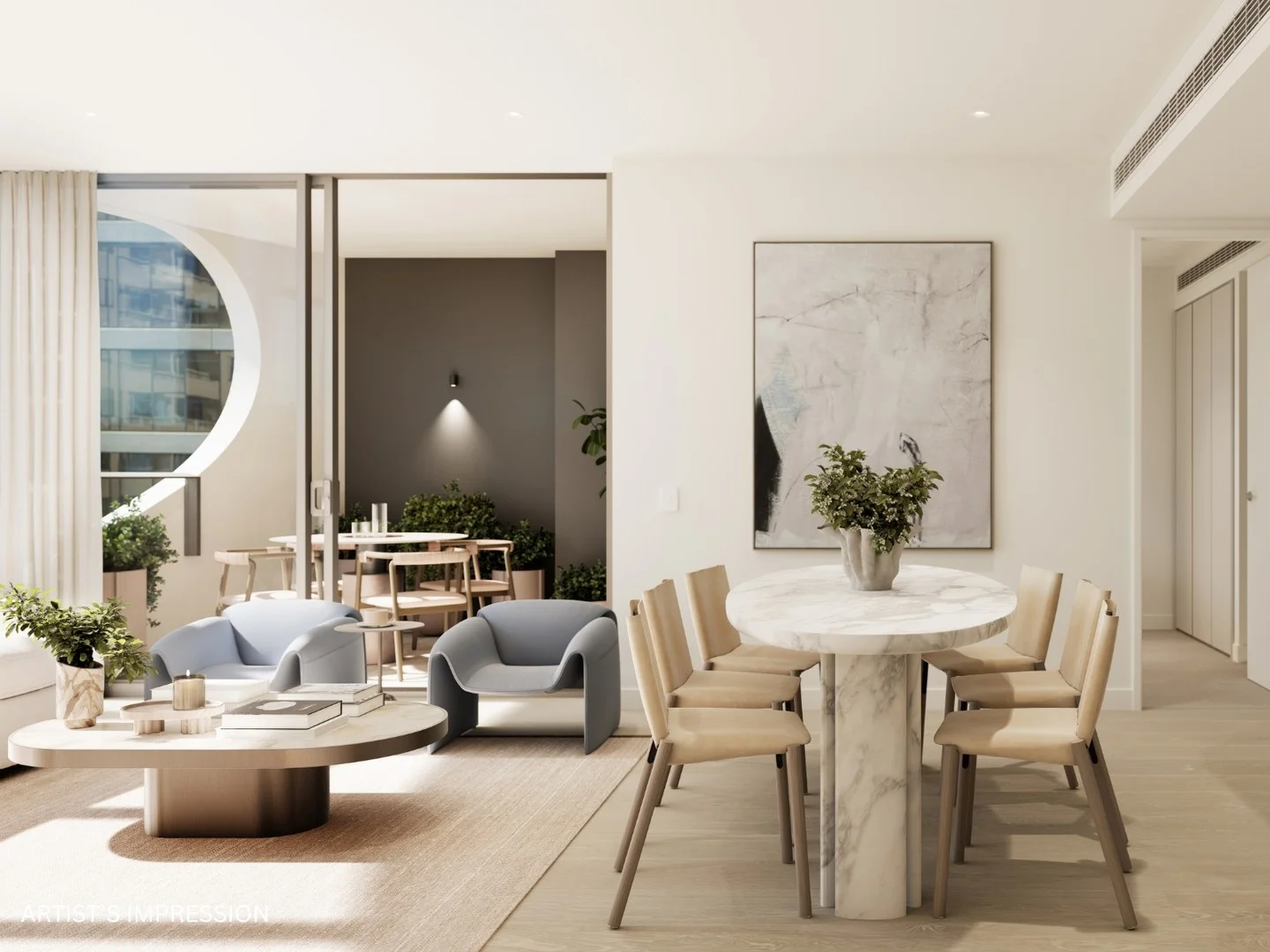 $1,640,000
Apartment / Unit / Flat
$1,640,000
Apartment / Unit / Flat
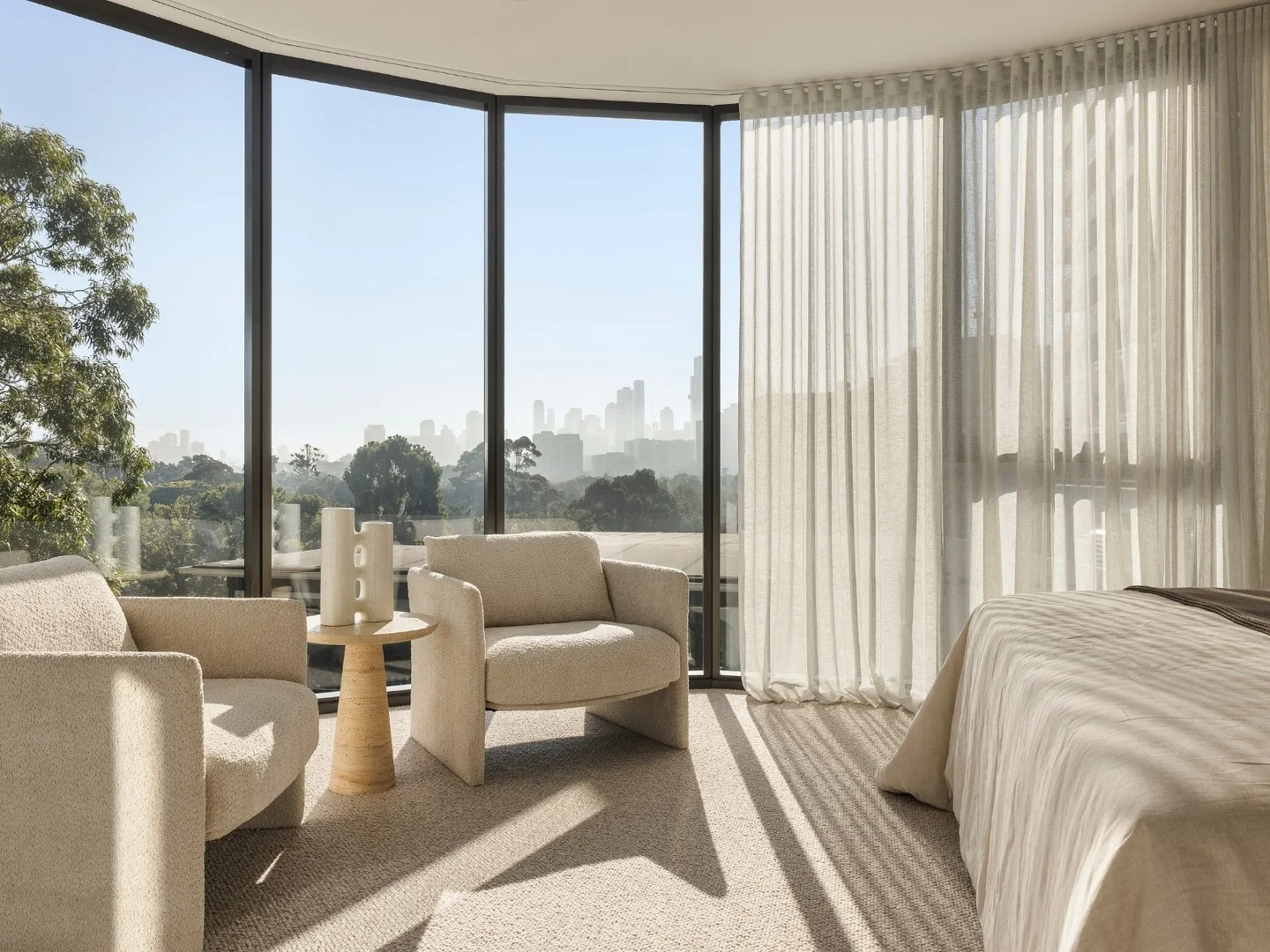 $2,750,000
Apartment / Unit / Flat
$2,750,000
Apartment / Unit / Flat
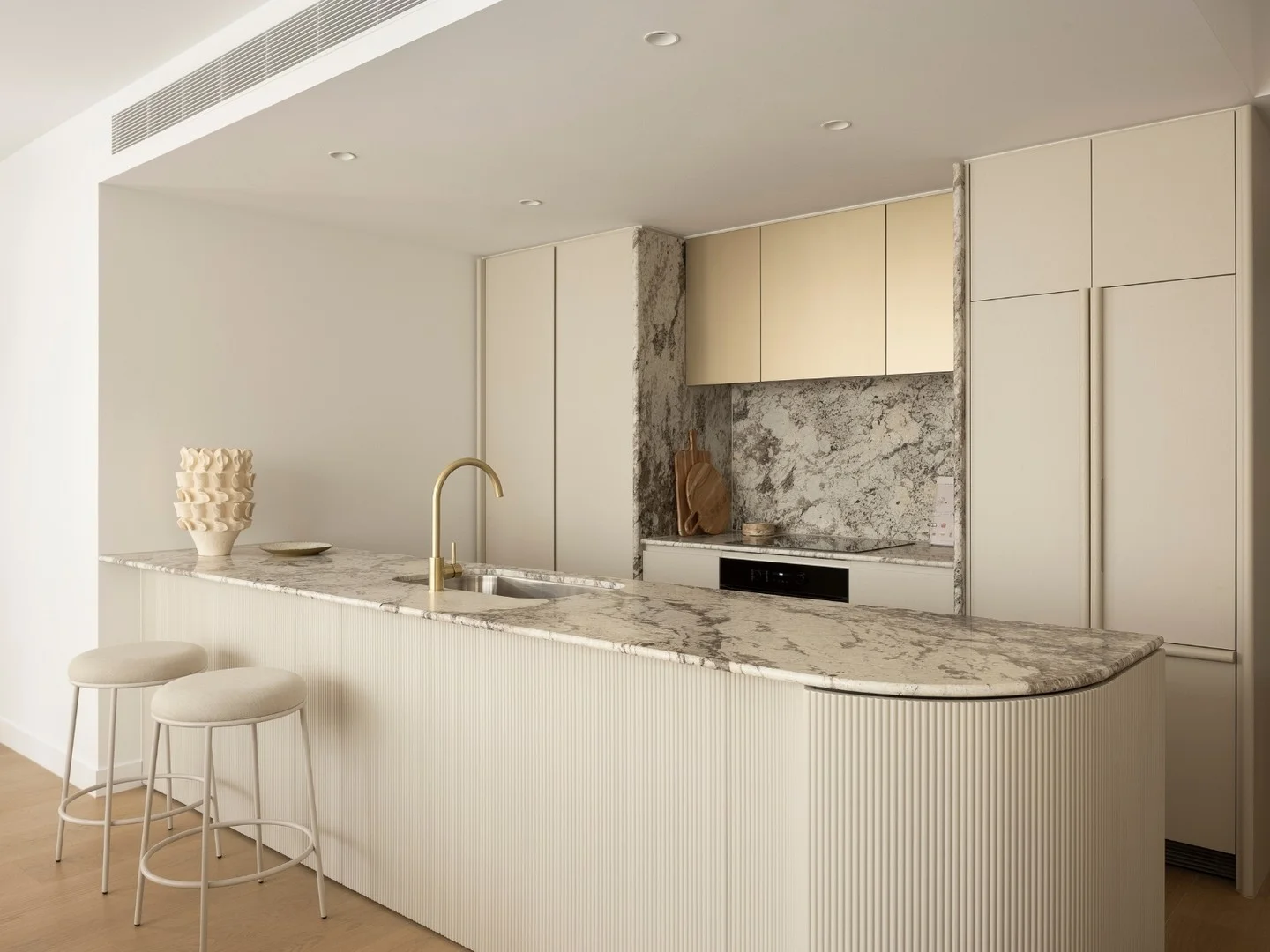 $1,345,000
Apartment / Unit / Flat
$1,345,000
Apartment / Unit / Flat


