Overview
1. Overview
Milpera State High School is a public high school in Chelmer, Queensland, with a strong focus on students who are newer to English and to Australian schooling. The school champions an inclusive, supportive learning environment that helps refugee and EAL students settle in, develop language skills, and transition to mainstream classes. It is a medium-sized school that emphasizes individual growth, cultural diversity, and community connection.
- School type: Public (state)
- School size: Medium
- Class size: Generally mid-range (roughly 18–25 students per class, depending on year level and program)
- Atmosphere/culture: Inclusive, diverse, supportive, language-rich
⸻
2. Academics & Learning
Milpera emphasizes language development and foundational academic skills alongside mainstream subject learning. The school’s strengths lie in English language support, literacy and numeracy development, and helping students transition into broader secondary coursework.
- Academic strengths: English language development, literacy foundations, numeracy, cross-cultural learning and leadership qualities
- Special programs: English as an Additional Language (EAL) support, bridging/transition programs to mainstream classes, targeted literacy and numeracy support; emphasis on inclusive education
- NAPLAN / trends: Positive progress in English literacy and numeracy for students in language-support programs; long-term trends show improving readiness for mainstream subjects as language skills strengthen
- Student-teacher ratios: Smaller or targeted groups for language support; overall classroom sizes typical of public Queensland high schools (roughly 1:12–1:22 for supported groups, with larger group sizes in other subjects)
- Support for diverse learners: Strong EAL support with dedicated staff; inclusive practices; additional support for students with additional learning needs (SEN) integrated into learning plans
⸻
3. Sports & Extracurricular Strengths
Sports and activities are important for a well-rounded school experience in Australia, and Milpera offers opportunities aligned to student interests and abilities.
- Sports offered: Football (soccer), basketball, rugby league, athletics, volleyball, and other school-based sports
- Strong teams or achievements: Participation in regional/interschool competitions; emphasis on participation, teamwork, and personal bests
- Music, arts, drama programs: School ensembles, music and drama opportunities, and performing arts activities
- Clubs: Robotics, coding, chess, debating, and other student clubs
- Partnerships: Partnerships with local clubs and community organizations; opportunities to participate in local competitions and showcases
⸻
4. Wellbeing & Pastoral Care
Wellbeing and pastoral support are central to the school experience, helping students feel safe, supported, and ready to learn.
- Anti-bullying approach: Clear anti-bullying policies and programs; proactive education and student support
- House system: A house or pastoral grouping structure is used to foster belonging, events, and peer support
- Counsellors / wellbeing officers: Access to school counsellors and wellbeing staff for personal, social, and academic concerns
- Transition support for new students: Orientation programs, buddy systems, and targeted support to help new arrivals settle into school life
⸻
5. Facilities
Milpera provides a range of up-to-date facilities to support learning and student life.
- Sports grounds
- Libraries
- Science labs
- Music/performing arts centers
- Tech/innovation labs
- Cafeteria
- Updated playgrounds
⸻
6. School Values & Community Culture
The school environment reflects a commitment to respect, inclusion, and achievement, with a culture that values every student’s background and contributions.
- School values / mission: Focus on respect, resilience, inclusion, and achievement; language-rich learning culture
- Leadership style: Student-centered and collaborative, with staff guidance and strong support for language learners
- Behaviour expectations: Clear code of conduct emphasizing respect, responsibility, and positive interactions
- Community reputation: Known for strong EAL support and inclusive education; active engagement with families and community groups
- Diversity & inclusion: High emphasis on cultural diversity and inclusive practices; welcoming to new arrivals and families
⸻
7. School Logistics & Daily Operations
Practical daily operations help families plan around school life.
- School hours: Typically around 8:30 am–3:00 pm (subject to alignment with Queensland school timetables)
- Before/after school care: OSHC or community-based care options may be available for before/after school hours
- Uniform requirements: Official school uniform required (with seasonal options as provided by the school)
- Transport (train/bus routes): Bus routes and public transport options serve the area; details provided by the school or local transit authority
- Canteen availability: Canteen or canteen services available on site
- Fees (low/medium/high ranges): Public high schools generally have low to moderate voluntary contributions for activities and excursions; additional costs may apply for specific programs or activities
⸻
8. Enrolment & Admissions
11. What is the enrolment process and timeline?
- Start by submitting the appropriate enrolment forms through the Queensland Department of Education for your preferred school zone. You may need to provide proof of identity, residency, and immunisation status. For students requiring EAL support, the school will arrange or conduct language assessments and planning discussions to place them in suitable programs. After submission, you’ll be contacted for further steps and a possible intake date. Timelines vary by term and space, so it’s best to start early and confirm with the school.
12. Is there a waiting list, and how does it work?
- Waiting lists can occur if capacity is reached for particular programs or year levels. If placed on a waiting list, you’ll receive guidance on expected timelines and steps to secure a position when space becomes available.
13. Are there any entry requirements, tests, or interviews?
- Generally, there is no selective entrance exam for Milpera. Some entry processes may include language assessments to determine the level of EAL support needed, as well as standard school enrolment documentation. Interviews are not typically required, but admissions teams may conduct discussions to understand student needs.
14. Does the school accept mid-year transfers?
- Yes, mid-year transfers are considered, subject to space and program availability. Prospective families should contact the school early to discuss options and arrange the necessary documentation.
⸻
9. Frequently Asked Questions
- Why Parents Choose This School?
- Parents choose Milpera for its unique focus on English language learners and refugees, strong EAL support, inclusive culture, and pathways to mainstream schooling.
- What type of student thrives at this school?
- Students who are new to English or come from diverse backgrounds benefit most, especially those who need focused language development and transition support.
- What opportunities are available for students to extend their skills (academics, sports, arts)?
- Academic support and language development programs; clubs like robotics, coding, chess, and debating; sports teams; music and performing arts opportunities; and involvement in regional competitions.
- How does the school communicate with parents?
- Through newsletters, emails, school apps or portals, parent-teacher interviews, notices, and regular updates from teachers and the administration.
- What is the school’s approach to teaching and learning?
- A student-centered, language-supportive approach that integrates EAL with mainstream subjects, with emphasis on practical literacy, numeracy, and inclusive learning experiences.
- How does the school support students who need extra academic help?
- Targeted EAL support, small-group or one-on-one tutoring, learning support teams, and coordinated plans with teachers and families.
- What support is available for academic challenges?
- EAL specialists, learning support staff, mentoring, and access to academic planning and progress monitoring.
- How does the school communicate with parents?
- See above; multiple channels including digital platforms, newsletters, and direct contact with teachers.
- What are the class sizes and how much individual attention do students receive?
- Class sizes are typical for public high schools and vary by year and program. Students in language-support groups generally receive more individualized attention through dedicated EAL staff and smaller group sessions.
- What extracurricular and sports opportunities are available?
- A range of sports (e.g., soccer, basketball, athletics), plus clubs such as robotics, coding, chess, debating, and music/drama activities.
- What facilities does the school offer (sports, science, arts)?
- Sports grounds, libraries, science labs, music/performing arts spaces, tech/innovation labs, canteen, and well-kept playgrounds.
- What is the school’s approach to technology and digital learning?
- Emphasis on digital literacy and integration of technology into learning; use of school platforms and tools to support language development and subject learning.
- What transport and accessibility options are available?
- Access to local bus routes and public transport; school facilities designed for accessibility; information provided by the school and local transport authorities.
- What are the typical school fees or additional costs?
- Public high schools have low to moderate compulsory contributions; additional costs may arise for excursions, activities, or specific programs.
⸻
10. Short Pros & Cons list
Pros
- Strong EAL and language-support focus
- Inclusive, diverse, and welcoming community
- Small-to-medium class/group sizes in language-supported learning
- Wide range of clubs and extracurricular activities
- Dedicated wellbeing and pastoral support
- Opportunities to transition into mainstream study with solid support
Cons
- Primary focus on language support may mean fewer resources for some niche academic tracks
- Campus size and program availability may limit some speciality options at any given time
- Mid-year transfers depend on space and program capacity
⸻






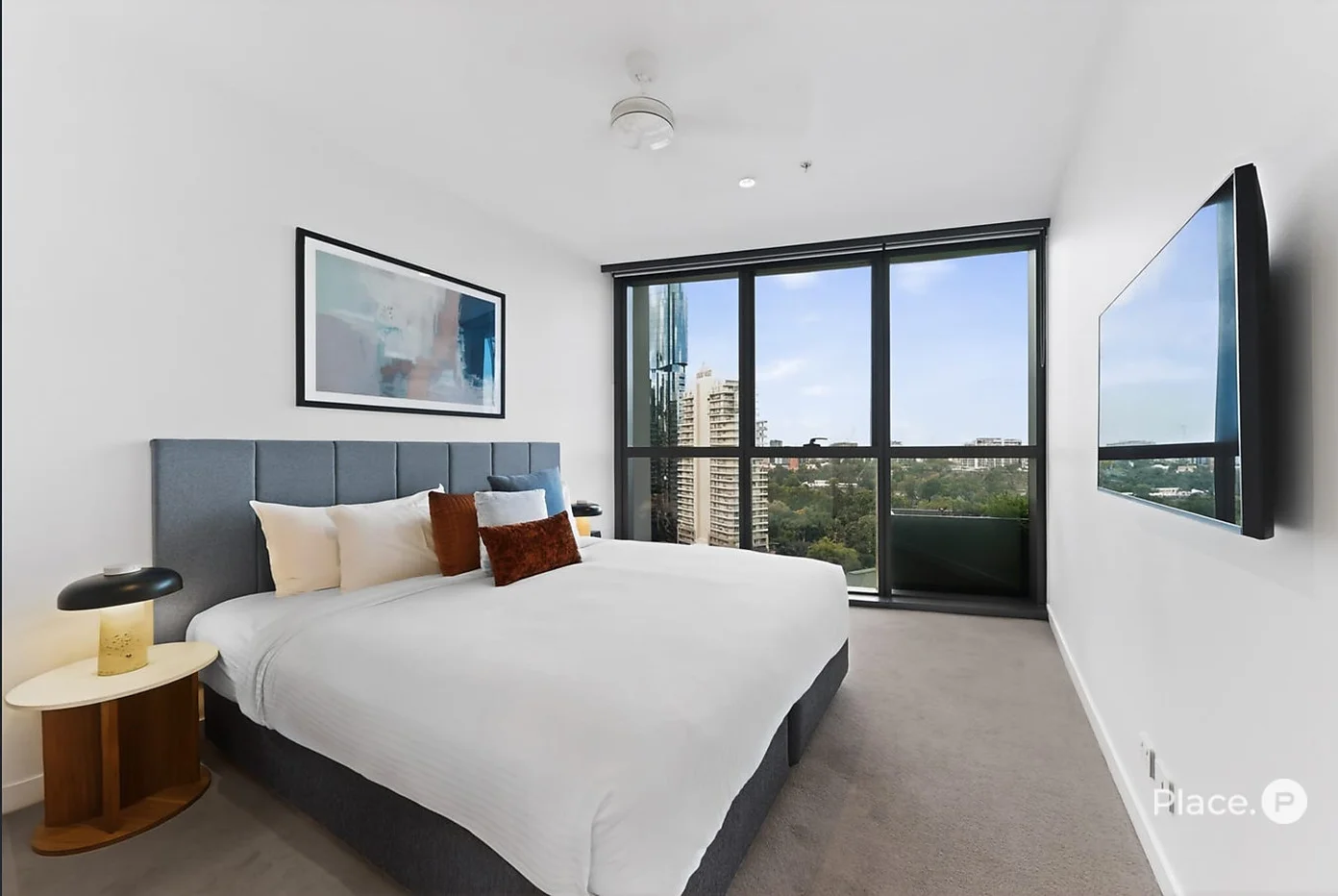 $770,000
Apartment / Unit / Flat
$770,000
Apartment / Unit / Flat
 $550,000
Apartment / Unit / Flat
$550,000
Apartment / Unit / Flat
 $1,475,000 - $2,090,000
propertyType.NEW APARTMENTS / OFF THE PLAN
$1,475,000 - $2,090,000
propertyType.NEW APARTMENTS / OFF THE PLAN
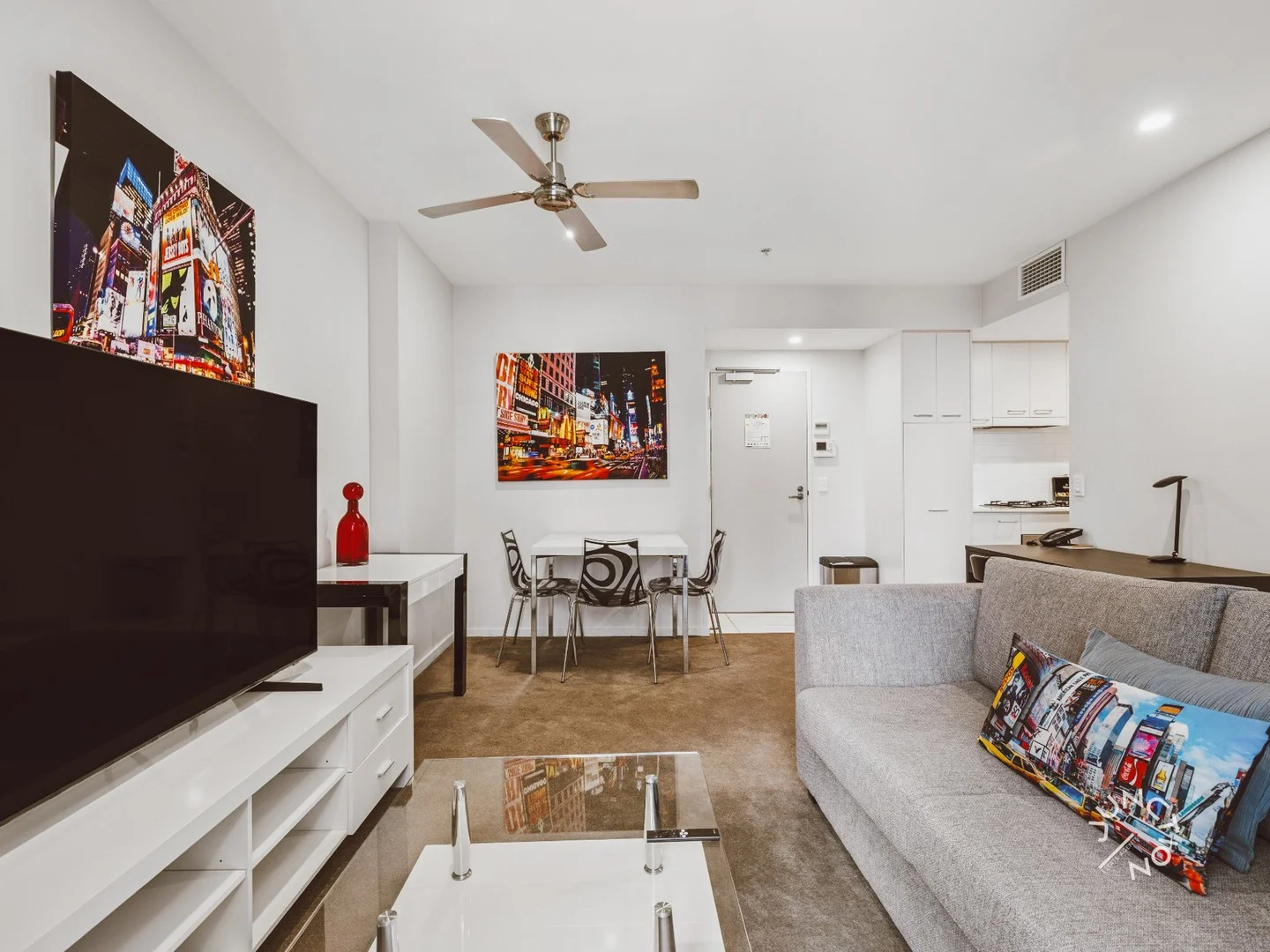 $523,200 - $566,800
Apartment / Unit / Flat
$523,200 - $566,800
Apartment / Unit / Flat
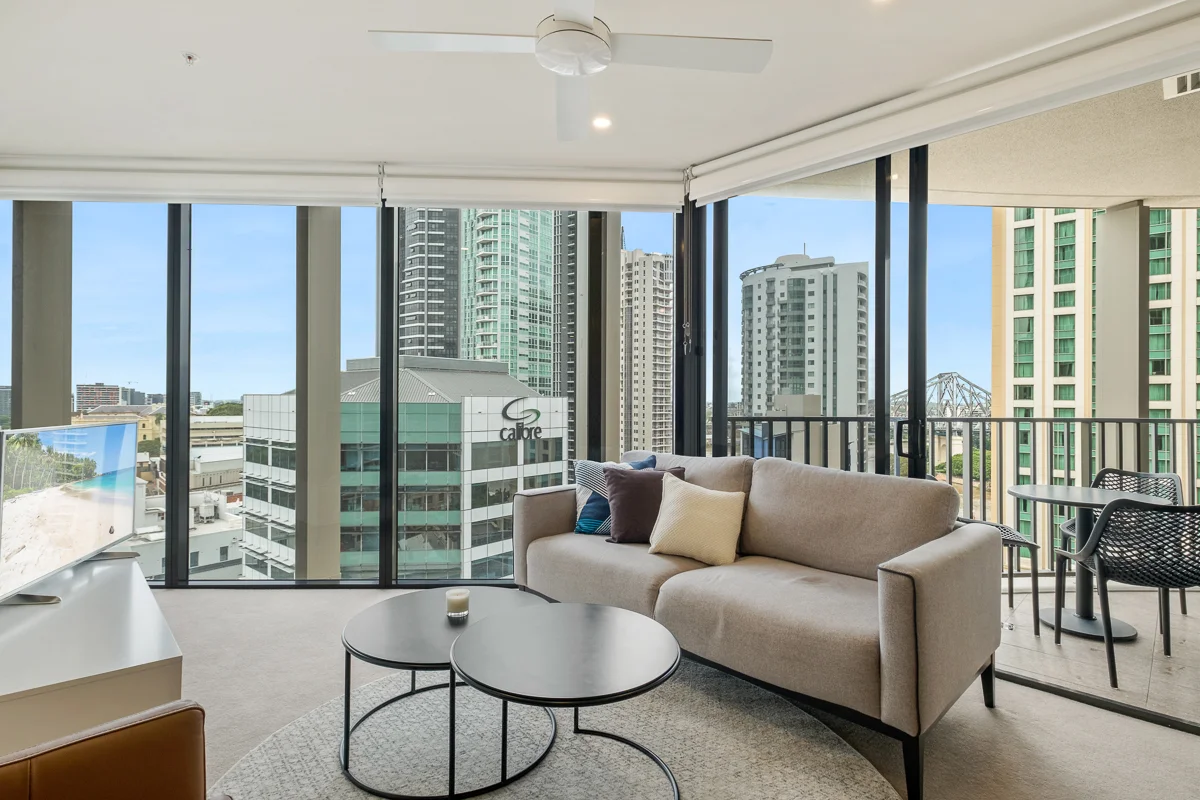 $950,000
Apartment / Unit / Flat
$950,000
Apartment / Unit / Flat
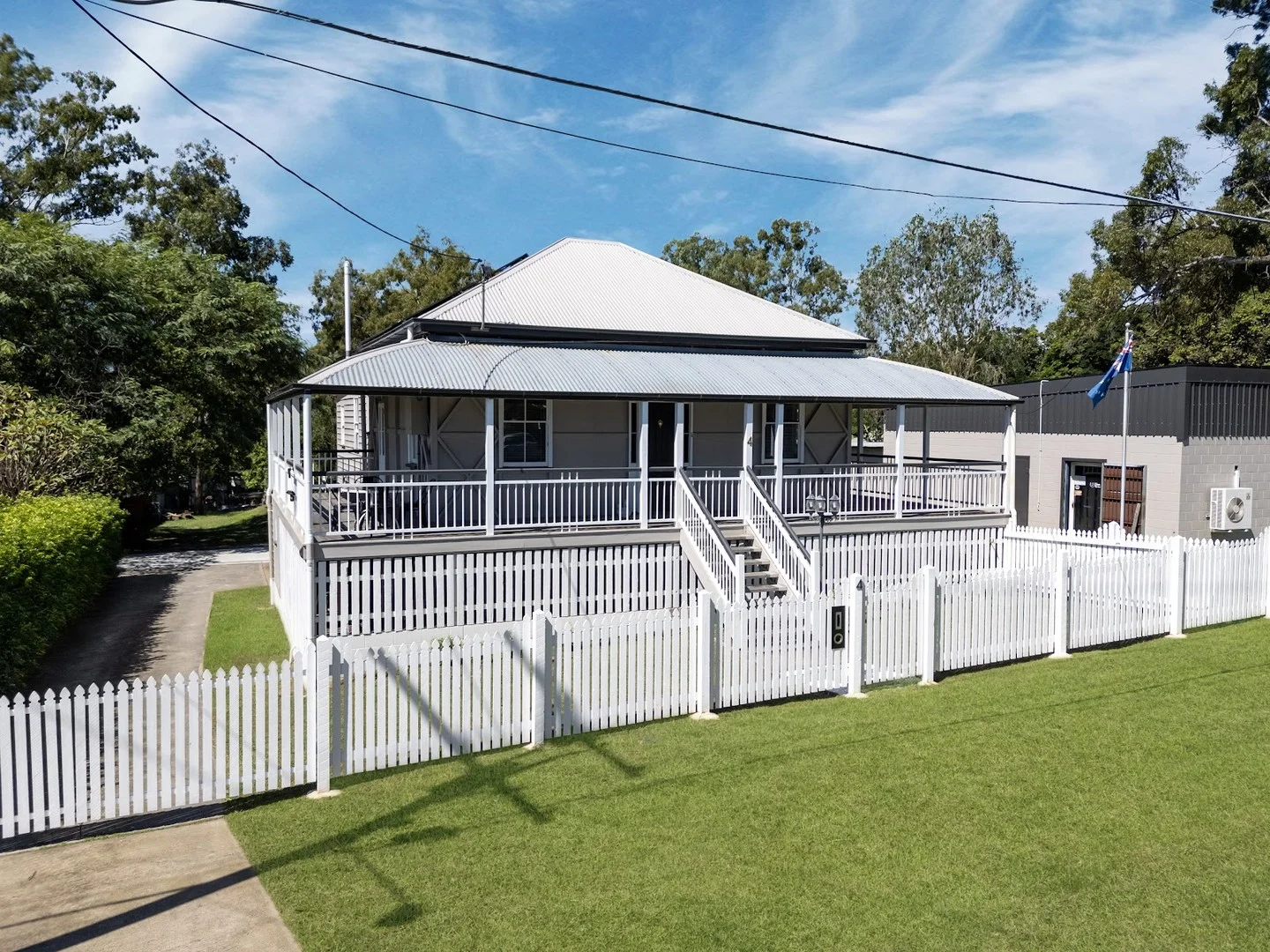 $1,700,000
House
$1,700,000
House