## 1. Overview
St Peters Lutheran College – Indooroopilly is an independent, private Lutheran school that offers co-educational education across the full range from early years through to senior secondary. It is a large, established Brisbane campus with a broad student community and a strong emphasis on values-based education, service, and community. The day-school environment combines academic expectations with supportive pastoral care, aimed at helping students develop academically, socially and personally.
Class sizes are typically in the low-to-mid 20s in many year levels, with smaller groups in the junior years to support individual attention. The atmosphere is generally described as inclusive and community-minded, balancing high academic expectations with a nurturing, student-centered culture that supports wellbeing, arts and sport alongside core academics.
⸻
## 2. Academics & Learning
- Academic strengths: Strong programs across STEM, English, languages and humanities, with opportunities to develop leadership and analytical thinking through a broad curriculum and co-curricular activities.
- Special programs: Accessible extension and accelerated-learning options, leadership development tracks, and a range of co-curricular opportunities that augment classroom learning.
- NAPLAN / trends: Consistently strong performance relative to state averages with positive trends in literacy and numeracy over recent years, reflecting ongoing emphasis on high-quality teaching and learning.
- Student-teacher ratios: Favourable ratios that support more personalised feedback and support, with smaller class sizes in the junior years and a focus on individual progress.
- Support for diverse learners: EAL support, learning support for students with diverse learning needs, and access to specialist staff to assist varied learners.
⸻
## 3. Sports & Extracurricular Strengths
- Sports offered: A comprehensive range including rugby/ football (soccer), cricket, netball, basketball, tennis, swimming, athletics and other team activities.
- Strong teams or achievements: Competitive inter-school teams with regional achievements across key sports and ongoing opportunities to participate in major school-level championships.
- Music, arts, drama programs: Robust music program with ensembles, orchestras and performances; strong performing arts and drama offerings with regular productions.
- Clubs: Robotics, chess, coding, debating and other student-led clubs to develop skills beyond the classroom.
- Partnerships: Participation in inter-school competitions and partnerships with local clubs and organisations to broaden opportunities in sport, arts and competitions.
⸻
## 4. Wellbeing & Pastoral Care
- Anti-bullying approach: Clear anti-bullying policies and proactive wellbeing programs designed to foster respectful relationships and a safe school climate.
- House system: A house-based pastoral framework to promote belonging, mentoring and healthy competition in a supportive environment.
- Counsellors / wellbeing officers: Access to school counsellors and wellbeing staff who oversee student mental health, resilience and wellbeing programs.
- Transition support for new students: Structured orientation, buddy systems and transitional supports to help new students settle in smoothly.
⸻
## 5. Facilities
- Sports grounds
- Libraries
- Science labs
- Music/performing arts centers
- Tech/innovation labs
- Cafeteria
- Updated playgrounds
- Auditorium and additional performance spaces
Facilities are designed to be visually engaging and age-appropriate, supporting hands-on learning, creativity and physical activity across year levels.
⸻
## 6. School Values & Community Culture
- School values / mission: A values-based education built on integrity, compassion, service and respect, with a focus on developing responsible and caring global citizens.
- Leadership style: Collaborative and student-centered, with opportunities for student leadership and involvement in school decision-making through councils and committees.
- Behaviour expectations: Clear expectations grounded in respect, responsibility and positive conduct; consistent enforcement and supportive staff guidance.
- Community reputation: Known for a family-friendly, welcoming culture with active engagement from parents and carers and a strong sense of community.
- Diversity & inclusion: A commitment to inclusive practices and welcoming students from diverse backgrounds and needs.
⸻
## 7. School Logistics & Daily Operations
- School hours: Follows a standard Queensland school day with defined start and finish times typical of a day-school schedule.
- Before/after school care: Available to support families requiring early drop-offs or after-school care.
- Uniform requirements: Clear uniform guidelines with seasonal changes; sport and formal uniforms available; school-branded attire via a uniform shop.
- Transport (bus routes): School-operated or partner transport options available, with common Brisbane-area routes to support commuting families.
- Canteen availability: On-site canteen offering a range of meals and snacks.
- Fees (low/medium/high ranges): Positioned in the higher range typical of independent private schools; scholarships or concessions may be available for eligible families.
⸻
## 8. Enrolment & Admissions
11. What is the enrolment process and timeline?
- Submit an application with the required documents.
- Complete any age- or year-level appropriate assessments or interviews.
- Attend an information session or campus visit if offered.
- Receive a suitability/offer decision and follow the enrollment steps (verification, placement, orientation).
12. Is there a waiting list, and how does it work?
- Waiting lists can occur for some year levels or popular intake years. Placement often considers year level balance, available spaces, and siblings or priority considerations.
13. Are there any entry requirements, tests, or interviews?
- Entry typically involves an application, interview, and possibly tests or assessments relevant to age/level, along with documentation such as previous reports or references.
14. Does the school accept mid-year transfers?
- Yes, mid-year transfers are considered where space is available, subject to the standard admissions process and readiness for the new year level.
⸻
## 9. Frequently Asked Questions
- Why Parents Choose This School?
- Families value a values-based, holistic education that combines strong academics with pastoral care, sport, arts and community involvement, delivered in a supportive, inclusive environment.
- What type of student thrives at this school?
- Students who are motivated, cooperative, engaged in both academics and co-curriculars, and who value a community-oriented, respectful learning culture.
- What opportunities are available for students to extend their skills (academics, sports, arts)?
- Access to extension and leadership programs, a wide range of sports teams, robust music and performing arts opportunities, robotics, coding, debating and other clubs.
- How does the school communicate with parents?
- Regular newsletters, parent portals, scheduled parent-teacher meetings and opportunities to engage with staff and leadership.
- What is the school’s approach to teaching and learning?
- A student-centered, curriculum-led approach that integrates inquiry, critical thinking, and digital learning, with emphasis on applying knowledge to real-world contexts.
- How does the school support students who need extra academic help?
- Targeted learning support, EAL services, access to specialists and pastoral staff to support academic progress and wellbeing.
- What support is available for academic challenges?
- Early identification, tailored intervention plans, tutoring or in-class support, and ongoing progress monitoring.
- How does the school communicate with parents? (Note: see above; returns a consistent parent-facing communication channel.)
- What are the class sizes and how much individual attention do students receive?
- Class sizes are generally in the low-to-mid 20s, with smaller groups in the early years and frequent teacher feedback to support individual progress.
- What extracurricular and sports opportunities are available?
- A broad menu of sports (team and individual), music and drama programs, and clubs such as robotics, chess, coding and debating.
- What facilities does the school offer (sports, science, arts)?
- Modern facilities across sports grounds, libraries, science labs, performing arts centers, tech labs, cafeterias and creative spaces.
- What is the school’s approach to technology and digital learning?
- Integrated technology across the curriculum with digital tools to support learning, collaboration and responsible use.
- What transport and accessibility options are available?
- Bus routes and school transport options, plus accessible facilities and convenient drop-off points as part of daily operations.
- What are the typical school fees or additional costs?
- Fees are in the higher range for private independent schooling; details are provided through the admissions team, with potential scholarships or concessions available.
⸻
## 10. Short Pros & Cons list
- Pros
- Independent Lutheran school with a values-based, supportive culture
- Strong academic program across year groups
- Broad range of co-curriculars (sport, arts, clubs)
- Comprehensive wellbeing and pastoral care
- Modern facilities and resources
- Cons
- Private school fees; higher cost relative to public options
- Large campus can feel busy at peak times
- Selection processes can be competitive for popular year levels
⸻






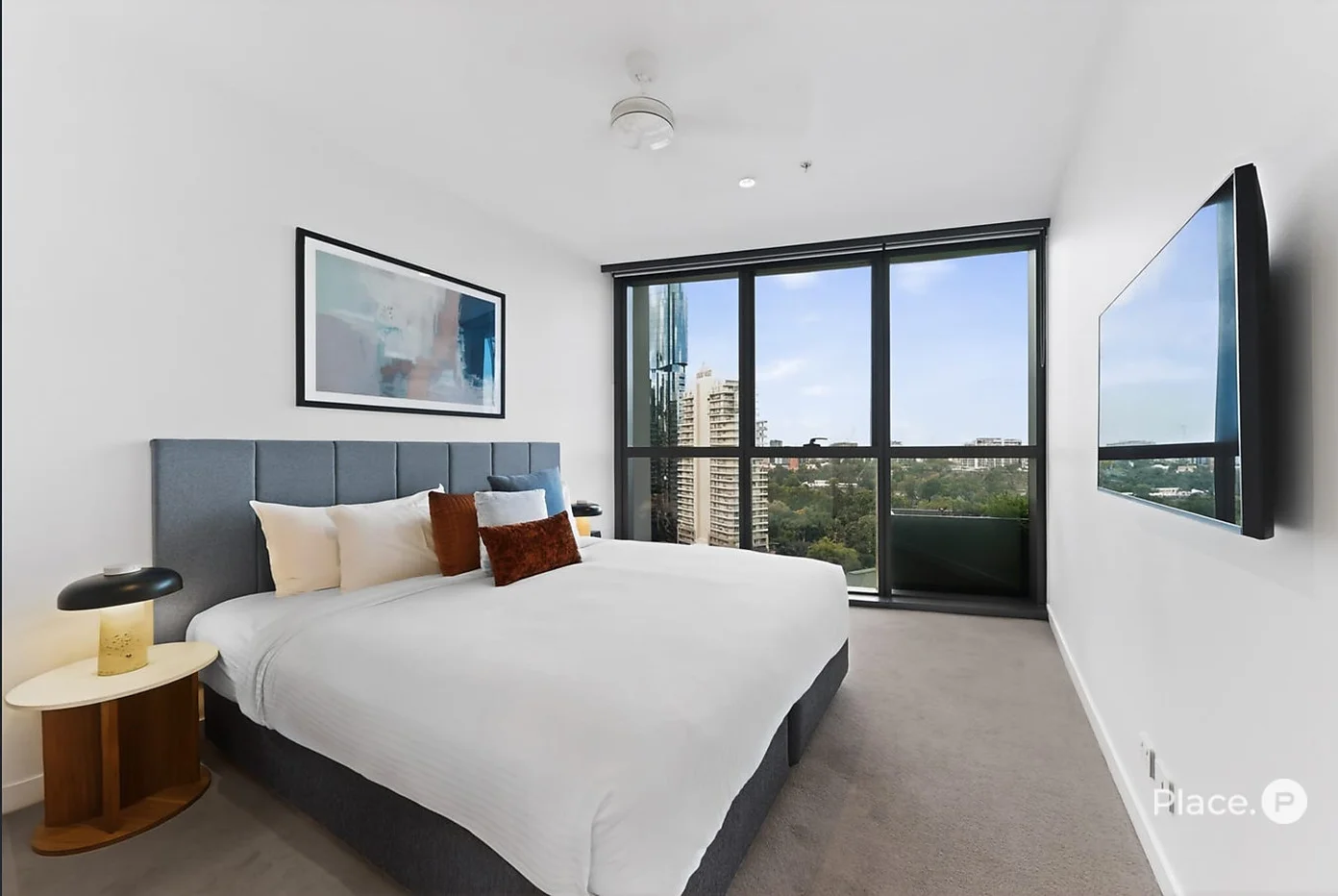 $770,000
Apartment / Unit / Flat
$770,000
Apartment / Unit / Flat
 $550,000
Apartment / Unit / Flat
$550,000
Apartment / Unit / Flat
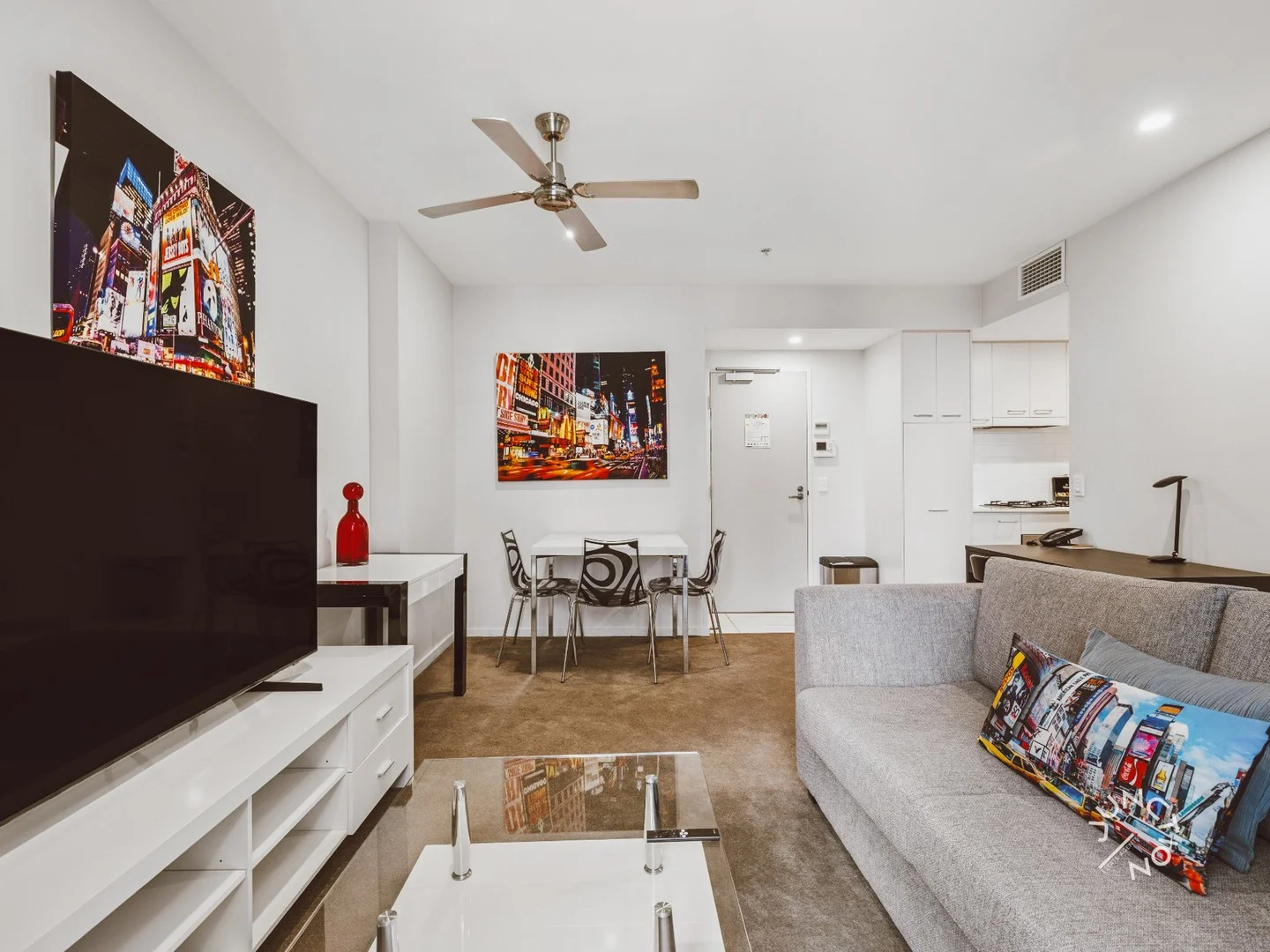 $523,200 - $566,800
Apartment / Unit / Flat
$523,200 - $566,800
Apartment / Unit / Flat
 $1,475,000 - $2,090,000
propertyType.NEW APARTMENTS / OFF THE PLAN
$1,475,000 - $2,090,000
propertyType.NEW APARTMENTS / OFF THE PLAN
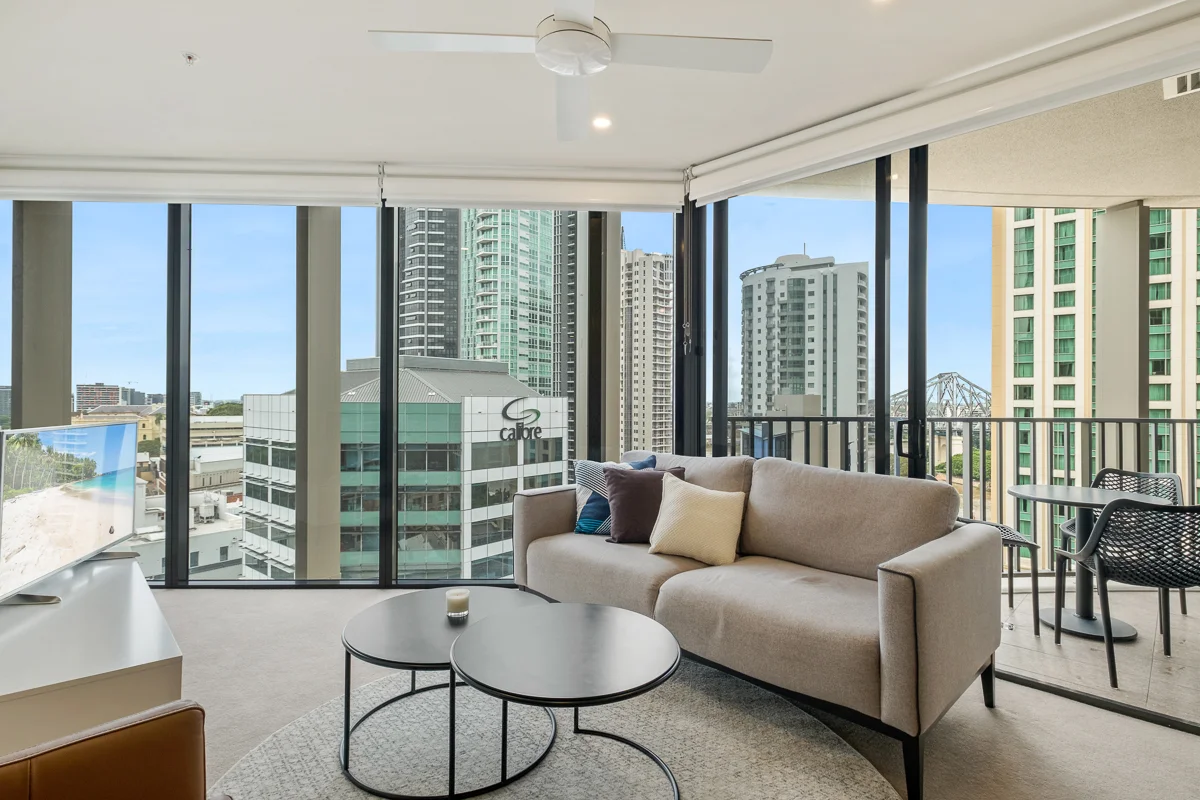 $950,000
Apartment / Unit / Flat
$950,000
Apartment / Unit / Flat