## 1. Overview
Brigidine College, Indooroopilly is a private Catholic girls’ secondary school serving Years 7–12. It offers a values-based, independent education with a focus on academic excellence, service, and community. The school is medium-sized, fostering a close-knit environment where class sizes typically sit around 20–25 students, enabling more individual attention within a supportive, inclusive culture.
The college combines strong academic expectations with a nurturing atmosphere. Students are encouraged to grow academically while developing leadership, resilience, and a commitment to service—attributes that contribute to a respectful, collaborative school culture.
⸻
## 2. Academics & Learning
- Academic strengths: Strong focus across English, the sciences, mathematics, and humanities, with an emphasis on developing critical thinking and literacy. Leadership development and language study are integral parts of the curriculum.
- Special programs: Leadership pathways, opportunities for gifted/talented learners, and access to enrichment activities that complement core subjects.
- NAPLAN trends: Historically steady performance with periods of improvement in key strands, reflecting ongoing curricular support and targeted student assistance.
- Student-teacher ratios: Generally favourable, with small-to-medium class sizes allowing more individualized guidance (typical ranges around 1:12 to 1:18).
- Support for diverse learners: Dedicated learning support, EAL (English as an Additional Language) assistance, and SEN (Special Education Needs) resources to help students access the curriculum and succeed.
⸻
## 3. Sports & Extracurricular Strengths
- Sports offered: Netball, Basketball, Soccer, Hockey, Tennis, Athletics, Swimming, and other court or field-based activities.
- Strong teams or achievements: Competitive inter-school representation with notable participation in regional events and ongoing development of athletic prowess.
- Music, arts, drama programs: Active music ensembles, choirs, and drama productions that provide performance opportunities throughout the year.
- Clubs: Robotics, Chess, Coding, Debating, and other clubs that support logical thinking, strategy, and public speaking.
- Partnerships: Engagement with local clubs, competitions, and inter-school events that extend opportunities beyond the campus.
⸻
## 4. Wellbeing & Pastoral Care
- Anti-bullying approach: Proactive anti-bullying policies and a culture that promotes respect, safety, and inclusion.
- House system: A traditional house structure to foster belonging, mentorship, and friendly competition across year levels.
- Counsellors / wellbeing officers: On-site wellbeing staff and access to school counsellors to support mental health and personal development.
- Transition support for new students: Orientation programs, buddy systems, and targeted transition supports to help new students settle in smoothly.
⸻
## 5. Facilities
- Sports grounds
- Libraries
- Science labs
- Music/performing arts centers
- Tech/innovation labs
- Cafeteria
- Updated playgrounds
The campus emphasizes a balanced environment that supports STEM, arts, movement, and social development, with spaces designed to be flexible for teaching and collaboration.
⸻
## 6. School Values & Community Culture
- School values / mission: Catholic identity with an emphasis on service, leadership, integrity, and inclusion.
- Leadership style: Collaborative and student-informed, with opportunities for student voice in governance and activities.
- Behaviour expectations: Respect, responsibility, and fair play are encouraged across all settings.
- Community reputation: Known for a welcoming, supportive community that values academic effort and social contribution.
- Diversity & inclusion: Commitment to diversity and inclusive practices, with supports in place for students from varied backgrounds.
⸻
## 7. School Logistics & Daily Operations
- School hours: Typically starting in the morning around 8:00–8:30 and finishing in the mid-to-late afternoon (around 3:00–3:30), with variations by year level.
- Before/after school care: Available to support families with early drop-offs or after-school needs.
- Uniform requirements: Formal school uniform for everyday classes, with separate sports uniform for physical education and games.
- Transport (train/bus routes): Access to public transport options and school-supplied or coordinated bus routes; convenient links to local train and bus networks.
- Canteen availability: On-site canteen or approved lunch facilities providing meal and snack options.
- Fees (low/medium/high ranges): Fees are in the mid-to-high range for independent Catholic secondary schools in Brisbane; exact costs vary by year level and program.
⸻
## 8. Enrolment & Admissions
11. What is the enrolment process and timeline?
- Application submitted with supporting documents, information evenings or tours, and family interviews. Depending on the year level, there is often a sequence of assessment steps and notification of offers within a defined calendar timeline.
12. Is there a waiting list, and how does it work?
- Yes, there may be a waiting list depending on vacancies. The list is managed by the school, with offers made as spaces become available and priority considerations given to factors such as sibling preferences and parish/catholic community ties.
13. Are there any entry requirements, tests, or interviews?
- Typically includes an interview and may require assessments or testing as part of the application. There may be considerations related to faith alignment and overall fit with the school’s values and needs. Scholarships or academic tests may also apply for some applicants.
14. Does the school accept mid-year transfers?
- Yes, subject to vacancy and meeting entry requirements. Mid-year transfers are considered where space allows and admissions criteria are satisfied.
⸻
## 9. Frequently Ask Questions
- Why Parents Choose This School?
- Parents select Brigidine College for its Catholic identity, strong academics, supportive community, and emphasis on service and leadership.
- What type of student thrives at this school?
- A motivated, values-driven student who participates in class, clubs, and community service tends to thrive, alongside those who appreciate a caring, structured environment.
- What opportunities are available for students to extend their skills (academics, sports, arts)?
- Access to advanced subjects or enrichment in STEM and humanities, leadership opportunities, sports teams, performing arts, and clubs such as robotics, coding, chess, and debating.
- How does the school communicate with parents?
- Through newsletters, emails, parent portals, information evenings, and scheduled parent-teacher meetings, with ongoing updates as needed.
- What is the school’s approach to teaching and learning?
- A student-centered, differentiated approach that leverages digital tools, collaborative learning, and practical applications to build understanding.
- How does the school support students who need extra academic help?
- Learning support teams, targeted tutoring, EAL support, and access to accommodations or extensions as appropriate.
- What support is available for academic challenges?
- Access to counsellors, study-skills programs, and individualized planning to address challenges and keep students on track.
- How does the school communicate with parents? (repeated)
- See above: regular updates via multiple channels and structured parent-teacher interactions.
- What are the class sizes and how much individual attention do students receive?
- Typical class sizes around 20–25 students, with teachers able to provide more individual guidance and timely feedback.
- What extracurricular and sports opportunities are available?
- A broad range of sports, music ensembles, drama productions, robotics, debating, coding clubs, and other enrichment activities.
- What facilities does the school offer (sports, science, arts)?
- Comprehensive facilities including sports grounds, libraries, science labs, performing arts spaces, tech/innovation labs, a canteen, and well-maintained play areas.
- What is the school’s approach to technology and digital learning?
- Integrated ICT across the curriculum, with teaching using digital tools, learning platforms, and a focus on digital literacy.
- What transport and accessibility options are available?
- Accessible transport options, including bus routes and proximity to train networks, along with coordinated drop-off/pick-up arrangements.
- What are typical school fees or additional costs?
- Fees are mid-to-high range for the sector, with additional costs for uniforms, activities, camps, and excursions that may apply.
⸻
## 10. Short Pros & Cons list
- Pros
- Catholic, values-driven independent education
- Medium-sized, supportive, and inclusive community
- Strong academics with broad subject offerings
- Robust wellbeing, pastoral care, and student support
- Wide range of extracurriculars, sports, arts, and clubs
- Modern facilities and well-integrated technology
- Cons
- Fees are higher than public options
- Limited co-educational exposure for boys (school is girls’ only)
- Competitive environment may require effort to balance academics and activities
- Availability of some specialist programs may vary year to year
⸻








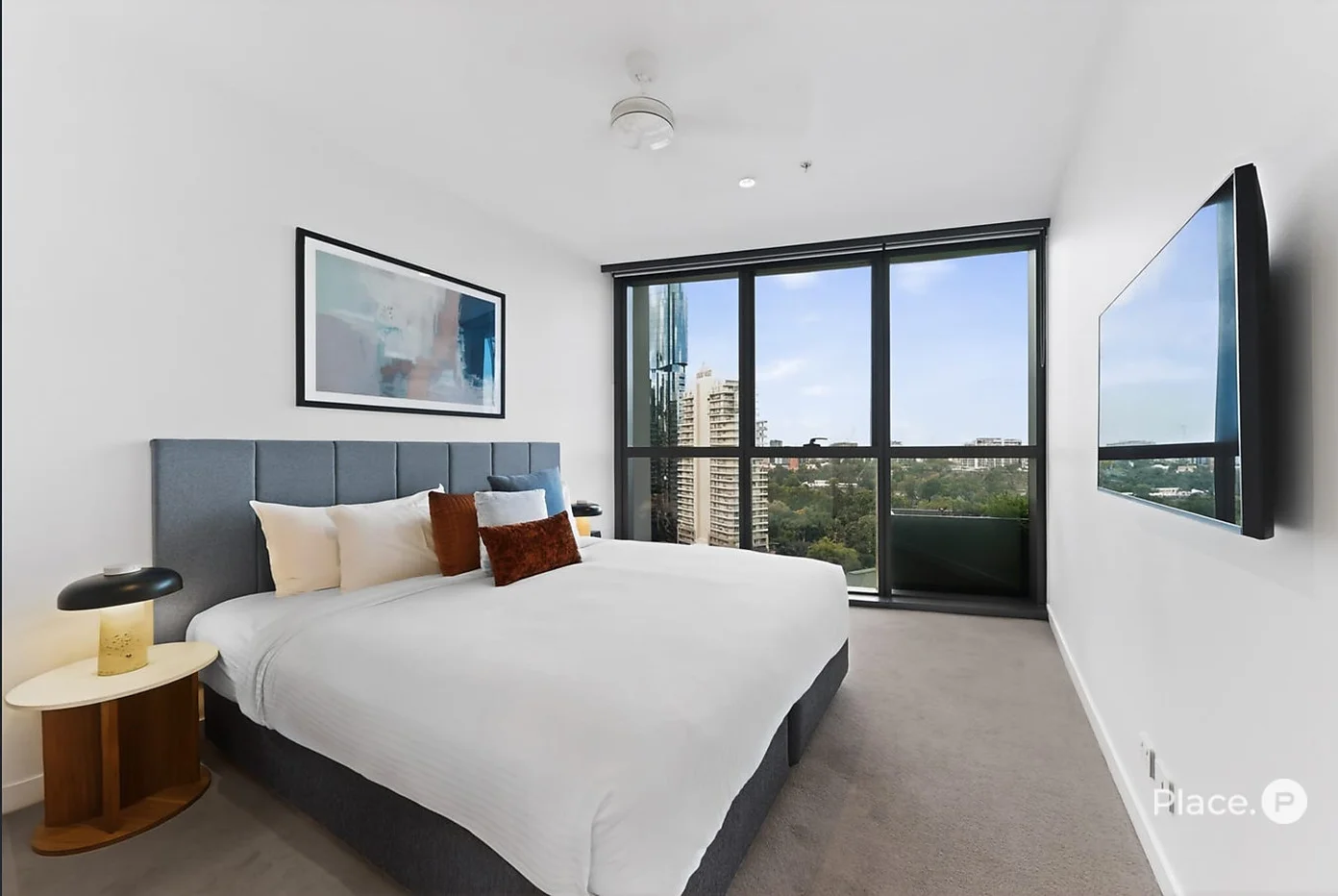 $770,000
Apartment / Unit / Flat
$770,000
Apartment / Unit / Flat
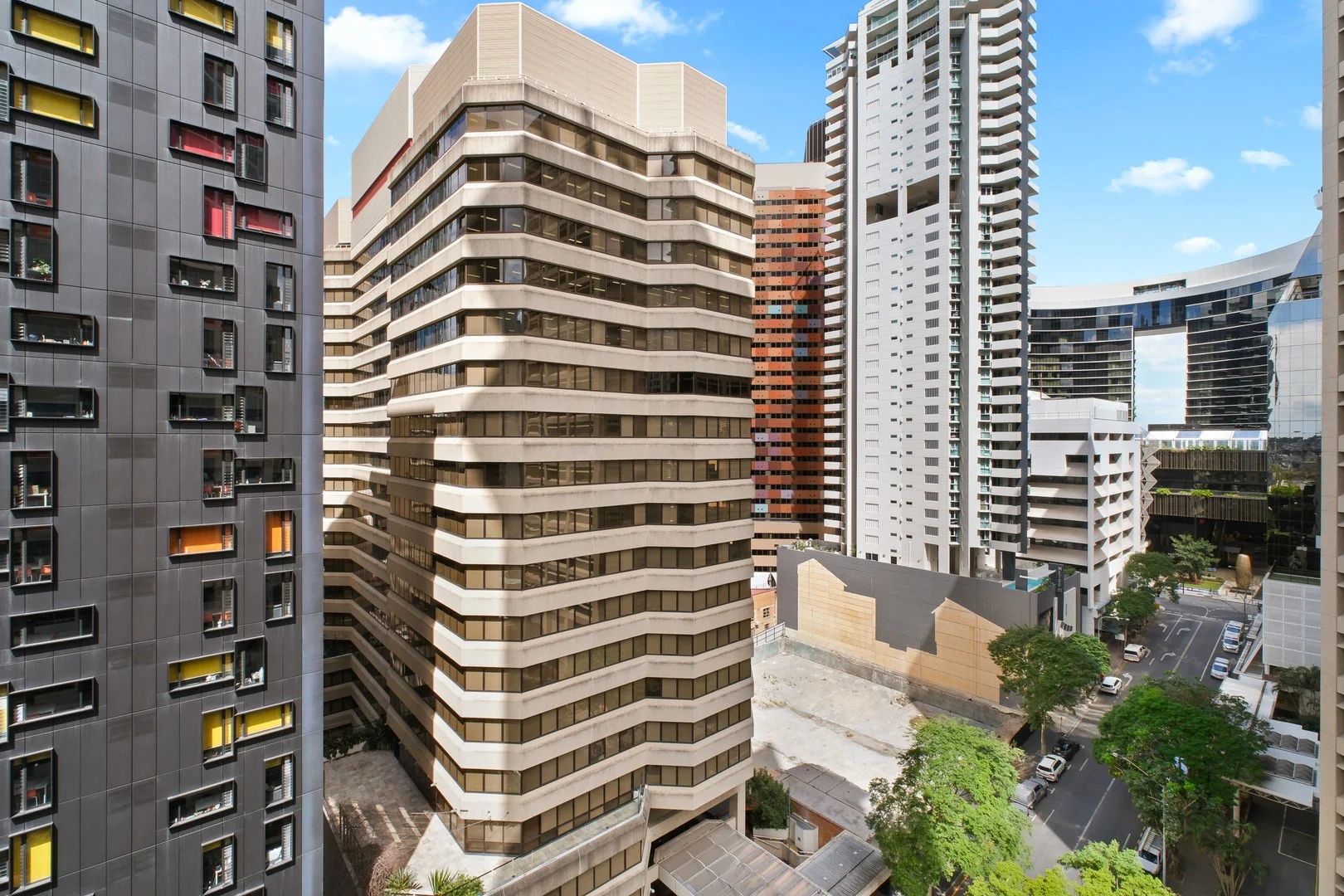 $550,000
Apartment / Unit / Flat
$550,000
Apartment / Unit / Flat
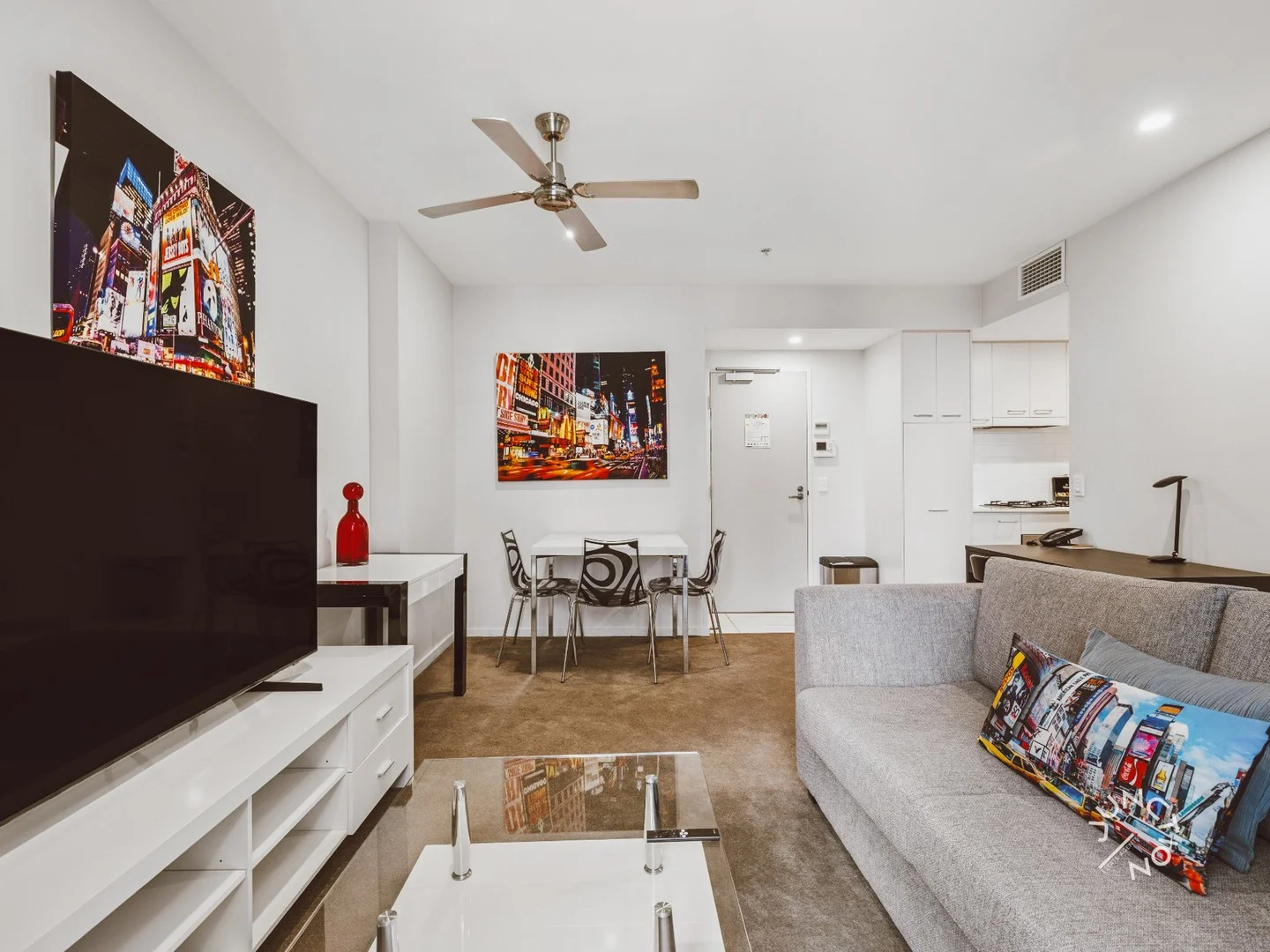 $523,200 - $566,800
Apartment / Unit / Flat
$523,200 - $566,800
Apartment / Unit / Flat
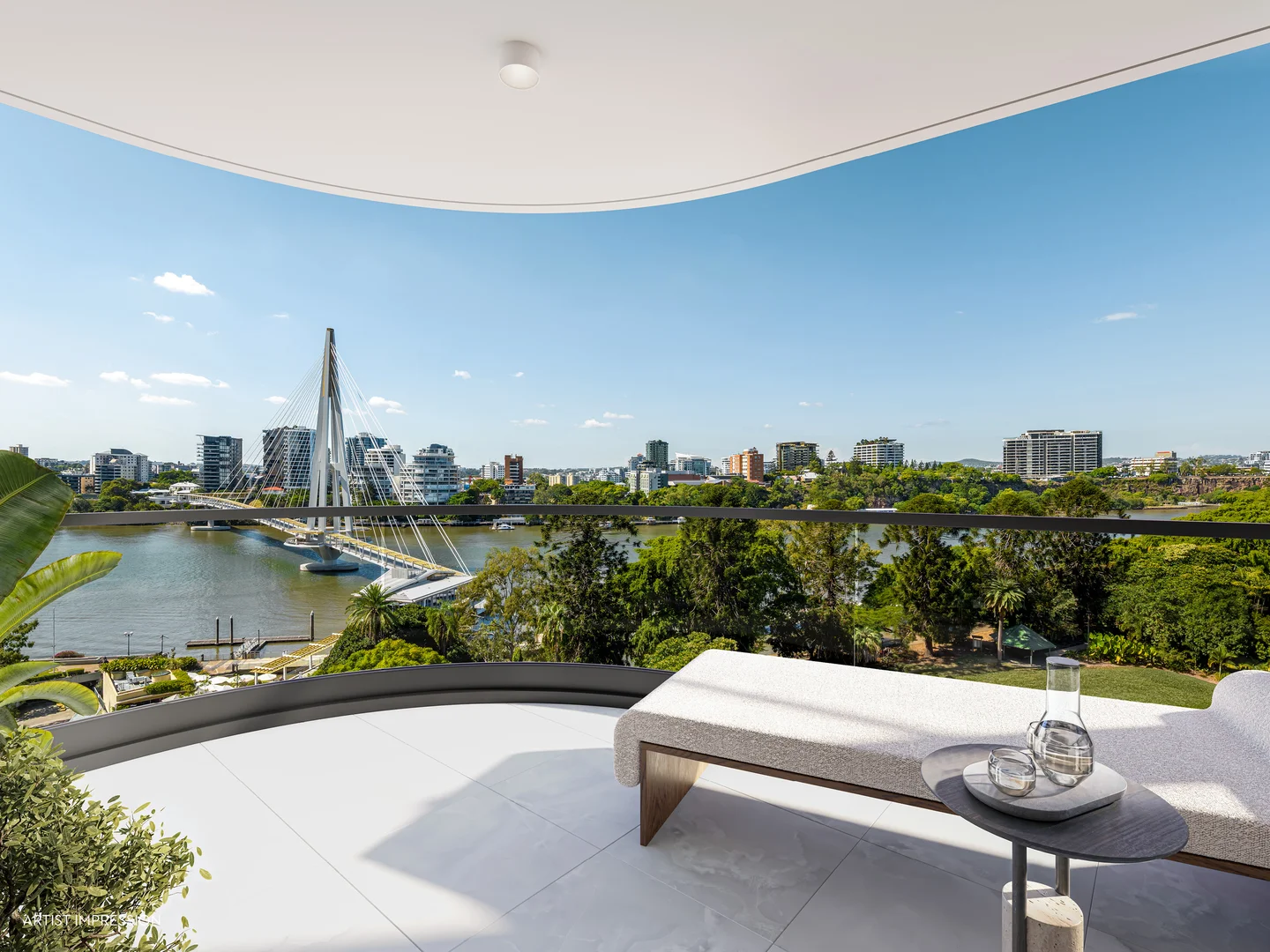 $1,475,000 - $2,090,000
propertyType.NEW APARTMENTS / OFF THE PLAN
$1,475,000 - $2,090,000
propertyType.NEW APARTMENTS / OFF THE PLAN
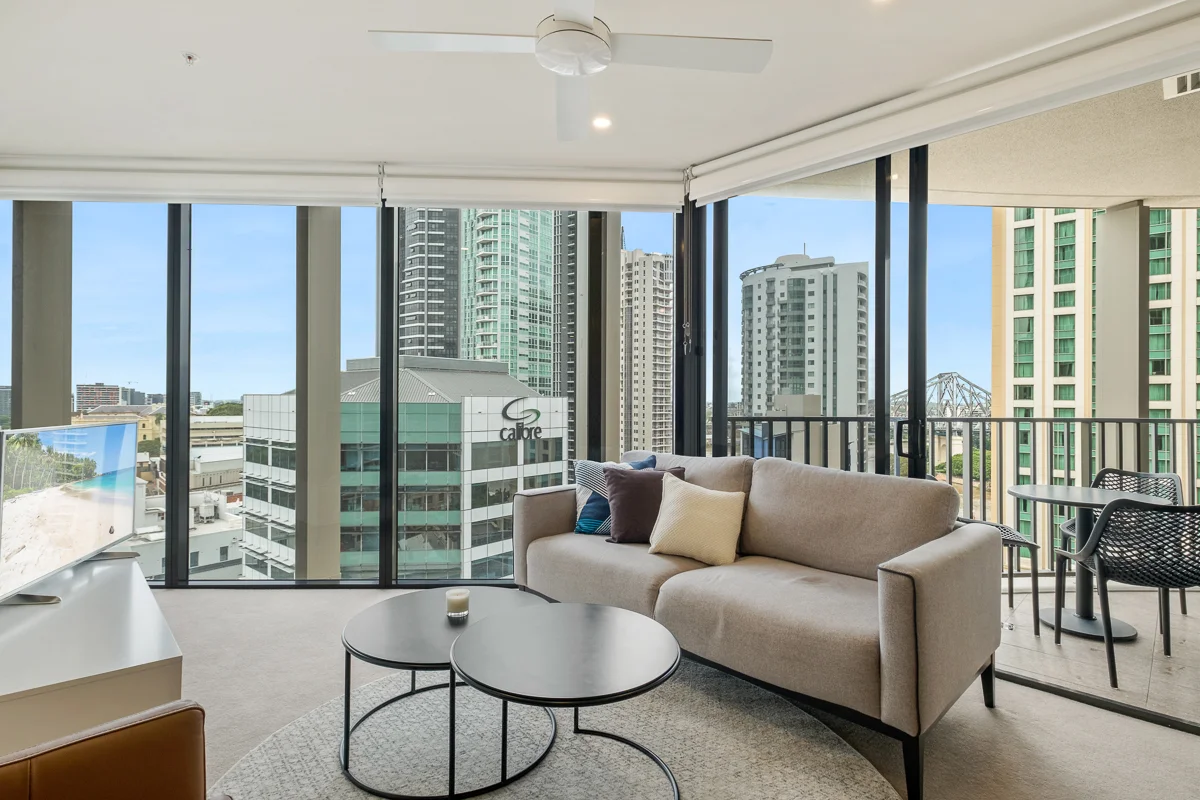 $950,000
Apartment / Unit / Flat
$950,000
Apartment / Unit / Flat


