## Overview
Moreton Bay College is an independent Anglican day school located in Manly West, Brisbane, offering education from preparatory through to senior years. The college is known for its values-based approach, strong academic program and focus on developing well-rounded, confident students in a supportive community.
- School type: Independent Anglican day school
- School size: Medium
- Class size: Typically around 20–25 students per class
- Atmosphere/culture: Nurturing, academically focused, inclusive, with strong emphasis on sport and the arts
⸻
## Academics & Learning
- Academic strengths: Strong English and STEM programs, a robust language and humanities offering, and leadership development integrated across year levels.
- Special programs: Gifted and Talented pathways, accelerated learning options, and senior ATAR-oriented programs to support high academic achievement.
- NAPLAN / trends: Historical trends show steady improvements with performance that is often above state averages across multiple domains.
- Student-teacher ratios: Generally small-to-medium class sizes with close teacher-student engagement (approx. 1:15 in many year levels, with additional targeted support as needed).
- Support for diverse learners: EAL support, SEN assistance, and inclusive education pathways to help diverse learners access the curriculum and succeed.
⸻
## Sports & Extracurricular Strengths
- Sports offered: Netball, basketball, tennis, swimming, athletics, soccer, volleyball, and other school-based programs.
- Strong teams or achievements: Competitive regional and age-group teams with a track record of reaching finals and achieving strong results in inter-school competitions.
- Music, arts, drama programs: Comprehensive performing arts program including ensembles (band, choir, orchestras), drama productions and opportunities for public performances.
- Clubs: Robotics, coding, chess, debating, and various academic/interest clubs that run throughout the year.
- Partnerships: Links with local sports clubs and regional competitions, plus opportunities to engage with external arts and STEM programs.
⸻
## Wellbeing & Pastoral Care
- Anti-bullying approach: Comprehensive anti-bullying policies, clear reporting pathways, and proactive wellbeing programs to foster a safe school environment.
- House system: House-based pastoral care framework that supports mentoring, competition, and community belonging among students.
- Counsellors / wellbeing officers: Access to school counsellors and wellbeing staff to support mental health, resilience and personal development.
- Transition support for new students: Structured orientation, buddy programs and dedicated staff to help new students settle in smoothly.
⸻
## Facilities
- Sports grounds: On-site sporting facilities and fields for a range of activities.
- Libraries: Well-equipped library resources supporting research and pleasure reading.
- Science labs: Modern science laboratories for chemistry, biology, physics and practical experiments.
- Music/performing arts centers: Dedicated spaces for music ensembles, theatre and drama.
- Tech/innovation labs: ICT and maker-space facilities to support digital learning and STEM projects.
- Cafeteria: On-site canteen offering a variety of healthy meal options.
- Updated playgrounds: Well-maintained outdoor play and recreational spaces.
⸻
## School Values & Community Culture
- School values / mission: Clear ethical framework focused on respect, resilience, integrity and service.
- Leadership style: Opportunities for student leadership and representation through councils, sport captains and clubs.
- Behaviour expectations: Positive behaviour framework with consistent expectations and restorative approaches where needed.
- Community reputation: Strong sense of community with active parent involvement and supportive local networks.
- Diversity & inclusion: Commitment to diverse and inclusive environments where every student can participate and thrive.
⸻
## School Logistics & Daily Operations
- School hours: Typical day runs from morning to afternoon with variations by year level.
- Before/after school care: On-site or partner programs often available for before and after-school care.
- Uniform requirements: School uniform with seasonal options; details provided by the school.
- Transport (train/bus routes): Access to public transport with school-arranged or parent-facilitated drop-off and pick-up; buses or routes may be available.
- Canteen availability: On-site canteen or canteen services offering healthy options.
- Fees (low/medium/high ranges): Fees fall in the mid-to-high range for independent schools, with additional costs for activities and resources.
⸻
## Enrolment & Admissions
11. What is the enrolment process and timeline?
- Parents typically submit an online application with required supporting documents (birth certificate, previous school reports, etc.). The school may invite candidates to an interview or assessment, followed by an offer and a enrollment confirmation. Timelines vary by year level and seat availability, with early applications commonly recommended for popular entry points.
12. Is there a waiting list, and how does it work?
- Waiting lists may apply for certain year levels or entry points. Siblings often receive priority. The school will advise on waitlist steps, expected wait times and how vacancies are filled.
13. Are there any entry requirements, tests, or interviews?
- Entry usually involves an interview or information session, plus review of academic records and sometimes an assessment or English language evaluation to determine fit and support needs.
14. Does the school accept mid-year transfers?
- Mid-year transfers are often possible subject to vacancies and alignment with the current grade level, timetable and space in key subjects. Families should contact the enrolments team to discuss options.
⸻
## Frequently Asked Questions
- Why Parents Choose This School?
- A values-based, supportive community with strong academics, a wide range of extracurriculars and a focus on student well-being and character development.
- What type of student thrives at this school?
- Students who are academically motivated, participate in co-curricular activities, value leadership and teamwork, and appreciate a supportive, inclusive environment.
- What opportunities are available for students to extend their skills (academics, sports, arts)?
- Advanced coursework and gifted pathways, leadership roles, debating, robotics, music ensembles, art and drama programs, and competitive sports teams.
- How does the school communicate with parents?
- Through email, parent portals, newsletters, school apps, and regular parent-teacher interviews and information evenings.
- What is the school’s approach to teaching and learning?
- Student-centered, evidence-based pedagogy with differentiation to meet diverse needs, integrated technology, and opportunities for inquiry-based learning and practical application.
- How does the school support students who need extra academic help?
- Learning support staff, targeted literacy/numeracy assistance, EAL and SEN services, and small-group or one-to-one tutoring where appropriate.
- What support is available for academic challenges?
- Early identification of gaps, progress monitoring, tailored intervention plans and collaboration with teachers and families to set achievable goals.
- How does the school communicate with parents?
- See above: consistent channels include portals, newsletters, and scheduled updates and meetings.
- What are the class sizes and how much individual attention do students receive?
- Class sizes are designed to be small-to-medium (around 20–25 students) with additional individual or small-group support as needed.
- What extracurricular and sports opportunities are available?
- A broad program including netball, basketball, tennis, swimming, athletics, soccer and more; plus music ensembles, drama, robotics, coding, chess, debating and various clubs.
- What facilities does the school offer (sports, science, arts)?
- Comprehensive facilities including sports grounds, libraries, science labs, performing arts spaces, tech/innovation labs and on-site canteen.
- What is the school’s approach to technology and digital learning?
- Integrated ICT across the curriculum, use of digital platforms for learning and communication, and age-appropriate technology access to build Digital Literacy.
- What transport and accessibility options are available?
- Access to public transport and school-arranged transport options; convenient drop-off/pick-up arrangements and parking as advised by the school.
- What are typical school fees or additional costs?
- Fees are in the mid-to-high range for independent schooling, with extra costs associated with trips, camps, uniforms, and extracurricular activities.
⸻
## Short Pros & Cons list
- Pros
- Values-based education in a supportive, inclusive environment
- Strong academics with pathways for gifted and accelerated learners
- Broad range of co-curriculars (sports, arts, STEM, debates)
- Active wellbeing, pastoral care, and student leadership opportunities
- Positive community involvement and parent engagement
- Cons
- Fees are higher than public schools and some other options
- Competitive entry can mean waitlists for popular year levels
- Commute and transport logistics can be a consideration for some families
⸻







 $950,000
Apartment / Unit / Flat
$950,000
Apartment / Unit / Flat
 $1,475,000 - $2,090,000
propertyType.NEW APARTMENTS / OFF THE PLAN
$1,475,000 - $2,090,000
propertyType.NEW APARTMENTS / OFF THE PLAN
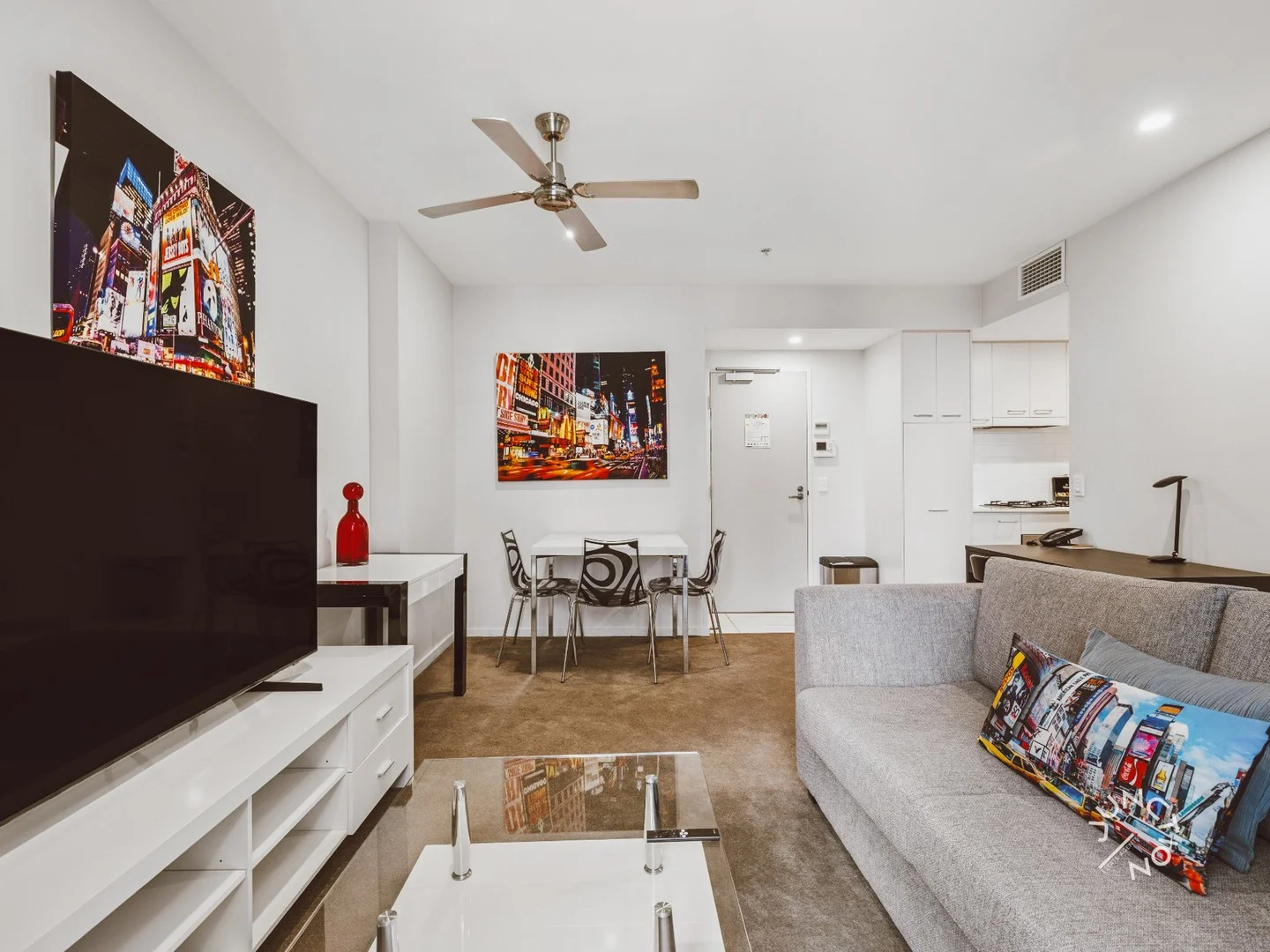 $523,200 - $566,800
Apartment / Unit / Flat
$523,200 - $566,800
Apartment / Unit / Flat
 $550,000
Apartment / Unit / Flat
$550,000
Apartment / Unit / Flat
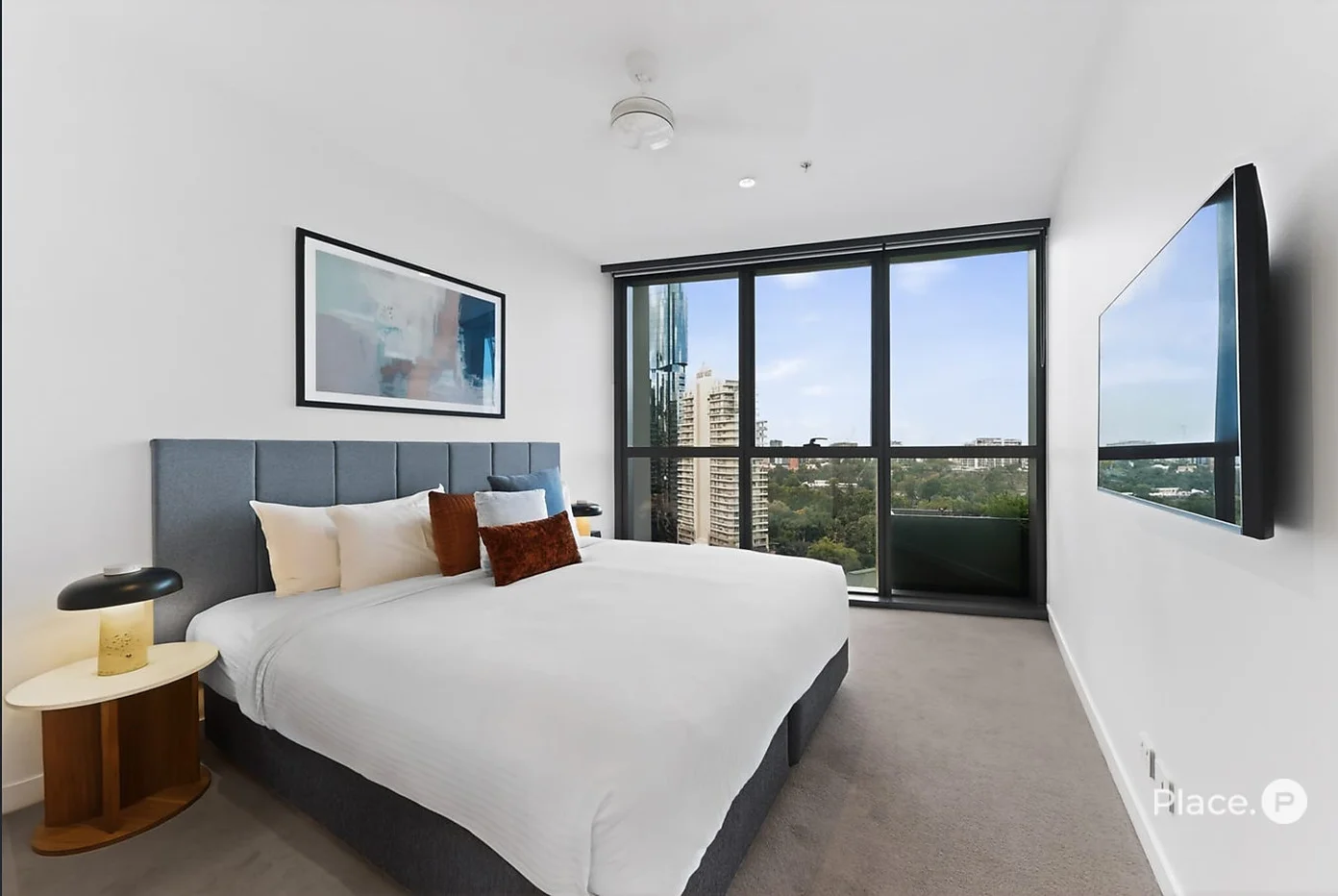 $770,000
Apartment / Unit / Flat
$770,000
Apartment / Unit / Flat


