## Overview
Mount Scopus Memorial College is an independent Jewish day school in Melbourne, offering a co-educational learning community from preparatory to Year 12. The school emphasises a values-driven, rigorous education within a welcoming, inclusive environment. With a large campus presence in Burwood, it supports a broad program that blends strong academic achievement with a rich Jewish studies curriculum.
- School type: Independent/private Jewish day school
- School size: Large
- Class size: Typically around 20–25 students per class in primary and similar ranges in secondary (smaller-group teaching and targeted support as needed)
- Atmosphere/culture: Nurturing, academically focused, diverse and inclusive, with strong sense of community and belonging
⸻
## Academics & Learning
- Academic strengths: Robust curriculum across English, mathematics, sciences, humanities, and languages, with a strong Hebrew/Jewish studies program and a focus on enquiry-based learning.
- Special programs: Gifted and talented pathways, accelerated learning options where available, and structured leadership development.
- NAPLAN / trends: Consistently solid performance with positive year-over-year trend lines in primary assessments; a focus on continuous improvement and targeted support where needed.
- Student-teacher ratios: Small-to-moderate class sizes with opportunities for differentiated instruction; typical ratios support strong teacher accessibility.
- Support for diverse learners: EAL support and comprehensive SEN services, individual learning plans, and inclusion initiatives to help students succeed across abilities.
⸻
## Sports & Extracurricular Strengths
- Sports offered: A broad program including team and individual sports such as basketball, soccer, cricket, tennis, swimming, and athletics; facilities support a wide range of activities.
- Strong teams or achievements: Competitive inter-school teams and participation in regional competitions across various sports.
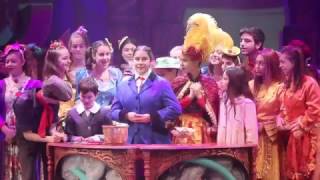
- Music, arts, drama programs: Strong performing arts offerings, school productions, choirs and instrumental music ensembles.
- Clubs: Robotics, chess, coding, debating, and other academic and interest-based clubs.
- Partnerships: Connections with local clubs, sports academies, and preparation for inter-school and community competitions.
⸻
## Wellbeing & Pastoral Care
- Anti-bullying approach: Proactive programs, clear reporting channels, and a culture of respect and inclusion.
- House system: A house-based structure to foster camaraderie, leadership, and healthy competition.
- Counsellors / wellbeing officers: Dedicated wellbeing staff and access to counselling services to support emotional and social development.
- Transition support for new students: Comprehensive induction, buddy programs and parent communication to ease transitions.
⸻
## Facilities
- Sports grounds: On-site facilities to support a wide range of athletic activities.
- Libraries: Well-resourced library spaces to support reading, research, and study.
- Science labs: Modern laboratories for biology, chemistry, physics and STEM activities.
- Music/performing arts centers: Dedicated spaces for music, drama and performances.
- Tech/innovation labs: Contemporary technology and digital learning spaces for coding and STEAM work.
- Cafeteria: On-site canteen providing healthy meal options.
- Updated playgrounds: Safe, modern outdoor play and recreation areas.
⸻
## School Values & Community Culture
- School values / mission: A values-led education emphasising excellence, integrity, leadership, compassion and service within a Jewish framework.
- Leadership style: Student-involved leadership opportunities alongside teacher and administrator guidance; emphasis on collaboration and responsibility.
- Behaviour expectations: Clear codes of conduct focused on respect, responsibility and resilience.
- Community reputation: Strong, engaged school community with active parent involvement and supportive alumni networks.
- Diversity & inclusion: Welcoming environment for Jewish and non-Jewish families; commitment to inclusion and cultural understanding.
⸻
## School Logistics & Daily Operations
- School hours: Typical school day begins in the morning and runs through the afternoon, with variations across year levels.
- Before/after school care: Available or arranging options for before/after school supervision.
- Uniform requirements: Formal school uniform with seasonal adjustments; additional items relevant to Jewish observance as required.
- Transport (train/bus routes): Access to public transport options and school-arranged or recommended bus routes where available.
- Canteen availability: On-site canteen or catering facilities offering healthy choices.
- Fees: Fees fall in the mid-to-high range for private independent schools; information on inclusions and extras typically available on enrollment materials.
⸻
## Enrolment & Admissions
11. What is the enrolment process and timeline?
- Inquiry and information sessions are typically offered; families submit an application with required documentation. Depending on year level, there may be assessments or interviews, followed by a placement offer and an enrolment agreement. Timelines vary by year level and vacancies.
12. Is there a waiting list, and how does it work?
- Many year levels can have a waiting list. Applications may be considered on a rolling basis; priority is often given to siblings or families with prior ties to the school, with placements offered as vacancies arise.
13. Are there any entry requirements, tests, or interviews?
- Entry may involve an interview or information session, and in some cases assessments relevant to year level. Language background and learning needs can influence placement considerations.
14. Does the school accept mid-year transfers?
- Mid-year transfers may be possible subject to vacancies and formal transfer arrangements. Timely applications and visa/eligibility checks (where applicable) are typically required.
⸻
## Frequently Ask Questions
- Why Parents Choose This School?
- Families appreciate a values-driven, rigorous education within a supportive, inclusive community that emphasizes both academic achievement and character development.
- What type of student thrives at this school?
- Students who value high academic standards, strong Jewish identity and culture, leadership opportunities, and participation in a broad range of co-curricular activities.
- What opportunities are available for students to extend their skills (academics, sports, arts)?
- Advanced coursework or accelerated pathways, robust STEM and language programs, competitive sports teams, performing arts, robotics, coding, debating, and other clubs.
- How does the school communicate with parents?
- Regular updates through newsletters, a parent portal or app, email, and scheduled meetings with teachers; a focus on transparent, timely communication.
- What is the school’s approach to teaching and learning?
- A collaborative, inquiry-based approach with differentiation to meet diverse needs, high expectations, and a strong emphasis on both academic and personal growth.
- How does the school support students who need extra academic help?
- Targeted tutoring, EAL and SEN support, learning plans, and intervention strategies to help students keep pace and succeed.
- What support is available for academic challenges?
- Diagnostic assessments, tailored support, and access to specialist staff to address specific learning needs and challenges.
- How does the school communicate with parents? (Duplicate)
- See above: regular updates through multiple channels including portals, newsletters, and meetings.
- What are the class sizes and how much individual attention do students receive?
- Class sizes typically around 20–25, with additional targeted support and opportunities for one-on-one or small-group instruction.
- What extracurricular and sports opportunities are available?
- A wide range of sports, arts, music, robotics, coding, debating and other clubs, plus competitions and performance opportunities.
- What facilities does the school offer (sports, science, arts)?
- Modern science labs, libraries, performing arts spaces, tech/innovation labs, sport facilities, and student support spaces.
- What is the school’s approach to technology and digital learning?
- Integrated digital learning with access to devices and software to support collaboration, coding, research, and creative projects.
- What transport and accessibility options are available?
- Public transport access and school-arranged or recommended routes; accommodations to support student mobility and accessibility.
- What are the typical school fees or additional costs?
- Fees are in the mid-to-high range for independent schools, with additional costs for activities, trips, and uniforms. Detailed fee schedules are available through enrollment materials.
⸻
## Short Pros & Cons list
- Pros
- Strong academic outcomes within a values-based, inclusive environment
- Comprehensive wellbeing and pastoral care
- Rich co-curriculars across sports, arts, STEM, and clubs
- Well-developed facilities and resources
- Active sense of community and leadership opportunities
- Cons
- Fees are higher than public schools and many other options
- Waiting lists for popular year levels can apply
- Admission processes can be competitive and require timely responses
- Availability of some programs or entry pathways may vary by year level
⸻
















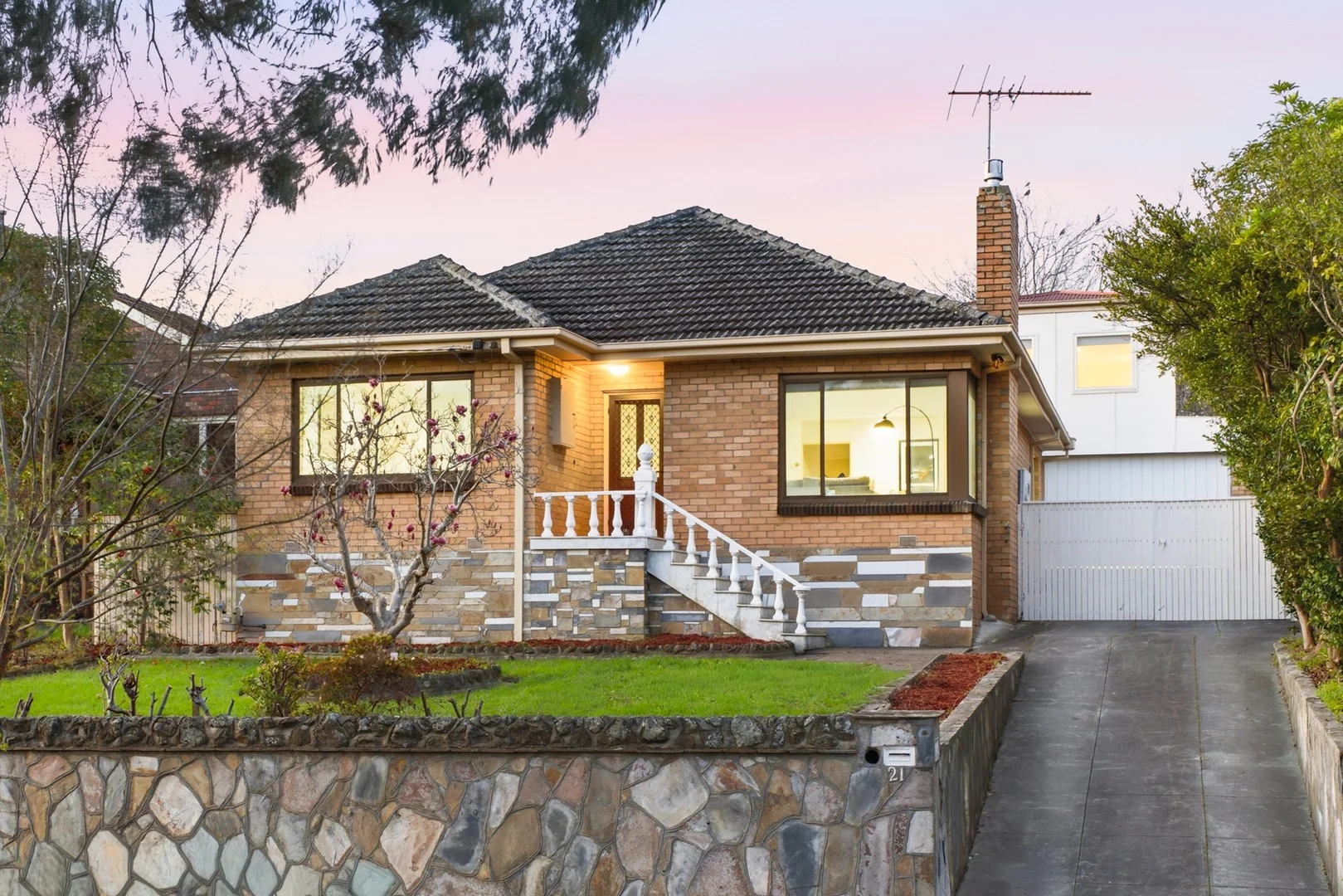 $1,200,000
House
$1,200,000
House
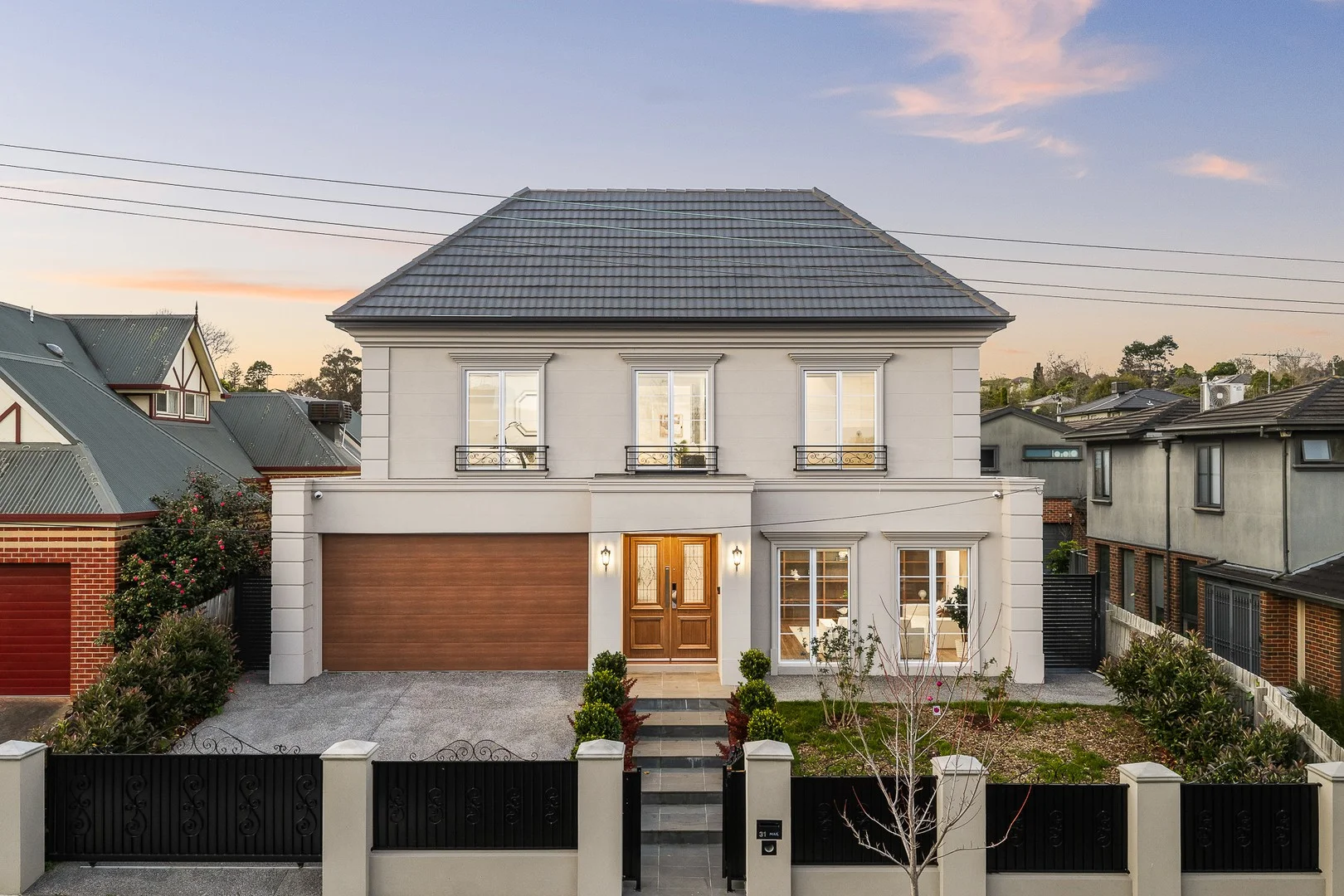 $2,550,000
House
$2,550,000
House
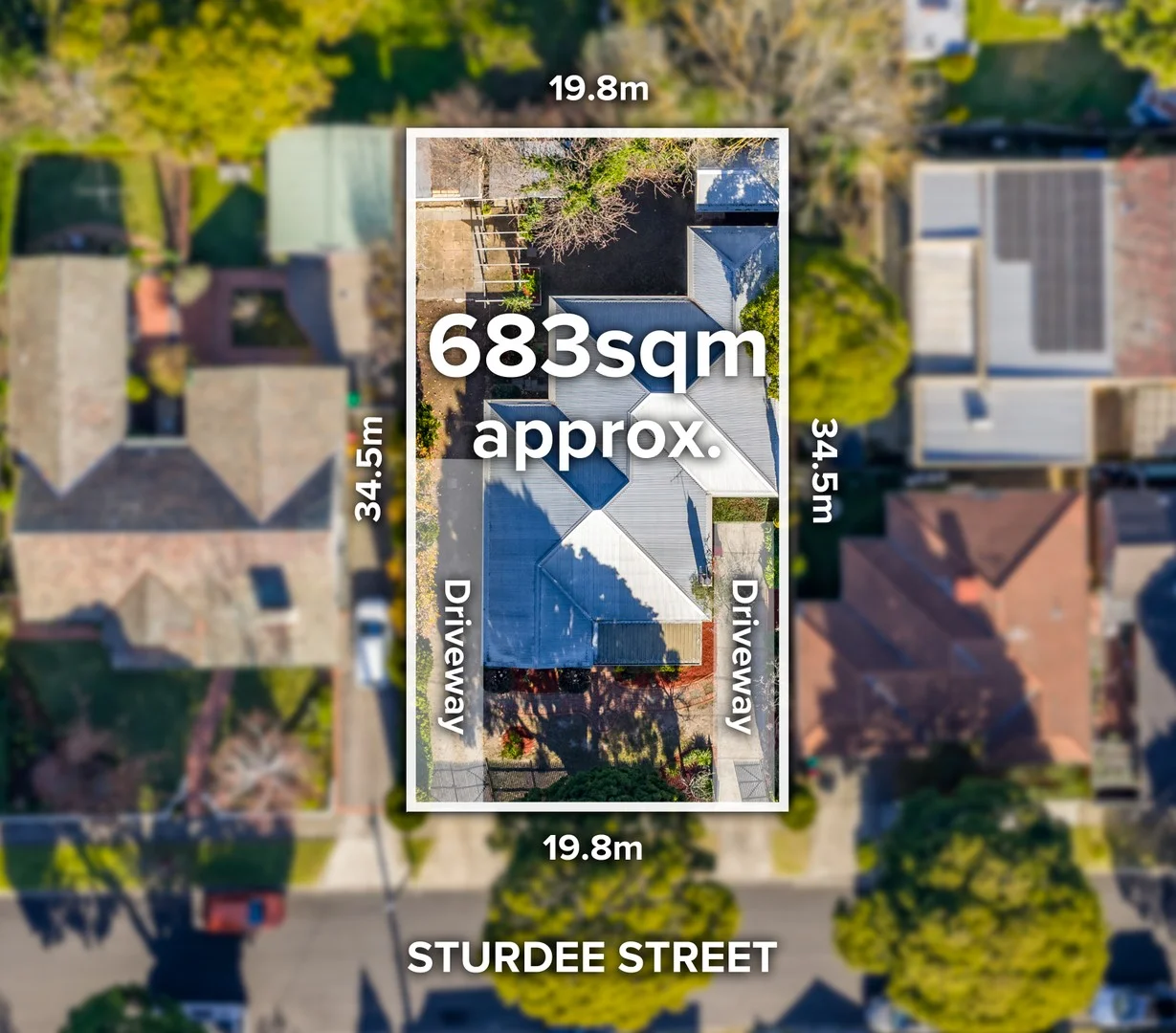 $2,000,000
House
$2,000,000
House
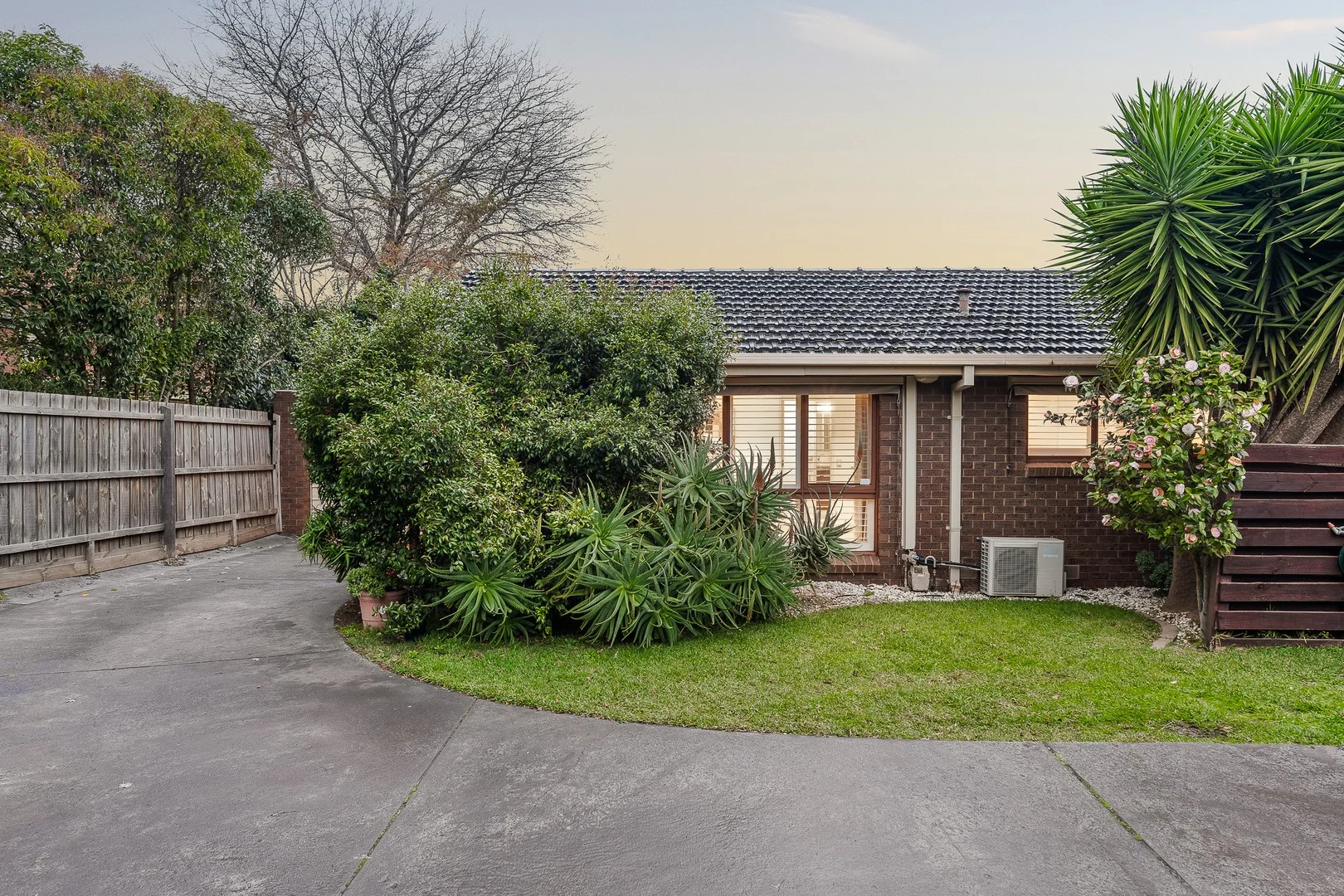 $770,000 - $820,000
Apartment / Unit / Flat
$770,000 - $820,000
Apartment / Unit / Flat
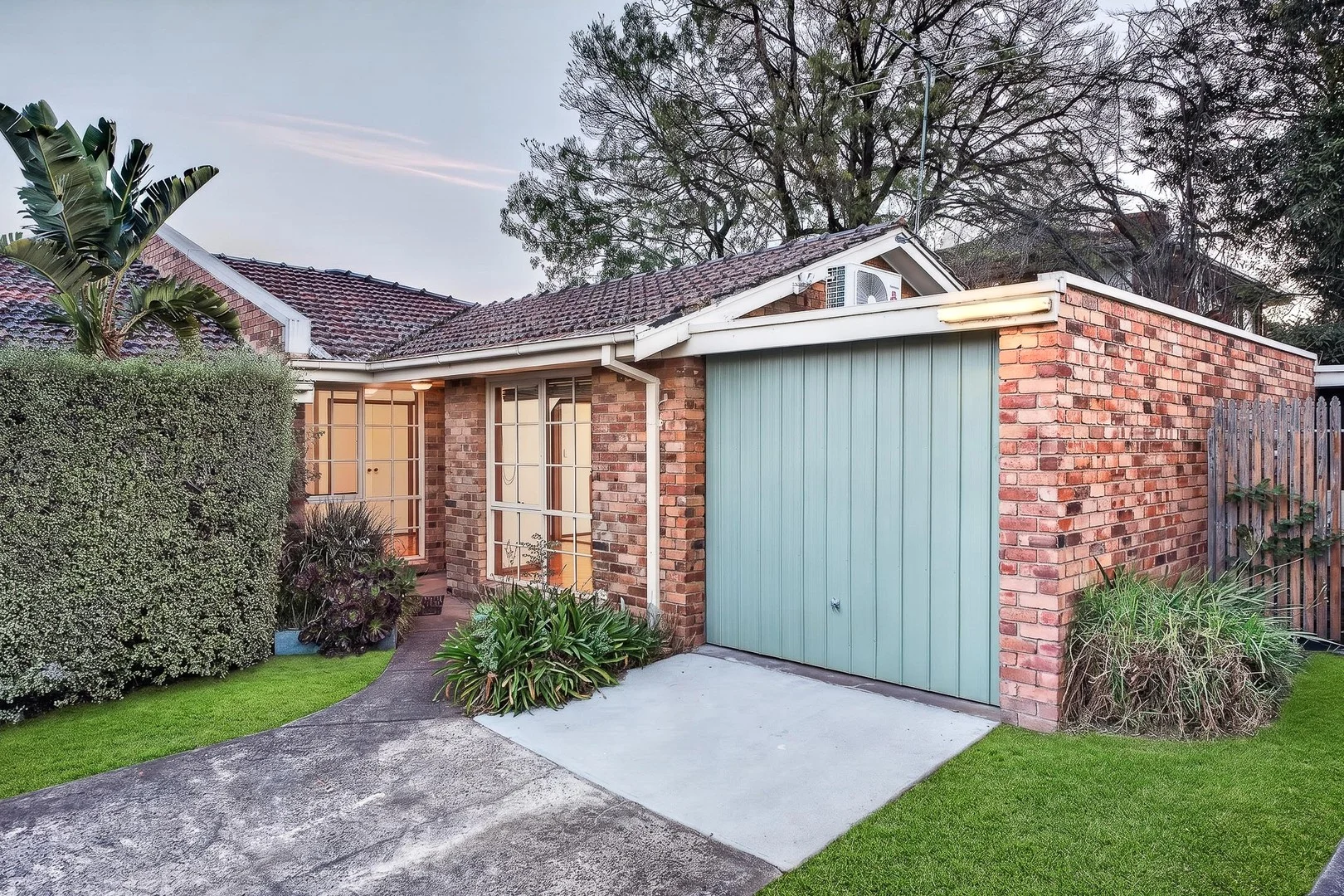 $765,000 - $825,000
Apartment / Unit / Flat
$765,000 - $825,000
Apartment / Unit / Flat
 $630,000 - $680,000
Apartment / Unit / Flat
$630,000 - $680,000
Apartment / Unit / Flat
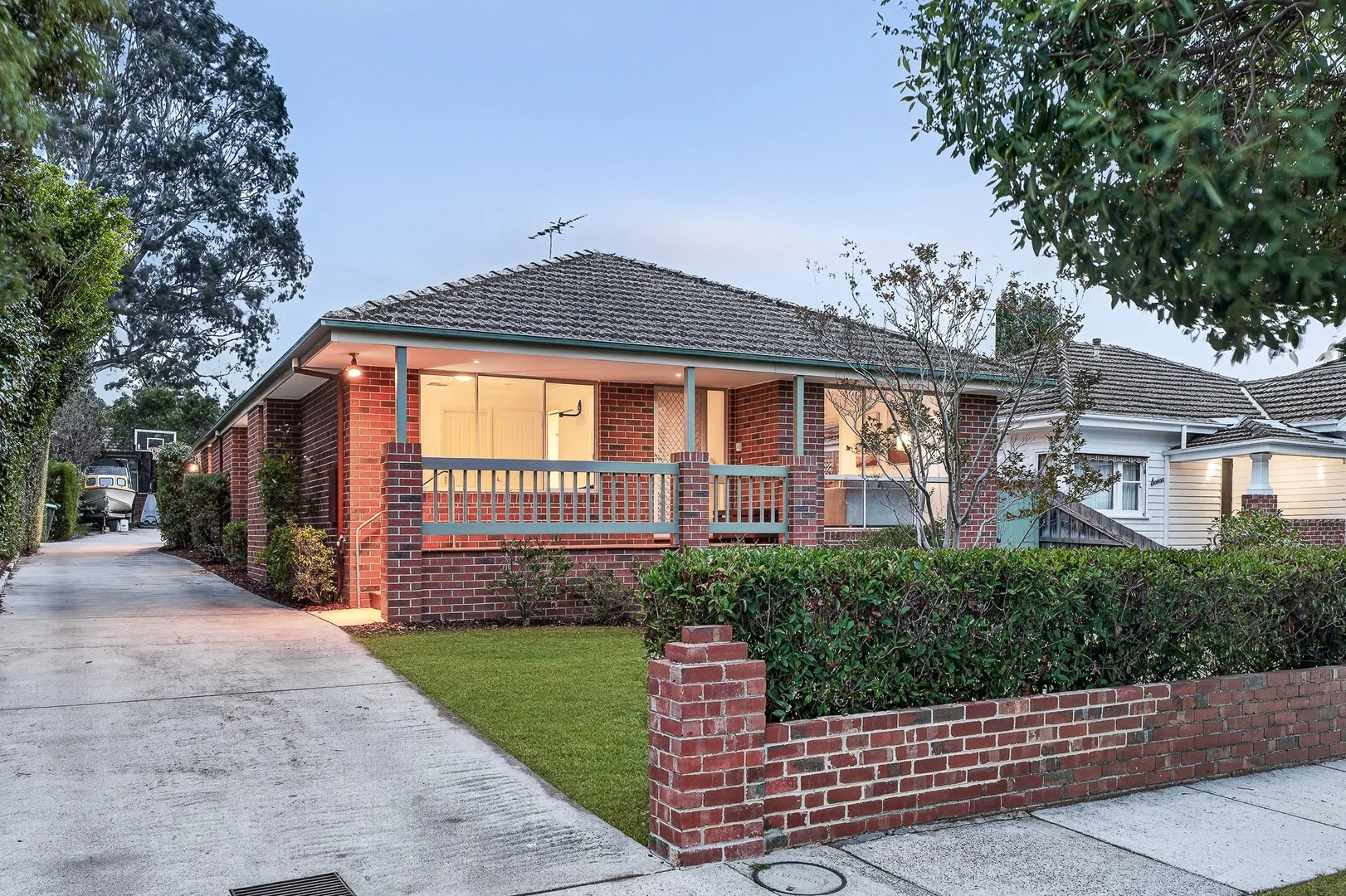 $1,200,000 - $1,300,000
House
$1,200,000 - $1,300,000
House
 $1,100
House
$1,100
House
 $1,250,000
Apartment / Unit / Flat
$1,250,000
Apartment / Unit / Flat


