## 1. Overview
Presbyterian Ladies' College (PLC) Burwood is an independent, Christian girls’ school offering a comprehensive education from early years through to senior secondary. The college emphasises academic excellence within a nurturing, supportive environment and fosters leadership, character and community involvement.
- School type: Independent/private Christian (Presbyterian) girls’ school
- School size: Medium
- Class size: Typically smaller classes in primary and early secondary (roughly 18–24 students per class)
- Atmosphere/culture: Academic, nurturing, inclusive, with a strong focus on personal growth and leadership
---
## 2. Academics & Learning
PLC Burwood aims to deliver a rigorous, well-rounded education with opportunities to extend and specialise.
- Academic strengths: English, Sciences, Mathematics, Humanities, and Languages, with strong emphasis on critical thinking and communication. Leadership and personal development programs run alongside academic subjects.
- Special programs: VCE curriculum with subject extensions; leadership and talent development pathways; opportunities for accelerated study in selected subjects.
- Naplan trends: Historically strong performance in reading, writing and numeracy with positive year-to-year trends reflected in consistent attainment above national averages for private schools.
- Student-teacher ratios: Lower-than-average ratios typical of independent schools (roughly in the 1:9 to 1:14 range, depending on year level and subject).
- Support for diverse learners: EAL support and targeted assistance for diverse learners; dedicated learning support and access to specialist staff for students with SEN.
---
## 3. Sports & Extracurricular Strengths
Sports and extracurriculars are a major focus, with breadth across both performance and competition.
- Sports offered: Netball, basketball, tennis, athletics, swimming, hockey/cricket, and other school-level teams.
- Strong teams or achievements: Active participation in inter-school competitions with recognised school teams across key sports.
- Music, arts, drama programs: Comprehensive music program (orchestras, choirs, ensembles) and strong drama/performing arts offerings.
- Clubs: Robotics, chess, coding, debating, public speaking and other activity clubs.
- Partnerships: Participation in local and regional competitions and collaborations with external arts and sports programs and clubs.
Most parents in this age range (10–14) skim this section first, so expect a clear snapshot of opportunities, ensembles and teams.
---
## 4. Wellbeing & Pastoral Care
Wellbeing and pastoral care are central to the school experience, supporting students’ emotional and social development.
- Anti-bullying approach: Clear policies and programs promoting respectful behaviour, student voice, and proactive safeguarding.
- House system: House structure with inter-house activities to foster belonging, teamwork and leadership.
- Counsellors / wellbeing officers: Access to school counsellors and wellbeing staff to support academic, social and emotional needs.
- Transition support for new students: Orientation programs, buddy systems and transition days to help new entrants settle in smoothly.
---
## 5. Facilities
PLC Burwood offers well-equipped facilities designed to support academics, arts and sport.
- Sports grounds: Adequate sports fields/areas for training and fixtures.
- Libraries: Well-resourced libraries with study spaces and research resources.
- Science labs: Modern science laboratories for Biology, Chemistry, Physics and related subjects.
- Music/performing arts centers: Dedicated music and performing arts facilities to support ensembles and productions.
- Tech/innovation labs: Computer labs, media and technology spaces to support digital learning and innovation.
- Cafeteria: On-site canteen/café facilities for students.
- Updated playgrounds: Age-appropriate play and outdoor spaces for younger students and recreation.
---
## 6. School Values & Community Culture
What kind of students thrive here and how the school operates as a community.
- School values / mission: Emphasis on excellence, integrity, service, respect and community-minded leadership.
- Leadership style: Collaborative and student-centred, with opportunities for student leadership and voices in school life.
- Behaviour expectations: Clear codes of conduct focused on respect, responsibility and positive engagement.
- Community reputation: Long-standing, respected independent girls’ school with a tradition of high academic achievement and holistic development.
- Diversity & inclusion: Commitment to an inclusive environment and celebrating diverse backgrounds and talents.
---
## 7. School Logistics & Daily Operations
Key practical details to plan around.
- School hours: Typical school day runs from morning to mid-afternoon, with variations by year level.
- Before/after school care: Available options or programs to support families with early arrivals or late pickups.
- Uniform requirements: Uniforms are compulsory and a key part of school life; details provided by the college.
- Transport (train/bus routes): Access via public transport options; nearby stations and bus routes suitable for school commutes.
- Canteen availability: On-site canteen or vending/food service for students.
- Fees (low/medium/high ranges): Fees are generally in the higher range typical of Australian independent schools; additional costs may include uniforms, camps and activities.
---
## 8. Enrolment & Admissions
11. What is the enrolment process and timeline?
- Submit an application with required documents.
- Entrance assessments or interviews for appropriate year levels.
- Open days or information sessions to learn about the school.
- Interview(s) with families and, where applicable, prospective students.
- Timeline varies; expect preparation and response time spanning several months.
12. Is there a waiting list, and how does it work?
- Yes, there is typically a waiting list. Applications are assessed, and places are offered as vacancies arise, with priority given to eligible applicants and any sibling or community considerations.
13. Are there any entry requirements, tests, or interviews?
- Yes. Entry usually involves an assessment or interview, and sometimes additional tasks or reports. Selection is based on a combination of academic readiness, fit with the school culture, and availability of places.
14. Does the school accept mid-year transfers?
- Mid-year transfers are possible in some years and subject to vacancy and alignment with the curriculum. Prospective families should contact the admissions team for current vacancies and intake timelines.
---
## 9. Frequently Asked Questions
- Why Parents Choose This School?
- Strong academic program, well-rounded personal development, supportive community, and long-standing reputation for girls’ education.
- What type of student thrives at this school?
- Curious, motivated, collaborative students who value academics, leadership opportunities, arts, and sport within a close-knit community.
- What opportunities are available for students to extend their skills (academics, sports, arts)?
- Access to advanced subjects within the VCE pathway, leadership programs, diverse clubs (robotics, debate, coding), competitive sport and a robust arts program (music, drama, performance).
- How does the school communicate with parents?
- Regular newsletters, a parent portal, parent-teacher meetings, and direct contact with teachers and leadership as needed.
- What is the school’s approach to teaching and learning?
- A rigorous, holistic curriculum with emphasis on critical thinking, literacy, numeracy and real-world application; integration of technology and inquiry-based learning where appropriate.
- How does the school support students who need extra academic help?
- Dedicated learning support staff, targeted tutorials or interventions, EAL support and accommodations as required.
- What support is available for academic challenges?
- Individual or small-group tutoring, progress monitoring and collaboration with families to develop personalised plans.
- What are the class sizes and how much individual attention do students receive?
- Class sizes are generally smaller than many public schools, enabling more individualized attention from teachers.
- What extracurricular and sports opportunities are available?
- A wide range of sports, arts, music and drama programs plus clubs such as robotics, chess, coding and debating.
- What facilities does the school offer (sports, science, arts)?
- Modern science labs, performing arts facilities, music and arts spaces, libraries, technology labs and well-maintained outdoor areas.
- What is the school’s approach to technology and digital learning?
- Integration of digital tools across the curriculum, with suitable devices and platforms to support learning, collaboration and research.
- What transport and accessibility options are available?
- Access via public transport and local routes; provision for school drop-off/pick-up where available; campuses are designed to be accessible.
- What are typical school fees or additional costs?
- Fees are in the higher range for independent schools; additional costs may include uniforms, camps, excursions and activity levies.
---
## 10. Short Pros & Cons list
Pros
- Strong academic program with breadth across subjects
- Supportive, values-driven community
- Wide range of extracurriculars (sports, arts, clubs)
- Lower student-to-teacher ratios enabling individual attention
- Modern facilities and resources
Cons
- Higher fee level relative to many non-international/private options
- Competitive environment may not suit all learners
- Admission can be selective, with competitive entry requirements
- Mid-year intake depends on vacancy and curriculum alignment














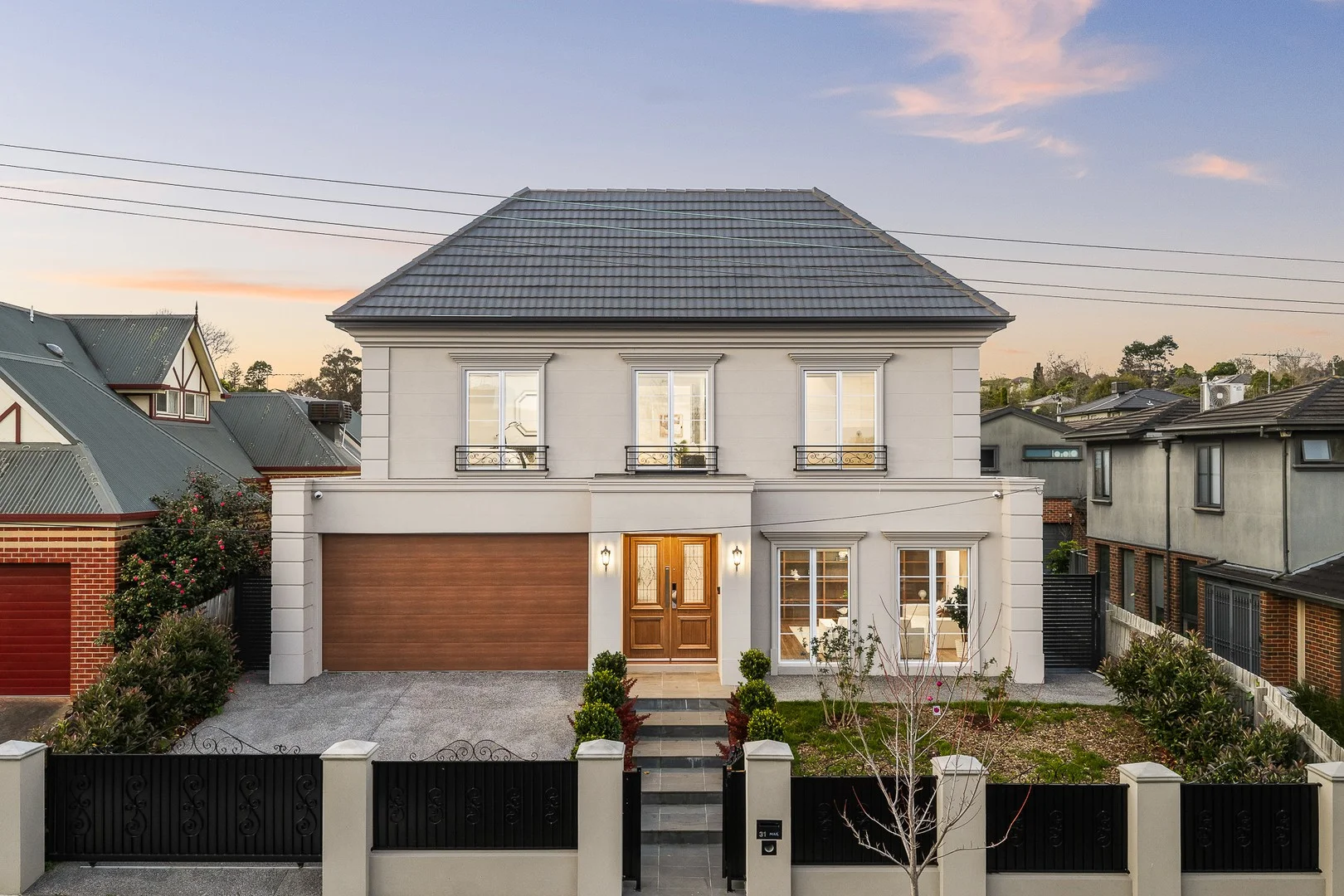 $2,550,000
House
$2,550,000
House
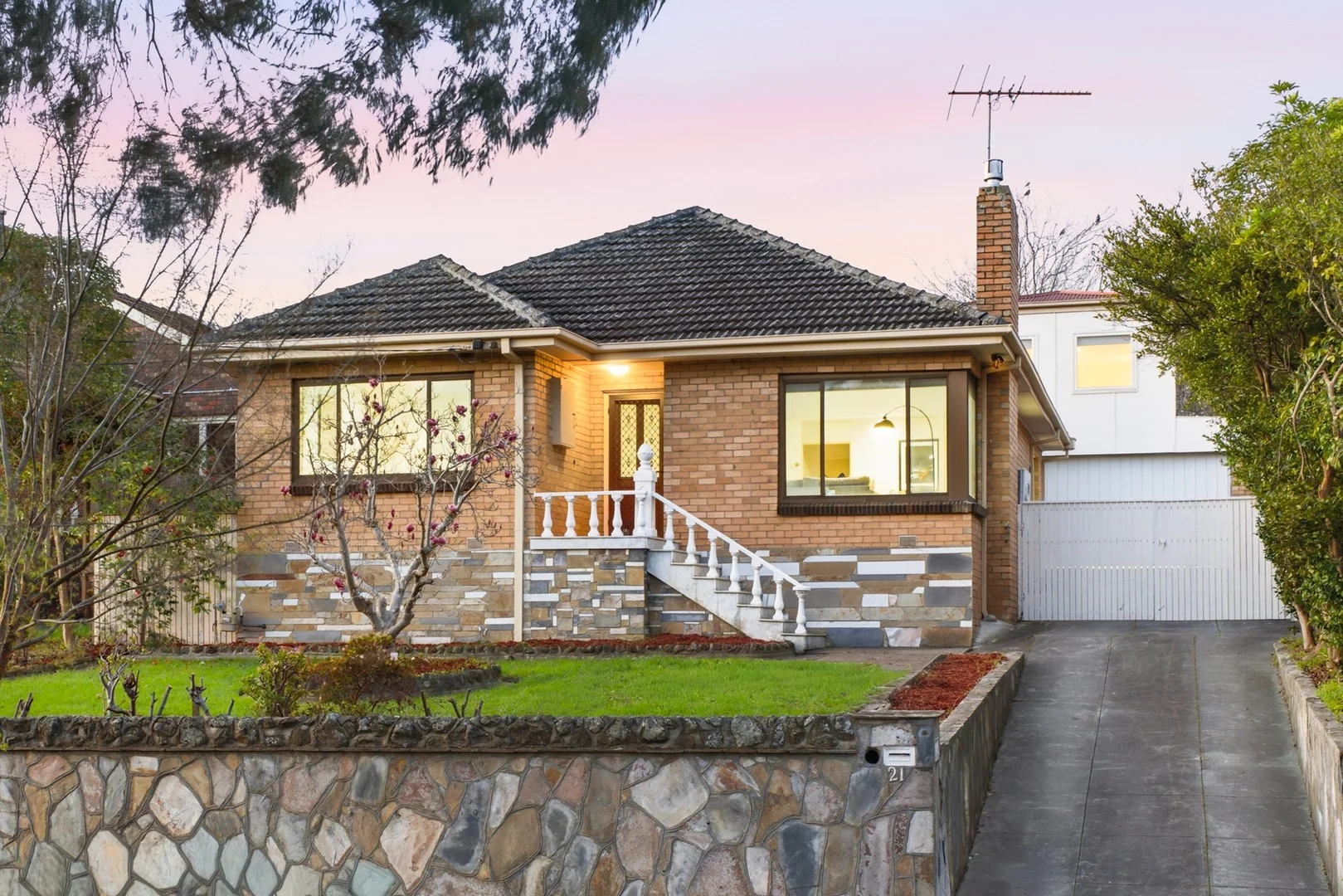 $1,200,000
House
$1,200,000
House
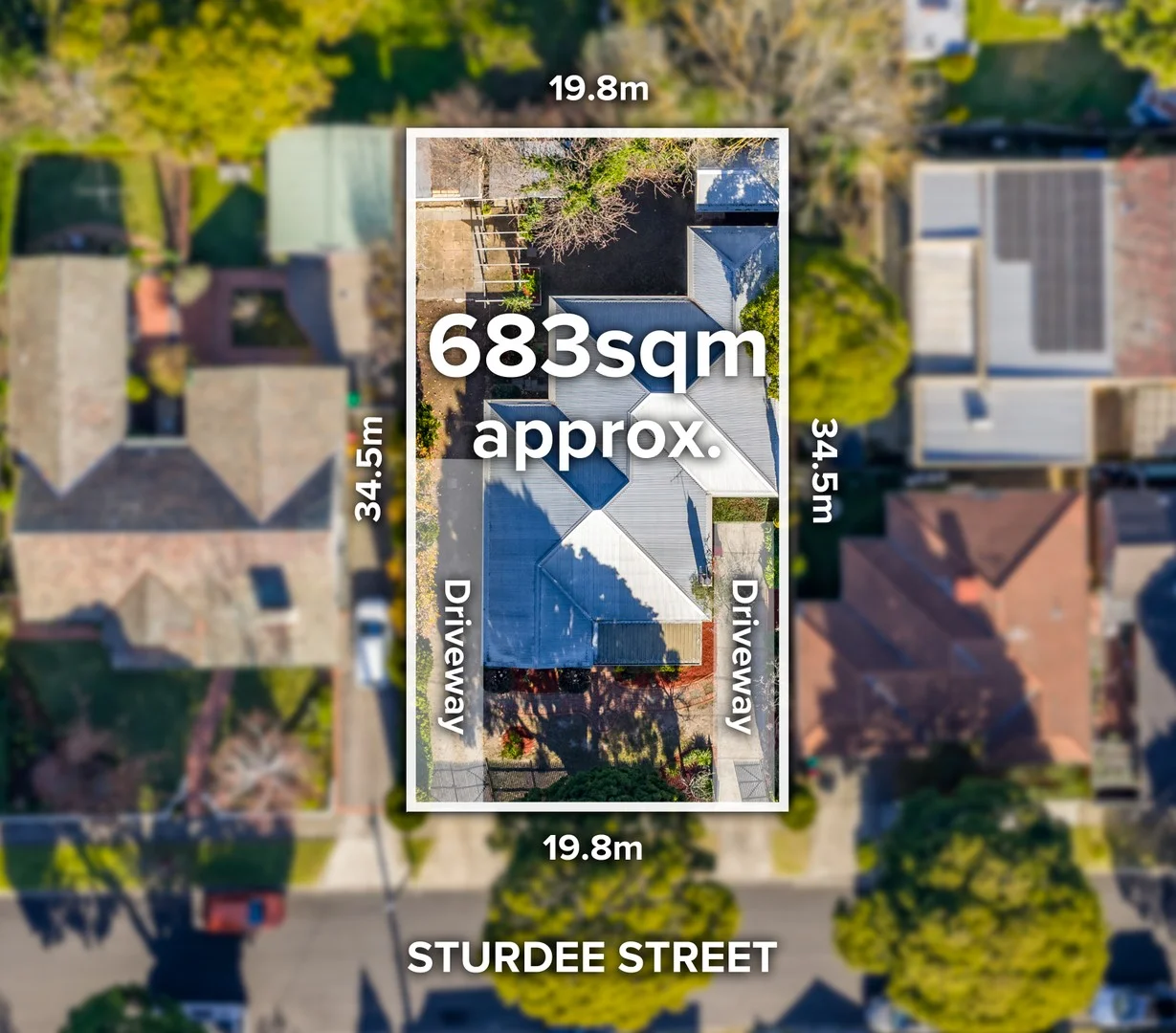 $2,000,000
House
$2,000,000
House
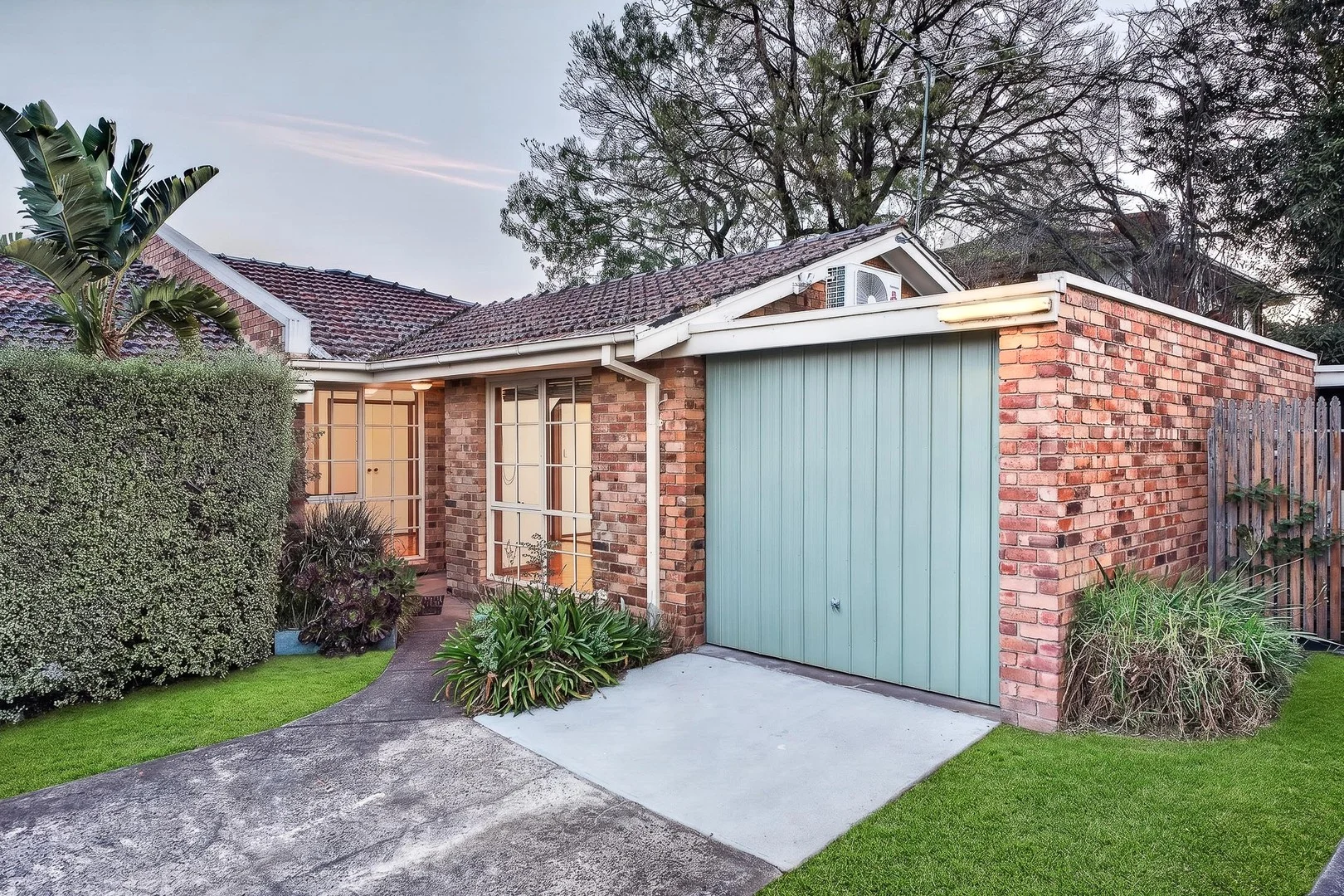 $765,000 - $825,000
Apartment / Unit / Flat
$765,000 - $825,000
Apartment / Unit / Flat
 $630,000 - $680,000
Apartment / Unit / Flat
$630,000 - $680,000
Apartment / Unit / Flat
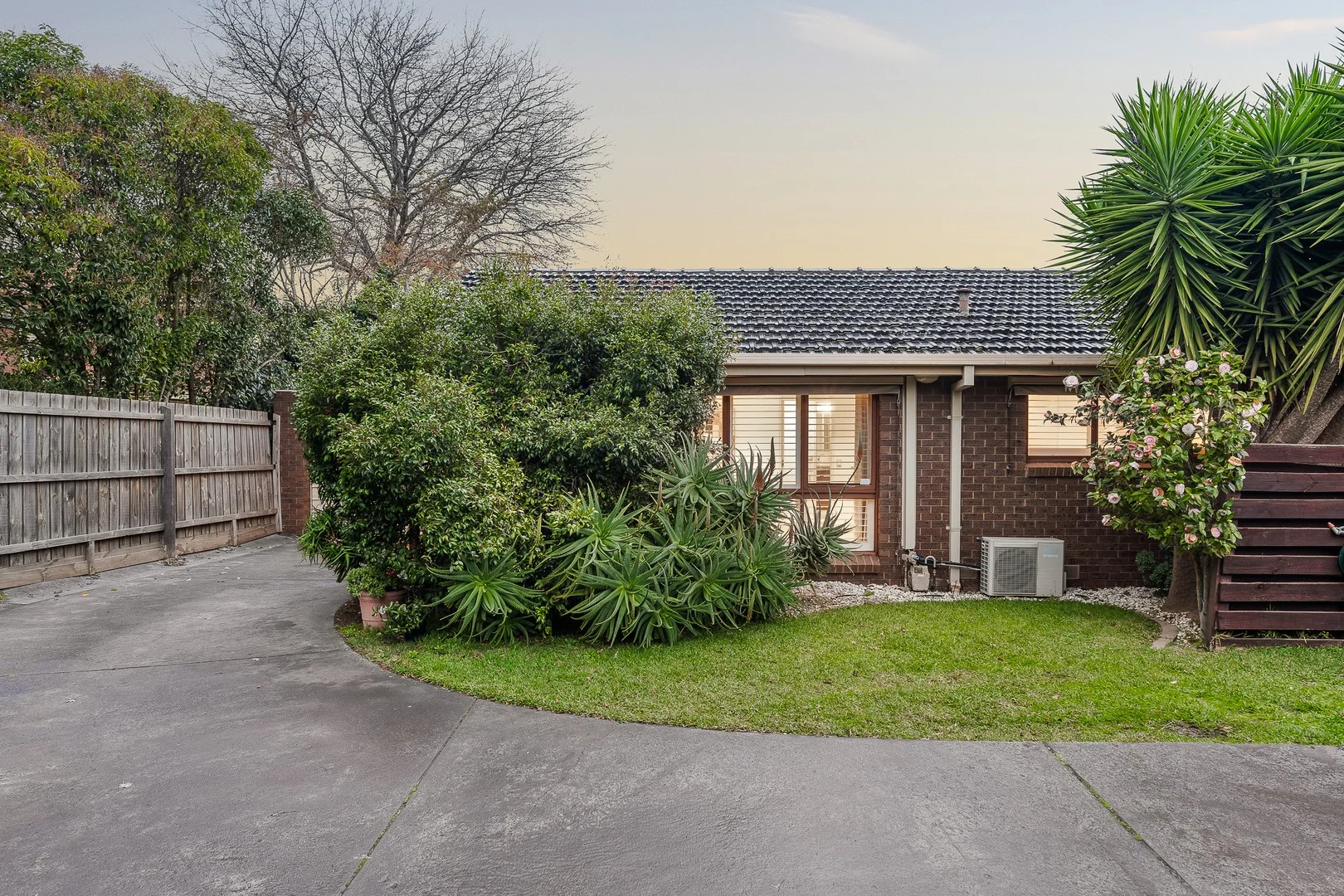 $770,000 - $820,000
Apartment / Unit / Flat
$770,000 - $820,000
Apartment / Unit / Flat
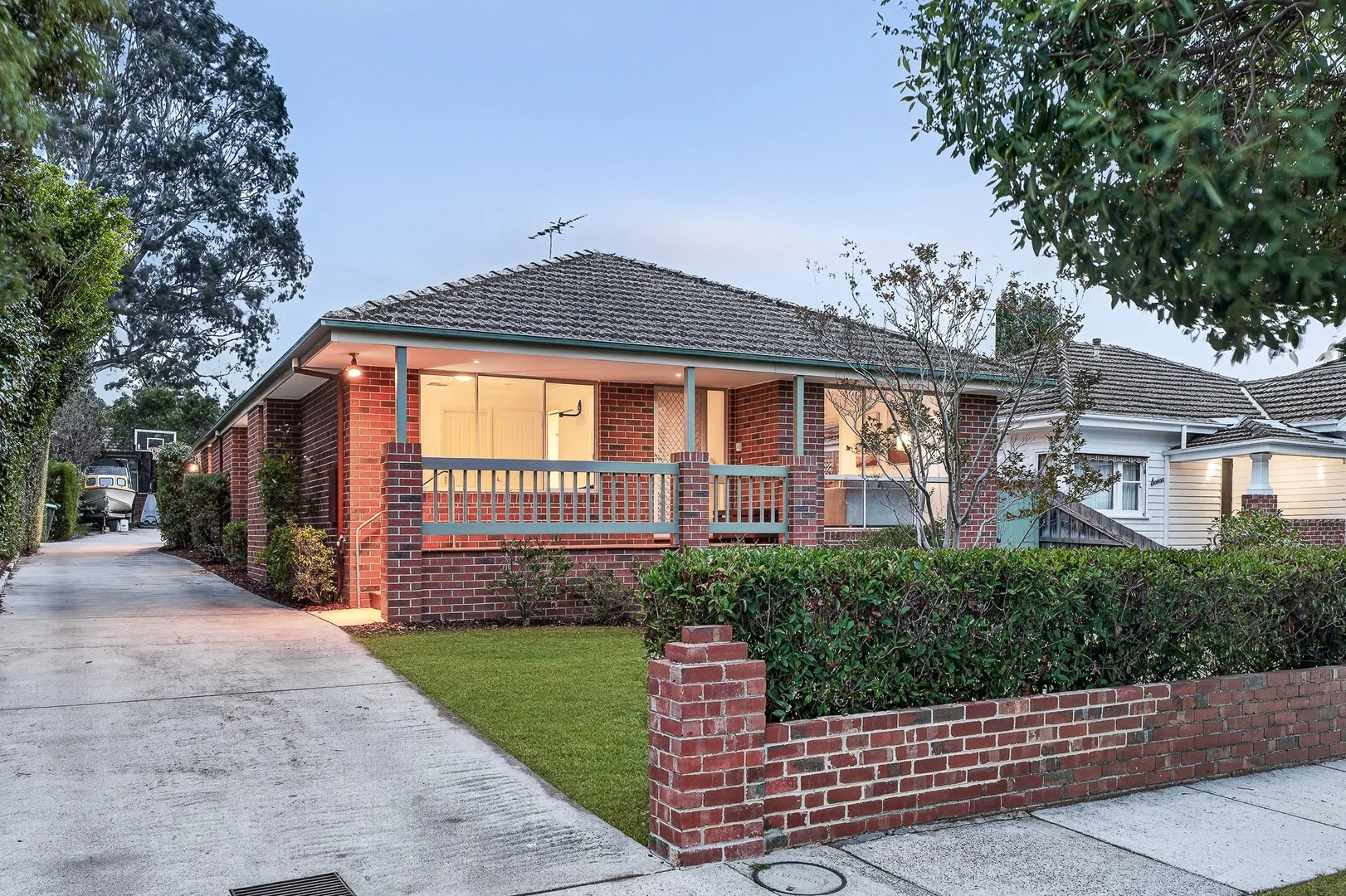 $1,200,000 - $1,300,000
House
$1,200,000 - $1,300,000
House
 $1,250,000
Apartment / Unit / Flat
$1,250,000
Apartment / Unit / Flat
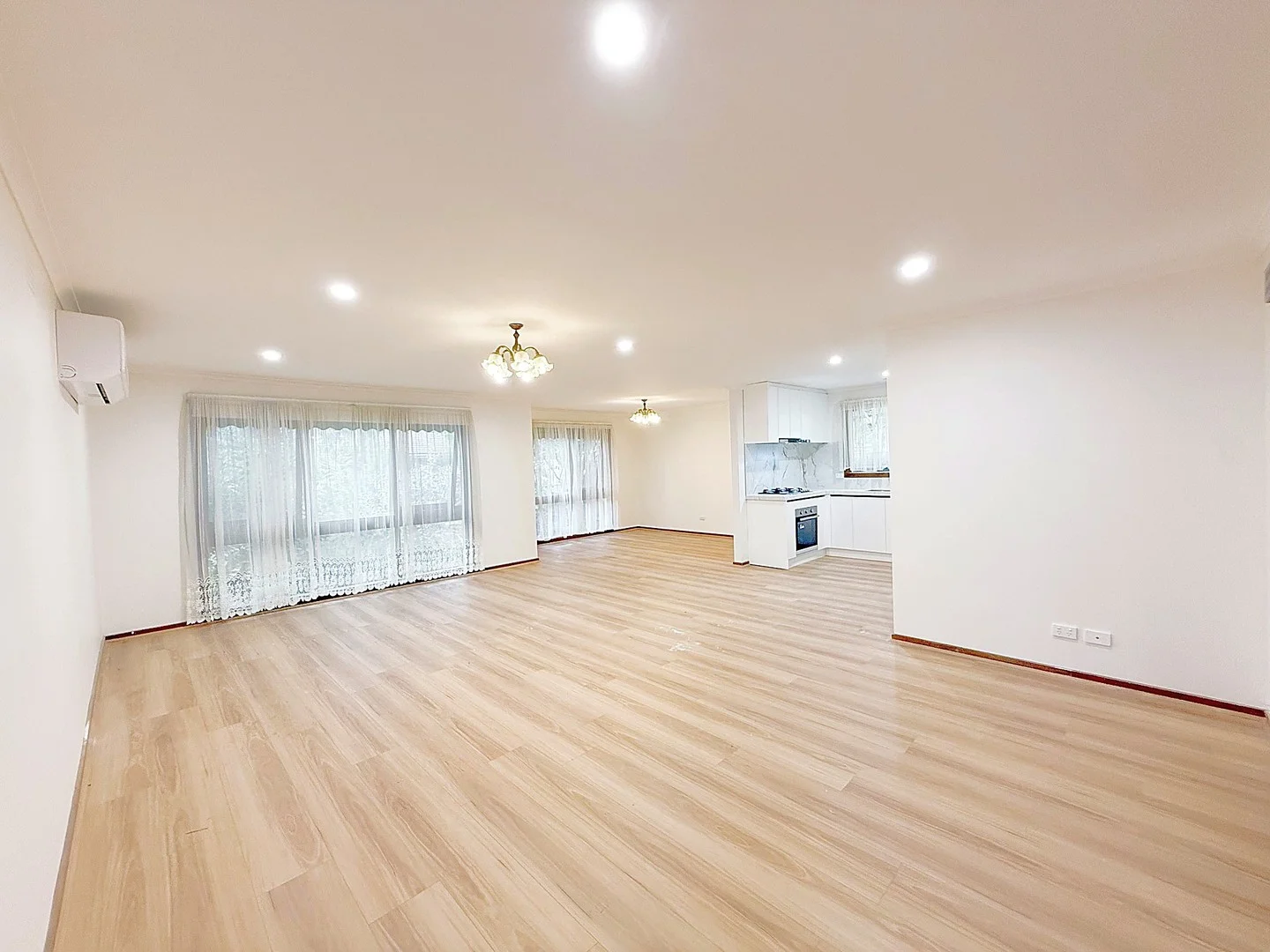 $1,100
House
$1,100
House


