Mundubbera State School
Mundubbera, QLD 4626
Mundubbera State School is a public, co-educational primary school serving families in Mundubbera and the surrounding region.
About Mundubbera State School
Read the full description
Overview
Mundubbera State School is a public, co-educational primary school serving families in Mundubbera and the surrounding region. The school is small-to-medium in size, fostering a close-knit, supportive community where teachers and families work together to support every child. Class sizes are typically in the mid-teens to early twenties, allowing strong teacher attention and personalised feedback. The atmosphere is nurturing, inclusive, and community-focused, with an emphasis on balanced academic achievement, practical learning, and student wellbeing.
Academics & Learning
- Academic strengths: Strong literacy and numeracy foundations, with opportunities to explore STEM, arts, and hands-on inquiry across year levels. The school emphasizes real-world problem solving and practical applications of learning.
- Special programs: Gifted and talented opportunities and targeted literacy/numeracy support; enrichment activities and small-group tutoring where appropriate.
- Support for diverse learners: Dedicated support for EAL/D learners, students with additional needs, and inclusive practices to help all students access the curriculum.
Sports & Extracurricular Strengths
- Sports offered: Typical school-wide programs include cricket, rugby league, netball, soccer, athletics, and swimming; opportunities to participate in inter-school events and regional sports.
- Strong teams or achievements: Representation in regional events and school teams; emphasis on teamwork, fair play, and personal bests.
- Music, arts, drama programs: Active music and performing arts involvement, including school ensembles and opportunities to perform at local events.
- Clubs: Robotics, chess, coding, debating, and other technology or inquiry-based clubs designed to stimulate curiosity and collaboration.
- Partnerships: Connections with local community clubs, regional sporting bodies, and inter-school competitions to broaden experiences beyond the classroom.
Wellbeing & Pastoral Care
- Anti-bullying approach: Clear policies, student wellbeing programs, and a focus on respectful relationships; supportive reporting mechanisms and restorative approaches.
- House system: A house structure to foster belonging, healthy competition, leadership opportunities, and house-based activities.
- Counsellors / wellbeing officers: Access to school-based wellbeing support and professional staff to assist with social-emotional learning and personal development.
- Transition support for new students: Welcoming programs, buddy systems, and targeted transitions support to help new students settle in smoothly.
Facilities
- Sports grounds: Well-maintained playing fields and courts for outdoor activities and events.
- Libraries: A dedicated library providing quiet spaces, reading programs, and research supports.
- Science labs: Practical science spaces to run experiments and hands-on investigations.
- Music/performing arts centers: Provision for music, drama, and performance activities.
- Tech/innovation labs: Dedicated spaces for coding, robotics, and digital learning.
- Cafeteria: Healthy meal options and a space for lunch breaks and social time.
- Updated playgrounds: Safe, engaging play areas to support active break times.
School Values & Community Culture
- Values / mission: A clear emphasis on respect, responsibility, resilience, and collaboration; a learning environment that supports character development alongside academics.
- Leadership style: Distributed leadership with opportunities for student voice and teacher collaboration; strong partnership with families.
- Behaviour expectations: Positive Behaviour for Learning approach, emphasizing consistent expectations and recognition of good conduct.
- Community reputation: Known for its welcoming atmosphere, parent involvement, and a strong sense of community pride.
- Diversity & inclusion: Inclusive practices that welcome students from diverse backgrounds and ensure access to learning for all.
School Logistics & Daily Operations
- School hours: Typically a daytime schedule aligned with regional norms; before/after school arrangements available.
- Before/after school care: Available through school-supported programs or local community providers.
- Uniform requirements: School uniform standard; consistent guidelines to promote a sense of belonging.
- Transport (bus routes): Local bus services and accessible transport options to support families in the catchment area.
- Canteen availability: On-site canteen or snack options supporting healthy choices.
- Fees (low/medium/high ranges): Generally low to modest contributions and charges, with most core costs covered by the public system; additional costs may relate to excursions or specific activities.
Enrolment & Admissions
- What is the enrolment process and timeline?
- Enrolment typically begins online through the state education system’s portal. Families should check catchment eligibility, gather required documents (e.g., birth certificate, immunisation statement, proof of address), and submit the application. Once submitted, the school will process the enrolment and provide a confirmation timeline, with next steps for induction and start dates.
- Is there a waiting list, and how does it work?
- In-area enrolments are prioritised for students within the catchment. If spaces are limited, a waiting list may be used, with placement decisions based on availability and prioritising catchment students. The school will provide updates as spaces become available.
- Are there any entry requirements, tests, or interviews?
- Public primary schools in Queensland generally do not require entry tests or interviews for enrolment. If a student has specific learning needs, the school may arrange a meeting to discuss appropriate supports and placement.
- Does the school accept mid-year transfers?
- Yes, subject to space and capacity. Families seeking mid-year transfers should contact the school early, provide last reporting/education records, immunisation information, and complete the standard enrolment process.
Frequently Asked Questions
- Why Parents Choose This School?
- What type of student thrives at this school?
- Students who respond well to hands-on learning, a collaborative environment, and a supportive approach to developing academic and personal skills.
- What opportunities are available for students to extend their skills (academics, sports, arts)?
- Enrichment programs, STEM and arts activities, sports teams and inter-school events, and clubs such as robotics, coding, chess, and debating.
- How does the school communicate with parents?
- Regular newsletters, emails, school apps or portals, parent-teacher interviews, and open lines of communication with teaching staff.
- What is the school’s approach to teaching and learning?
- A balanced, student-centred approach that differentiates instruction, emphasizes literacy and numeracy foundations, inquiry-based learning, and practical applications.
- How does the school support students who need extra academic help?
- Targeted literacy/numeracy support, inclusion aides, EAL/D and SEN supports, and small-group tutoring where needed.
- What support is available for academic challenges?
- Early identification, tailored learning plans, and access to specialist staff to help students reach their goals.
- How does the school communicate with parents? (Duplicate)
- As above: newsletters, digital platforms, direct contact with teachers, and scheduled meetings.
- What extracurricular and sports opportunities are available?
- A range of sports, music/arts programs, and clubs such as robotics, coding, chess, and debating to broaden interests and skills.
- What facilities does the school offer (sports, science, arts)?
- Sports grounds, libraries, science labs, performing arts spaces, tech/innovation labs, cafeteria, and updated playgrounds.
- What is the school’s approach to technology and digital learning?
- Integrated ICT across learning areas, access to devices where appropriate, digital literacy, and responsible, age-appropriate use of technology.
- What transport and accessibility options are available?
- Local bus routes and transport options; accessible facilities to support students and families.
- What are the typical school fees or additional costs?
- Core education is funded by the public system; additional costs may include booklists, voluntary contributions, excursions, and specific program fees.
Short Pros & Cons
- Pros
- Strong focus on wellbeing and inclusive culture - Broad range of enrichment activities in academics, sports, and arts - Active community involvement and supportive parent partnerships - Clear values-based environment with student leadership opportunities
- Cons
- As a regional primary school, opportunities may be more limited than larger urban schools - Availability of some specialised programs may depend on year level and staffing - Transport options primarily serve the local catchment; out-of-area arrangements may require additional planning
A few things parents ask
Does Mundubbera State School have a catchment area?
Yes. Mundubbera State School serves the following official intake zones: Mundubbera State College (primary, 2026); Mundubbera State College (secondary, 2026). Living inside a zone makes this your designated local public school. Whether a place is offered depends on the state’s enrolment policy and the year you apply — it is not a guarantee, and where current students live does not define the boundary. Use the AroundSchools catchment checker to see whether your address falls inside it, then verify with the state education department’s own tool.
What type of school is Mundubbera State School?
Mundubbera State School is a Government, Co-ed school in Mundubbera, QLD, offering Primary, Secondary year levels.
Is Mundubbera State School a public or private school?
Mundubbera State School is a public school. It is government-funded and part of the QLD public education system, so it is generally free for local students to attend, aside from voluntary contributions and levies.
Where is Mundubbera State School located?
Mundubbera State School is located at 57 Bunce Street, Mundubbera QLD 4626 Australia, Mundubbera, QLD, 4626.
Compare with nearby schools
The closest schools to Mundubbera State School, side by side. Fees appear where a school publishes them; activities and events are what is listed on AroundSchools within a short drive of each school.
| School | Distance | Sector | Gender | Years | Fees / yr | Kids' activities within 2 km | Events within 3 km |
|---|---|---|---|---|---|---|---|
| Mundubbera State SchoolThis school | Here | Government | Co-ed | Primary · Secondary | — | 3 | 0 |
| Boynewood State School | 7.4 km | Government | Co-ed | Primary · Secondary | — | 0 | 0 |
| Binjour Plateau State School | 18.0 km | Government | Co-ed | Primary · Secondary | — | — | — |
| Eidsvold K-12 State School | 29.3 km | Government | Co-ed | Primary · Secondary | — | — | — |
| Gayndah State School | 31.6 km | Government | Co-ed | Primary · Secondary | — | — | — |
| St Joseph's Catholic Primary School - Gayndah | 31.6 km | Catholic | Co-ed | Primary · Secondary | — | — | — |
| Burnett State College | 32.3 km | Government | Co-ed | Secondary | — | — | — |
Sorted by distance, not ranked. Check whether your address is in the catchment
Make a little more of the trip
Parks, playgrounds and libraries near the school.
Schools nearby
The closest schools, nearest first.


Properties for sale or rent nearby19
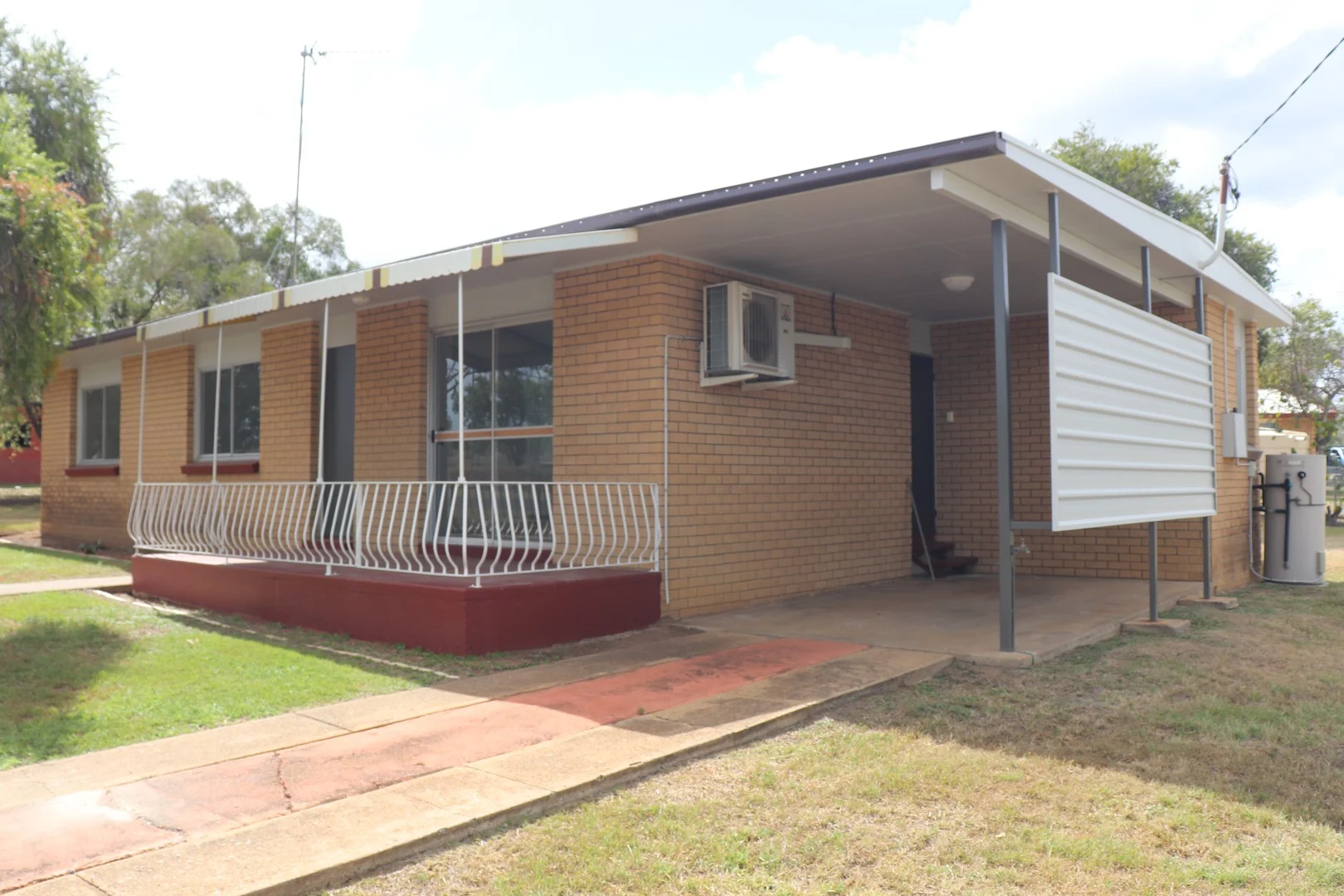
Mundubbera, QLD 4626
Land Size: 857 m²
Property Type: House
Listing Type: Residential
Status: Active
Summary: Move right in - Freshly Spruced
Description: Want a new home but can't afford it? Here's the next best thing. • Tidy brick home with new kitchen, new floorcoverings and freshly painted • 3 bedrooms all with built-ins • Carpeted lounge with large air con adjoining kitchen & meals areas • Front patio is the perfect place for morning coffee • Quiet location opposite school ovals • Extra wide street frontage giving plenty of room for a large shed • Fully fenced yard of 857m2 • Vacant possession - be the first to live in this newly spruced-up home
Agent: Janelle Duffin - jduffin@raywhite.com
 Ray White Rural Mundubbera

Janelle Duffin
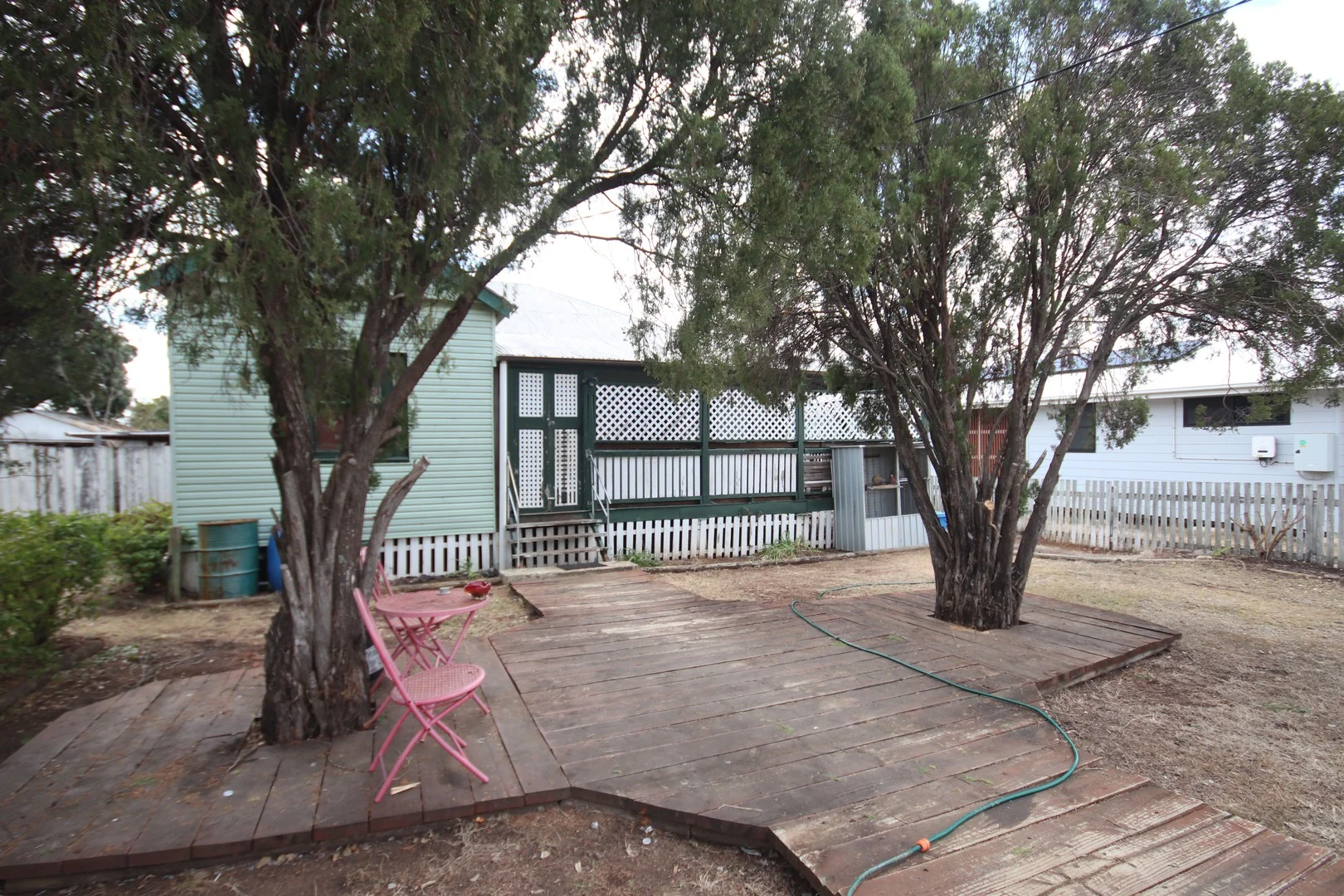
Mundubbera, QLD 4626
Land Size: 961 m²
Property Type: House
Listing Type: Residential
Status: Active
Summary: A Renovator's Dream
Description: If you are looking for your next big project, then this is the property for you! • Huge 4-bedroom Queenslander on fully fenced 961m2 allotment • Large loungeroom at front of house • Kitchen with wall oven and ceramic cooktop • Bathroom with standalone shower, bathtub, vanity & large linen cupboard • Original features - tongue & groove walls & fretwork • Ceiling fans & wood heater • L-shaped wrap around verandah - closed in for privacy • Carport & garden sheds • Close to local amenities, school, and parks This home is packed with potential! If you aren't scared of some hard work, this one is worth rolling your sleeves up for.
Agent: Danyelle Young - d.young@raywhite.com
Ray White Rural MundubberaDanyelle Young
Mundubbera, QLD 4626
Land Size: 809 m²
Property Type: House
Listing Type: Residential
Status: Active
Summary: BEAUTIFULLY MAINTAINED FAMILY HOME IN A PEACEFUL MUNDUBBERA LOCATION
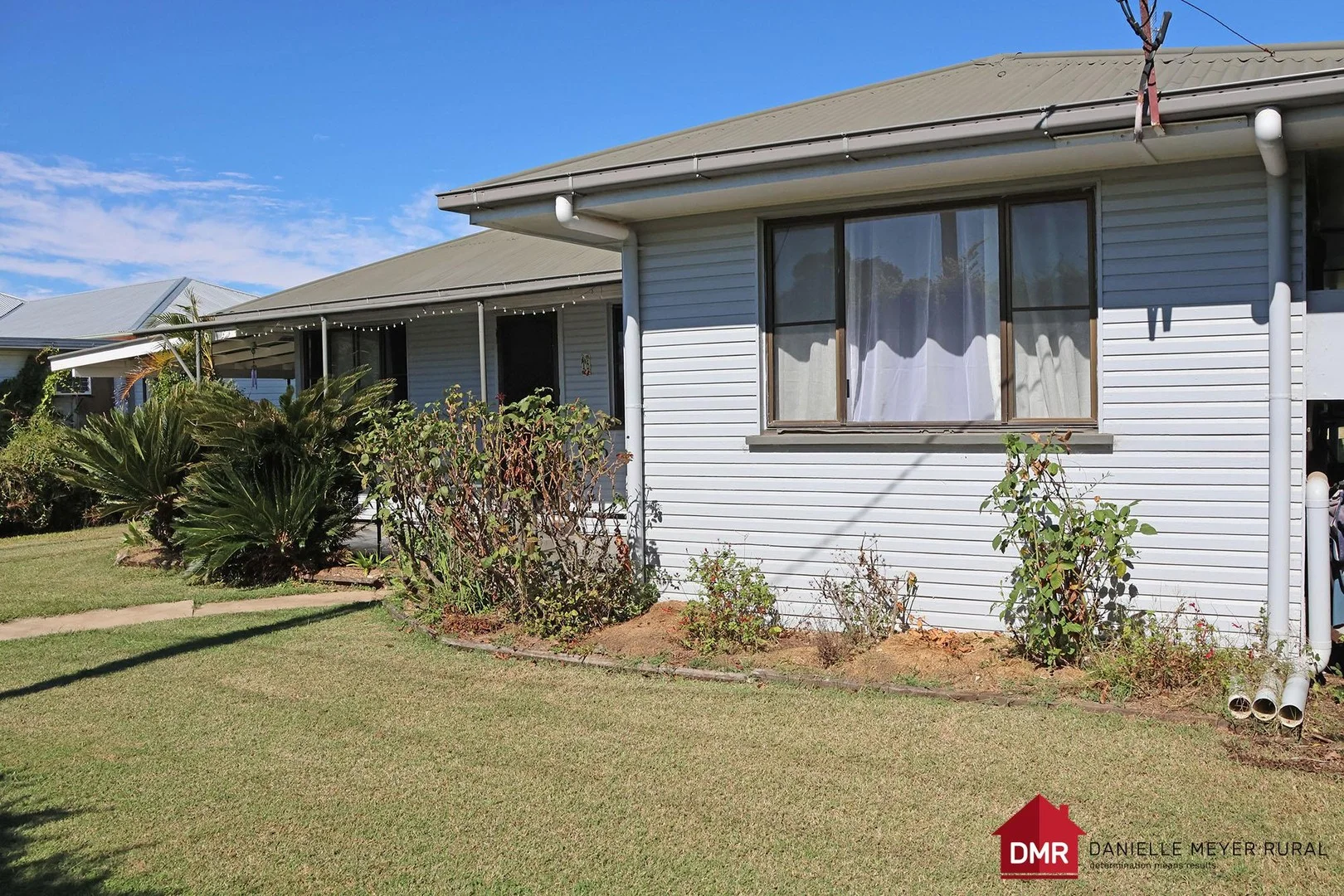
Description: Tucked away in the quiet streets of Mundubbera, 16 Olympia Street offers comfortable family living in a peaceful and private setting. Conveniently positioned within walking distance to Mundubbera State College and Halfpenny Park, this well-presented home combines modern updates with practical indoor and outdoor living spaces. Step inside and enjoy a welcoming layout designed for easy living. - Large modern kitchen and dining area with ample cupboard space, electric stove and dishwasher - Spacious living room complete with wood fireplace and box air-conditioning - Three generously sized bedrooms * Two bedrooms include built-in cupboards and split-system air-conditioning - New carpet throughout all bedrooms - Renovated bathroom featuring standalone shower and vanity - Separate toilet for added convenience - Freshly painted interior Outdoor features - - Fully fenced 809sqm block - Huge rumpus room/teenager's retreat attached to the rear of the home with electricity connected - Covered outdoor entertaining area - Front patio ideal for relaxing - Lock-up shed with solid timber benches and shelving - Well-maintained lawns and established gardens - Single carport Offering space, comfort, and a family-friendly location, this beautifully maintained property is ideal for first-home buyers, families, or investors seeking a move-in-ready opportunity in the heart of Mundubbera. Contact Danielle on 0427 654 912 to arrange your inspection to discover everything this charming home has to offer.
Agent: Danielle Meyer - dan@danmeyer.com.au - 0427 654 912
 Danielle Meyer Rural

Danielle Meyer