Overview
## Overview
NBSC Freshwater Senior Campus is a public high school on the NSW Northern Beaches, part of the Northern Beaches Secondary College network. It offers a co-educational learning environment focused on accessibility, student wellbeing and pathways to the NSW Higher School Certificate (HSC). The school is typically described as a medium-sized campus with a diverse student body and a culture that emphasises inclusion, support and practical learning.
Class sizes are generally in the typical NSW NSW public-school range, providing opportunities for teacher guidance within a collaborative, respectful atmosphere. The school aims to balance strong academic effort with broad opportunities in sport, arts and community involvement to help students develop holistically.
---
## Academics & Learning
- Academic strengths: Strong focus on core literacy and numeracy, with emphasis on English and STEM areas; opportunities to engage in leadership and learning through classroom programs.
- Special programs: HSC-focused curriculum pathways, with opportunities for enrichment and extended learning; pathway options to support able and motivated students.
- NAPLAN / trends: NSW public schools typically show year-to-year progress in reading and numeracy; NBSC Freshwater Senior Campus aims for steady improvement across cohorts.
- Student-teacher ratios: Moderate ratios typical of NSW public high schools, enabling meaningful teacher support in classrooms.
- Support for diverse learners: Robust support for EAL students and learners with additional needs through Learning Support Team services and targeted interventions.
---
## Sports & Extracurricular Strengths
- Sports offered: A range of team and individual sports commonly offered at NSW public high schools (e.g., football codes, basketball, netball, cricket, tennis, swimming) with access to school facilities.
- Strong teams or achievements: Participation in local and regional competitions; success varies by year and cohort, with a focus on teamwork and development.
- Music, arts, drama programs: Active music and performing arts opportunities, including ensembles and school productions; strong emphasis on student creativity.
- Clubs: Robotics, chess, coding, debating and other interest clubs are part of the extracurricular mix.
- Partnerships: Local clubs and community organizations often partner for events, competitions and enrichment activities.
---
## Wellbeing & Pastoral Care
- Anti-bullying approach: Clear policies and programs to promote safe and respectful environments, with reporting mechanisms and support.
- House system: A house-based structure to foster belonging, peer mentoring and leadership opportunities.
- Counsellors / wellbeing officers: Access to guidance counsellors and wellbeing staff to support students’ social and emotional needs.
- Transition support for new students: Orientation activities and dedicated support to help new students settle in, build friendships and adjust to school routines.
---
## Facilities
- Sports grounds: On-site fields and courts to support physical education and team sports.
- Libraries: Central learning hub with access to books, digital resources and study space.
- Science labs: Well-equipped laboratories for biology, chemistry and physics practicals.
- Music/performing arts centers: Dedicated spaces for music classes, rehearsals and performances.
- Tech/innovation labs: Computer and technology spaces supporting coding, digital projects and STEM activities.
- Cafeteria: On-site canteen offering lunch options and snacks.
- Updated playgrounds: Accessible outdoor spaces for breaks and informal activities.
---
## School Values & Community Culture
- School values / mission: Emphasis on respect, responsibility, resilience and inclusion; a community-focused ethos that supports student growth.
- Leadership style: Generally collaborative and student-inclusive, with opportunities for student leadership through student council and year-level roles.
- Behaviour expectations: Clear behavioural expectations aligned with NSW public-school codes of conduct.
- Community reputation: Positive reputation within the local community for wellbeing, inclusivity and a balanced approach to schooling.
- Diversity & inclusion: Commitment to diversity and inclusive practices across programs and activities.
---
## School Logistics & Daily Operations
- School hours: Regular school day aligned with NSW public-school timetables (start and finish times commonly around morning to mid-afternoon; exact times may vary by year level or timetable).
- Before/after school care: OSHC or wrap-around care options may be available through partnerships or local providers; check current arrangements with the school.
- Uniform requirements: School uniform required; details provided by the school and NSW Department of Education guidelines.
- Transport (train/bus routes): Accessible by local bus routes and public transport; many students travel by bus or train to nearby stations and walk/cycle to campus.
- Canteen availability: On-site canteen or snack facilities available.
- Fees (low/medium/high ranges): As a NSW public school, there is no tuition; families may incur optional contributions, uniform costs, books and activity fees, and trip/camp charges.
---
## Enrolment & Admissions
- 11. What is the enrolment process and timeline?
- Begin by checking catchment eligibility and submitting an enrolment application to NBSC Freshwater Senior Campus through the school's process. Gather required documents (proof of identity, proof of address, immunisation status, previous school reports). Complete any intake steps and attend information/orientation sessions as advised. Timelines vary by year level and term; applications are typically submitted well before the start of the school year.
- 12. Is there a waiting list, and how does it work?
- If the year level is oversubscribed, places may be allocated via a waitlist. Preference is usually given to students within the local catchment, with additional considerations for non-catchment applicants if places remain. Families on the waitlist are contacted as vacancies arise.
- 13. Are there any entry requirements, tests, or interviews?
- There are generally no entrance exams for this public high school. In some cases there may be interviews or information sessions for new students or families, and schools may request standard enrolment documentation. EAL/SEN considerations are accommodated through the school’s support services.
- 14. Does the school accept mid-year transfers?
- Yes, subject to space availability and the enrolment processes. Prospective mid-year transfer students should contact the school promptly to discuss feasibility, required documentation and the transition plan.
---
## Frequently Asked Questions
- Why Parents Choose This School?
- A public, inclusive environment with a balanced focus on academics, wellbeing and community involvement; strong pathways to the HSC and opportunities to participate in sport, arts and clubs.
- What type of student thrives at this school?
- Students who value a collaborative, supportive setting with opportunities across academics, sports and creative programs, and who appreciate a community feel and structured support.
- What opportunities are available for students to extend their skills (academics, sports, arts)?
- Extension or enrichment in core subjects, leadership roles, participation in sports teams, music ensembles, drama productions, robotics, coding, debating and other clubs.
- How does the school communicate with parents?
- Through newsletters, emails, the school app or portal, parent-teacher interviews and scheduled information sessions.
- What is the school’s approach to teaching and learning?
- A balanced, evidence-based approach with a focus on literacy and numeracy, practical learning, use of technology in the classroom, and differentiated support to meet diverse needs.
- How does the school support students who need extra academic help?
- Learning Support Team services, targeted small-group interventions, EAL support, SEN programs and access to guidance counsellors.
- What support is available for academic challenges?
- Additional tutoring or targeted interventions, regular checks on progress, and collaboration between teachers, specialists and families to design support plans.
- How does the school communicate with parents?
- See above: newsletters, emails, app/portal, and interviews.
- What are the class sizes and how much individual attention do students receive?
- Class sizes are typically in the NSW public-school range (roughly mid-20s to high-20s). Students often receive a good level of individual teacher support within this structure.
- What extracurricular and sports opportunities are available?
- A broad range of sports, music, drama and clubs such as robotics, coding, chess and debating; local competition participation and school productions are common.
- What facilities does the school offer (sports, science, arts)?
- Sports grounds, libraries, science labs, music/performing arts spaces, tech/innovation labs, on-site canteen and accessible outdoor facilities.
- What is the school's approach to technology and digital learning?
- Integration of digital tools and technology across learning, with computer/tech facilities and opportunities for students to engage in coding and digital projects.
- What transport and accessibility options are available?
- Public transport access via buses and nearby stations; walking and cycling options for many students; parking and accessibility arrangements as per NSW guidelines.
- What are the typical school fees or additional costs?
- There is no tuition for public schooling; families may encounter voluntary contributions, uniform costs, textbooks, excursions and program-specific charges.
---
## Short Pros & Cons list
- Pros
- Public, inclusive environment with broad learning pathways
- Balanced focus on academics, wellbeing and extracurriculars
- Range of facilities supporting science, arts and technology
- Strong support for diverse learners
- Active clubs and sports programs fostering student engagement
- Cons
- Class sizes can be larger in peak intake periods, limiting individual time at times
- Availability of some specialized programs may depend on year level and cohort
- Transport times can vary for families outside the main catchment or urban hubs
- Mid-year transfers depend on space and timing, which can affect placement certainty










 $2,824,000
Apartment / Unit / Flat
$2,824,000
Apartment / Unit / Flat
 $26,550,000
propertyType.NEW APARTMENTS / OFF THE PLAN
$26,550,000
propertyType.NEW APARTMENTS / OFF THE PLAN
 $2,745,000
propertyType.NEW APARTMENTS / OFF THE PLAN
$2,745,000
propertyType.NEW APARTMENTS / OFF THE PLAN
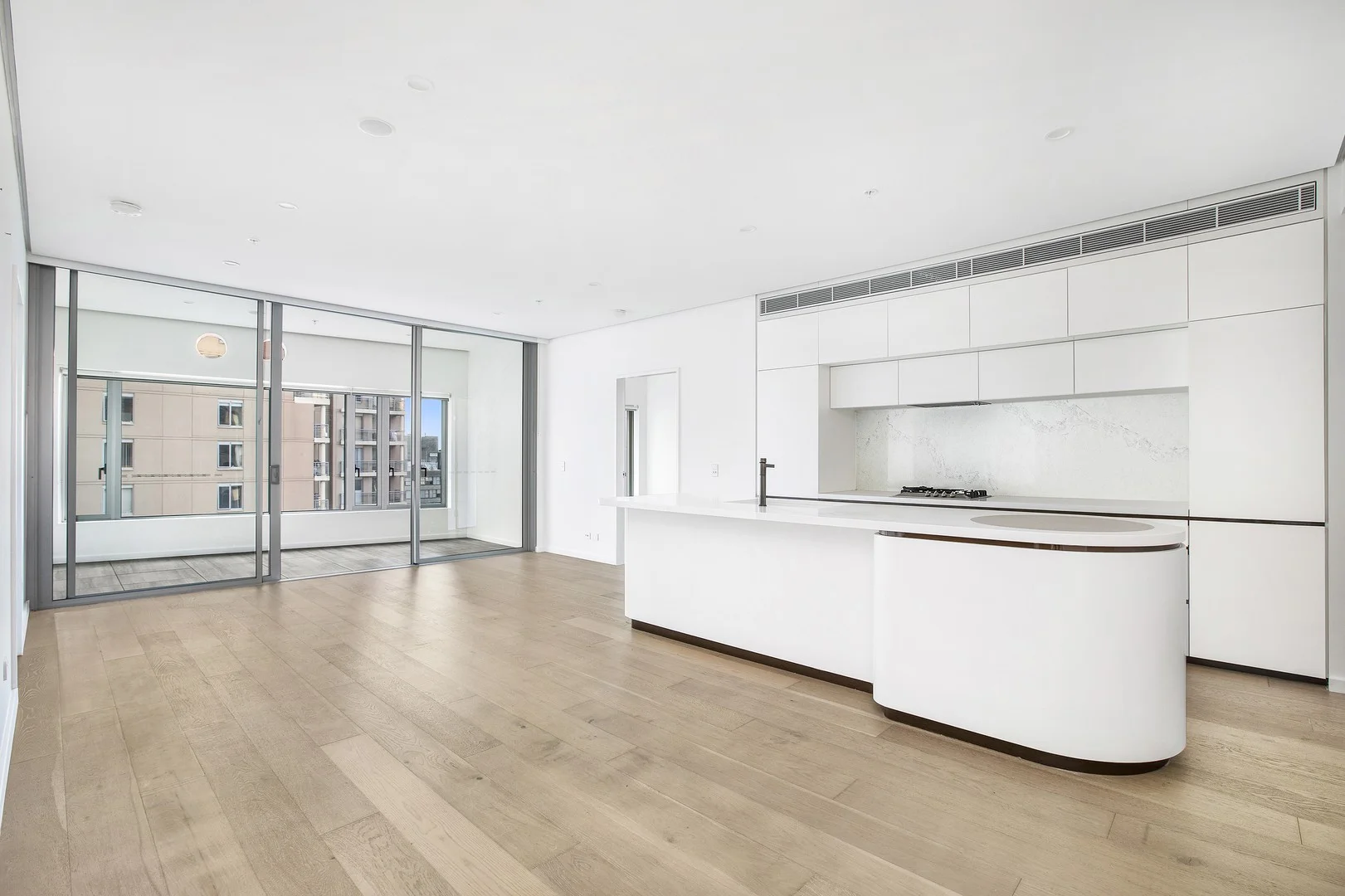 $2,250,000
Apartment / Unit / Flat
$2,250,000
Apartment / Unit / Flat
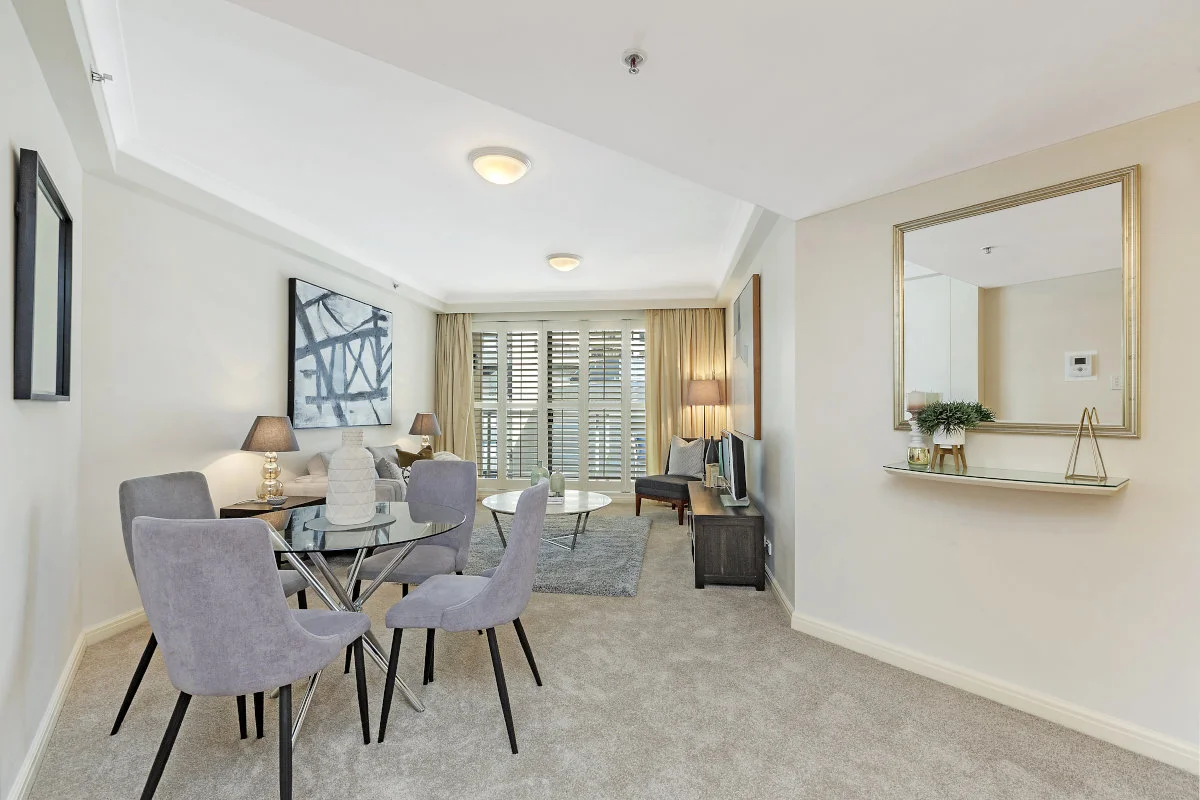 $660,000 - $725,000
Apartment / Unit / Flat
$660,000 - $725,000
Apartment / Unit / Flat
 $6,225,000
propertyType.NEW APARTMENTS / OFF THE PLAN
$6,225,000
propertyType.NEW APARTMENTS / OFF THE PLAN
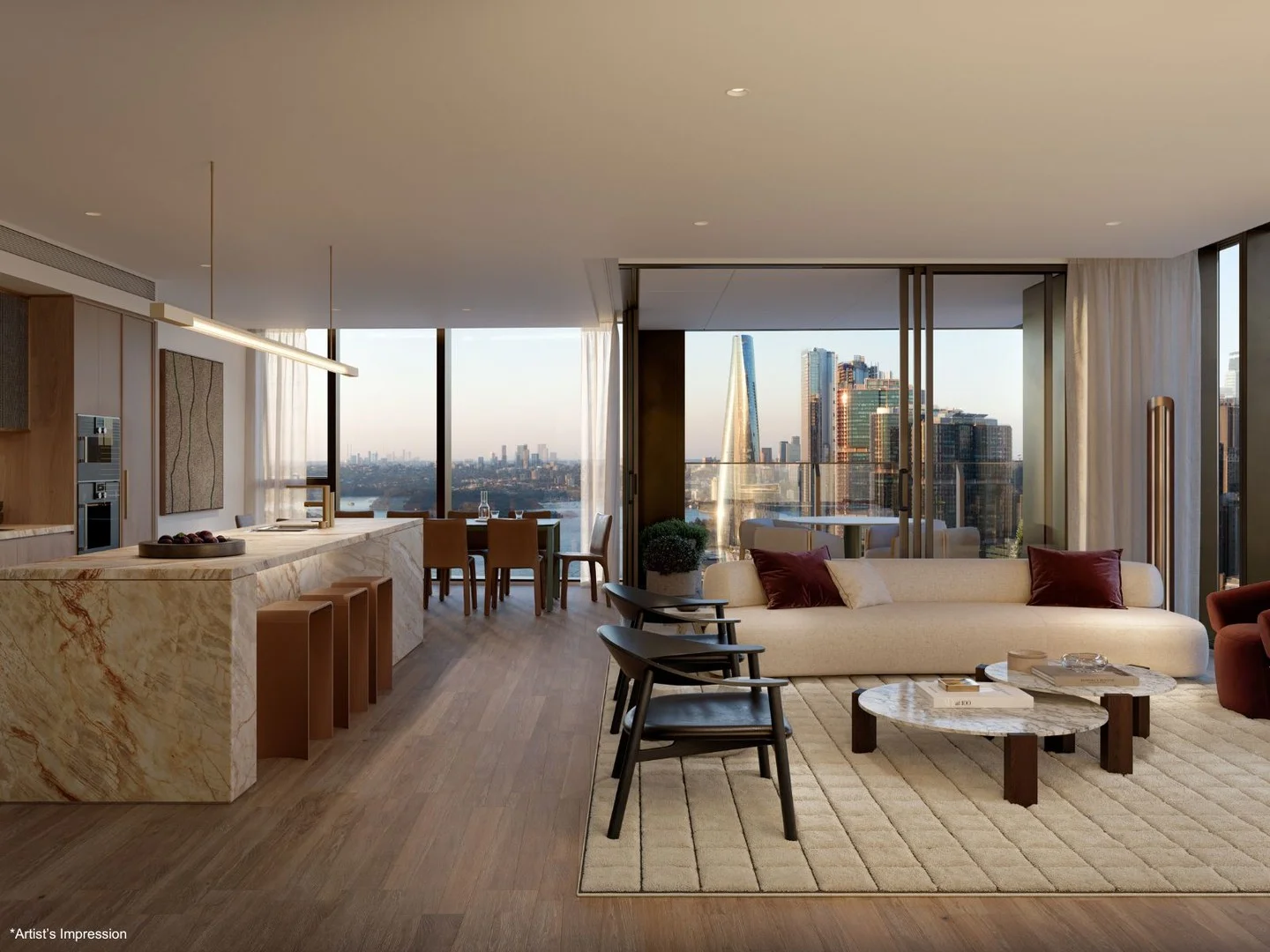 $12,980,000
propertyType.NEW APARTMENTS / OFF THE PLAN
$12,980,000
propertyType.NEW APARTMENTS / OFF THE PLAN
 $8,630,000
propertyType.NEW APARTMENTS / OFF THE PLAN
$8,630,000
propertyType.NEW APARTMENTS / OFF THE PLAN
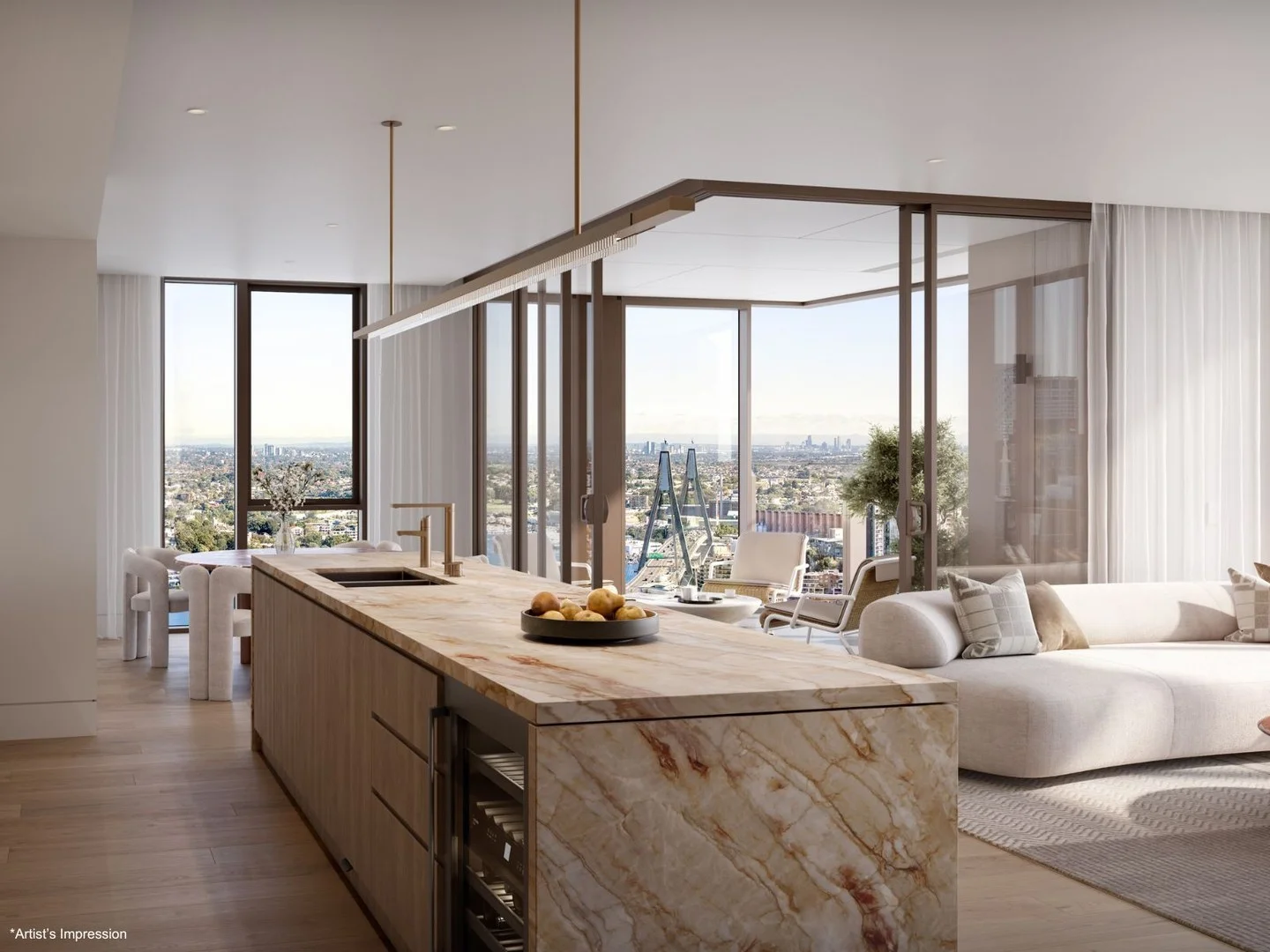 $9,020,000
propertyType.NEW APARTMENTS / OFF THE PLAN
$9,020,000
propertyType.NEW APARTMENTS / OFF THE PLAN


