Overview
## 1. Overview
NBSC Freshwater is a public high school in New South Wales, part of the NSW Department of Education and one of the campuses within the Northern Beaches Secondary College network. It serves as a secondary education option on the Northern Beaches, offering pathways through middle and senior years with a focus on preparing students for the HSC and post-school pathways. The campus aims to balance academic study with wellbeing, sport, and arts, providing a welcoming, inclusive environment.
The school culture combines academic focus with a supportive, community-minded atmosphere. It prioritises student wellbeing, belonging, and opportunities for leadership and participation across academics, sports, and creative pursuits. Class sizes are kept manageable to support individual attention, and the school emphasizes respect, responsibility, and inclusion as core values.
⸻
## 2. Academics & Learning
- Academic strengths: English, Mathematics, Science, HSIE, literacy and numeracy development, with opportunities to pursue language and STEM pathways. The school supports a broad HSC program with subject choices across disciplines.
- Special programs: Gifted and Talented/Enrichment options, accelerated learning where available, and a variety of Vocational Education and Training (VET) courses and industry partnerships to broaden senior pathways.
- NAPLAN / trends: NSW public schools in the region typically show stable or improving literacy and numeracy trends. NBSC Freshwater’s cohorts aim to perform around or above state averages, with continual focus on literacy, numeracy, and senior study readiness.
- Student-teacher ratios: Class sizes generally fall in the mid-20s, with student-teacher ratios commonly in the range of roughly 1:15 to 1:25, depending on subject and year level.
- Support for diverse learners: Dedicated EAL/D support, learning support for students with diverse learning needs, and access to SEN services and targeted intervention programs to help students progress.
⸻
## 3. Sports & Extracurricular Strengths
- Sports offered: A broad program including soccer, rugby (league and/or union where applicable), basketball, cricket, netball, athletics, swimming, and other school-wide team sports.
- Strong teams or achievements: Active participation across inter-school competitions with competitive school teams and representation in regional events.
- Music, arts, drama programs: Music ensembles, choir and instrumental programs, drama productions and opportunities to participate in performing arts.
- Clubs: Robotics, coding, chess, debating, makerspace activities, and other student-led clubs supporting interests in STEM, language, and humanities.
- Partnerships: Local clubs and regional / inter-school competitions provide additional opportunities for sport, coding competitions, debating leagues, and performing arts showcases.
⸻
## 4. Wellbeing & Pastoral Care
- Anti-bullying approach: Clear policies and reporting channels, with a focus on fostering a positive, respectful school climate and proactive wellbeing support.
- House system: House-based pastoral care to build belonging, leadership opportunities, and daily connections with tutors and house mentors.
- Counsellors / wellbeing officers: On-site guidance staff and wellbeing professionals to support academic planning, mental health, and transition needs.
- Transition support for new students: Structured orientation programs, buddy systems, and dedicated support during key transition periods (e.g., year 7 start or mid-year joins).
⸻
## 5. Facilities
- Sports grounds: Dedicated playing fields and athletic facilities for training and events.
- Libraries: On-site library with study space and resources.
- Science labs: Modern science laboratories for practical work across disciplines.
- Music/performing arts centers: Spaces for music, drama, and performances.
- Tech/innovation labs: Technology and STEM-focused spaces for hands-on learning and projects.
- Cafeteria: On-site dining and refreshment options.
- Updated playgrounds: Well-maintained outdoor spaces for breaks and recreation.
⸻
## 6. School Values & Community Culture
- School values / mission: A commitment to respect, responsibility, inclusion, and excellence in learning and community engagement.
- Leadership style: Collaborative and student-centered, with strong pastoral care and opportunities for student voice and leadership.
- Behaviour expectations: Clear behavioural standards emphasizing respect, integrity, and responsibility.
- Community reputation: A welcoming, family-like environment within a diverse Northern Beaches community; emphasis on inclusivity and active student participation.
- Diversity & inclusion: Programs and practices designed to support a diverse student body and ensure access and belonging for all.
⸻
## 7. School Logistics & Daily Operations
- School hours: Typical school day runs from morning start to afternoon finish, with exact times varying by year group; check current timetables.
- Before/after school care: OSHC or external providers typically available to support families, with arrangements coordinated through approved services.
- Uniform requirements: NSW public high school uniform policy in effect; students wear the prescribed school uniform during school hours and for events unless otherwise advised.
- Transport (train/bus routes): Accessible via local bus services and public transport routes on the Northern Beaches; students may rely on buses or walking/cycling as part of daily travel.
- Canteen availability: Canteen or food service options available during the school day.
- Fees (low/medium/high ranges): As a public school, tuition is not charged; there are typical costs for uniforms, excursions, and some extracurricular activities, with overall costs considered moderate.
⸻
## 8. Enrolment & Admissions
11. What is the enrolment process and timeline?
- Apply through the NSW public school enrolment process. Availability depends on catchment and capacity. Submit required documents (e.g., proof of residence, prior school details). Notification timelines vary; planning for Year 7 intakes or other year levels follows the NSW public school calendar.
12. Is there a waiting list, and how does it work?
- Waiting lists can operate depending on demand and catchment rules. Priority is usually based on zoning and vacancies. Applications can be placed on a waiting list if no immediate vacancy is available.
13. Are there any entry requirements, tests, or interviews?
- For general enrolment, there are typically no entry tests. Some programs or pathways (e.g., VET courses or selective options) may involve interviews or additional steps. For in-year transfers or special program placements, the school may require assessment or documentation.
14. Does the school accept mid-year transfers?
- Yes, subject to vacancy availability and enrolment priorities. Prospective families should contact the school early to discuss availability and the required transfer paperwork.
⸻
## 9. Frequently Asked Questions
- Why Parents Choose This School?
- A strong sense of community, supportive wellbeing programs, balanced academic and co-curricular opportunities, and a pathway-focused structure for HSC preparation.
- What type of student thrives at this school?
- Students who are motivated, collaborative, and engaged across academics, sport, and arts; those who value a supportive environment with opportunities to contribute to the school community.
- What opportunities are available for students to extend their skills (academics, sports, arts)?
- An expansive range of subjects for the HSC, enrichment and VET options, across sports teams, music ensembles, drama productions, debating, robotics, coding, and other clubs.
- How does the school communicate with parents?
- Regular newsletters, emails, parent portals, school events, parent-teacher meetings, and SMS alerts as appropriate.
- What is the school’s approach to teaching and learning?
- Student-centered and evidence-based teaching with a focus on literacy and numeracy, differentiated instruction, and opportunities for inquiry-based learning.
- How does the school support students who need extra academic help?
- Learning support, EAL/D assistance, SEN services, targeted interventions, tutoring opportunities, and guidance counsellor support.
- What support is available for academic challenges?
- Access to teachers during designated help times, personalised learning plans, escalation pathways for academic concerns, and wellbeing support when needed.
- What are the class sizes and how much individual attention do students receive?
- Class sizes are typically mid-20s; teachers provide regular feedback and targeted help through tutorials, small-group instruction, and individual meetings where feasible.
- What extracurricular and sports opportunities are available?
- A wide range of sports (team and individual), music and performing arts programs, robotics and coding clubs, debating, chess, and other student-led activities.
- What facilities does the school offer (sports, science, arts)?
- Sports grounds, libraries, modern science labs, music/performing arts spaces, tech/innovation labs, a canteen, and updated outdoor spaces.
- What is the school’s approach to technology and digital learning?
- Emphasis on digital literacy, access to devices and online resources, integration of technology across curricula, and support for responsible and effective use of digital tools.
- What transport and accessibility options are available?
- Public transport routes and school bus options; accessible facilities and dedicated drop-off/pick-up arrangements as needed.
- What are the typical school fees or additional costs?
- No tuition for public schooling; modest costs for uniforms, excursions, and some extra-curricular activities.
⸻
## 10. Short Pros & Cons list
- Pros
- Public, accessible education with a focus on wellbeing and inclusivity
- Wide range of academic subjects plus VET and enrichment programs
- Broad sports, arts, and clubs with opportunities for leadership
- Support for diverse learners (EAL/D and SEN)
- Strong sense of community and student engagement
- Cons
- Class sizes, while manageable, can be mid-range rather than very small
- Transport options depend on location and public routes; some families rely on bus routes
- As a public school, elective costs (uniforms, excursions, some activities) apply
- Availability of certain programs depends on enrolment and year level; some specialized placements may require wait times
⸻
If you’d like, I can tailor this further with more precise, up-to-date details from NBSC Freshwater’s official materials (e.g., current uniform specifics, exact intake years for the campus, or latest program offerings).








 $2,824,000
Apartment / Unit / Flat
$2,824,000
Apartment / Unit / Flat
 $26,550,000
propertyType.NEW APARTMENTS / OFF THE PLAN
$26,550,000
propertyType.NEW APARTMENTS / OFF THE PLAN
 $2,745,000
propertyType.NEW APARTMENTS / OFF THE PLAN
$2,745,000
propertyType.NEW APARTMENTS / OFF THE PLAN
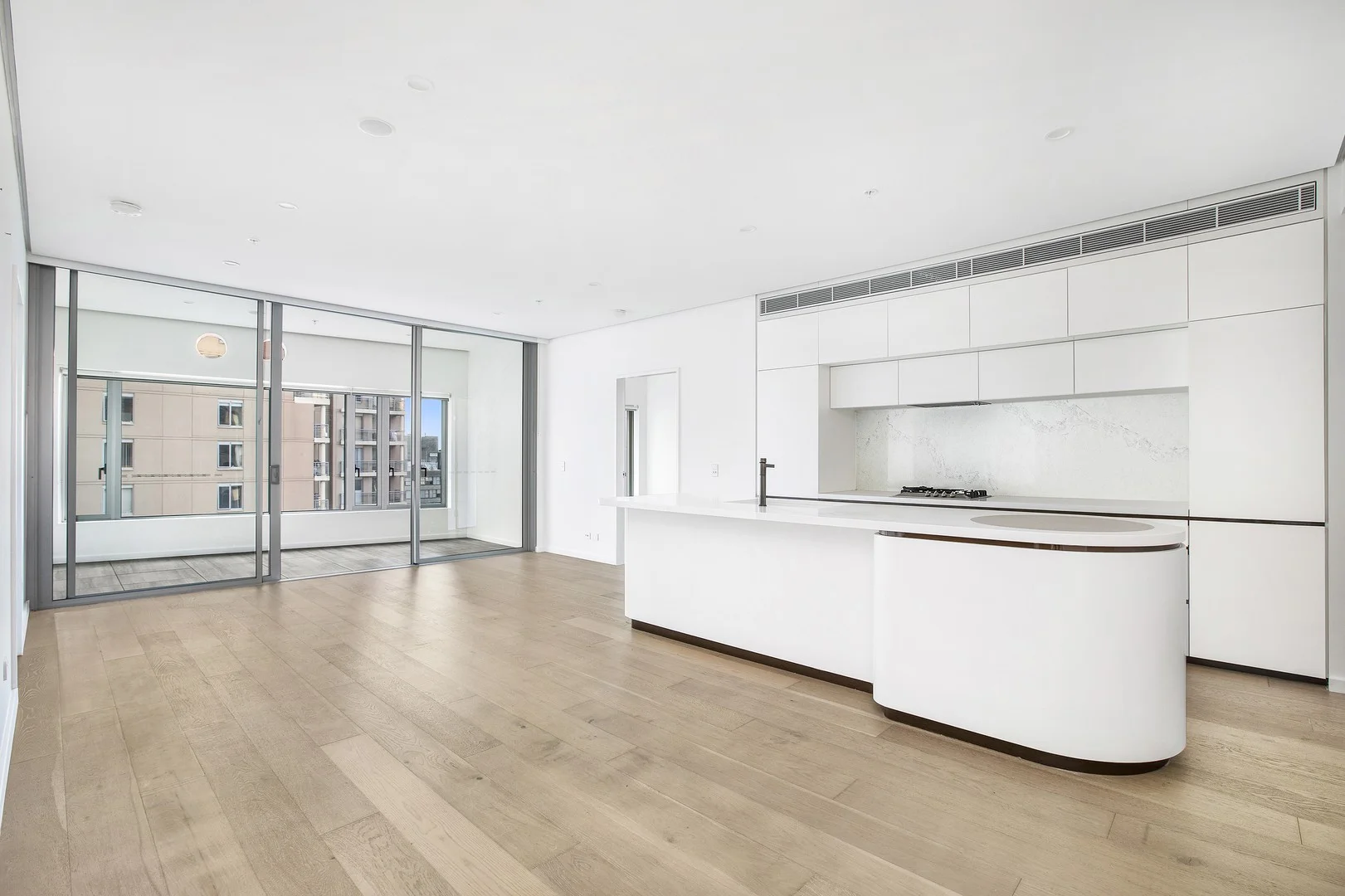 $2,250,000
Apartment / Unit / Flat
$2,250,000
Apartment / Unit / Flat
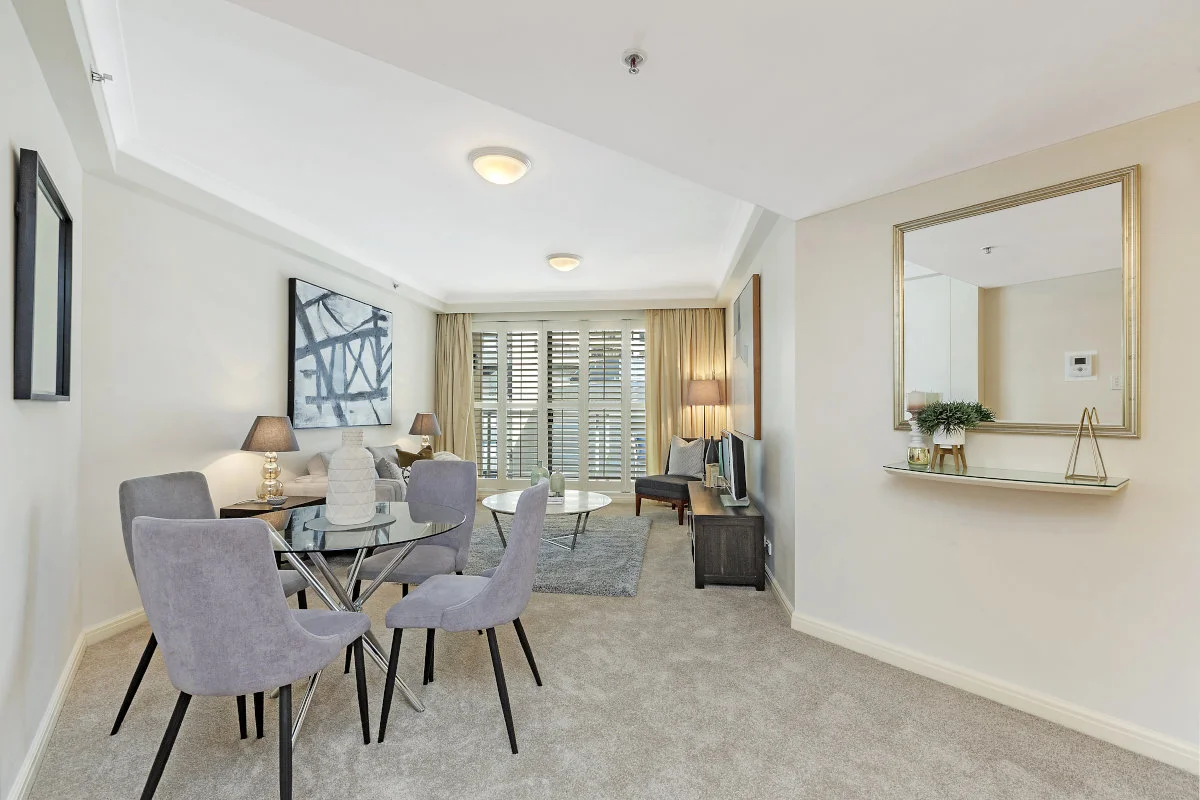 $660,000 - $725,000
Apartment / Unit / Flat
$660,000 - $725,000
Apartment / Unit / Flat
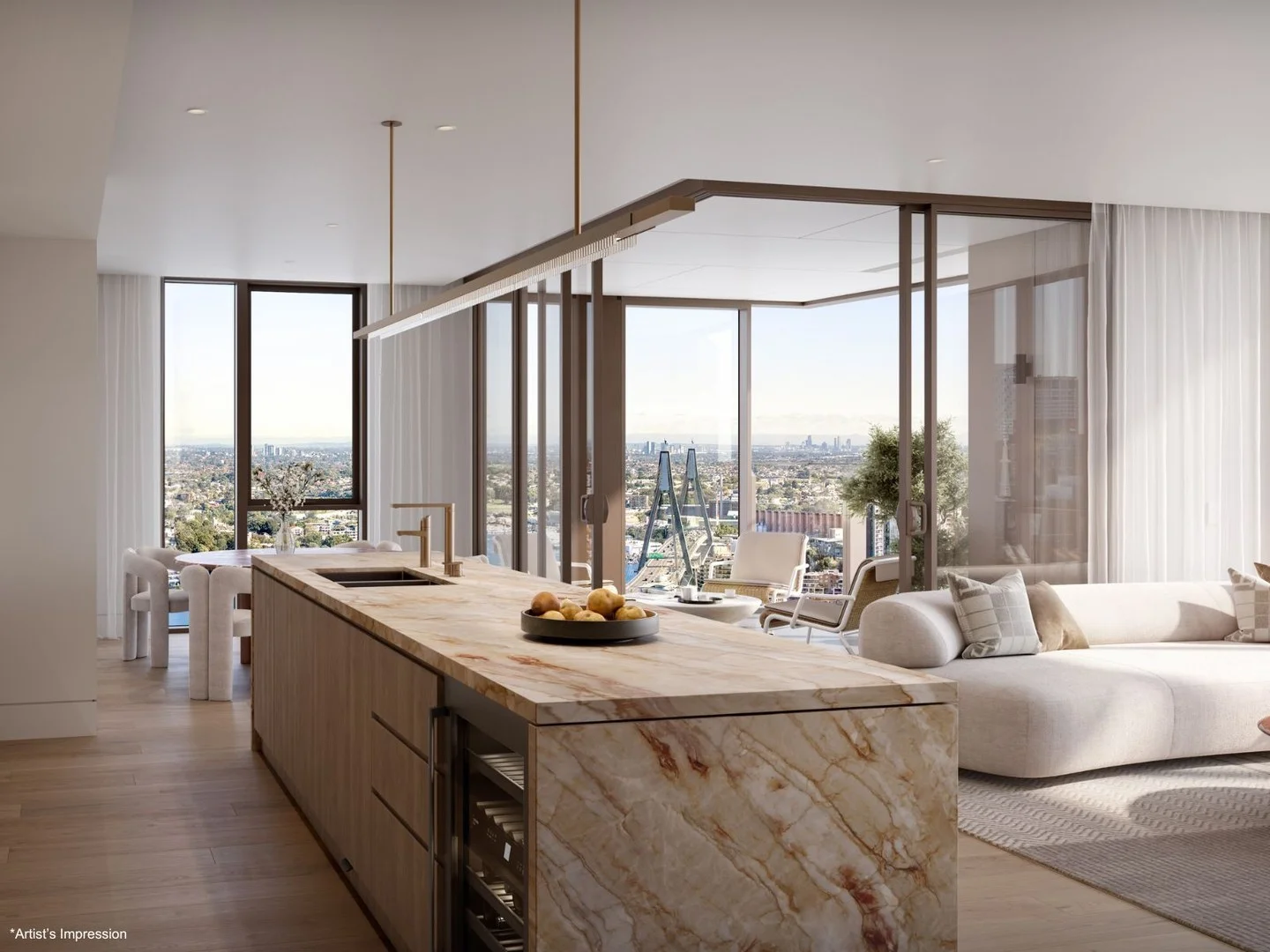 $9,020,000
propertyType.NEW APARTMENTS / OFF THE PLAN
$9,020,000
propertyType.NEW APARTMENTS / OFF THE PLAN
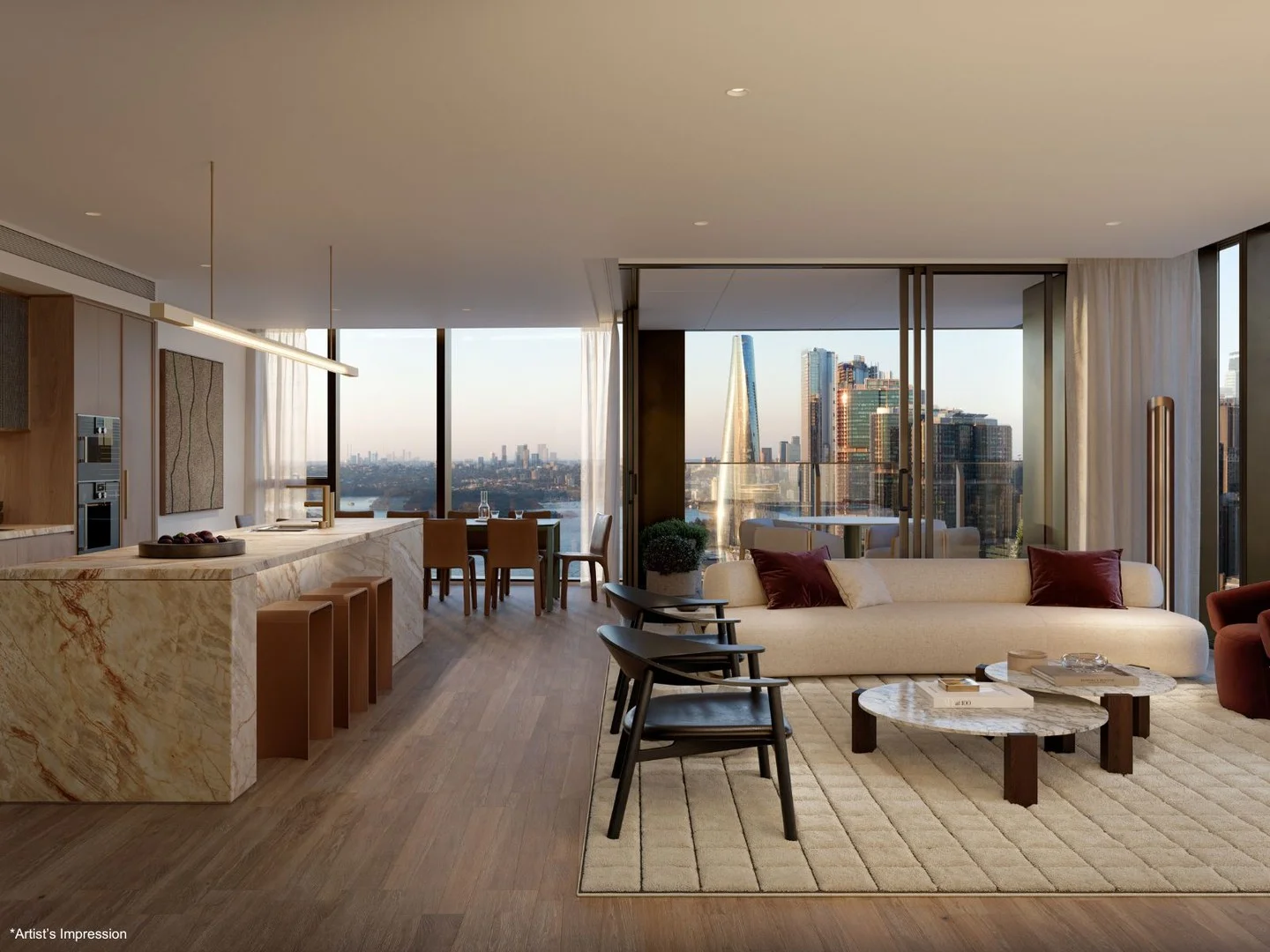 $12,980,000
propertyType.NEW APARTMENTS / OFF THE PLAN
$12,980,000
propertyType.NEW APARTMENTS / OFF THE PLAN
 $8,630,000
propertyType.NEW APARTMENTS / OFF THE PLAN
$8,630,000
propertyType.NEW APARTMENTS / OFF THE PLAN
 $6,225,000
propertyType.NEW APARTMENTS / OFF THE PLAN
$6,225,000
propertyType.NEW APARTMENTS / OFF THE PLAN


