1. Overview
NBSC Freshwater Senior Campus is a public NSW secondary campus focused on Year 11–12 programs. The school emphasises a balanced approach that supports both academic pathways and vocational study, with a strong focus on preparing students for the NSW Higher School Certificate (HSC) and life beyond school. The campus tends to attract a medium-sized student cohort and offers a supportive, inclusive environment where students are encouraged to take responsibility for their learning and personal development.
- School type: Public
- School size: Medium
- Class size: Typically around 20–25 students per class
- Atmosphere/culture: Inclusive, nurturing, academically focused, with opportunities for leadership and a strong sense of community
⸻
2. Academics & Learning
NBSC Freshwater Senior Campus provides senior secondary programs with a mix of academic and vocational pathways. Students can access HSC subjects, along with VET courses and industry-aligned training to support varied career goals. The school uses data-driven planning to tailor support and challenge, helping students progress toward their individual goals.
- Academic strengths: English, STEM-related subjects, leadership development, and vocational pathways
- Special programs: HSC-focused courses, VET/TVET options, potential industry partnerships for practical learning
- NAPLAN trends: Data-driven improvements and targeted interventions; trends show steady progress in key literacy and numeracy areas over time
- Student-teacher ratios: Class sizes around 20–25; teacher-support ratios managed to allow coaching and feedback
- Support for diverse learners: EAL support, SEN coordination, and individual learning plans to help students achieve their goals
⸻
3. Sports & Extracurricular Strengths
Sports and co-curricular activities are a priority, with opportunities across sport, arts, and academic clubs. The campus participates in inter-school events and builds skills through regular practice and competition, while also offering creative and technical outlets.
- Sports offered: Basketball, soccer, netball, rugby, athletics, swimming, and other school-based activities
- Strong teams or achievements: Active participation in regional/inter-school competitions with a focus on development and teamwork
- Music, arts, drama: School ensembles, choir, drama productions, and opportunities to perform
- Clubs: Robotics, chess, coding, debating, and other student-led interest groups
- Partnerships: Local sport and arts clubs, competitions, and pathways with community groups and providers for extended opportunities
⸻
4. Wellbeing & Pastoral Care
Wellbeing is central to student success, with structures in place to support mental health, resilience, and positive behaviours. The campus emphasizes a proactive approach to wellbeing and bullying prevention, along with clear pathways for support.
- Anti-bullying approach: Whole-school programs, clear policies, and a supportive environment that encourages reporting and resolution
- House system: A house-based structure to promote belonging, mentoring, and healthy competition
- Counsellors / wellbeing officers: Access to school counsellors and wellbeing staff for individual and group support
- Transition support for new students: Orientation activities, buddy systems, and targeted programs to help students settle in smoothly
⸻
5. Facilities
The campus provides modern spaces designed to support a range of learning styles, with facilities that balance practical and creative work.
- Sports grounds: On-site facilities to support physical education and team sport
- Libraries: Central library resources and study spaces for research and reading
- Science labs: Fully equipped laboratories for chemistry, biology, physics, and related subjects
- Music/performing arts centers: spaces for music practice, rehearsals, and performances
- Tech/innovation labs: Computer labs and makerspaces for digital projects and STEM
- Cafeteria: On-site canteen offering a range of healthy options
- Updated playgrounds: Well-maintained outdoor spaces for recreation and informal learning
⸻
6. School Values & Community Culture
The school fosters a respectful and inclusive culture where students are encouraged to lead, collaborate, and contribute to the community. Clear values and expectations underpin day-to-day life at the campus.
- School values / mission: Respect, responsibility, excellence, and inclusion
- Leadership style: Student voice through councils and committees; opportunities for leadership roles
- Behaviour expectations: Consistent code of conduct with restorative approaches
- Community reputation: Supportive, welcoming environment with a focus on student growth
- Diversity & inclusion: Commitment to equity and inclusion across programs and activities
⸻
7. School Logistics & Daily Operations
Practical information to help families plan around school life.
- School hours: Typical timetable aligns with NSW public high schools; start and finish times published by the campus
- Before/after school care: Some wrap-around services; check current arrangements with the administration
- Uniform requirements: Standard NSW public school uniform; details provided by the school and uniform shop
- Transport (train/bus routes): Regular bus services and regional transport options; information on routes available through transport authorities
- Canteen availability: On-site canteen with daily options
- Fees (low/medium/high ranges): No tuition fees for public schooling; some subject charges or voluntary contributions may apply
⸻
8. Enrolment & Admissions
Key steps for families considering enrolment and the typical timeline.
11. What is the enrolment process and timeline?
- Enrolment typically happens through the NSW Department of Education processes. Check opening periods, required documentation (proof of identity, residency, previous academic records), and any campus-specific deadlines. Open days or information sessions may be offered.
12. Is there a waiting list, and how does it work?
- In-zone applicants generally have priority. Out-of-zone or capacity-constrained entries may involve a waitlist or consideration of space availability as vacancies arise.
13. Are there any entry requirements, tests, or interviews?
- For Year 11–12 entry, formal testing is not usually mandatory, but schools may review student transcripts and discuss course selections. Some vocational or advanced subjects may have prerequisites or require discussions about the chosen pathway.
14. Does the school accept mid-year transfers?
- Mid-year transfers can be considered if there is space and the student’s program can be accommodated. Parents should contact the school early to discuss options and required documentation.
⸻
9. Frequently Asked Questions
- Why Parents Choose This School?
- A supportive, inclusive environment with clear pathways to the HSC and vocational training, plus a focus on real-world skills and student wellbeing.
- What type of student thrives at this school?
- Motivated learners who value both academic pathways and practical, hands-on opportunities; students who engage with peers, teachers, and programs to build along their interests.
- What opportunities are available for students to extend their skills (academics, sports, arts)?
- A range of HSC subjects, VET courses, sports teams, performing arts programs, and clubs such as robotics, chess, coding, and debating.
- How does the school communicate with parents?
- Regular updates through newsletters, parent portals, emails, and scheduled parent-teacher meetings. Staff are available for discussions as needed.
- What is the school’s approach to teaching and learning?
- Data-informed planning, differentiated instruction, and a mix of classroom learning, practical labs, and project-based activities to support diverse learners.
- How does the school support students who need extra academic help?
- Targeted tutoring, learning plans, EAL and SEN support, and guidance from teachers and wellbeing staff.
- What support is available for academic challenges?
- Access to counsellors, subject acceleration where appropriate, study skills programs, and ongoing monitoring of progress.
- How does the school communicate with parents? (Note: see above.)
- See above about regular updates and accessible channels.
- What are the class sizes and how much individual attention do students receive?
- Typical class sizes around 20–25 students; teachers provide feedback, guidance, and small-group support where needed.
- What extracurricular and sports opportunities are available?
- A broad range including team sports, arts, music, drama, and clubs such as robotics, coding, chess, and debating.
- What facilities does the school offer (sports, science, arts)?
- Sports grounds, libraries, science labs, music/performing arts spaces, tech/innovation labs, canteen, and well-maintained outdoor spaces.
- What is the school’s approach to technology and digital learning?
- Integration of digital tools across subjects, access to computer labs and maker spaces, and emphasis on developing digital literacy.
- What transport and accessibility options are available?
- Access to local bus/train routes; information provided by transport authorities and the school; accommodations for accessibility where needed.
- What are the typical school fees or additional costs?
- There are no tuition fees for public schooling; some subject materials, excursions, or uniform costs may apply as applicable.
⸻
10. Short Pros & Cons list
Pros
- Public-school pathways with strong focus on both academic and vocational outcomes
- Supportive wellbeing and inclusive culture
- Wide range of subjects, VET options, and extracurricular activities
- Modern facilities with dedicated spaces for science, arts, and technology
- Clear communication and active parent involvement opportunities
Cons
- As a senior campus, opportunities and pathways may depend on year-level availability and space
- Transport options may vary by location and demand; check local routes
- Some costs may apply for materials, excursions, or extra-curricular activities
- Large campuses can mean variability in class sizes by subject or course
If you’d like, I can tailor this content further with any specific details you have about NBSC Freshwater Senior Campus (for example, exact house names, confirmed program offerings, or current facilities).
 $430+
$430+








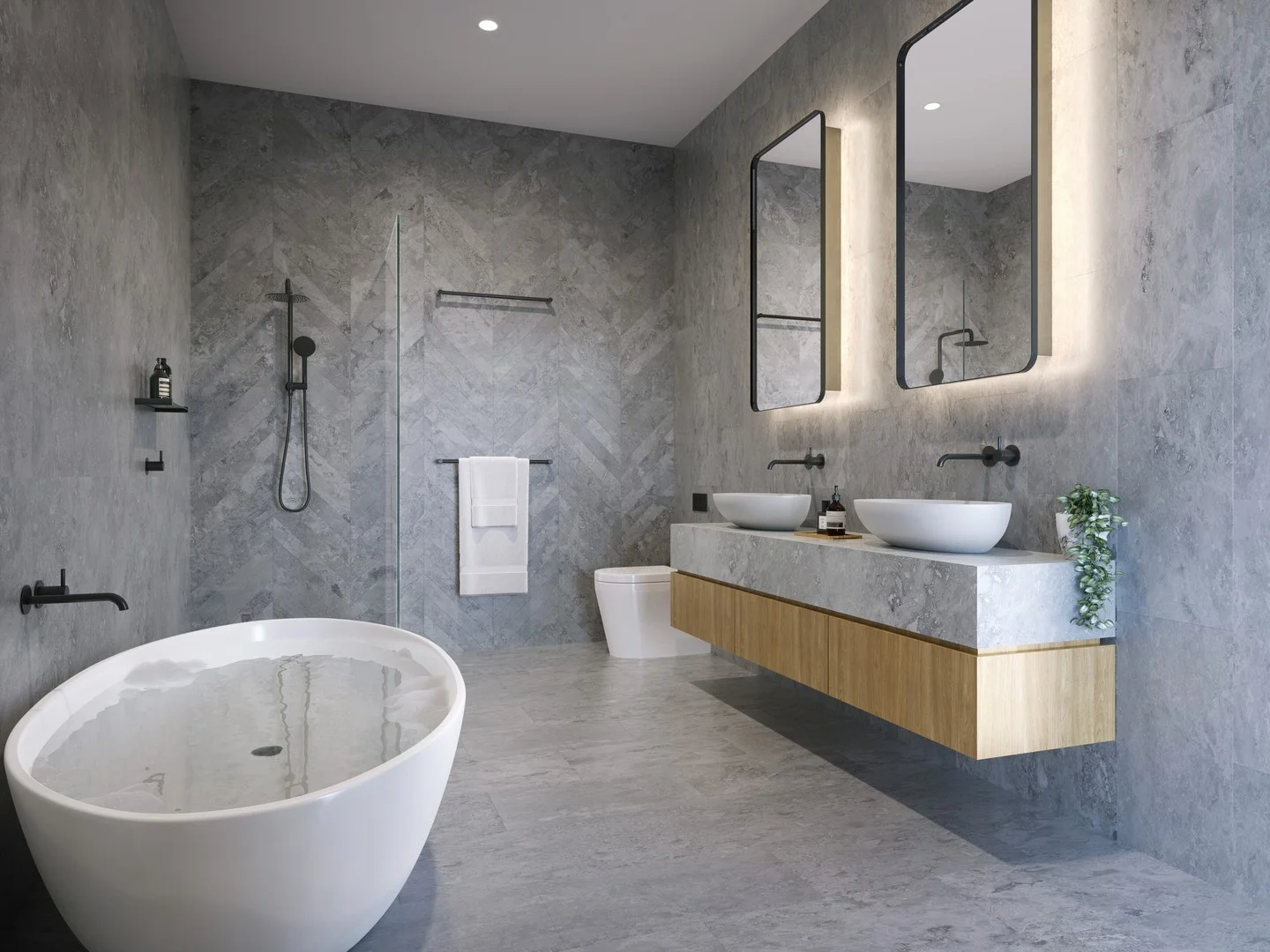 $2,824,000
Apartment / Unit / Flat
$2,824,000
Apartment / Unit / Flat
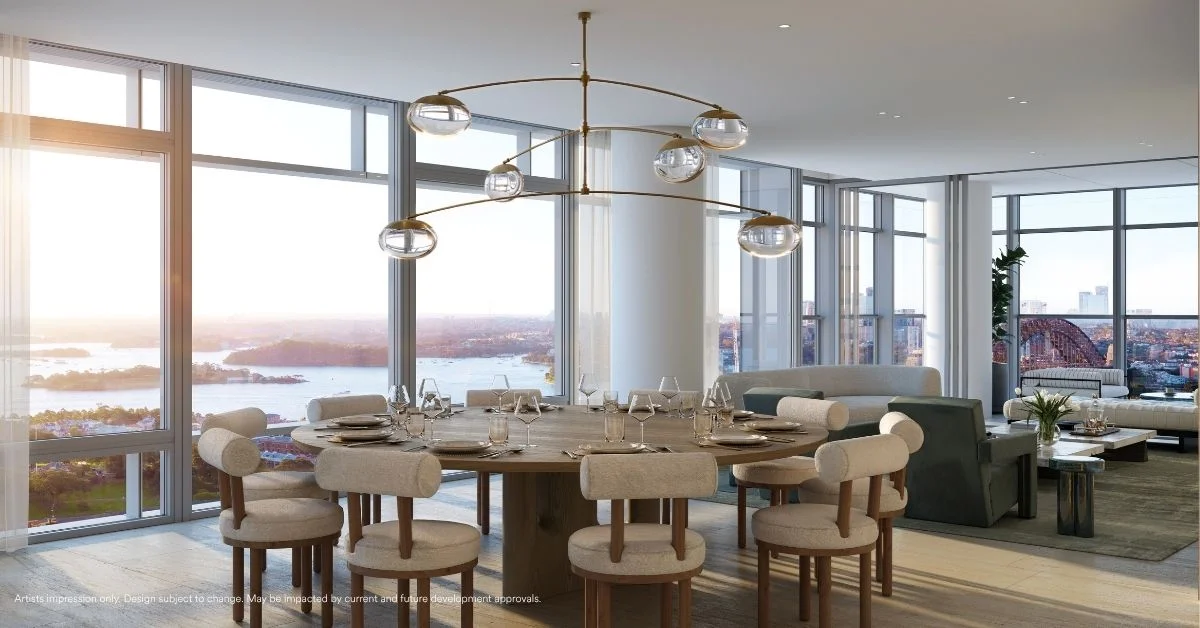 $26,550,000
propertyType.NEW APARTMENTS / OFF THE PLAN
$26,550,000
propertyType.NEW APARTMENTS / OFF THE PLAN
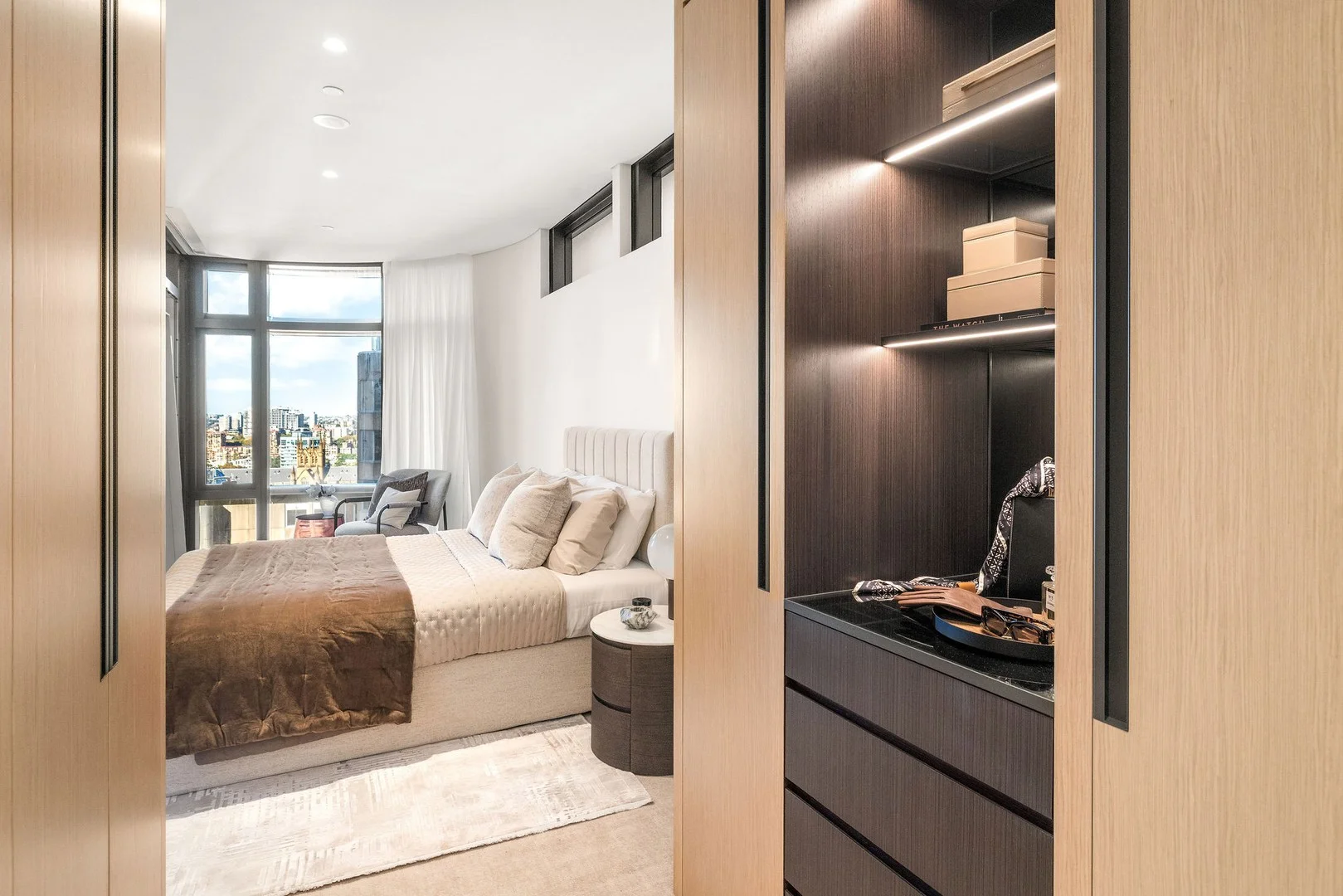 $2,745,000
propertyType.NEW APARTMENTS / OFF THE PLAN
$2,745,000
propertyType.NEW APARTMENTS / OFF THE PLAN
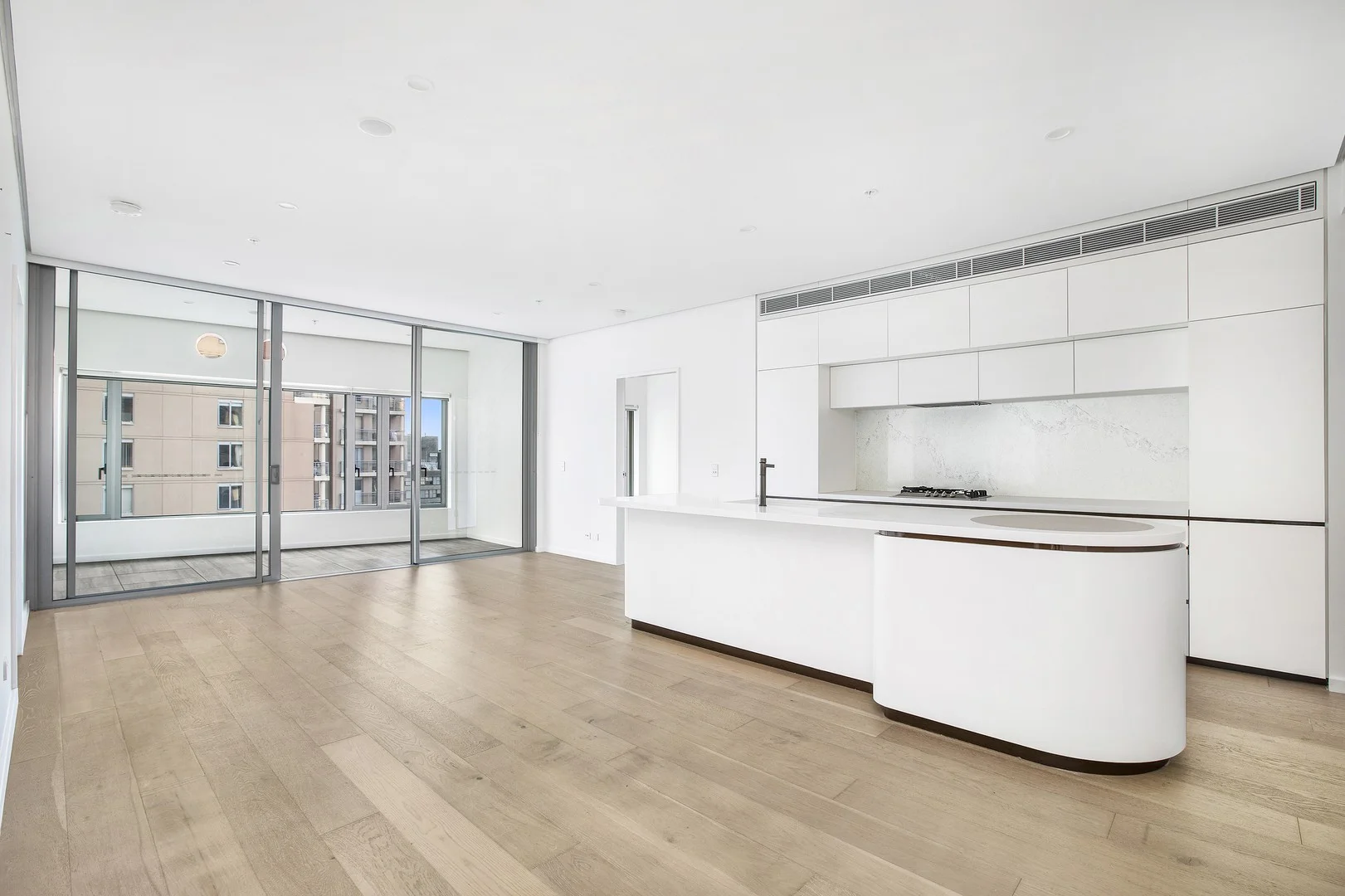 $2,250,000
Apartment / Unit / Flat
$2,250,000
Apartment / Unit / Flat
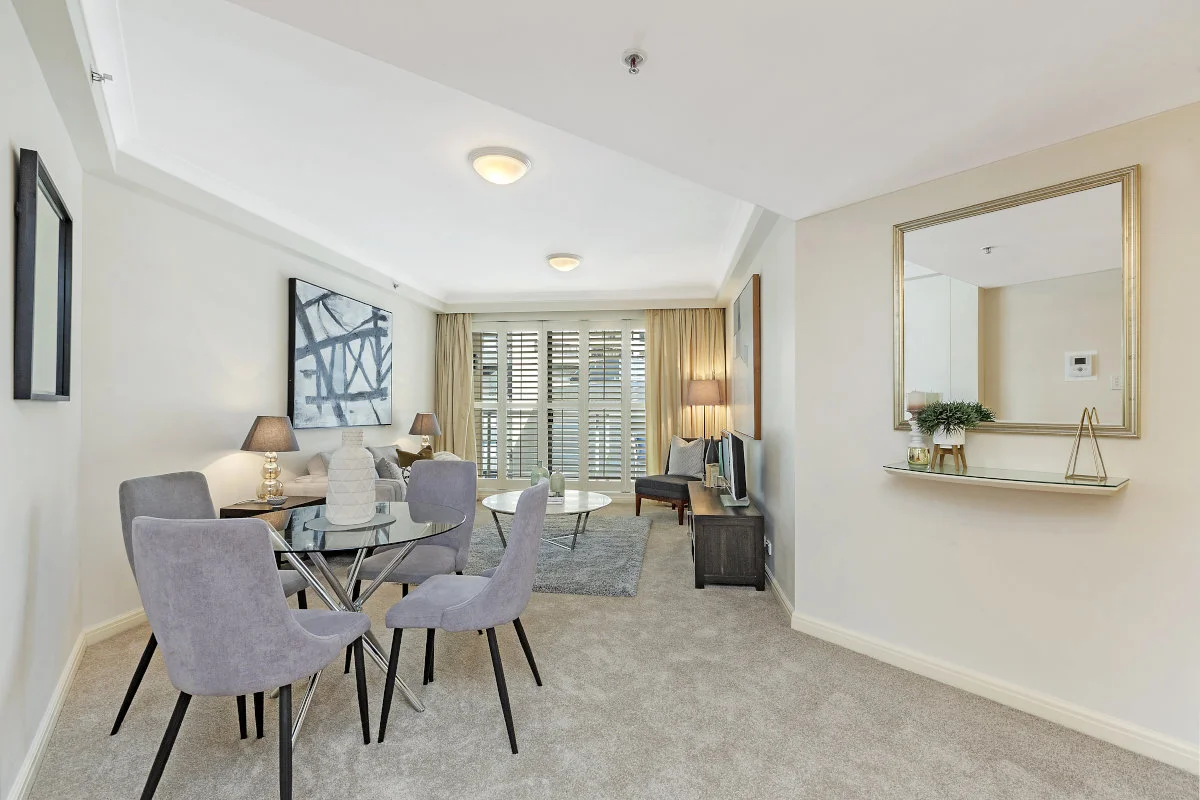 $660,000 - $725,000
Apartment / Unit / Flat
$660,000 - $725,000
Apartment / Unit / Flat
 $6,225,000
propertyType.NEW APARTMENTS / OFF THE PLAN
$6,225,000
propertyType.NEW APARTMENTS / OFF THE PLAN
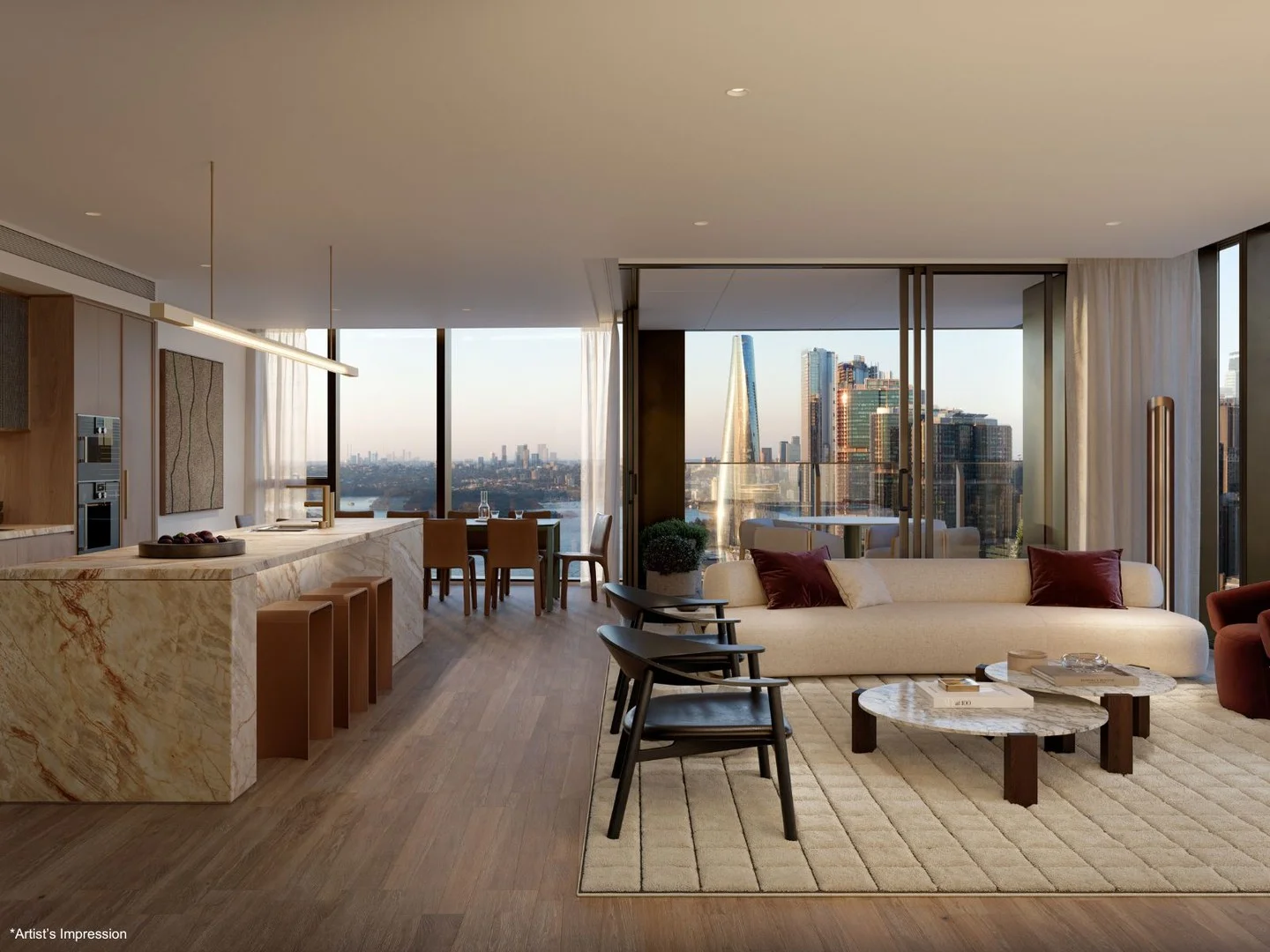 $12,980,000
propertyType.NEW APARTMENTS / OFF THE PLAN
$12,980,000
propertyType.NEW APARTMENTS / OFF THE PLAN
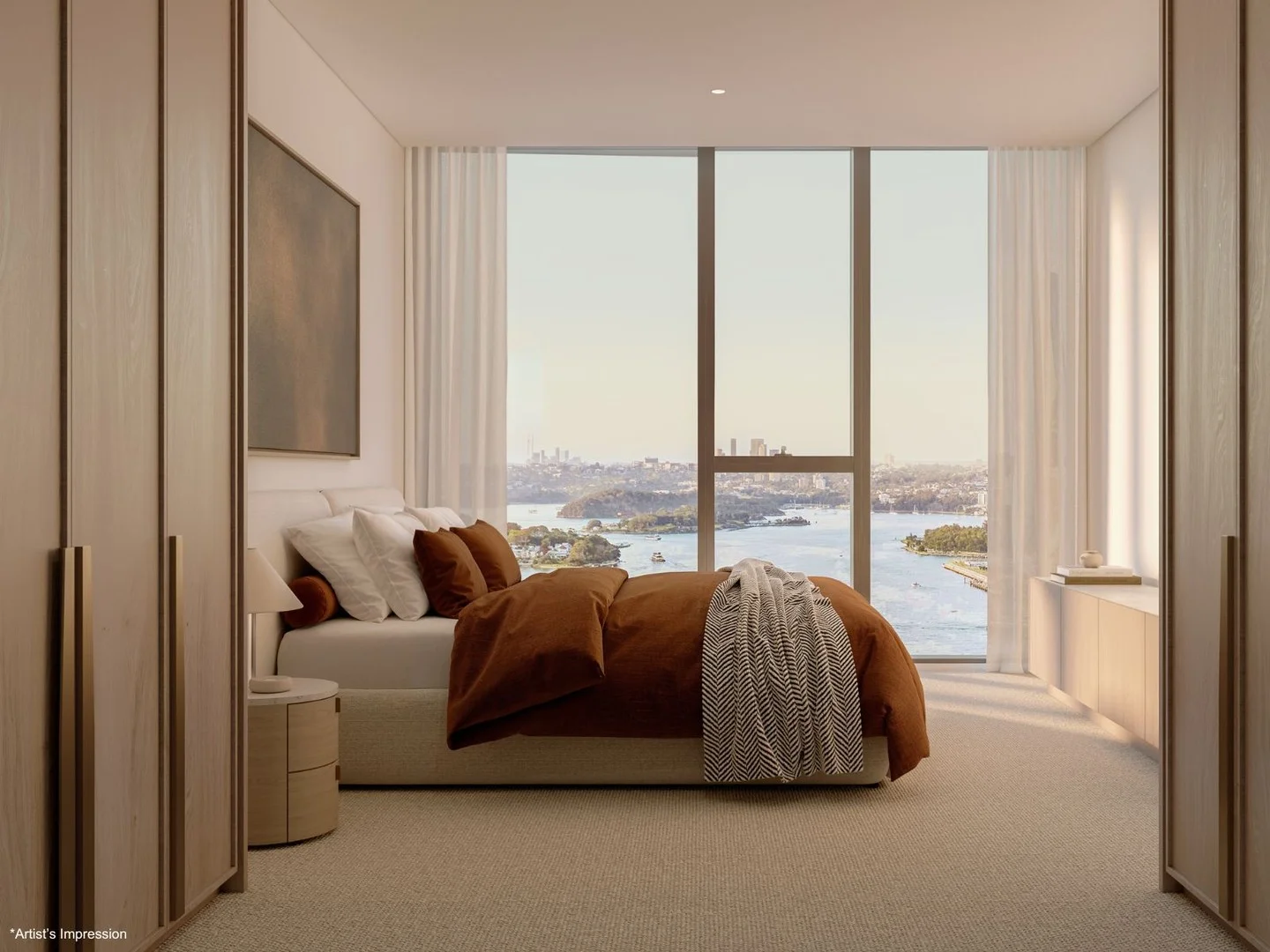 $8,630,000
propertyType.NEW APARTMENTS / OFF THE PLAN
$8,630,000
propertyType.NEW APARTMENTS / OFF THE PLAN
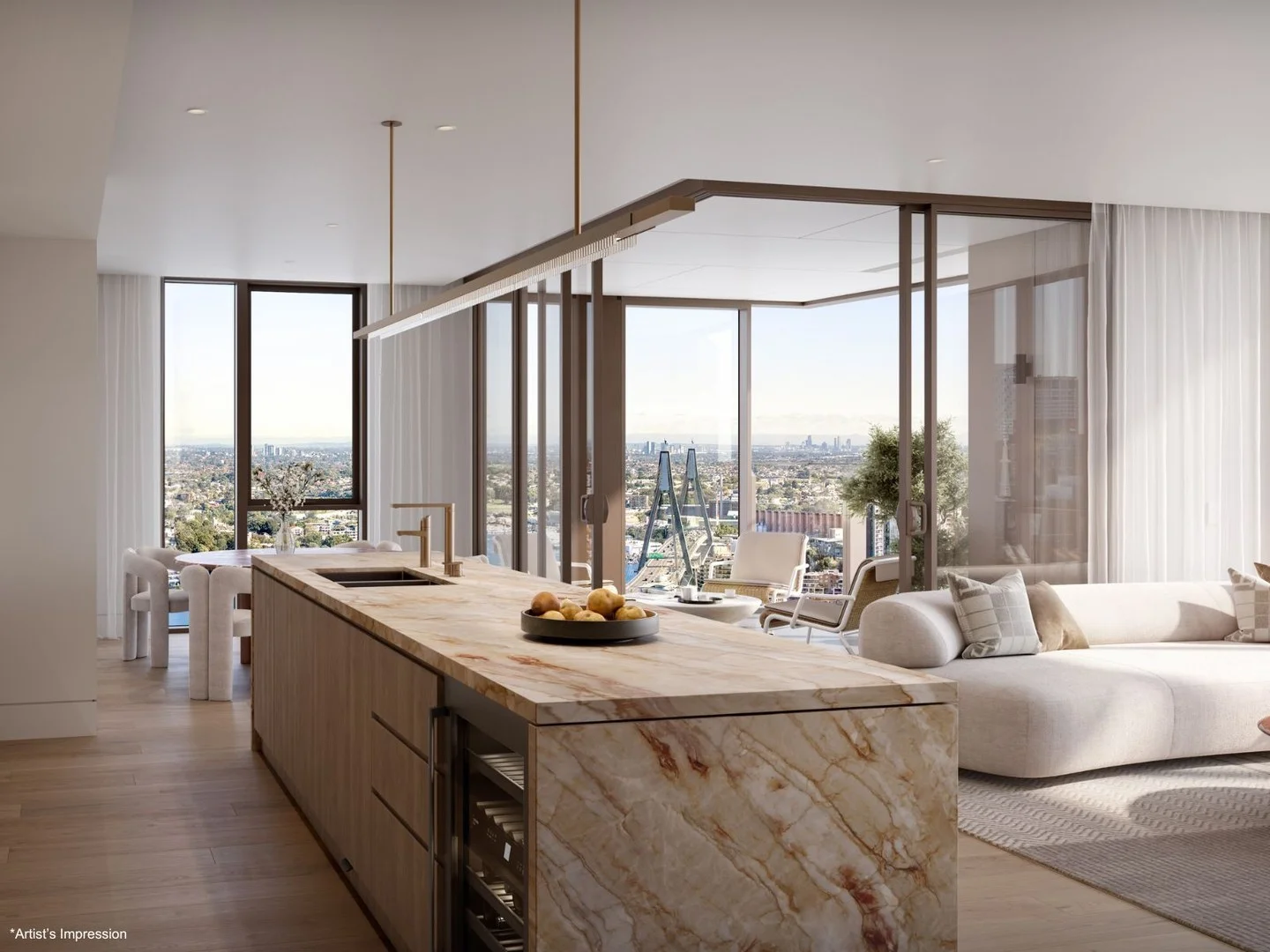 $9,020,000
propertyType.NEW APARTMENTS / OFF THE PLAN
$9,020,000
propertyType.NEW APARTMENTS / OFF THE PLAN


