## Overview
St John the Baptist Catholic Primary School is a co-educational Catholic primary school serving families in Freshwater and the surrounding NSW community. The school aims to provide a values-based education within a supportive, faith-filled environment that balances academic learning with spiritual growth and character development. Class sizes are kept to a manageable level to foster strong teacher-student relationships and individual attention within a nurturing, inclusive atmosphere.
With a medium-sized school community, the culture emphasizes care, respect, and a collaborative approach to learning. The school strives to create a warm, welcoming environment where students are encouraged to try new things, participate in shared activities, and develop a sense of service and belonging within the parish and broader community.
## Academics & Learning
- Academic strengths: emphasis on core literacy and numeracy skills, strong Religious Education program, and opportunities to develop critical thinking and leadership through inquiry-based learning and integrated subjects (STEM, English, and cross-curricular projects).
- Special programs: Gifted and Talented pathways or acceleration options may be available; inclusive learning programs support diverse learners.
- NAPLAN / trends: NSW and Catholic education data typically show steady improvement in reading and numeracy over time, with ongoing focus on student growth and achievement. School reporting focuses on progress rather than just scores.
- Student-teacher ratios: commonly around 1:13 to 1:18 in primary settings, enabling attentive teaching and targeted support.
- Support for diverse learners: English as an Additional Language/Dialect (EAL/D) support, targeted literacy/numeracy help, and inclusive education plans to assist students with additional learning needs.
## Sports & Extracurricular Strengths
- Sports offered: football (soccer), rugby league, cricket, netball, athletics, swimming-related activities, and school-wide sport events.
- Strong teams or achievements: participation in local inter-school and parish-based competitions; emphasis on teamwork, fair play, and personal bests.
- Music, arts, drama programs: choir and school music groups; opportunities in drama and performance as part of the curriculum and school productions.
- Clubs: robotics, coding, chess, debating, and other clubs to support curiosity and skill development.
- Partnerships: connections with local community clubs and regional school sport events; involvement in parish activities and diocesan competitions where applicable.
## Wellbeing & Pastoral Care
- Anti-bullying approach: active anti-bullying policy with clear safeguarding and reporting processes; emphasis on positive behaviour and a respectful school climate.
- House system: house-based activities and celebrations to build community, leadership, and camaraderie among students.
- Counsellors / wellbeing officers: access to school-based wellbeing support and pastoral care staff to assist students with social, emotional, and academic needs.
- Transition support for new students: orientation programs, buddy systems, and targeted support to help new students settle in smoothly.
## Facilities
- Sports grounds: on-site outdoor spaces suitable for physical education and sports.
- Libraries: classroom libraries and a central library for reading programs and independent study.
- Science labs: dedicated spaces for hands-on science activities and experiments.
- Music/performing arts centers: rooms and spaces for music, drama, and performances.
- Tech/innovation labs: digital literacy and computer-related learning spaces.
- Cafeteria: on-site canteen or lunch facilities supporting healthy eating options.
- Updated playgrounds: safe, age-appropriate play areas and outdoor learning spaces.
## School Values & Community Culture
- School values / mission: core emphasis on respect, responsibility, compassion, faith, and service within a Catholic ethos.
- Leadership style: collaborative and student-centered, with opportunities for student voice and leadership roles.
- Behaviour expectations: clear rules and positive behaviour frameworks to promote self-discipline, kindness, and accountability.
- Community reputation: positive perceptions of a welcoming, inclusive school community with strong parish connections.
- Diversity & inclusion: commitment to acknowledging and valuing individual differences, promoting equity and belonging for all students.
## School Logistics & Daily Operations
- School hours: typically a morning-to-afternoon schedule consistent with NSW primary schools; start and finish times may vary by term or year level.
- Before/after school care: available or via approved providers; options for supervision outside normal hours.
- Uniform requirements: standard school uniform with possible sports uniform on PE days; clear guidance on wearing a neat, consistent uniform.
- Transport (train/bus routes): public transport options and local bus routes; proximity to transport hubs and safe drop-off/pick-up procedures.
- Canteen availability: canteen or lunch facilities offering healthy meal options.
- Fees (low/medium/high ranges): fees are generally in the low-to-medium range for Catholic primary schools, with information on what is included and any voluntary contributions or levies.
## Enrolment & Admissions
11. What is the enrolment process and timeline?
- Inquiry and information session.
- Application submission with required documents.
- Confirmation of eligibility and availability.
- Offer of placement (or waitlist if needed) and orientation details.
- Timeline varies by year and intake; early applications are encouraged.
12. Is there a waiting list, and how does it work?
- Waiting lists may apply when year levels reach capacity.
- Priority often given to Catholic families or those with local parish connections, with offers made as vacancies arise.
- Families are contacted as spots become available; some flexibility around mid-year entries depending on enrolments.
13. Are there any entry requirements, tests, or interviews?
- Entry requirements typically include proof of identity, immunisation status as per NSW health guidelines, and baptism information where applicable.
- Some schools may conduct a short interview or information meeting as part of the enrolment process to understand fit and family expectations.
- Requirements can vary by year level and enrolment policy; check the latest school guidelines.
14. Does the school accept mid-year transfers?
- Mid-year transfers may be possible subject to vacancy and alignment with the school’s program and policies.
- Prospective families should contact the school early to discuss availability, assessment, and orientation needs.
## Frequently Asked Questions
- Why Parents Choose This School?
Families choose for a faith-based, values-driven education with a focus on community, supportive teaching, and a holistic approach to development.
- What type of student thrives at this school?
Students who value service, community, strong relationships with teachers, and a balanced focus on academics, faith, and well-being tend to thrive.
- What opportunities are available for students to extend their skills (academics, sports, arts)?
Opportunities include extended literacy/numeracy support or enrichment, leadership roles, sport and physical education programs, choir/music, drama, robotics, coding, chess, and debating clubs.
- How does the school communicate with parents?
Through newsletters, school portals, emails, and regular parent-teacher conferences; information is shared about events, learning progress, and student wellbeing.
- What is the school’s approach to teaching and learning?
A student-centered, faith-informed approach that integrates core subjects with religious education, practical projects, and digital literacy; emphasis on inquiry, collaboration, and hands-on learning.
- How does the school support students who need extra academic help?
Targeted small-group support, in-class accommodations, EAL/D assistance, and structured intervention programs to boost reading, writing, and numeracy skills.
- What support is available for academic challenges?
Access to teachers, learning support staff, and possibly specialist services; ongoing monitoring of progress and adjustments to learning plans.
- How does the school communicate with parents? (Repeated)
See above: newsletters, portals, meetings, and direct lines to teachers and administration.
- What are the class sizes and how much individual attention do students receive?
Class sizes typically range from around 20 to 25 students, with teachers providing daily individual or small-group assistance and targeted feedback.
- What extracurricular and sports opportunities are available?
A range of sports (soccer, rugby, netball, cricket, athletics), music and drama programs, and clubs such as robotics, coding, chess, and debating.
- What facilities does the school offer (sports, science, arts)?
Modern sports grounds, library, science labs, music/performing arts spaces, technology labs, canteen, and well-maintained playgrounds.
- What is the school’s approach to technology and digital learning?
Emphasis on digital literacy, responsible use of technology, and integrating devices and software to support learning across subjects.
- What transport and accessibility options are available?
Local bus routes and public transport options; clear drop-off/pick-up arrangements; accessibility considerations for families.
- What are the typical school fees or additional costs?
Fees are generally in the low-to-medium range for Catholic primary schools, with transparency around uniform costs, activities, and optional contributions.
## Short Pros & Cons list
- Pros
- Values-based, inclusive Catholic education in a welcoming community
- Balanced focus on academics, faith, and wellbeing
- Supportive learning environment with opportunities for leadership and clubs
- Strong sense of community through house activities and parish connections
- Accessible facilities and a range of extracurriculars
- Cons
- Enrolment numbers may limit immediate entry in some year levels (waiting lists possible)
- Specific programs and resources can vary by year; confirm current offerings with the school
- Fees and levies apply; families should review costs and any financial assistance options
If you’d like, I can tailor this profile further with more precise details you provide (or help draft enquiry emails to the school).










 $2,824,000
Apartment / Unit / Flat
$2,824,000
Apartment / Unit / Flat
 $26,550,000
propertyType.NEW APARTMENTS / OFF THE PLAN
$26,550,000
propertyType.NEW APARTMENTS / OFF THE PLAN
 $2,745,000
propertyType.NEW APARTMENTS / OFF THE PLAN
$2,745,000
propertyType.NEW APARTMENTS / OFF THE PLAN
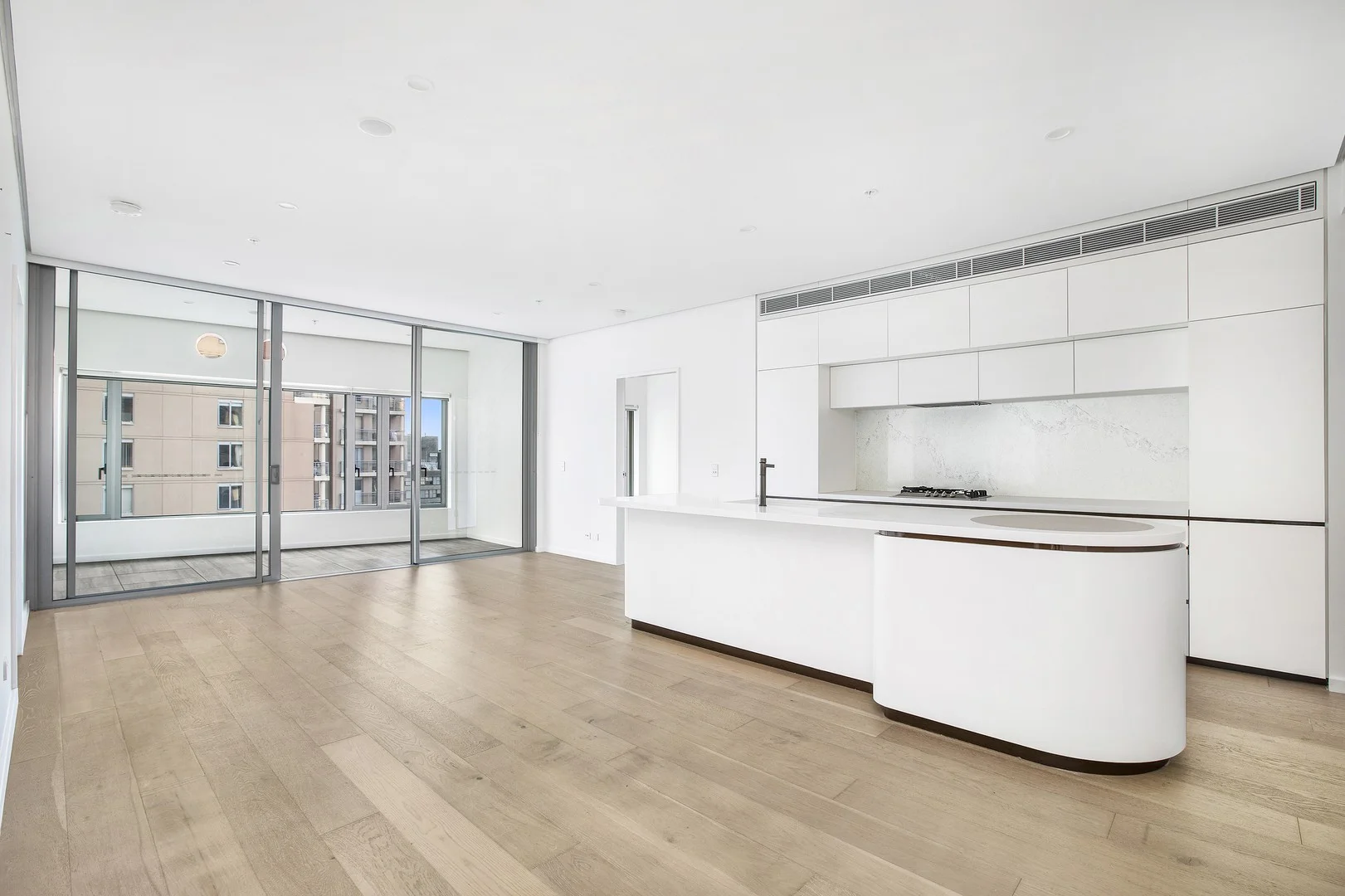 $2,250,000
Apartment / Unit / Flat
$2,250,000
Apartment / Unit / Flat
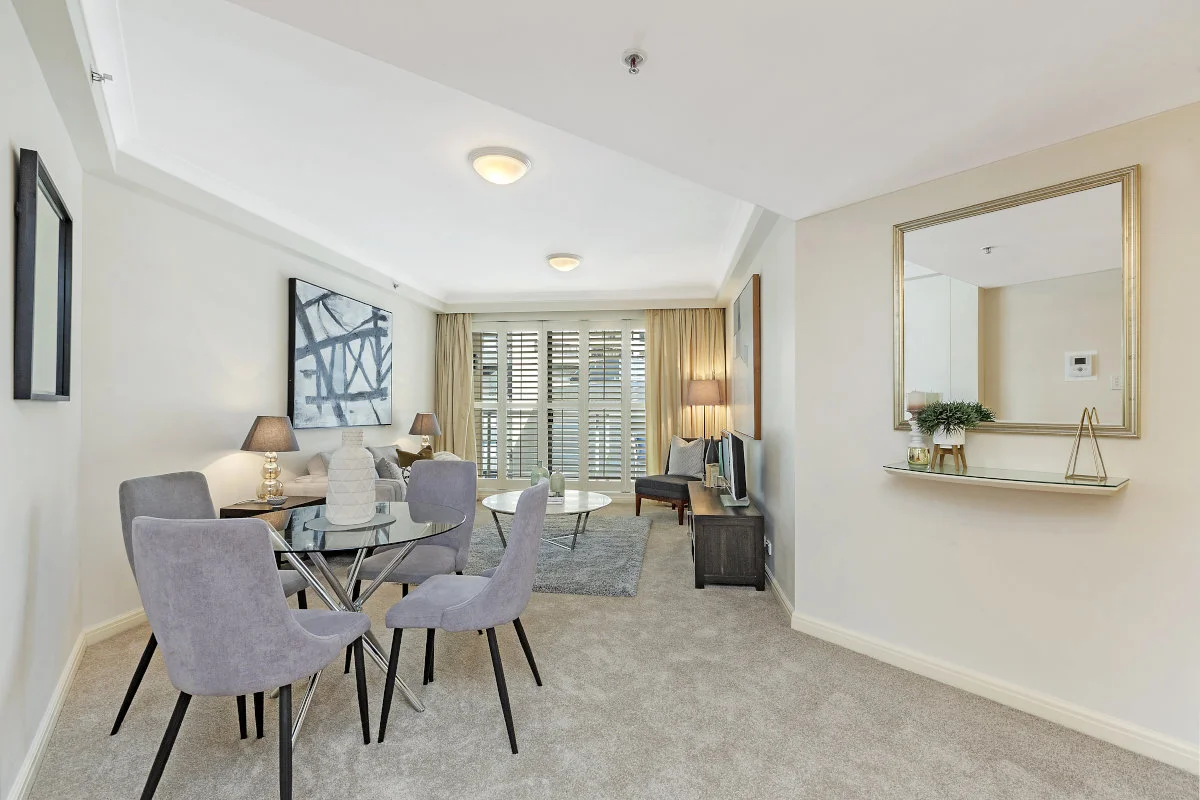 $660,000 - $725,000
Apartment / Unit / Flat
$660,000 - $725,000
Apartment / Unit / Flat
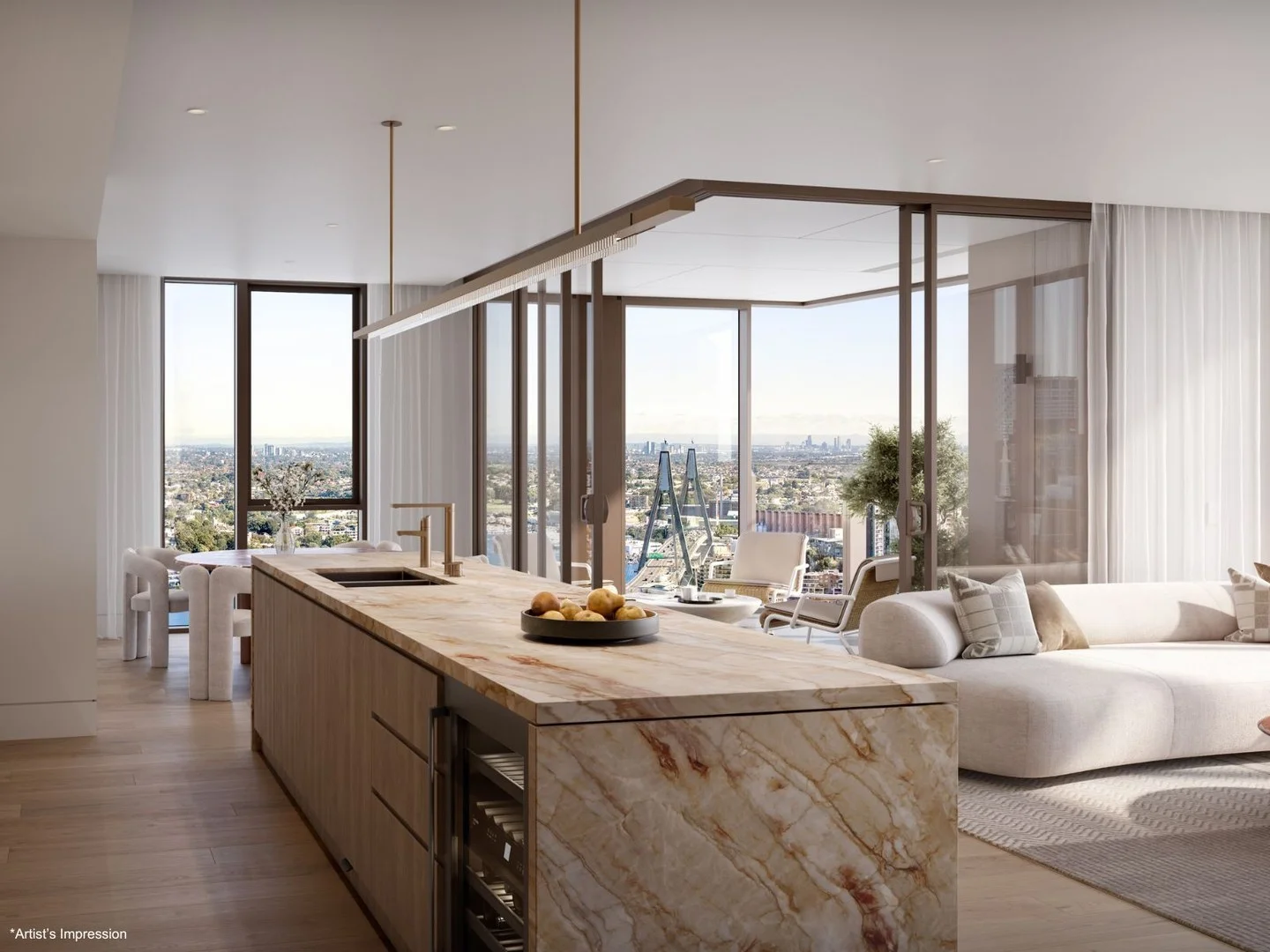 $9,020,000
propertyType.NEW APARTMENTS / OFF THE PLAN
$9,020,000
propertyType.NEW APARTMENTS / OFF THE PLAN
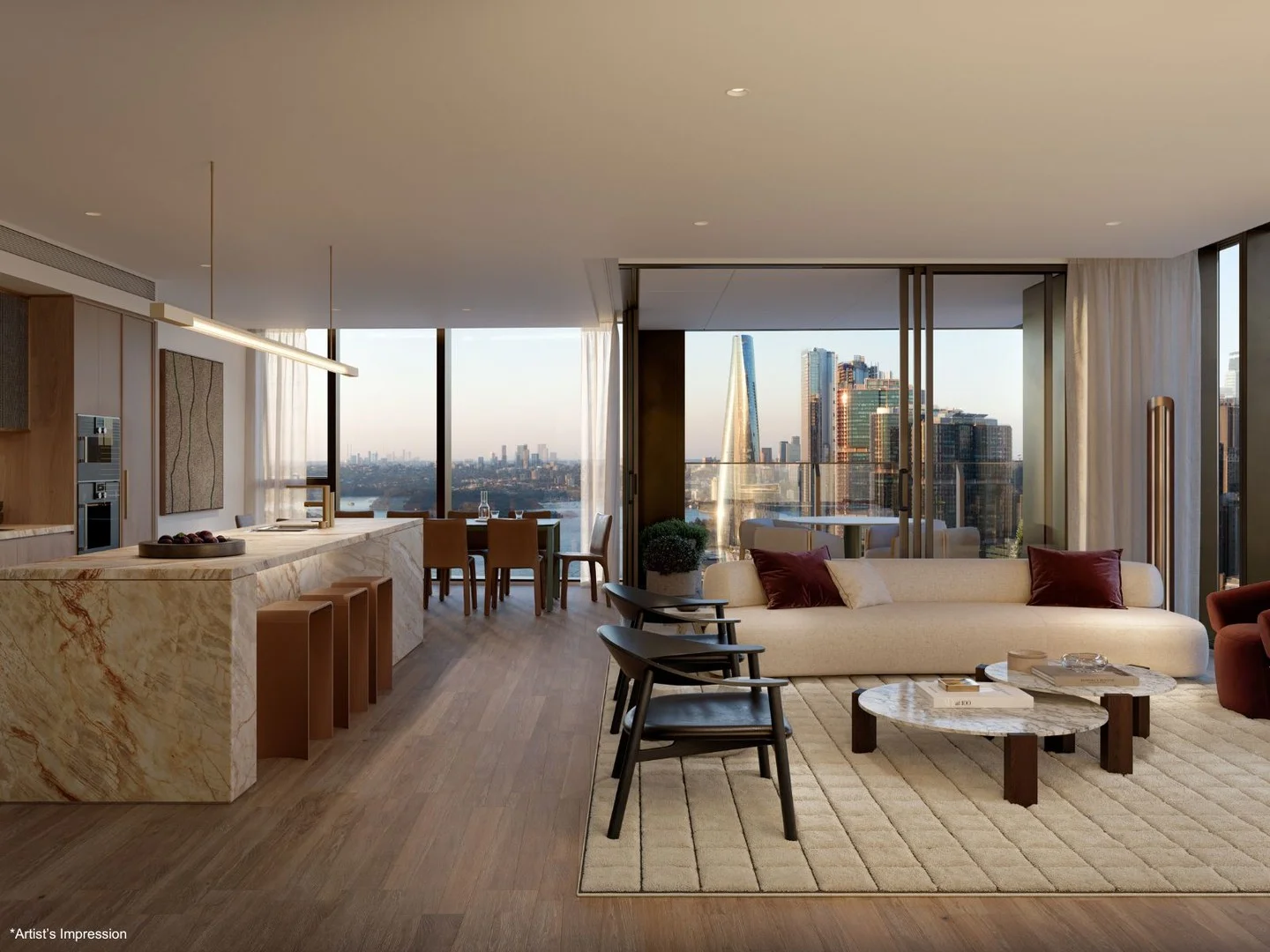 $12,980,000
propertyType.NEW APARTMENTS / OFF THE PLAN
$12,980,000
propertyType.NEW APARTMENTS / OFF THE PLAN
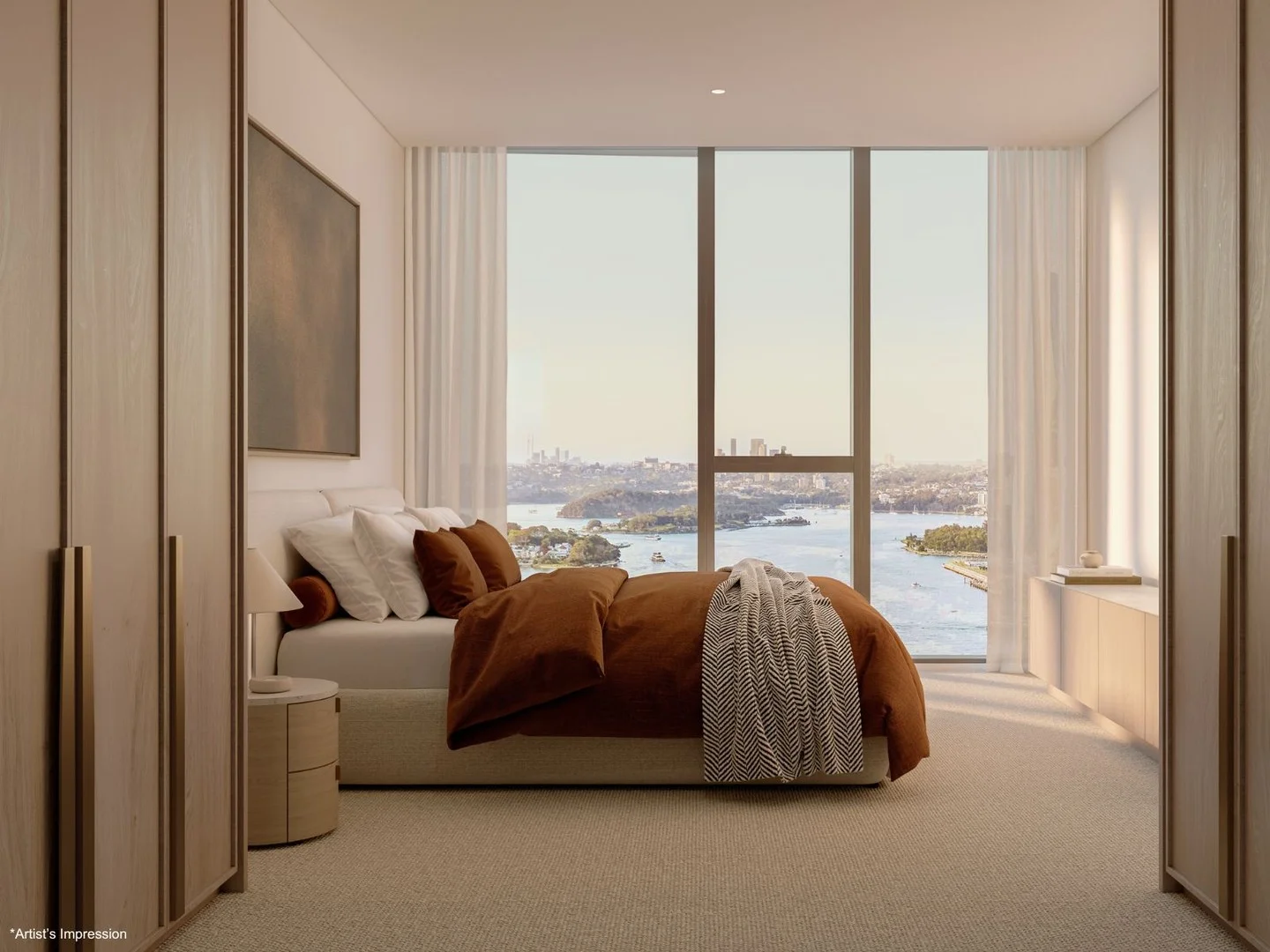 $8,630,000
propertyType.NEW APARTMENTS / OFF THE PLAN
$8,630,000
propertyType.NEW APARTMENTS / OFF THE PLAN
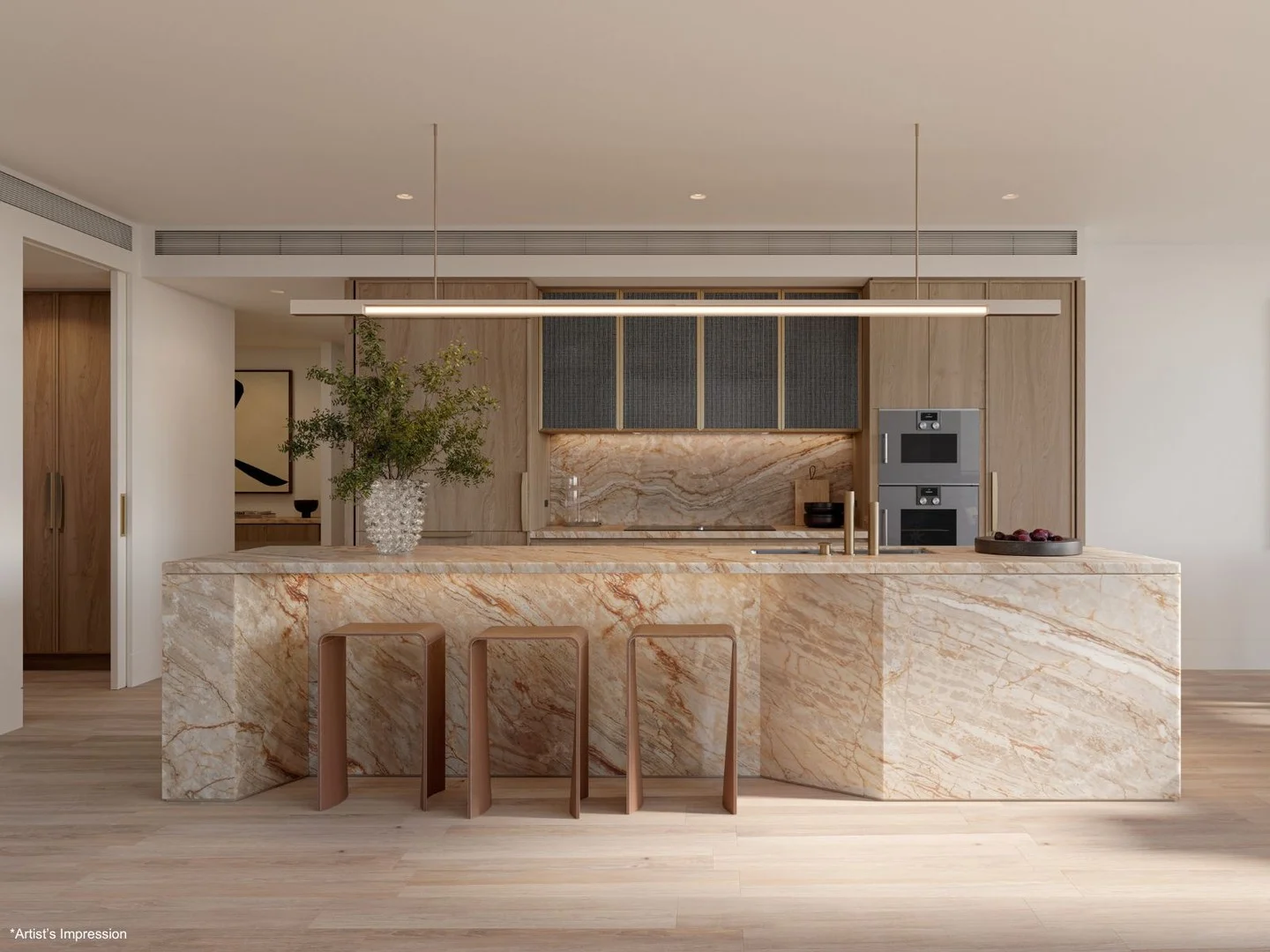 $6,225,000
propertyType.NEW APARTMENTS / OFF THE PLAN
$6,225,000
propertyType.NEW APARTMENTS / OFF THE PLAN


