## 1. Overview
- School type: Public
- School size: Medium
- Class size: Approximately 20–25 students per class
- Atmosphere/culture: Inclusive, nurturing, community-focused
⸻
## 2. Academics & Learning
- Academic strengths: English (literacy) and mathematics (numeracy) with emphasis on strong literacy development, numeracy skills, and exposure to STEM activities; digital literacy integrated into learning; languages offered where available.
- Special programs: Gifted and Talented programs, leadership opportunities, arts and performing arts options; accelerated learning pathways where available.
- NAPLAN / trends: Trends typically show steady performance with improvements in reading and numeracy over time, aligned with NSW state benchmarks.
- Student-teacher ratios: Around 1:20–1:25.
- Support for diverse learners (EAL, SEN): Dedicated EAL support; inclusive education practices; targeted interventions and support for students with additional learning needs.
⸻
## 3. Sports & Extracurricular Strengths
- Sports offered: Soccer, netball, rugby league, cricket, athletics, swimming; participation in inter-school and district events.
- Strong teams or achievements: Regular involvement in district-level competitions with occasional top finishes and representative opportunities.
- Music, arts, drama programs: Active music program with ensembles and performances; drama and performing arts opportunities.
- Clubs: Robotics, coding, chess, debating, other after-school clubs.
- Partnerships: Connections with local community and sporting clubs; opportunities to compete in local and regional events.
⸻
## 4. Wellbeing & Pastoral Care
- Anti-bullying approach: Visible positive-behaviour framework with anti-bullying education and cyber-safety components.
- House system: House-based activities and events to foster belonging and teamwork.
- Counsellors / wellbeing officers: Access to a school counsellor and wellbeing supports.
- Transition support for new students: Orientation programs, buddy systems, and transition support to help new students settle in.
⸻
## 5. Facilities
- Sports grounds
- Libraries
- Science labs
- Music/performing arts centers
- Tech/innovation labs
- Canteen
- Updated playgrounds
⸻
## 6. School Values & Community Culture
- School values / mission: Emphasis on respect, responsibility, inclusion, and collaborative learning.
- Leadership style: Collaborative and distributed leadership with student leadership opportunities.
- Behaviour expectations: Clear code of conduct; consistent expectations and positive reinforcement.
- Community reputation: Positive local reputation with active involvement from families and the broader community.
- Diversity & inclusion: Commitment to an inclusive environment that respects and celebrates diversity.
⸻
## 7. School Logistics & Daily Operations
- School hours: Typically 9:00 am–3:15 pm (term time; with morning tea and lunch breaks)
- Before/after school care: Available through on-site or partner providers
- Uniform requirements: School uniform; sun-safe hat; standard uniform items
- Transport (train/bus routes): Access to local bus routes and public transport; drop-off/pick-up arrangements in place
- Canteen availability: On-site canteen offering healthy options (subject to day and staffing)
- Fees (low/medium/high ranges): No tuition fees for public schooling; minimal costs for excursions, activities, and uniforms; voluntary contributions may apply
⸻
## 8. Enrolment & Admissions
- 11. What is the enrolment process and timeline?
- Check catchment areas and eligibility with the enrolling authority.
- Prepare documents (proof of address, birth certificate, immunisation records, previous school reports as applicable).
- Submit enrolment through the Department of Education portal and follow the school’s instructions.
- You’ll receive timelines for placement and induction dates; the process varies by year and catchment.
- 12. Is there a waiting list, and how does it work?
- Waiting lists can occur when demand exceeds spaces. Places are offered in order of application date and priority factors; families may be notified as spaces become available.
- 13. Are there any entry requirements, tests, or interviews?
- Typically there are no entrance exams. Some schools may have brief information sessions or discussions for out-of-area transfers or enrolment in special programs; immunisation records are usually required.
- 14. Does the school accept mid-year transfers?
- Mid-year transfers are possible, subject to space and enrolment priorities. Contact the school early to discuss availability and transition support.
⸻
## 9. Frequently Asked Questions
- Why Parents Choose This School?
- Local public option with a supportive community, strong literacy/numeracy focus, and inclusive learning environment.
- What type of student thrives at this school?
- Curious, collaborative, and engaged students who participate in class and school activities.
- What opportunities are available for students to extend their skills (academics, sports, arts)?
- Academic extension through Gifted & Talented programs, after-school clubs (robotics, coding, debating), sports teams, and performing arts opportunities.
- How does the school communicate with parents?
- Regular newsletters, school apps or portals, emails, and scheduled parent–teacher meetings.
- What is the school’s approach to teaching and learning?
- Student-centered and standards-based, aligned with the NSW curriculum; emphasis on critical thinking, collaboration, and the integration of technology.
- How does the school support students who need extra academic help?
- In-class differentiation, targeted interventions, English as an Additional Language support, and SEN support where applicable.
- What support is available for academic challenges?
- Access to learning support staff, referral pathways to specialist services, and ongoing progress monitoring.
- How does the school communicate with parents?
- See above (regular updates via newsletters, app/portal, emails, and meetings).
- What are the class sizes and how much individual attention do students receive?
- Class sizes typically around 20–25 students; teachers provide differentiation and targeted feedback to meet individual needs.
- What extracurricular and sports opportunities are available?
- Sports teams (e.g., soccer, netball, athletics), robotics, coding, chess, debating, music and drama, and other clubs.
- What facilities does the school offer (sports, science, arts)?
- Sports grounds, library, science labs, music/performing arts spaces, tech/innovation labs, canteen, and well-maintained play spaces.
- What is the school’s approach to technology and digital learning?
- Integrated digital literacy across subjects, use of interactive tools and devices, and emphasis on safe, responsible use of technology.
- What transport and accessibility options are available?
- Access to local bus routes and public transport; accessible facilities and safe drop-off/pick-up arrangements.
- What are the typical school fees or additional costs?
- No tuition for public schooling; modest costs for excursions, uniforms, and optional activities; voluntary contributions may apply.
⸻
## 10. Short Pros & Cons list
- Pros
- Strong sense of community and belonging
- Inclusive education with support for diverse learners
- Solid focus on literacy and numeracy
- Broad range of extracurriculars and sports
- Good facilities and learning resources
- Cons
- Class sizes can be similar to other urban primary schools during peak years
- Some programs or activities may have additional costs
- Space availability for out-of-area transfers can be limited at times
⸻






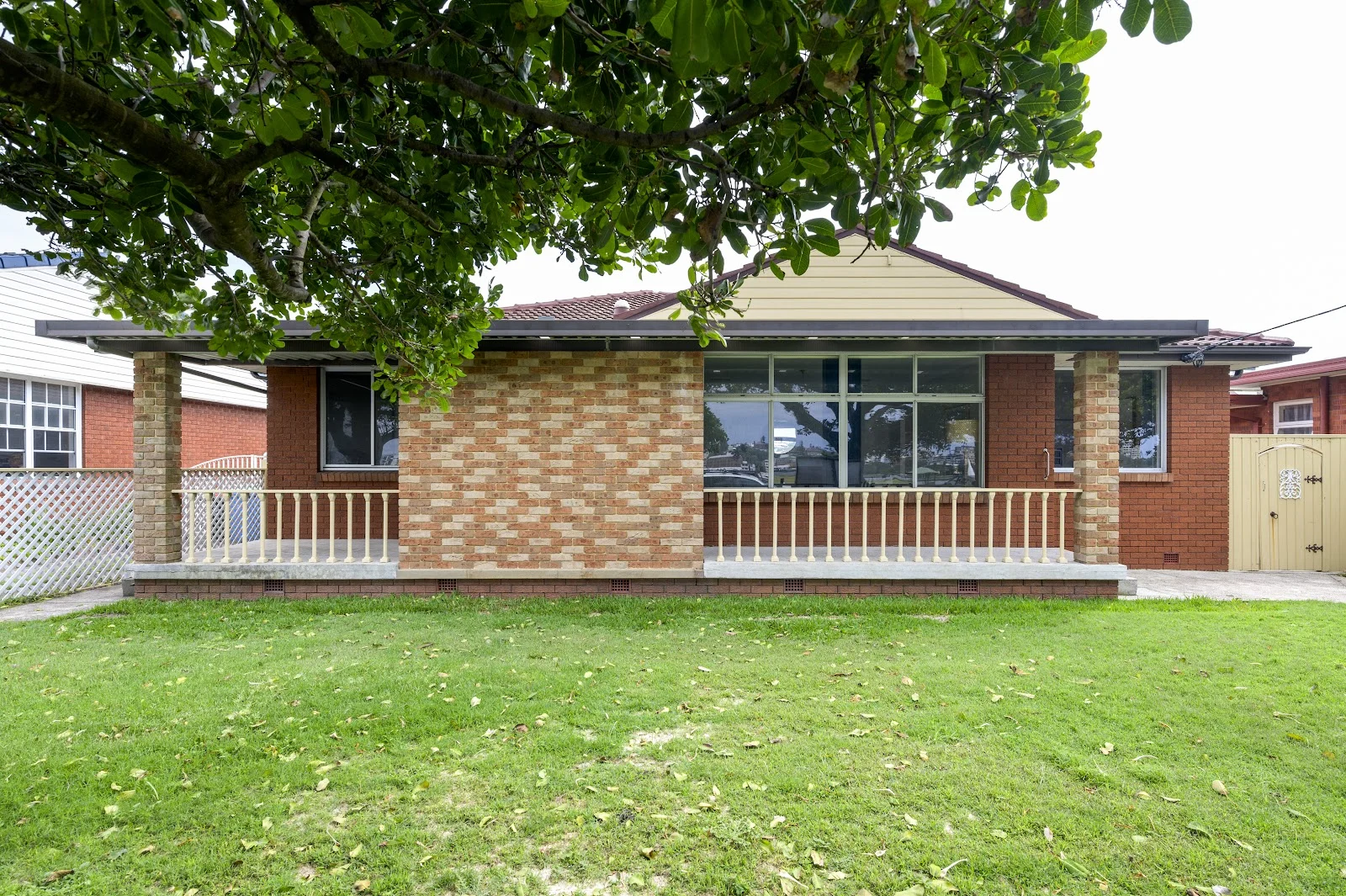 $2,500,000
House
$2,500,000
House
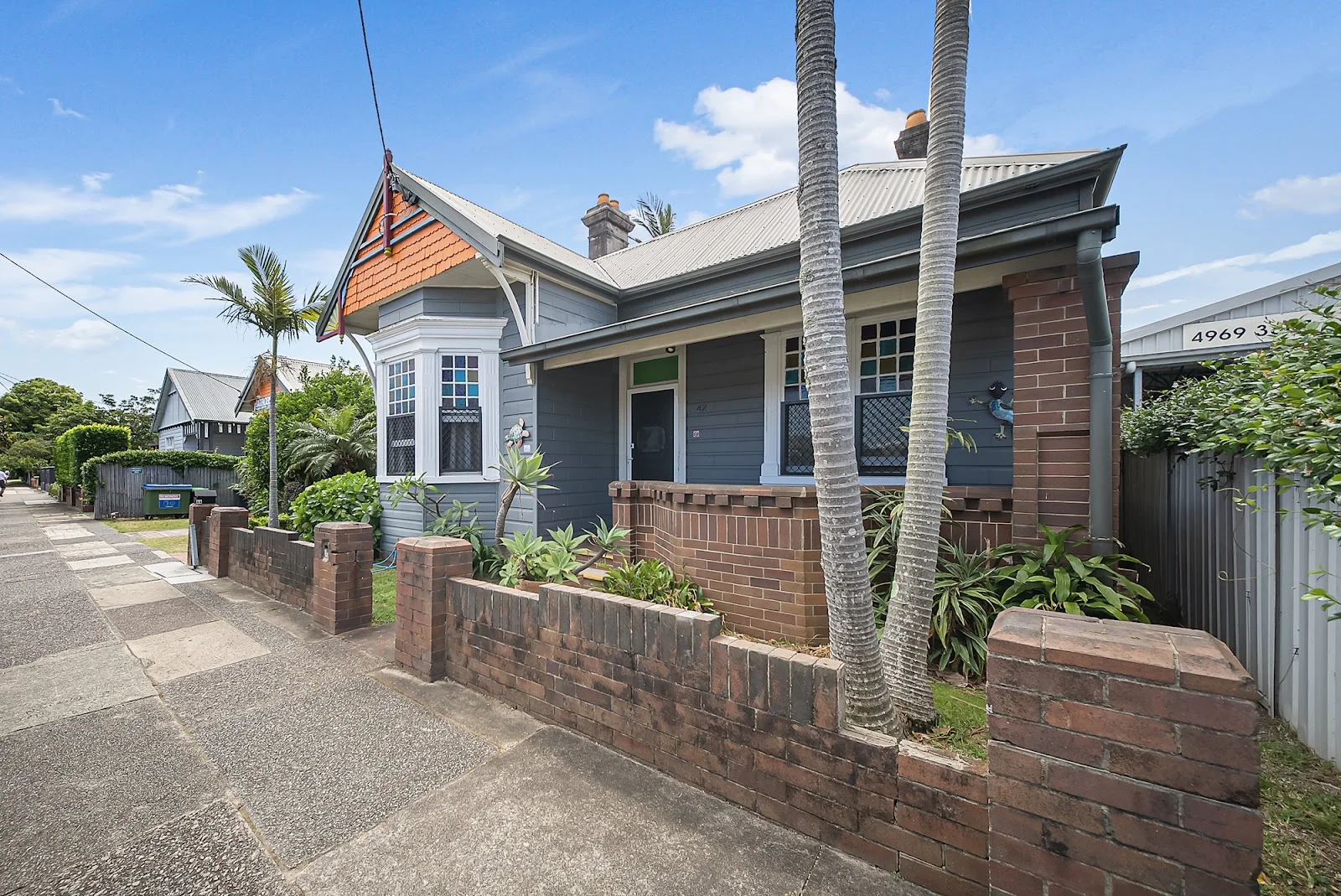 $2,000,000
propertyType.BLOCK OF UNITS
$2,000,000
propertyType.BLOCK OF UNITS
 $795,000
Townhouse
$795,000
Townhouse
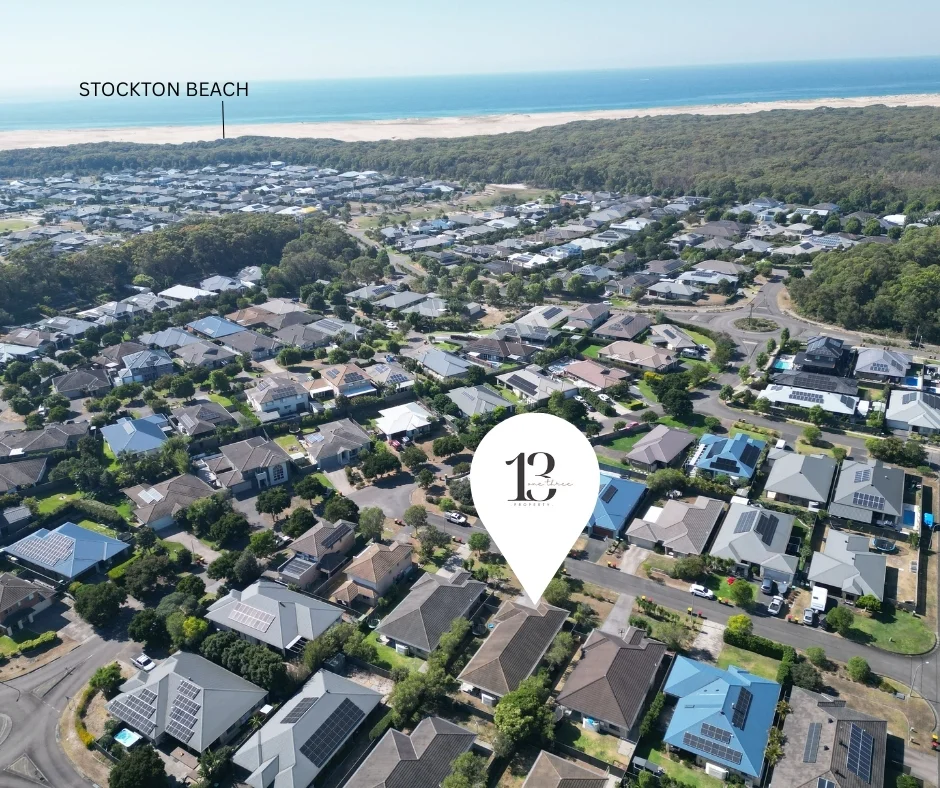 $900,000 - $990,000
House
$900,000 - $990,000
House


