## 1. Overview
St Joseph's Primary School, Merewether is a Catholic co-educational primary school serving families in Merewether and the surrounding NSW community. The school emphasises a faith-based, community-driven education within the Maitland-Newcastle Catholic Diocese. It is a small-to-medium-sized school that focuses on building a nurturing and inclusive atmosphere where students feel connected to their peers, teachers, and faith.
Class sizes are typically around the 20–25 student mark, supporting strong teacher attention and personalised learning. The atmosphere is community-minded, with a focus on faith, respect, and service, creating a supportive environment for students to grow academically, spiritually, and socially.
---
## 2. Academics & Learning
- Academic strengths: English, mathematics, science and technology, with a meaningful emphasis on religious education as part of the curriculum. The school supports critical thinking, literacy development, and numeracy through targeted teaching approaches.
- Special programs: Gifted and Talented initiatives (where available), digital technologies and coding activities, library programs, and inquiry-based learning opportunities embedded across year levels.
- NAPLAN trends: Consistent performance relative to regional averages, with gradual improvements in key areas over time and a focus on closing any gaps through targeted support.
- Student-teacher ratios: Typically around 1:12 to 1:20, varying by year level to maintain effective student support and engagement.
- Support for diverse learners: A dedicated focus on inclusive education, with EAL support where needed and access to learning support staff for students requiring additional assistance.
---
## 3. Sports & Extracurricular Strengths
- Sports offered: Common primary-sport offerings include soccer, netball, basketball, cricket, rugby league, athletics, and swimming programs.
- Strong teams or achievements: Regular participation in inter-school carnivals and local competitions, with opportunities for school teams to compete across grade levels.
- Music, arts, drama programs: Active music and performing arts programs, school choirs, in-school drama activities, and opportunities to participate in school productions.
- Clubs: Robotics, chess, coding clubs, debating, and other technology or academic clubs are typically available to extend learning beyond the classroom.
- Partnerships: Connections with local clubs and community organisations for competitions and shared activities, supporting opportunities outside the classroom.
---
## 4. Wellbeing & Pastoral Care
- Anti-bullying approach: Whole-school wellbeing programs promote respectful behaviour, values-led conduct, and proactive bullying prevention.
- House system: A house-based structure fosters camaraderie, teamwork, and healthy competition across events and activities.
- Counsellors / wellbeing officers: Access to on-site wellbeing staff to support student emotional health, with referral pathways for additional support if needed.
- Transition support for new students: Orientation sessions, buddy programs, and transition activities help new students settle in smoothly and build connections quickly.
---
## 5. Facilities
- Sports grounds: Centralised playing fields and courts to support PE, sport, and lunch-time activities.
- Libraries: A well-stocked library supporting literacy across year levels.
- Science labs: Dedicated spaces for practical science learning and investigations.
- Music/performing arts centers: Rehearsal spaces and rooms for music, drama, and performance activities.
- Tech/innovation labs: ICT suites or computer labs to support digital learning and coding.
- Cafeteria: On-site canteen or dining area offering daily meal options.
- Updated playgrounds: Modern, well-maintained playgrounds and outdoor play areas.
---
## 6. School Values & Community Culture
- School values / mission: A faith-centered mission emphasizing love, service, respect, integrity, and community.
- Leadership style: Inclusive and participatory leadership that encourages student voice, teacher collaboration, and family engagement.
- Behaviour expectations: Clear codes of conduct rooted in respect, responsibility, and kindness; consistent whole-school expectations.
- Community reputation: A welcoming parish-connected school with an emphasis on inclusivity, faith formation, and active parent involvement.
- Diversity & inclusion: Commitment to welcoming students from diverse backgrounds and promoting an inclusive learning environment.
---
## 7. School Logistics & Daily Operations
- School hours: Typical day runs during standard school hours with morning prayers and assemblies as part of the routine.
- Before/after school care: After-school care or supervision options are available through school-supported programs.
- Uniform requirements: School uniform is required, with specific items for different terms and activities.
- Transport (train/bus routes): Access to local bus services and convenient drop-off/pick-up arrangements; details depend on local routes and parish connections.
- Canteen availability: On-site canteen or lunch facilities supporting students with daily meal options.
- Fees (low/medium/high ranges): Fees are generally in the low-to-mid range for Catholic primary schools in the region, with standard levies for resources and activities.
---
## 8. Enrolment & Admissions
11. What is the enrolment process and timeline?
- Parents typically complete an enrolment application, attend information sessions or open days, and submit required documents. The timeline varies by intake year and parish placement, with a formal confirmation process for accepted applicants.
12. Is there a waiting list, and how does it work?
- Some intake years may have a waiting list. Applications are usually prioritised by parish alignment and date of submission; available spaces are offered as they arise.
13. Are there any entry requirements, tests, or interviews?
- Enrolment often includes an interview or meeting with families, and may require documentation to establish Catholic parish affiliation or other school-specific preferences. No standardized entrance test is typically required at primary level.
14. Does the school accept mid-year transfers?
- Mid-year transfers are considered where space allows and relevant documentation is provided; suitability is determined by current cohort capacity and placement considerations.
---
## 9. Frequently Asked Questions
- Why Parents Choose This School?
- A welcoming Catholic environment, strong pastoral support, small-to-medium class sizes, and a community-focused culture that values faith, learning, and service.
- What type of student thrives at this school?
- Students who value a faith-based community, collaborative learning, active participation in sport and arts, and a willingness to engage with peers and staff in a supportive setting.
- What opportunities are available for students to extend their skills (academics, sports, arts)?
- Gifted and Talented opportunities, coding and robotics clubs, debating, and leadership activities; diverse sports programs; music and drama activities; additional literacy and numeracy supports and enrichment experiences.
- How does the school communicate with parents?
- Regular newsletters, parent-teacher meetings, and classroom updates; use of parent portals or communication platforms to share student progress and school news.
- What is the school’s approach to teaching and learning?
- A balanced, student-centered approach that integrates faith-based learning with rigorous literacy, numeracy, science, and technology; emphasis on inquiry, collaboration, and real-world application.
- How does the school support students who need extra academic help?
- Targeted learning support, interventions in literacy and numeracy, and access to learning support staff to help students meet their personal learning goals.
- What support is available for academic challenges?
- Early identification of needs, tailored support plans, and regular reviews to adjust instruction and provide appropriate resources.
- How does the school communicate with parents? (Repeated)
- See above: regular updates through newsletters, calls, emails, and parent-teacher conversations.
- What are the class sizes and how much individual attention do students receive?
- Class sizes are typically small-to-medium (around 20–25 students per class), enabling meaningful teacher-student interaction and targeted support.
- What extracurricular and sports opportunities are available?
- A range of sports (soccer, netball, basketball, athletics, etc.), plus music, drama, and clubs such as robotics, chess, coding, and debates.
- What facilities does the school offer (sports, science, arts)?
- Sports grounds, libraries, science labs, music/performing arts spaces, ICT/tech labs, canteen, and well-equipped playgrounds.
- What is the school’s approach to technology and digital learning?
- Integration of digital literacy across the curriculum, with access to ICT facilities and coding activities to prepare students for a tech-enabled world.
- What transport and accessibility options are available?
- Local bus routes and convenient drop-off/pick-up arrangements; accessibility information provided by the school and parish.
- What are the typical school fees or additional costs?
- Fees are in the low-to-mid range for primary schools in the area, with additional costs for uniforms, activities, and excursions as applicable.
---
## 10. Short Pros & Cons list
- Pros
- Strong Catholic ethos and values-based education
- Supportive, nurturing community with small-to-medium class sizes
- Comprehensive wellbeing and pastoral care
- Range of academic, sport, and arts opportunities
- Inclusive learning environment with support for diverse learners
- Cons
- Limited space can mean waitlists for entry in some years
- Fees and contributions are required (as with many independent Catholic schools)
- Transport options depend on local routes and parish boundaries









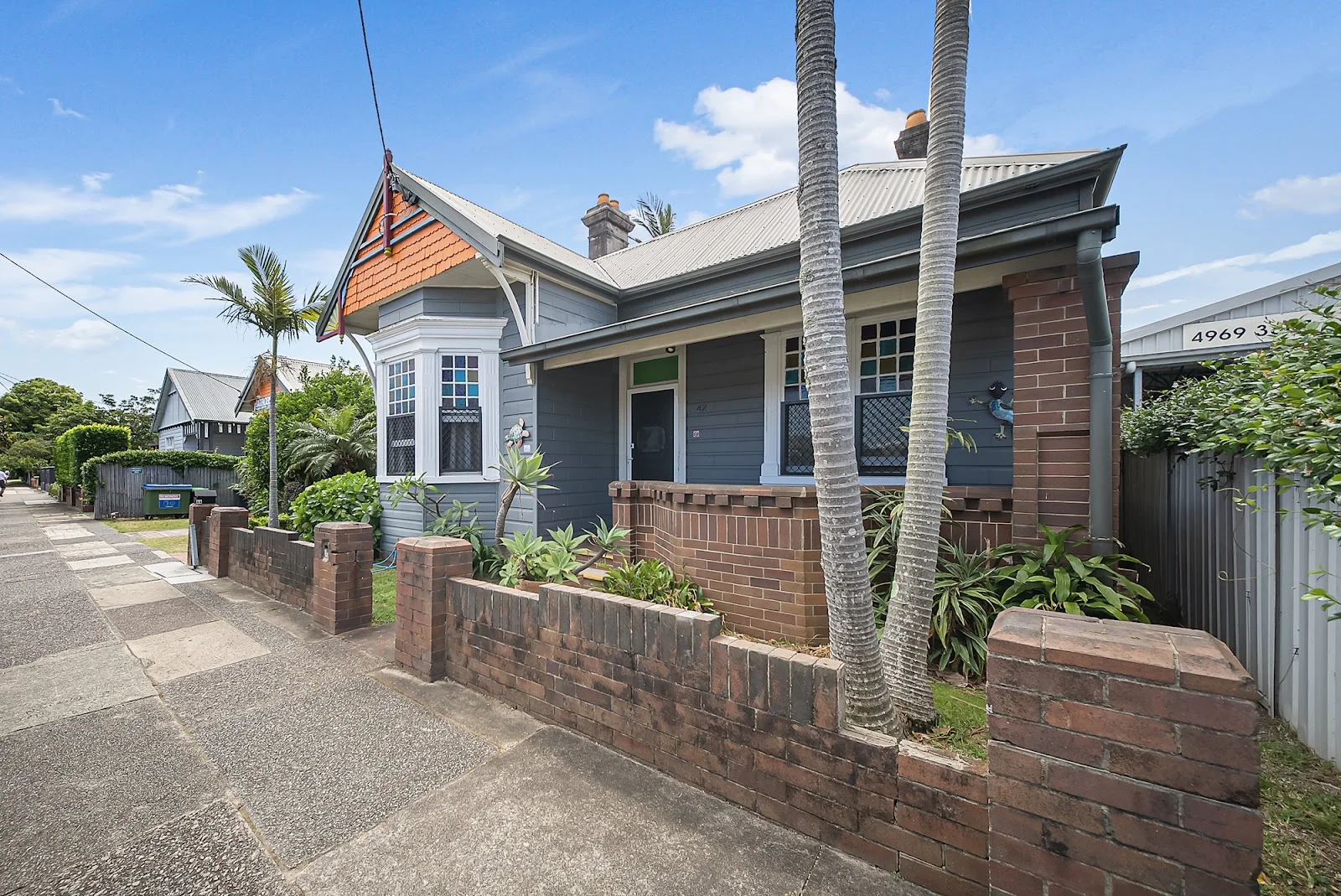 $2,000,000
propertyType.BLOCK OF UNITS
$2,000,000
propertyType.BLOCK OF UNITS
 $795,000
Townhouse
$795,000
Townhouse
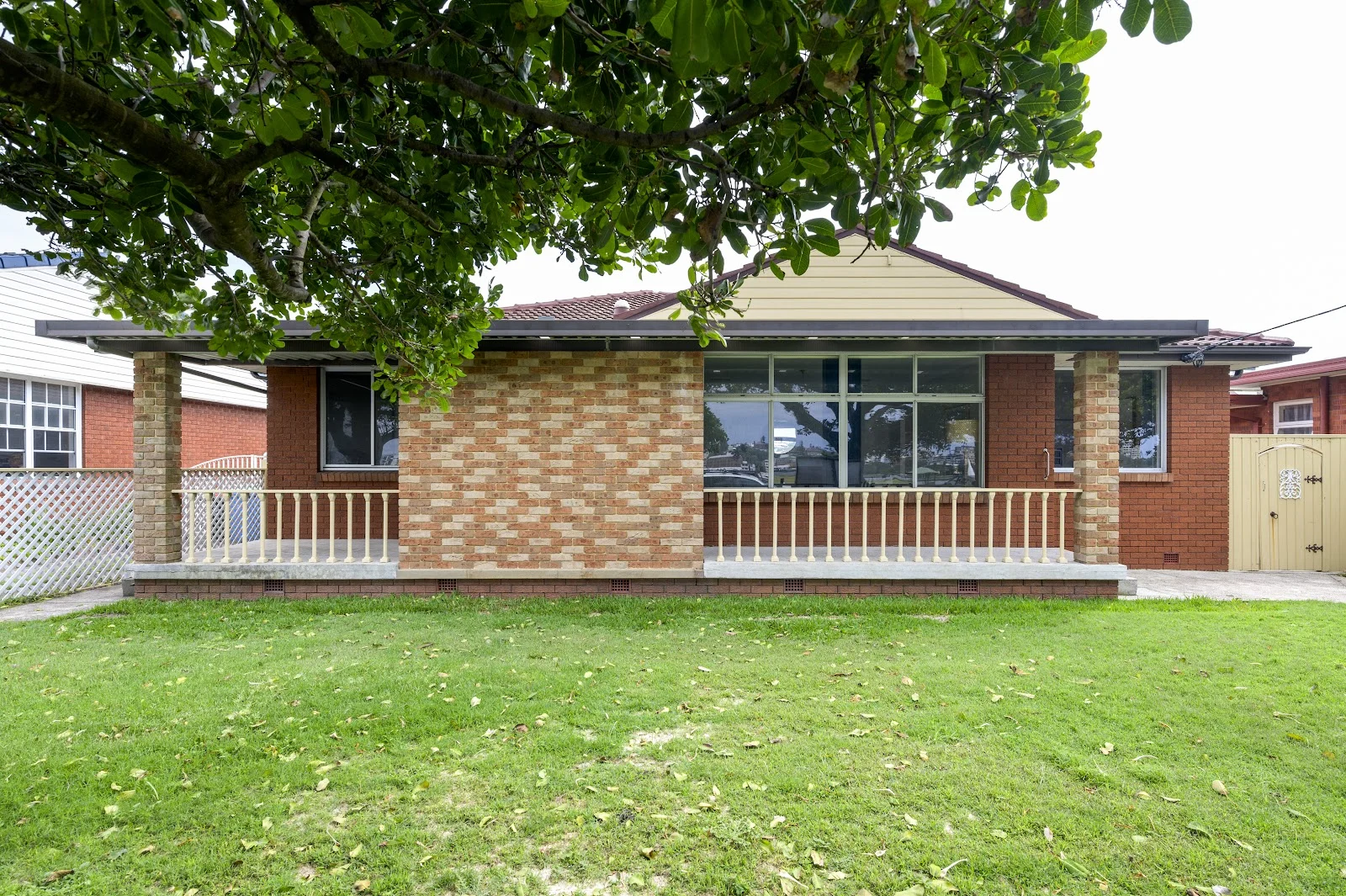 $2,500,000
House
$2,500,000
House
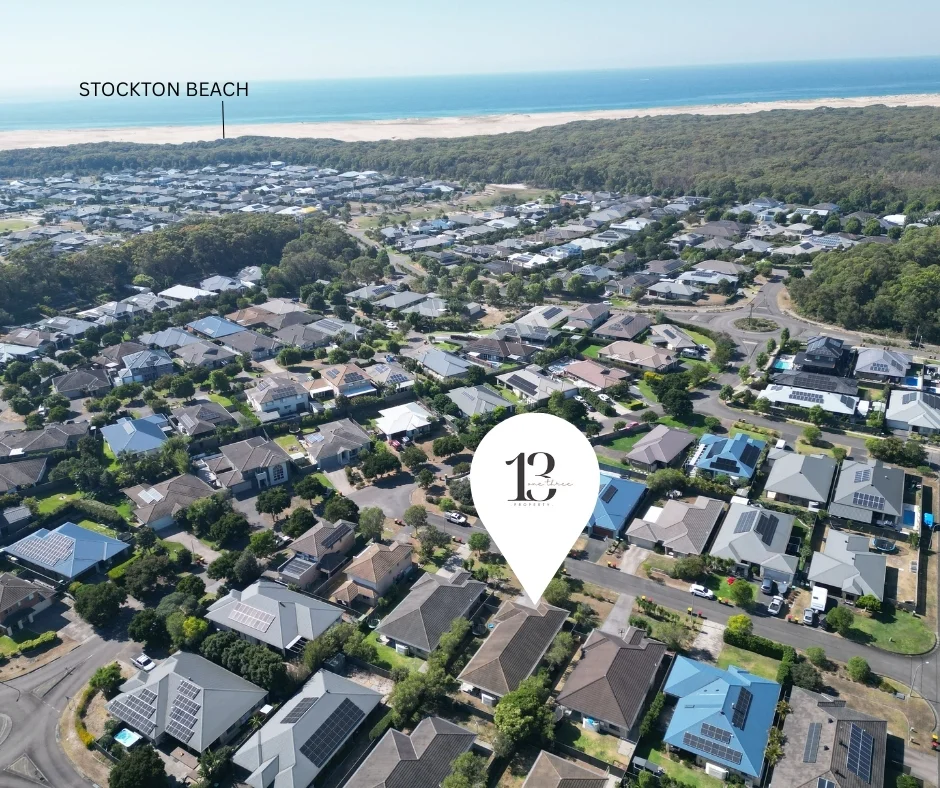 $900,000 - $990,000
House
$900,000 - $990,000
House


