Overview
St Francis Xavier's College Hamilton is a Catholic secondary college serving Years 7–12. As a Catholic school within the NSW system, it combines faith formation with a broad academic program and opportunities for personal growth. The college is medium-sized, attracting a diverse student body and offering a wide range of subjects and co-curricular activities. Class sizes are typically in the low-to-mid 20s, supporting a supportive classroom environment where teachers know students well.
The atmosphere is nurturing and inclusive, with a clear emphasis on academic achievement, pastoral care, and community involvement. Students benefit from strong pastoral programs, student leadership opportunities, and connections with local parishes and community organisations that reinforce values such as respect, service and integrity.
Academics & Learning
- Academic strengths: STEM, English, leadership development, and languages are key focus areas, with pathways designed to prepare students for tertiary study and life beyond school.
- Special programs: Gifted and Talented programs, accelerated learning options, and ATAR/HSC-style pathways to support a broad range of learner needs.
- Support for diverse learners: EAL support, SEN/special education provisions, and inclusive education practices to assist students with varied learning needs.
- Sports offered: A broad program typically includes rugby, soccer, basketball, cricket, athletics, and other team or individual sports.
- Strong teams or achievements: Competitive inter-school teams with emphasis on sport as part of school life and student development.
- Music, arts, drama programs: Robust music and performing arts offerings, life-skilling opportunities in drama and performance.
- Clubs: Robotics, coding, chess, debating, and other academic or interests-based clubs to broaden experiences.
- Partnerships: Connections with local academies, community sports programs, and inter-school competitions to broaden opportunities beyond the campus.
Most parents skim this section when evaluating opportunities for boys aged 10–14, but the range of options helps foster well-rounded development.
Wellbeing & Pastoral Care
- Anti-bullying approach: Proactive programs, clear reporting mechanisms, and a culture of respect and safety for all students.
- House system: A house-based structure to foster belonging, positive competition, and community spirit.
- Counsellors / wellbeing officers: Accessible support staff for student wellbeing, mental health, and career/transition guidance.
- Transition support for new students: Orientation activities, buddy programs, and targeted support to help new students settle in.
Facilities
- Sports grounds: On-site facilities to support practical physical education and school sport.
- Libraries: Contemporary library spaces for study, research, and quiet reading.
- Science labs: Well-equipped laboratories for chemistry, biology, physics, and related subjects.
- Music/performing arts centers: Dedicated spaces for music ensembles, drama, and performance rehearsals.
- Tech/innovation labs: Modern spaces for digital learning, coding, robotics, and creative design.
- Cafeteria: On-site dining facilities to support student welfare and social interaction.
- Updated playgrounds: Well-maintained outdoor spaces for recreation and break times.
- School values / mission: A Catholic ethos centre-staging values such as respect, compassion, integrity, and service to others.
- Leadership style: Collaborative and student-centred, with opportunities for student voice and leadership roles.
- Behaviour expectations: Clear behavioural standards aligned with restorative practices and consistent expectations across year groups.
- Community reputation: Well-regarded within the local Catholic education community for its values-driven approach and commitment to student development.
- Diversity & inclusion: Focus on creating an inclusive environment that welcomes students from diverse backgrounds and fosters belonging.
School Logistics & Daily Operations
- School hours: Typical school day with start and finish times aligned to NSW secondary schedules; consistent routines to support learning.
- Before/after school care: Support options available through school-approved programs or arrangements to fit families’ needs.
- Uniform requirements: School uniform is required; details and specimen items are provided by the school and the governing Catholic education system.
- Transport (train/bus routes): Access via local bus services and public transport; details on routes and concession options available from the school.
- Canteen availability: On-site canteen or lunch facilities serving daily meals and snacks.
- Fees (low/medium/high ranges): Fees are mid-range for NSW Catholic schools, with potential additional costs for certain activities or excursions; exact figures are provided by the school during enrolment.
Enrolment & Admissions
- What is the enrolment process and timeline?
- Submit an enrolment application with required documentation, attend information sessions or an interview if offered, and complete any required assessments. Offers are made when places are available, followed by enrolment confirmation and start-date communication. Timelines vary by year and cohort; check with the school for current year details.
- Is there a waiting list, and how does it work?
- Waitlists are typically used when places are limited. Allocation is usually based on place availability, with consideration given to priority groups (e.g., siblings, parish affiliation) and timing of applications. The school will provide waiting list instructions if relevant.
- Are there any entry requirements, tests, or interviews?
- Entry often involves an information session or interview and may include discussions about academic readiness or learning needs. Some years may include assessments; specifics are provided by the school during the enrolment process.
- Does the school accept mid-year transfers?
- Mid-year transfers can be possible subject to space and the school’s enrolment policies. Availability will depend on current cohort capacity and alignment with curriculum requirements.
Frequently Asked Questions
- Why Parents Choose This School?
- A Catholic ethos, strong academic programs, supportive pastoral care, and a wide range of extra-curricular opportunities.
- What type of student thrives at this school?
- Students who value community, discipline, service, and active participation in both academics and co-curricular activities.
- What opportunities are available for students to extend their skills (academics, sports, arts)?
- Access to advanced coursework, leadership roles, STEM and arts programs, competitive sport, music and drama ensembles, and clubs like robotics, coding, and debating.
- How does the school communicate with parents?
- Through regular newsletters, emails, parent portals, and information evenings; updates typically aligned with term events and student progress.
- What is the school’s approach to teaching and learning?
- A curriculum that blends core academic subjects with differentiated instruction, inquiry-based learning, and opportunities for leadership and collaboration.
- How does the school support students who need extra academic help?
- Targeted learning support, EAL programs, SEN services, and access to tutoring or tailored interventions as needed.
- What support is available for academic challenges?
- Individualised support plans, classroom accommodations, small-group tutoring, and specialist staff to assist with learning goals.
- How does the school communicate with parents? (duplicate)
- See above; regular channels include newsletters, portals, and parent evenings to keep families informed.
- What extracurricular and sports opportunities are available?
- A wide range of sports (e.g., rugby, soccer, basketball, athletics), music and drama programs, and clubs such as robotics, chess, coding, and debating.
- What facilities does the school offer (sports, science, arts)?
- Modern facilities across sports grounds, libraries, science labs, performing arts spaces, tech/innovation labs, and on-site canteen.
- What is the school’s approach to technology and digital learning?
- Technology is integrated across the curriculum with computer labs, digital resources, and a learning management system to support learning and collaboration.
- What transport and accessibility options are available?
- Access via local bus routes and public transport; information on routes and accessibility is provided by the school.
- What are the typical school fees or additional costs?
- Fees are mid-range for NSW Catholic schools, with potential extra costs for activities, camps, and some resources.
Short Pros & Cons list
- Catholic ethos with a values-based approach to education
- Broad academic program plus diverse co-curriculars
- Strong wellbeing, pastoral care, and student support
- Inclusive culture with focus on community and belonging
- Modern facilities and integrated technology
- Fees may be a consideration for some families
- Limited places; potential waitlists or priority enrolment rules
- Commute considerations for families outside the immediate area
- Varied year-to-year class numbers can affect some subject availability









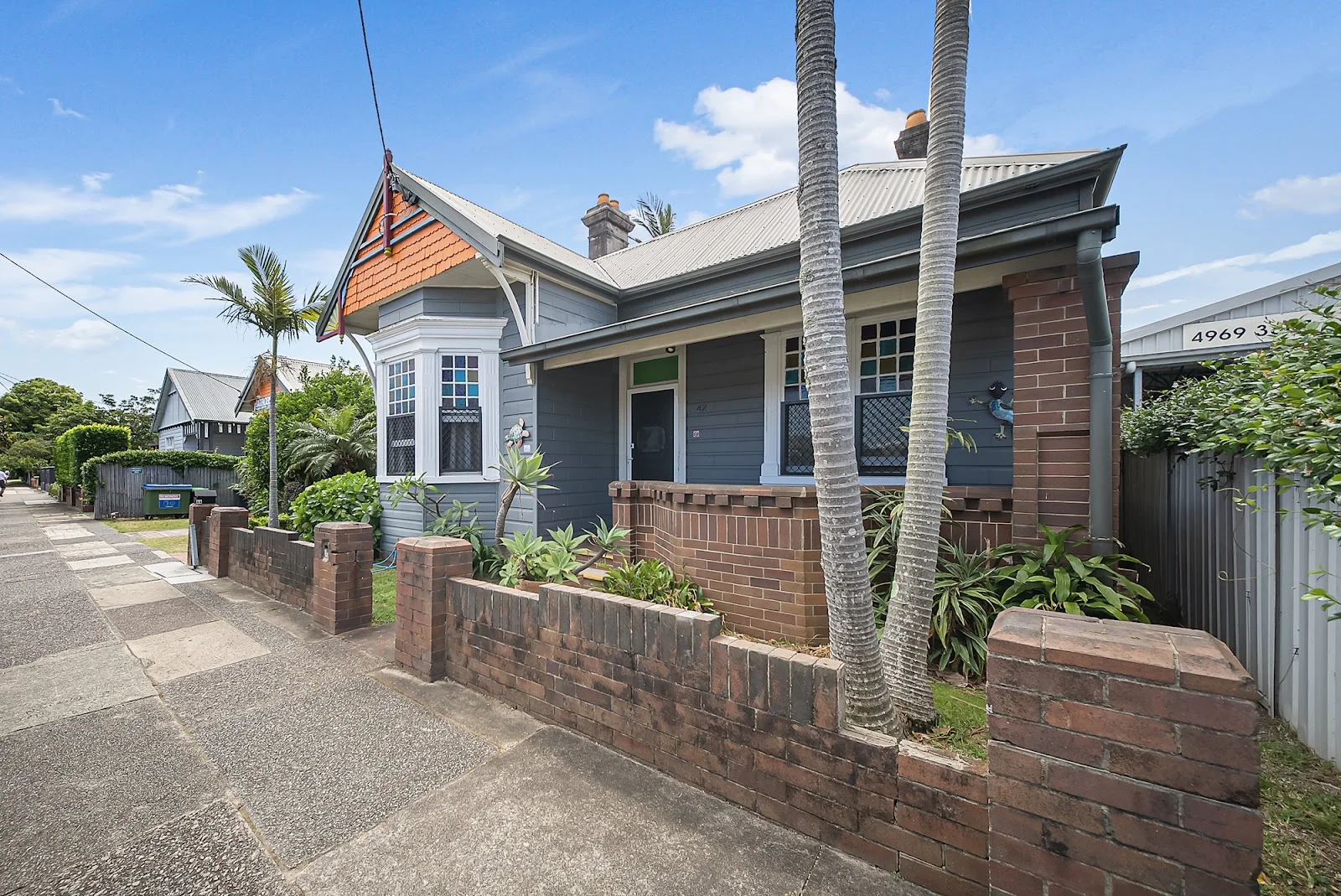 $2,000,000
propertyType.BLOCK OF UNITS
$2,000,000
propertyType.BLOCK OF UNITS
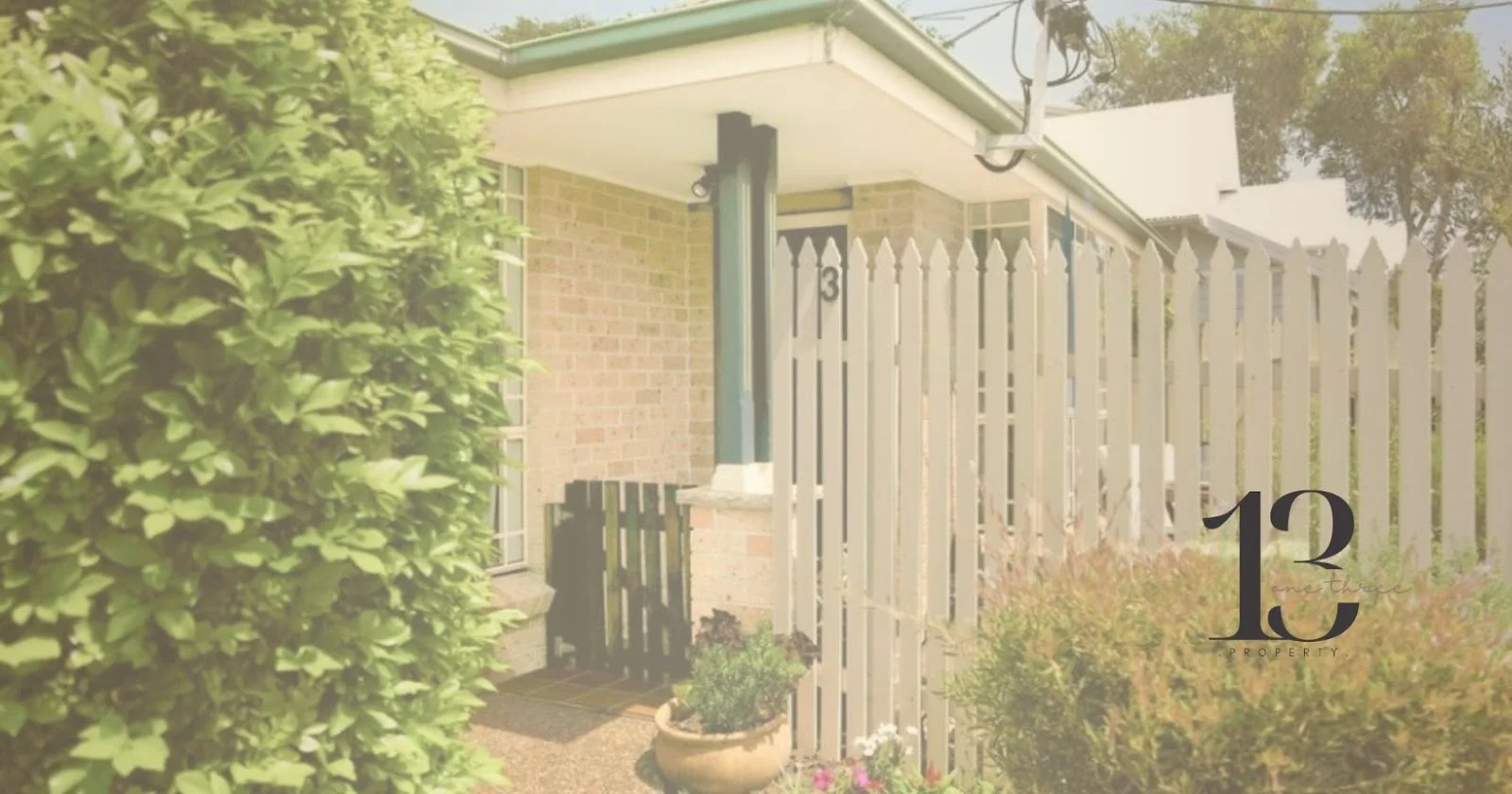 $795,000
Townhouse
$795,000
Townhouse
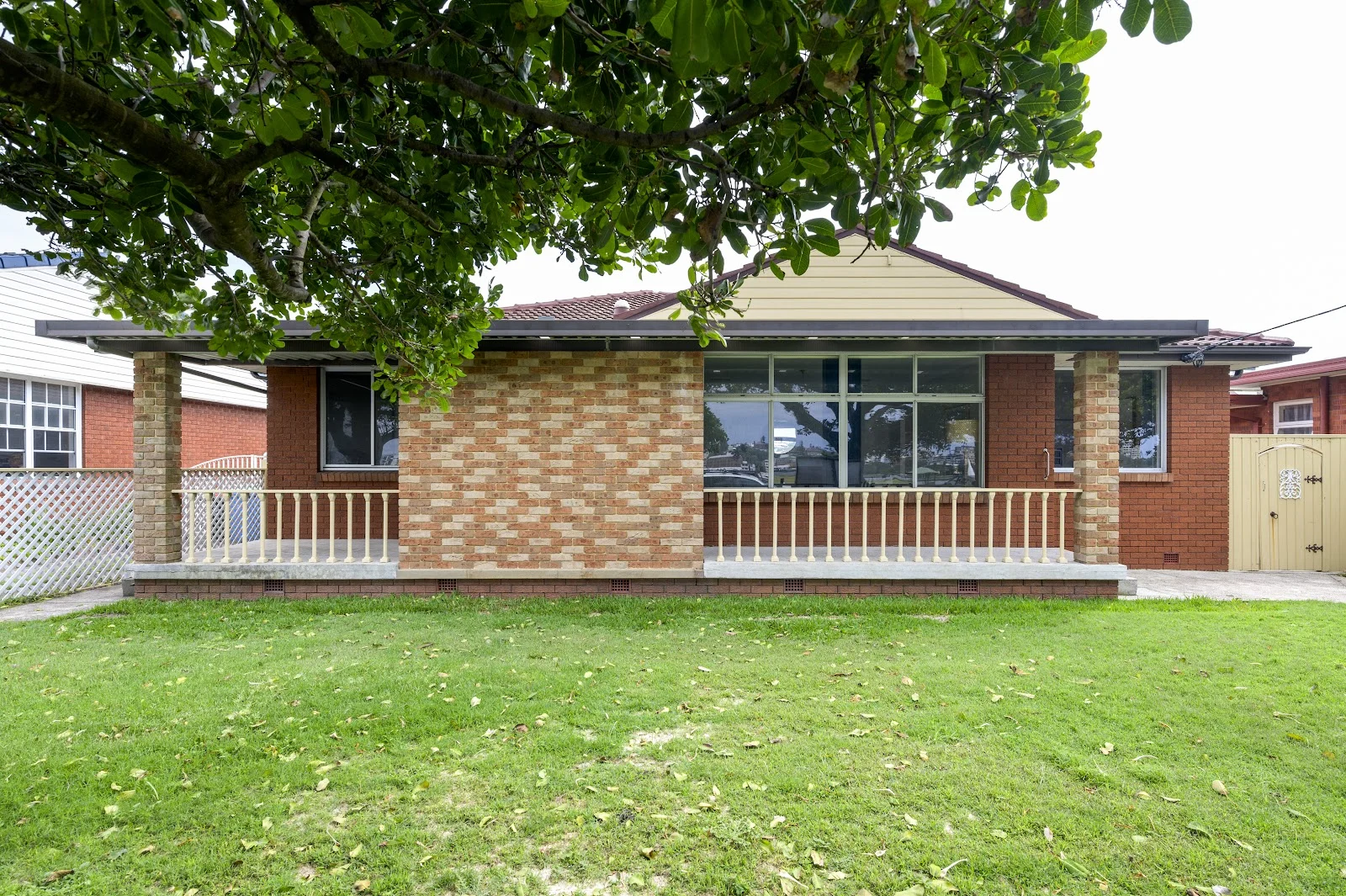 $2,500,000
House
$2,500,000
House
 $900,000 - $990,000
House
$900,000 - $990,000
House