## 1. Overview
The Junction Public School is a public primary school serving students in The Junction/Merewether area of New South Wales. As part of the NSW Department of Education, it focuses on building strong foundations in literacy and numeracy while fostering curiosity, collaboration, and community involvement. The school aims to create a welcoming, inclusive environment where students are supported to grow academically, socially and emotionally.
Overall, The Junction Public School is a small-to-medium sized public school with class sizes typically around 20–25 students. The atmosphere is friendly, nurturing and inclusive, encouraging students to engage with learning, peers and teachers in a respectful, supportive setting.
## 2. Academics & Learning
- Academic strengths: The school emphasizes strong literacy and numeracy foundations, with a clear focus on curriculum across key learning areas. There are opportunities to deepen learning in STEM, creative arts and digital literacy.
- Special programs: Gifted and Talented opportunities may be available, along with English as an Additional Language (EAL/D) support, library/reading programs, and a range of arts and technology activities to broaden student learning.
- NAPLAN trends: NSW primary schools typically track year-to-year trends against state averages. Expect stable performance with periodic improvements in specific bands (e.g., reading, writing or numeracy) as students progress through the years.
- Student-teacher ratios: Class sizes are in the small-to-medium range, with student-teacher ratios generally around 1:15 to 1:22, supporting more individual attention in many classrooms.
- Support for diverse learners: The school provides EAL/D support and inclusive education for students with diverse learning needs, including targeted interventions and adjustments as required.
## 3. Sports & Extracurricular Strengths
- Sports offered: Soccer, netball, cricket, basketball, rugby league, athletics, swimming and other seasonal activities are typically available.
- Strong teams or achievements: Students participate in district and inter-school sport events with opportunities to contribute to school teams; involvement in school sport days and representative events is common.
- Music, arts, drama programs: There are likely choir, band or music groups, school productions and opportunities in drama and visual arts.
- Clubs: Robotics, coding, chess, debating and other interest clubs are often available to extend learning beyond the classroom.
- Partnerships: The school may engage with local community clubs and participate in district-level competitions and events to broaden experience and exposure.
## 4. Wellbeing & Pastoral Care
- Anti-bullying approach: The school typically implements a proactive anti-bullying framework and a positive school culture to promote respectful interactions.
- House system: A house-based system is commonly used to foster belonging, friendly competition and teamwork through student groups.
- Counsellors / wellbeing officers: Access to school-based wellbeing staff or counsellors supports students’ emotional and social health.
- Transition support for new students: Buddy programs, orientation activities and targeted supports help new students settle in smoothly.
## 5. Facilities
- Sports grounds: Outdoor spaces for football, cricket, running and general physical activity.
- Libraries: A library for reading, research and digital learning.
- Science labs: Dedicated spaces for practical science exploration.
- Music/performing arts centers: Facilities for music practice, ensembles and performances.
- Tech/innovation labs: Access to digital learning tools and technology-enabled spaces.
- Cafeteria: On-site lunch facilities or canteen services for students.
- Updated playgrounds: Age-appropriate, safe outdoor play areas and equipment.
## 6. School Values & Community Culture
- School values / mission: A focus on respect, inclusion, resilience, responsibility and curiosity underpins daily learning and interactions.
- Leadership style: Student voice is encouraged through avenues such as student councils or leadership roles; teachers collaborate with students and families to share decision-making and goal-setting.
- Behaviour expectations: A clear code of conduct and restorative approaches help maintain a positive learning environment.
- Community reputation: The school is generally viewed as welcoming and involved, with active family and community engagement.
- Diversity & inclusion: The school supports students from diverse backgrounds and promotes inclusive education practices across the learning environment.
## 7. School Logistics & Daily Operations
- School hours: Typically 9:00 am–3:00 pm (school day), with variations for start/end times on certain days or programs.
- Before/after school care: Availability of before/after school care through approved providers or school-supported programs.
- Uniform requirements: School uniform is expected, with seasonal options and sun safety gear (e.g., hats) as appropriate.
- Transport (train/bus routes): Local bus routes and walking/cycling options are common; proximity to public transport is a consideration for commuting.
- Canteen availability: Canteen or lunch facilities are available for students.
- Fees (low/medium/high ranges): Tuition is not charged as a public school; there are usually Voluntary Contribution requests and costs for excursions or extra activities, which are typically modest.
## 8. Enrolment & Admissions
11. What is the enrolment process and timeline?
- Check catchment area and eligibility, then prepare documents (proof of identity, proof of address, immunization records). Submit an enrolment form to the school or via the NSW Department of Education channels. The school processes applications and notifies families of offers in line with placement policies and timelines. Orientation for new students is often provided prior to term start.
12. Is there a waiting list, and how does it work?
- Some years or out-of-area applications may involve a waiting list. If a waiting list applies, you’ll be assigned a position based on order of submission, catchment rules, and space availability. The school will communicate expected timelines and next steps.
13. Are there any entry requirements, tests, or interviews?
- Public primary schools generally do not conduct entrance exams for Kindergarten or primary years. There may be an information session or brief conversation with families as part of placement, and the school may assess readiness or language needs where applicable (e.g., EAL/D considerations). No formal academic testing is typically required for standard enrolment.
14. Does the school accept mid-year transfers?
- Mid-year transfers can be possible if space is available. Families should contact the school as soon as possible to discuss availability and required documentation (including student records and immunization information).
## 9. Frequently Ask Questions
- Why Parents Choose This School?
- A welcoming, family-oriented community with small-to-medium class sizes, strong literacy/numeracy emphasis, and supportive wellbeing programs.
- What type of student thrives at this school?
- Curious, cooperative learners who respond well to a collaborative environment, supportive staff, and opportunities to participate in a range of clubs and sports.
- What opportunities are available for students to extend their skills (academics, sports, arts)?
- Access to extended programs in literacy and numeracy, STEM and digital learning, music and performing arts, sports teams and a variety of clubs (robotics, coding, chess, debating).
- How does the school communicate with parents?
- Through newsletters, notices, parent-teacher meetings, and digital platforms (where available) to share updates on learning, events and student progress.
- What is the school’s approach to teaching and learning?
- A balanced, curriculum-based approach with differentiation, focus on essential literacy/numeracy skills, and opportunities for inquiry across key learning areas.
- How does the school support students who need extra academic help?
- Targeted literacy/numeracy support, EAL/D assistance, and learning support staff or programs to help students reach their individual goals.
- What support is available for academic challenges?
- Access to teachers’ planning for individual learning needs, learning plans where appropriate, and referrals to specialist support as required.
- How does the school communicate with parents?
- See above; regular updates, meetings and digital communication channels.
- What are the class sizes and how much individual attention do students receive?
- Class sizes are small-to-medium (roughly 20–25 students per class), enabling more teacher-student interaction and individual check-ins.
- What extracurricular and sports opportunities are available?
- A range of sports (e.g., soccer, netball, cricket, basketball, athletics, swimming), plus music, drama and a variety of clubs (robotics, coding, chess, debating).
- What facilities does the school offer (sports, science, arts)?
- Sports grounds, libraries, science labs, music/performing arts facilities, tech/innovation spaces, a cafeteria, and updated playgrounds.
- What is the school’s approach to technology and digital learning?
- Digital literacy is integrated across classrooms with access to devices and contemporary learning platforms to support modern learning.
- What transport and accessibility options are available?
- Local bus routes and accessible walking/cycling routes are typical, with information provided to families about transport options.
- What are typical school fees or additional costs?
- NSW public schools do not charge tuition; there are voluntary contributions and occasional costs for excursions or activities, which are disclosed in advance.
## 10. Short Pros & Cons list
Pros
- Public school with a welcoming, community-focused culture
- Small-to-medium class sizes enabling more individual attention
- Strong emphasis on literacy and numeracy with diverse learning opportunities
- Range of extracurriculars (sport, music, clubs)
- Inclusive environment with EAL/D and SEN support
- Positive wellbeing and pastoral care framework
Cons
- Being a publicly funded school, specialist programs may be limited compared with private or independent schools
- Availability of certain programs or clubs can vary by year and staffing
- Transport options depend on local routes and catchment; may require planning for commuting
- Some costs for excursions or optional activities; uniform requirements apply
Note: This content is intended to provide a decision-support overview. For current enrolment details, program availability, and exact facilities, please contact The Junction Public School directly or visit official NSW Department of Education resources.







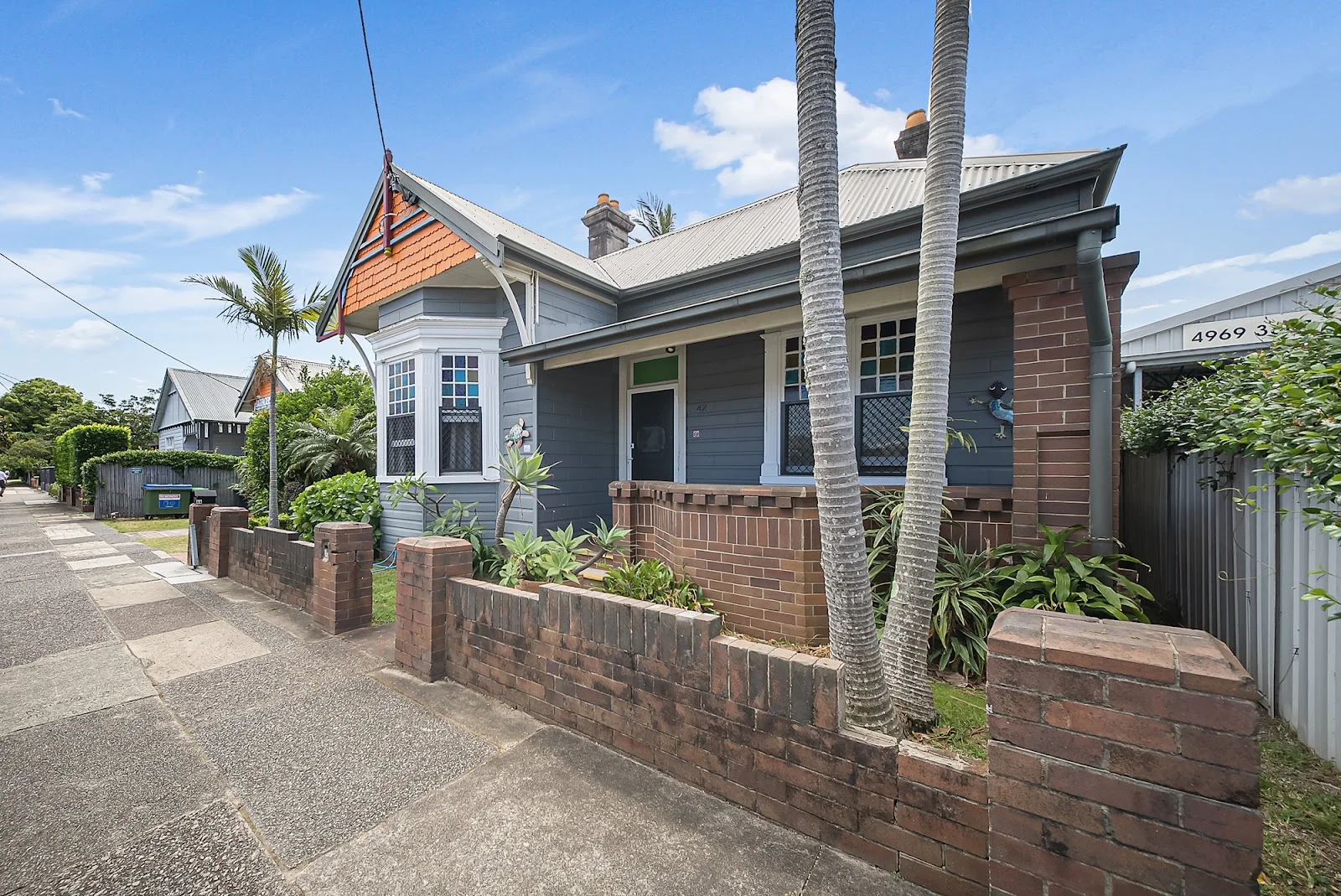 $2,000,000
propertyType.BLOCK OF UNITS
$2,000,000
propertyType.BLOCK OF UNITS
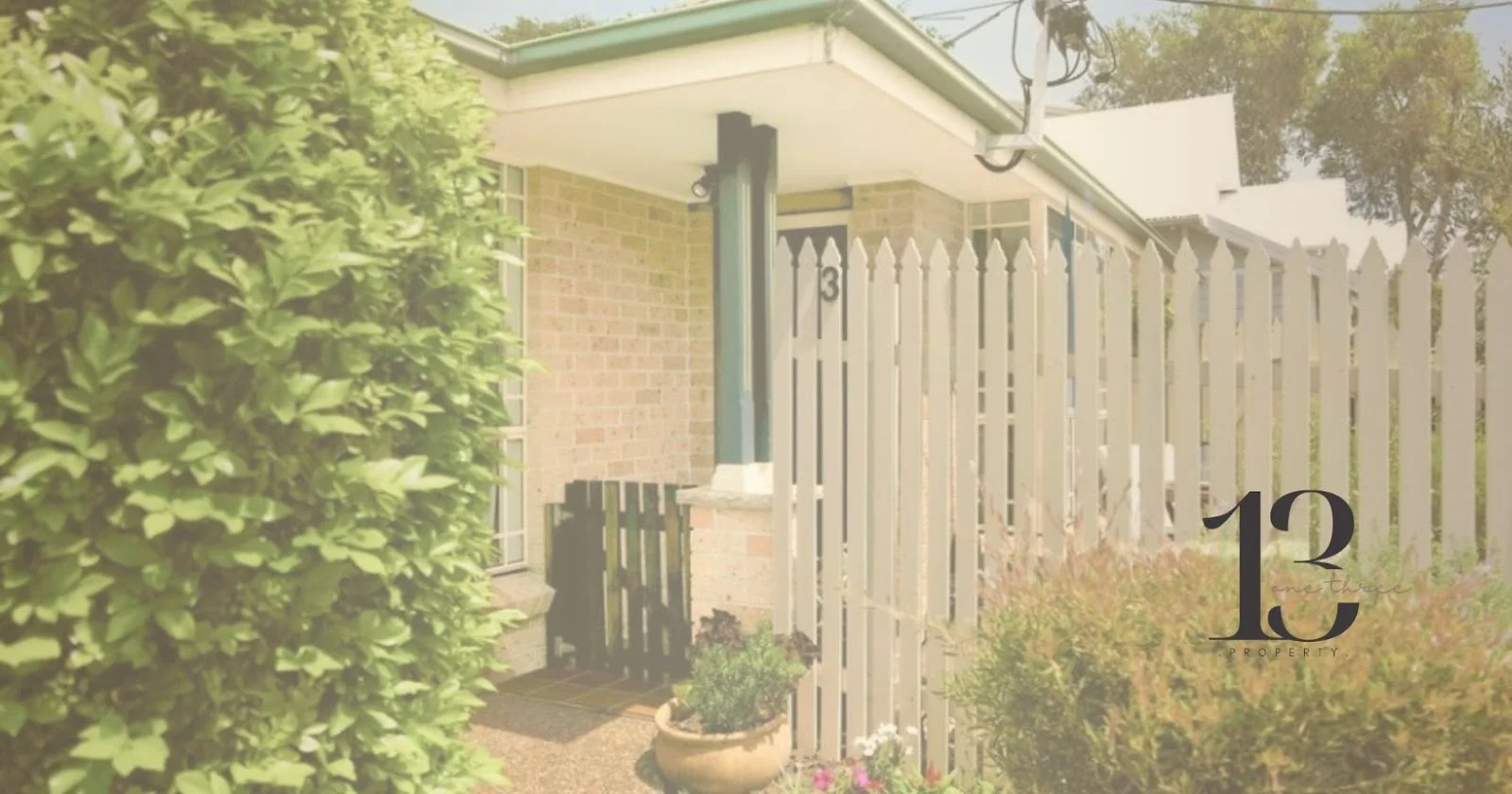 $795,000
Townhouse
$795,000
Townhouse
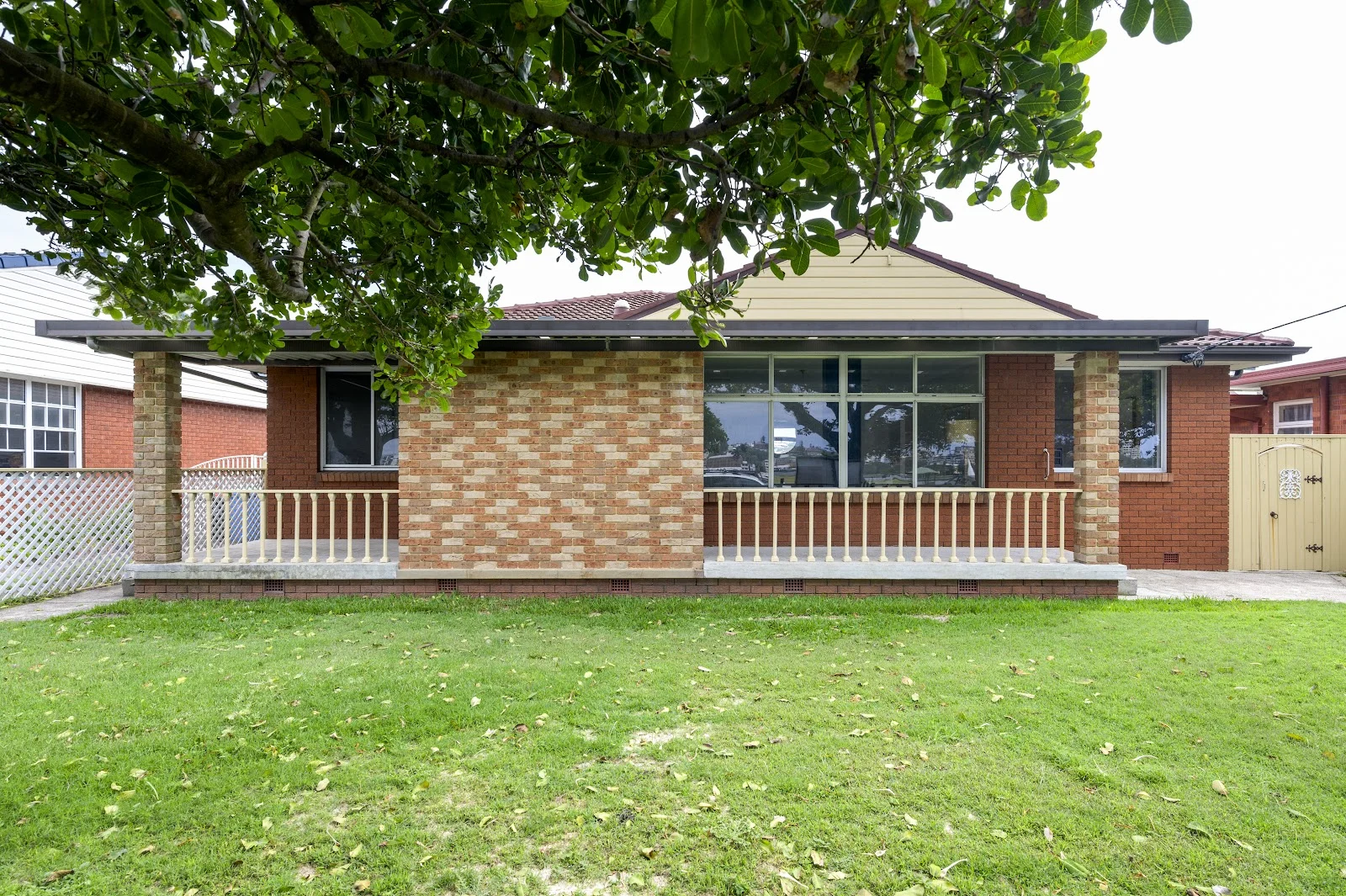 $2,500,000
House
$2,500,000
House
 $900,000 - $990,000
House
$900,000 - $990,000
House


