Overview
Newcastle Grammar School is an independent private school located in Cooks Hill, NSW 2300, offering a co-educational environment that supports students from primary through secondary years. The school emphasizes a balanced approach to education, combining strong academics with character development and real-world learning.
The atmosphere is nurturing and inclusive, with a medium-sized school community that aims to provide personalised attention, a supportive culture, and opportunities for every student to thrive academically, athletically, and creatively.
Academics & Learning
- Academic strengths: Core literacy and numeracy, strong emphasis on STEM and English, with opportunities to develop languages and leadership skills.
- Special programs: Gifted and talented pathways, accelerated learning options, and leadership programs to stretch high-potential students.
- Support for diverse learners: Dedicated EAL and SEN support, inclusive education practices, and targeted support plans where needed.
- Sports offered: A broad selection of team and individual sports, with competitive opportunities across school sport and PE programs.
- Strong teams or achievements: Notable achievements across various sports through inter-school competitions and school-level teams.
- Music, arts, drama programs: Active music ensembles, performing arts opportunities, and drama production programs.
- Clubs: Robotics, chess, coding, debating, and other clubs designed to foster inquiry, critical thinking, and collaboration.
- Partnerships: Collaborations with local clubs, academies, and competitions to extend learning beyond the classroom.
Wellbeing & Pastoral Care
- Anti-bullying approach: Clear anti-bullying policies, accessible reporting channels, and proactive wellbeing practices.
- House system: A house-based pastoral structure to foster belonging, mentorship, and healthy competition.
- Counsellors / wellbeing officers: Dedicated staff focused on student wellbeing, with accessible support for students and families.
- Transition support: Orientation programs, buddy systems, and transitional support for new students to settle in smoothly.
Facilities
- Sports grounds: Comprehensive playing fields and courts to support physical education and team sports.
- Libraries: Well-stocked libraries with study spaces and digital resources.
- Science labs: Modern science facilities to support practical experiments and inquiry-based learning.
- Music/performing arts centers: Spaces for music rehearsal, performance, and drama.
- Tech/innovation labs: Dedicated spaces for design, coding, and technology projects.
- Cafeteria: On-site dining options with a focus on healthy choices.
- Updated playgrounds: Safe, age-appropriate outdoor play and structured recreation areas.
- School values / mission: A mission centered on excellence, respect, integrity, inclusion, and community contribution.
- Leadership style: Collaborative and student-centered, with teacher and student voices shaping school life.
- Behaviour expectations: Clear codes of conduct and consistent expectations across the school community.
- Community reputation: Recognised for a welcoming, high-achieving environment with a focus on holistic development.
- Diversity & inclusion: Commitment to an inclusive culture that supports students from diverse backgrounds.
School Logistics & Daily Operations
- School hours: Regular school day with start and finish times that align with NSW school calendars.
- Before/after school care: Availability of extended hours or supervision to support families.
- Uniform requirements: Clear uniform standards aligned with school policies.
- Transport: Access to public transport options and local routes; school-specific guidance on travel to and from campus.
- Canteen availability: Canteen or on-site food services offering healthy options.
- Fees: Fees fall into a mid-to-high range for independent NSW schools; information available via the school’s current publications.
Enrolment & Admissions
- What is the enrolment process and timeline?
- Submit an application with the required documentation, followed by any school-specific assessments or interviews; timelines vary by year group and vacancy.
- Is there a waiting list, and how does it work?
- Waiting lists may apply for certain year levels; placement is typically influenced by vacancy, enrolment priorities, and applicant readiness.
- Are there any entry requirements, tests, or interviews?
- Entry often includes an application, academic records, and may include assessments or interviews to understand fit with the program and culture.
- Does the school accept mid-year transfers?
- Mid-year transfers are considered subject to vacancy, alignment with the curriculum, and completion of the school’s admission steps.
Frequently Asked Questions
- Why Parents Choose This School?
- A balanced approach to academics, supportive wellbeing, strong community culture, and opportunities across sports, arts, and clubs.
- What type of student thrives at this school?
- Students who are motivated, collaborative, and eager to engage across academics, arts, sports, and service.
- What opportunities are available for students to extend their skills (academics, sports, arts)?
- Programs and clubs across STEM, languages, leadership, performing arts, and a range of sport teams and competitions.
- How does the school communicate with parents?
- Regular updates through newsletters, parent portals, and open channels with teachers and leadership; importantly, accessible avenues for questions and feedback.
- What is the school’s approach to teaching and learning?
- Student-centered, with a mix of targeted support, enriched learning opportunities, and assessments designed to inform growth.
- How does the school support students who need extra academic help?
- Dedicated support, EAL and SEN services, targeted intervention plans, and differentiated instruction.
- What support is available for academic challenges?
- Access to tutors, mentoring, and extra help sessions as part of a structured support framework.
- How does the school communicate with parents? (Duplicate)
- See above: multiple channels including digital updates and direct contact with staff.
- What extracurricular and sports opportunities are available?
- A wide range of clubs and teams across sports, robotics, chess, coding, debating, music, and the arts.
- What facilities does the school offer (sports, science, arts)?
- Modern science labs, libraries, performance spaces, music/arts facilities, and well-equipped tech spaces.
- What is the school’s approach to technology and digital learning?
- Integrated digital learning across curricula with access to devices, software tools, and online resources to enhance learning.
- What transport and accessibility options are available?
- Local transport options are available with guidance on routes and accessibility for families.
- What are the typical school fees or additional costs?
- Fees fall within the mid-to-high range for independent schools; detailed breakdown available in current enrolment materials.
Short Pros & Cons
Pros
- Independent/private school with a holistic approach to education.
- Supportive, inclusive, and collaborative school culture.
- Range of academic, arts, and sports offerings with opportunities to excel.
- Strong wellbeing and pastoral care framework.
- Facilities that support science, arts, technology, and athletics.
Cons
- Private school fees; ongoing cost to families.
- Competitive entry may require meeting specific criteria or processes.
- Availability of places can vary by year level and intake capacity.
If you’d like, I can tailor this draft further with more precise details from the school’s current materials (e.g., exact programs, student-teacher ratios, and facilities).









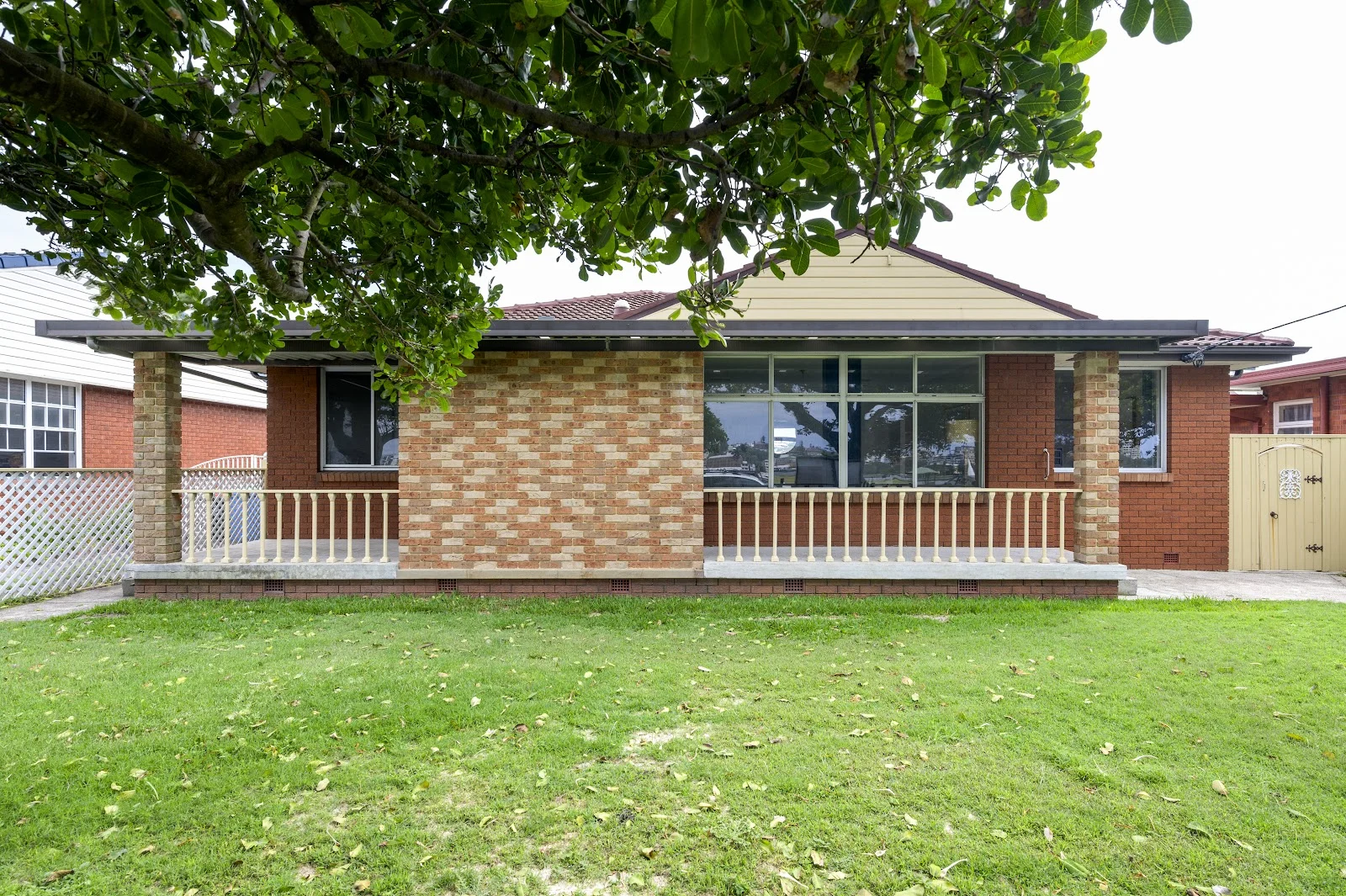 $2,500,000
House
$2,500,000
House
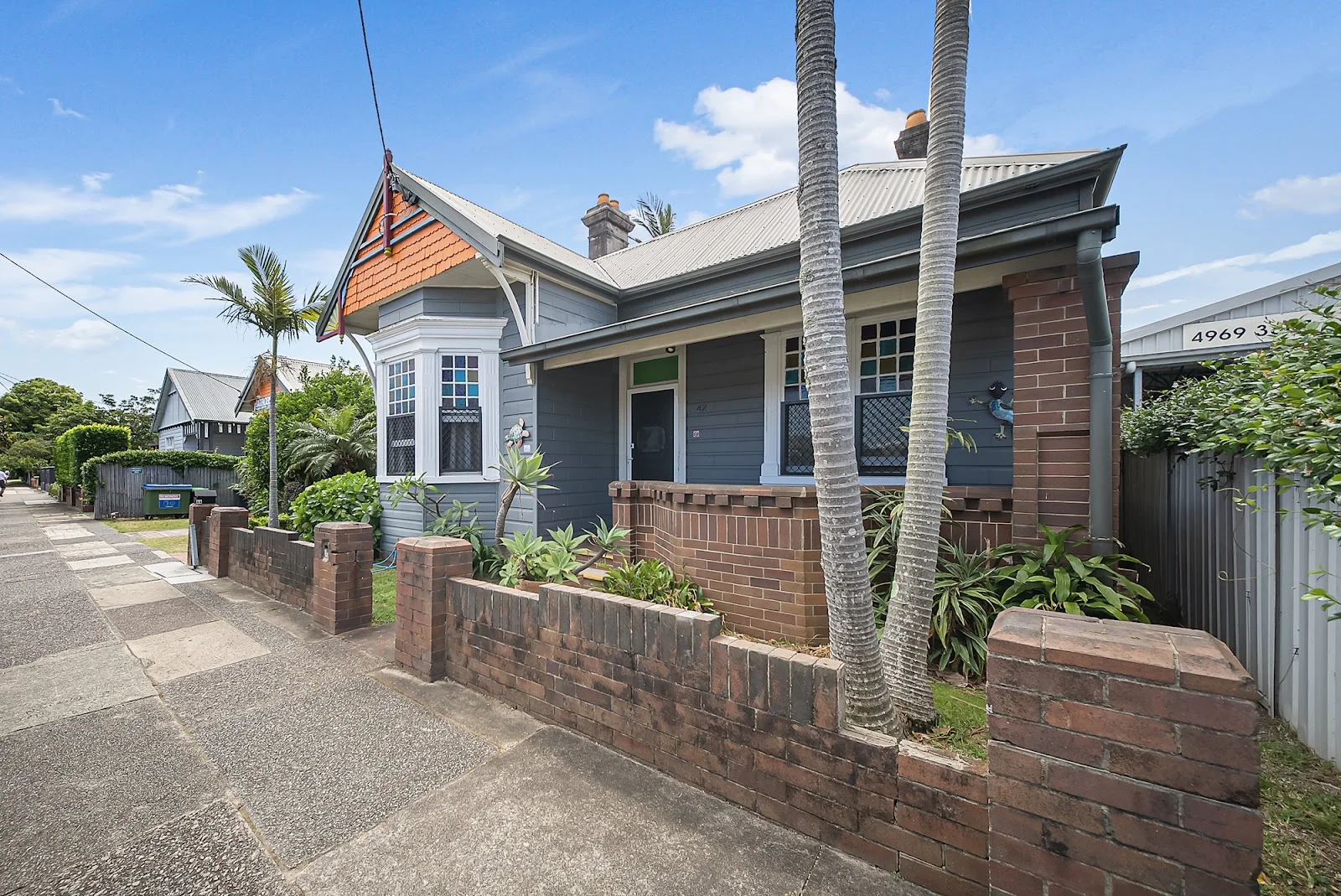 $2,000,000
propertyType.BLOCK OF UNITS
$2,000,000
propertyType.BLOCK OF UNITS
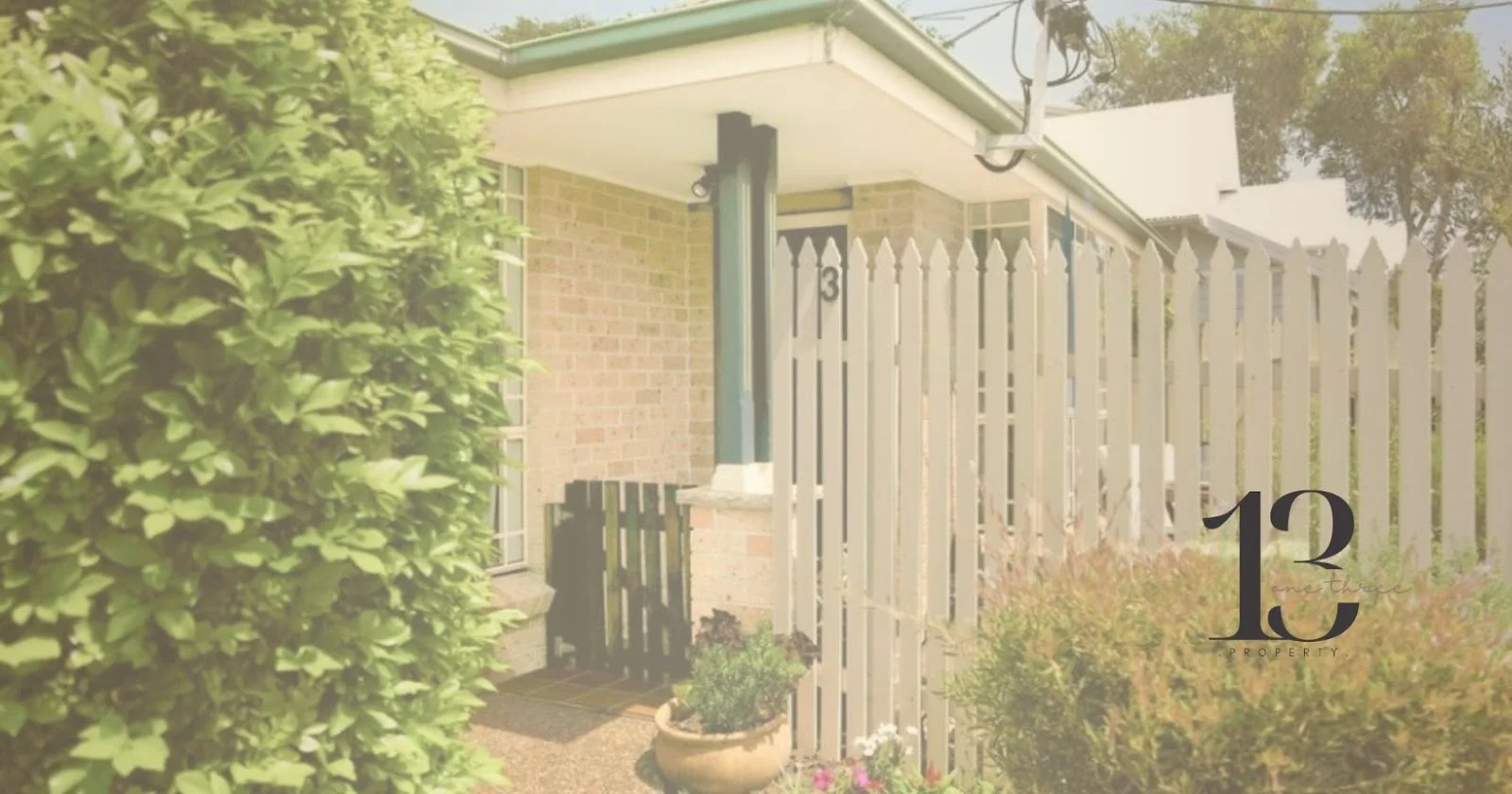 $795,000
Townhouse
$795,000
Townhouse
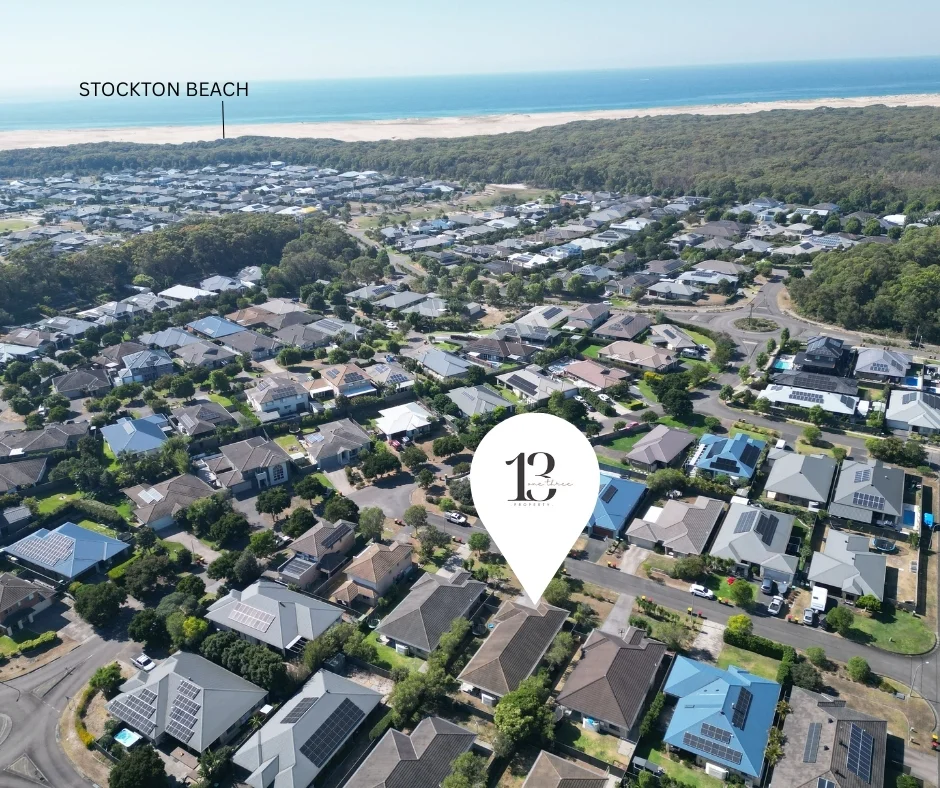 $900,000 - $990,000
House
$900,000 - $990,000
House