## Overview
The Beehive Montessori School in Wanneroo WA is an independent private school that follows the Montessori approach, focusing on child-led learning within a structured, nurturing environment. The school emphasizes hands-on, real-world learning and fosters independence, curiosity, and collaboration.
School size is typically small, with intimate class settings designed to support individualized learning. The atmosphere is generally described as warm, supportive, and inclusive, promoting respectful relationships among students, teachers, and families. Classes often blend ages to encourage peer learning and social development. Please check with the school for current enrolment numbers and class configurations.
⸻
## Academics & Learning
- Academic strengths: Early literacy and numeracy development through Montessori materials, with an emphasis on critical thinking, problem solving, and independent learning. Language development and practical life skills are central to daily learning.
- Special programs: Montessori pedagogy is the core framework; enrichment activities commonly incorporate science, math investigations, arts, and practical life skills. Some cohorts may offer extension or enrichment activities aligned with Montessori principles.
- NAPLAN / Ofsted trends: External standardized testing trends for private WA Montessori schools are not typically published in the same way as public systems. The school prioritizes ongoing teacher assessments and student progress tracking to monitor growth.
- Student-teacher ratios: Small class sizes and mixed-age grouping underpin a relatively low-to-moderate student-teacher ratio, enabling individualized attention.
- Support for diverse learners (EAL, SEN): EAL and SEN support is typically available through trained staff and individualized learning plans within the Montessori framework.
⸻
## Sports & Extracurricular Strengths
- Sports offered: General physical education and participation in school-wide or community sports programs; opportunities for active play and fitness within the school day.
- Strong teams or achievements: Focus tends to be on individual growth and cooperative activities rather than large interschool teams; schools often participate in local community events and friendly competitions.
- Music, arts, drama programs: Strong emphasis on creativity and the arts; music and drama are commonly integrated into the curriculum and may include school performances.
- Clubs: Robotics, chess, coding, debating are examples of clubs that may be offered or facilitated through partnerships and after-school programs.
- Partnerships: Local community partnerships and collaborations with external clubs or academies can provide additional opportunities in sport, coding, robotics, and arts.
Note: Club offerings and partnerships vary by year. Please confirm current extracurricular options with the school.
⸻
## Wellbeing & Pastoral Care
- Anti-bullying approach: Schools commonly implement proactive anti-bullying policies, regular discussions, and peer support to foster a safe, respectful environment.
- House system: A house or house-like system is often used to promote teamwork, belonging, and healthy competition across activities and events.
- Counsellors / wellbeing officers: Access to wellbeing support, including counselors or wellbeing staff, is typically available to assist students with social-emotional development and personal challenges.
- Transition support for new students: Induction processes, buddy systems, and transitional support help new students settle in smoothly and build connections quickly.
⸻
## Facilities
- Sports grounds: On-site or local access to outdoor space for physical activity and play.
- Libraries: Dedicated library or resource area supporting reading and research.
- Science labs: Dedicated spaces for hands-on science exploration and experiments.
- Music/performing arts centers: Spaces for music, drama, and performance activities.
- Tech/innovation labs: Access to technology and maker-style spaces to support coding, robotics, and digital projects.
- Cafeteria: On-site or nearby dining facilities for meals and snacks.
- Updated playgrounds: Safe, age-appropriate outdoor play spaces.
This combination of facilities supports a well-rounded, experiential education aligned with Montessori principles. Confirm current facilities and spaces with the school.
⸻
## School Values & Community Culture
- School values / mission: Emphasis on respect, responsibility, kindness, curiosity, and a love of learning within a Montessori framework.
- Leadership style: Collaborative and student-centered, with teachers guiding rather than dictating learning, and students encouraged to take initiative.
- Behaviour expectations: Clear expectations around behavior, with consistent routines and restorative approaches to conflict.
- Community reputation: Aims to build a warm, inclusive community where families are engaged partners in education.
- Diversity & inclusion: Strong focus on inclusive practices, welcoming students from diverse backgrounds and abilities.
⸻
## School Logistics & Daily Operations
- School hours: Typically a daytime schedule aligned with local school years; exact times vary by term and cohort.
- Before/after school care: Often available through on-site programs or local arrangements.
- Uniform requirements: Most WA independent schools have a standard uniform or dress code; confirm current requirements with the school.
- Transport (train/bus routes): School transport options may include local bus services; verify routes and availability with the school.
- Canteen availability: Canteen or food facilities may be available, with policies on meals and snacks.
- Fees (low/medium/high ranges): Fees for independent Montessori schools in WA are generally in the medium-to-high range; exact costs including any levies, materials, and excursions should be confirmed with the school.
⸻
## Enrolment & Admissions
11. What is the enrolment process and timeline?
- Typical steps include submitting an application, providing requested documentation (previous schooling records, immunisation), an interview or observation session, and a family meeting. The timeline varies by year level and applicant volume; early applications are encouraged to secure placement.
12. Is there a waiting list, and how does it work?
- Waiting lists are common for private Montessori schools. Applicants may be placed on a waitlist after the initial application, with position determined by factors such as availability, year level, and priority considerations. You will be kept informed about your place on the list and any mats of entry.
13. Are there any entry requirements, tests, or interviews?
- Entry typically involves an interview or orientation session, and may include observation of the child in a learning environment or a trial period to assess fit with Montessori methods and classroom dynamics. Language and immunisation records may also be requested.
14. Does the school accept mid-year transfers?
- Mid-year transfers can be possible, subject to space and program fit. Prospective families should contact the school directly to discuss availability and the transfer process.
⸻
## Frequently Asked Questions
- Why Parents Choose This School?
- Parents often choose Montessori-based programs for a strong focus on independence, hands-on learning, social-emotional development, and a supportive environment that respects each child’s pace.
- What type of student thrives at this school?
- Curious, self-motivated learners who enjoy hands-on activities, collaborative work, and a learning pace tailored to their individual progress typically thrive in Montessori settings.
- What opportunities are available for students to extend their skills (academics, sports, arts)?
- Students can access enriched literacy and numeracy activities, science and arts projects, music and drama opportunities, and clubs such as robotics, chess, coding, and debating where offered.
- How does the school communicate with parents?
- Common channels include regular newsletters, parent portals or apps, teacher conferences, and email/phone updates. Some schools host family information evenings and annual reports.
- What is the school’s approach to teaching and learning?
- The Montessori approach emphasizes student-led, teacher-guided learning with guided choice, hands-on materials, and mixed-age groups to support independence, collaboration, and deep understanding.
- How does the school support students who need extra academic help?
- Support typically includes individualized learning plans, targeted small-group work, and adjustments within the Montessori framework, with ongoing progress review by teachers.
- What support is available for academic challenges?
- In addition to targeted in-class supports, there may be tutoring, enrichment options, and specialist input as needed.
- How does the school communicate with parents? (Repeated question)
- See above: through newsletters, portals, conferences, and direct updates from teachers.
- What are the class sizes and how much individual attention do students receive?
- Class sizes are kept small to facilitate individual attention, with mixed-age groups that promote peer learning and personalized guidance from teachers.
- What extracurricular and sports opportunities are available?
- A range of clubs and activities may be offered, including robotics, chess, coding, debating, music, and arts programs; sports participation is supported through PE and community activities.
- What facilities does the school offer (sports, science, arts)?
- Facilities typically include sports spaces, libraries, science labs, music/arts spaces, and technology labs to support a well-rounded program.
- What is the school’s approach to technology and digital learning?
- Technology integration is age-appropriate and focused on digital literacy, responsible use, and enhancing learning through Montessori-aligned projects and research.
- What transport and accessibility options are available?
- Transport options may include local bus services; accessibility considerations depend on the campus and local infrastructure—confirm specifics with the school.
- What are typical school fees or additional costs?
- Fees for private Montessori schools in WA are generally in the medium-to-high range and may include materials, excursions, and uniform costs; verify the current fee schedule with the school.
⸻
## Short Pros & Cons list
- Pros
- Montessori-based, child-led learning that supports independence and hands-on understanding.
- Small class sizes and mixed-age groups foster personalized attention and peer learning.
- Focus on holistic development, including social-emotional wellbeing and creativity.
- Inclusive environment with opportunities in arts, clubs, and local partnerships.
- Cons
- Enrollment is often competitive with potential waiting lists.
- Private school fees may be higher than public options.
- Club and facility offerings can vary year to year; some programs may require external involvement or additional costs.
⸻








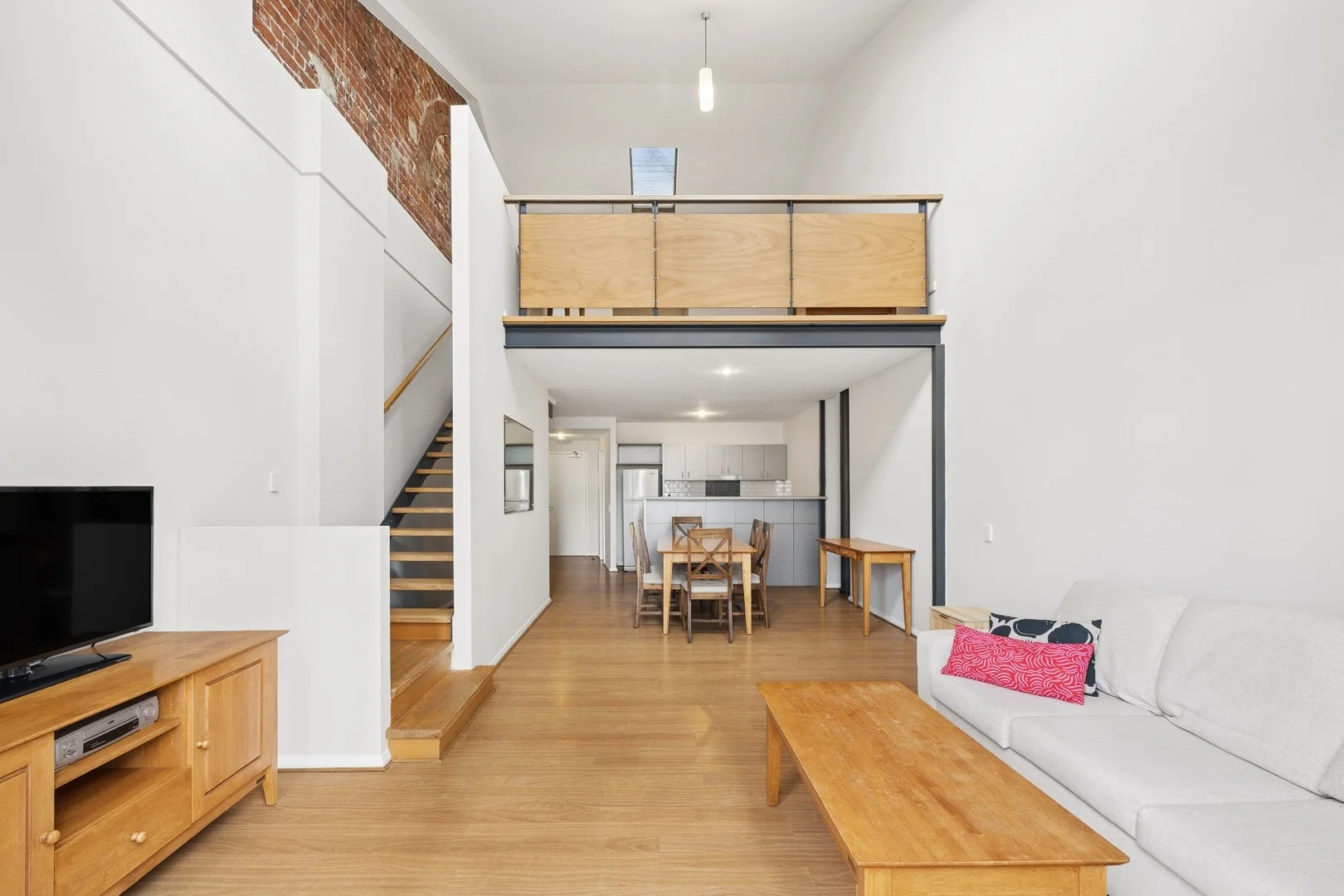 $549,000
Apartment / Unit / Flat
$549,000
Apartment / Unit / Flat
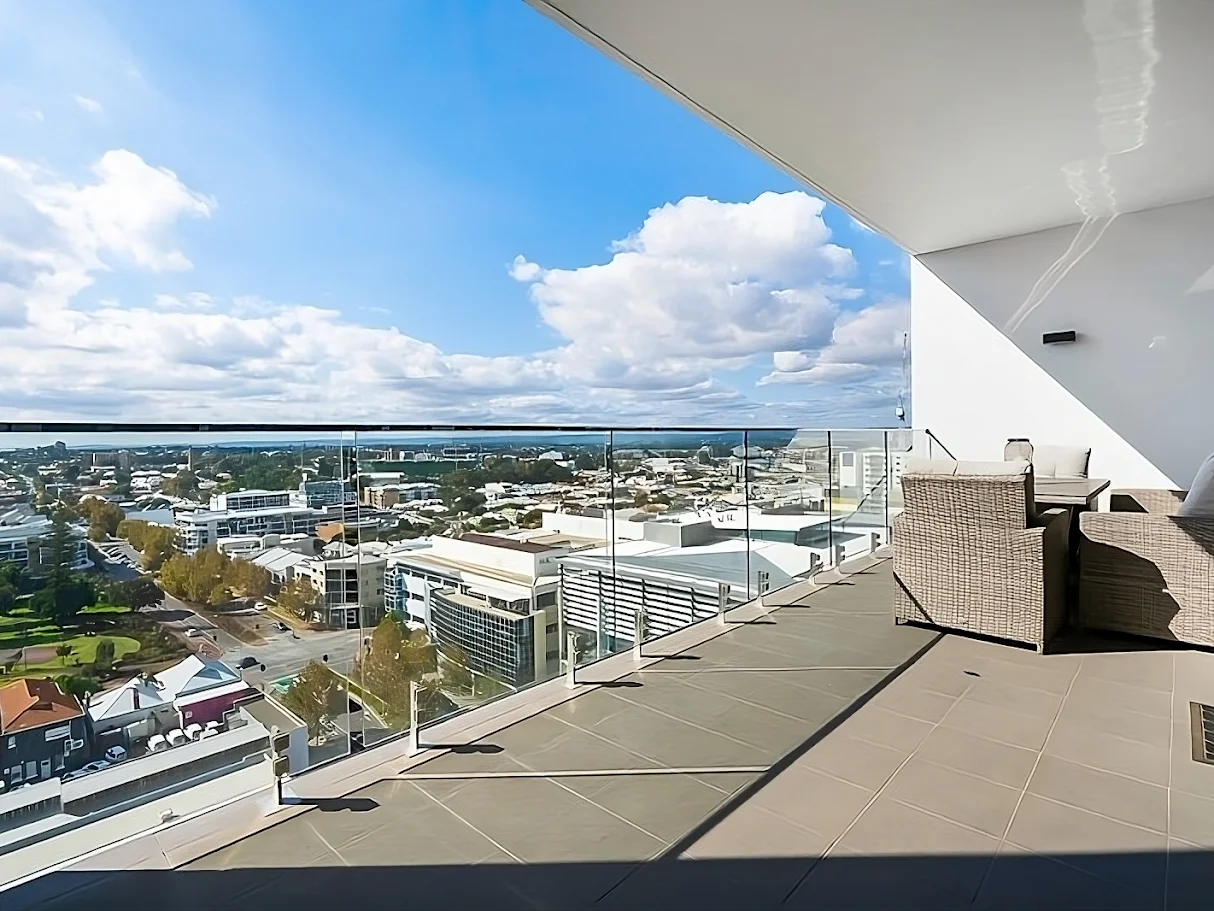 $580,000
Apartment / Unit / Flat
$580,000
Apartment / Unit / Flat
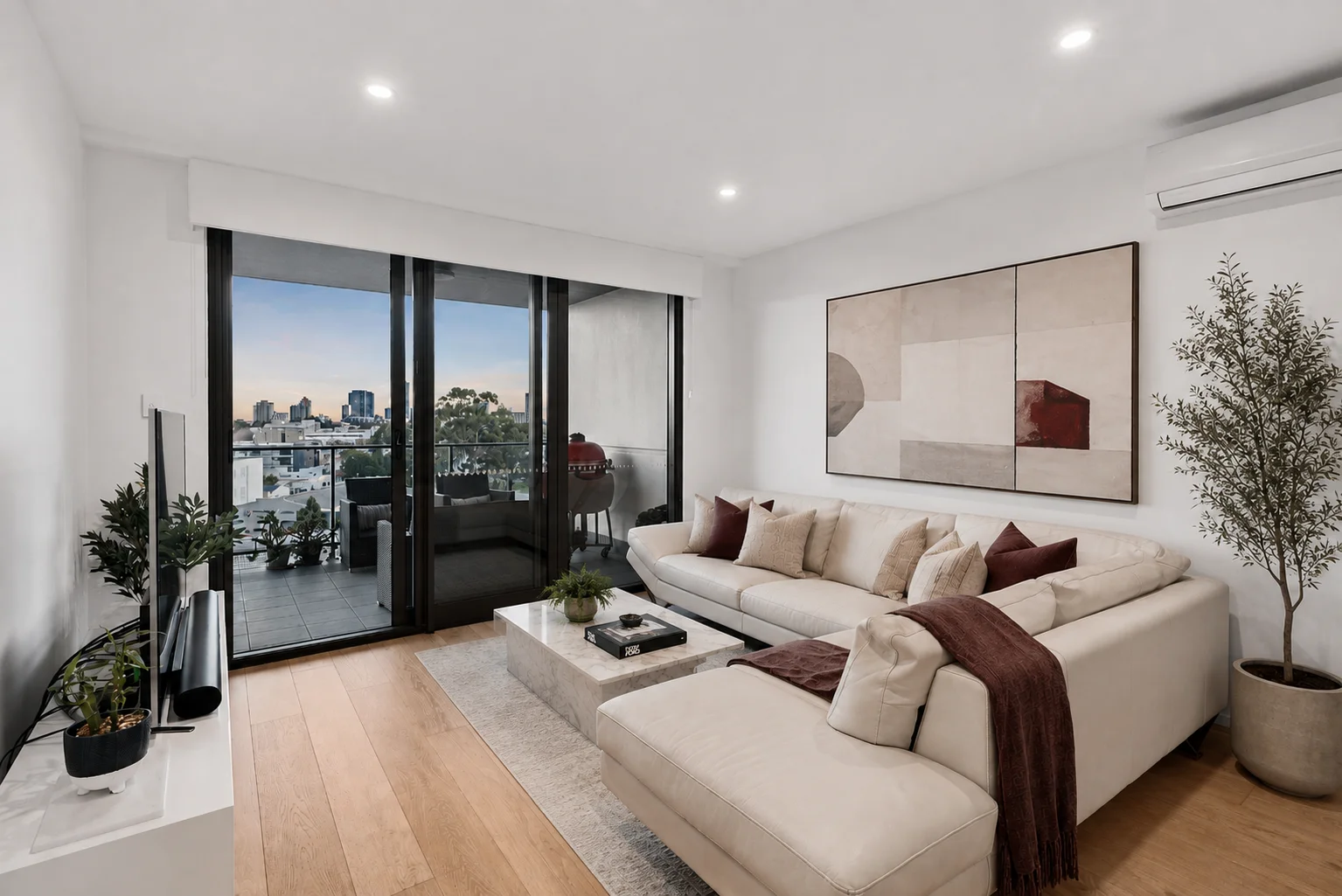 $700,000
Apartment / Unit / Flat
$700,000
Apartment / Unit / Flat